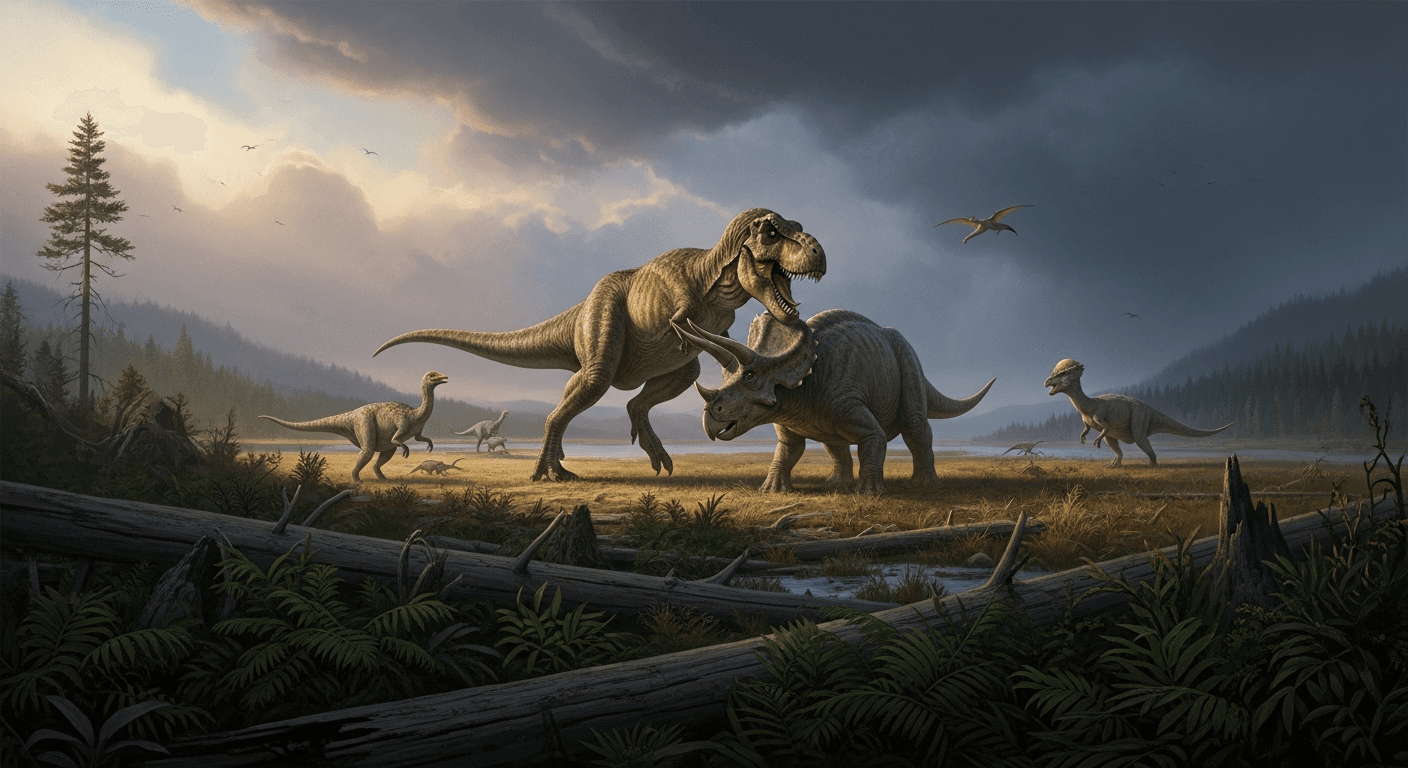
Hell Creek Formation
Montana, North Dakota, South Dakota, Wyoming, United States
Why It Matters
Hell Creek preserves the last two million years of the dinosaur age — the final chapter before the Chicxulub impact — and has produced the most complete skeletons of Tyrannosaurus rex, Triceratops, and Ankylosaurus ever found. It is the world's primary window into end-Cretaceous ecosystems and the mass extinction event itself. The K-Pg boundary layer marking the asteroid impact is clearly visible within Hell Creek outcrops.
How Fossils Survived
Deposited by river systems draining an ancient Rocky Mountain range, the formation consists of alternating sandstone channel fills and grey mudstone floodplain deposits. The fine-grained floodplain sediments were ideal for rapid burial and bone preservation. The presence of the iridium anomaly — a worldwide chemical signature of the Chicxulub impact — at the top of the formation makes Hell Creek uniquely important for studying the extinction.
Discovery History
Barnum Brown of the American Museum of Natural History discovered the first T. rex specimen in Hell Creek outcrops in 1902, sparking over a century of intensive collecting. Sue (FMNH PR 2081), the largest and most complete T. rex, was found in South Dakota in 1990 and auctioned for $8.36 million in 1997. Today the formation remains one of the most actively excavated in North America.
Dinosaurs in the Vault
7 species in our database · sorted by size
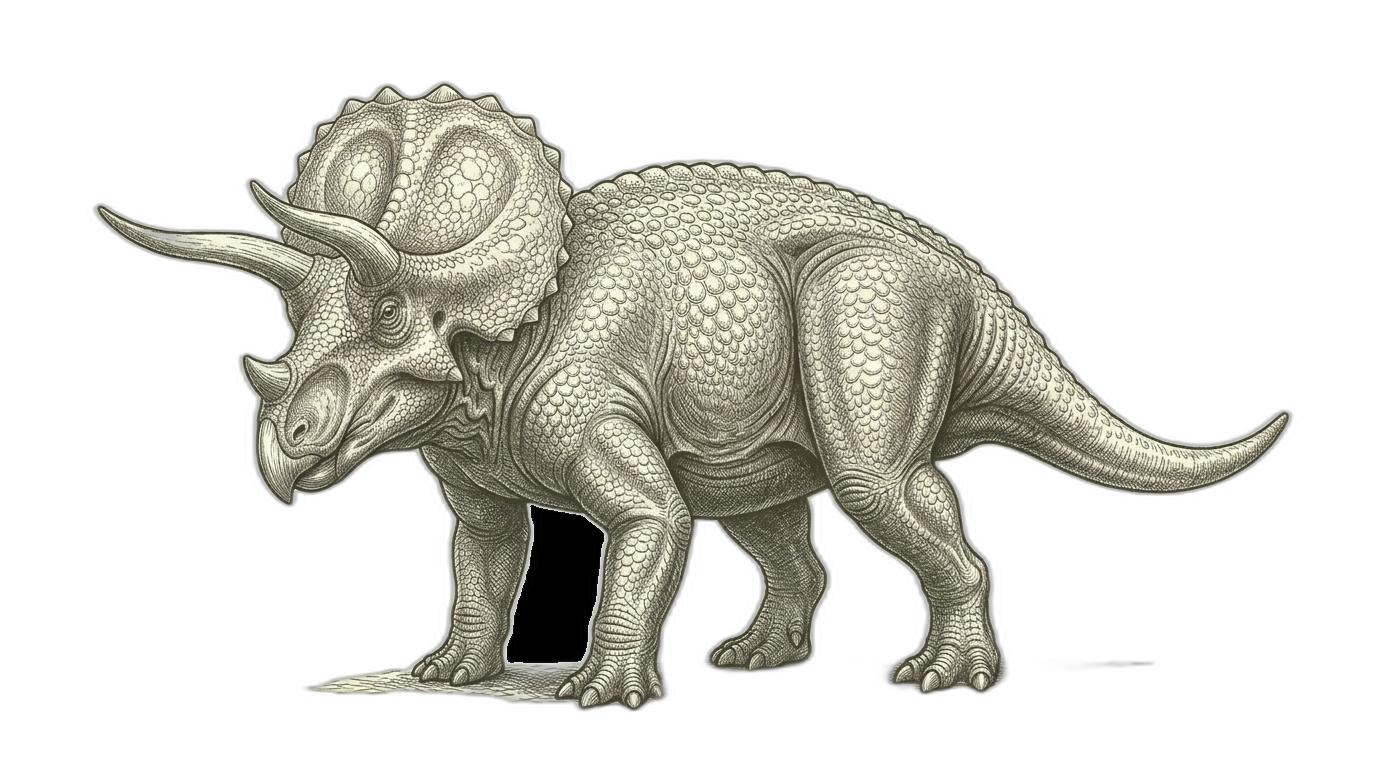
Triceratops
🌿Triceratops horridus
8.5m · 9.0t
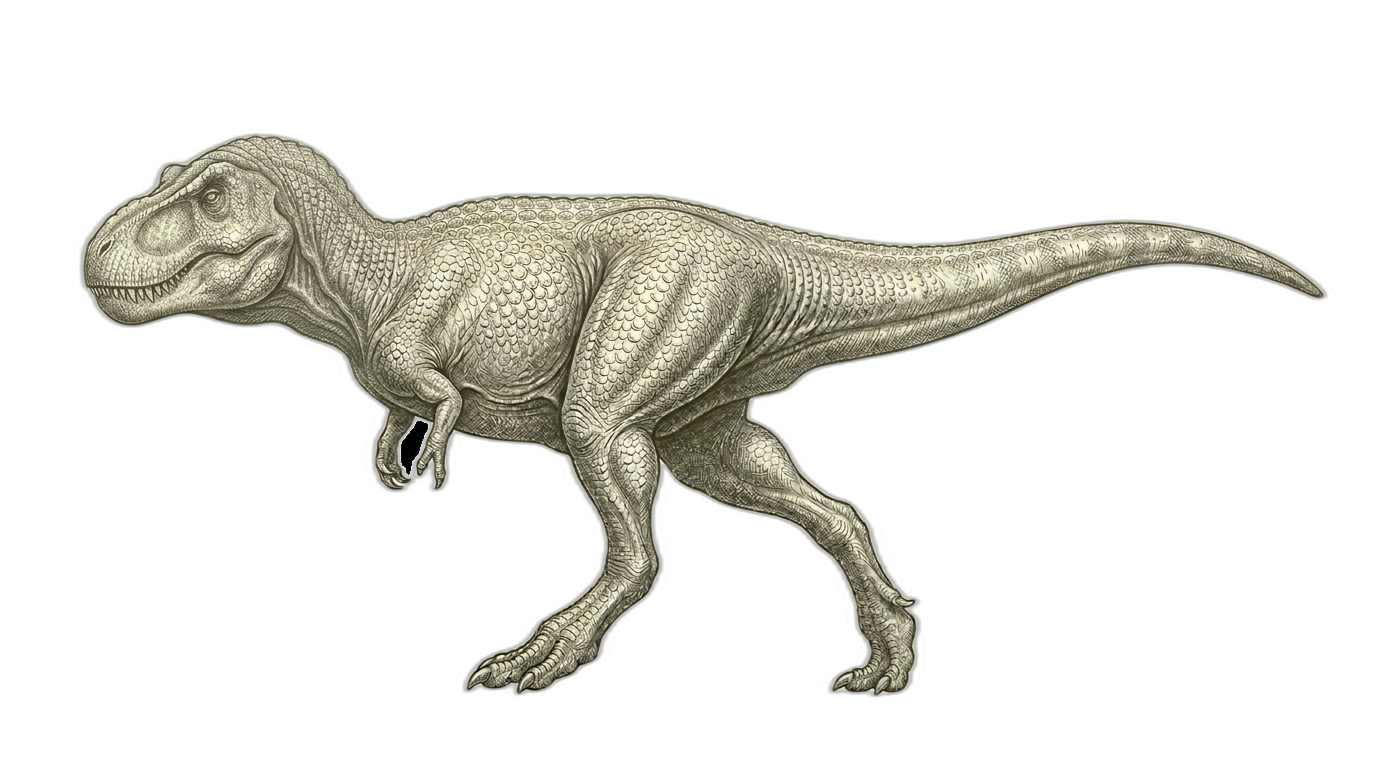
T-Rex
🥩Tyrannosaurus rex
12.3m · 9.0t
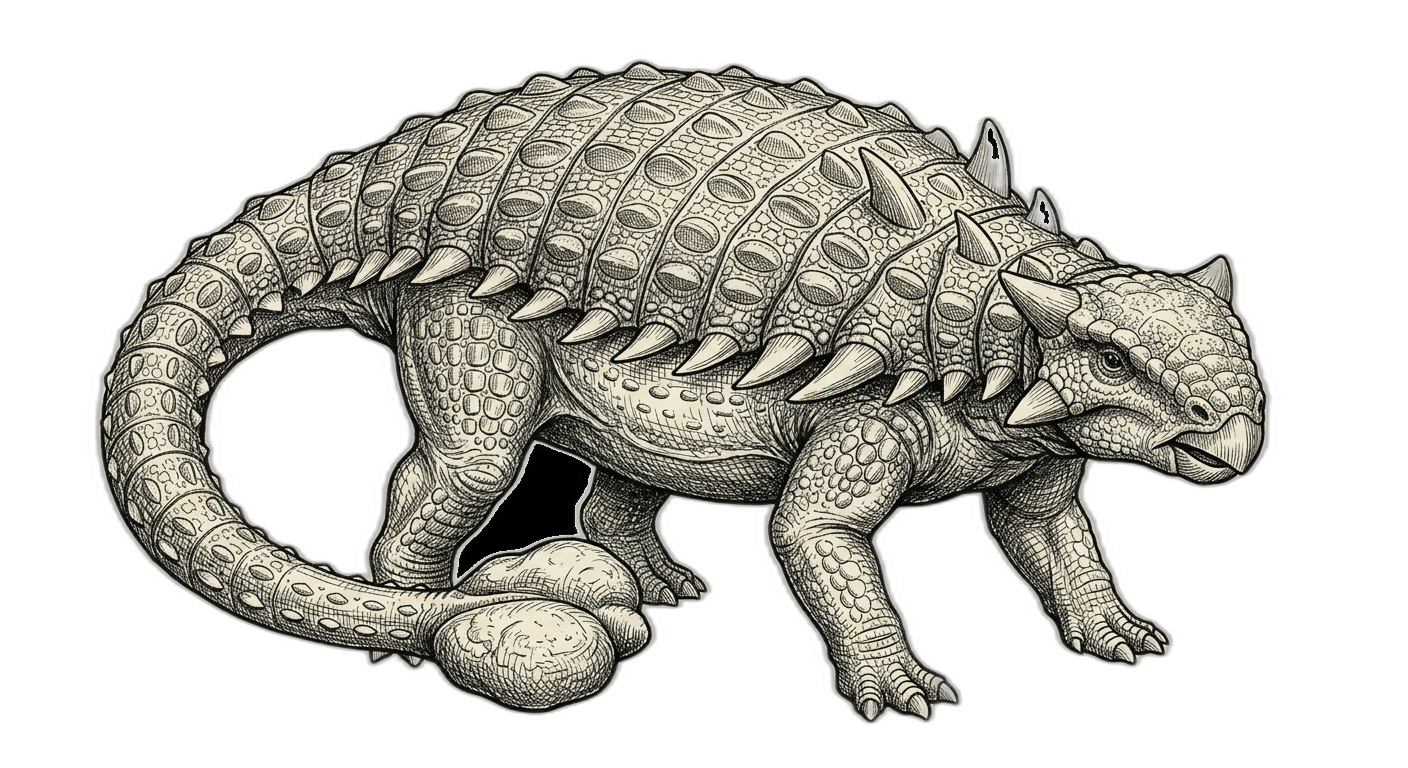
Ankylosaurus
🌿Ankylosaurus magniventris
7.5m · 6.0t
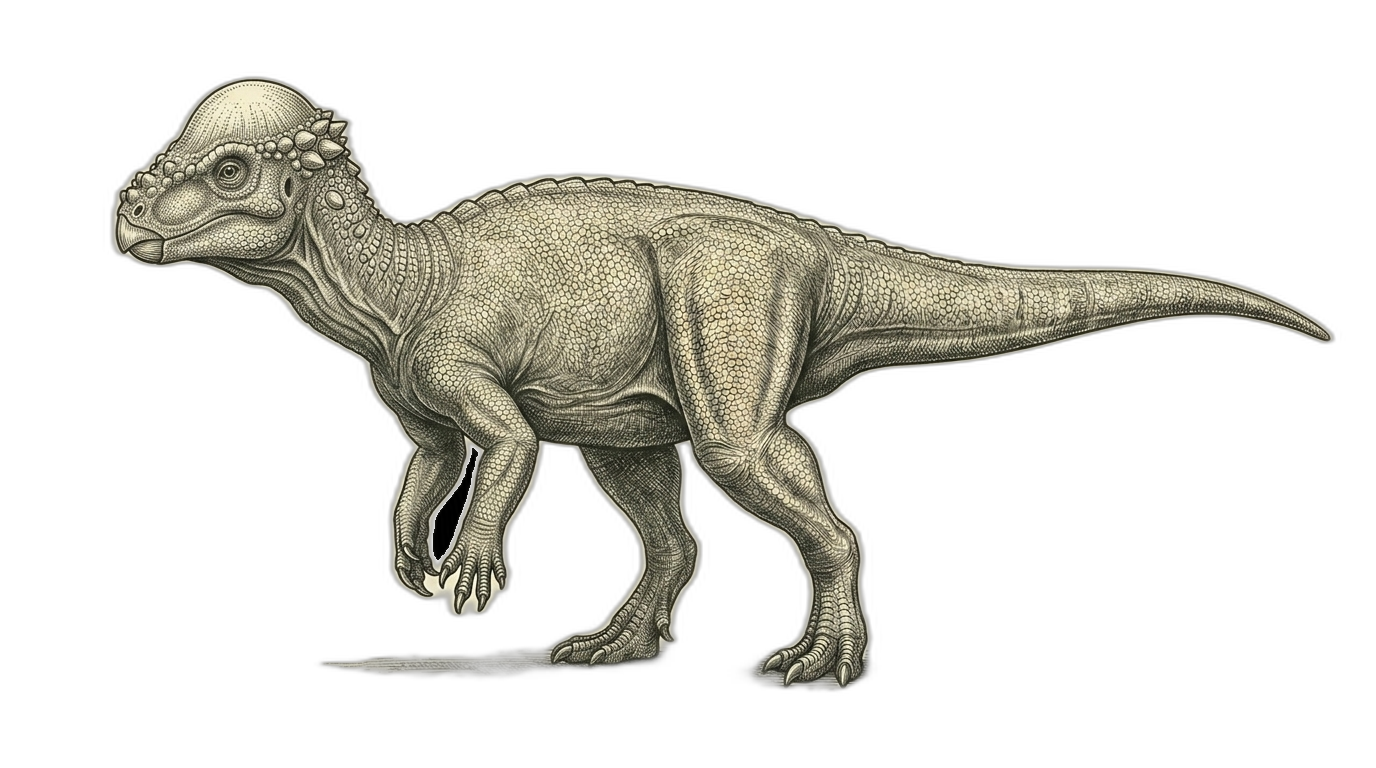
Pachycephalosaurus
🌿Pachycephalosaurus wyomingensis
4.5m · 0.4t
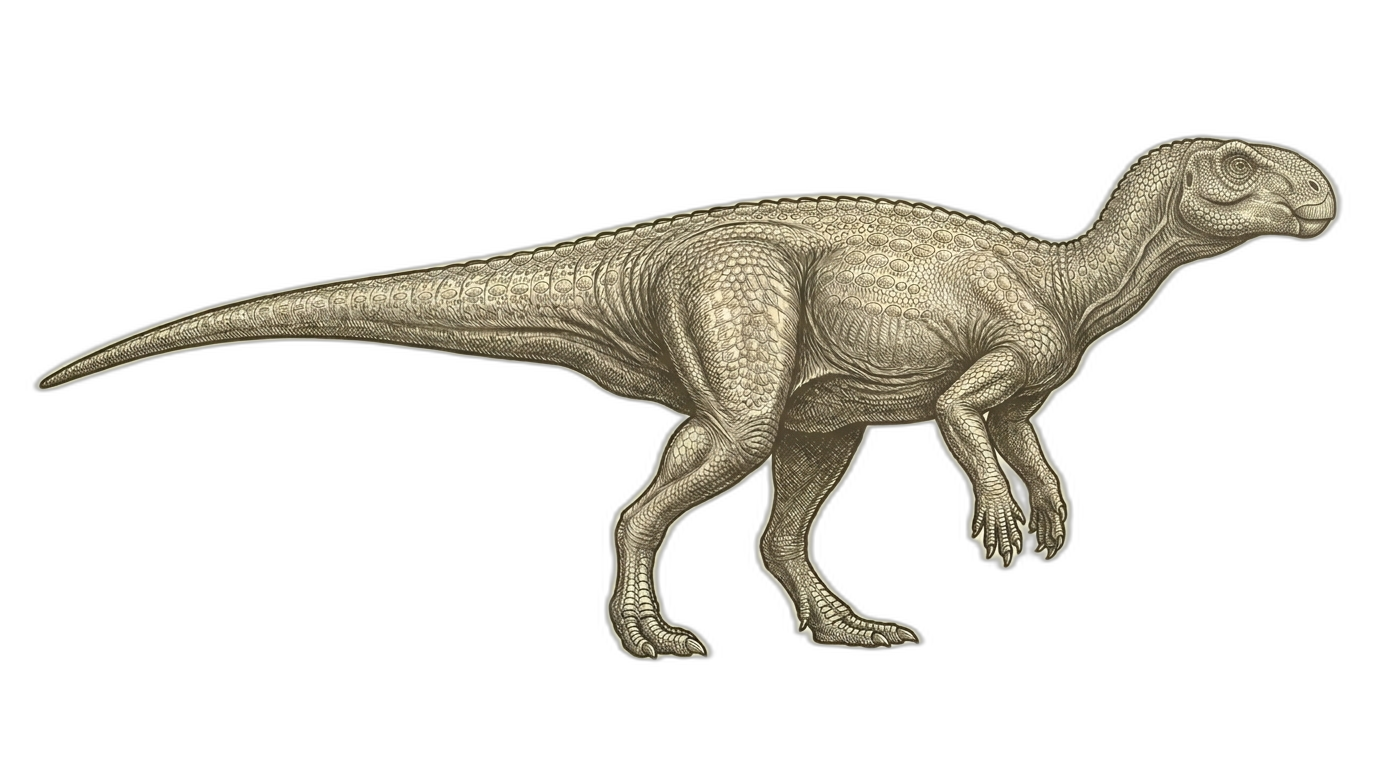
Thescelosaurus
🌿Thescelosaurus neglectus
3.5m · 0.1t
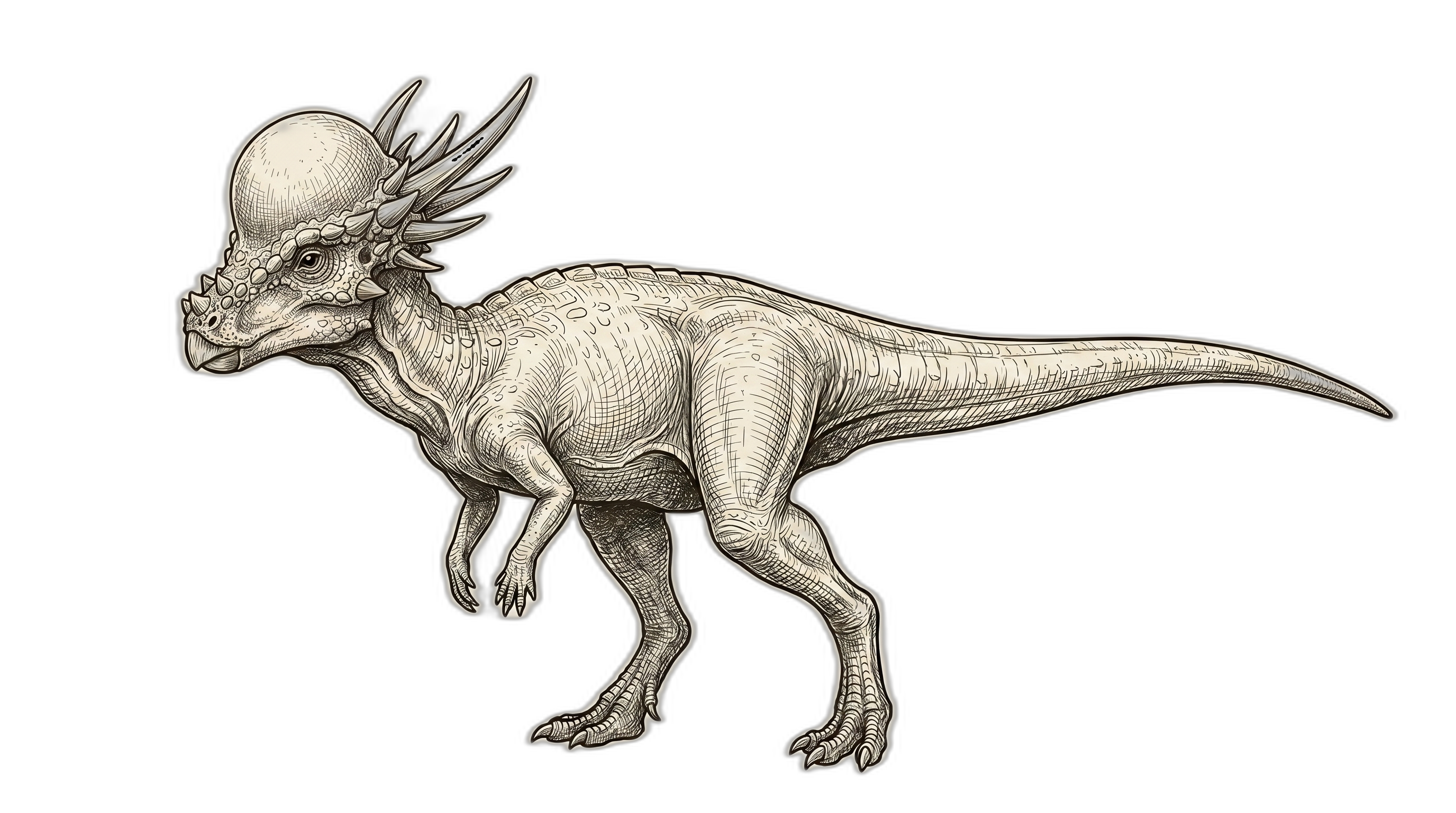
Stygimoloch
🌿Stygimoloch spinifer
3m · 0.1t
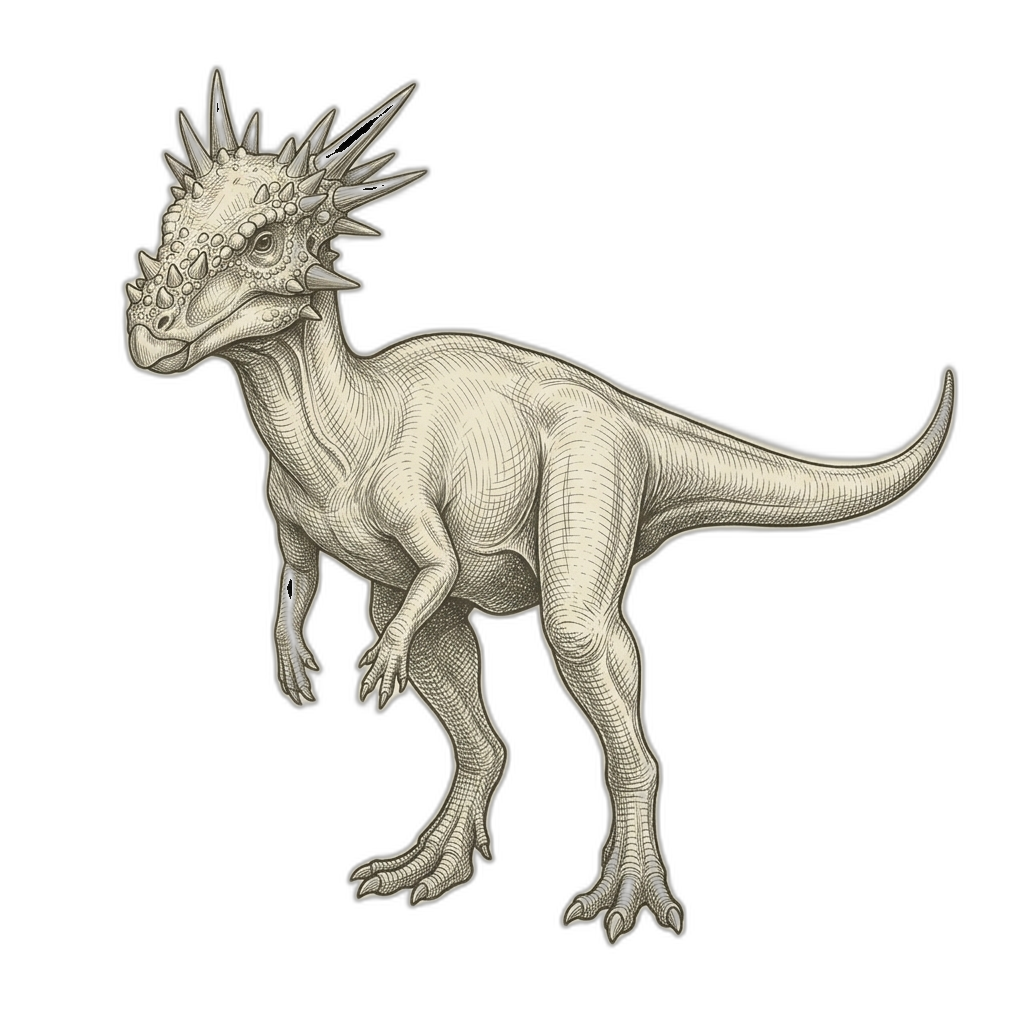
Dragon King of Hogwarts
🌿Dracorex hogwartsia
3m · 0.0t
- The iridium layer marking the asteroid impact that ended the dinosaurs is physically visible in Hell Creek exposures — you can put your finger on the exact moment.