About
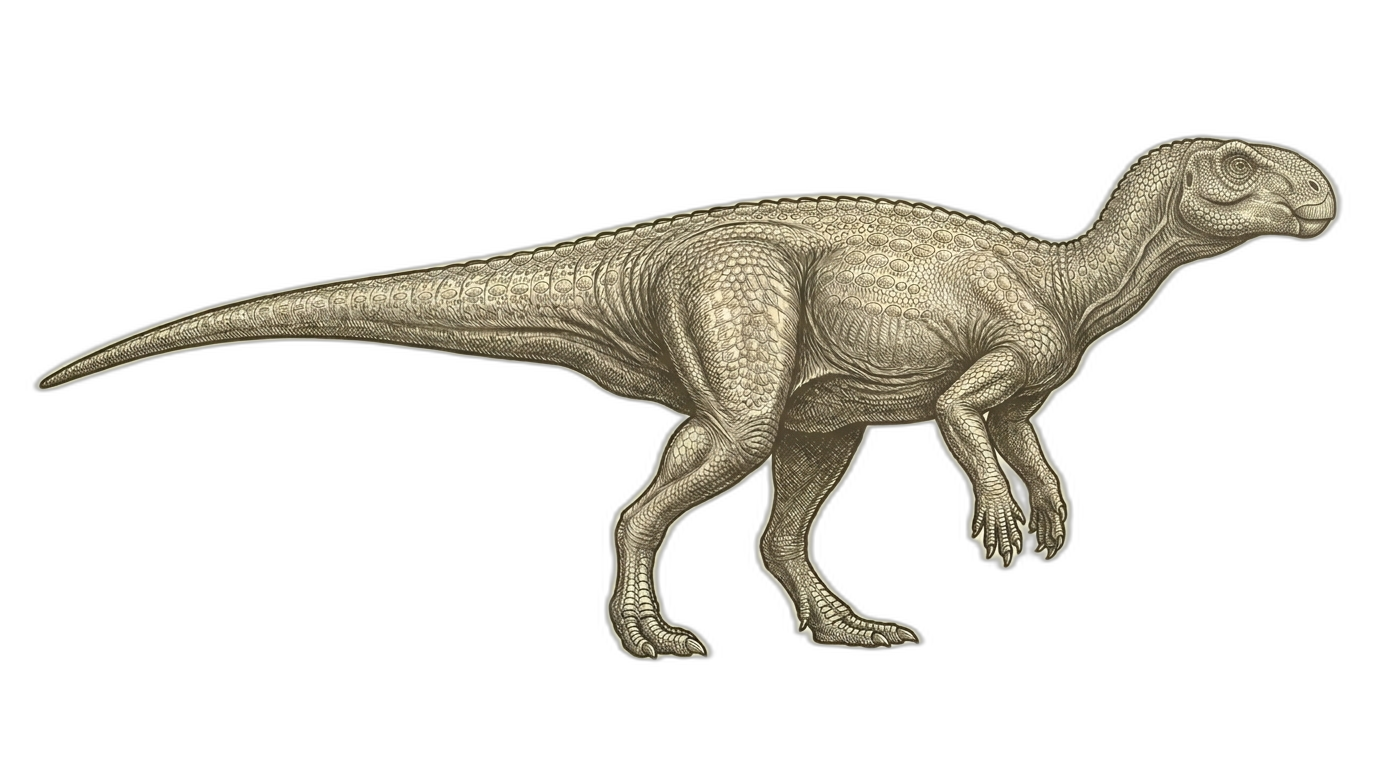
Thescelosaurus was a robustly built, medium-sized dinosaur that inhabited the floodplains and forests of western North America during the latest Cretaceous Period, right up until the end-Cretaceous mass extinction. Measuring approximately 3.5 meters in length and weighing around 80 kilograms, it possessed a stocky body, relatively short but powerful hindlimbs, and a long, stiffened tail that provided balance during locomotion.
The skull featured a small, pointed beak at the front of the jaws, ideal for cropping vegetation, with rows of leaf-shaped teeth behind for processing plant material. Unusually for an ornithopod, Thescelosaurus had bony armor-like ossicles embedded in the skin along its back and flanks, suggesting some degree of protection against predators like Tyrannosaurus rex.
First described by Charles Gilmore in 1913 from a specimen found in Lance Formation deposits in Wyoming, Thescelosaurus was initially overlooked and its scientific name means 'wondrous lizard that was neglected.' The species gained unexpected media attention in 2000 when a specimen called 'Willo' was claimed to contain a preserved four-chambered heart, though subsequent CT studies have reinterpreted this structure as a concretion. Multiple well-preserved specimens make Thescelosaurus one of the best-known small ornithischians from the end of the Cretaceous, providing valuable insight into dinosaur diversity just before the asteroid impact.
Quick Facts
- Scientific name
- Thescelosaurus neglectus
- Group
- Ornithopod · Thescelosauridae
- Lived
- Late Cretaceous, 68–66 million years ago
- Diet
- Herbivore
- Movement
- Walked on two legs
- Fossils found in
- Hell Creek Formation and Lance Formation (Montana, North Dakota, South Dakota, Wyoming, United States)
- Discovery credited to
- 1913, Charles W. Gilmore
- Holotype
- USNM 7757, Smithsonian National Museum of Natural History
- DinoVault record
- DVL-0137
Where fossils were found
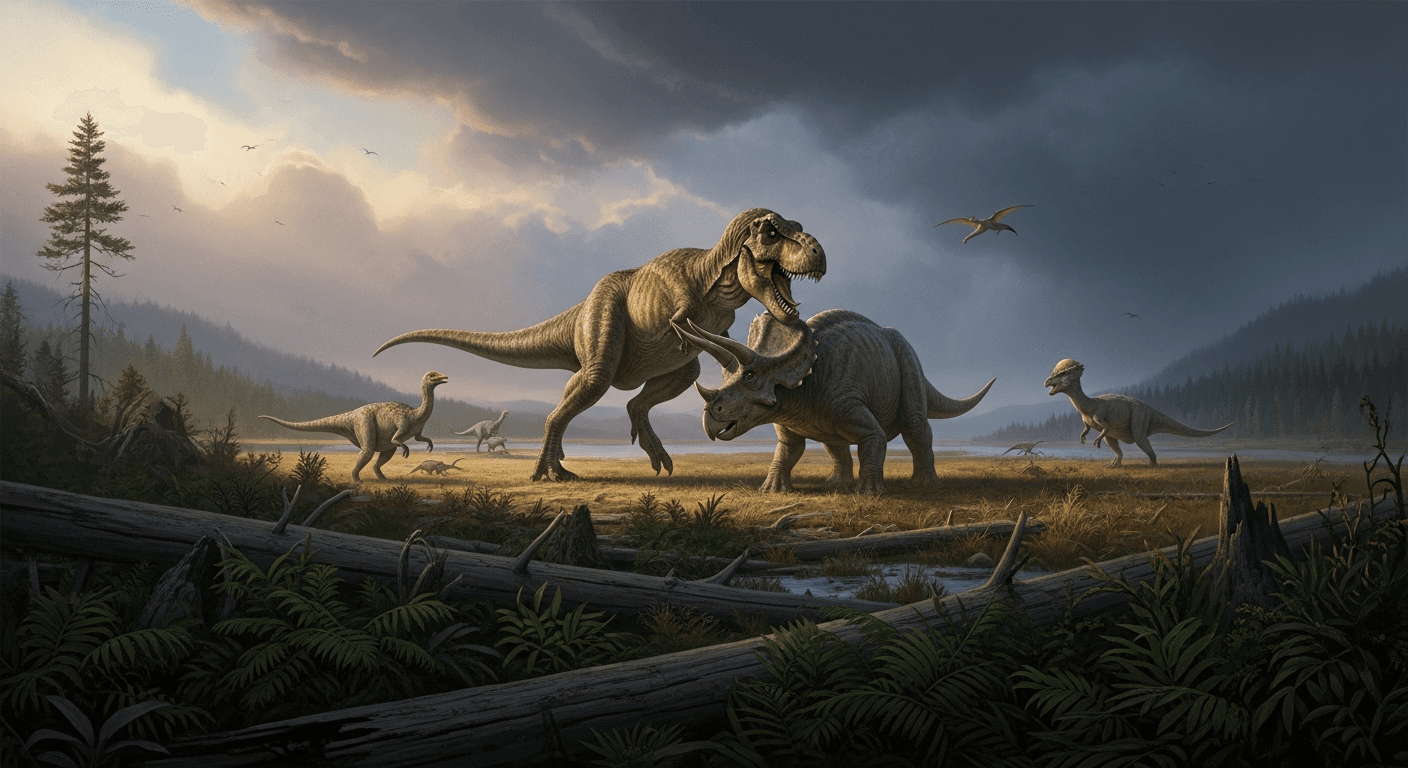
Hell Creek Formation
+1 more formation
Montana, North Dakota, South Dakota, Wyoming · United States
68–66 million years ago(2m year span)
Keep exploring the vault
T-Rex
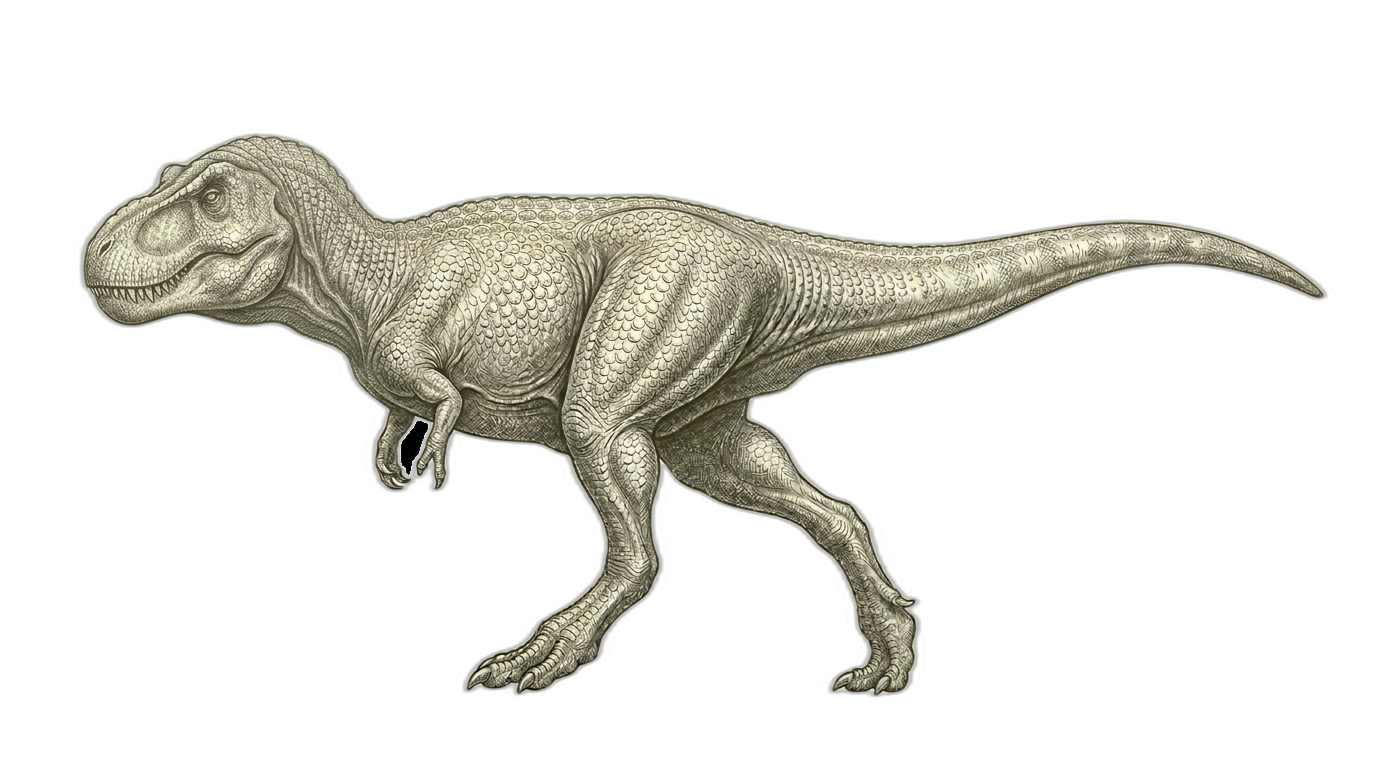
Tyrannosaurus rex
Tyrannosaurus rex was the apex predator of the Hell Creek and Lance formations where Thescelosaurus lived.
Pachycephalosaurus
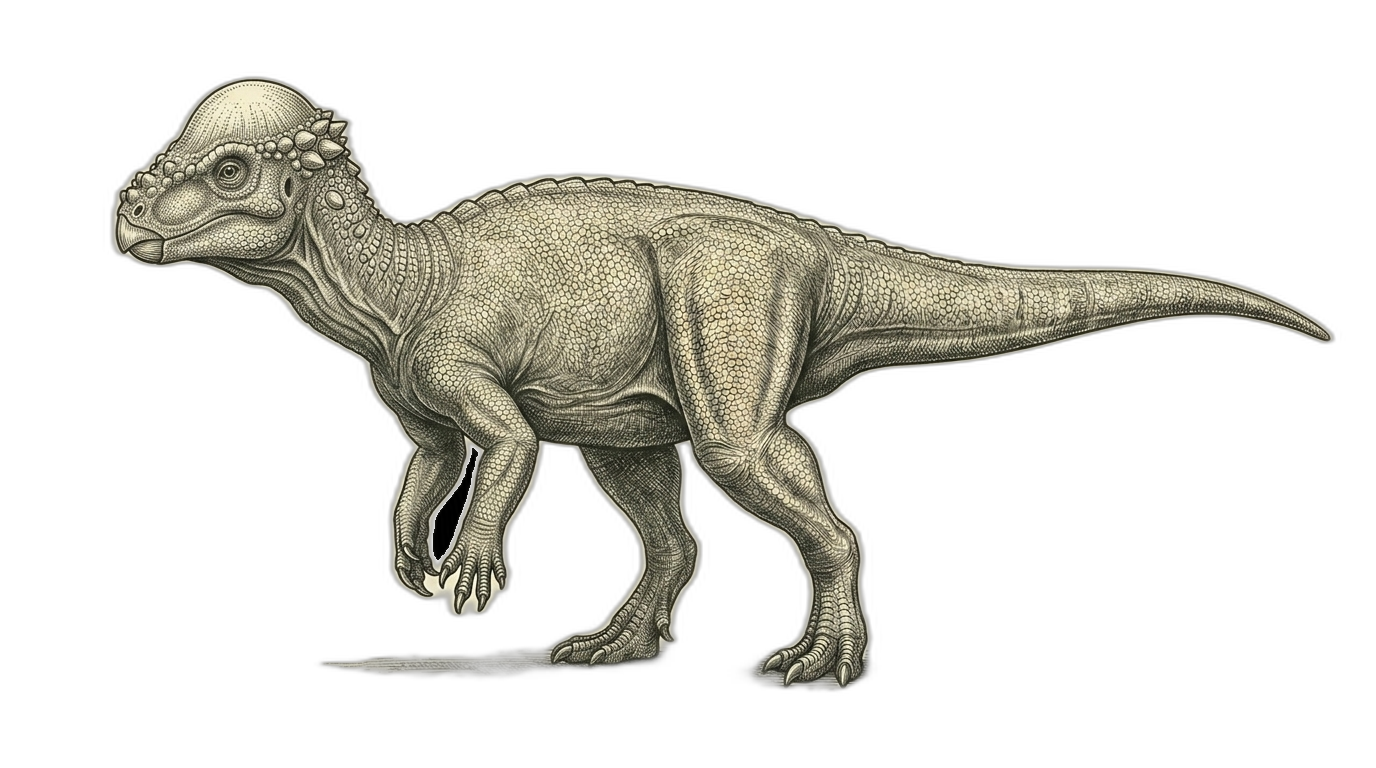
Pachycephalosaurus wyomingensis
Both Thescelosaurus and Pachycephalosaurus were medium-sized herbivores in the Hell Creek and Lance formations with similar body sizes (80kg vs 410kg) and likely fed on low-growing vegetation.
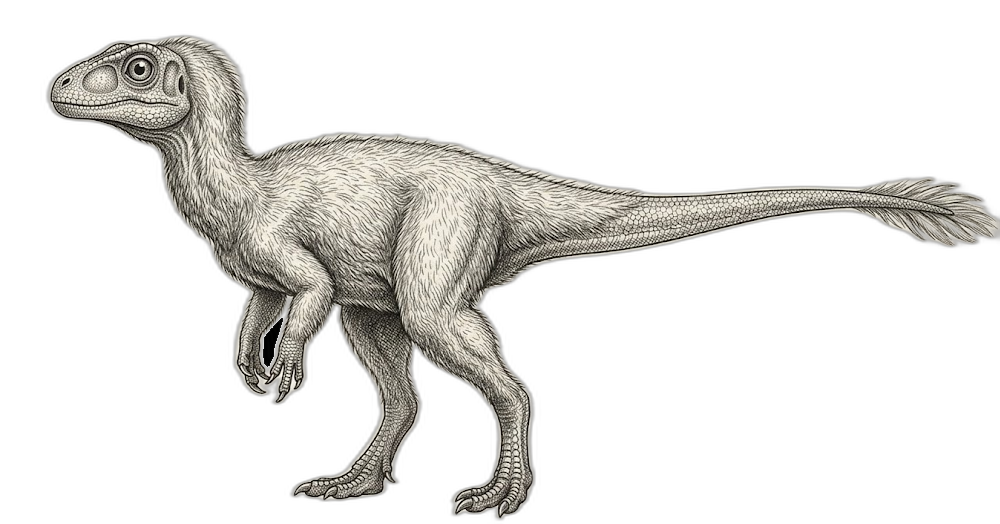
Leaellynasaura
Leaellynasaura amicagraphica
Both Thescelosaurus and Leaellynasaura represent small, bipedal ornithopods that retained a more basal body plan rather than evolving into large hadrosaurs.
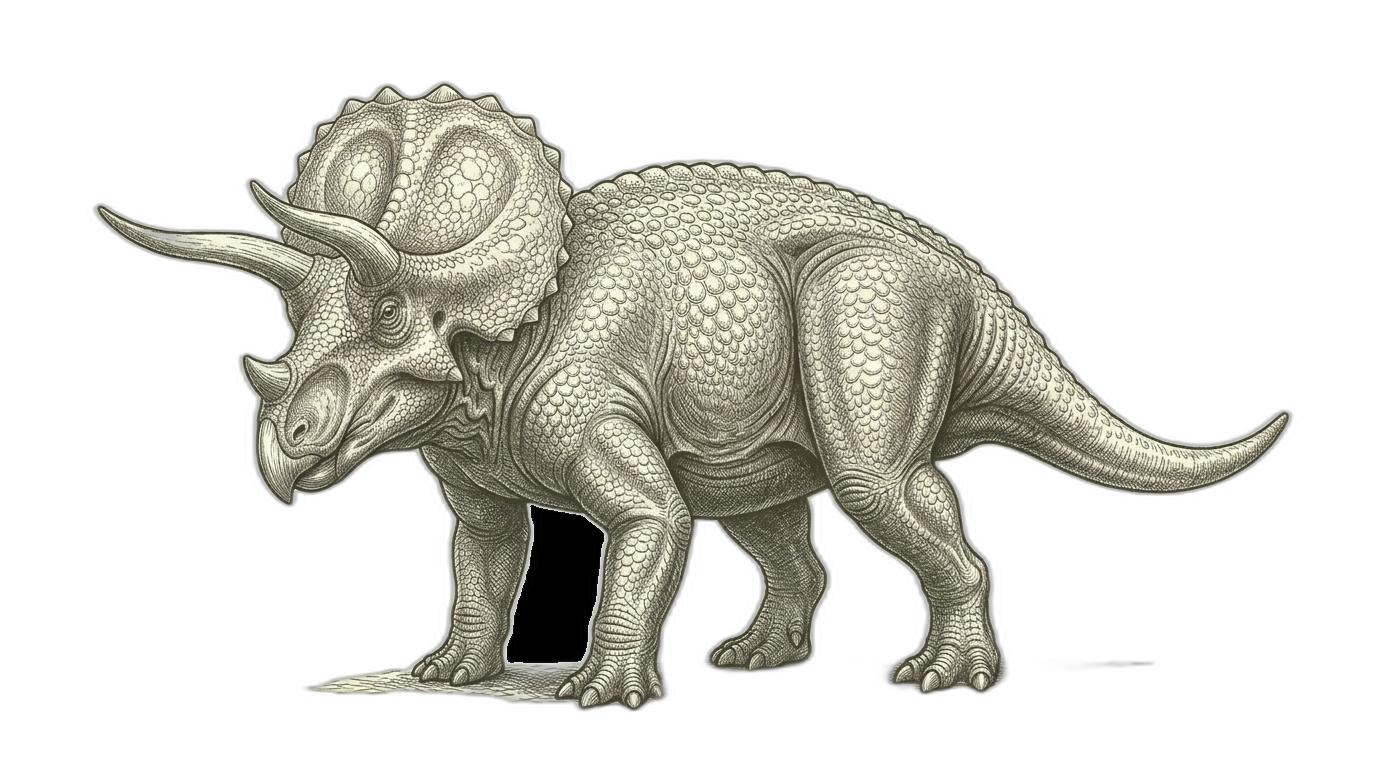
Triceratops
Triceratops horridus
Both species are abundant in the Hell Creek and Lance formations, representing the dramatic size diversity of Late Cretaceous herbivores.
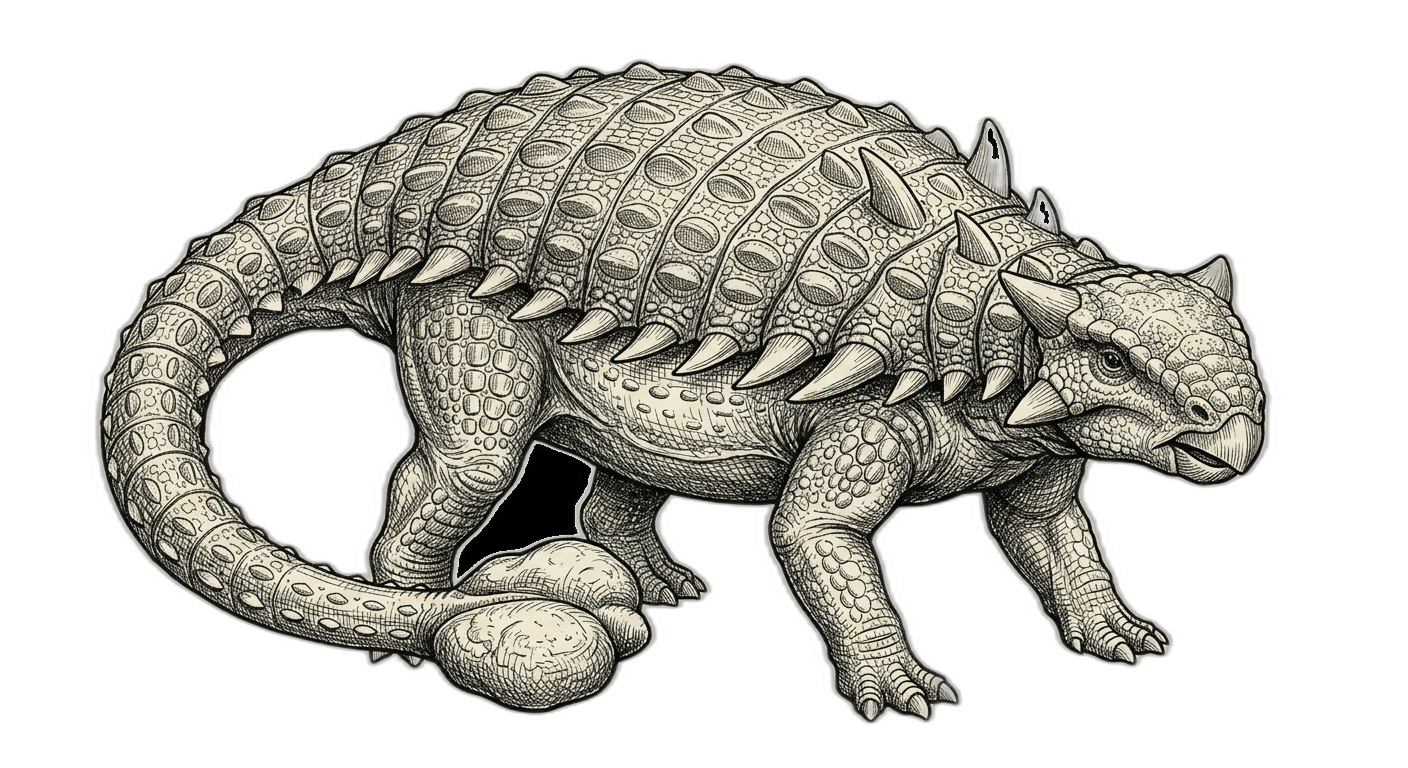
Ankylosaurus
Ankylosaurus magniventris
Both lived in the Hell Creek ecosystem, representing contrasting survival strategies for herbivores: Thescelosaurus relied on speed and agility while Ankylosaurus was heavily armored and slow-moving.
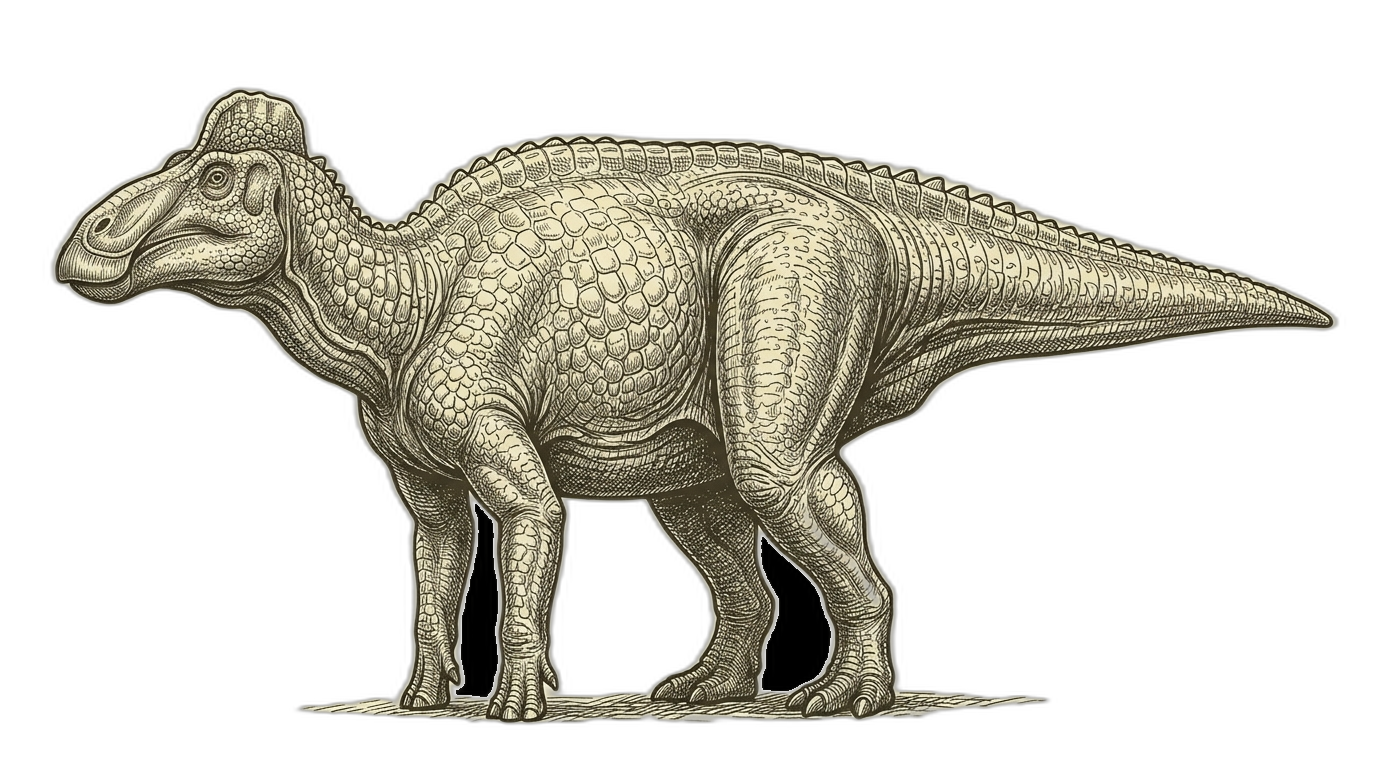
Edmontosaurus
Edmontosaurus regalis
Edmontosaurus is found in the same Hell Creek Formation as Thescelosaurus.
Sources & Citation
- Length estimates
- Boyd et al. 2009; multiple complete specimens
- Height estimates
- Skeletal reconstructions based on USNM 7757 and other specimens
- Weight estimates
- Erickson et al. 2009; mass estimates from femoral dimensions
- Speed estimates
- Biomechanical estimates based on hindlimb proportions; Sellers & Manning 2007