About
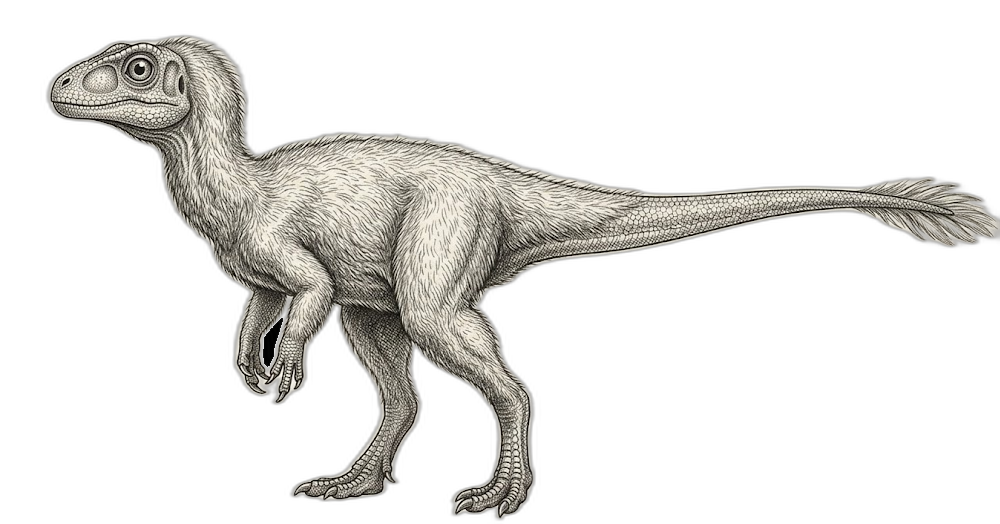
Leaellynasaura was a small, agile herbivorous dinosaur that lived in what is now southeastern Australia during the Early Cretaceous, approximately 118-110 million years ago. At that time, Australia was still connected to Antarctica and located much closer to the South Pole, meaning this little dinosaur endured months of polar darkness and near-freezing temperatures each winter—a remarkable feat for a cold-blooded reptile, or so scientists once assumed.
This dinosaur belonged to a group of small ornithischians sometimes called hypsilophodonts, though the classification remains debated. It was a swift, runner with a notably long tail that may have been used for balance while navigating the dense polar forests of ferns and conifers. Analysis of its brain cavity suggests it had enlarged optic lobes, implying unusually large eyes—possibly an for seeing in the prolonged twilight of the polar winter.
Leaellynasaura was discovered at Dinosaur Cove in Victoria, Australia, by paleontologists Tom Rich and Patricia Vickers-Rich during their ambitious excavations of the 1980s. They named the genus after their daughter Leaellyn, making this one of the few dinosaurs named for a living person at the time of its description. The species name honors the Friends of the Museum of Victoria and National Geographic Society for their support.
Whether Leaellynasaura migrated seasonally, hibernated, or simply toughed out the polar winters remains one of paleontology's intriguing mysteries. Its very existence challenges old assumptions about dinosaur metabolism and adaptability, suggesting these animals were far more resilient than early scientists imagined.
Quick Facts
- Scientific name
- Leaellynasaura amicagraphica
- Group
- Ornithopod · NO_FAMILY_SPECIFIED
- Lived
- Early Cretaceous, 113–100.5 million years ago
- Diet
- Herbivore
- Movement
- Walked on two legs
- Fossils found in
- Eumeralla Formation, Victoria, Australia
- Discovery credited to
- 1989, Tom Rich and Patricia Vickers-Rich
- Holotype
- NMV P185991 · Museums Victoria, Melbourne
- DinoVault record
- DVL-0077
Where Leaellynasaura Roamed
During the Early Cretaceous, Leaellynasaura inhabited the rift valleys of southeastern Gondwana, in a region that would become Victoria, Australia—then connected to Antarctica and positioned well within the Antarctic Circle at approximately 70-80° south latitude. Despite the polar location, this forested floodplain environment experienced milder temperatures than today's Antarctica, though the small ornithopod would have endured months of continuous winter darkness and near-freezing conditions.
Keep exploring the vault
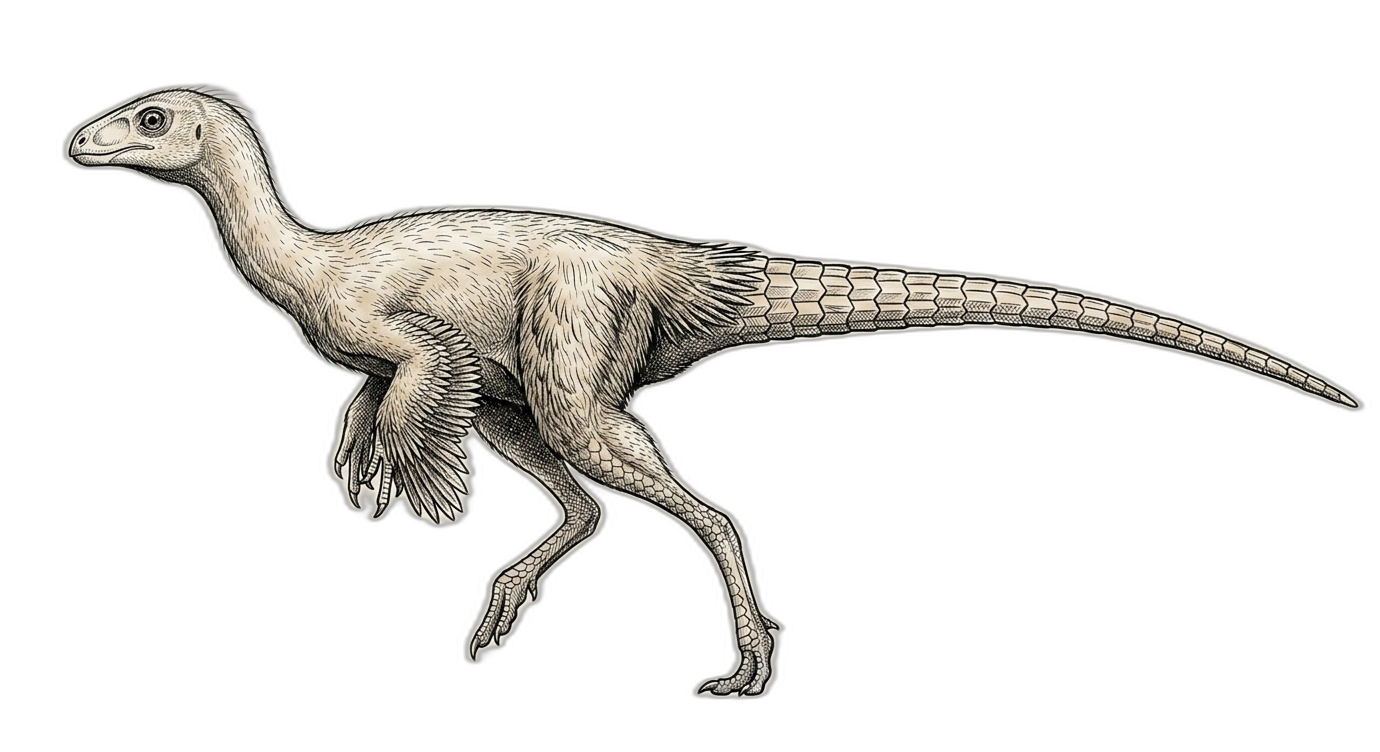
Kulindadromeus
Kulindadromeus zabaikalicus
Both Leaellynasaura and Kulindadromeus are small ornithischian dinosaurs that independently developed integumentary structures (potentially for insulation) in cold or seasonal environments.
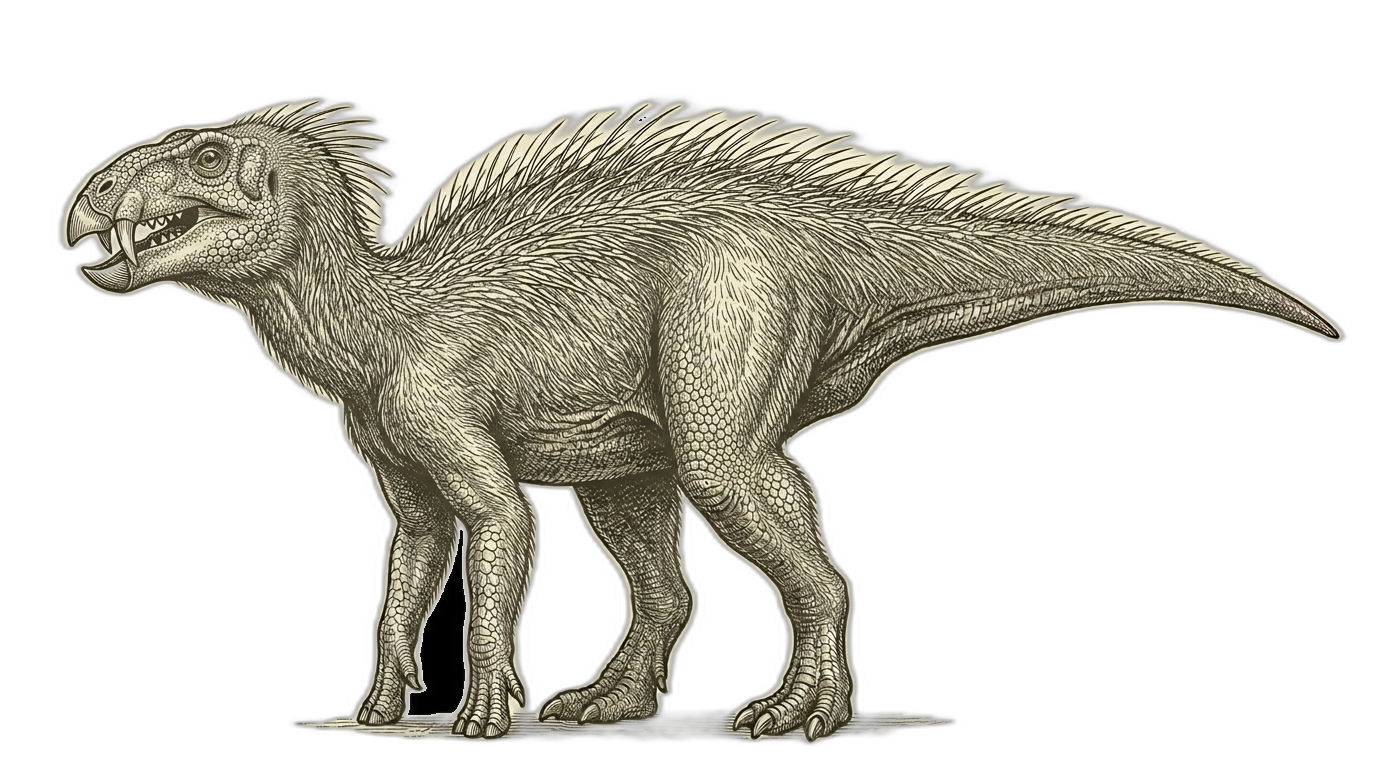
Heterodontosaurus
Heterodontosaurus tucki
Both represent small-bodied basal ornithischians that retained a similar ecological niche as small, agile herbivores across different time periods and continents.
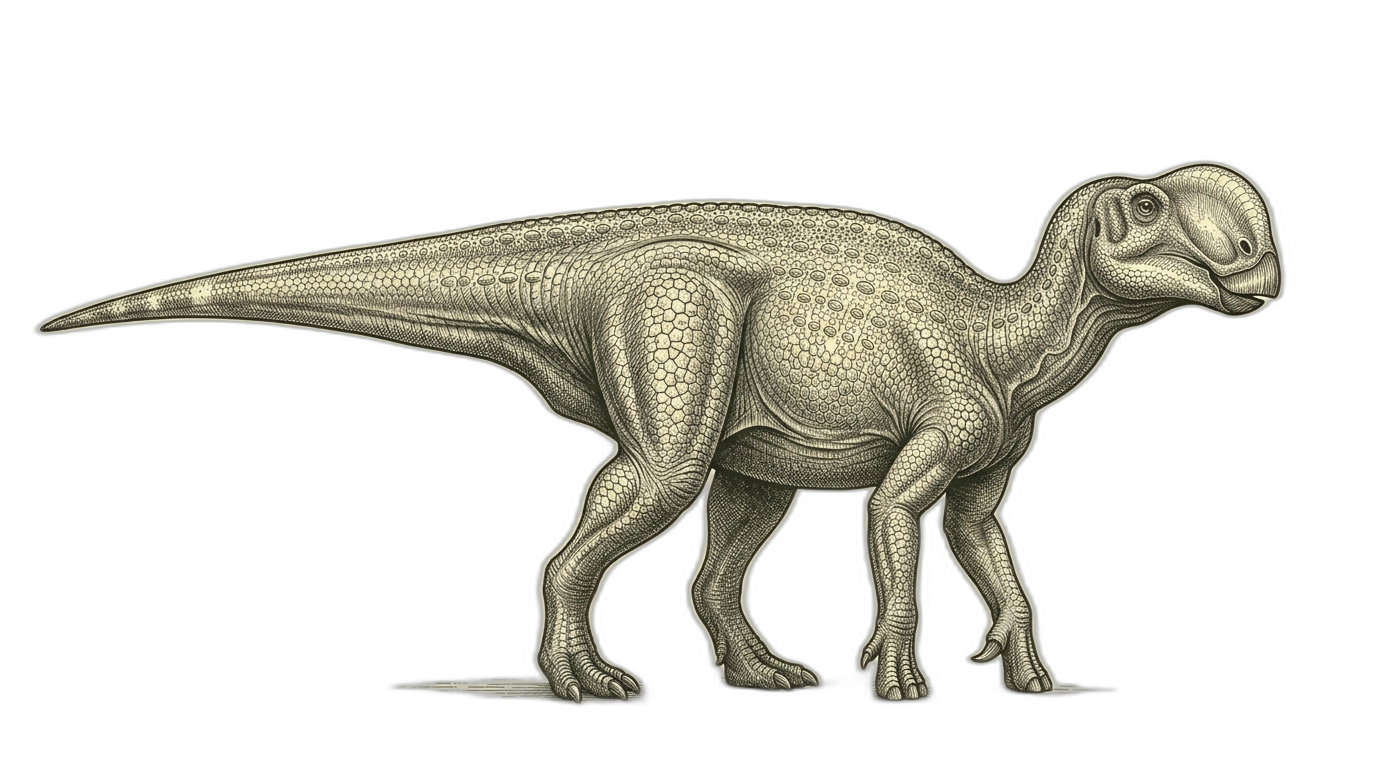
Muttaburrasaurus
Muttaburrasaurus langdoni
Muttaburrasaurus lived in Early Cretaceous Australia and represents another Australian ornithopod from a similar time frame.
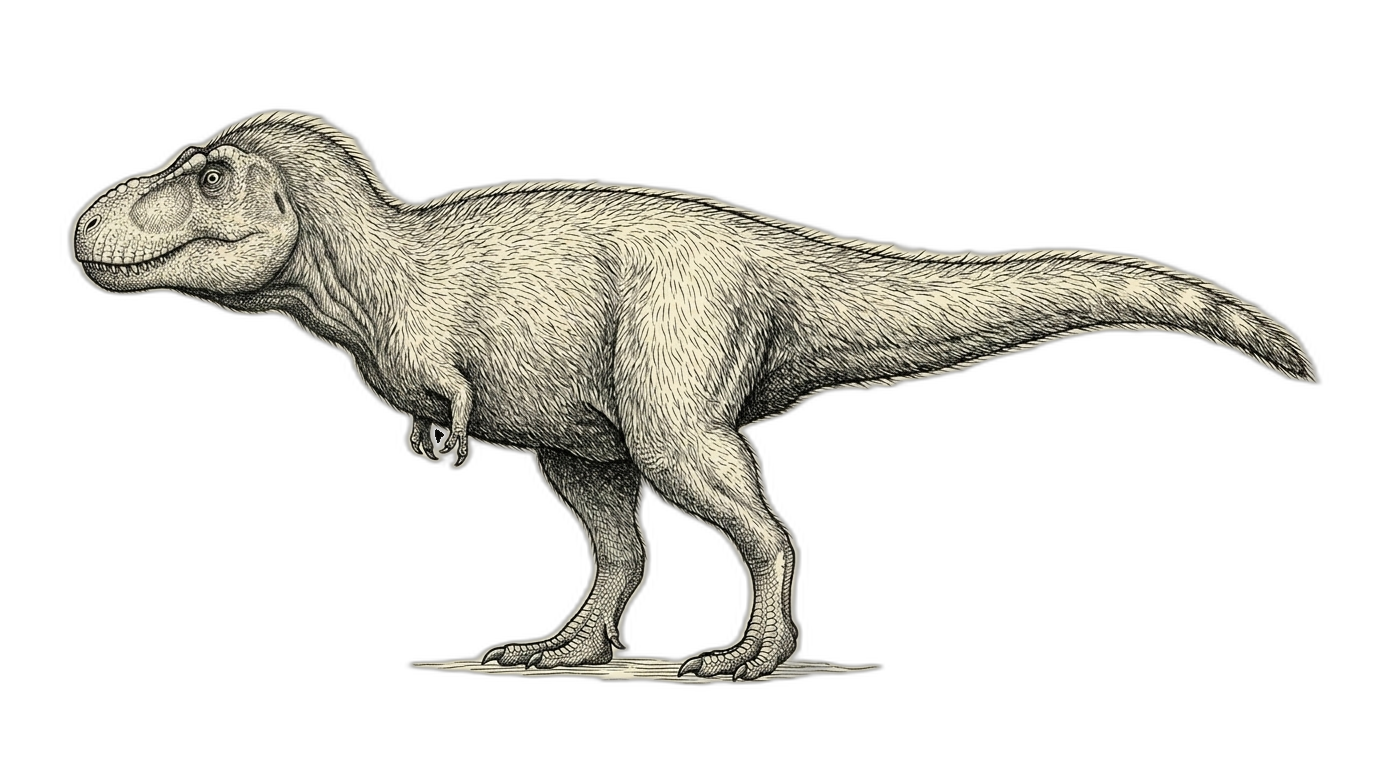
Nanuqsaurus
Nanuqsaurus hoglundi
Both represent dinosaurs adapted to polar or high-latitude environments with extended periods of darkness.
Sources & Citation
- Length estimates
- Rich & Vickers-Rich 1989; based on juvenile/subadult specimens
- Height estimates
- Estimated hip height from limb proportions; Rich & Rich 1989
- Weight estimates
- Extrapolated from body size estimates; known specimens may be juveniles
- Speed estimates
- Estimated from limb proportions and comparison to similar small ornithischians