About
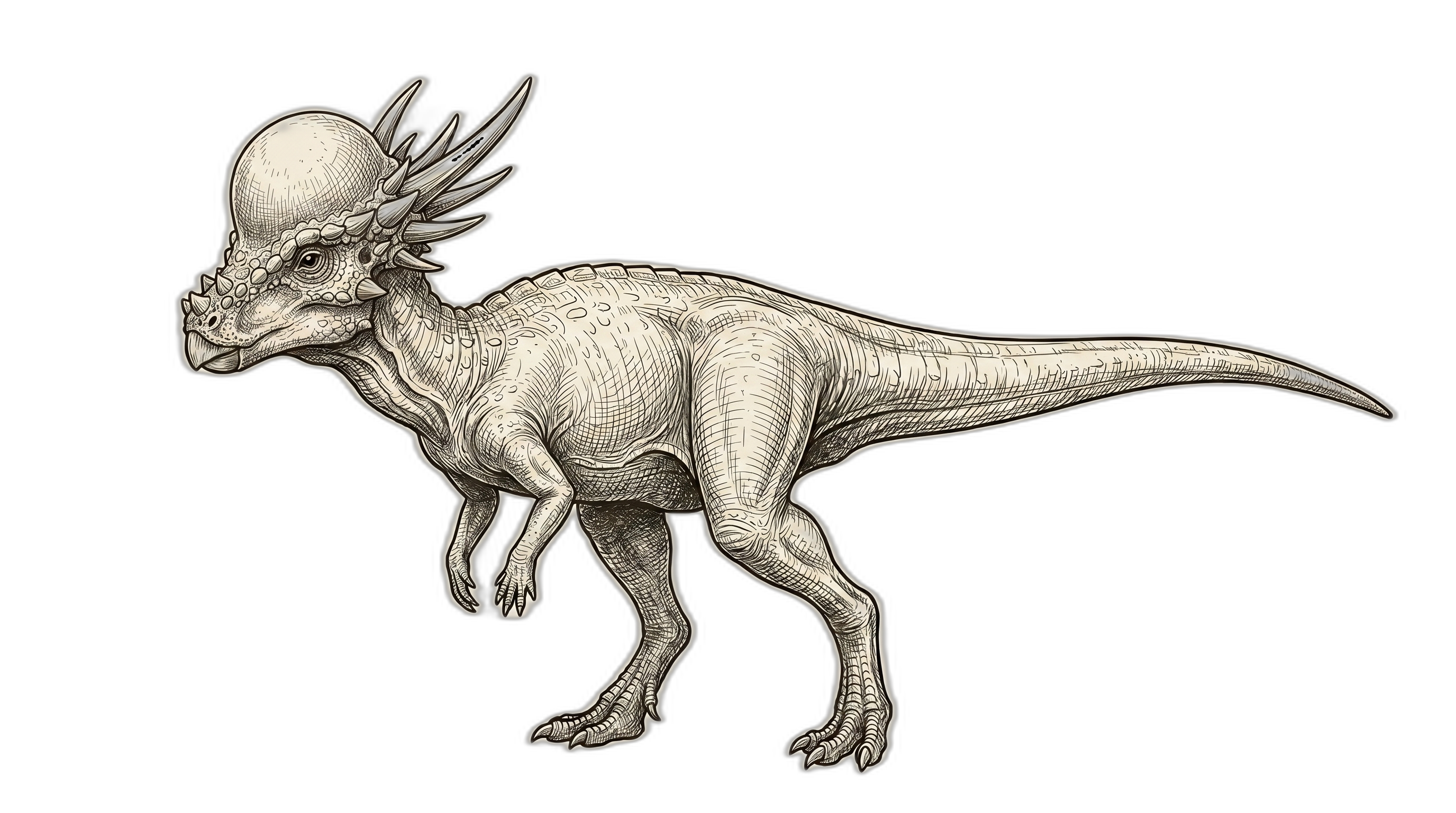
Stygimoloch spinifer was a small pachycephalosaurid dinosaur from the final stage of the Cretaceous period, approximately 66 million years ago. Distinguished by its cluster of prominent horns and spikes projecting from the back of its skull, it cut a dramatically different figure from its dome-headed relatives. The name, meaning 'demon from the Styx with spines,' reflects both its fearsome appearance and its discovery in the Hell Creek Formation.
This herbivore roamed what is now Montana, Wyoming, and South Dakota during the Maastrichtian age, sharing its environment with famous dinosaurs like Tyrannosaurus rex and Triceratops. Unlike the massive dome of Pachycephalosaurus, Stygimoloch possessed a relatively flat skull crowned with an impressive array of bony projections, leading to decades of debate about its true identity.
The taxonomic status of Stygimoloch remains one of paleontology's most fascinating ongoing debates. Research by Jack Horner and Mark Goodwin in 2009 proposed that Stygimoloch represents a juvenile or subadult stage of Pachycephalosaurus, with the dramatic horns eventually being absorbed as the dome grew larger with maturity. However, this hypothesis is not universally accepted, and some paleontologists maintain Stygimoloch as a valid separate genus.
Whether it represents its own species or a growth stage, the fossils tell us about a small, agile dinosaur that likely used its ornamentation for species recognition and possibly ritualized combat. The relatively rare fossil record—with only seven known localities—means much about this enigmatic animal remains to be discovered.
Quick Facts
- Scientific name
- Stygimoloch spinifer
- Group
- Pachycephalosaur · Pachycephalosauridae
- Lived
- Late Cretaceous, 100–66 million years ago
- Diet
- Herbivore
- Movement
- Walked on two legs
- Fossils found in
- Hell Creek Formation (Montana, North Dakota, South Dakota, Wyoming, United States)
- Discovery credited to
- 1983, Peter Galton and Hans-Dieter Sues
- Holotype
- UCMP 119433 · University of California Museum of Paleontology, Berkeley
- DinoVault record
- DVL-0131
Where fossils were found
Hell Creek Formation
Montana, North Dakota, South Dakota, Wyoming · United States
100–66 million years ago(34m year span)
Where Stygimoloch Roamed
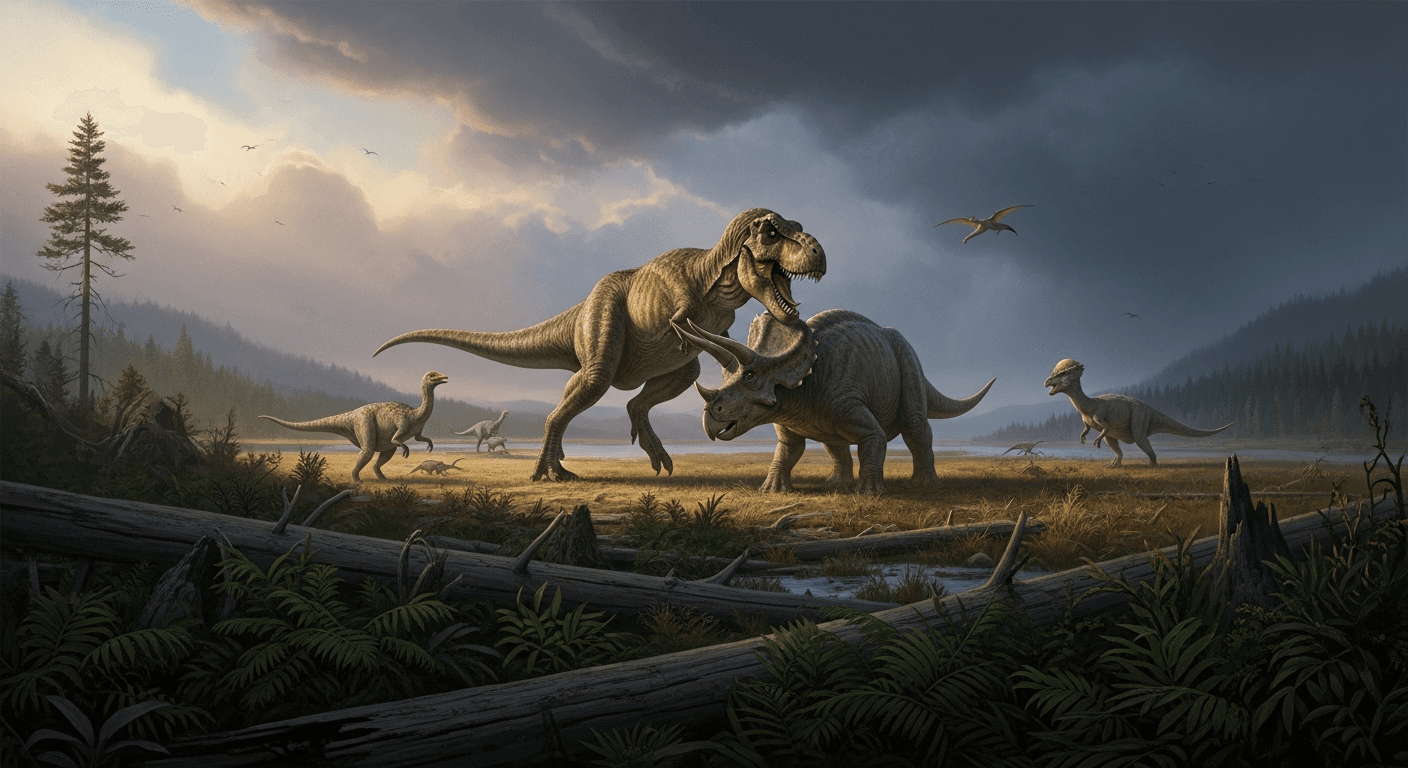
During the late Cretaceous, Stygimoloch spinifer inhabited the warm, seasonally humid lowlands of western North America, a landscape shaped by the retreating waters of the Western Interior Seaway that divided the continent into two great landmasses. This pachycephalosaur roamed forested floodplains and river valleys along the eastern shores of Laramidia, where subtropical vegetation flourished beneath a greenhouse climate.
Keep exploring the vault
T-Rex
Tyrannosaurus rex
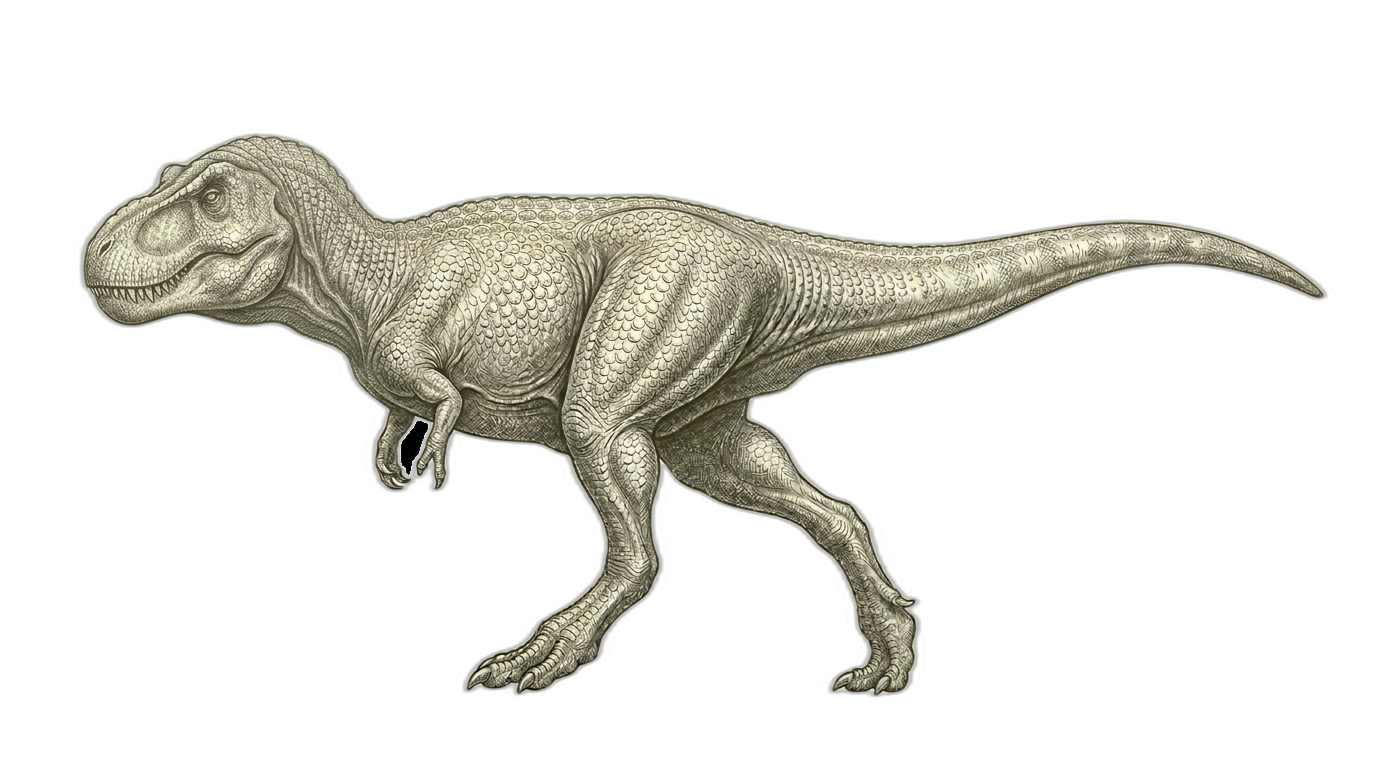
Tyrannosaurus rex was the apex predator of the Hell Creek Formation where Stygimoloch lived.
Pachycephalosaurus
Pachycephalosaurus wyomingensis
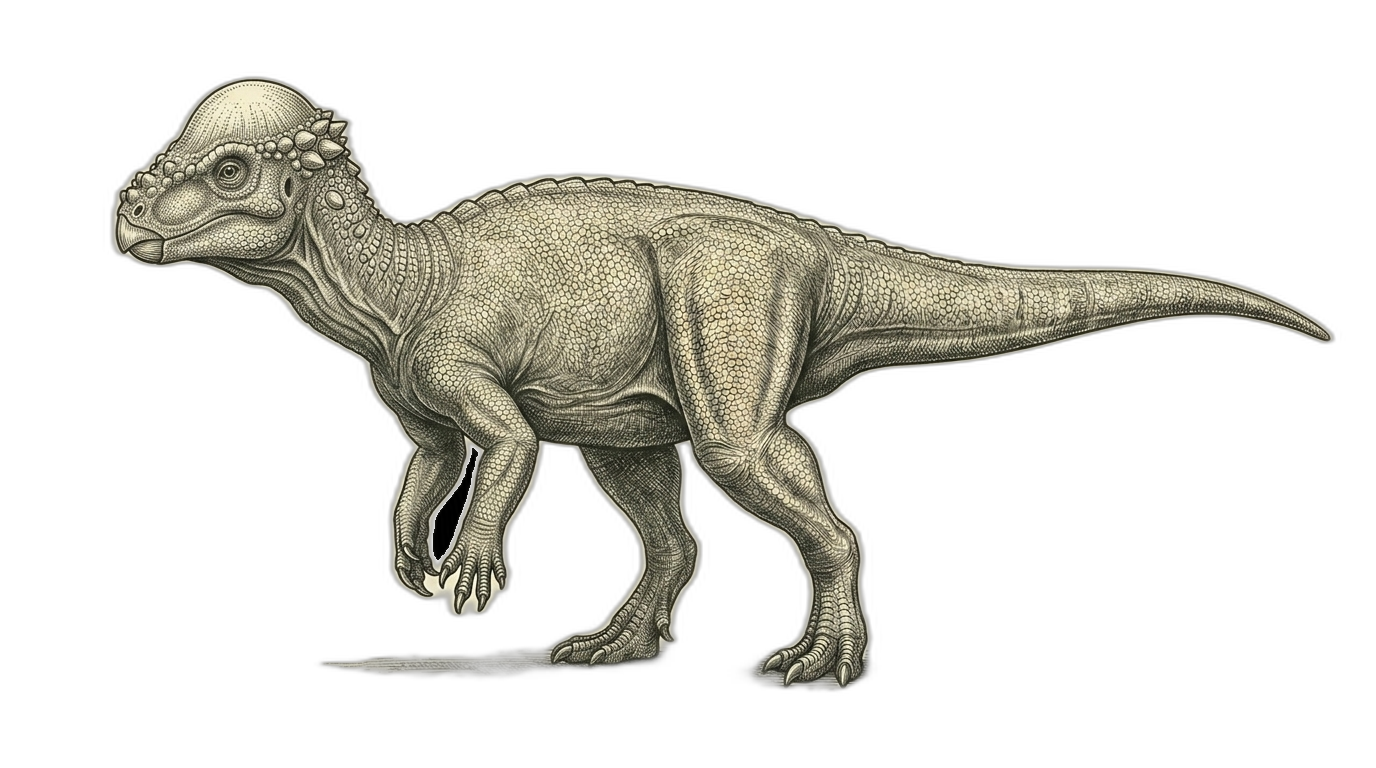
Both pachycephalosaurs sharing the Hell Creek Formation with similar dome-headed morphology and herbivorous diet.
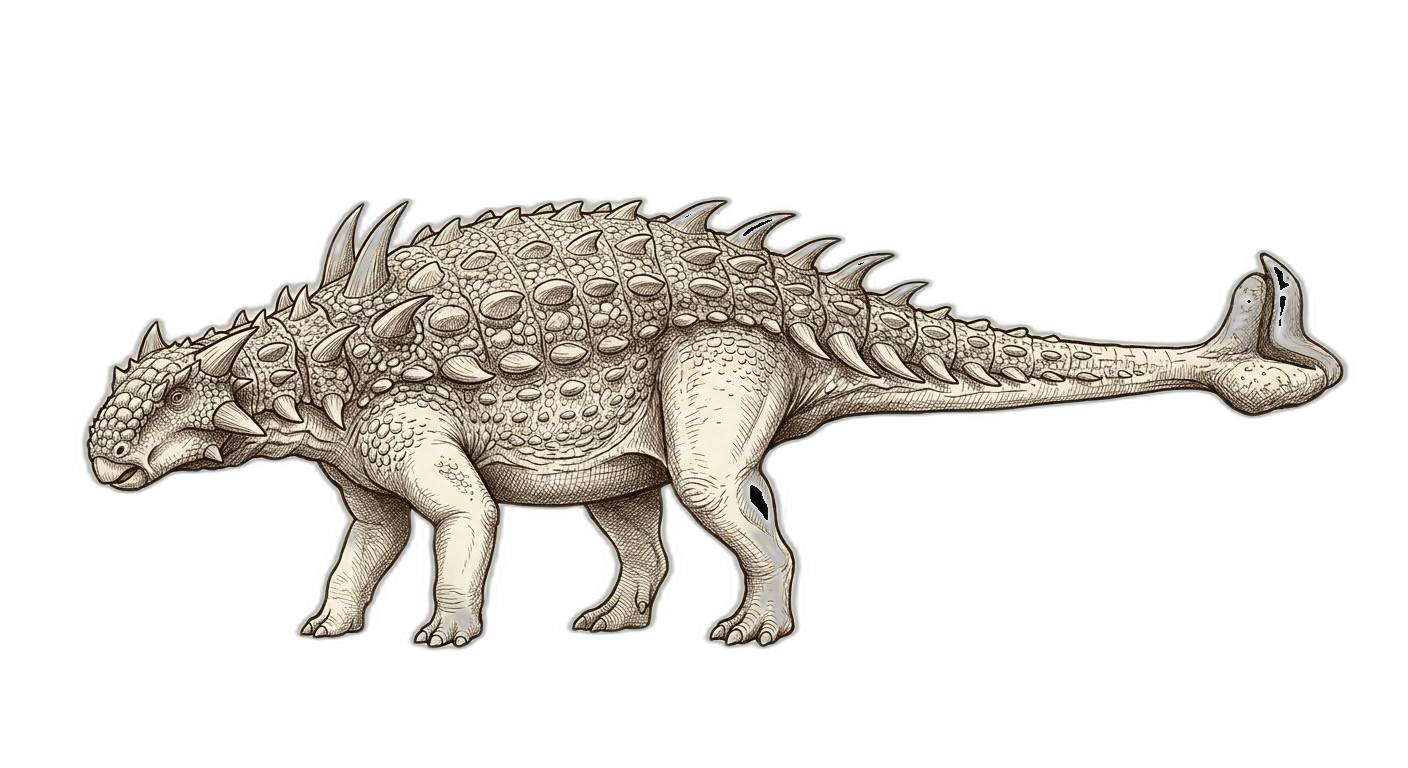
Zuul
Zuul crurivastator
Both represent specialized defensive adaptations in ornithischian dinosaurs—Stygimoloch with cranial dome and horn clusters for intraspecific combat, Zuul with tail club and body armor.
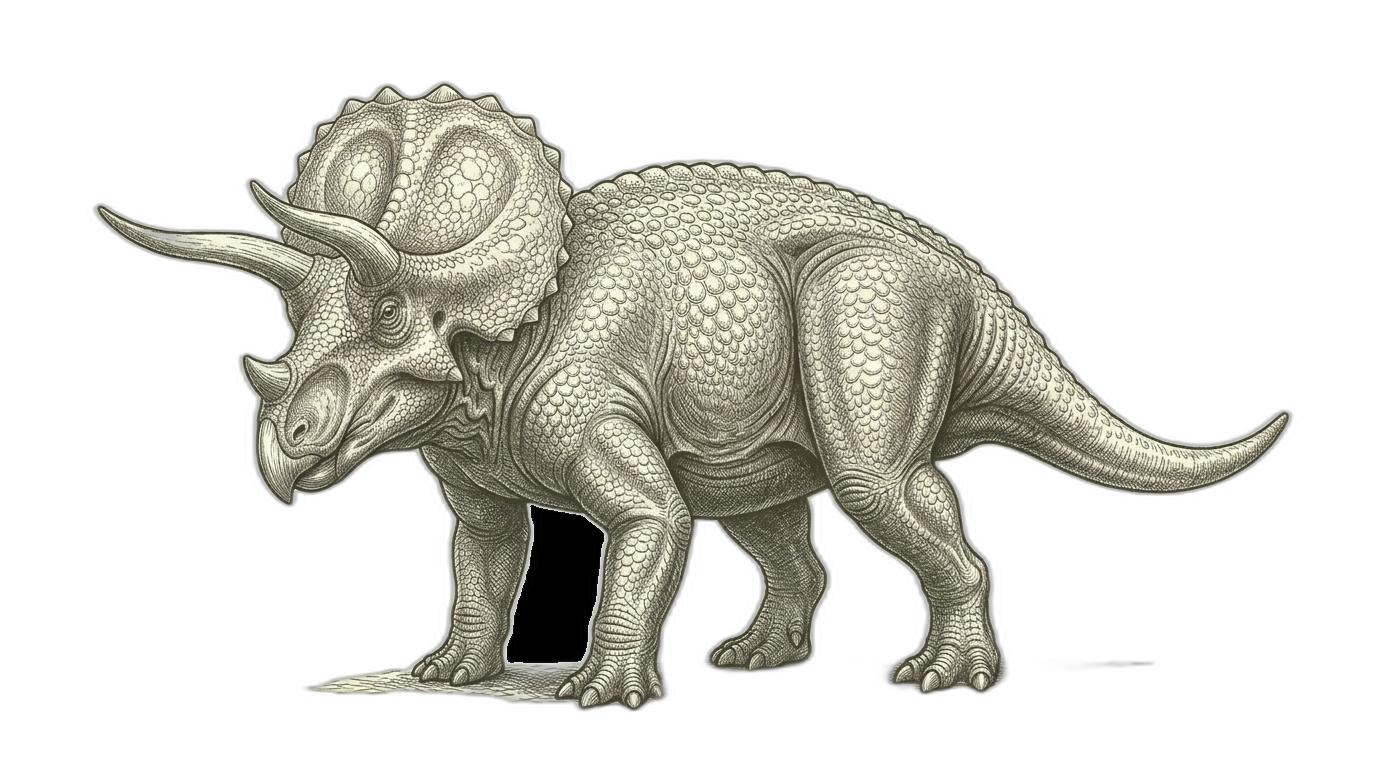
Triceratops
Triceratops horridus
Both herbivores co-existing in Hell Creek Formation, representing vastly different defensive strategies—Triceratops with massive horns and frill versus Stygimoloch's dome and spikes for intraspecific combat.
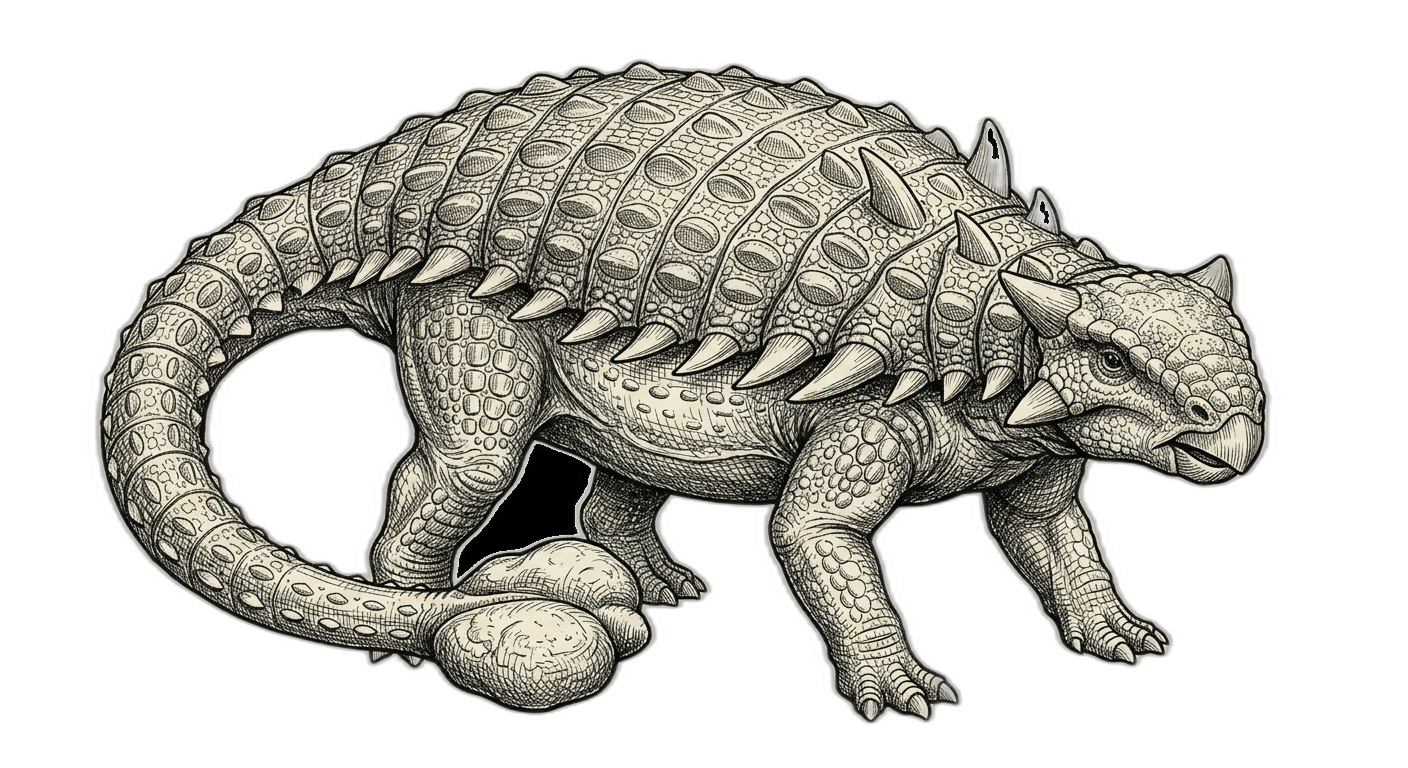
Ankylosaurus
Ankylosaurus magniventris
Both Hell Creek herbivores representing completely different body plans and defensive adaptations—armored tank versus agile dome-head.
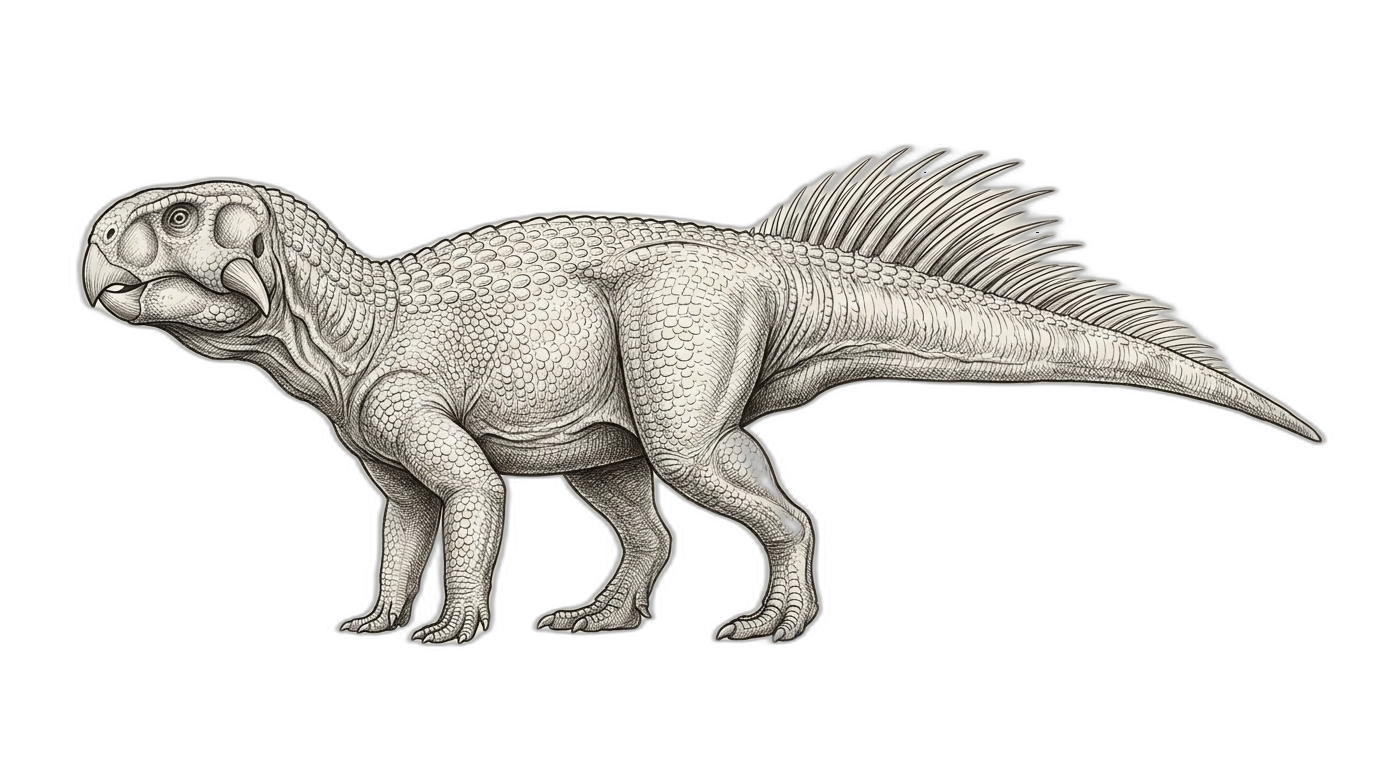
Psittacosaurus
Psittacosaurus mongoliensis
Both small-bodied bipedal ornithischians filling similar ecological niches as nimble herbivores in their respective ecosystems (Early Cretaceous Asia vs Late Cretaceous North America), representing the continued success of small, agile plant-eaters throughout dinosaur evolution.
Sources & Citation
- Length estimates
- Sullivan 2003; size estimates based on partial cranial material
- Height estimates
- Extrapolated from pachycephalosaurid body proportions; limited postcranial material
- Weight estimates
- Estimated from body length comparisons with better-known pachycephalosaurids
- Speed estimates
- Inferred from pachycephalosaurid limb proportions; no direct evidence