About
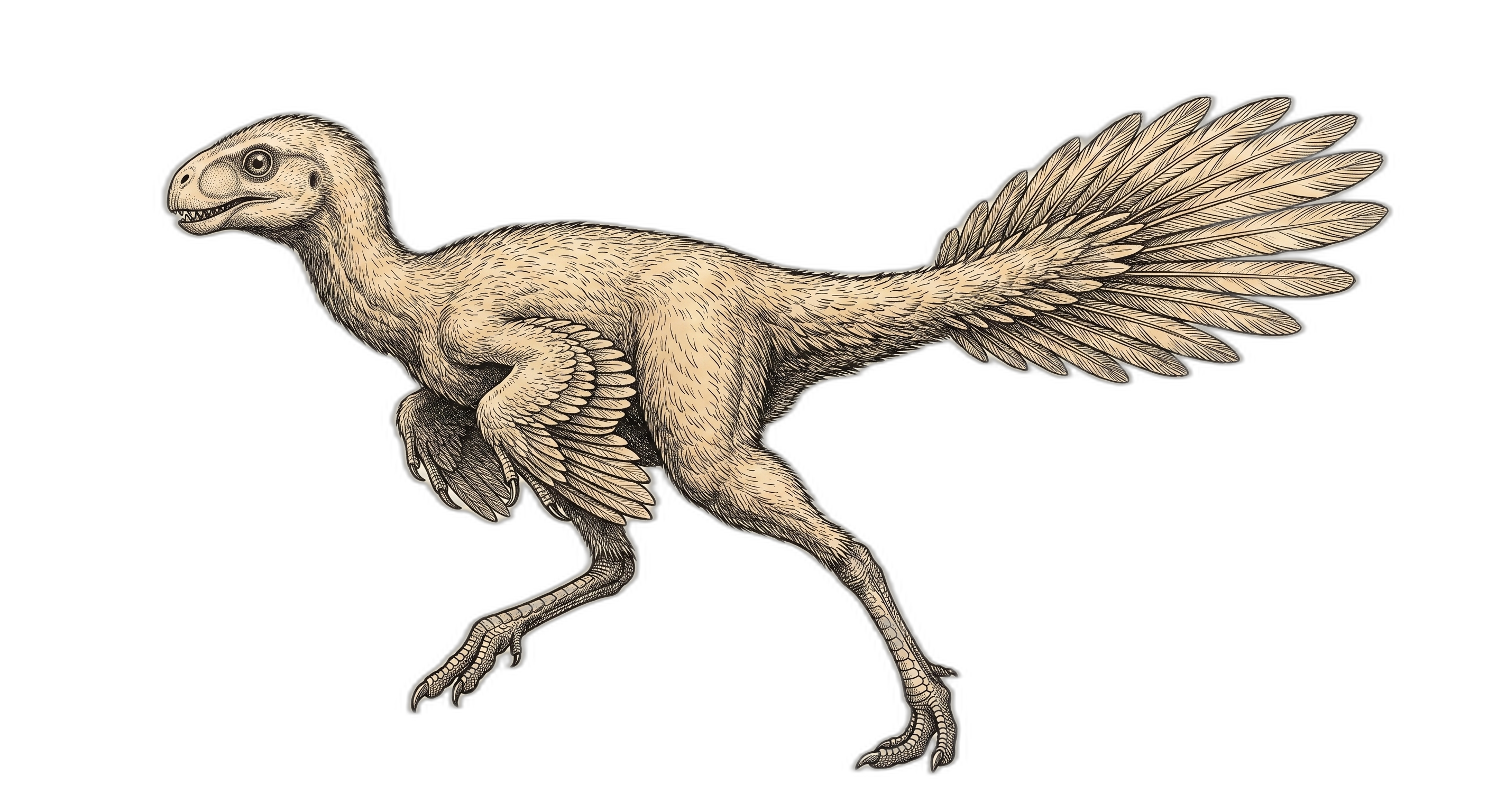
Caudipteryx was a small, remarkably bird-like dinosaur that lived approximately 124.6 million years ago in what is now northeastern China. Despite its striking resemblance to modern birds — complete with a beaked face, short body, and prominent tail feathers — this creature was definitively a non-avian dinosaur, specifically an oviraptorosaurian . Its name means "tail feather," a reference to the fan of feathers adorning the tip of its short tail.
Built for life on the ground, Caudipteryx possessed long, powerful legs that made it an agile runner, likely capable of swift bursts of speed to escape predators or chase down prey. Its arms bore symmetrical feathers — the kind unsuitable for flight — suggesting these plumes served purposes like , temperature regulation, or eggs. The animal's diet remains debated, but gastroliths (stomach stones) found with specimens suggest it processed plant material, though it may have been opportunistically omnivorous.
The genus was first described in 1998 by Ji Qiang, Philip Currie, Mark Norell, and Ji Shu-An from specimens discovered in the famous Yixian Formation of Liaoning Province. This exceptionally preserved ecosystem has yielded numerous feathered dinosaurs, but Caudipteryx became particularly significant in debates about avian origins. Some researchers initially proposed it was a flightless bird rather than a dinosaur, but detailed anatomical analysis confirmed its theropod identity.
Caudipteryx stands as powerful evidence that feathers evolved in dinosaurs long before flight, fundamentally reshaping our understanding of what dinosaurs actually looked like. The creature's existence demonstrates that the line between birds and their dinosaurian ancestors was far blurrier than once imagined.
Quick Facts
- Scientific name
- Caudipteryx zoui
- Group
- Theropod · Oviraptoridae
- Lived
- Early Cretaceous, 145–100 million years ago
- Diet
- Omnivore
- Movement
- Walked on two legs
- Fossils found in
- Yixian Formation (Liaoning, China)
- Discovery credited to
- 1998, Ji Qiang, Philip Currie, Mark Norell, and Ji Shu-An
- Holotype
- NGMC 97-4-A · National Geological Museum of China, Beijing
- DinoVault record
- DVL-0026
Where fossils were found
Yixian Formation
Liaoning · China
145–100 million years ago(45m year span)
Where Caudipteryx zoui Roamed
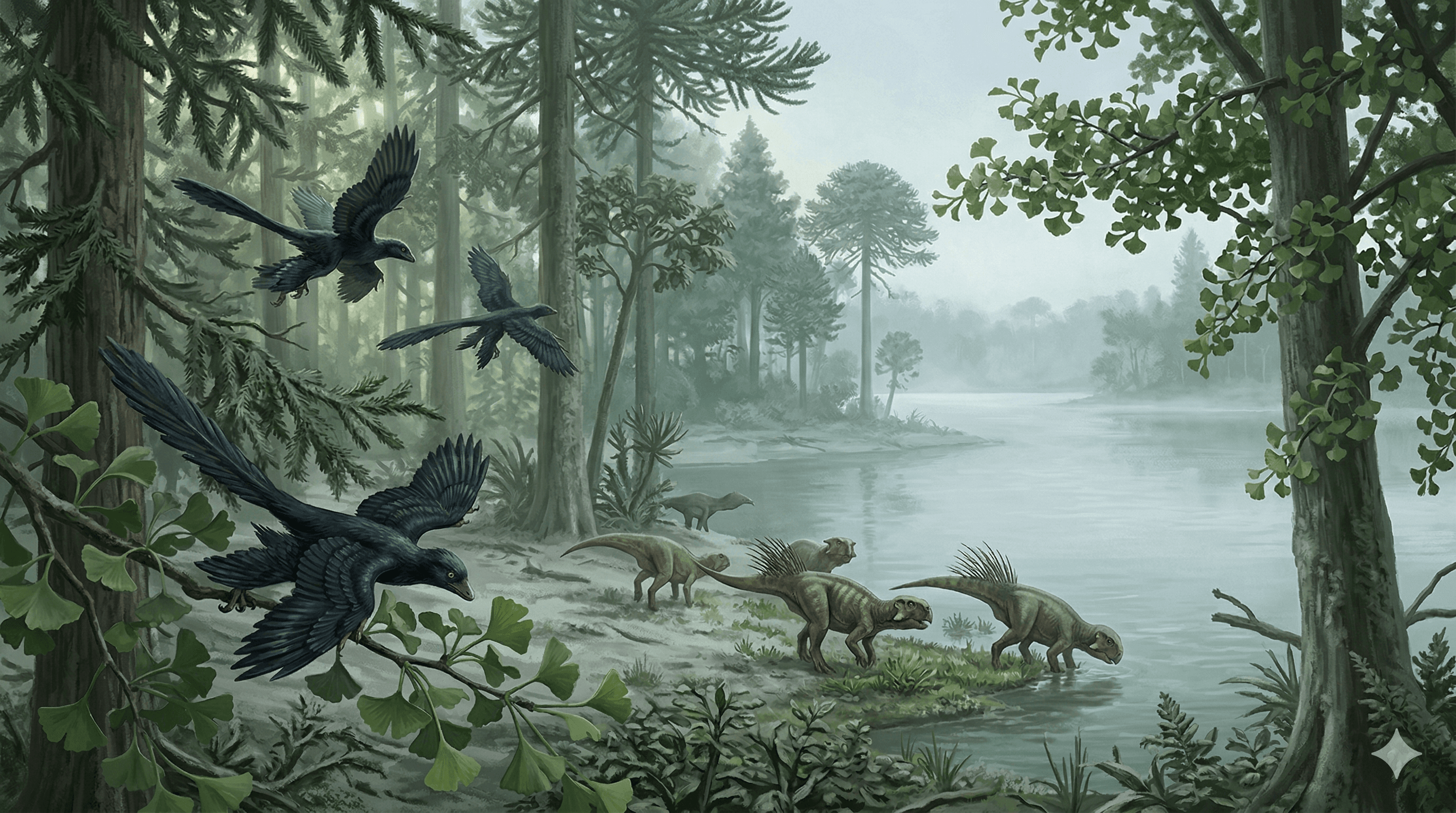
Caudipteryx zoui inhabited the lush lakeland ecosystems of Early Cretaceous northeastern China, where volcanic highlands surrounded freshwater basins teeming with fish, insects, and diverse plant life. This region of the eastern Laurasian landmass experienced a warm, humid temperate climate, with periodic volcanic eruptions that would ultimately preserve countless specimens in the famous Yixian Formation lagerstätte.
Keep exploring the vault
Yutyrannus
Yutyrannus huali
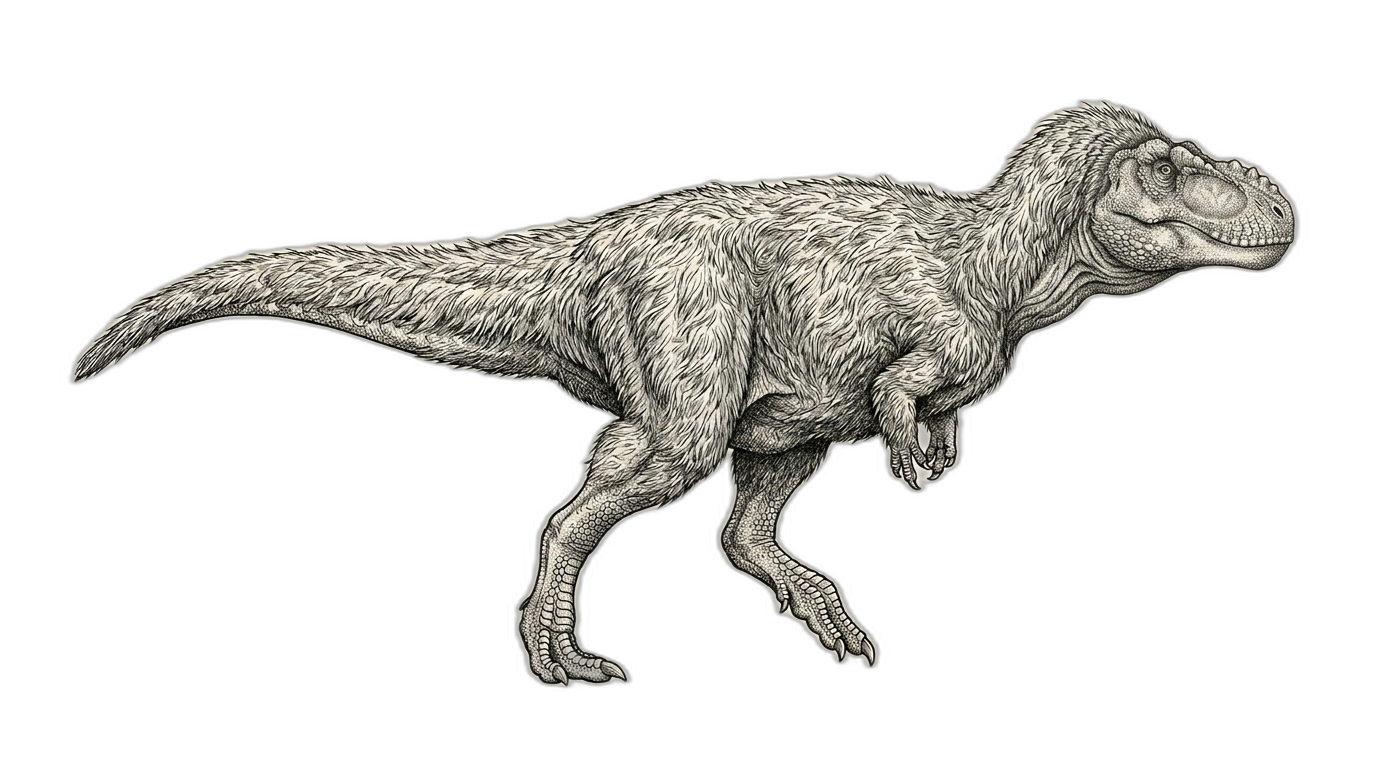
Yutyrannus was a 9-meter, 1400kg apex predator in the Yixian Formation, while Caudipteryx was only 0.9m and 7kg.
Dilong
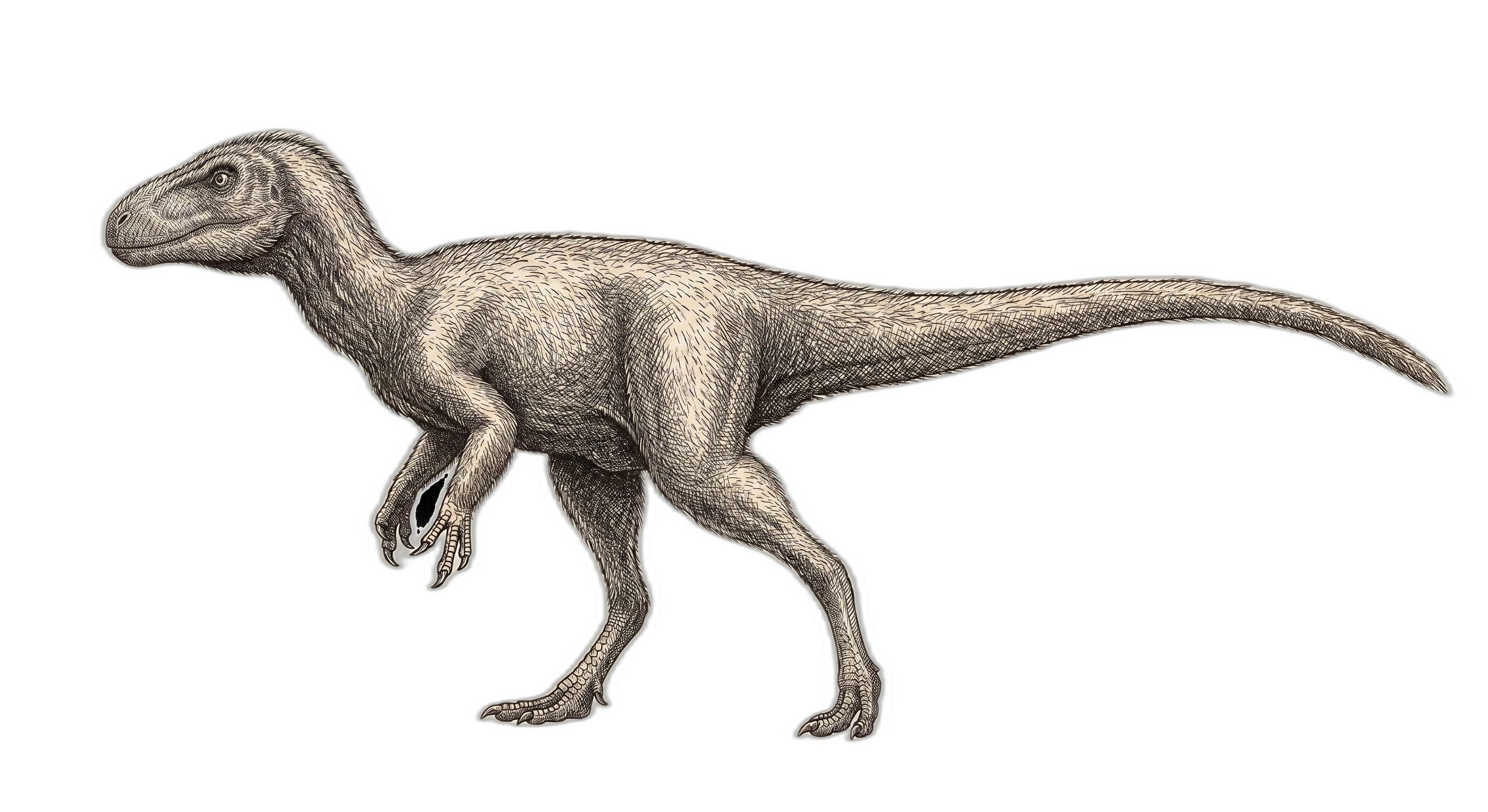
Dilong was a 1.6m carnivorous tyrannosauroid in the same Yixian Formation, roughly twice the size of Caudipteryx.
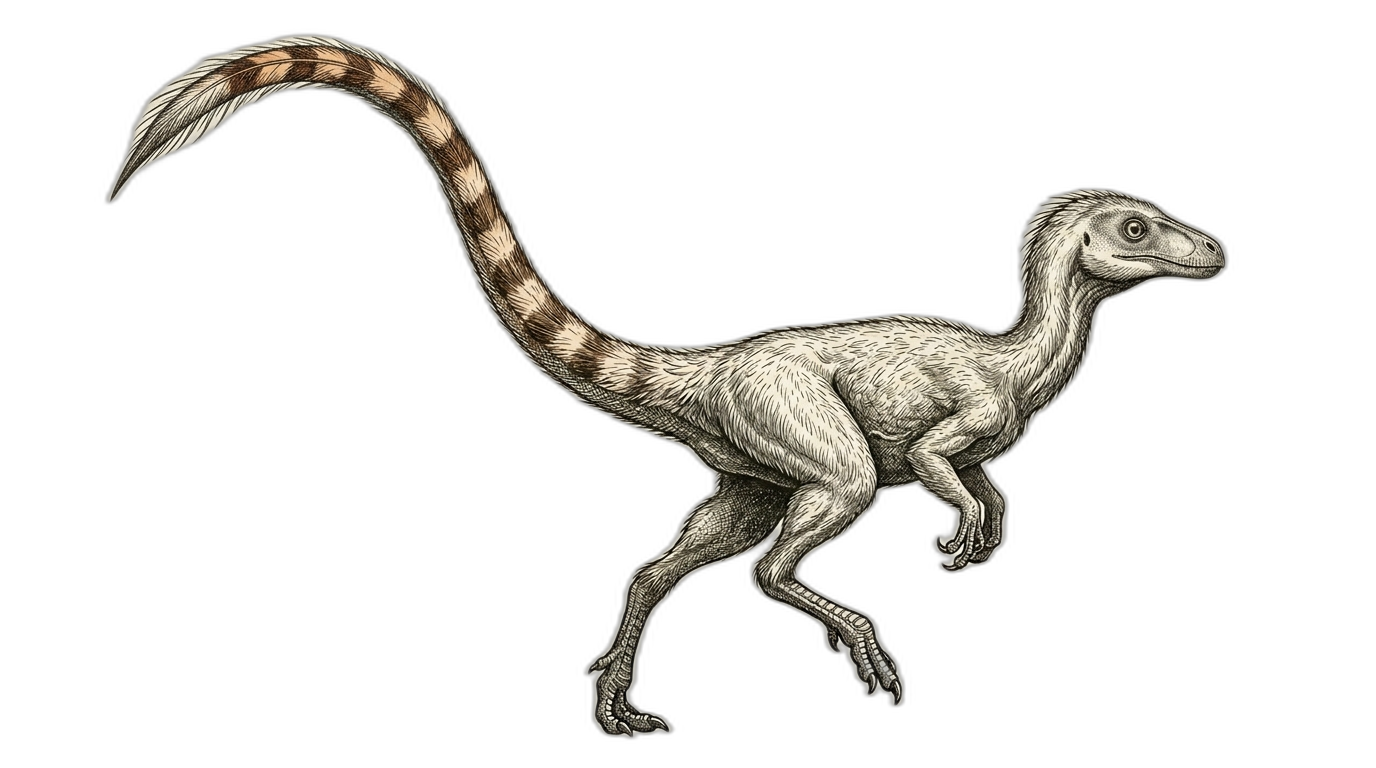
Sinosauropteryx
Sinosauropteryx prima
Both were small feathered theropods of similar size (Sinosauropteryx 1m, Caudipteryx 0.9m) in the Yixian Formation.
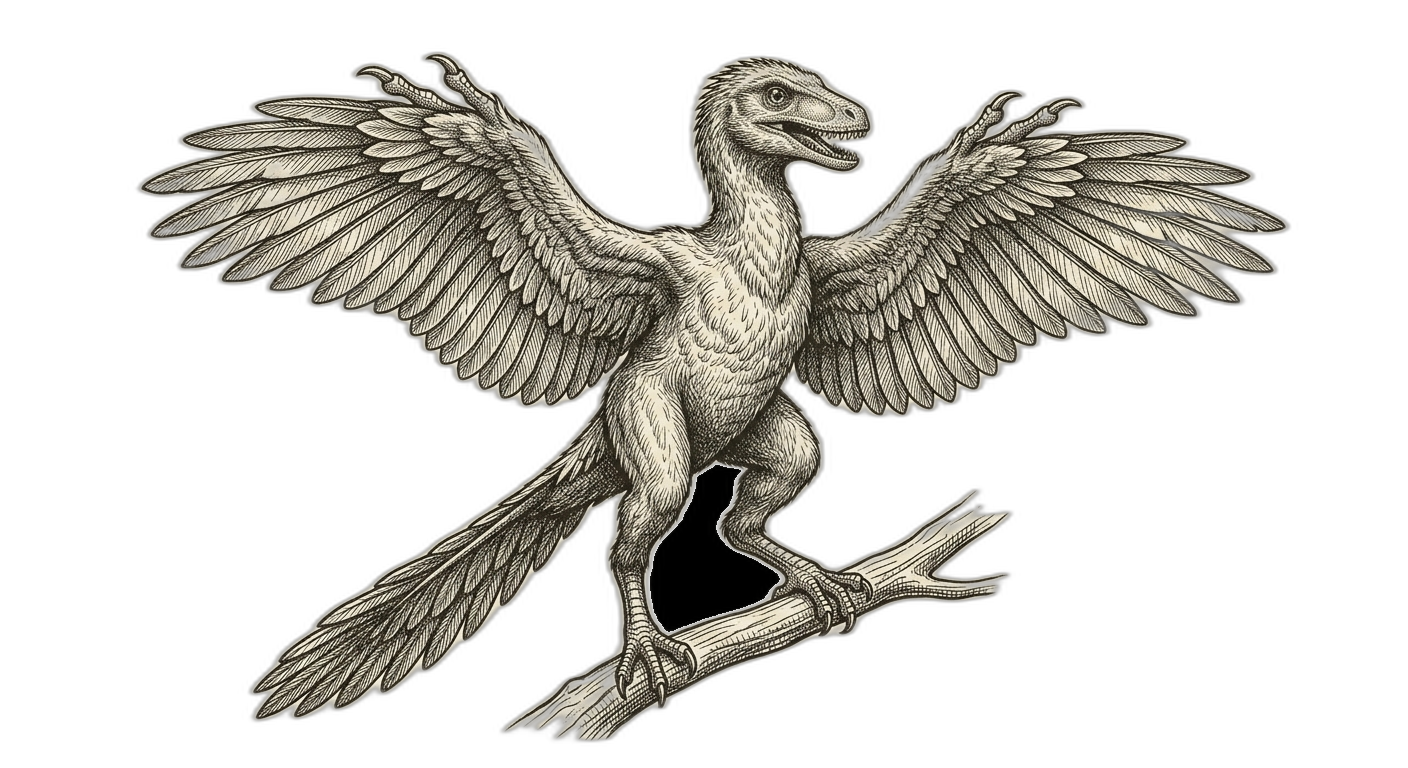
Archaeopteryx
Both represent early experiments in feathered maniraptorans.
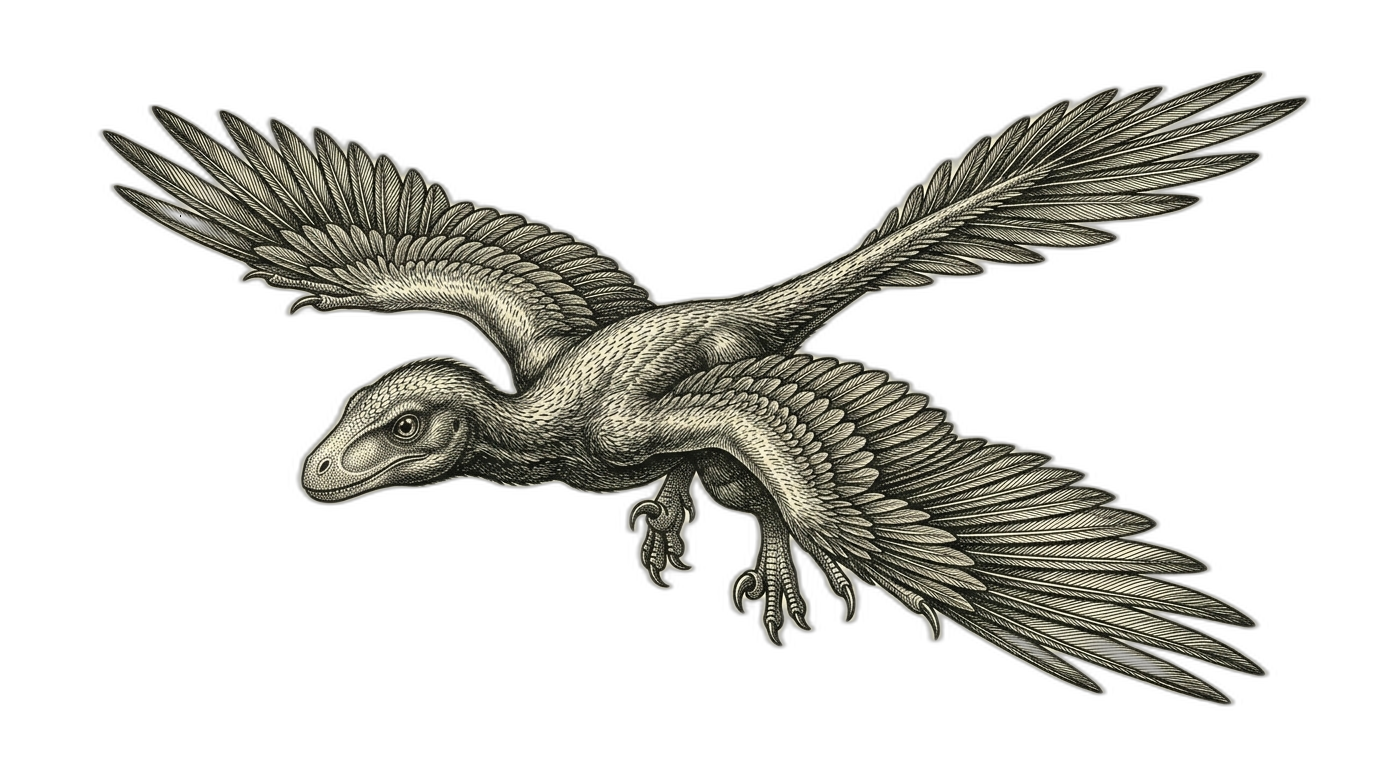
Microraptor
Microraptor gui
Both small feathered theropods from the Yixian Formation, representing different evolutionary experiments with feathers.
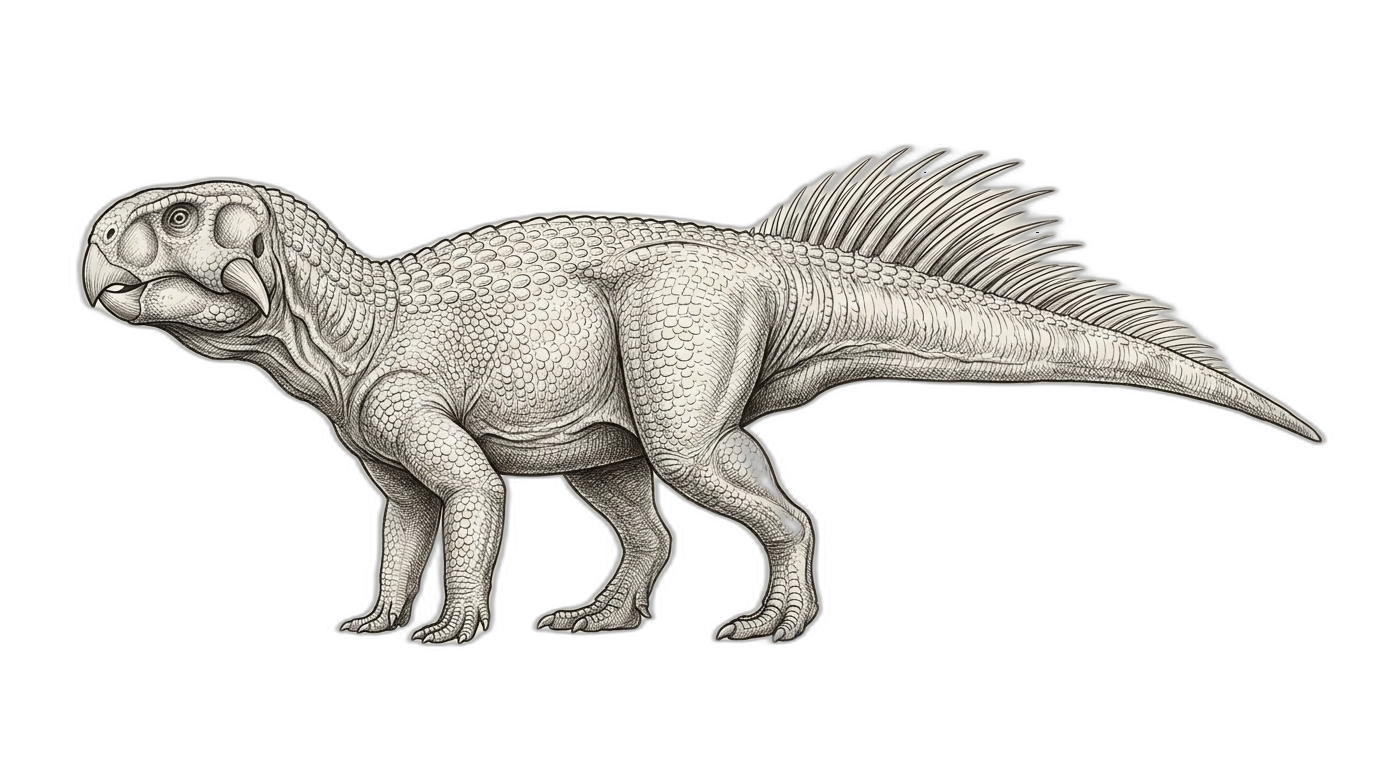
Psittacosaurus
Psittacosaurus mongoliensis
Both common members of the Yixian Formation fauna.
Sources & Citation
- Length estimates
- Ji et al. 1998; Zhou & Wang 2000; multiple complete specimens
- Height estimates
- Ji et al. 1998; based on complete skeletal reconstructions
- Weight estimates
- Paul 2010; Christiansen & Fariña 2004 methodology
- Speed estimates
- Sellers & Manning 2007; estimated from limb proportions