About
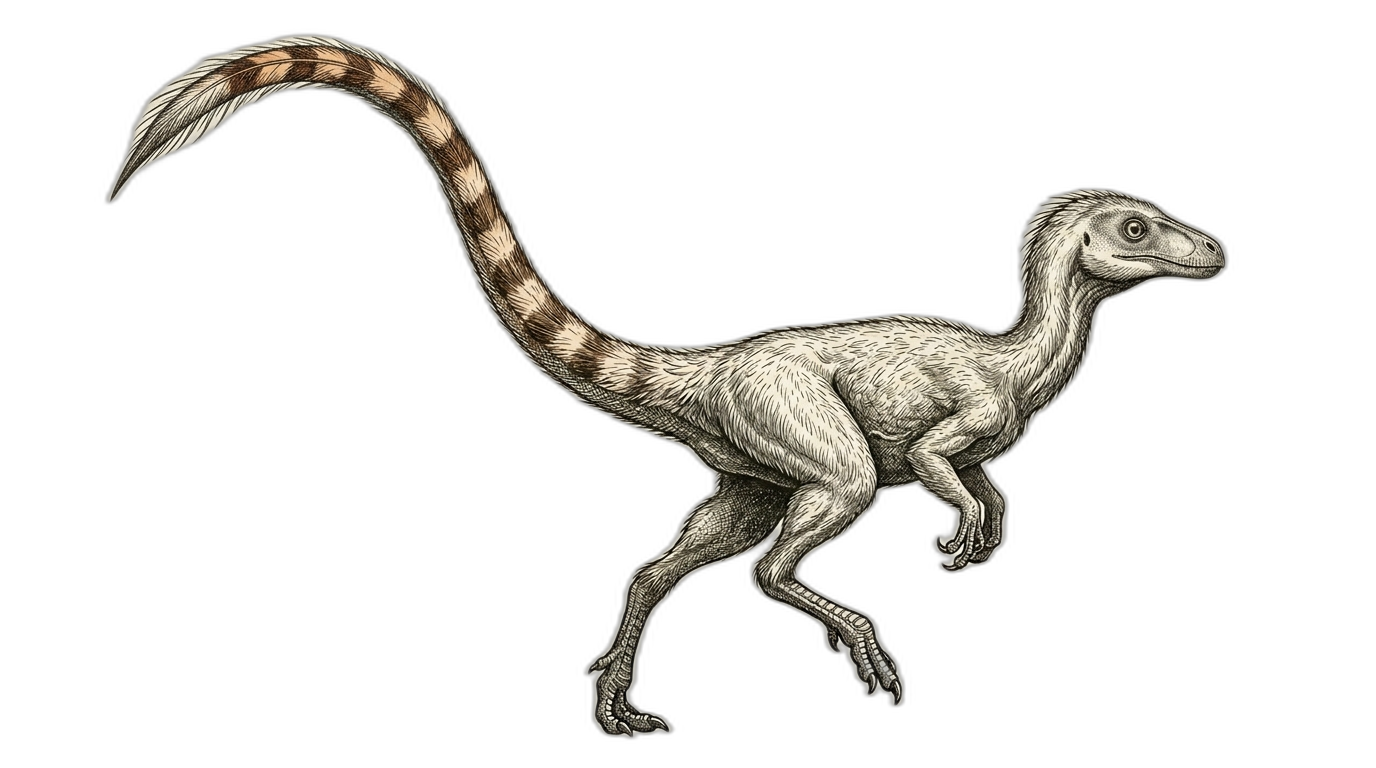
Sinosauropteryx holds a special place in paleontology as the dinosaur that transformed our understanding of feather evolution. When it was described in 1996 from the famous Yixian Formation of Liaoning Province, China, it became the first non-avian dinosaur discovered with direct evidence of feathery . These weren't flight feathers, but simple filamentous structures covering its body like fuzzy down — proof that feathers existed long before flight evolved.
This small, agile predator was built for speed and precision hunting. With its long legs, counterbalancing tail, and grasping hands, Sinosauropteryx likely pursued small prey through the forests and lakeshores of Early Cretaceous China. Remarkably preserved stomach contents in some specimens reveal it ate small mammals and lizards, giving us a direct window into its diet.
Perhaps most extraordinary is what the fossils tell us about color. Microscopic structures called preserved in the feathers allowed scientists to reconstruct Sinosauropteryx's appearance: it had a countershaded body (darker on top, lighter below) and distinctive banded stripes on its tail. This was the first time paleontologists could determine a dinosaur's actual color pattern with scientific confidence.
Sinosauropteryx was a compsognathid coelurosaur, part of a group of small theropods closely related to the lineage that would eventually give rise to birds. Its discovery sparked a revolution in how we depict and understand dinosaurs, confirming that many theropods were likely feathered creatures rather than the scaly reptiles of older reconstructions.
Quick Facts
- Scientific name
- Sinosauropteryx prima
- Group
- Theropod · Compsognathidae
- Lived
- Early Cretaceous, 125.8–119.6 million years ago
- Diet
- Carnivore
- Movement
- Walked on two legs
- Fossils found in
- Yixian Formation (Liaoning, China)
- Discovery credited to
- 1996, Li Yumin (farmer); described by Ji Qiang & Ji Shu'an
- Holotype
- NIGP 127586 · Nanjing Institute of Geology and Palaeontology
- DinoVault record
- DVL-0127
Where fossils were found
Yixian Formation
Liaoning · China
125.8–119.6 million years ago(6.2m year span)
Where Sinosauropteryx Roamed
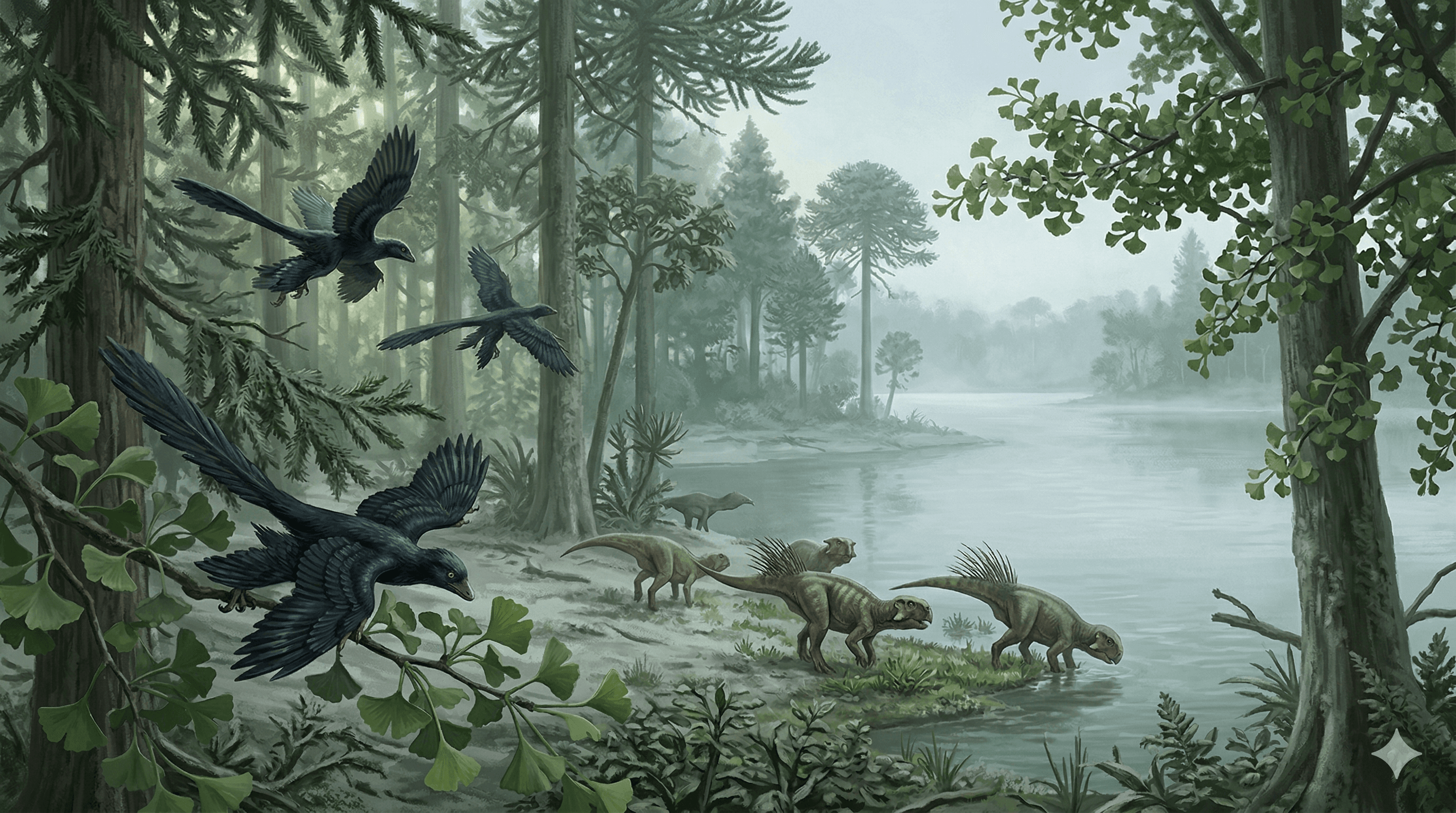
Sinosauropteryx prima inhabited the lush lakeland environments of Early Cretaceous northeastern China, where volcanic highlands surrounded shallow freshwater basins teeming with fish, salamanders, and diverse plant life. This region, part of the ancient Jehol Biota ecosystem on the eastern margin of the Asian landmass, experienced a temperate to subtropical climate with seasonal variations that supported remarkably diverse terrestrial and aquatic communities.
Keep exploring the vault
Psittacosaurus
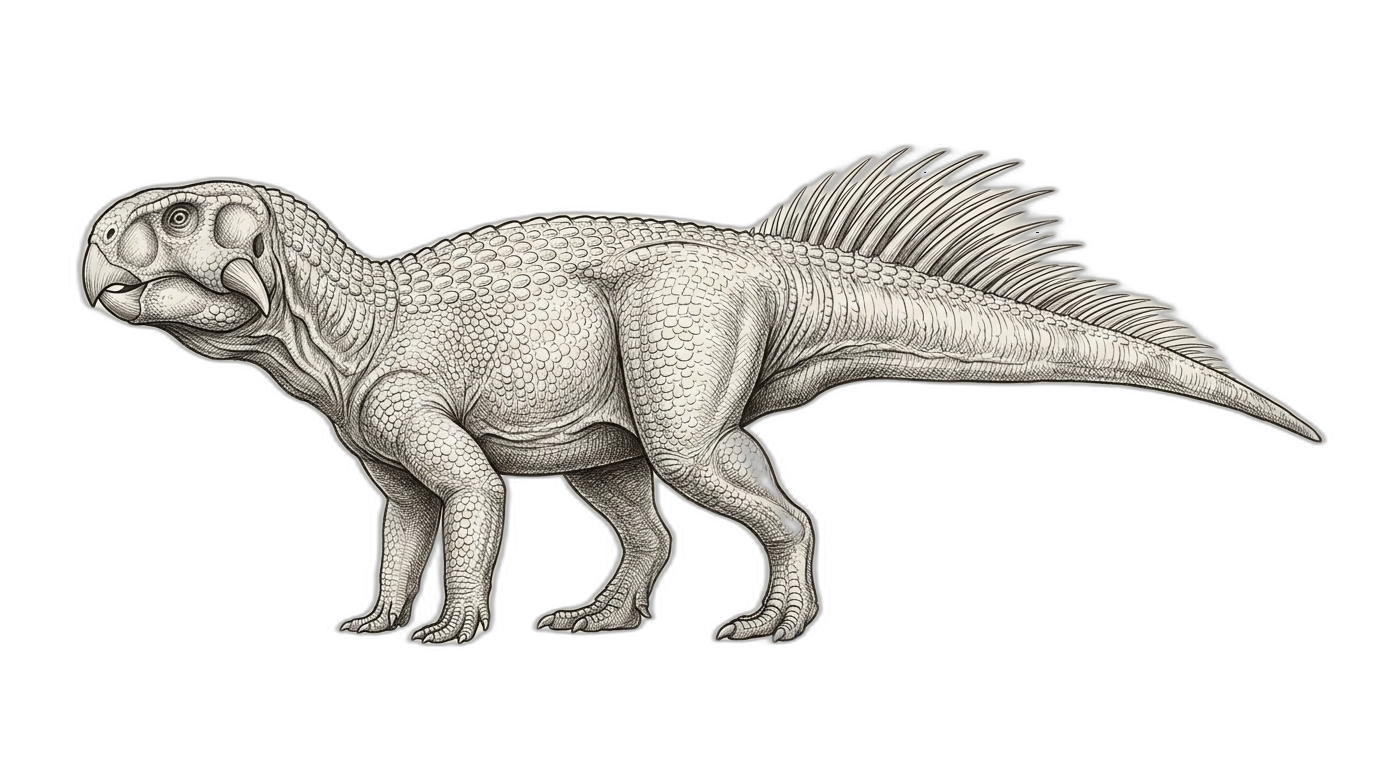
Psittacosaurus mongoliensis
Sinosauropteryx gut contents preserve remains of small vertebrates.
Dilong
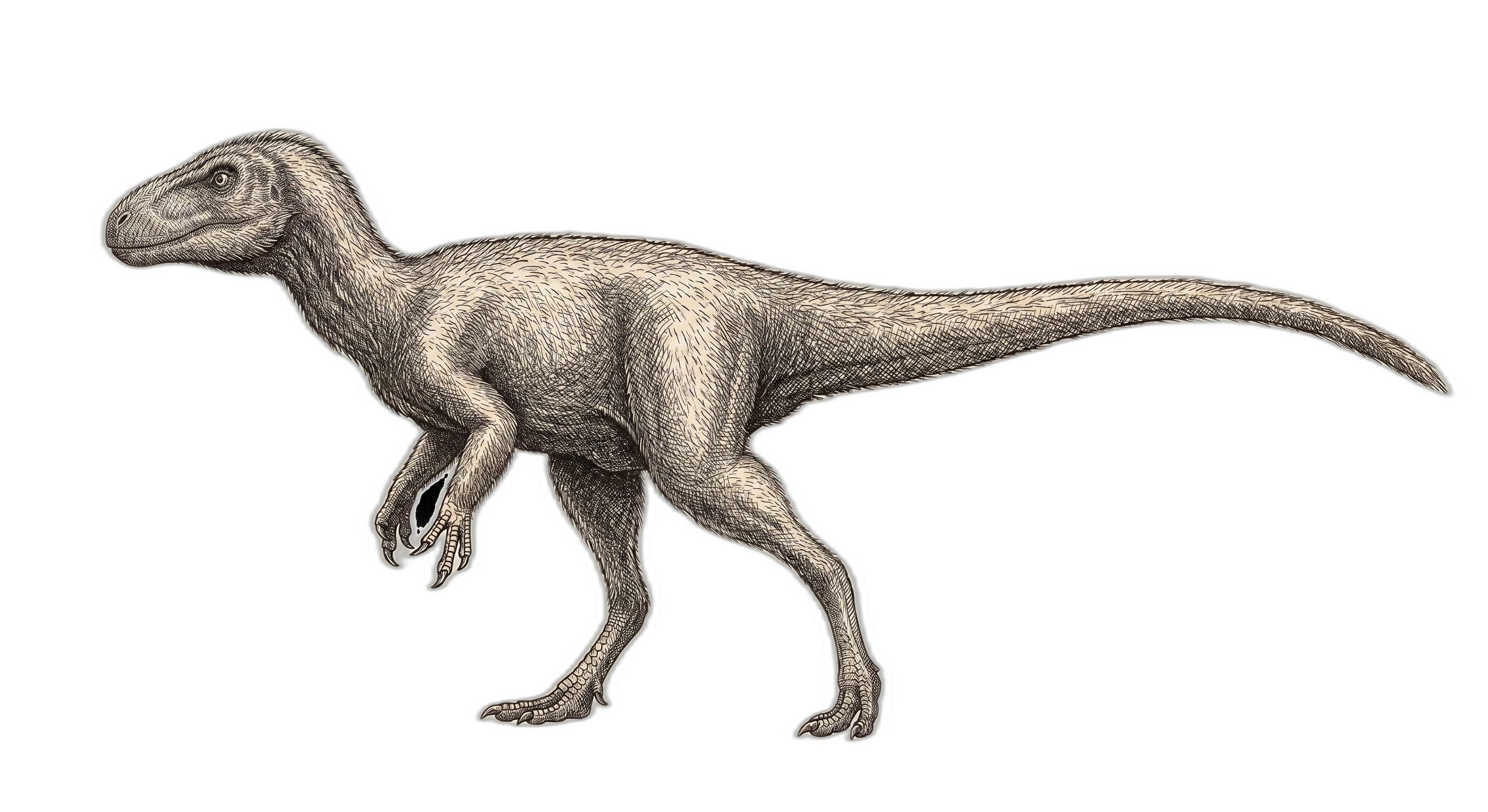
Dilong at 1.6m and 11kg was significantly larger than Sinosauropteryx (1m, 1kg).
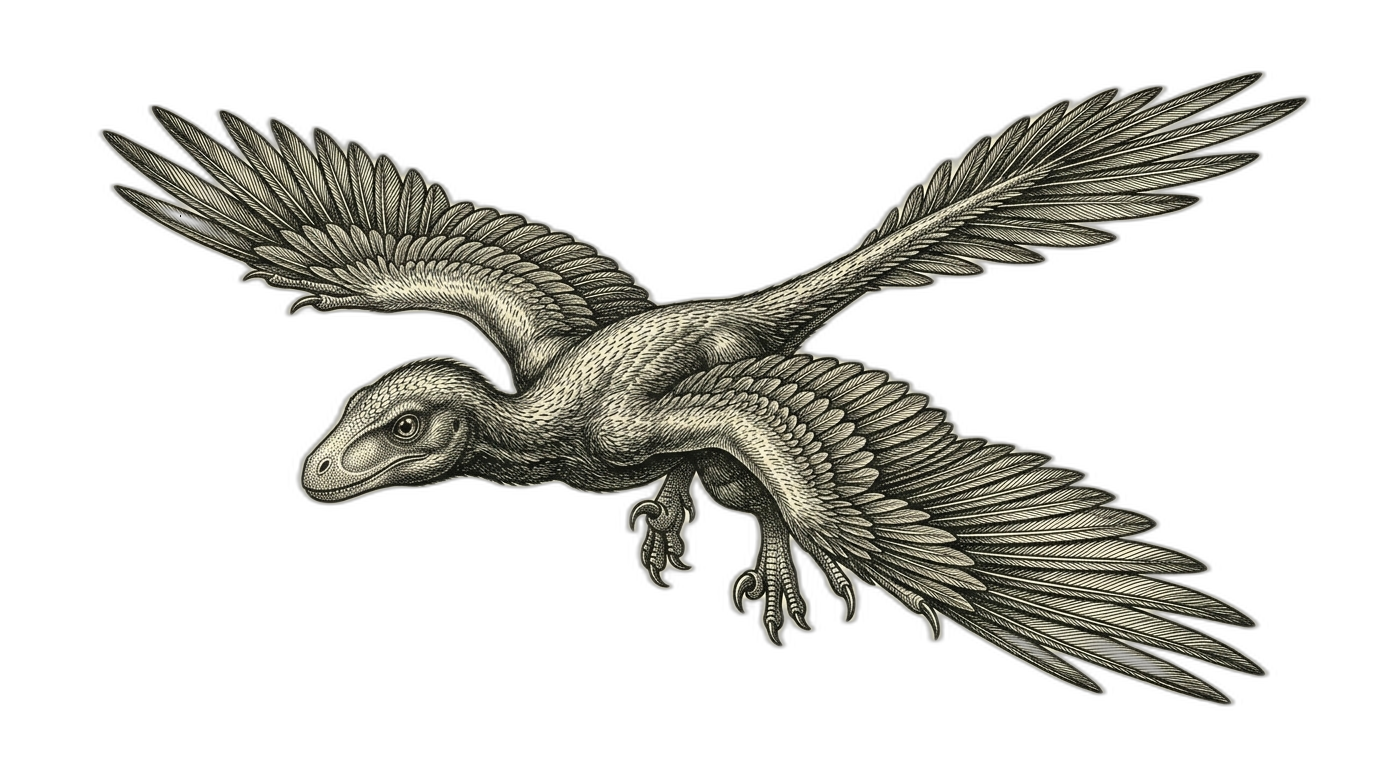
Microraptor
Microraptor gui
Both small feathered theropods from the Yixian Formation with carnivorous diets and similar body sizes (Sinosauropteryx ~1m, Microraptor ~0.65m).
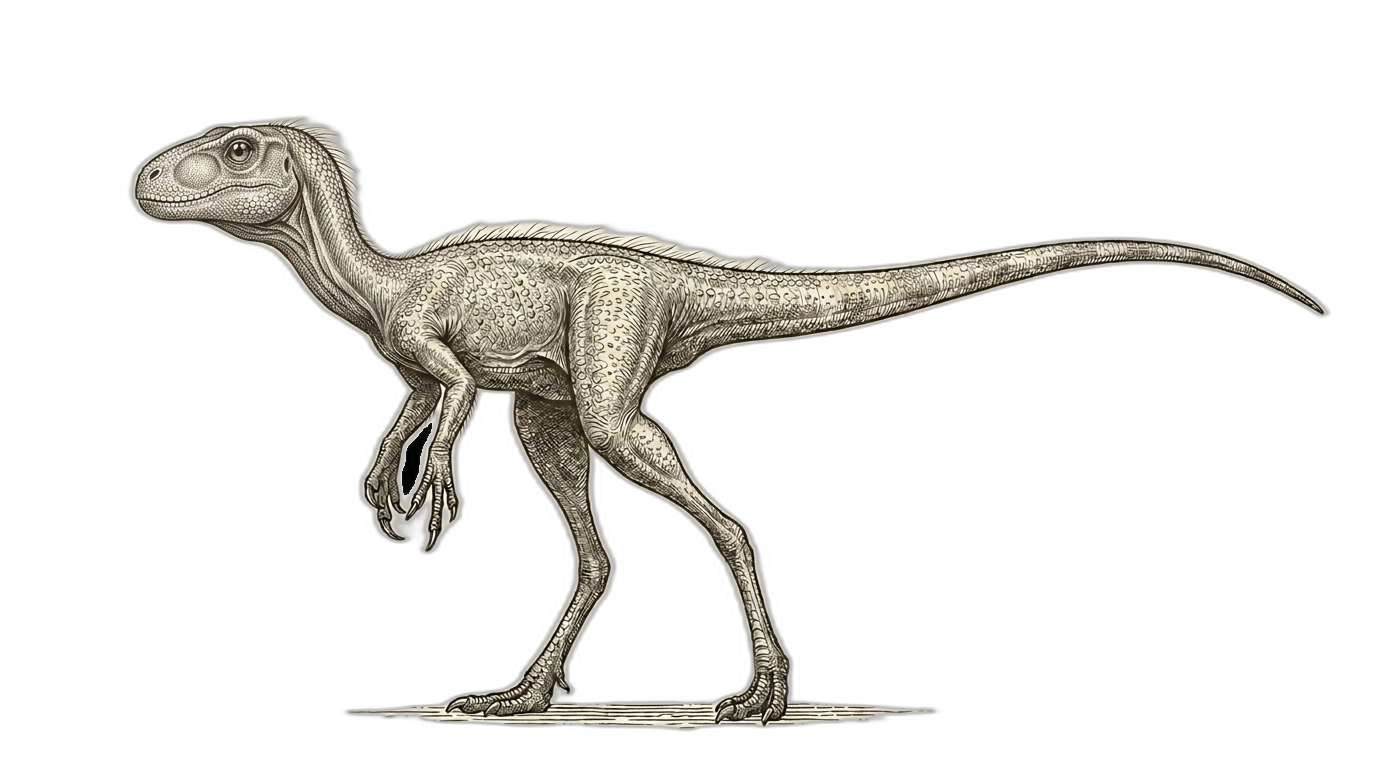
Compsognathus
Compsognathus longipes
Both compsognathids with remarkably similar body plans, size, and predatory lifestyles, but separated by ~25 million years and different continents (Europe vs.
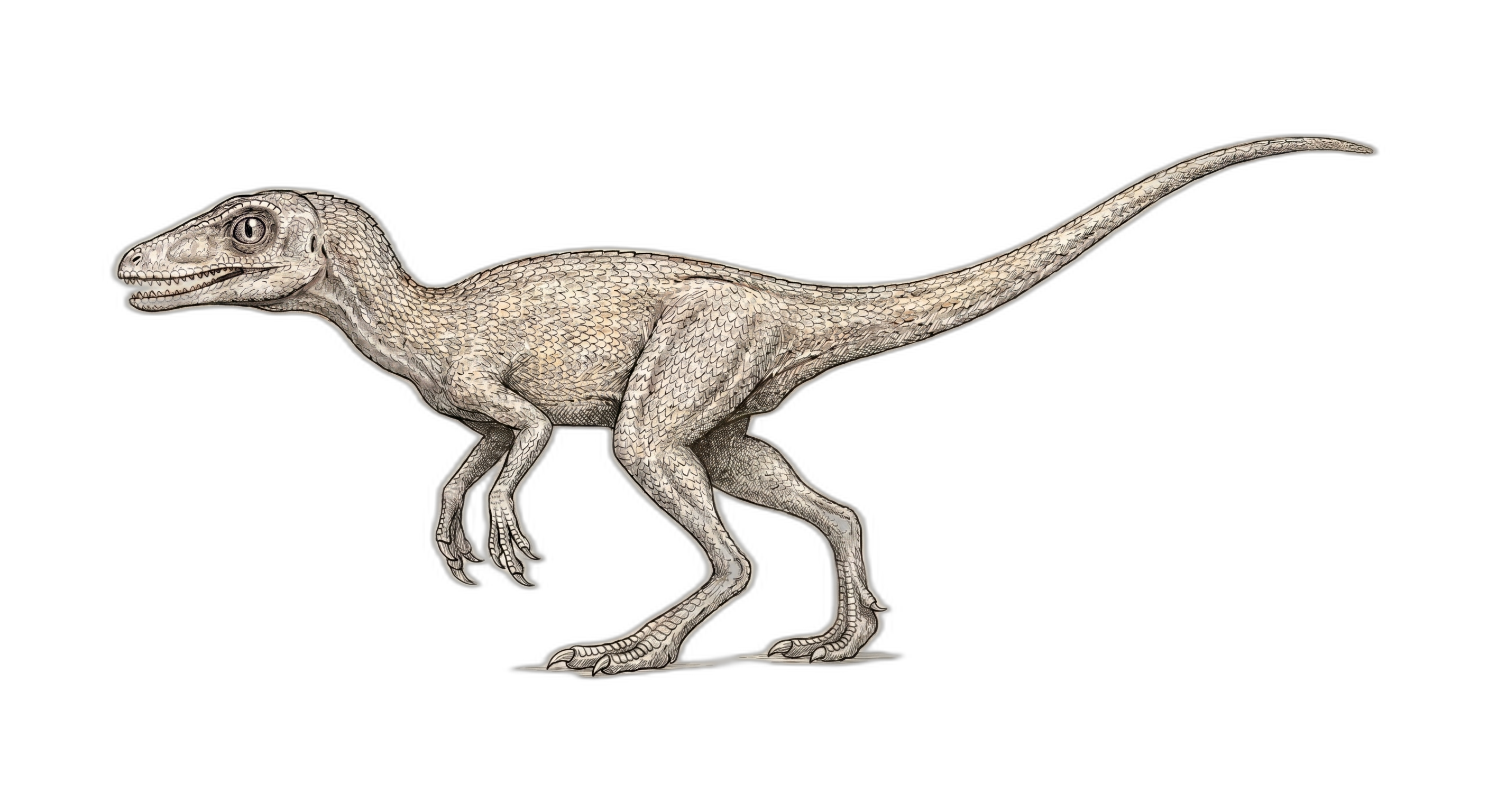
Ciro
Scipionyx samniticus
Same family: Compsognathidae
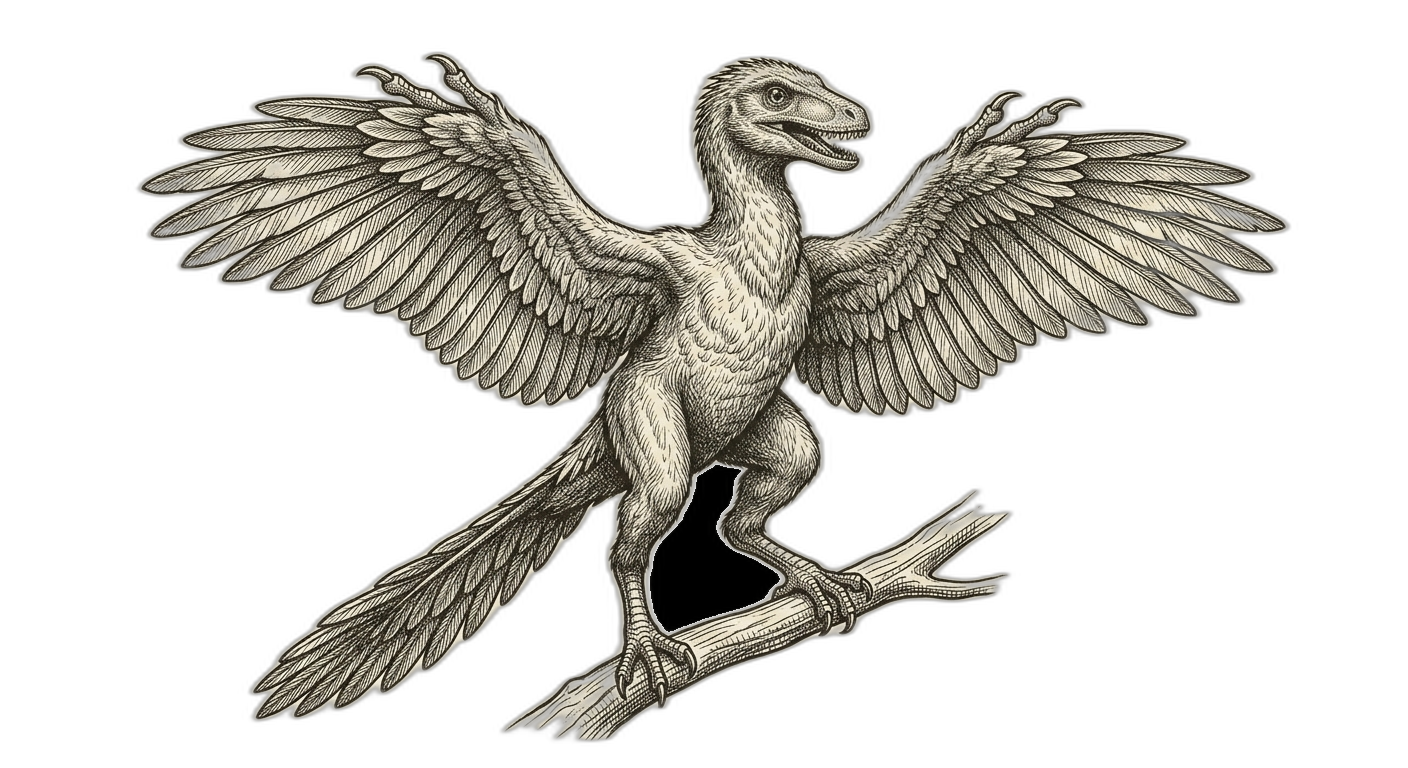
Archaeopteryx
Both represent early stages of the dinosaur-to-bird transition with preserved feather evidence.
Sources & Citation
- Length estimates
- Currie & Chen 2001; multiple complete specimens
- Height estimates
- Estimated from skeletal proportions; Currie & Chen 2001
- Weight estimates
- Paul 2010; estimates for compsognathid-grade coelurosaurs
- Speed estimates
- Inferred from limb proportions; no direct biomechanical study