About
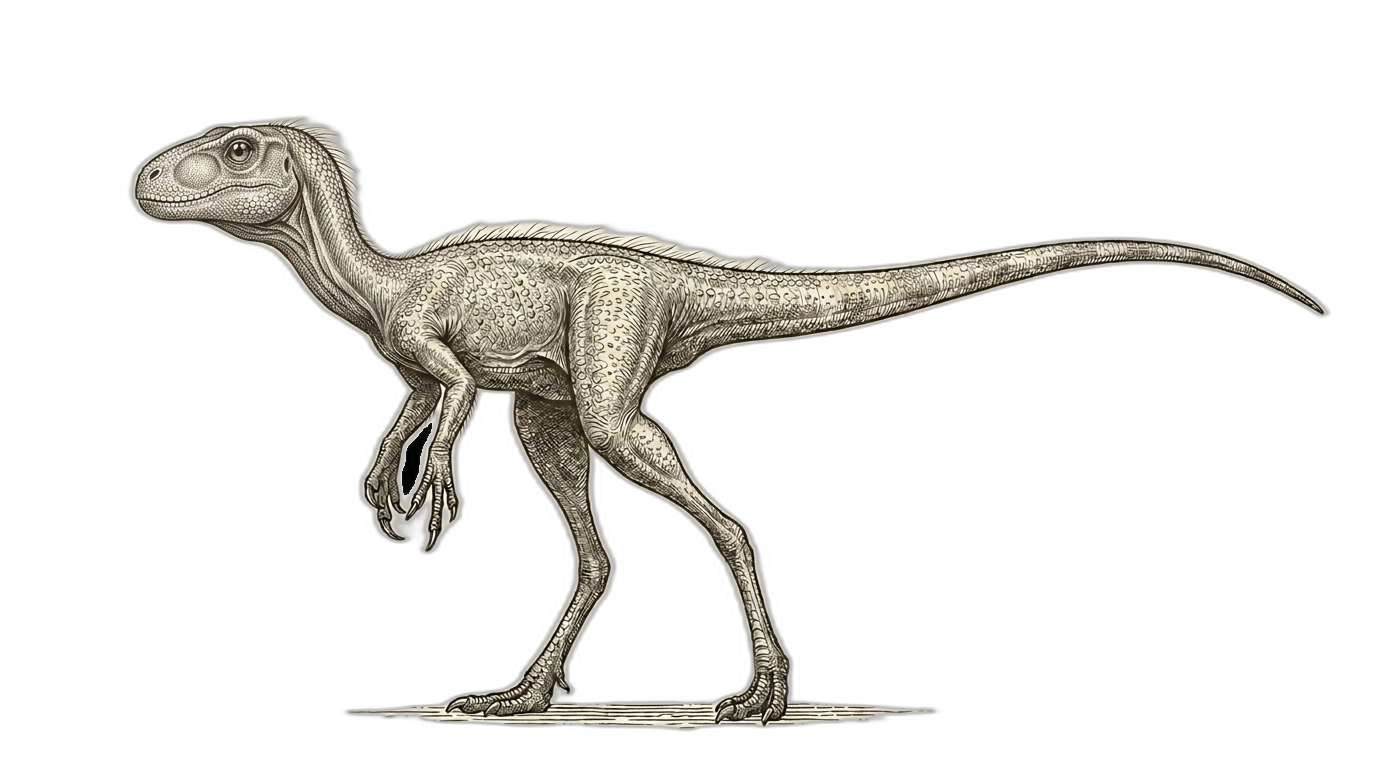
Compsognathus was a diminutive dinosaur that has captivated paleontologists since its discovery in the mid-19th century. About the size of a chicken, this graceful predator possessed long, slender legs built for speed, a lengthy tail for balance, and small arms with two-fingered hands perfect for snatching prey. Its lightweight, delicate skeleton made it one of the smallest non-avian dinosaurs known to science.
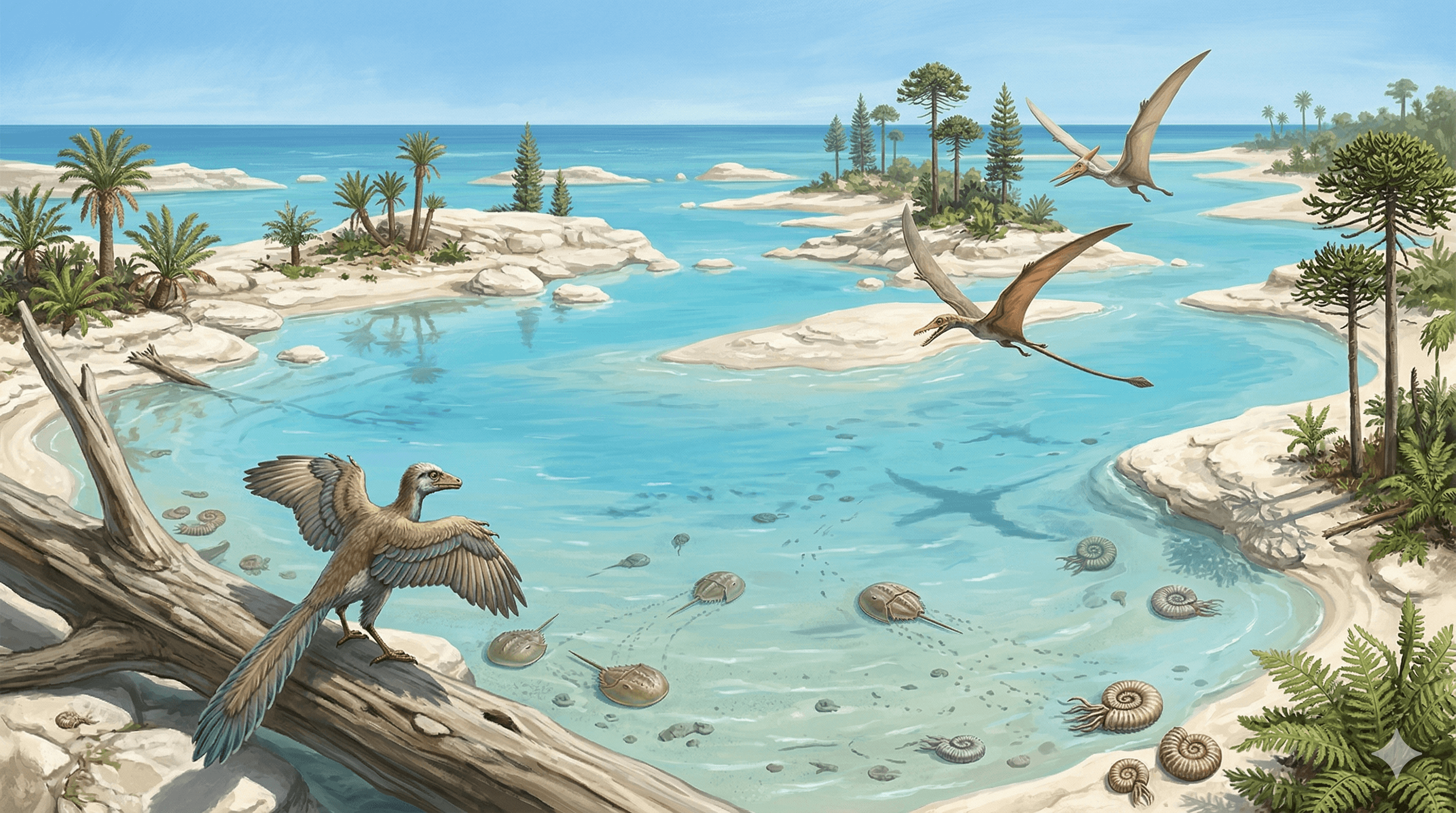
Living approximately 150 million years ago during the Late Jurassic, Compsognathus inhabited a tropical archipelago in what is now southern Germany and France. The region was dotted with shallow lagoons and coral reefs, and the fine-grained limestone that formed there preserved fossils in extraordinary detail. This environment was home to small lizards, insects, and other creatures that made perfect meals for a nimble predator like Compsognathus.
The first Compsognathus fossil was discovered in Bavaria, Germany, around 1859 and was described by Johann Andreas Wagner. This specimen became famous not only for its small size but also because it preserved the remains of its last meal—a small lizard called Bavarisaurus—within its body cavity. A second, slightly larger specimen was found in southeastern France over a century later, initially described as a separate species but now considered the same.
For over a century, Compsognathus held the title of smallest known dinosaur, a distinction that helped cement its place in popular culture. The exceptional preservation of both known specimens has provided invaluable insights into small theropod anatomy and behavior, making this tiny hunter one of the most scientifically important dinosaurs from the Jurassic period.
Quick Facts
- Scientific name
- Compsognathus longipes
- Group
- Theropod · Compsognathidae
- Lived
- Late Jurassic, 149.2–145.1 million years ago
- Diet
- Carnivore
- Movement
- Walked on two legs
- Fossils found in
- Solnhofen Limestone (Bavaria, Germany)
- Discovery credited to
- 1859, Johann Andreas Wagner
- Holotype
- BSP AS I 563 · Bavarian State Collection of Palaeontology and Geology, Munich
- DinoVault record
- DVL-0033
Where fossils were found
Solnhofen Limestone
Bavaria · Germany
149.2–145.1 million years ago(4.1m year span)
Where Compsognathus Roamed
During the Late Jurassic, Compsognathus longipes inhabited the subtropical archipelago of the European landmass, where shallow, warm lagoons of the Tethys Sea created a patchwork of islands dotted with coral reefs and fine-grained limestone mudflats—an environment remarkably similar to today's Bahamas, where this nimble predator hunted small prey along sun-drenched tropical shores.
Keep exploring the vault
Ceratosaurus
Ceratosaurus nasicornis
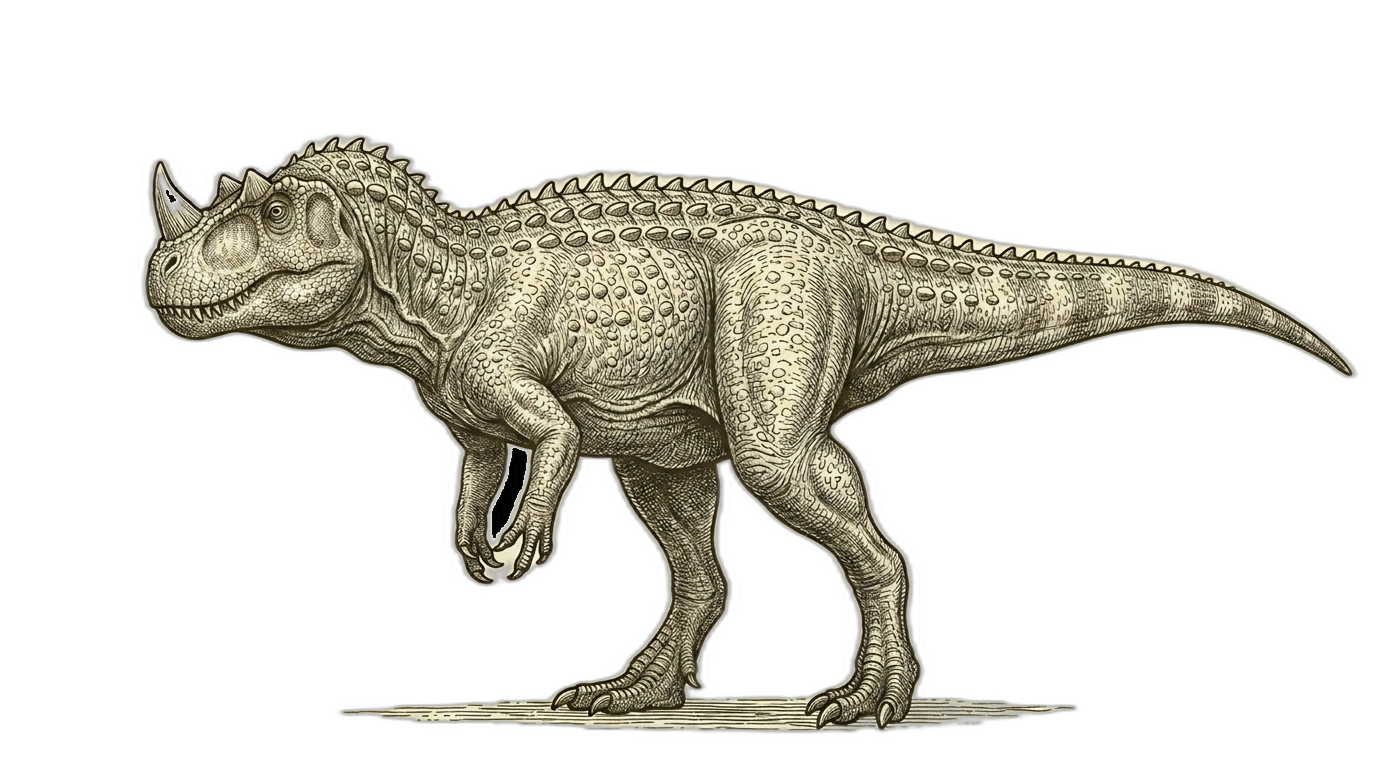
Ceratosaurus was a medium-sized Late Jurassic theropod predator that would have been capable of preying on small dinosaurs like Compsognathus.
Anurognathus
Compsognathus was a small, agile predator at 1m and 3kg, well-suited to catching small vertebrates.
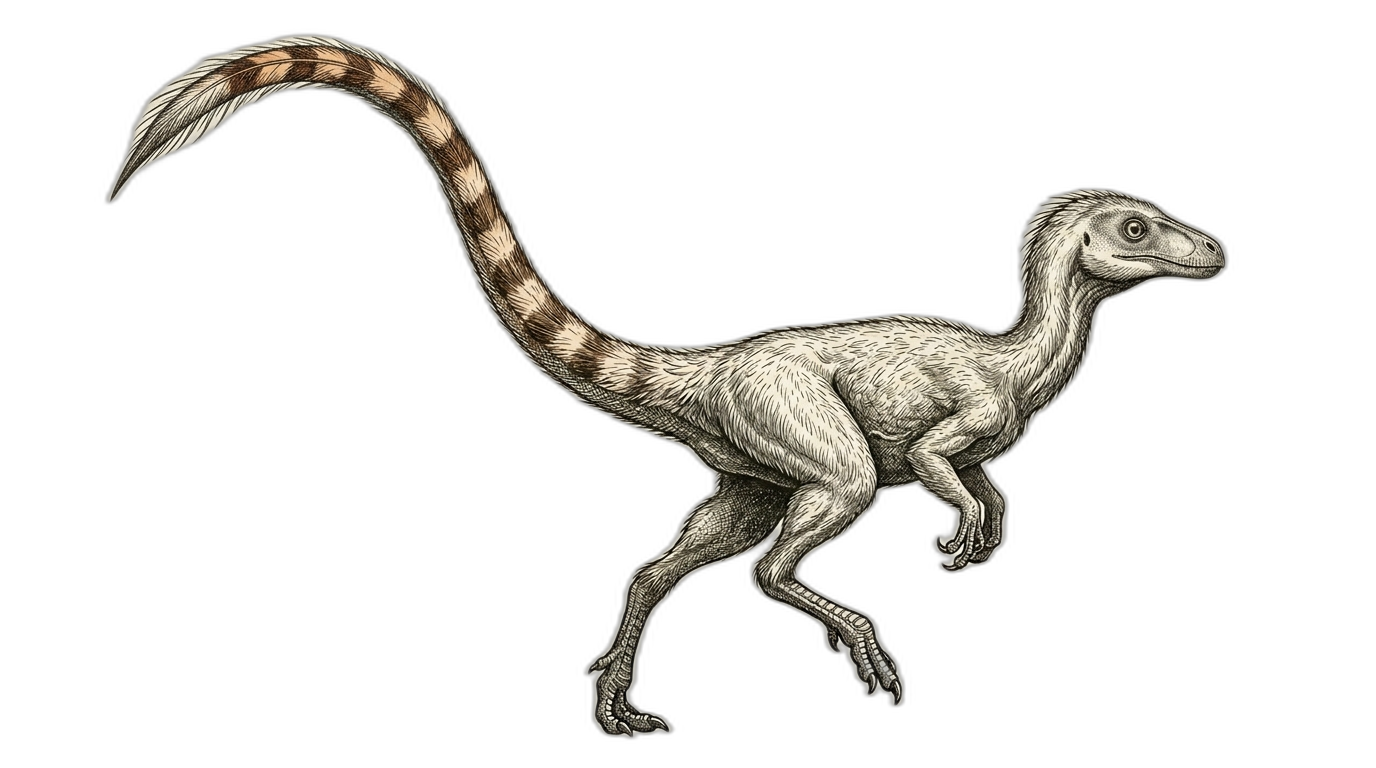
Sinosauropteryx
Sinosauropteryx prima
Both are small compsognathid theropods representing the same body plan and ecological niche.
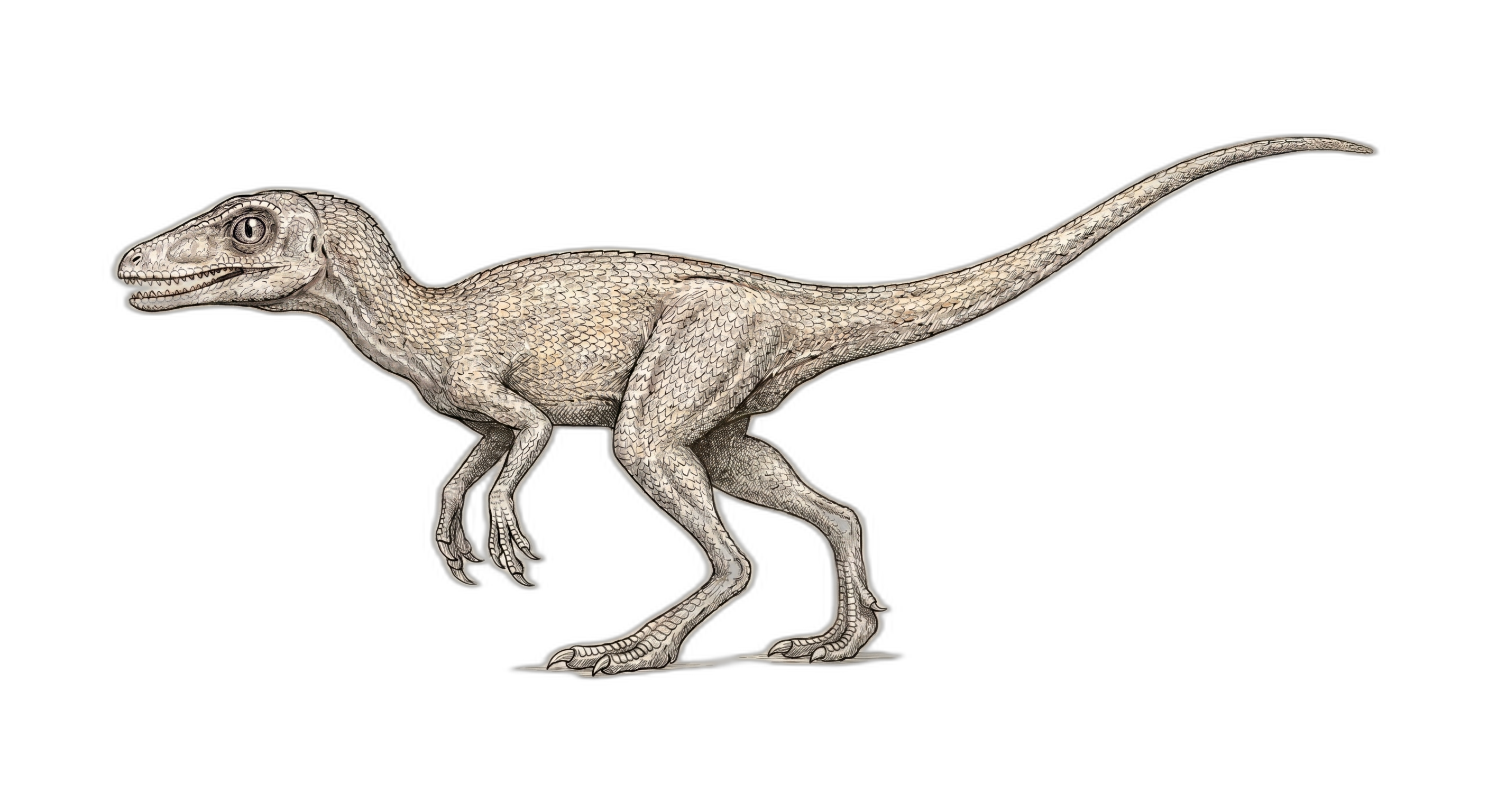
Ciro
Scipionyx samniticus
Same family: Compsognathidae
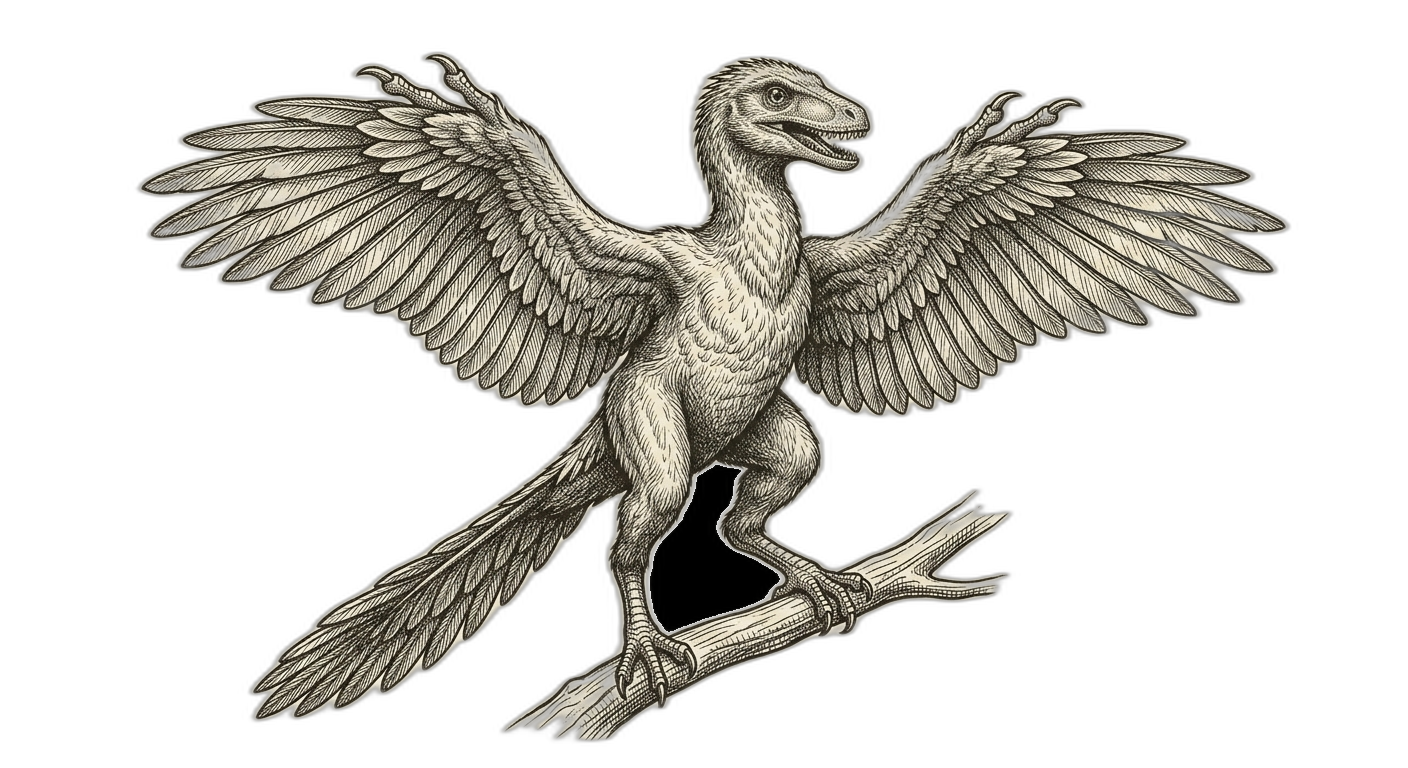
Archaeopteryx
Both Compsognathus and Archaeopteryx are known from the Solnhofen Limestone of Bavaria, Germany, representing the same Late Jurassic lagoon ecosystem around 150 million years ago.
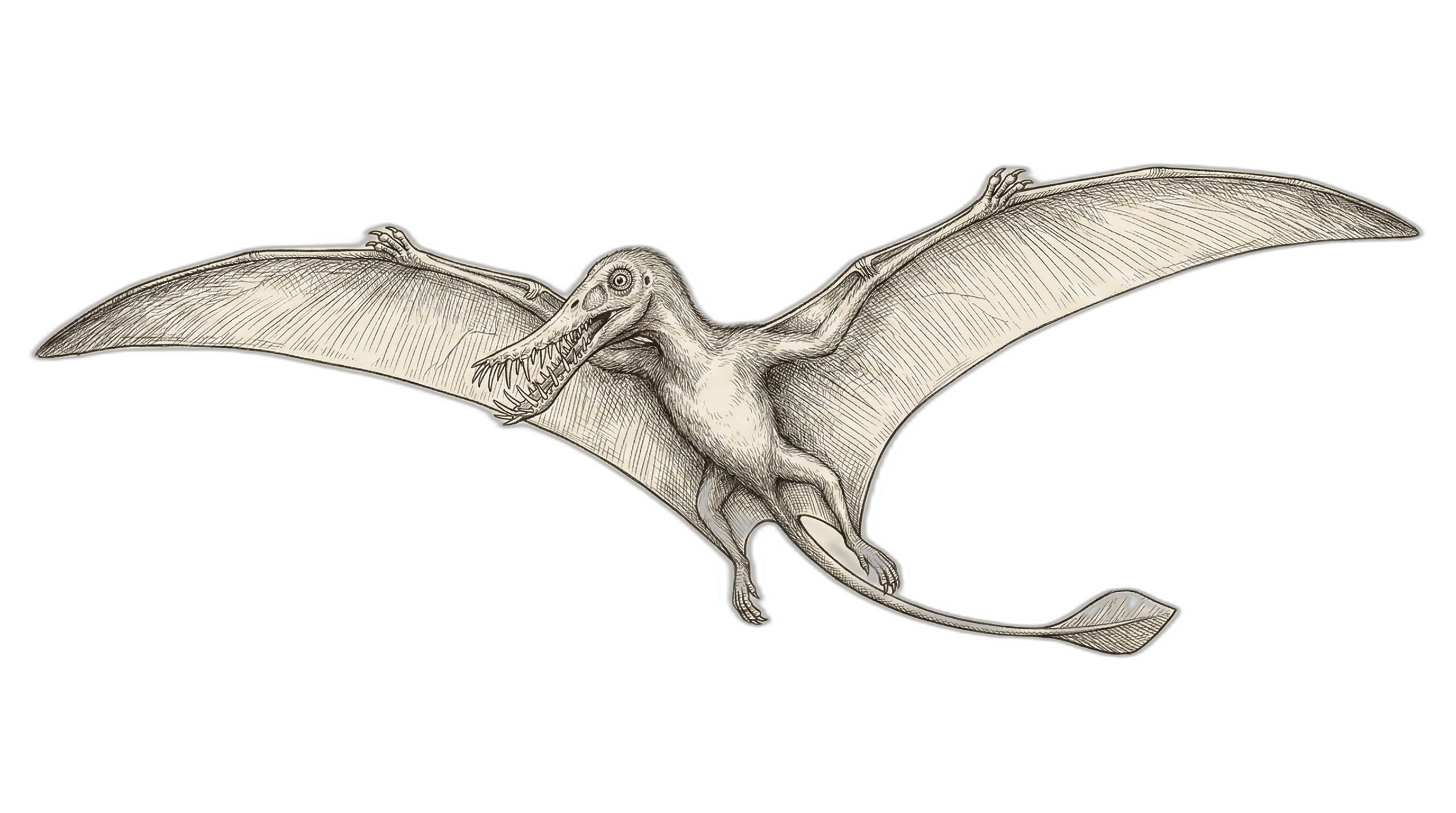
Rhamphorhynchus
Rhamphorhynchus muensteri
Both preserved in Solnhofen Limestone.
Sources & Citation
- Length estimates
- Peyer 2006; Ostrom 1978; based on two well-preserved specimens
- Height estimates
- Estimated hip height from skeletal proportions; Ostrom 1978
- Weight estimates
- Seebacher 2001; Paul 2010; based on volumetric estimates
- Speed estimates
- Biomechanical estimates vary; long legs suggest cursorial adaptation