About
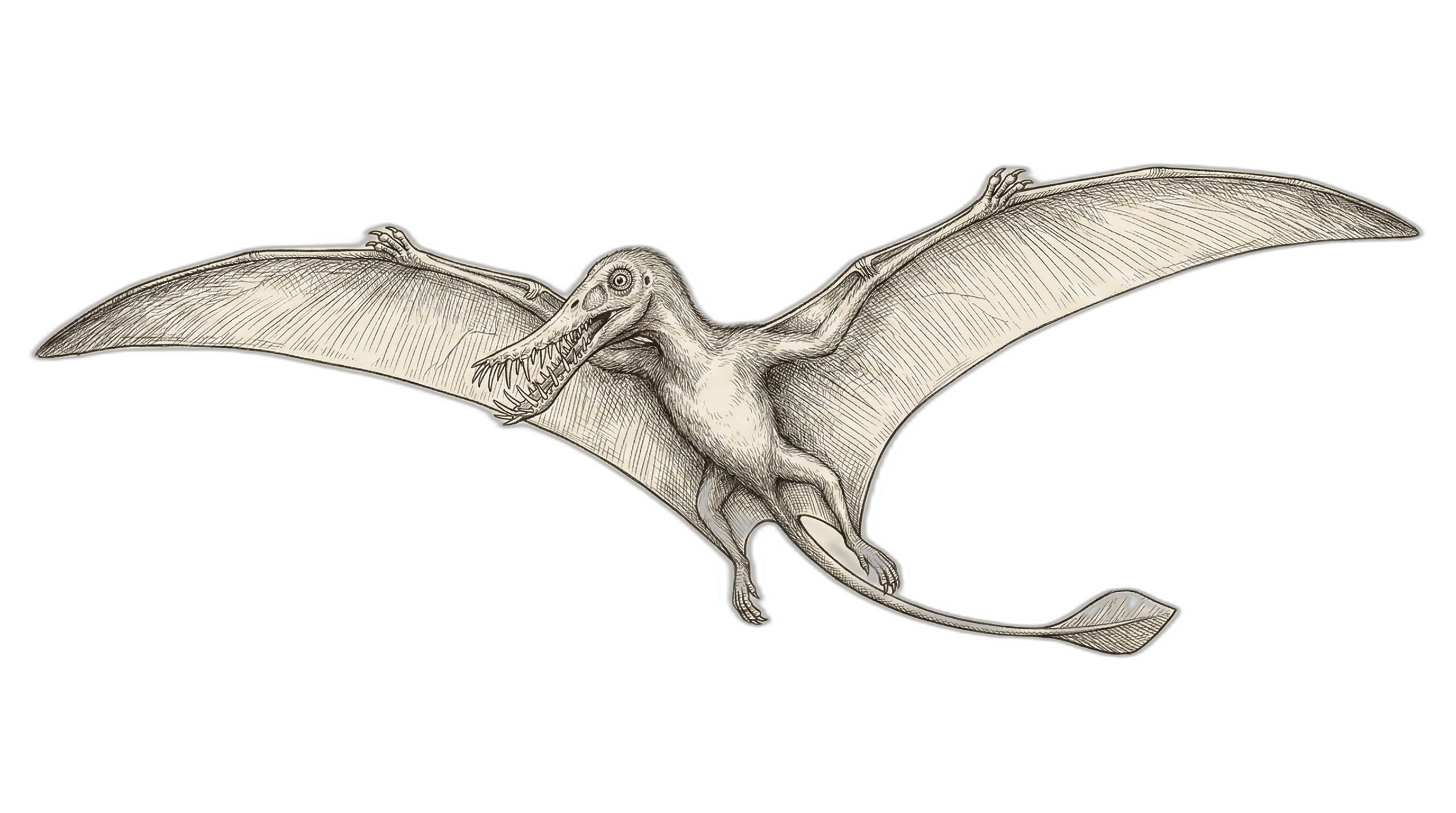
Rhamphorhynchus muensteri stands as one of the most iconic pterosaurs of the Late Jurassic, its remarkably preserved fossils revealing an animal exquisitely adapted for a life hunting fish over tropical lagoons. With a wingspan reaching up to 1.81 meters in the largest individuals, this pterosaur possessed an elongated skull filled with sharp, forward-projecting teeth that interlocked when the jaws closed—a perfect mechanism for gripping slippery fish. Its most distinctive feature was a long, stiffened tail terminating in a characteristic diamond-shaped vane, likely used for flight stabilization and aerial maneuverability.
The Solnhofen Limestone of Bavaria has yielded hundreds of Rhamphorhynchus specimens, some preserving soft tissues including wing membranes, throat pouches reminiscent of pelicans, and even stomach contents confirming their piscivorous diet. These fossils reveal that the wing membrane attached to the hindlimbs and that the animal was covered in pycnofibers—hair-like structures providing insulation.
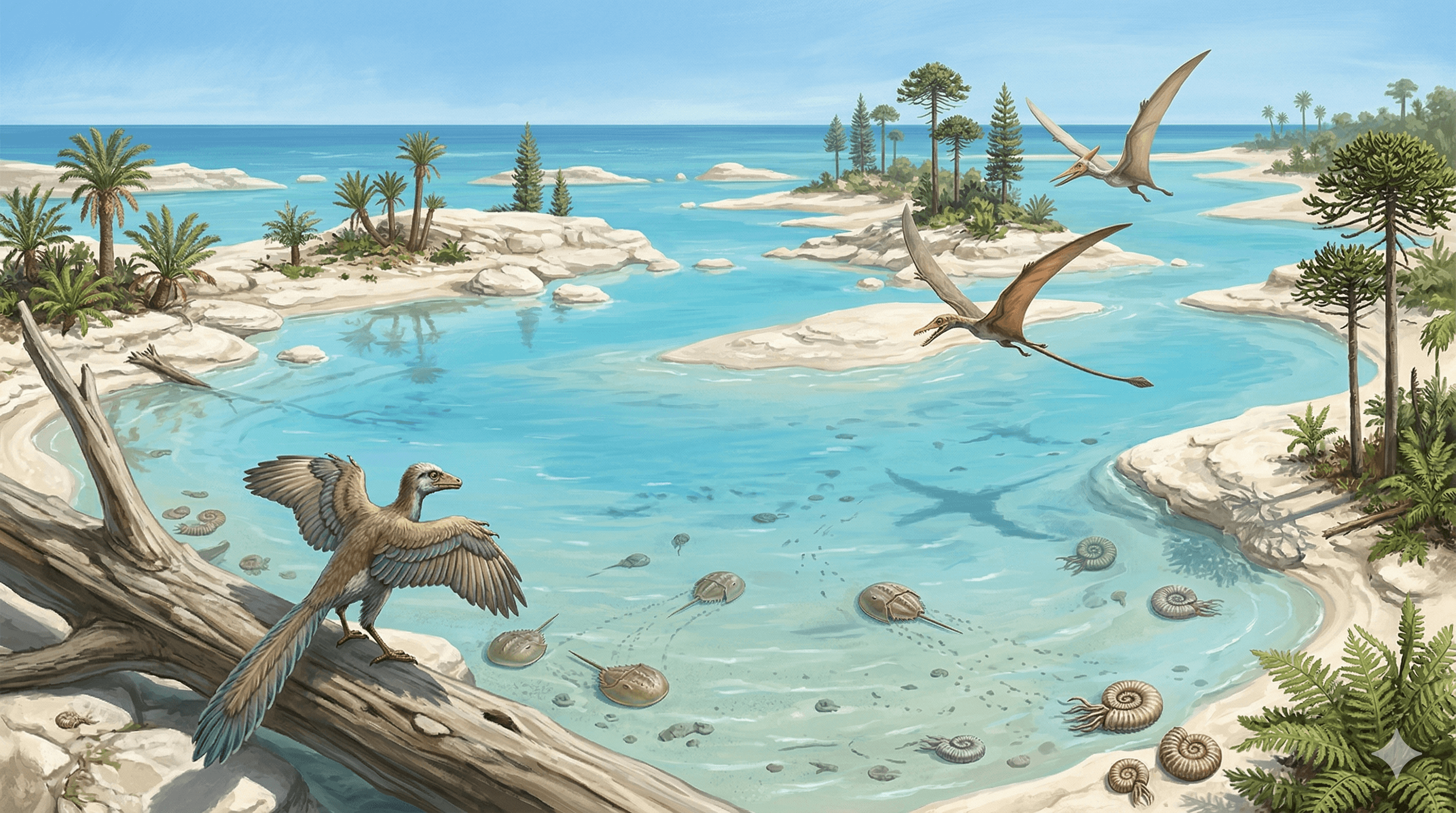
Rhamphorhynchus inhabited a subtropical archipelago environment, soaring over shallow lagoons teeming with small fish and . It shared this ecosystem with Archaeopteryx, various marine reptiles, and other pterosaurs. Growth series studies by Bennett (1995) demonstrated that Rhamphorhynchus underwent significant changes during development, with juveniles possessing proportionally larger heads and shorter wings than adults. This pterosaur's exceptional preservation has made it invaluable for understanding pterosaur flight mechanics, ecology, and evolution.
Quick Facts
- Scientific name
- Rhamphorhynchus muensteri
- Group
- Pterosaur · Rhamphorhynchidae
- Lived
- Late Jurassic, 150.8–148.5 million years ago
- Diet
- Piscivore
- Movement
- Walked on four legs
- Fossils found in
- Solnhofen Limestone (Bavaria, Germany)
- Discovery credited to
- 1825, Samuel Thomas von Sömmerring
- Holotype
- BSP 1938 I 503, Bavarian State Collection for Paleontology and Geology, Munich
- DinoVault record
- DVL-0118
Where fossils were found
Solnhofen Limestone
Bavaria · Germany
150.8–148.5 million years ago(2.3m year span)
Where Rhamphorhynchus Roamed
Rhamphorhynchus muensteri soared above the warm, shallow tropical lagoons of the Solnhofen archipelago in what is now Bavaria, Germany, where fine-grained limestone sediments preserved its delicate wing membranes in extraordinary detail. This Late Jurassic environment lay along the northern shores of the Tethys Sea, featuring scattered islands, coral reefs, and calm, oxygen-poor waters that created ideal conditions for exceptional fossil preservation.
Keep exploring the vault
Pterodactyl
Pterodactylus antiquus
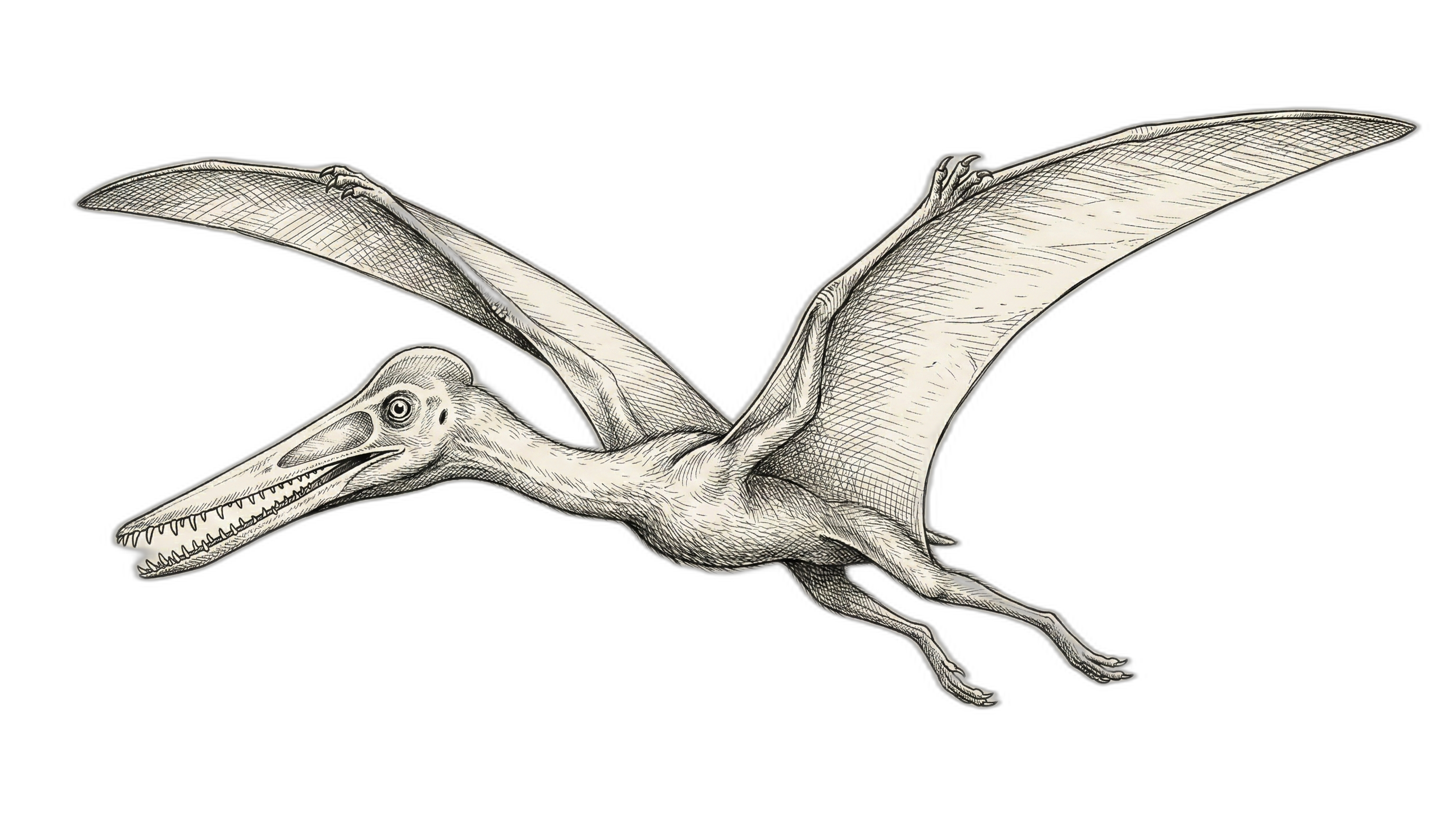
Both Rhamphorhynchus and Pterodactylus were piscivorous pterosaurs of similar size (1-1.26m wingspan) living in the same Solnhofen lagoon ecosystem.
Caviramus
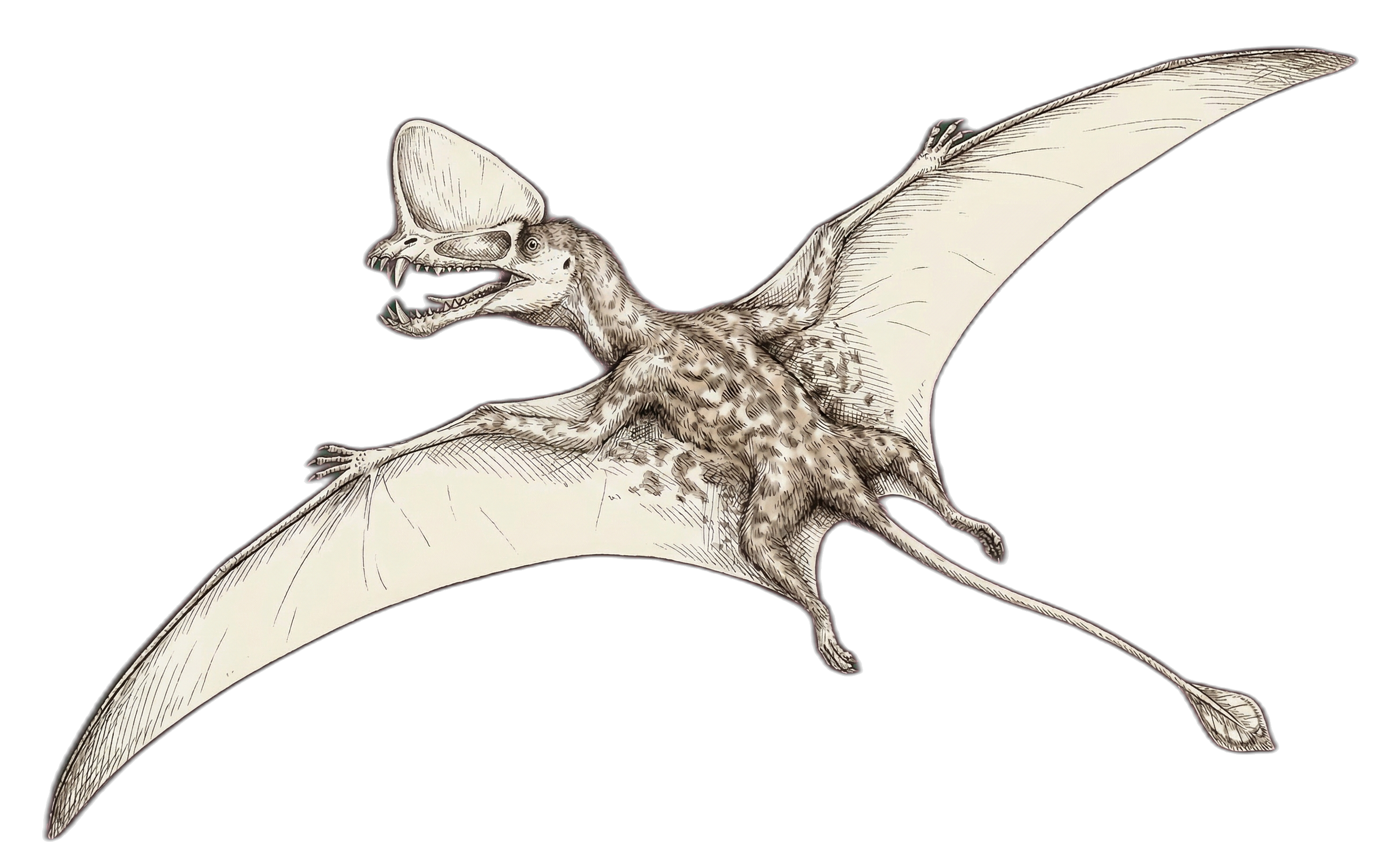
Both belong to Rhamphorhynchoidea and represent the early pterosaur body plan with long tails and varied dentition.
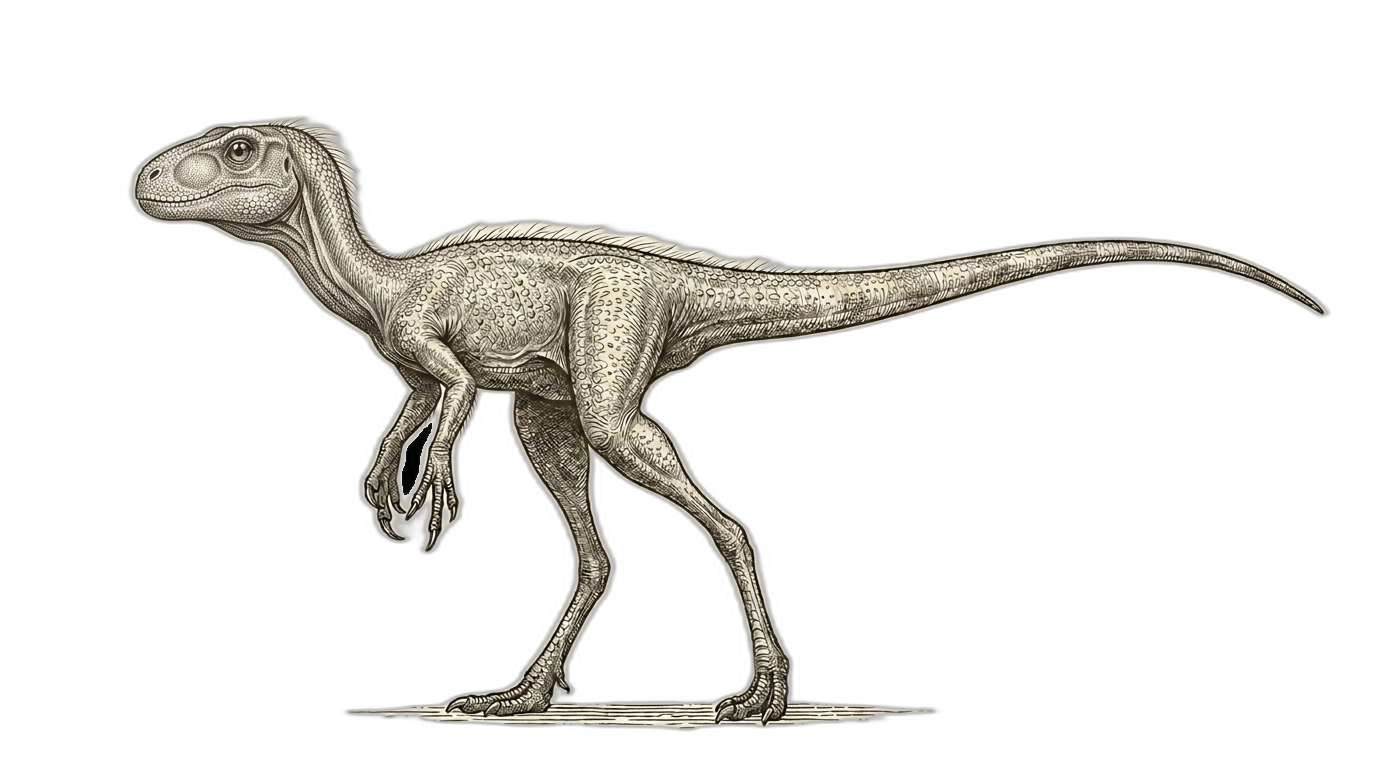
Compsognathus
Compsognathus longipes
Both preserved in Solnhofen Limestone.
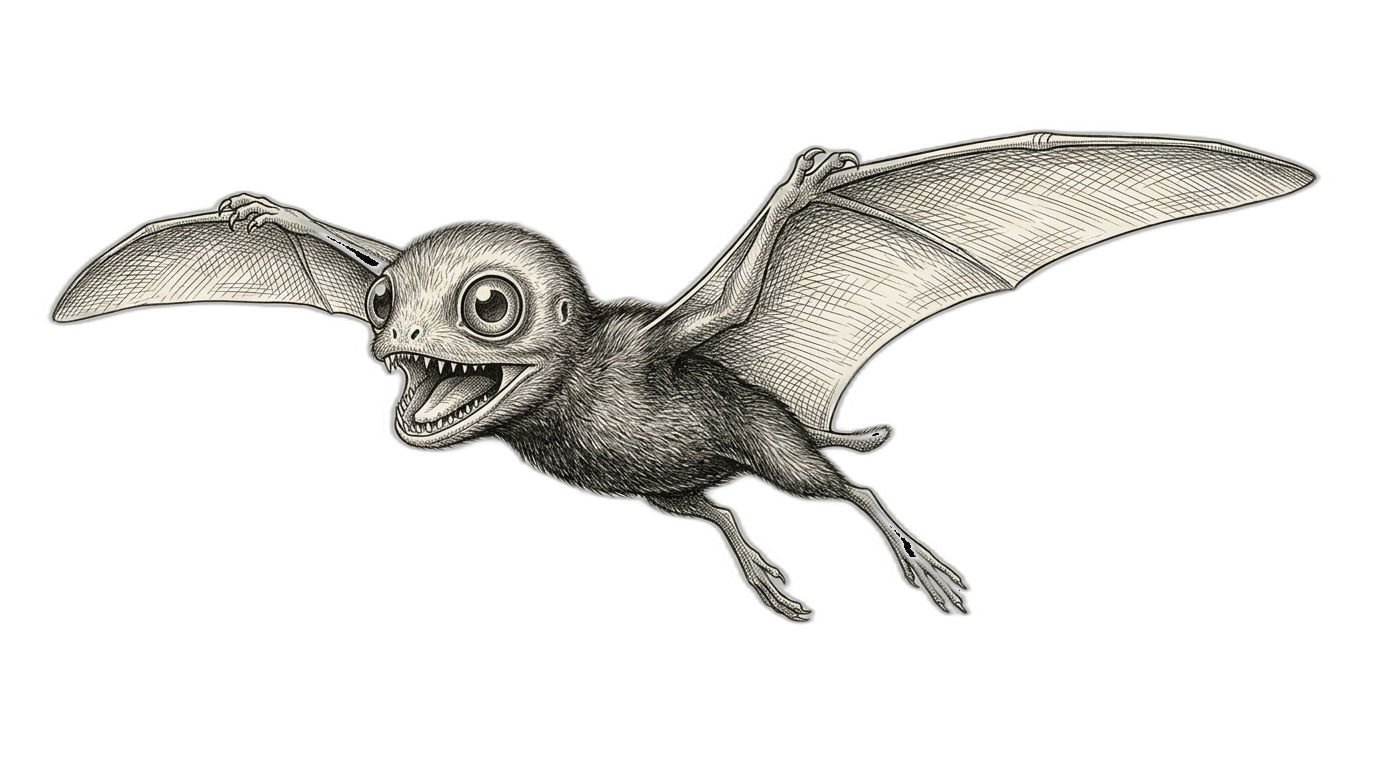
Anurognathus
Both pterosaurs from the Solnhofen formation but with dramatically different ecological niches — Rhamphorhynchus was a 1.26m piscivore while tiny Anurognathus (0.09m) was an insectivore, demonstrating pterosaur ecological diversity.
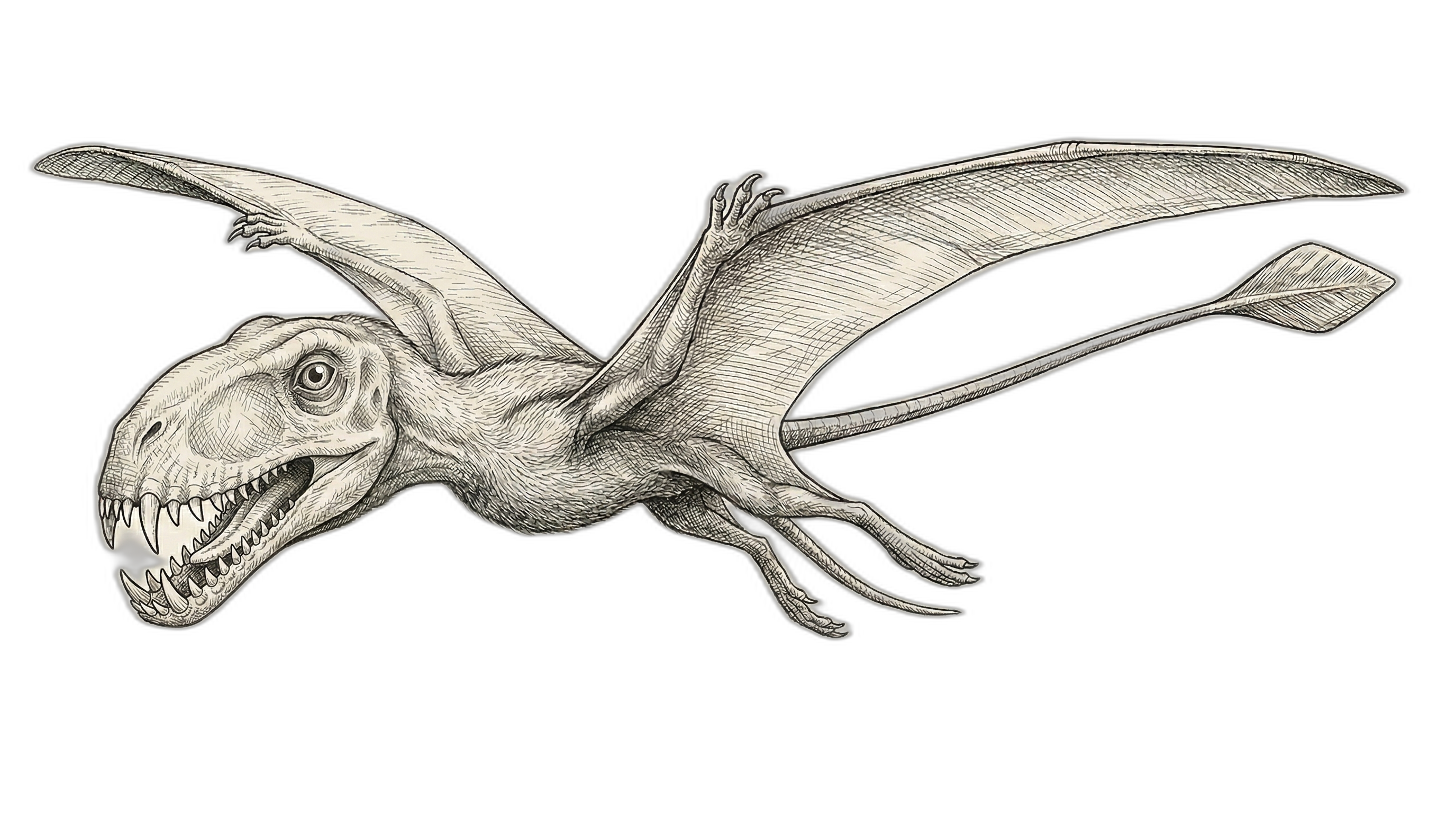
Dimorphodon
Dimorphodon macronyx
Both are basal rhamphorhynchoid pterosaurs with long tails and similar body plans.
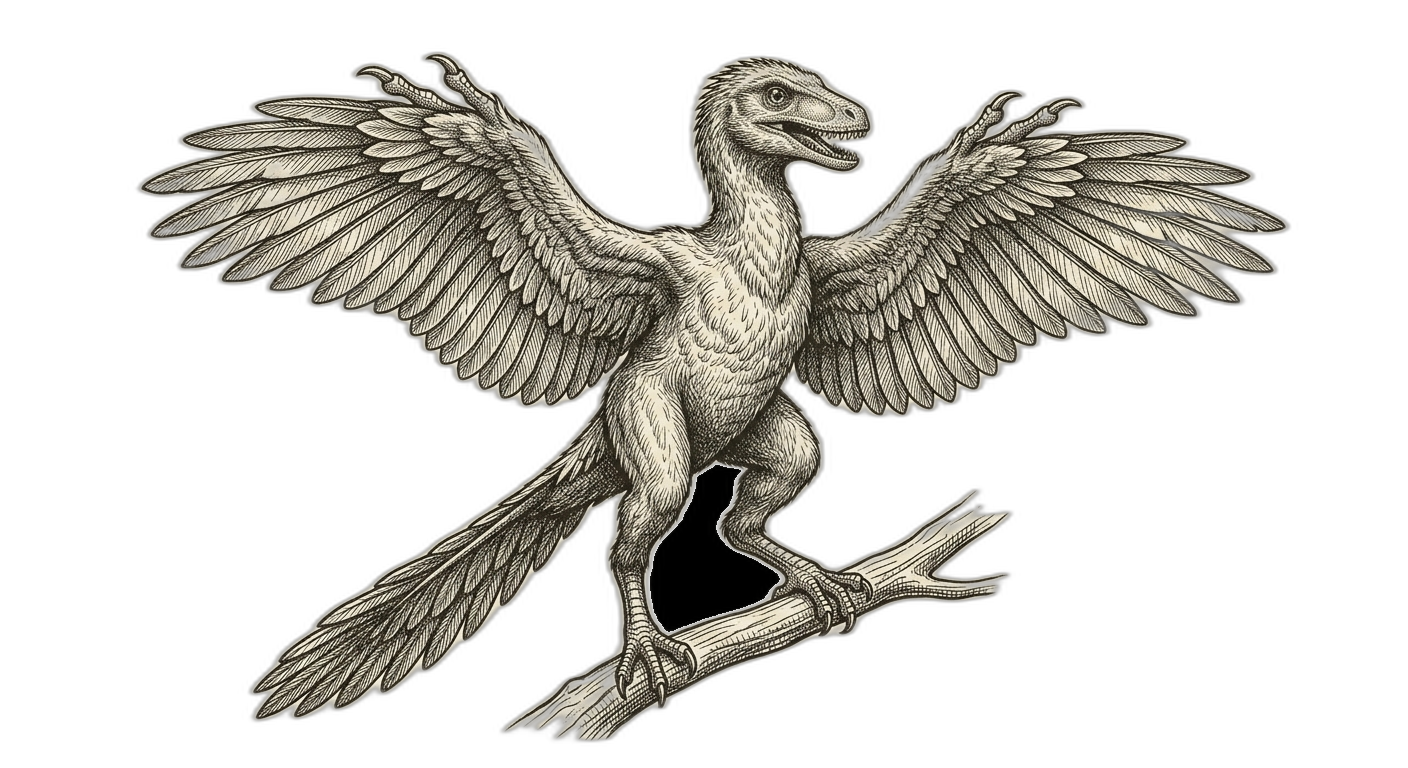
Archaeopteryx
Rhamphorhynchus and Archaeopteryx represent two independent vertebrate lineages that evolved powered flight — pterosaurs via an elongated fourth finger membrane and early birds via feathered forelimbs.
Sources & Citation
- Length estimates
- Bennett (1995), Wellnhofer (1975) - wingspan measurements; body length approximately 0.5m
- Height estimates
- Estimated standing height based on limb proportions; Wellnhofer (1975)
- Weight estimates
- Witton (2013) - Mass estimates for pterosaurs; varies significantly with wingspan
- Speed estimates
- Estimated flight speed based on pterosaur aerodynamic studies; Witton & Habib (2010)