About
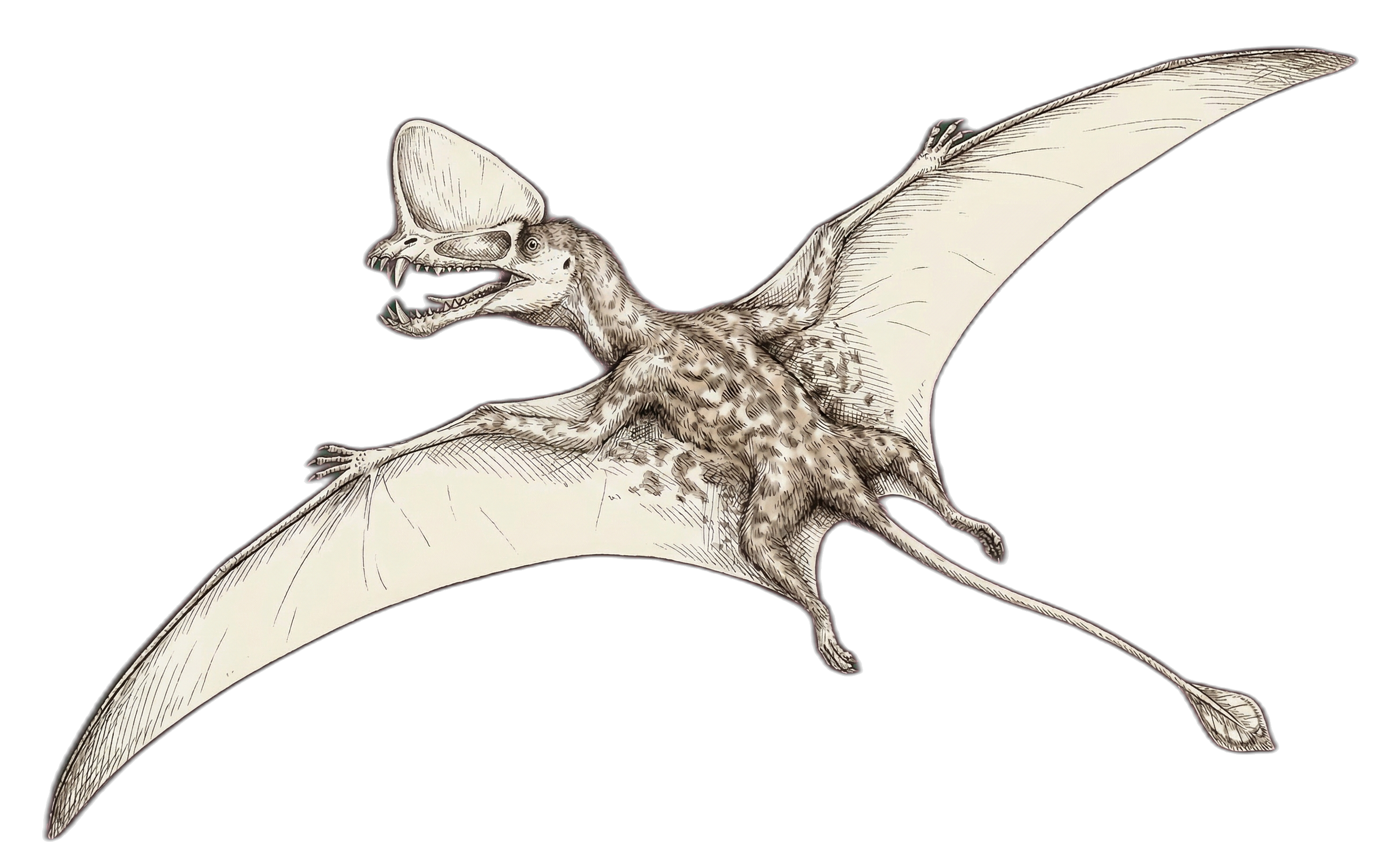
Caviramus schesaplanensis was a basal pterosaur that soared through the skies above what is now the Swiss Alps during the Late Triassic period, approximately 210 million years ago. This small flying reptile possessed a wingspan of around 1.35 meters and displayed the characteristic elongated fourth finger that supported its wing membrane, a hallmark of all pterosaurs.
What sets Caviramus apart from many of its contemporaries is its remarkable dentition. The skull, measuring roughly 10 centimeters in length, contained multicusped teeth with complex crowns—unusual among early pterosaurs. This dental arrangement suggests Caviramus was likely an opportunistic feeder, capable of processing both animal prey like insects and small as well as plant material, making it one of the earliest known omnivorous flying vertebrates.
The specimen was discovered in Norian-aged marine limestones near the Schesaplana mountain on the Swiss-Austrian border. The preservation in marine sediments indicates Caviramus likely inhabited coastal environments, hunting over shallow seas and lagoons. Its discovery expanded our understanding of Triassic pterosaur diversity, demonstrating that these aerial pioneers had already evolved considerable ecological variation within their first 20 million years of existence. Caviramus belongs to the family Eudimorphodontidae, a group of primitive pterosaurs that dominated Triassic skies before the rise of more derived forms in the Jurassic.
Quick Facts
- Scientific name
- Caviramus schesaplanensis
- Group
- Pterosaur · Eudimorphodontidae
- Lived
- Triassic, 210–205 million years ago
- Diet
- Omnivore
- Movement
- Walked on four legs
- Fossils found in
- Kössen Formation, Switzerland/Austria border
- Discovery credited to
- 2006, Nadia Fröbisch and Jörg Fröbisch
- Holotype
- PIMUZ A/III 1225, Palaeontological Institute and Museum, University of Zurich
- DinoVault record
- DVL-0027
Where Caviramus schesaplanensis Roamed
During the Late Triassic, approximately 208 million years ago, the region that is now the Swiss Alps where *Caviramus schesaplanensis* was discovered lay along the northern margins of the ancient Tethys Sea, a vast tropical ocean separating the supercontinents of Laurasia and Gondwana. This coastal environment featured warm, humid conditions with shallow marine lagoons and island archipelagos, where pterosaurs like *Caviramus* soared above subtropical shores teeming with early marine reptiles and diverse invertebrate life.
Keep exploring the vault
Rhamphorhynchus
Rhamphorhynchus muensteri
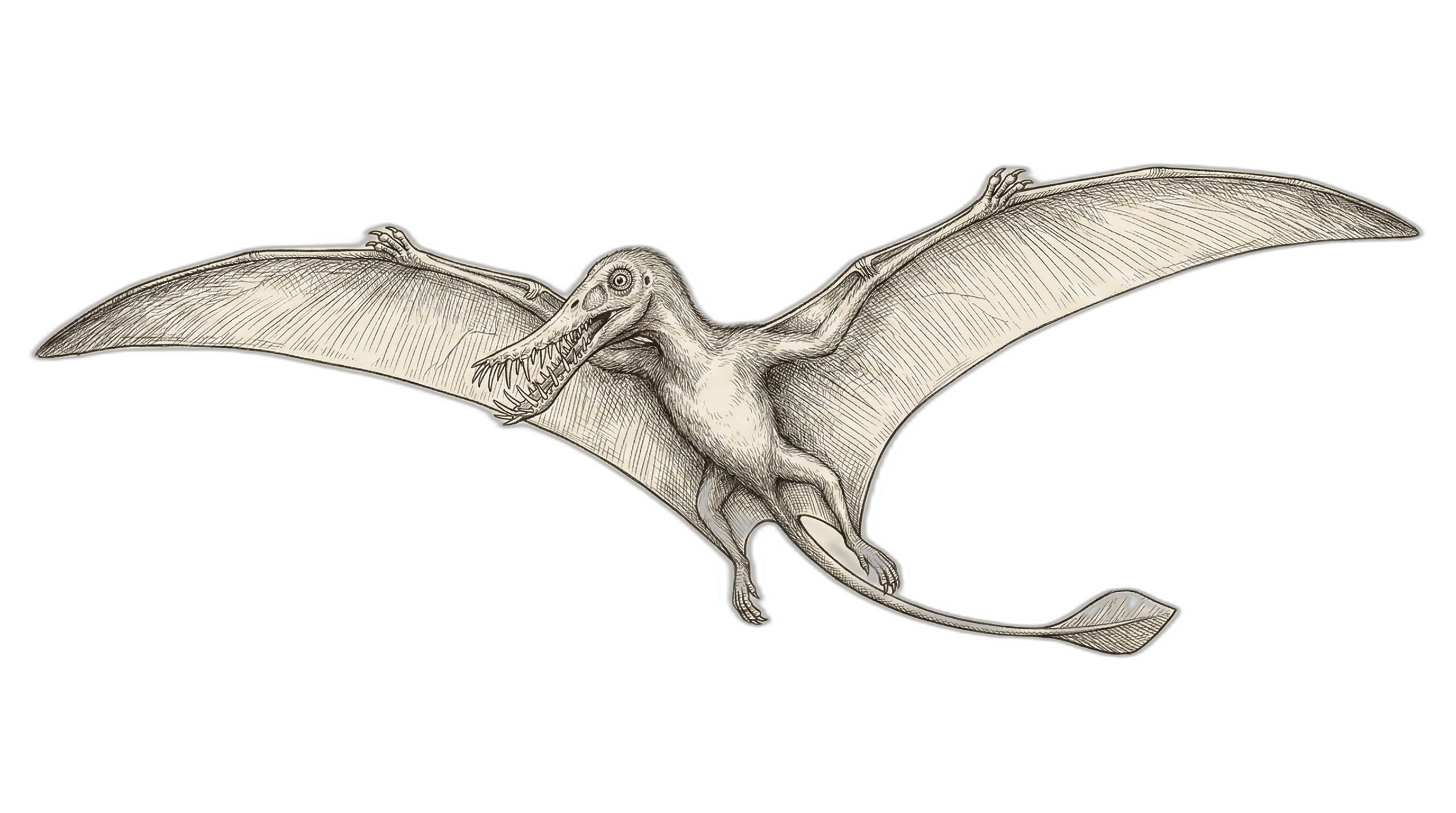
Both belong to Rhamphorhynchoidea and represent the early pterosaur body plan with long tails and varied dentition.
Eodromaeus
Eodromaeus murphi
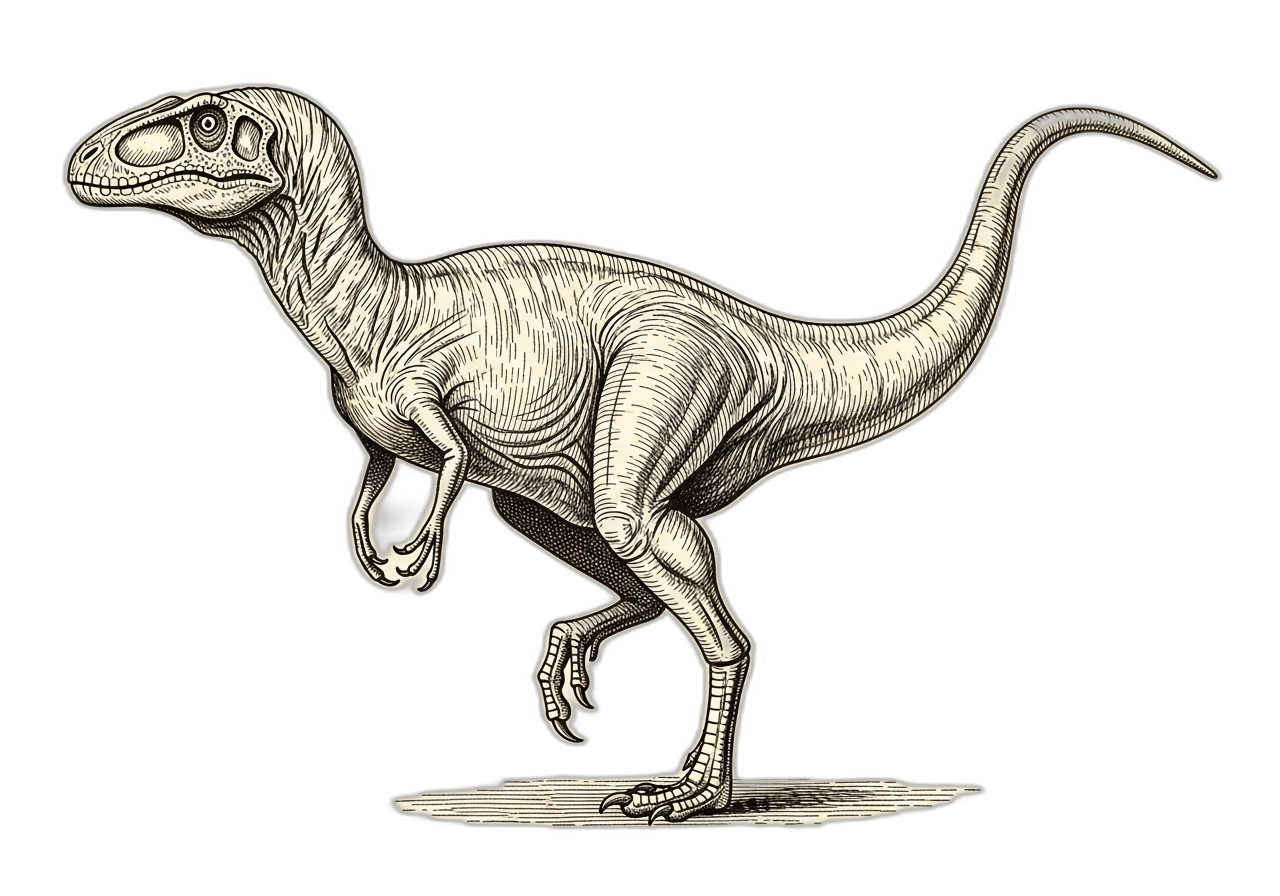
Both are Late Triassic species from roughly the same time period (210-230 mya).
Coelophysis
Coelophysis bauri
Coelophysis lived in the Late Triassic (216-203 mya), overlapping temporally with Caviramus (210-205 mya).
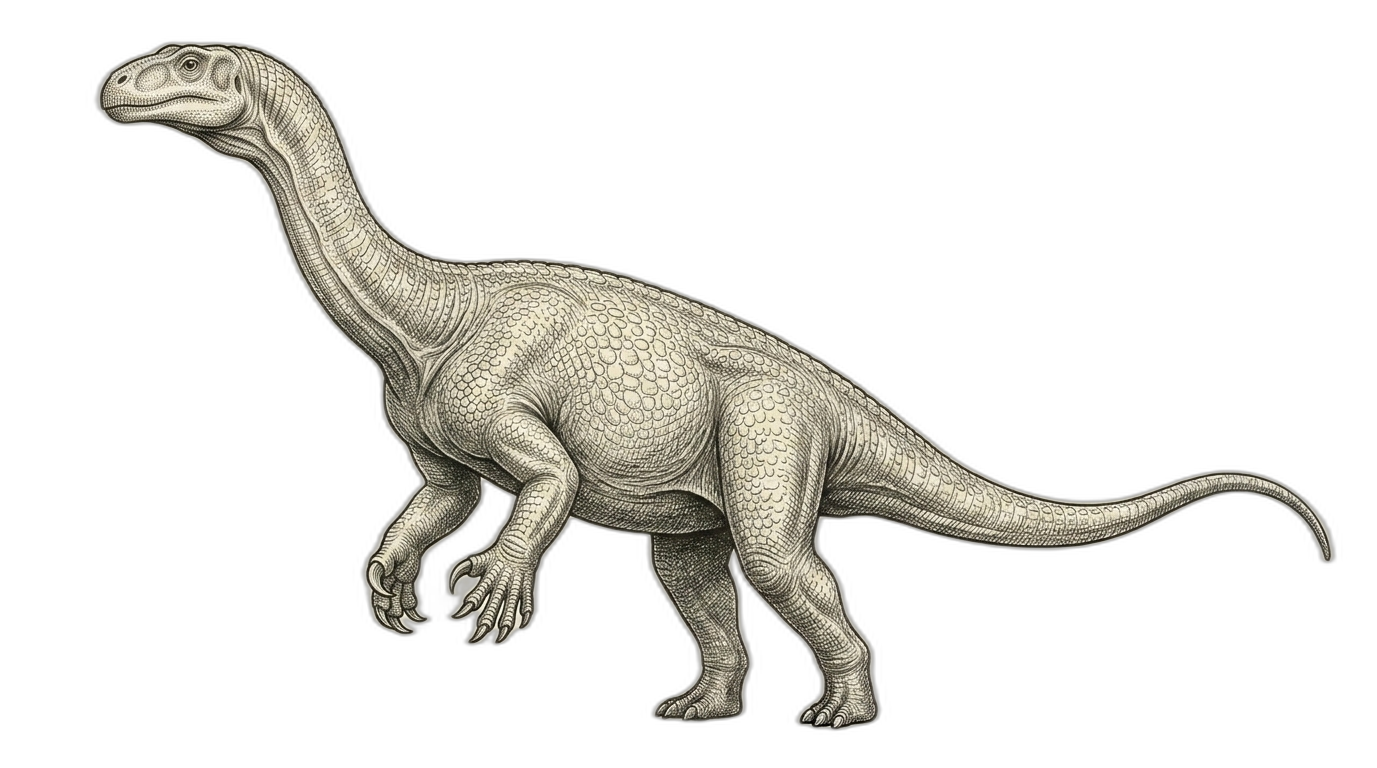
Plateosaurus
Plateosaurus engelhardti
Plateosaurus is known from Late Triassic European deposits (214-204 mya), broadly contemporaneous with Caviramus from the Swiss Alps.
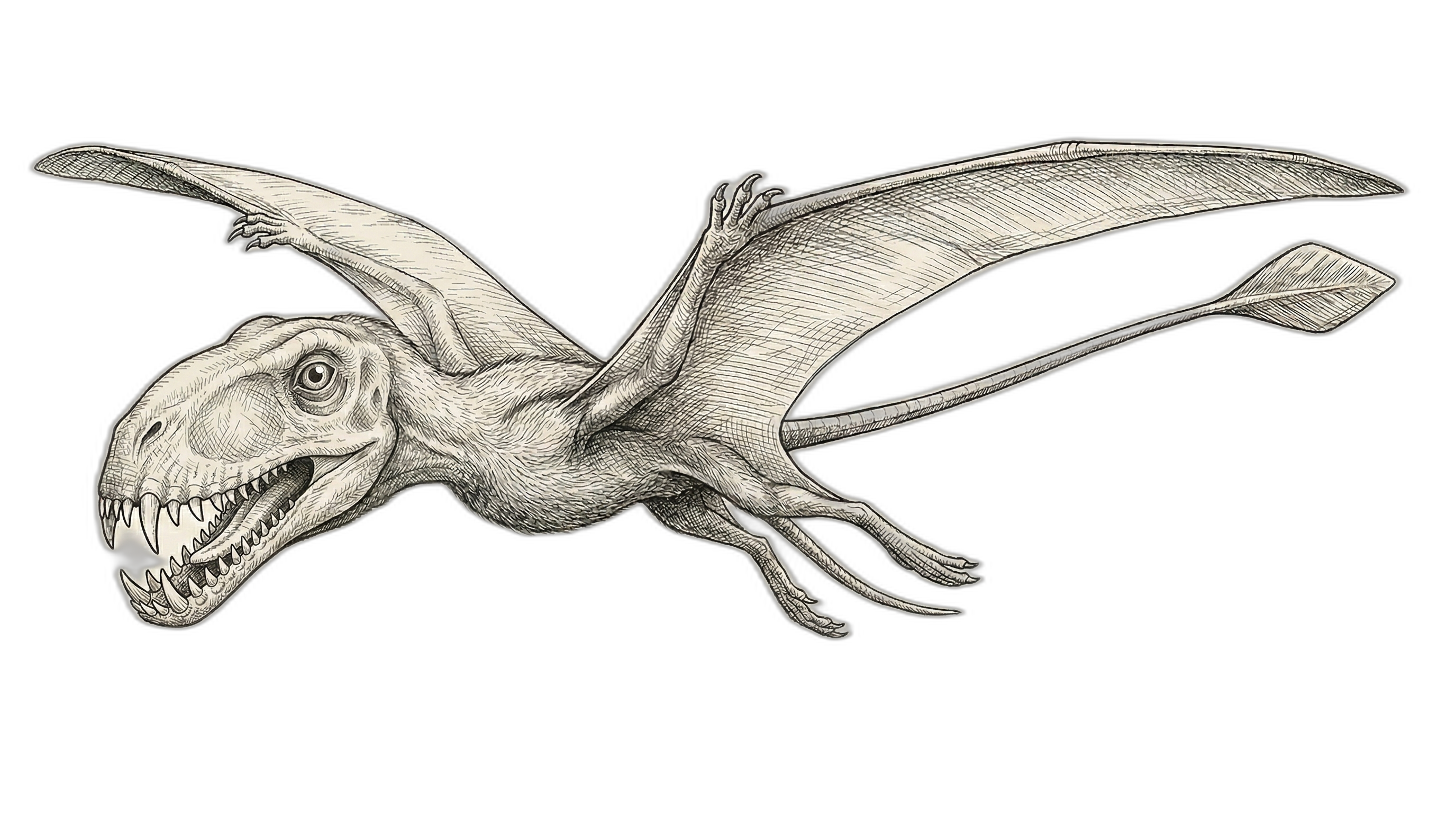
Dimorphodon
Dimorphodon macronyx
Both are basal rhamphorhynchoid pterosaurs with robust skulls and heterodont dentition, representing early pterosaur experimentation with varied diets.
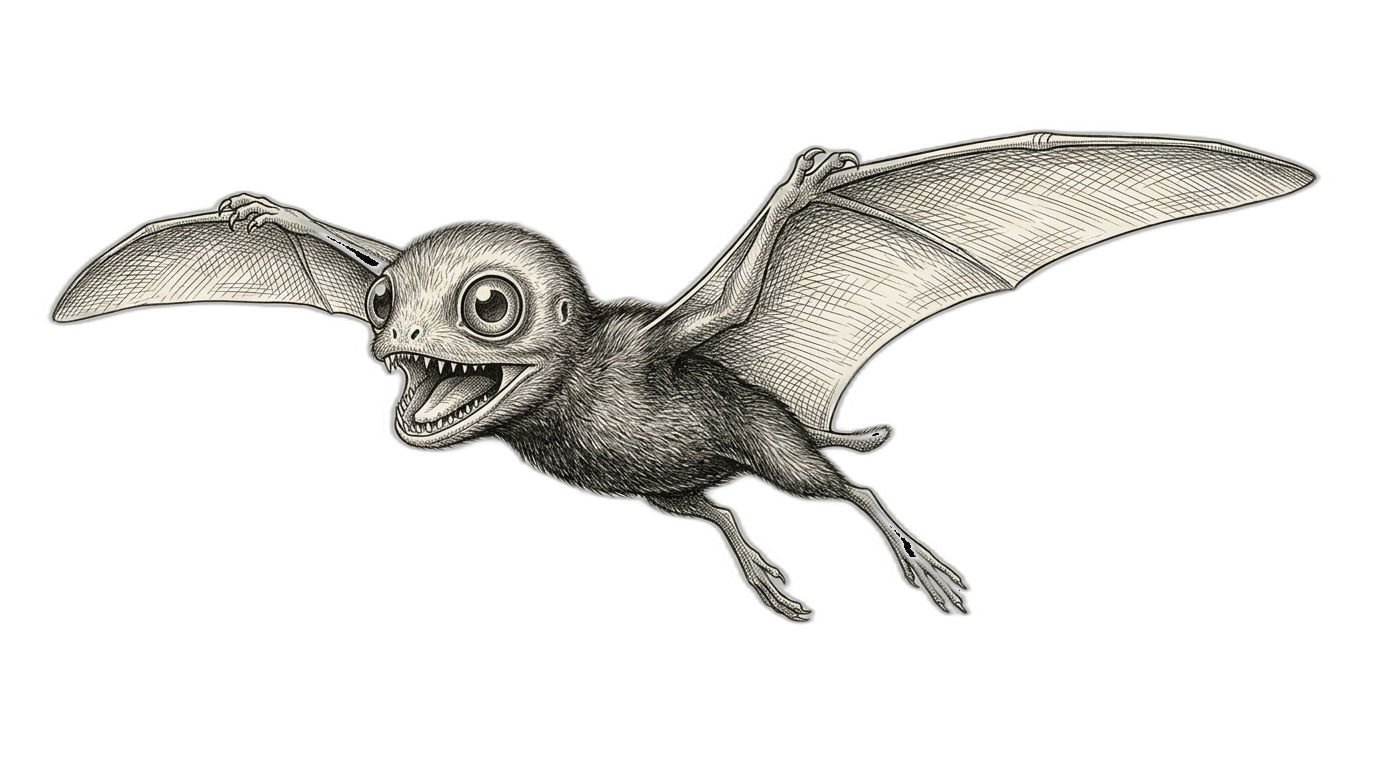
Anurognathus
Both are small-bodied rhamphorhynchoid pterosaurs that evolved specialized dentition for catching insects or small prey.
Sources & Citation
- Length estimates
- Fröbisch & Fröbisch 2006; wingspan estimate extrapolated from skull and partial postcranial material
- Height estimates
- Estimate based on body proportions of related eudimorphodontids
- Weight estimates
- Estimate based on wingspan and pterosaur mass scaling relationships
- Speed estimates
- Estimate based on pterosaur flight capabilities; primarily a flying animal