About
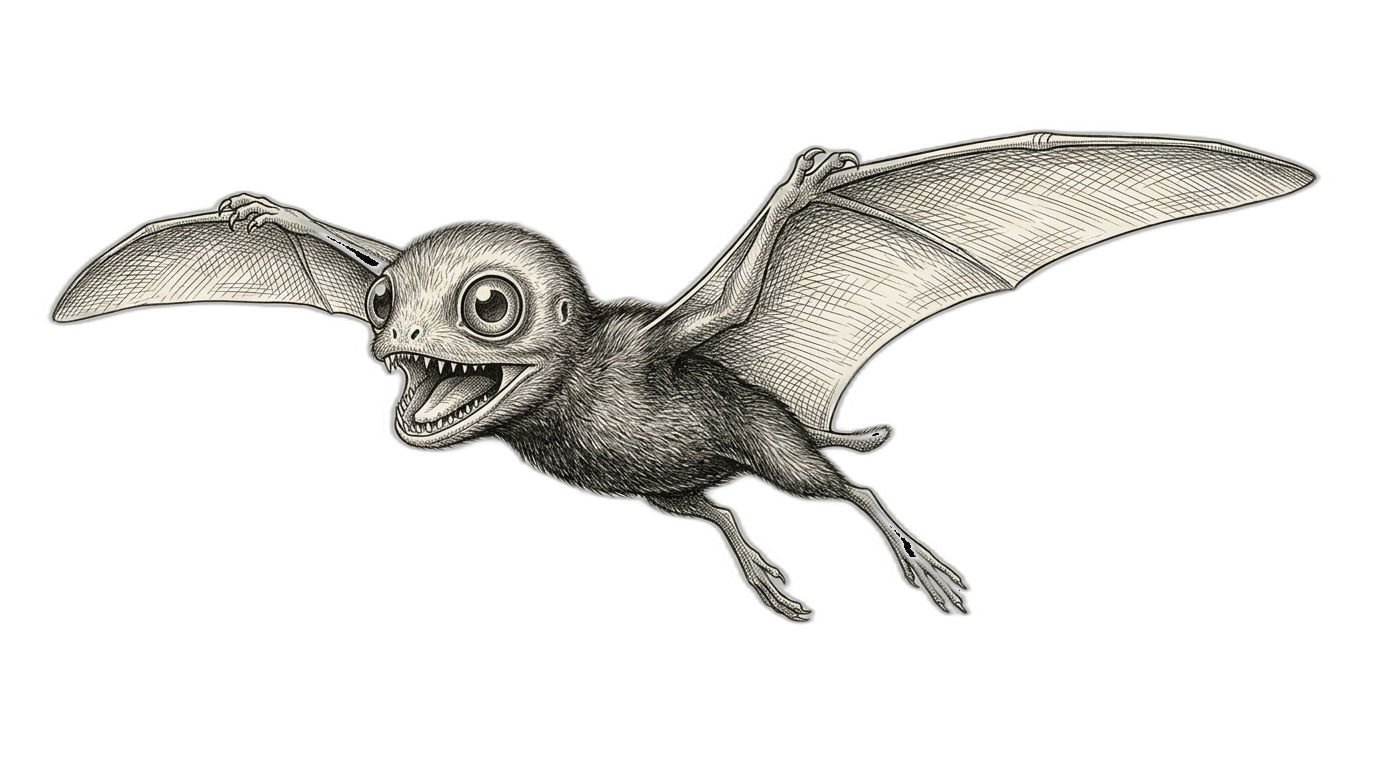
Anurognathus ammoni was a remarkable miniature pterosaur that inhabited the tropical lagoon environments of Late Jurassic Bavaria. With a wingspan of only 35-50 centimeters and a body roughly the size of a modern sparrow, it ranks among the smallest pterosaurs ever discovered. Its most distinctive feature was its unusually short, broad skull with large forward-facing eyes—a configuration strikingly different from the elongated snouts of most pterosaurs. This unique head shape, combined with numerous small peg-like teeth, suggests it was a highly specialized aerial insectivore, likely hunting moths, dragonflies, and other flying insects at dusk or dawn. The large eyes indicate excellent vision for tracking fast-moving prey. Preserved in the exceptional Solnhofen Limestone alongside Archaeopteryx and countless other Jurassic treasures, Anurognathus fossils reveal fine details including evidence of a fuzzy pycnofiber covering that would have insulated its tiny body. Its wing membranes were relatively broad, suggesting high maneuverability rather than speed—perfect for acrobatic insect pursuit. Some researchers have compared its ecological niche to modern nightjars or swifts. The genus name means 'without tail jaw,' referencing its extremely reduced tail compared to other non-pterodactyloid pterosaurs. Anurognathus demonstrates that pterosaurs evolved into remarkably diverse ecological niches, from giant fish-eaters to tiny insect hunters, showcasing the full adaptive potential of the first to achieve powered flight.
Quick Facts
- Scientific name
- Anurognathus ammoni
- Group
- Pterosaur · Anurognathidae
- Lived
- Late Jurassic, 150–148 million years ago
- Diet
- Insectivore
- Movement
- Walked on four legs
- Fossils found in
- Solnhofen Limestone (Bavaria, Germany)
- Discovery credited to
- 1923, Ludwig Döderlein
- Holotype
- BSP 1922 I 42, Bavarian State Collection of Paleontology and Geology, Munich
- DinoVault record
- DVL-0008
Where fossils were found
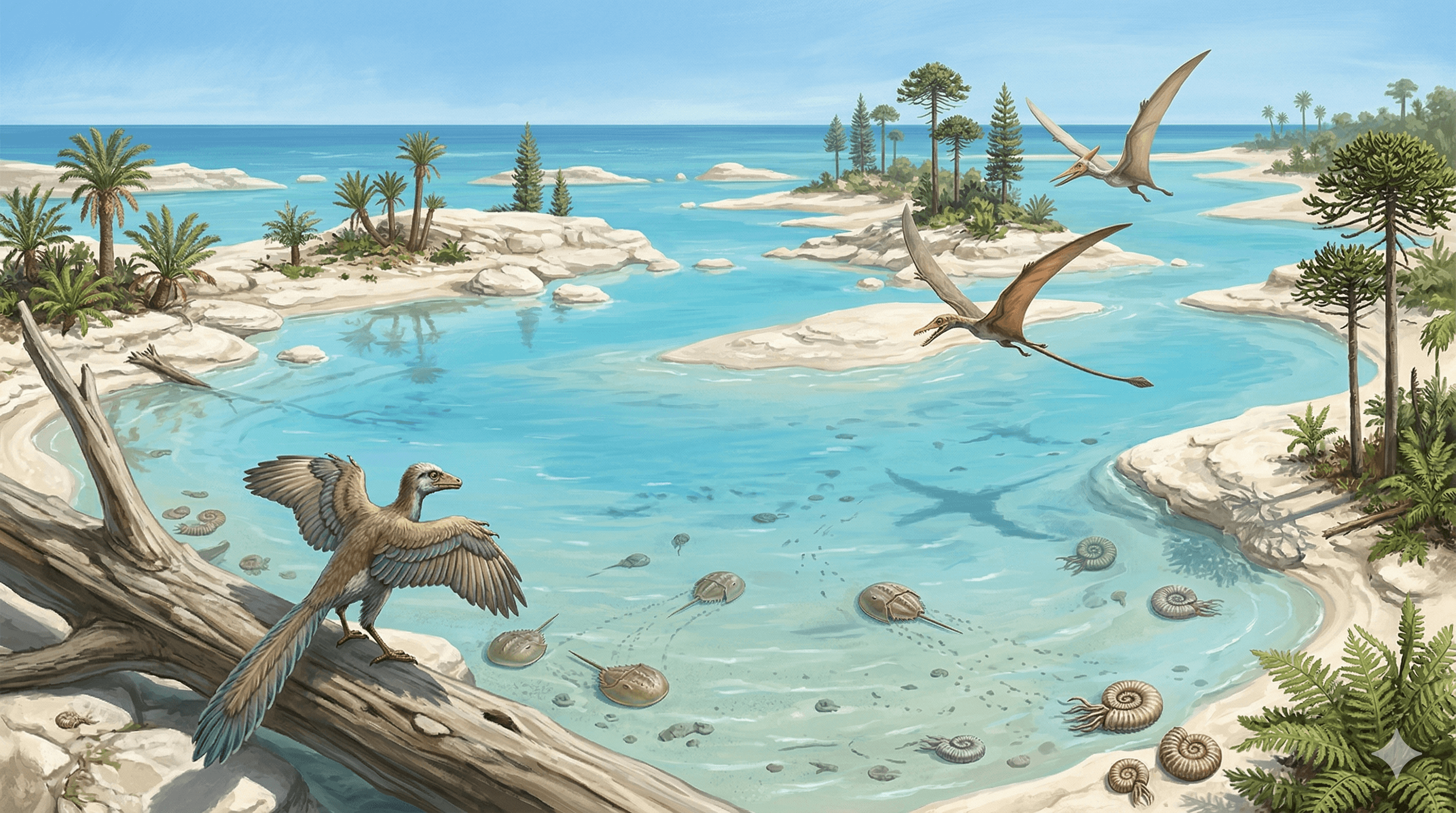
Solnhofen Limestone
Bavaria · Germany
150–148 million years ago(2m year span)
Where Anurognathus ammoni Roamed
During the Late Jurassic, Anurognathus ammoni inhabited the tropical archipelagos and lagoons of what is now southern Germany, where shallow, warm seas dotted with low-lying islands characterized the European region of the ancient Tethys Ocean margin. This diminutive pterosaur likely hunted insects above the calm, lime-rich waters of the Solnhofen lagoons, a sheltered coastal environment renowned for its exceptional fossil preservation.
Keep exploring the vault
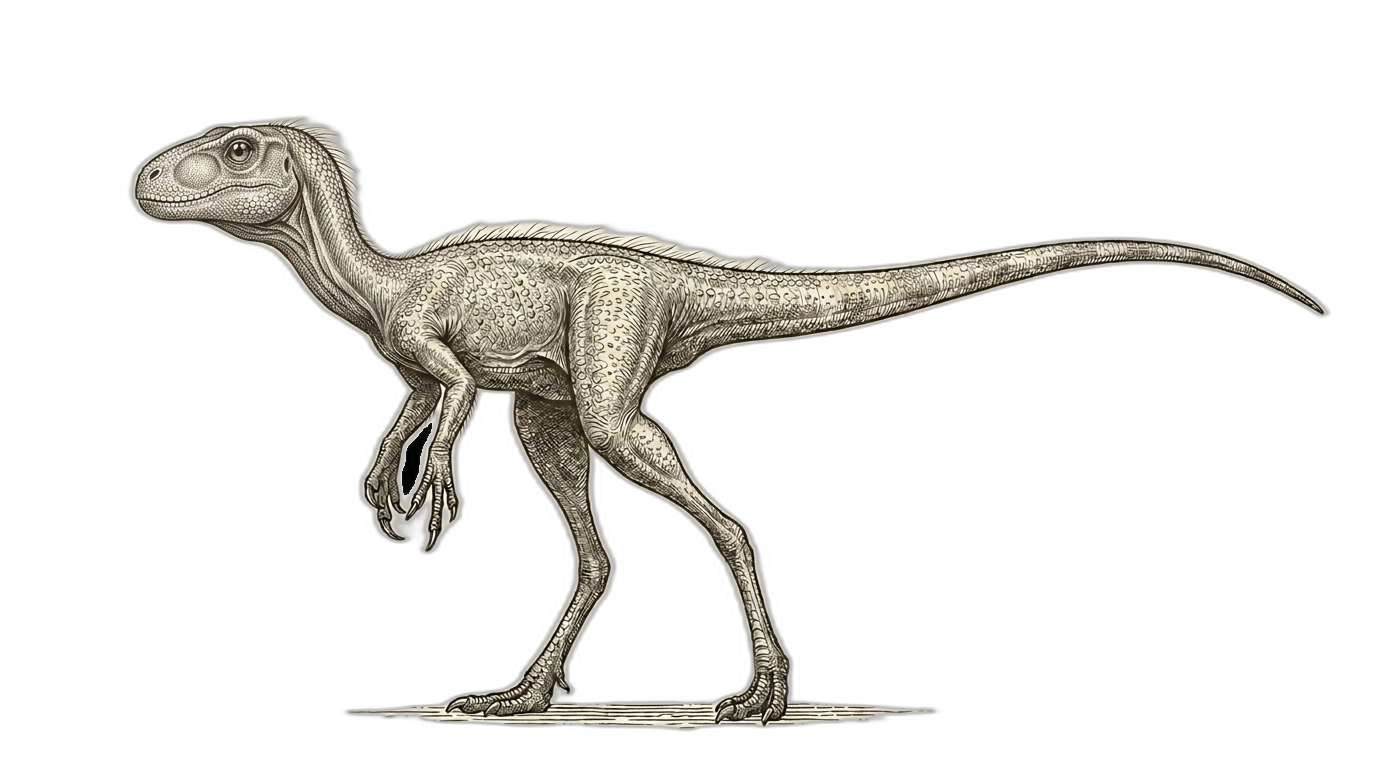
Compsognathus
Compsognathus longipes
Compsognathus was a small, agile predator at 1m and 3kg, well-suited to catching small vertebrates.
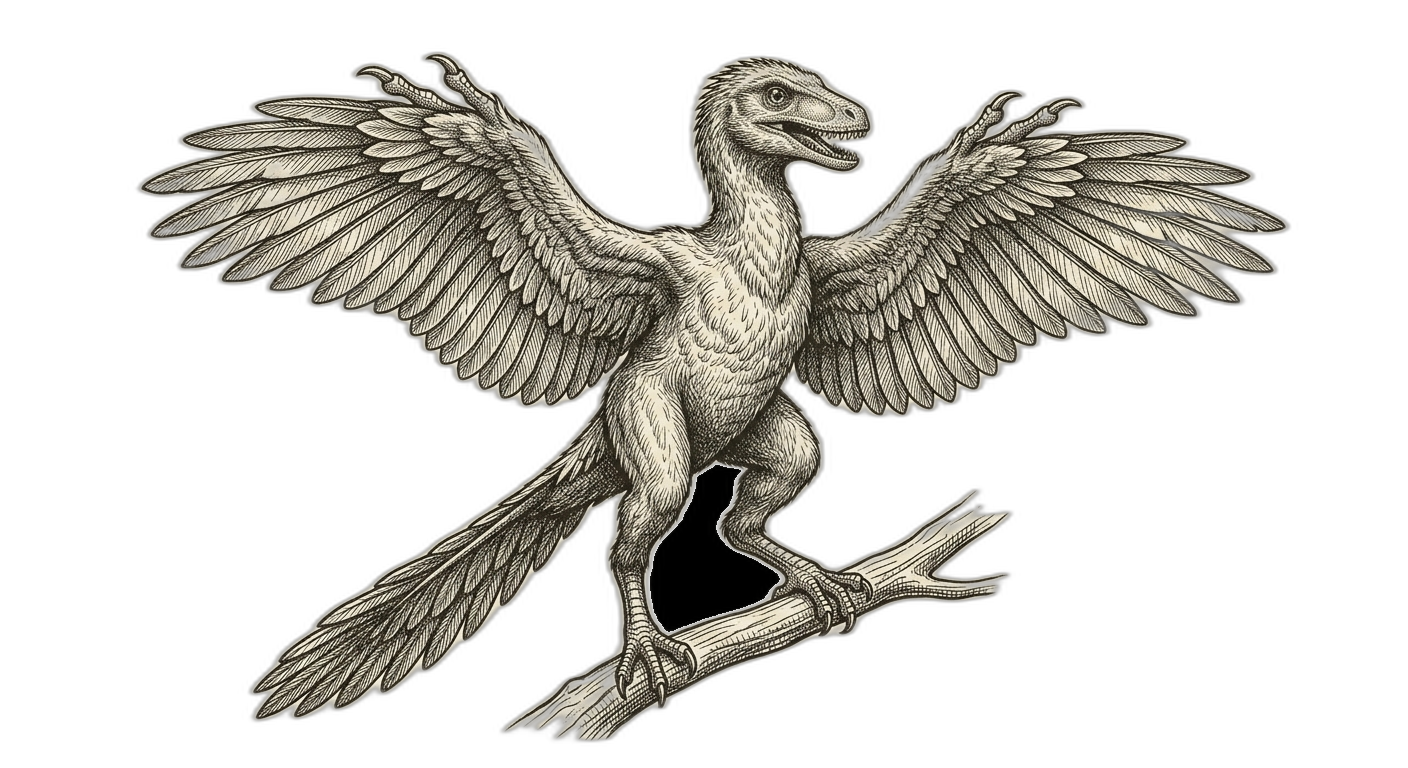
Archaeopteryx
Anurognathus and Archaeopteryx represent two independent lineages that evolved powered flight: pterosaurs via elongated fourth finger membrane wings, and theropods via feathered forelimbs.
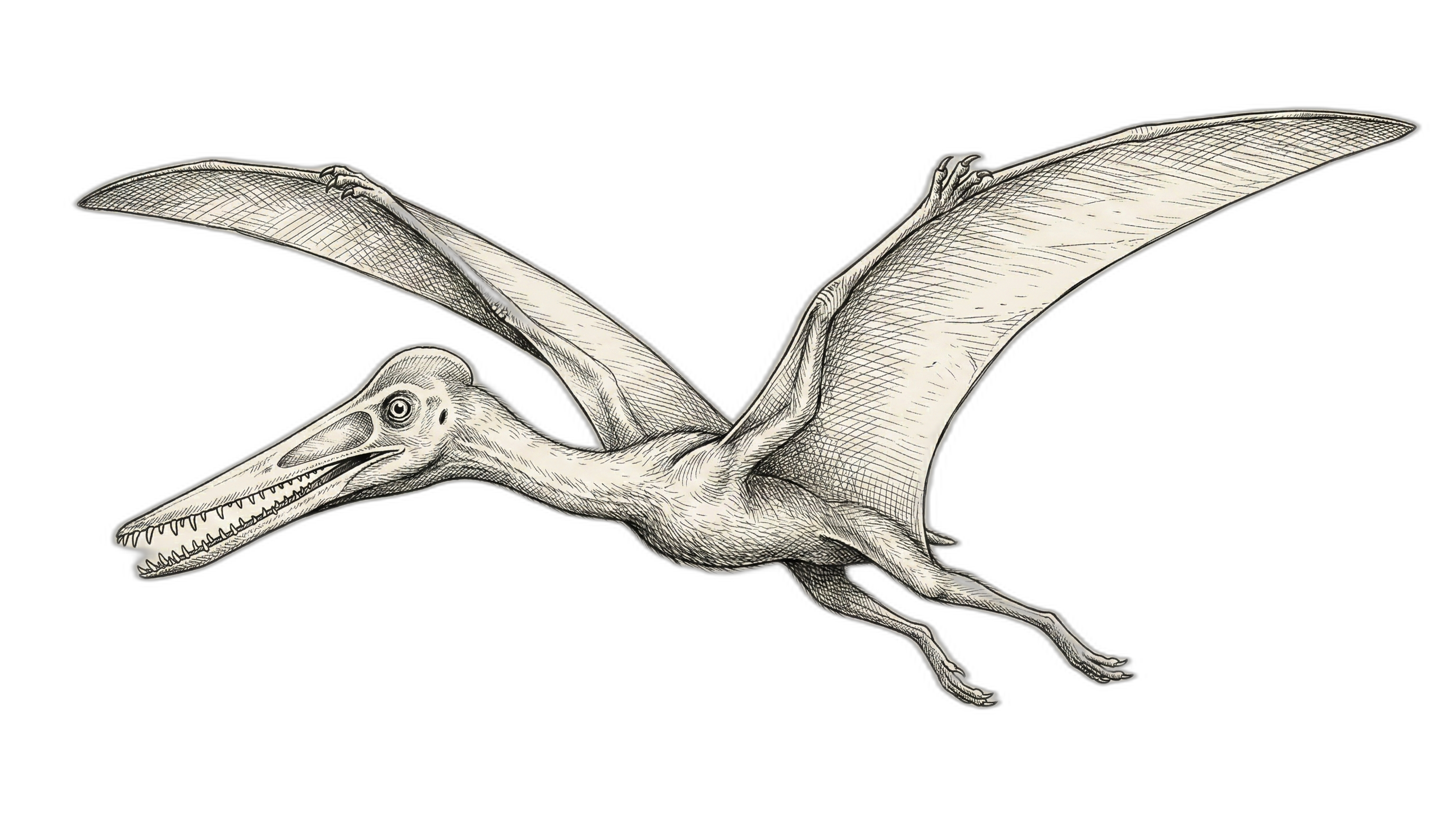
Pterodactyl
Pterodactylus antiquus
Both pterosaurs inhabited the Solnhofen lagoon ecosystem simultaneously.
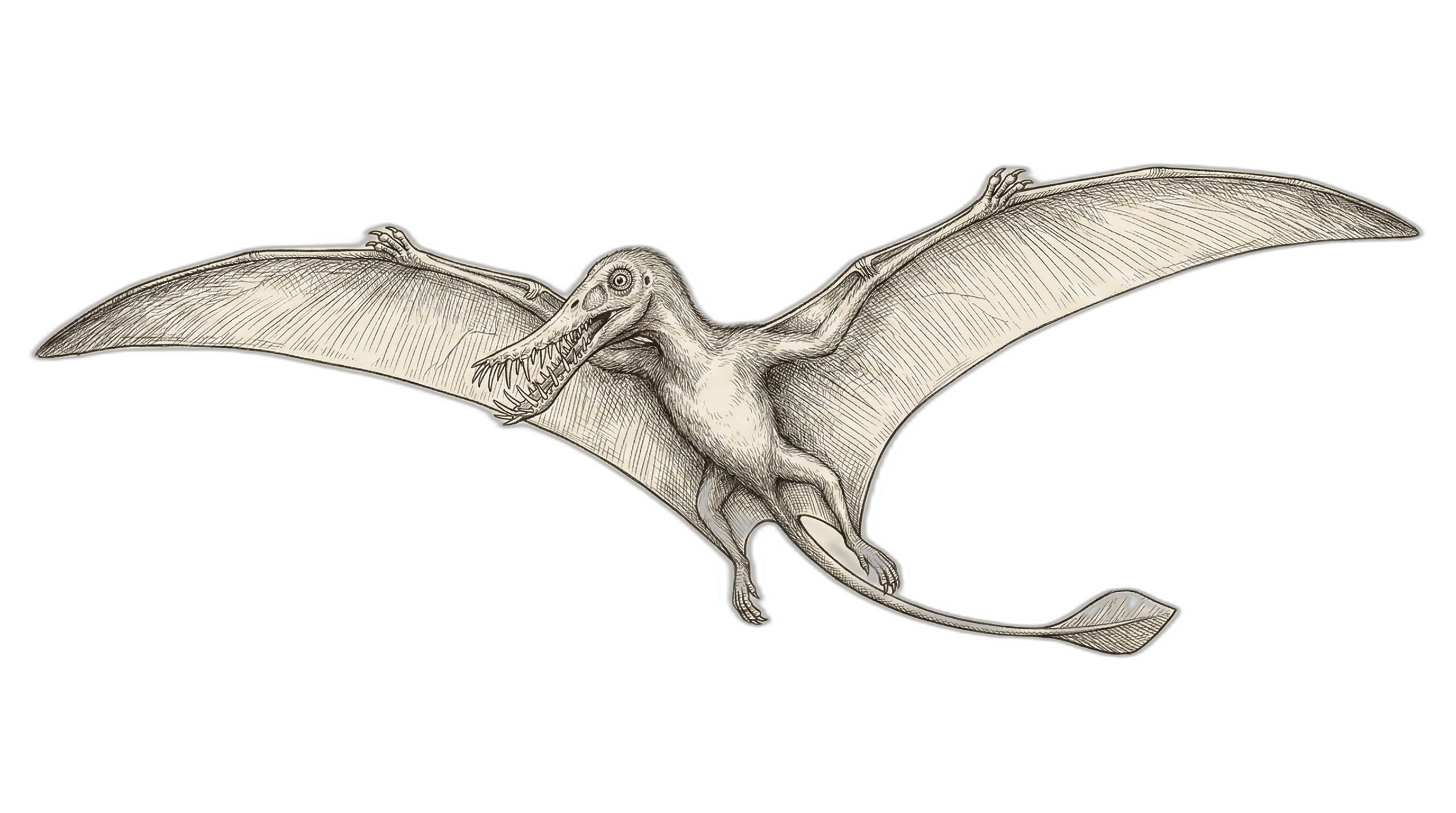
Rhamphorhynchus
Rhamphorhynchus muensteri
Fellow rhamphorhynchoid pterosaur in the Solnhofen Formation.
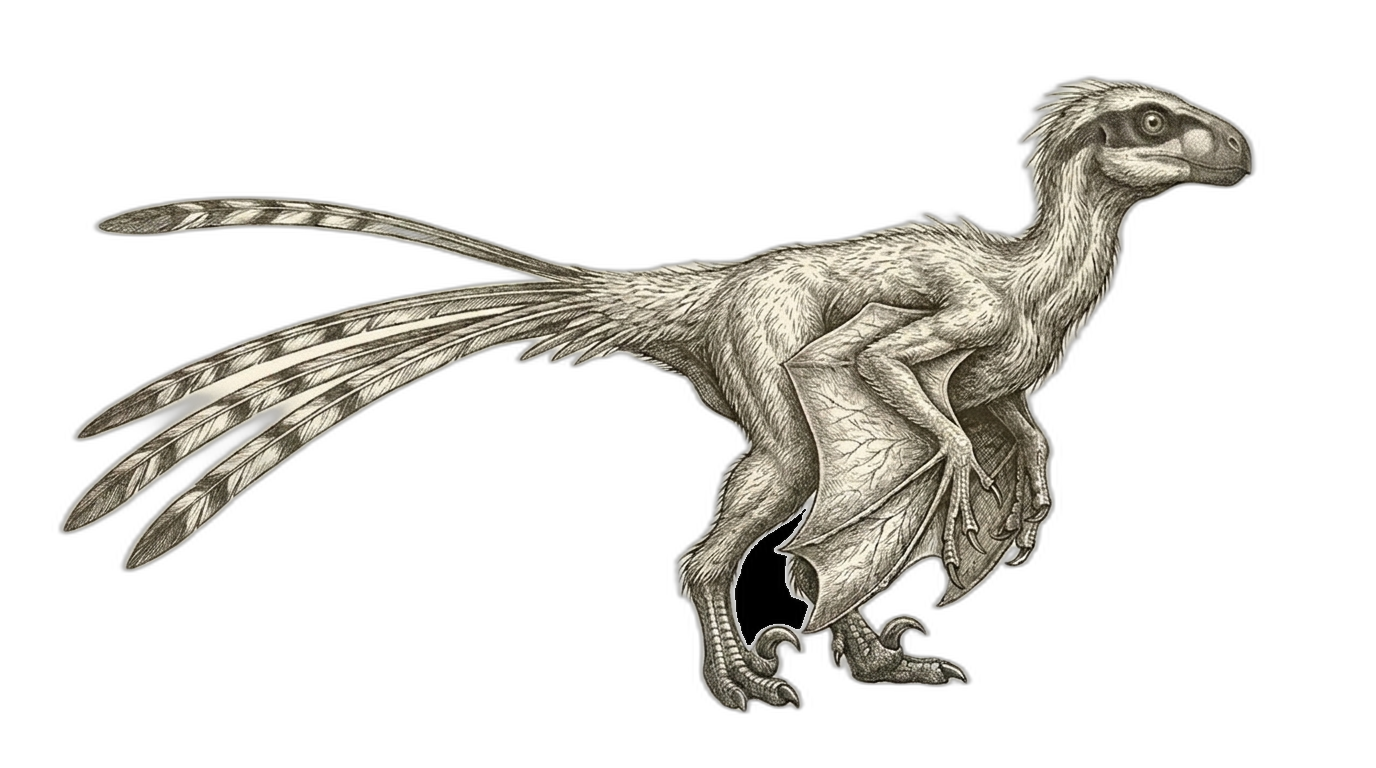
Yi
Both represent small-bodied flying vertebrates with membrane-based wings, though from completely different lineages.
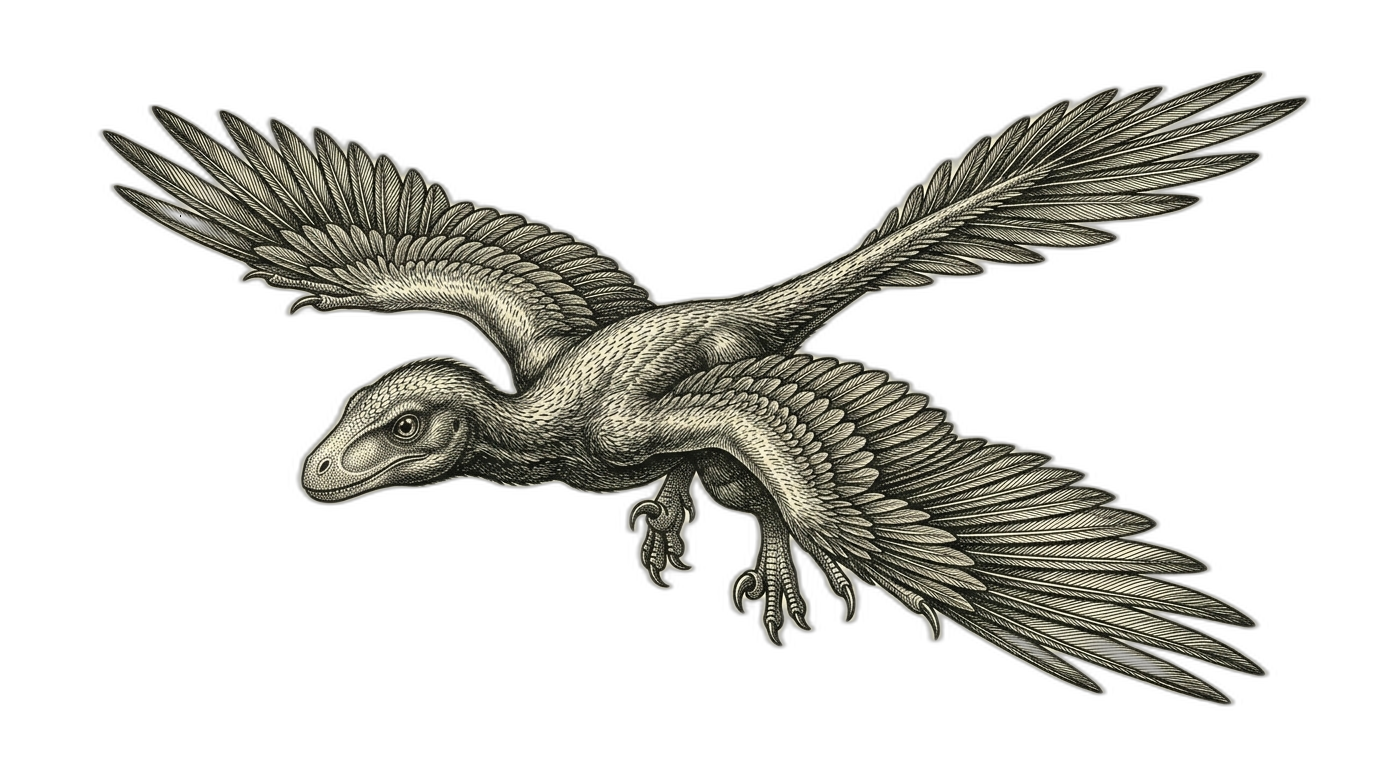
Microraptor
Microraptor gui
Both were tiny flying/gliding vertebrates that exploited aerial niches at small body sizes.
Sources & Citation
- Length estimates
- Bennett (2007), Döderlein (1923) - body length excluding wingspan
- Height estimates
- Estimated from skeletal proportions, Bennett (2007)
- Weight estimates
- Mass estimate based on wingspan and body proportions, Witton (2013)
- Speed estimates
- Flight speed estimate based on wing morphology, Witton (2013)