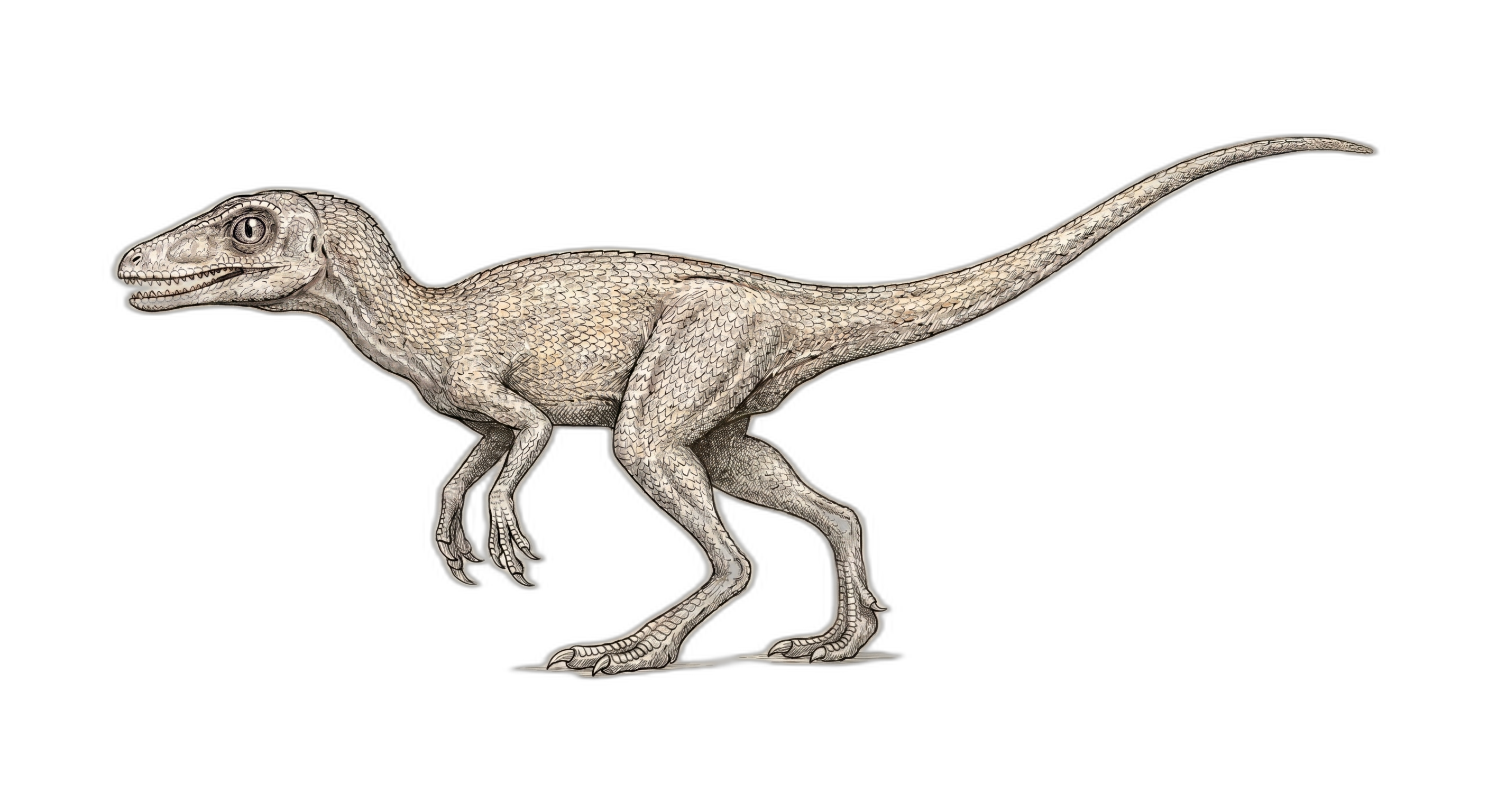
About
Scipionyx samniticus stands as one of the most extraordinary dinosaur discoveries ever made, not for its size—the only known specimen measures just 24 centimeters—but for its unprecedented preservation. This tiny , found in Early Cretaceous limestone deposits near Pietraroja in southern Italy, retained fossilized soft tissues including intestines, liver, muscle fibers, and windpipe cartilage, offering scientists an unparalleled window into dinosaur internal anatomy.
The juvenile specimen, affectionately nicknamed 'Ciro' by the Italian public, belonged to the Compsognathidae family—small, agile predators that flourished during the Jurassic and Cretaceous periods. With its elongated neck, grasping hands bearing sharp claws, and slender legs built for speed, Scipionyx would have been an active hunter of insects, small lizards, and fish in the shallow lagoon environment of what is now the Italian peninsula.
The fossil's discovery by amateur collector Giovanni Todesco in 1981 marked a watershed moment for Italian paleontology, as dinosaur remains had never before been found in the country. When formally described in 1998 by Cristiano Dal Sasso and Marco Signore, the specimen's soft tissue preservation astonished researchers worldwide. Subsequent detailed studies published in 2011 revealed the most complete picture of theropod internal anatomy ever documented, including evidence of the animal's last meal preserved within its digestive tract.
Quick Facts
- Scientific name
- Scipionyx samniticus
- Also known as
- Ciro
- Group
- Theropod · Compsognathidae
- Lived
- Early Cretaceous, 113–110 million years ago
- Diet
- Carnivore
- Movement
- Walked on two legs
- Fossils found in
- Pietraroja Formation, Campania, Italy
- Discovery credited to
- 1981, Giovanni Todesco
- Holotype
- SBA-SA 163760, Soprintendenza per i Beni Archeologici di Salerno, Avellino e Benevento, Italy
- DinoVault record
- DVL-0123
Keep exploring the vault
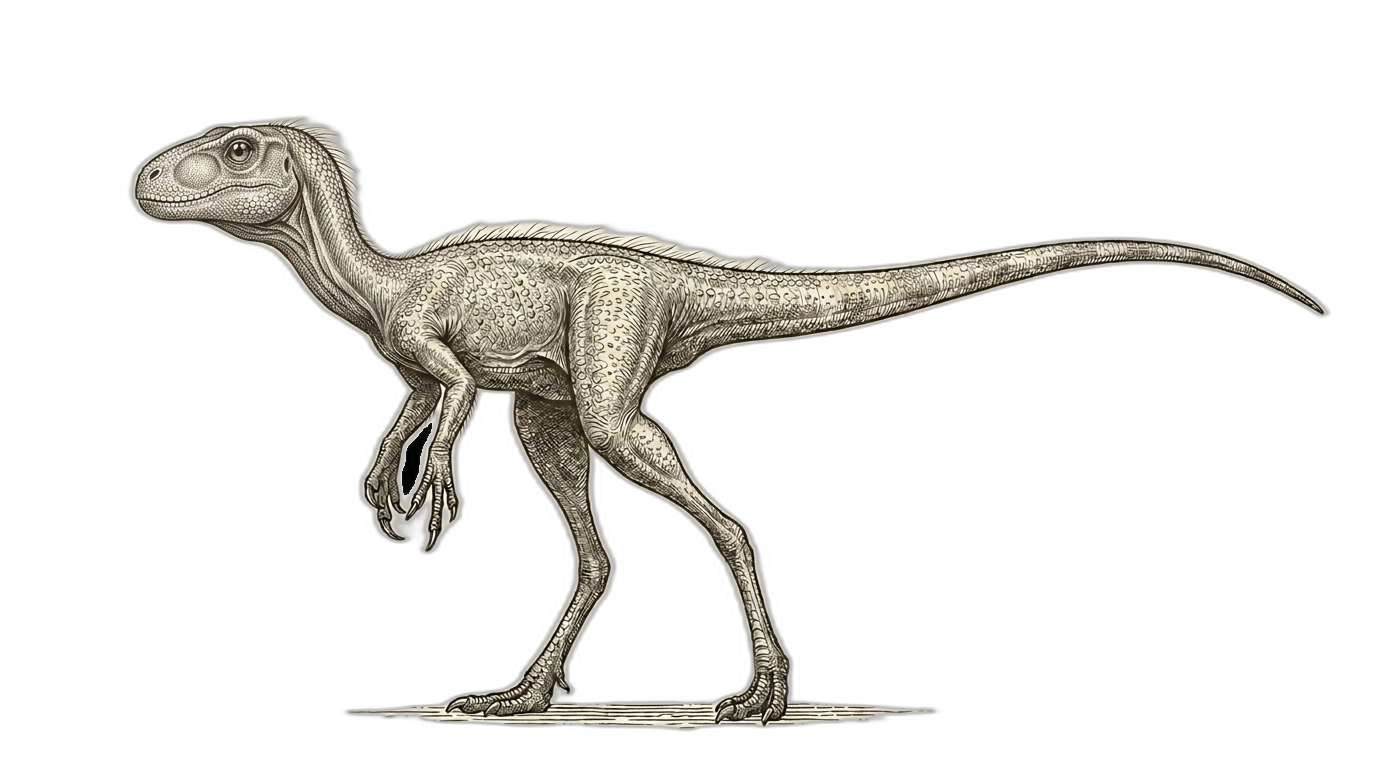
Compsognathus
Compsognathus longipes
Both are compsognathid theropods representing the same small-bodied, agile predator body plan.
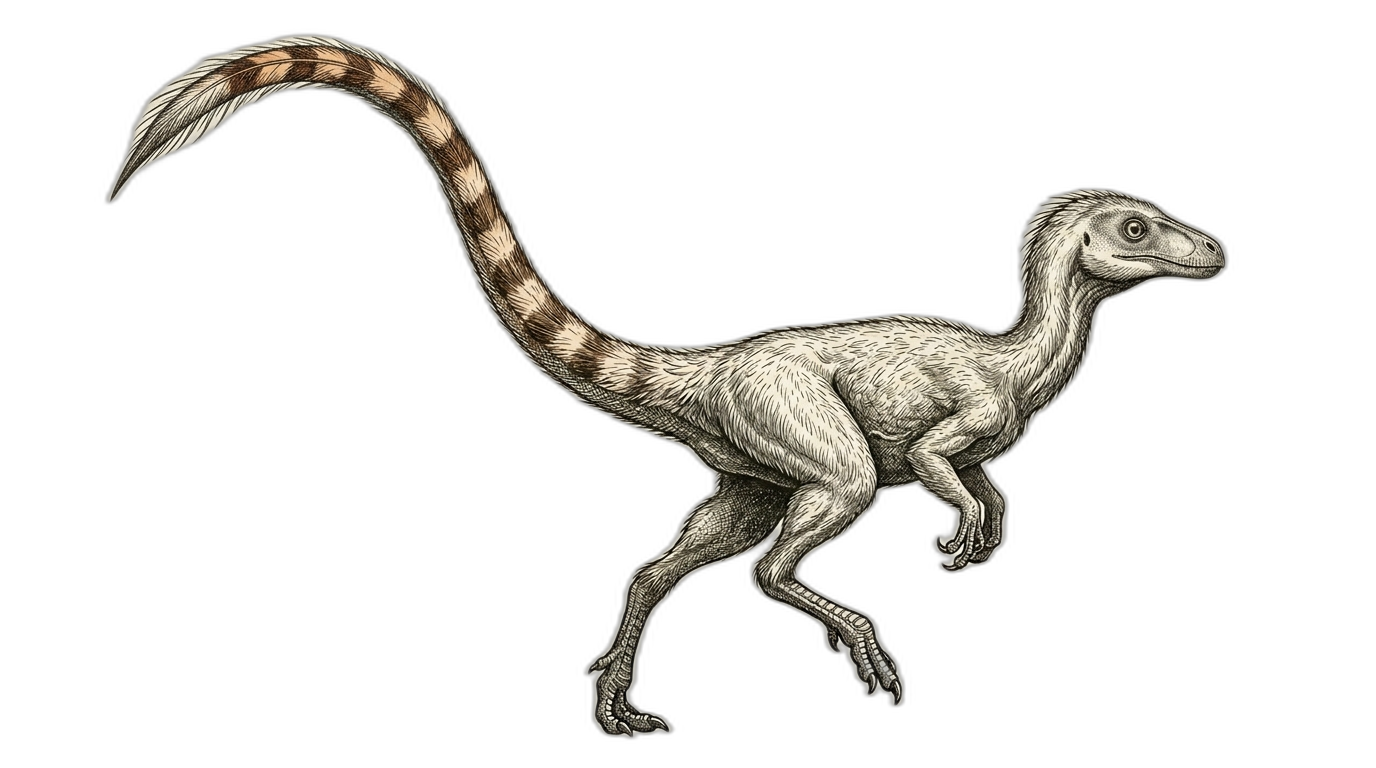
Sinosauropteryx
Sinosauropteryx prima
Fellow compsognathids exploring the same ecological niche of small cursorial predator.
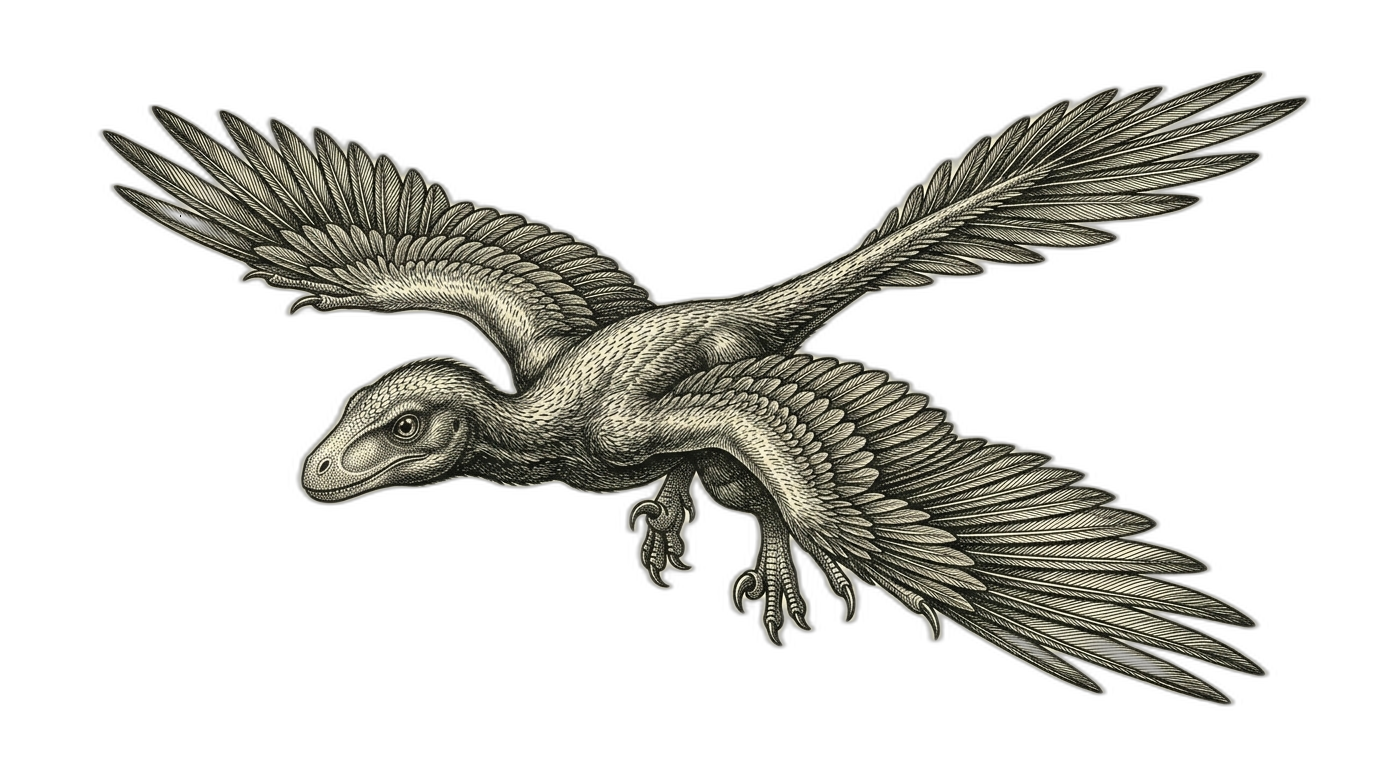
Microraptor
Microraptor gui
Both represent Early Cretaceous small theropods with exceptional soft tissue preservation revealing diet (Scipionyx gut contents, Microraptor stomach contents with fish and birds).
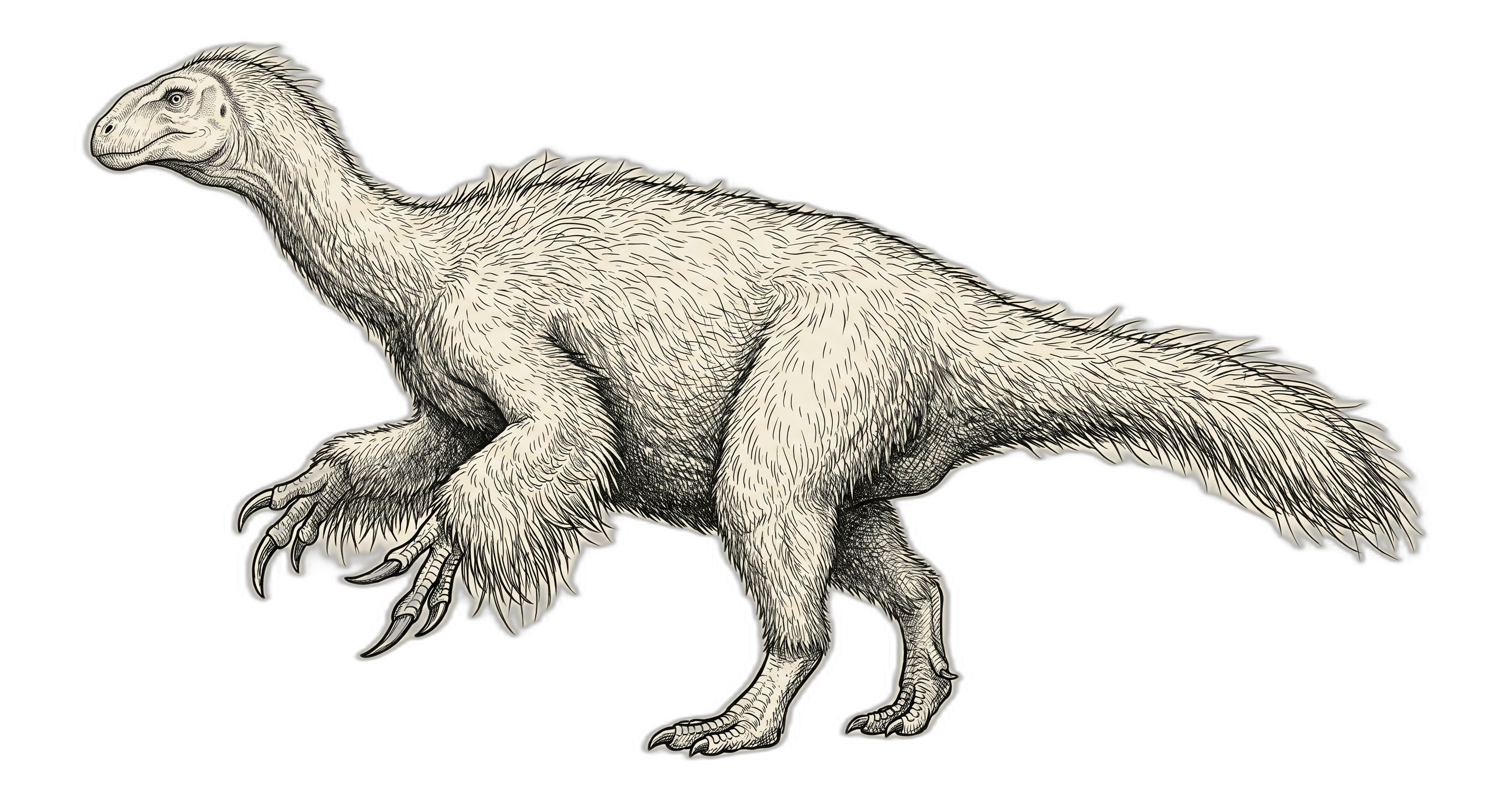
Beipiao Lizard
Beipiaosaurus inexpectus
Both Early Cretaceous theropods known from exceptional preservation (Scipionyx soft tissues in Italian lagerstätte, Beipiaosaurus feathers in Chinese lagerstätte).
Sources & Citation
- Length estimates
- Dal Sasso & Signore, 1998; specimen measurement of juvenile holotype
- Height estimates
- Estimated from holotype specimen proportions; Dal Sasso & Maganuco, 2011
- Weight estimates
- Estimate based on juvenile specimen; Dal Sasso & Maganuco, 2011
- Speed estimates
- Biomechanical estimate based on compsognathid body plan; adult estimates speculative