About
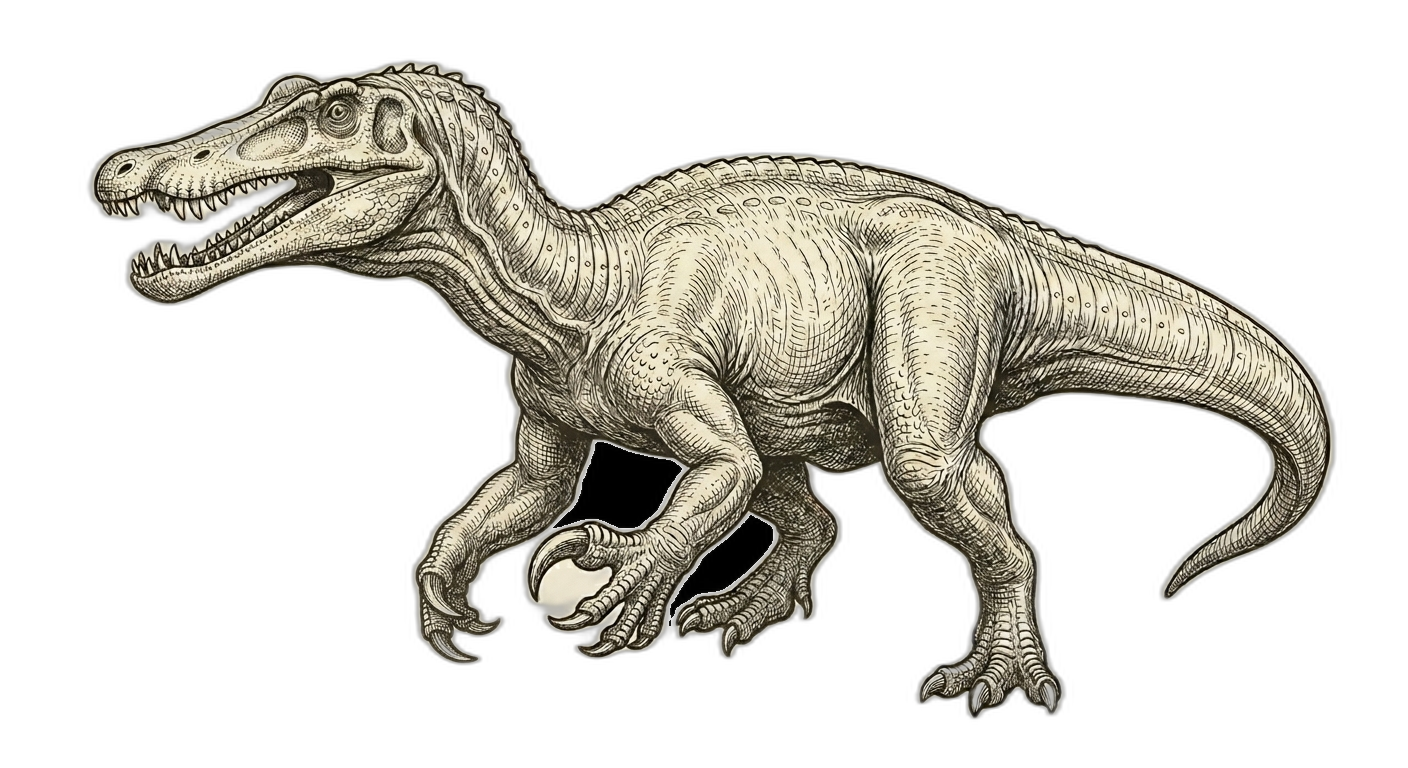
Baryonyx was a remarkable that prowled the riverbanks and wetlands of Early Cretaceous Europe around 130-125 million years ago. Unlike most large theropods that hunted land animals, Baryonyx was adapted for catching fish, sporting a long, narrow snout filled with finely , conical teeth remarkably similar to those of modern crocodilians. Its most striking feature was an enormous curved claw on each hand's first finger, measuring about 31 centimeters (roughly a foot) long, which may have been used to hook fish from the water much like a grizzly bear.
The discovery of Baryonyx in 1983 was a genuine stroke of luck. Amateur fossil collector William J. Walker was exploring the Smokejack Clay Pit in Surrey, England, when he noticed a large claw protruding from the clay. Recognizing its significance, he alerted the Natural History Museum in London. Paleontologists Alan Charig and Angela Milner excavated the site and eventually described the new species in 1986, naming it in honor of Walker's discovery.
The specimen proved to be one of the most complete theropod skeletons ever found in the United Kingdom, containing about 70% of the animal's bones including skull material — a rarity for British dinosaurs. Analysis of its stomach contents revealed the partially digested scales of a large fish and bones from a young Iguanodon, suggesting Baryonyx was an opportunistic predator that wouldn't turn down a meal when available.
Baryonyx belongs to the Spinosauridae family, making it a relative of the famous Spinosaurus from Africa. However, unlike its -backed cousin, Baryonyx lacked the dramatic along its back. Additional specimens have been found across England and the Iberian Peninsula, though some have since been reclassified into different genera as scientists better understand spinosaurid diversity.
Quick Facts
- Scientific name
- Baryonyx walkeri
- Group
- Spinosaur · Spinosauridae
- Lived
- Early Cretaceous, 125.8–121.4 million years ago
- Diet
- Piscivore
- Movement
- Walked on two legs
- Fossils found in
- Wealden Group (United Kingdom, Belgium, Germany, Spain)
- Discovery credited to
- 1983, William J. Walker
- Holotype
- NHMUK VP R9951 · Natural History Museum, London
- DinoVault record
- DVL-0016
Where fossils were found
Wealden Group
East Sussex, West Sussex, Kent, Surrey +4 more · United Kingdom, Belgium, Germany, Spain
125.8–121.4 million years ago(4.4m year span)
Where Baryonyx Roamed
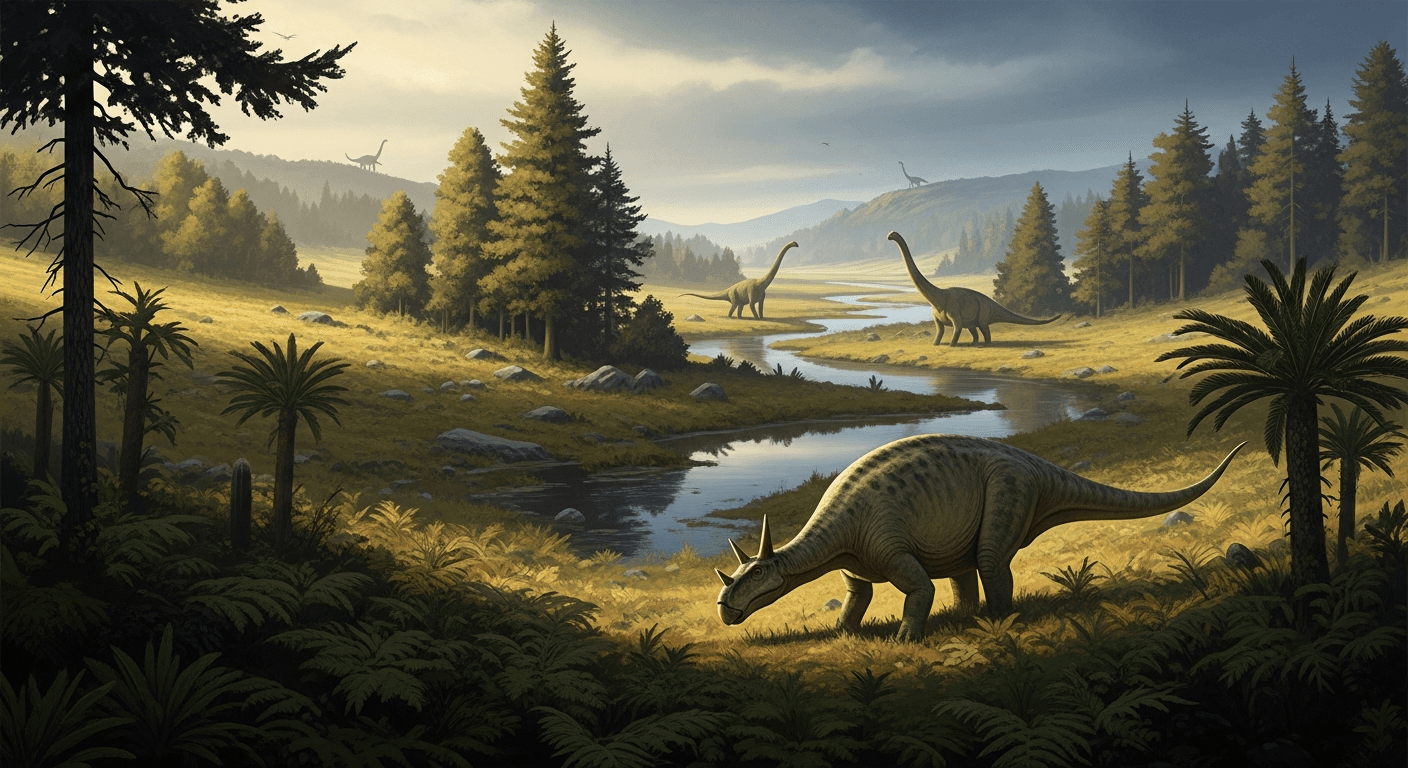
During the Early Cretaceous, Baryonyx walkeri inhabited the lush river deltas and coastal lagoons of what is now southern England, part of a low-lying island archipelago situated between the encroaching waters of the proto-North Atlantic and the shallow Tethys Sea. This subtropical environment featured warm, humid conditions with meandering rivers teeming with fish and freshwater prey—an ideal hunting ground for this specialized spinosaurid predator.
Keep exploring the vault
Iguanodon
Iguanodon bernissartensis
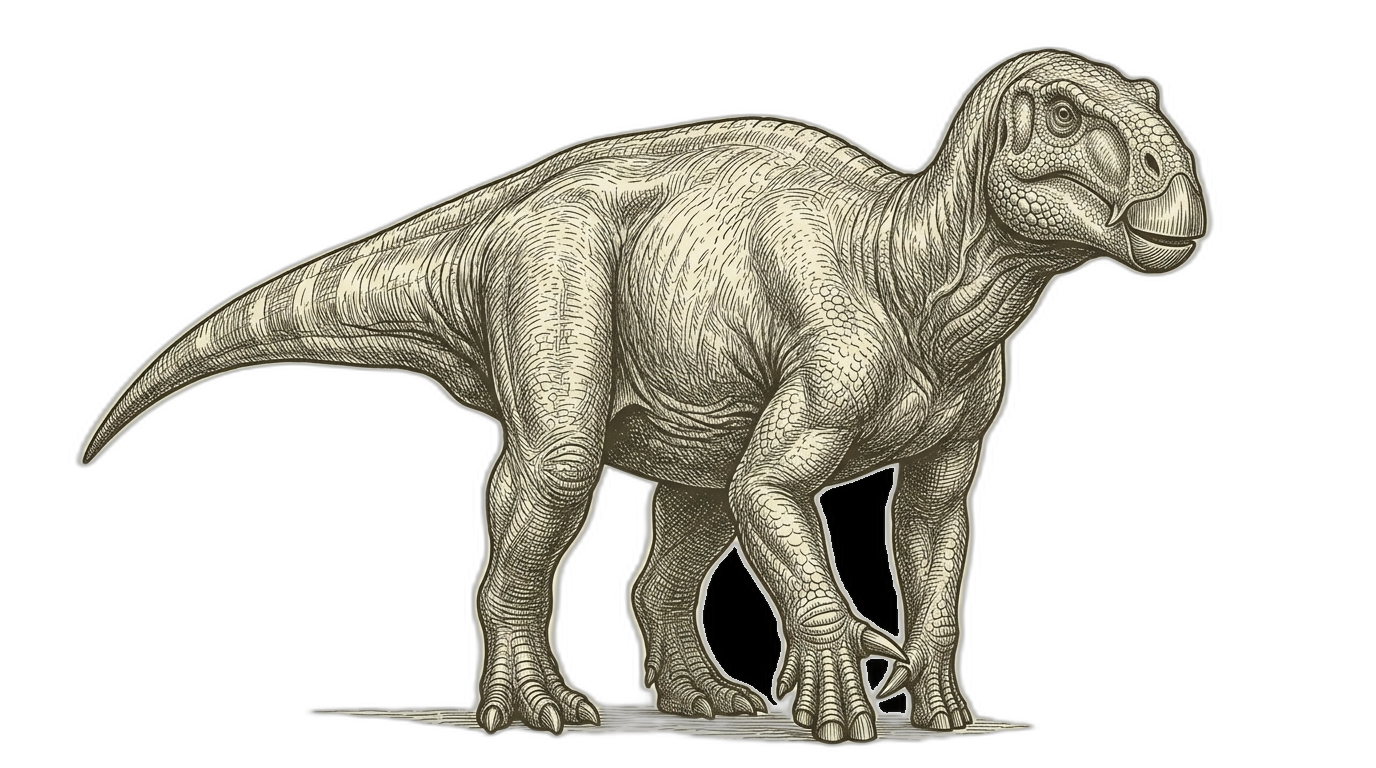
Baryonyx holotype specimen from the Wealden Group of England contained Iguanodon bones in its gut region, providing direct fossil evidence that Baryonyx preyed upon or scavenged juvenile Iguanodon in addition to its primary fish diet.
Spinosaurus
Spinosaurus aegyptiacus
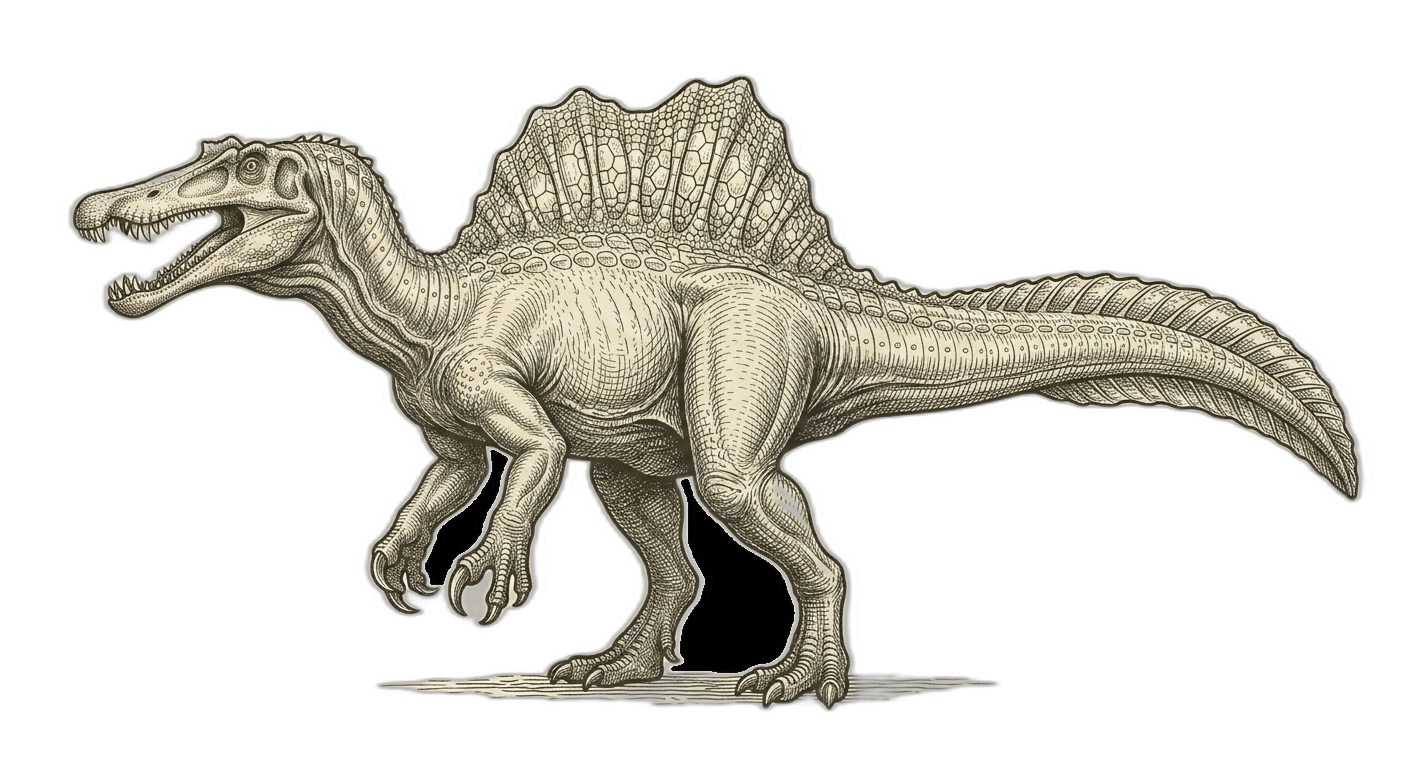
Both Baryonyx and Spinosaurus are spinosaurids that independently developed elongated crocodile-like snouts, conical teeth, and fish-eating adaptations.
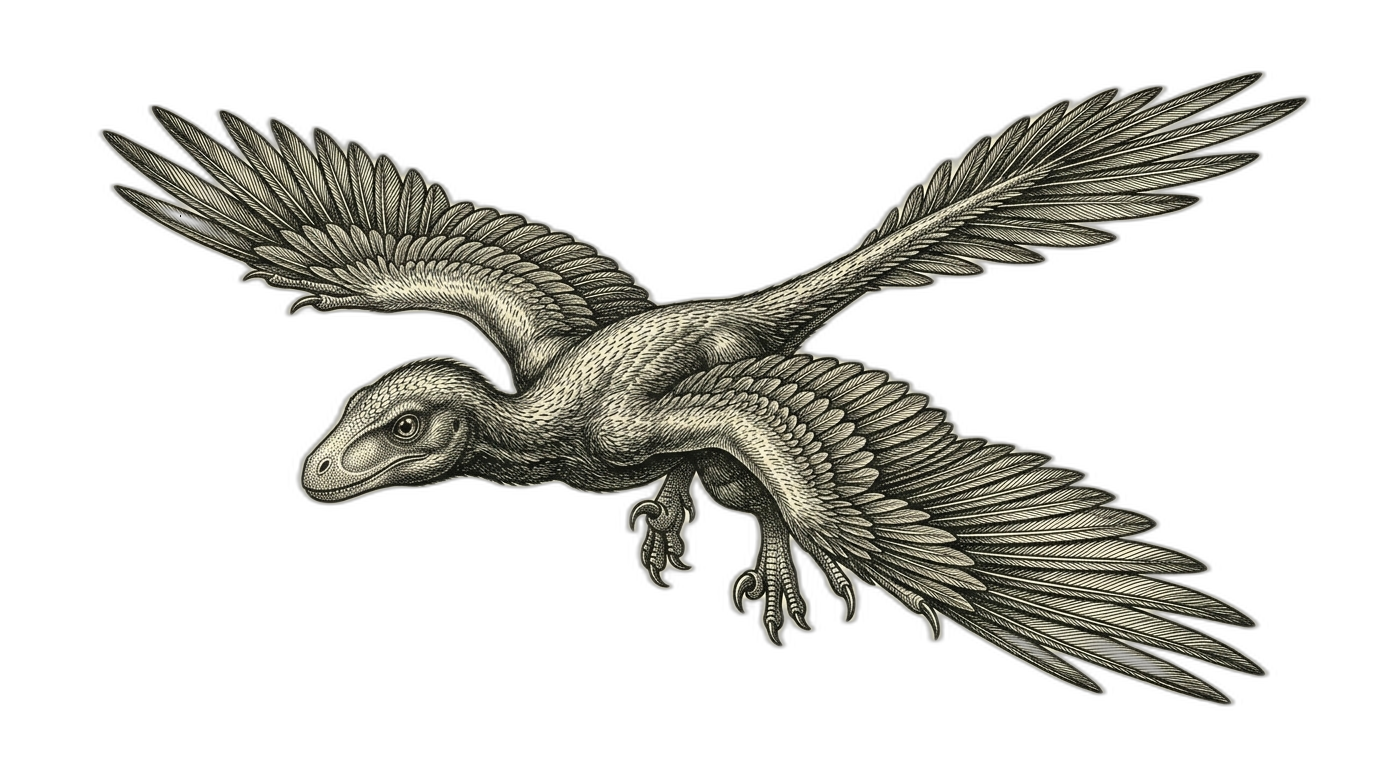
Microraptor
Microraptor gui
Both species show evidence of specialized diets involving aquatic prey — Baryonyx as a large piscivore with crocodilian adaptations, and Microraptor with fish remains found in gut contents.
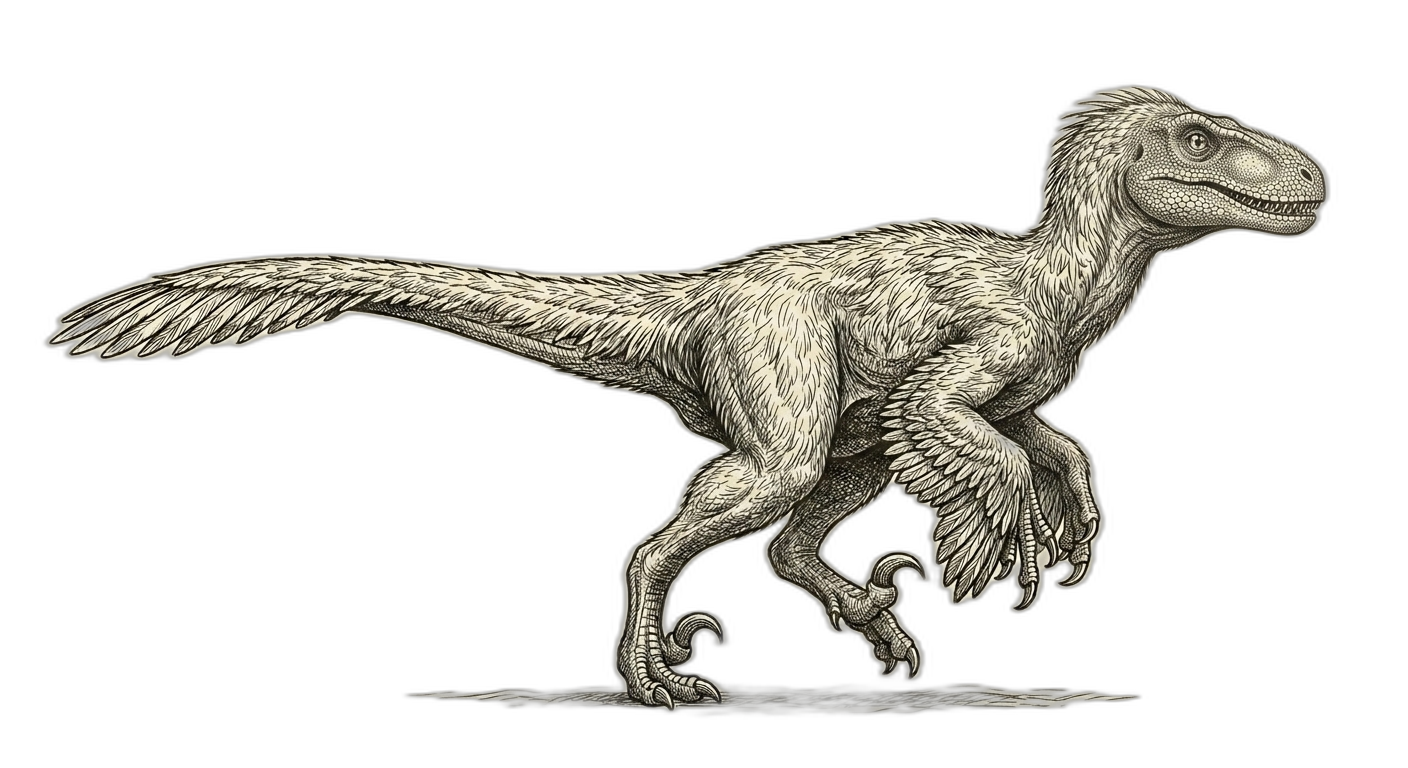
Deinonychus
Deinonychus antirrhopus
Baryonyx lived during the Early Cretaceous (Barremian) in Europe, broadly contemporaneous with Deinonychus in North America.
Sources & Citation
- Length estimates
- Charig & Milner 1997; holotype was subadult, adult estimates extrapolated
- Height estimates
- Charig & Milner 1986; hip height estimate from skeletal reconstruction
- Weight estimates
- Therrien & Henderson 2007; holotype possibly subadult
- Speed estimates
- Biomechanical estimates for similar-sized theropods; no direct evidence