Huincul Formation
Neuquén, Argentina
Why It Matters
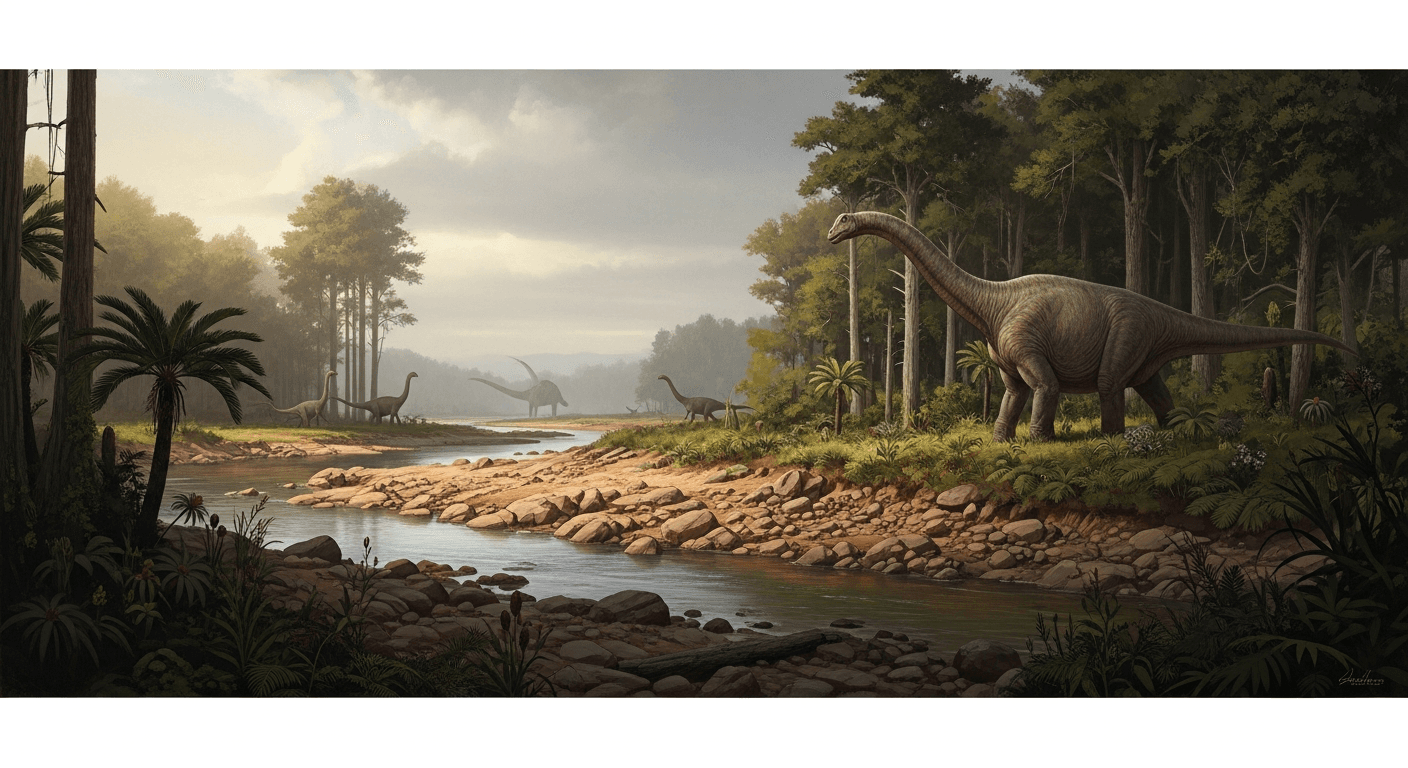
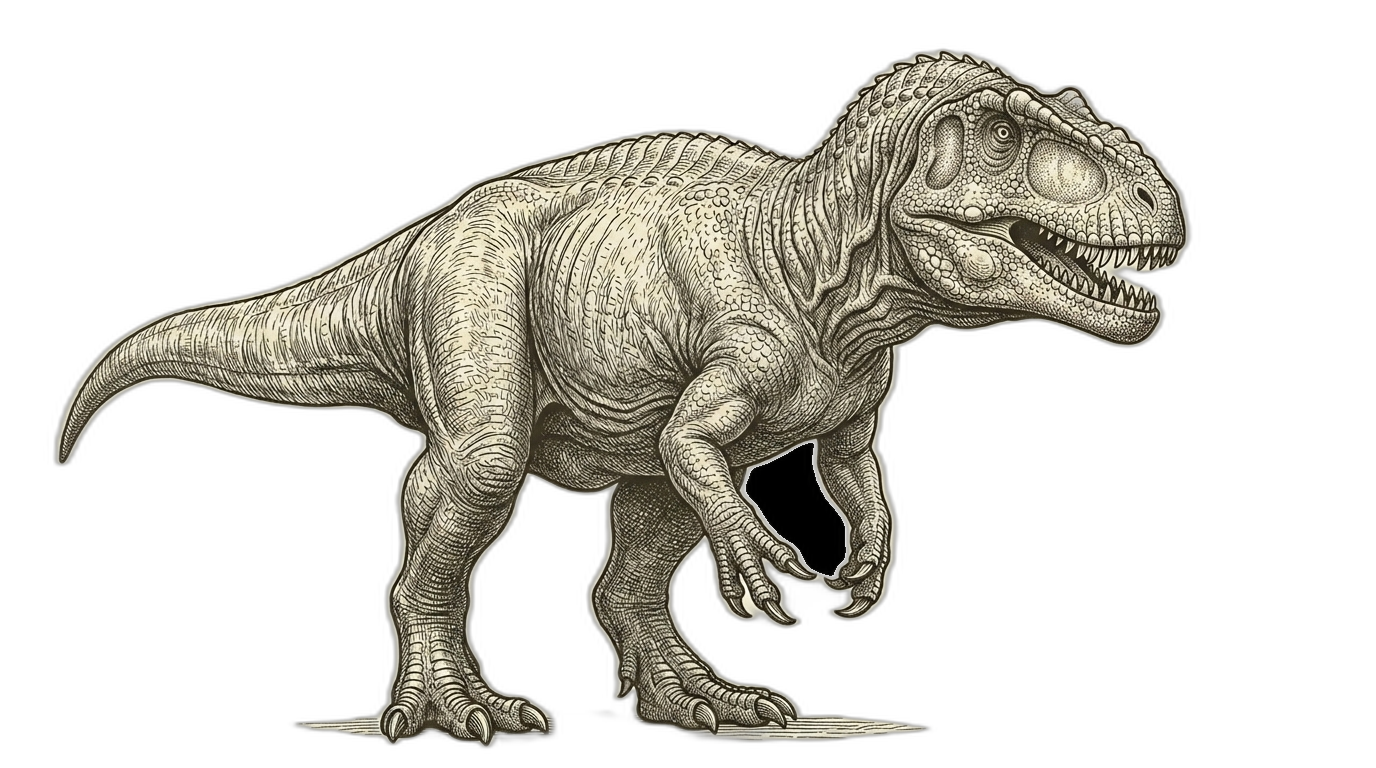
The Huincul Formation of Neuquén Province, Argentina has produced some of the largest dinosaurs ever discovered, including Argentinosaurus huinculensis — possibly the heaviest animal to ever walk the Earth — and Giganotosaurus carolinii, one of the largest carnivorous dinosaurs known. It provides critical evidence for the gigantism that characterised South American dinosaurs during the mid-Cretaceous, when the continent was isolated and evolving independently from North America.
How Fossils Survived
Deposited in a environment during a warm, humid interval, the Huincul Formation consists of coarse sandstones and conglomerates from river channels interbedded with finer floodplain deposits. The region sits within the Neuquén Basin, a geological structure that has been preserving fossils since the Jurassic. The relatively coarse sediment can disarticulate skeletons but still yields identifiable elements in good condition.
Discovery History
The formation came to scientific attention in the mid-20th century as oil exploration in the Neuquén Basin revealed fossil-bearing strata. Giganotosaurus was described in 1995 after discovery by amateur fossil hunter Rubén Carolini, making international headlines as a rival to T. rex in size. Argentinosaurus had been described slightly earlier in 1993, and subsequent decades have produced a steady stream of giant sauropods from the region.
Dinosaurs in the Vault
2 species in our database · sorted by size
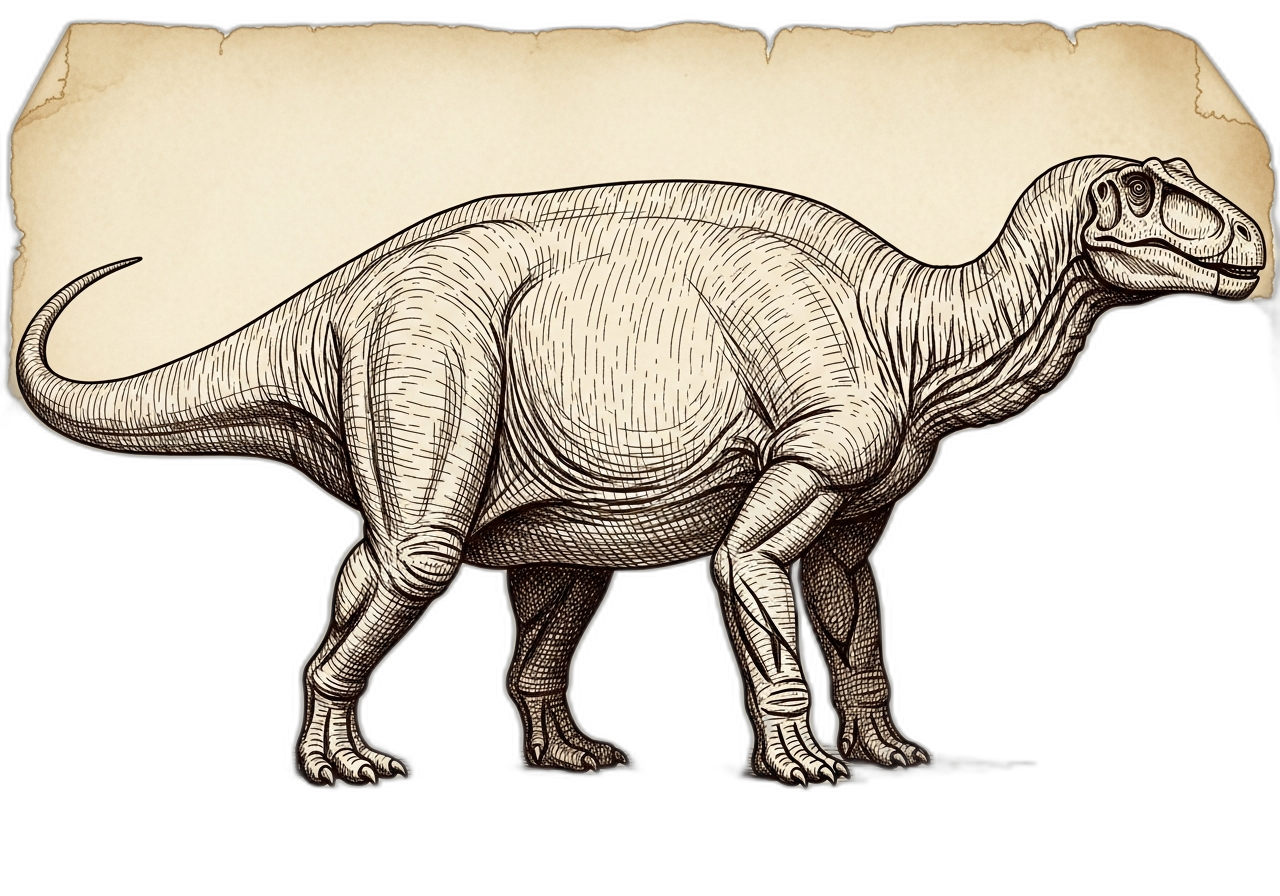
- Argentinosaurus may have weighed up to 80,000 kg — heavier than a dozen African elephants combined — making it a candidate for the largest land animal ever.