About
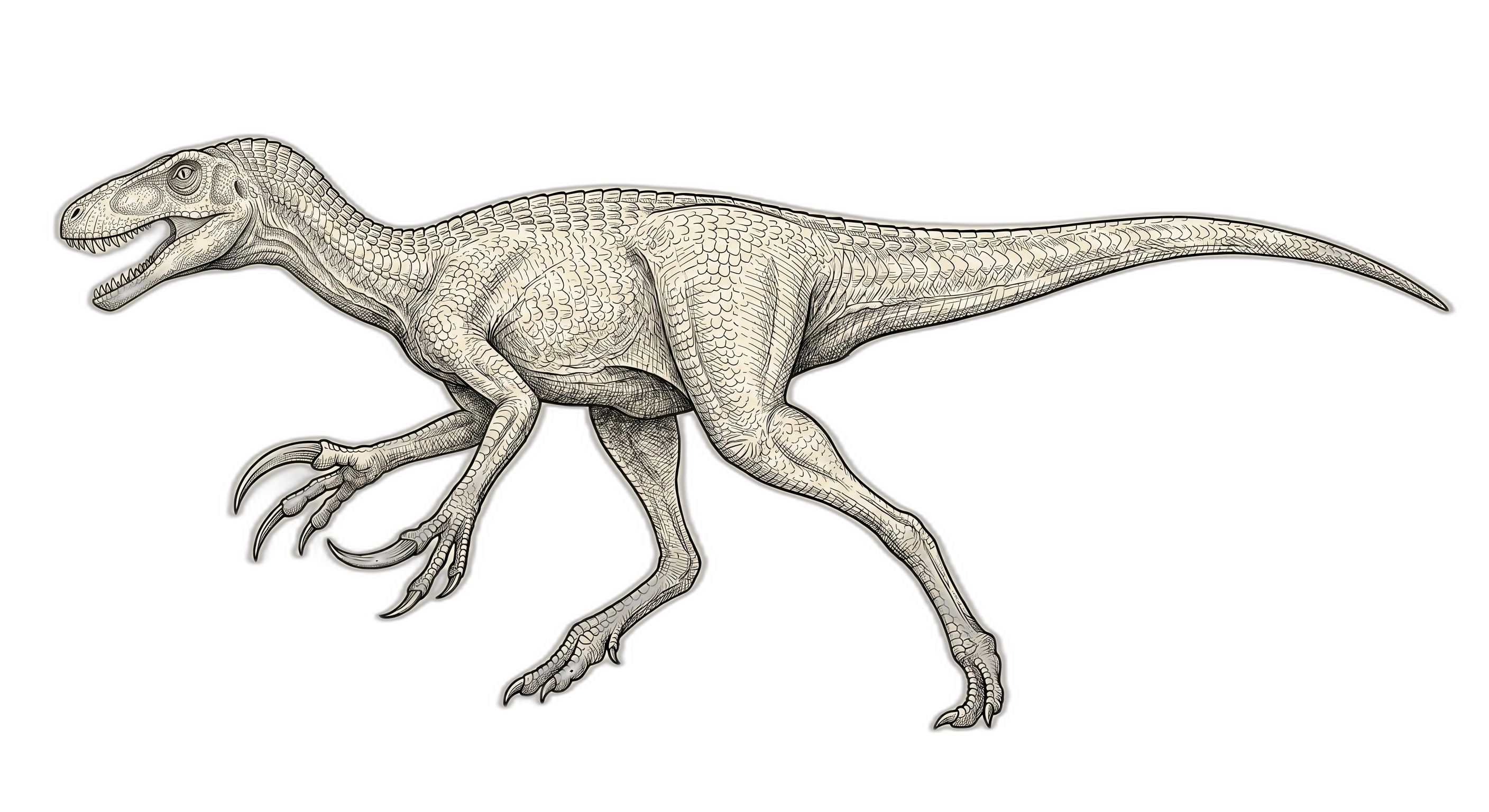
Megaraptor was one of the largest and most formidable predators to stalk Late Cretaceous South America. This sleek, powerful combined a lightly-built frame with exceptionally long arms ending in enormous, curved claws that could reach over 30 centimeters in length. Unlike the famous killing claws of dromaeosaurids, Megaraptor's weapons were on its hands, making it a unique and deadly hunter capable of grappling with substantial prey.
The discovery of Megaraptor in 1996 by Fernando Novas in Argentina's Portezuelo Formation created immediate excitement — and confusion. The first fossil recovered was a massive claw, which scientists initially assumed came from the foot, leading them to classify it as a giant relative of Velociraptor. It wasn't until more complete specimens emerged that paleontologists realized these were actually hand claws, completely reshaping our understanding of this predator and eventually leading to the recognition of an entirely new group: the megaraptorans.
Living approximately 90-88 million years ago during the Turonian to Coniacian stages, Megaraptor shared its Patagonian environment with various sauropods that likely constituted potential prey. Its elongated skull, known from remains, suggests a predator adapted for quick, precise strikes rather than bone-crushing bites.
The species name 'namunhuaiquii' honors the indigenous Mapuche people of Patagonia, meaning 'lance foot' in their language — an ironic name given that the weapon was actually in its hands, not its feet. This naming reflects the initial misidentification that made Megaraptor's discovery story so memorable in paleontological history.
Quick Facts
- Scientific name
- Megaraptor namunhuaiquii
- Group
- Theropod · Megaraptoridae
- Lived
- Late Cretaceous, 87–83 million years ago
- Diet
- Carnivore
- Movement
- Walked on two legs
- Fossils found in
- Portezuelo Formation, Neuquén, Argentina
- Discovery credited to
- 1996, Fernando Novas
- Holotype
- MCF-PVPH-79 · Museo Municipal Carmen Funes, Plaza Huincul
- DinoVault record
- DVL-0087
Where Megaraptor Roamed
During the Late Cretaceous, approximately 85 million years ago, Megaraptor namunhuaiquii inhabited the ancient landscapes of South America, which remained part of the fragmenting supercontinent Gondwana. This region of what is now Patagonia, Argentina featured a warm, semi-arid climate with seasonal rivers and floodplains bordered by coniferous forests, situated far from the shallow epicontinental seas that periodically encroached upon other portions of the continent.
Keep exploring the vault
Argentinosaurus
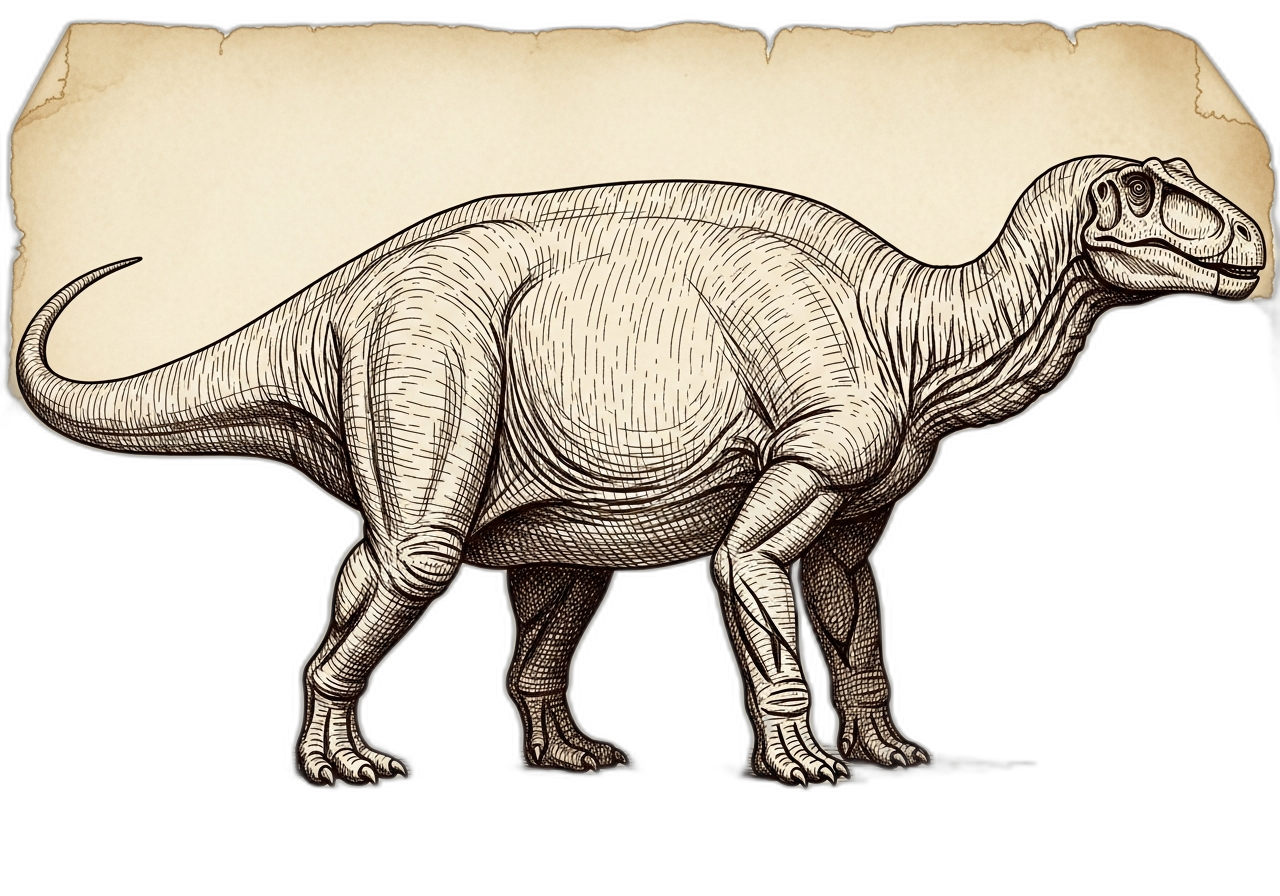
Argentinosaurus huinculensis
Megaraptor was a large theropod from Patagonian Argentina during the Late Cretaceous, where titanosaurs like Argentinosaurus were the dominant herbivores.
Saltasaurus
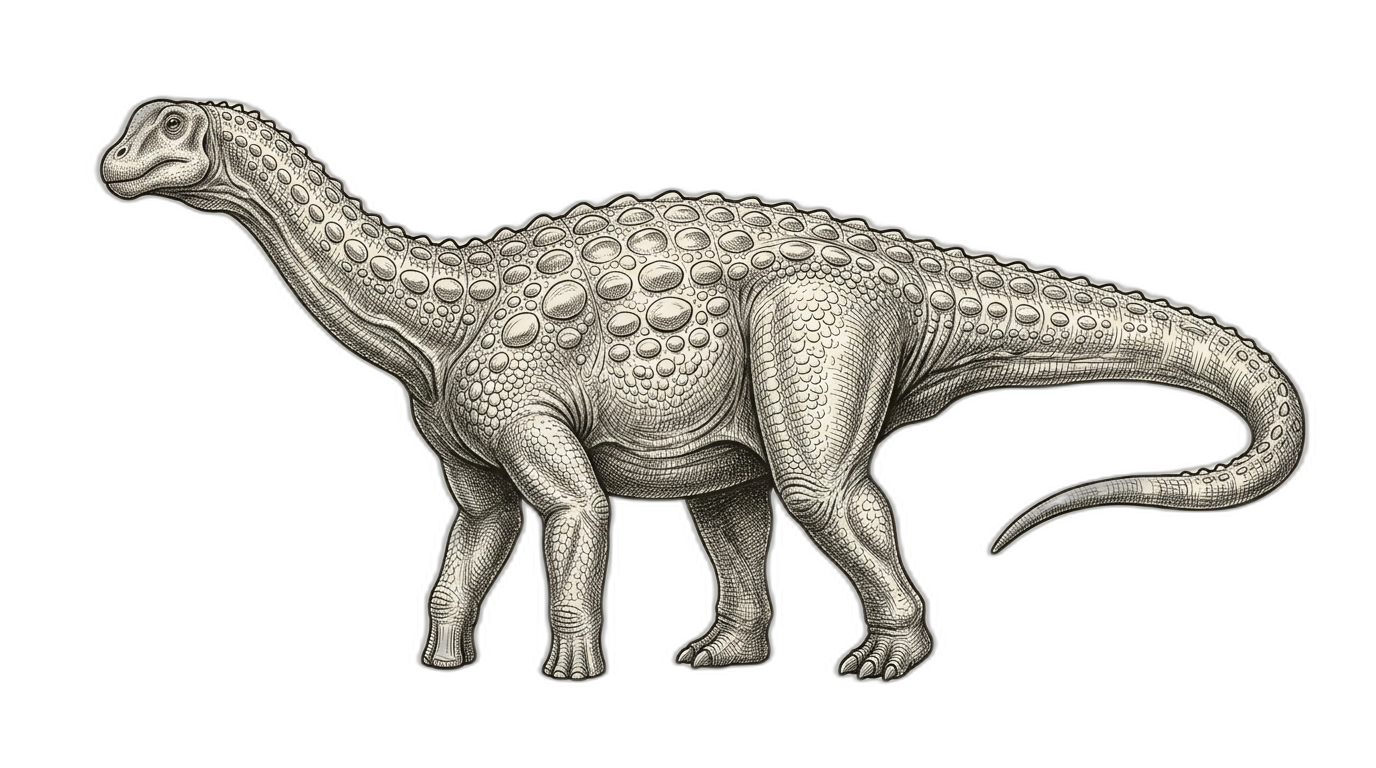
Saltasaurus loricatus
Saltasaurus was a smaller titanosaur from Late Cretaceous Argentina (Campanian-Maastrichtian).
Carnotaurus
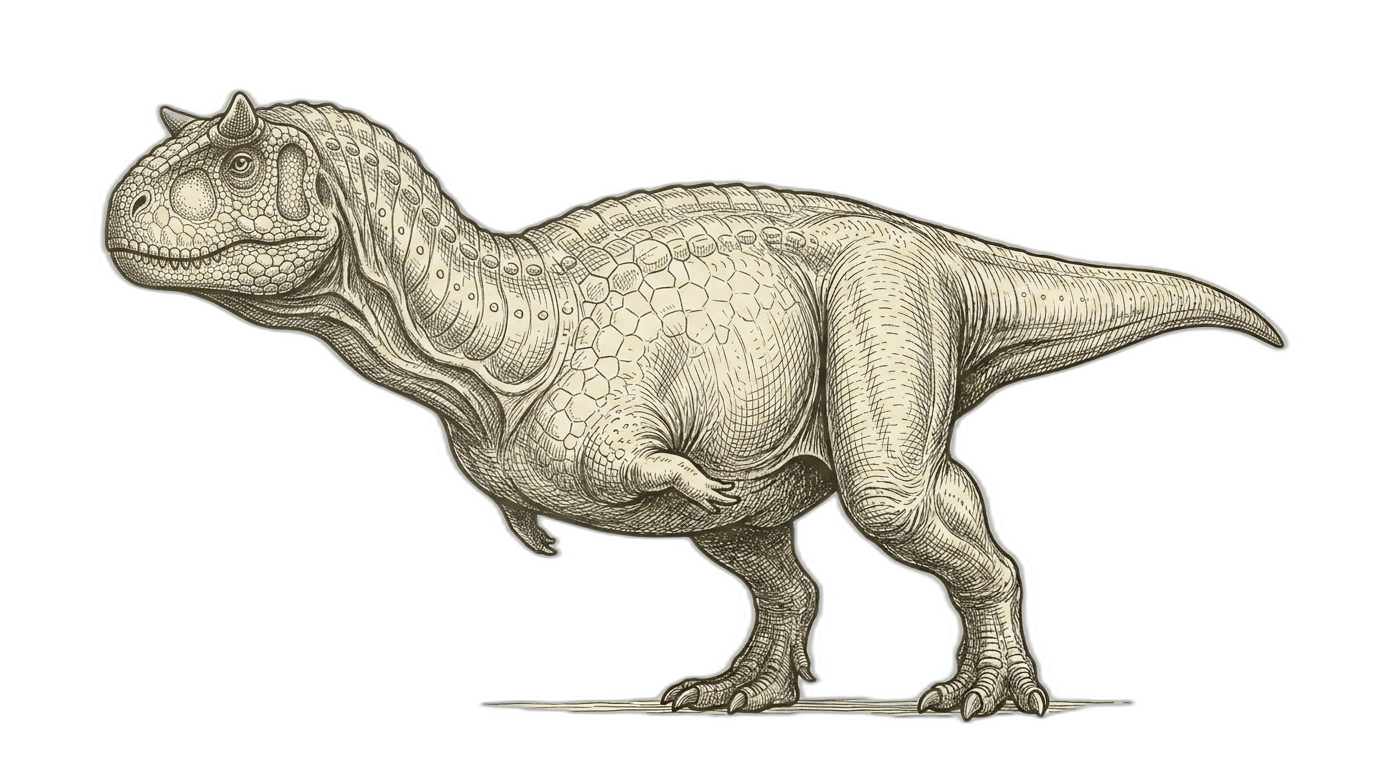
Carnotaurus sastrei
Both were large theropods from Late Cretaceous Argentina.
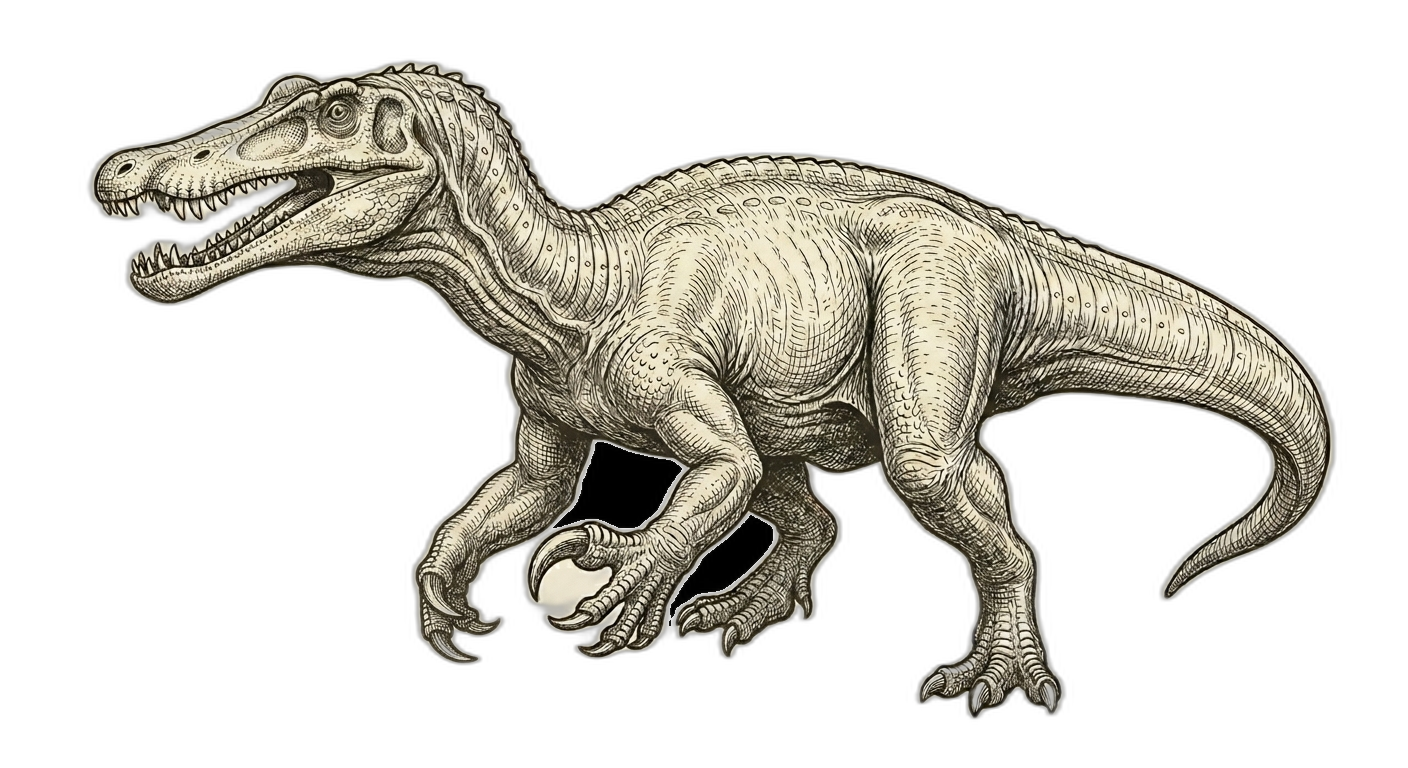
Baryonyx
Baryonyx walkeri
Both Megaraptor and Baryonyx evolved notably enlarged hand claws as primary weapons, representing convergent evolution in theropod predatory adaptations.
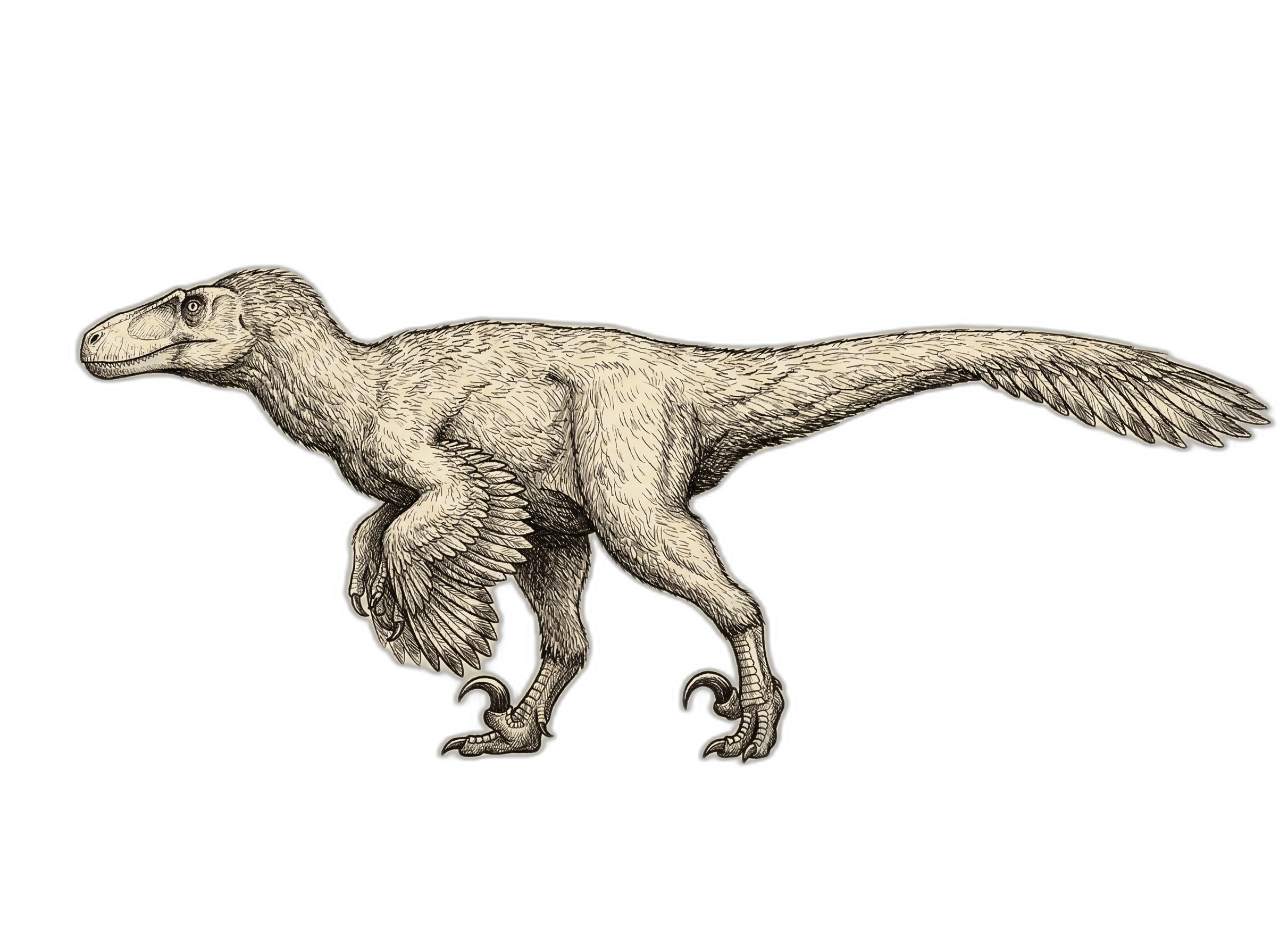
Utahraptor
Utahraptor ostrommaysorum
Both evolved as large-bodied theropods with hypertrophied hand/foot claws as primary weapons.
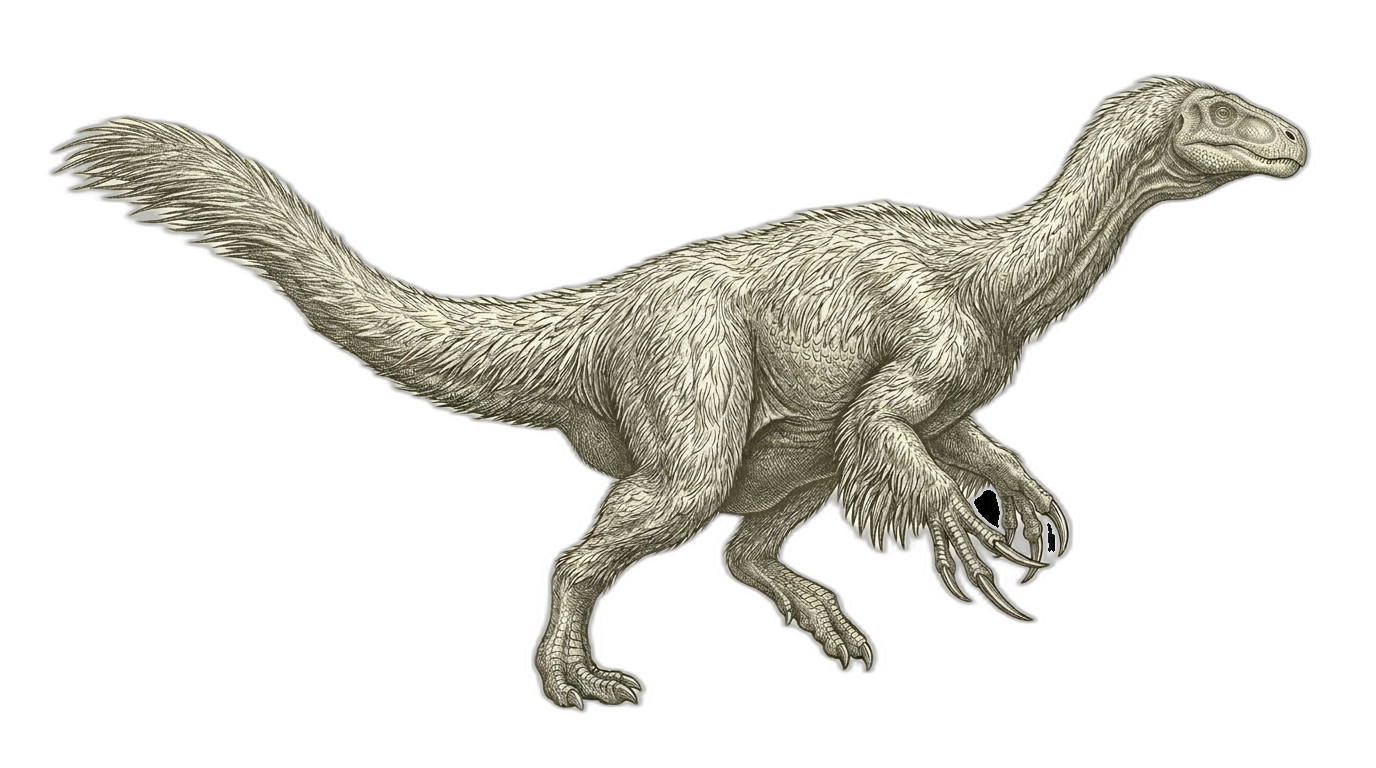
Therizinosaurus
Therizinosaurus cheloniformis
Both represent extreme development of manual claws in theropods, though for different purposes.
Sources & Citation
- Length estimates
- Calvo et al. 2004; Porfiri et al. 2014; based on fragmentary specimens
- Height estimates
- Estimated from limb proportions; no complete skeleton known
- Weight estimates
- Estimates vary widely; Mazzetta et al. 2004; Benson et al. 2014
- Speed estimates
- Inferred from gracile build and long legs; no direct biomechanical study