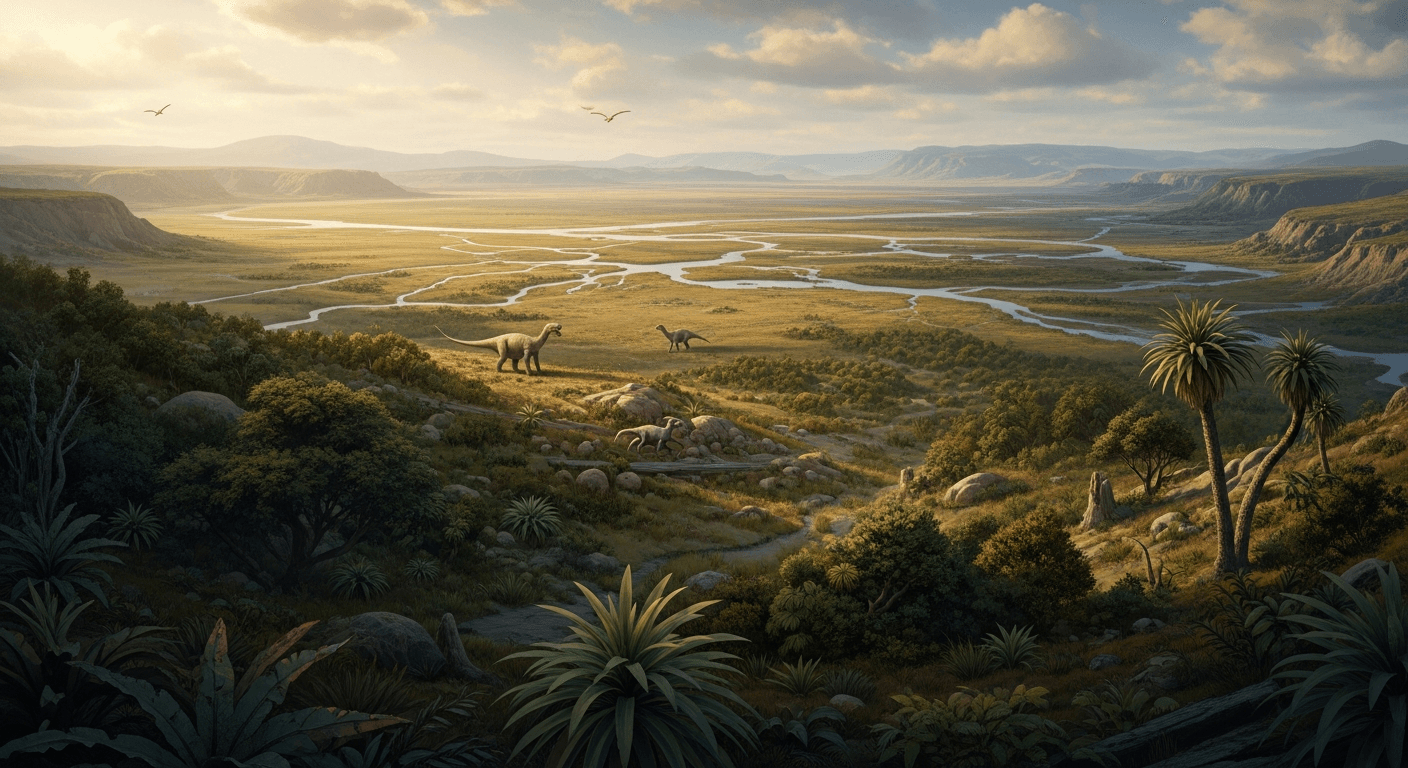
Candeleros Formation
Neuquén, Argentina
Why It Matters
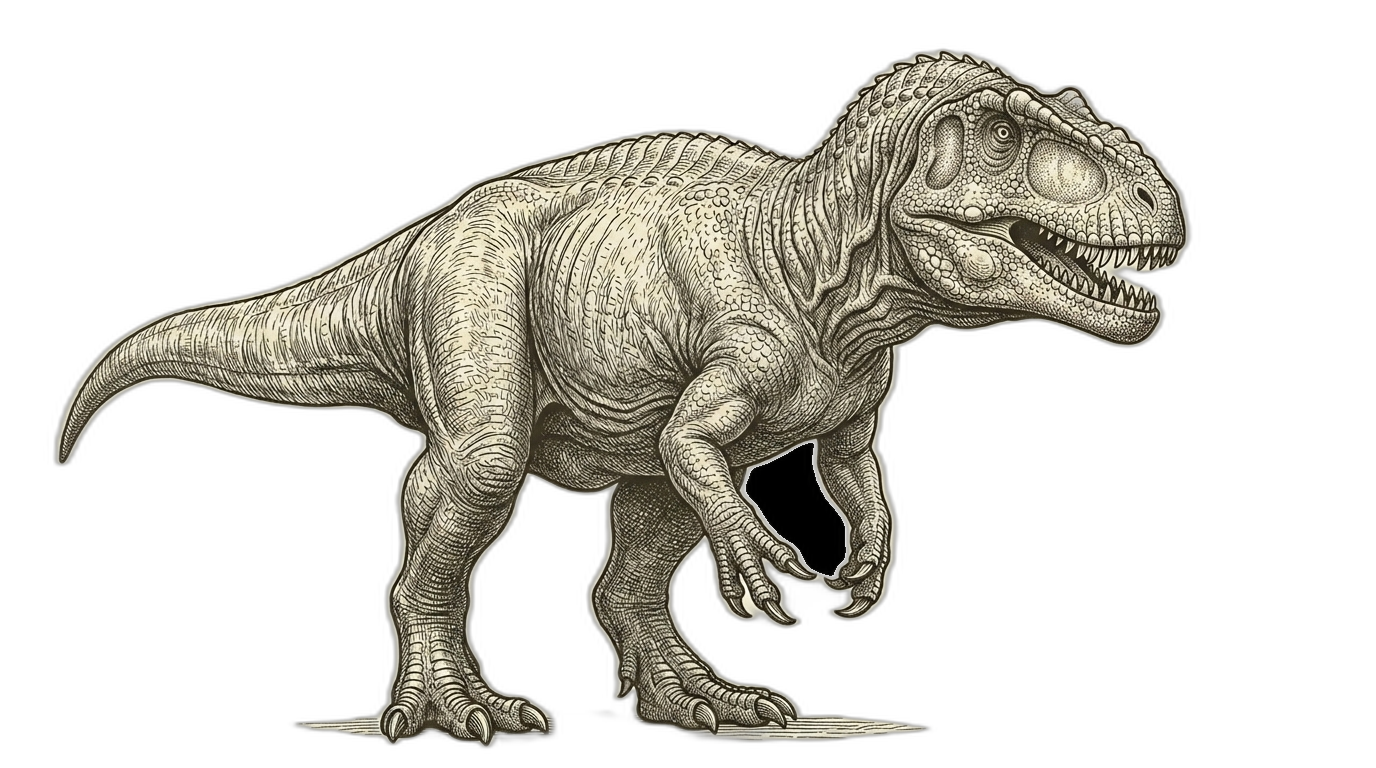
The Candeleros Formation sits just below the Huincul Formation in the Neuquén Basin sequence and has produced Patagotitan mayorum, described in 2017 as potentially the most massive dinosaur ever discovered. It also preserves Giganotosaurus and a diverse of large sauropods and theropods that lived on the isolated South American continent. The formation is helping paleontologists understand how dinosaur body size reached its extreme limits.
How Fossils Survived
Like the overlying Huincul Formation, the Candeleros was deposited by river systems crossing a broad alluvial plain during an interval of warm, wet climate. Channel sandstones and mudstone floodplain deposits alternate through the section. Bones are often found concentrated in channel deposits, where carcasses accumulated during floods. The Neuquén Basin's long record of sediment accumulation has created a thick stack of fossiliferous rock stretching from the Jurassic to the Late Cretaceous.
Discovery History
The formation was known to contain large dinosaur remains for decades before the major discoveries of the 1990s and 2000s. Patagotitan was excavated by a CONICET-Egidio Feruglio Museum team between 2012 and 2015, after farm worker Aureliano Hernandez spotted a bone protruding from the ground on his property. The specimen — representing a minimum of six individuals — was described in 2017 and immediately attracted global media attention.
Dinosaurs in the Vault
2 species in our database · sorted by size
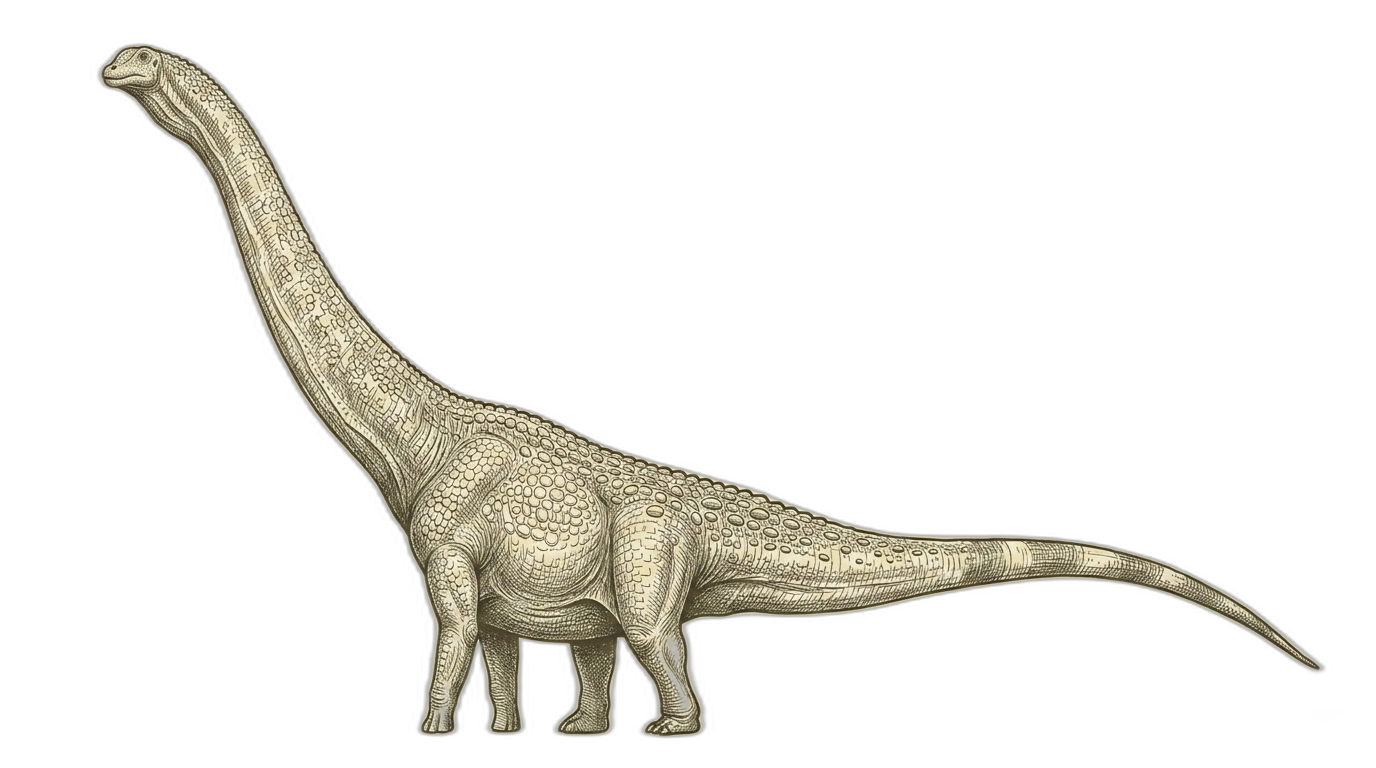
- Patagotitan's femur (thigh bone) alone is 2.4 metres tall — taller than most adult humans.