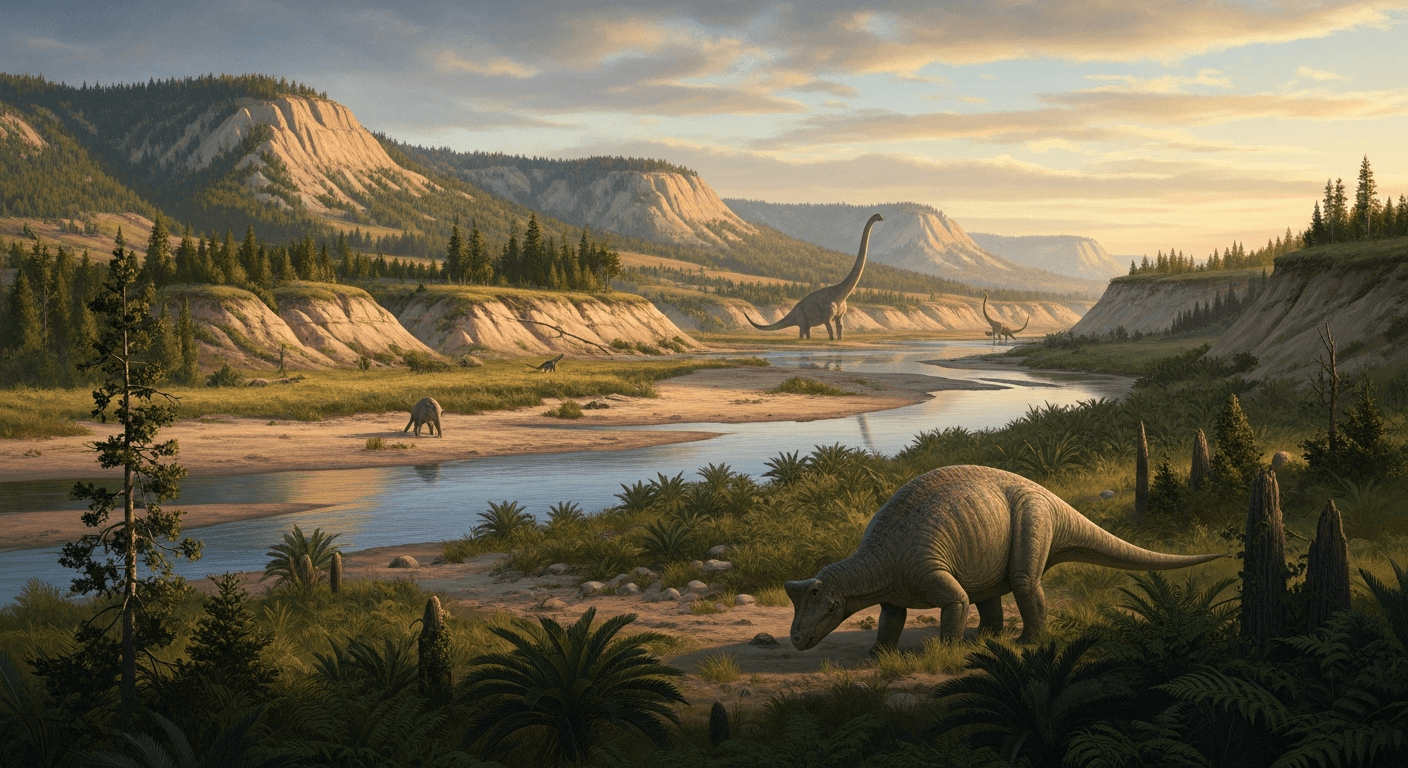
Judith River Formation
Montana, Alberta, United States, Canada
Why It Matters
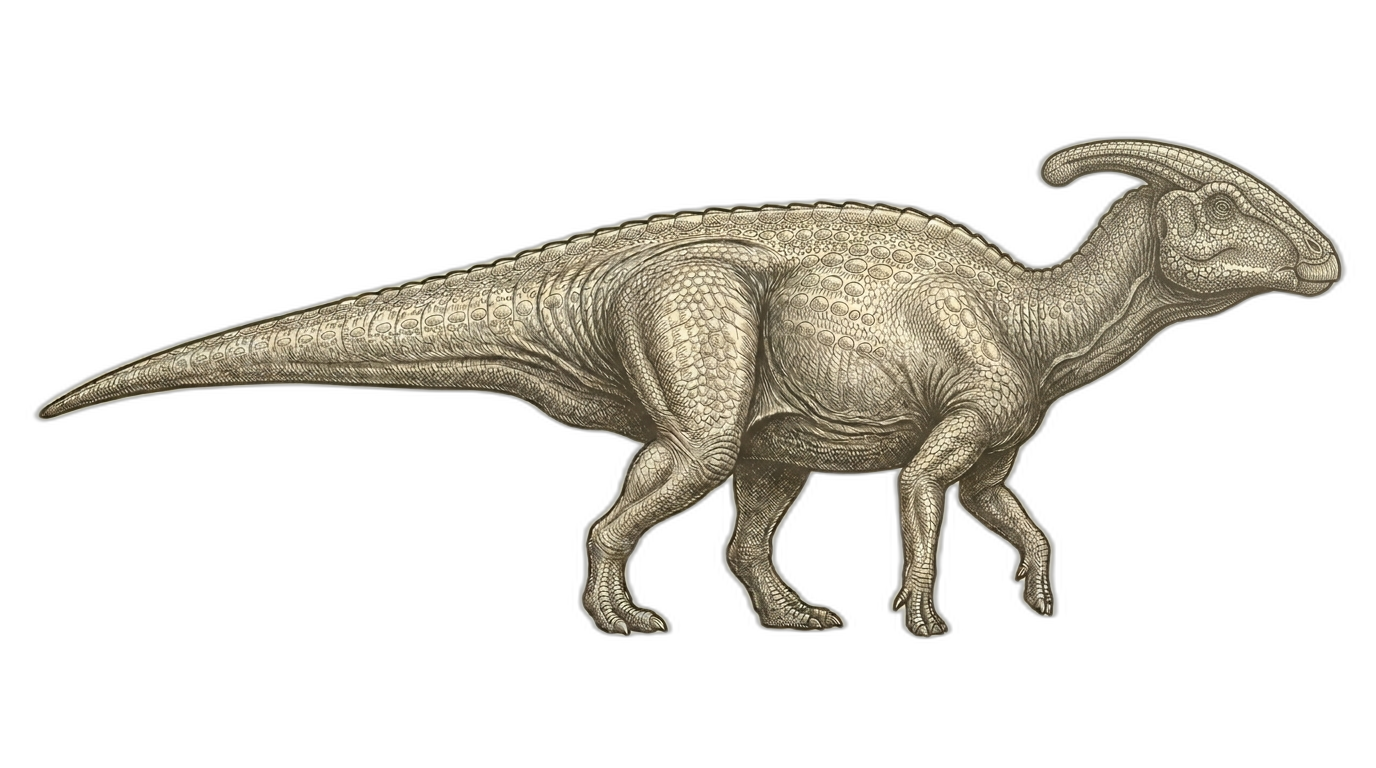
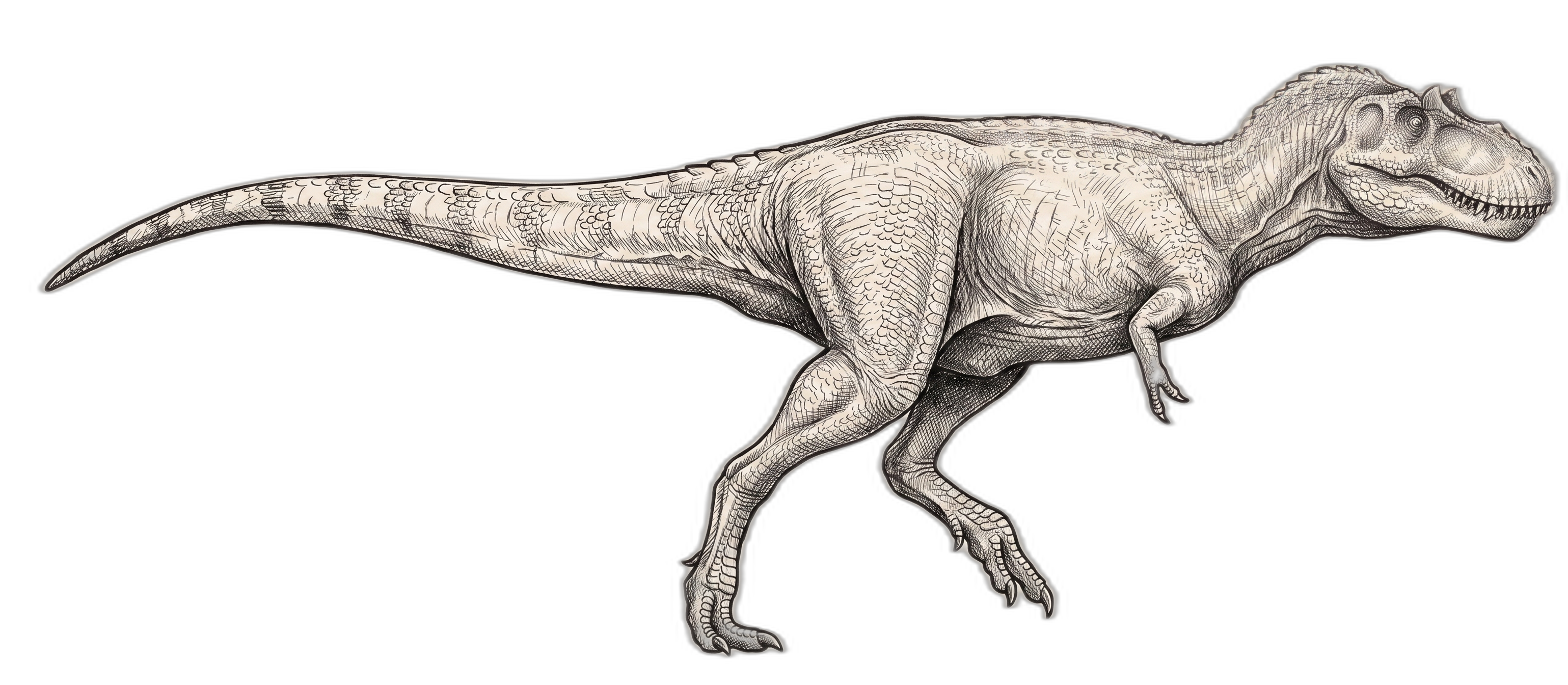
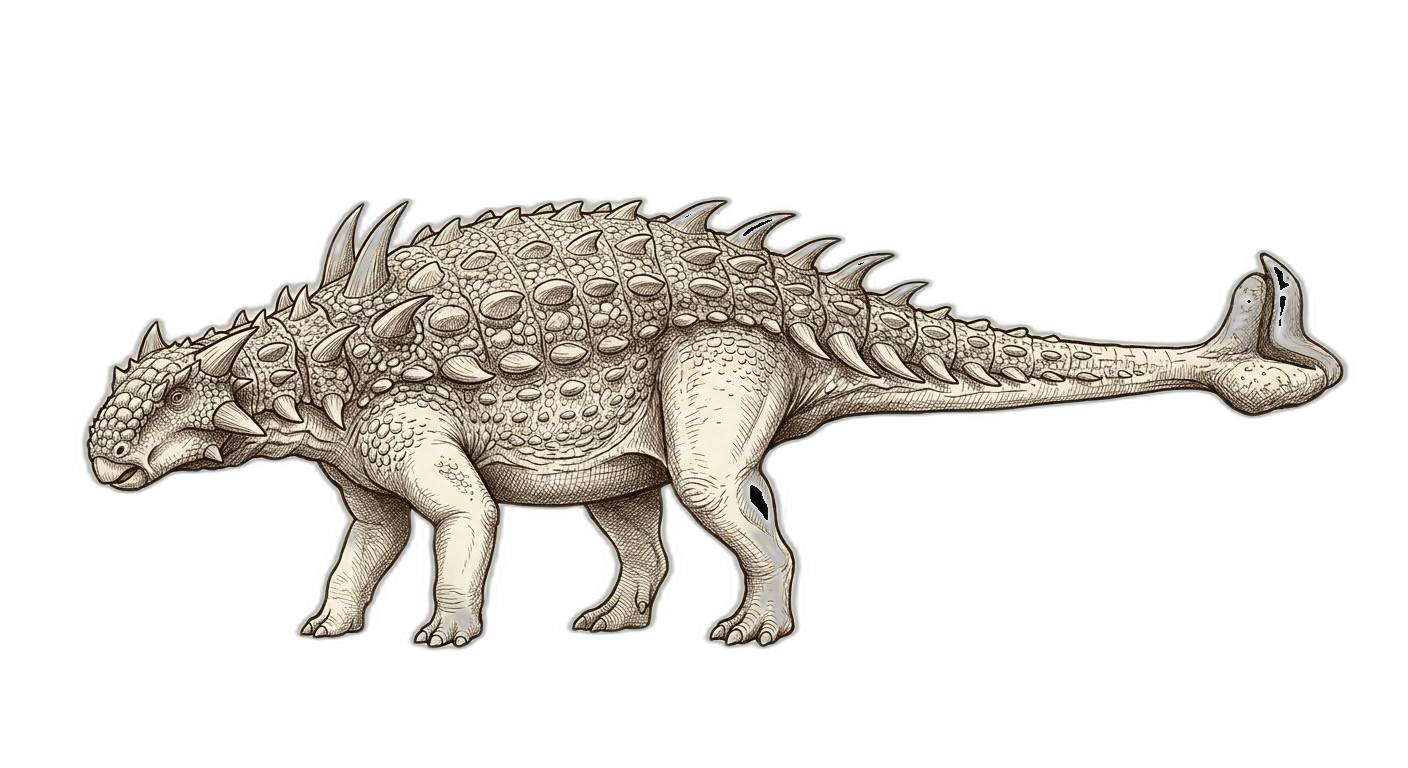
The Judith River Formation is one of the richest Late Cretaceous fossil sites in North America, preserving a diverse assemblage of dinosaurs, mammals, crocodilians, turtles, and fish from a lush subtropical ecosystem. It has produced Troodon formosus (the original specimen), Styracosaurus, Brachylophosaurus, and Einiosaurus, among dozens of others. Its exposures on both sides of the Canadian border make it a binational scientific resource and a key formation for tracking faunal evolution through the mid-Campanian.
How Fossils Survived
Deposited as coastal plain sediments flanking the eastern margin of the Western Interior Seaway, the Judith River Formation consists of stacked river channel sandstones, overbank mudstones, and swamp deposits. The warm, humid climate produced dense forests and abundant water sources, supporting one of the most diverse vertebrate faunas of the Cretaceous. Bone beds — concentrations of bones from multiple individuals — are common, suggesting that seasonal flooding periodically killed large numbers of animals.
Discovery History
Ferdinand Hayden collected the first specimens from the Judith River drainage in 1855 during a government survey, and Joseph Leidy described the first dinosaur material the following year. Troodon — described by Leidy in 1856 from a single tooth — was one of the earliest-named North American dinosaurs, though its identity was debated for over a century. The Sternberg family collected extensively here in the early 20th century, and the formation continues to produce important specimens.
Dinosaurs in the Vault
4 species in our database · sorted by size
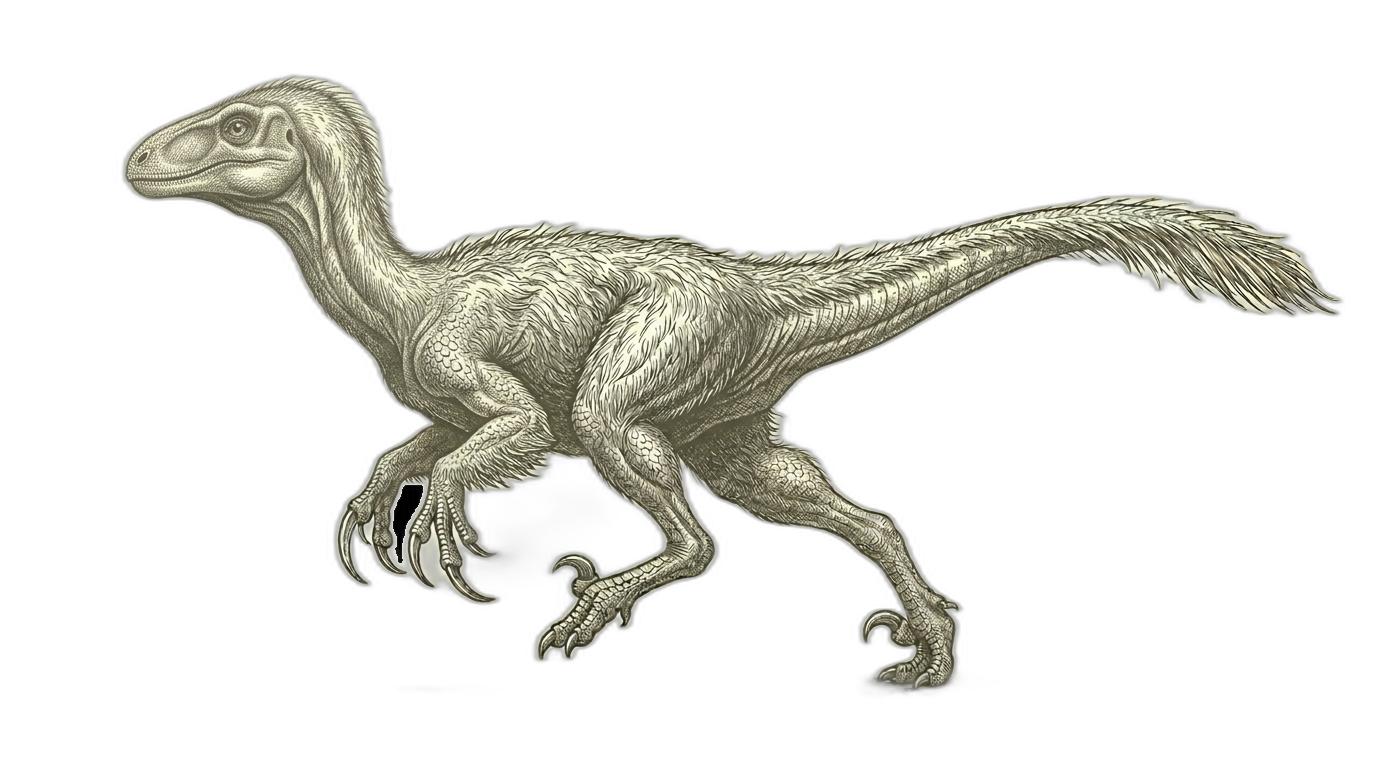
- Troodon formosus was named from a single tooth in 1856, making it one of the earliest-named North American dinosaurs — but its identity remained controversial for over 130 years because teeth alone are hard to assign definitively.