About
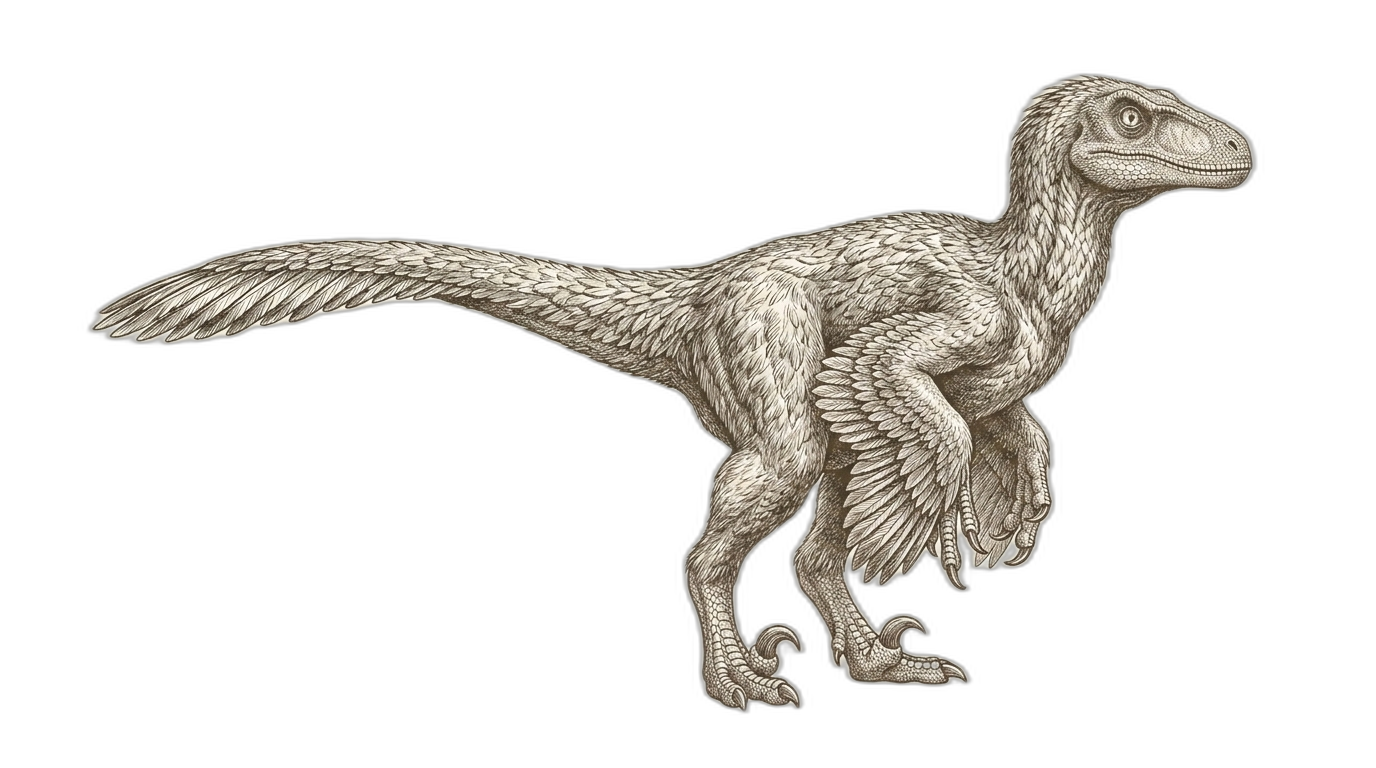
Here's the truth about Velociraptor that Jurassic Park never told you: it was about the size of a turkey. The terrifying man-sized raptors in the films are based on a different animal entirely — Deinonychus — scaled up for dramatic effect. The real Velociraptor stood roughly half a meter tall at the hip and weighed around 20 kilograms.
But don't let the small size fool you. Velociraptor was a sophisticated predator. Its famous sickle-shaped claw on each foot was held retracted off the ground during walking — like a cat keeping its claws sharp — and used to pin and slash prey. Evidence suggests it may have hunted animals larger than itself.
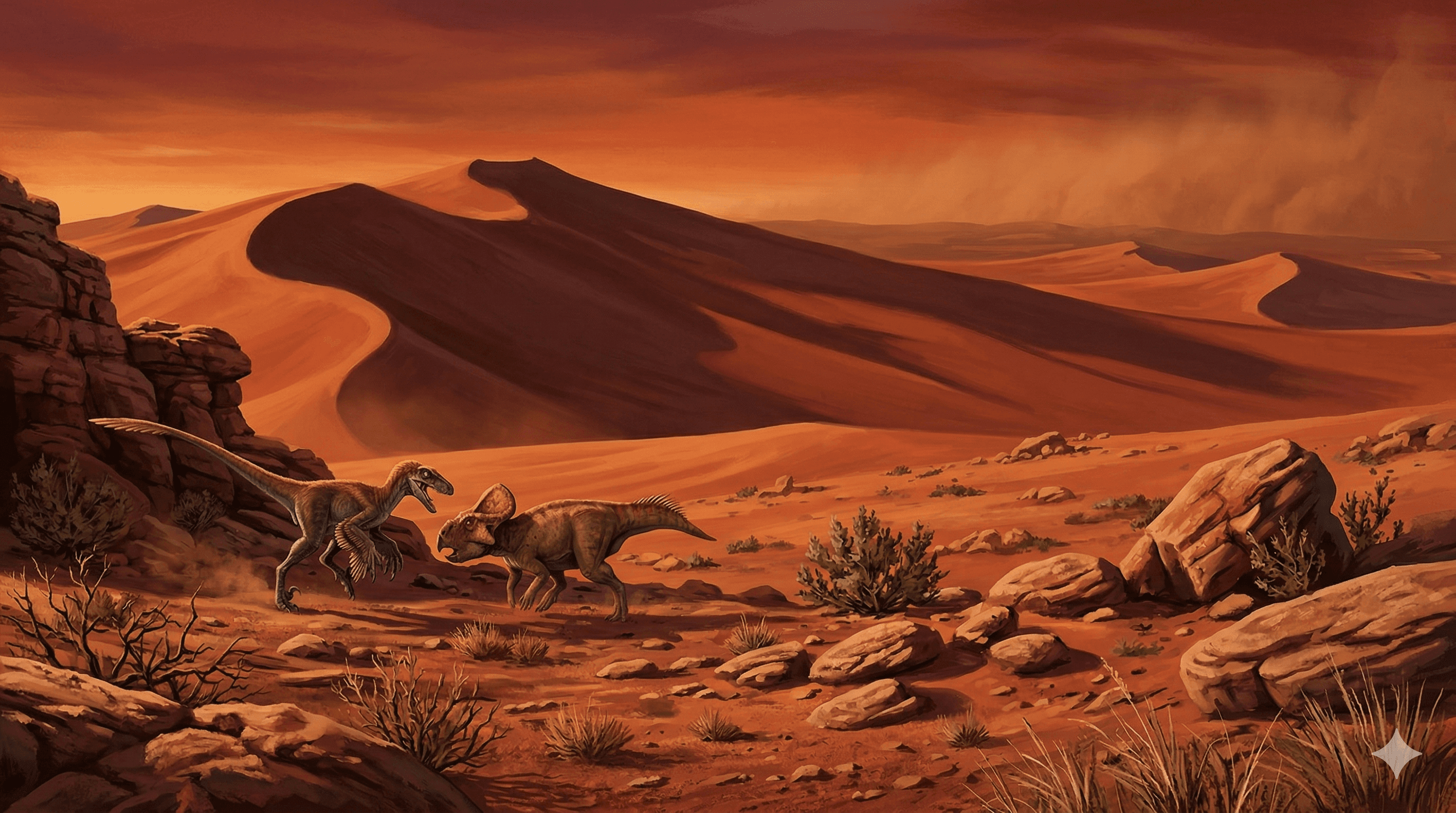
One of the most famous fossils ever found is the 'Fighting Dinosaurs' specimen from Mongolia: a Velociraptor and a Protoceratops locked in combat, buried together in a sudden sandstorm or collapsing sand dune. The Velociraptor's is embedded in the Protoceratops's neck.
Critically, Velociraptor had feathers. — the same attachment points seen on modern birds — have been found on Velociraptor arm bones, confirming it was feathered. It looked far more like a large ground bird than the scaly reptiles depicted in popular culture.
Quick Facts
- Scientific name
- Velociraptor mongoliensis
- Group
- Theropod · Dromaeosauridae
- Lived
- Late Cretaceous, 83.6–66 million years ago
- Diet
- Carnivore
- Movement
- Walked on two legs
- Fossils found in
- Djadochta Formation (Mongolia, China)
- Discovery credited to
- 1923, Peter Kaisen (American Museum of Natural History expedition)
- Holotype
- AMNH 6515 · American Museum of Natural History, New York
- DinoVault record
- DVL-0144
Where fossils were found
Djadochta Formation
Mongolia, China
83.6–66 million years ago(17.6m year span)
Where Velociraptor Roamed
Velociraptor mongoliensis prowled the arid, windswept dune fields and interdune environments of Late Cretaceous Mongolia, a region characterized by a semi-desert climate with seasonal streams and oases that punctuated an otherwise harsh landscape. This interior portion of the Asian landmass, far removed from the ancient Tethys Sea to the south, experienced extreme temperature fluctuations and periodic sandstorms that would ultimately preserve these remarkable predators in exquisite detail.
Keep exploring the vault
Protoceratops
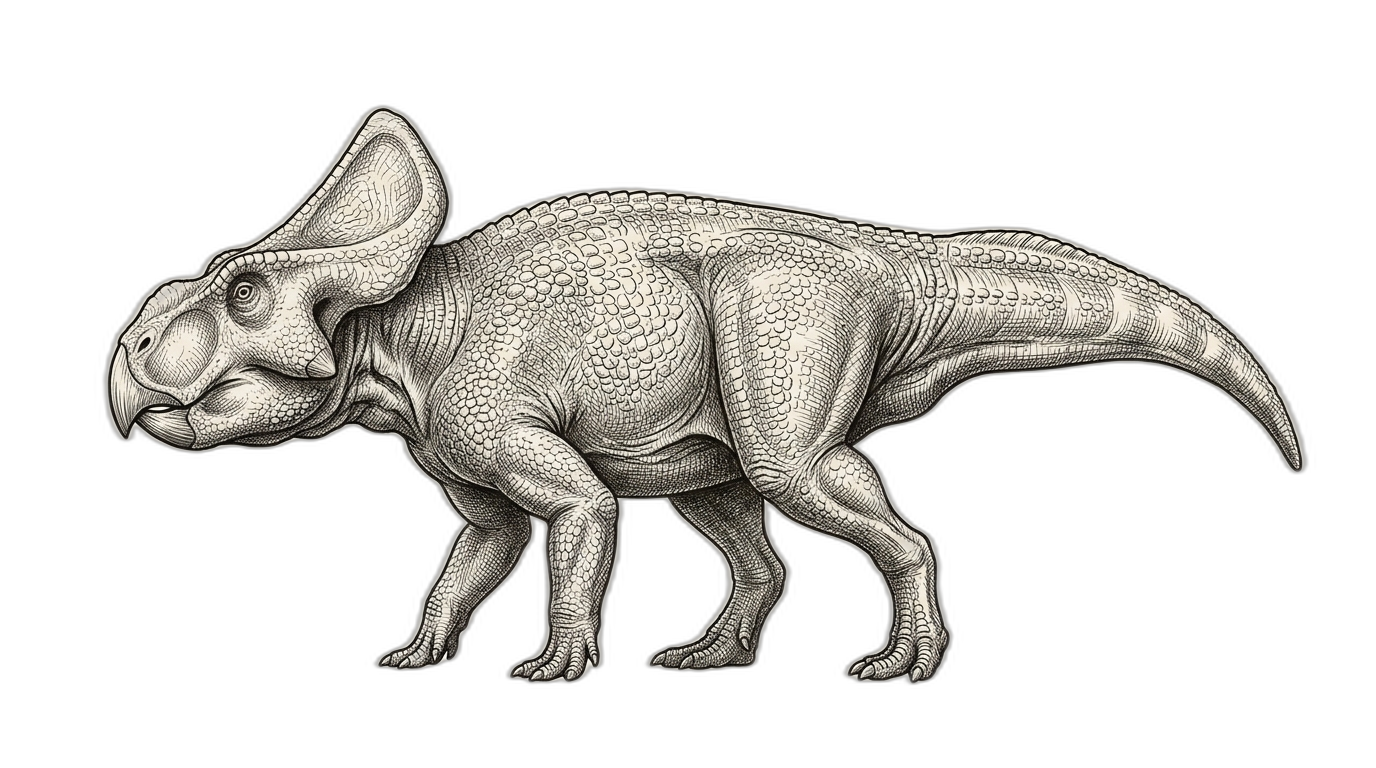
Protoceratops andrewsi
The famous 'Fighting Dinosaurs' fossil (MPC-D 100/512) from the Djadochta Formation preserves a Velociraptor and Protoceratops locked in combat, with the Velociraptor's sickle claw embedded in the Protoceratops' throat region.
Oviraptor
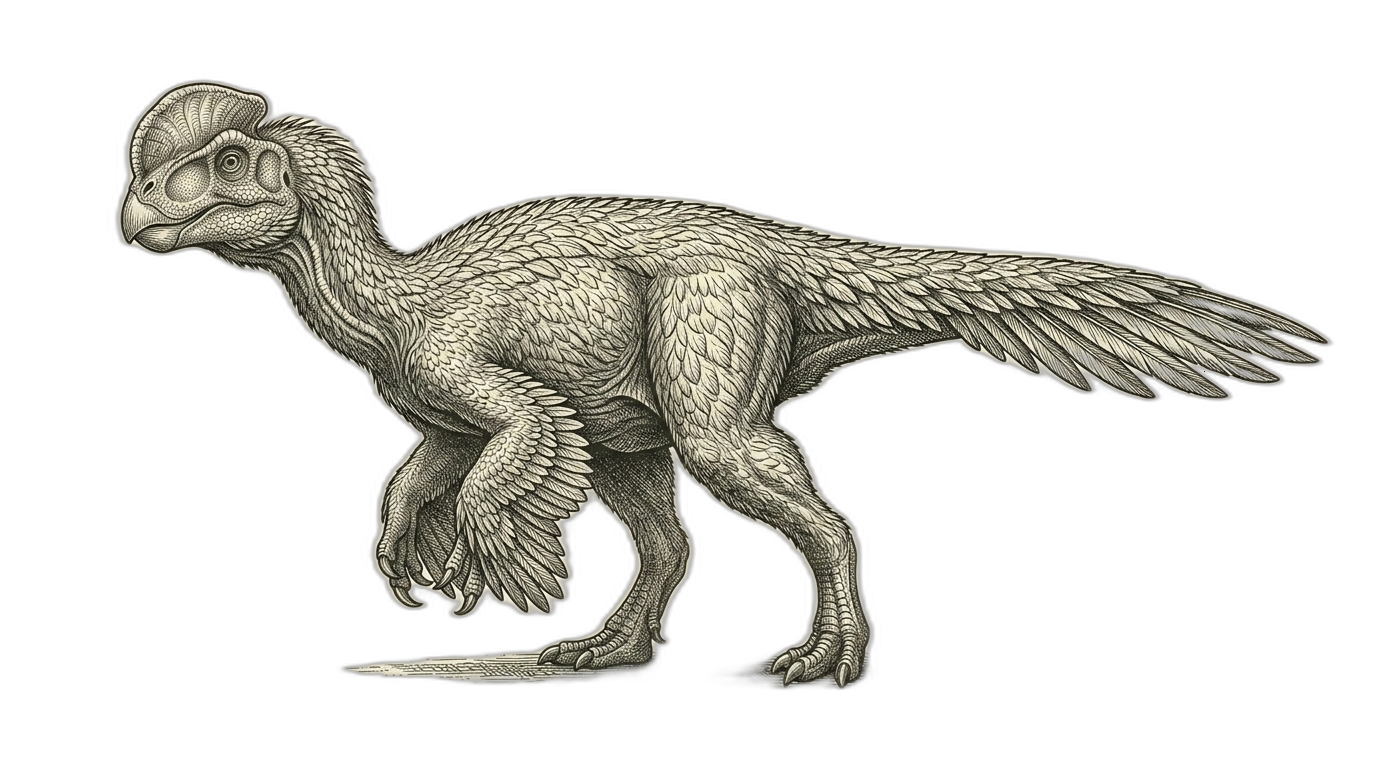
Oviraptor philoceratops
Both Velociraptor and Oviraptor are known from the Djadochta Formation of Mongolia.
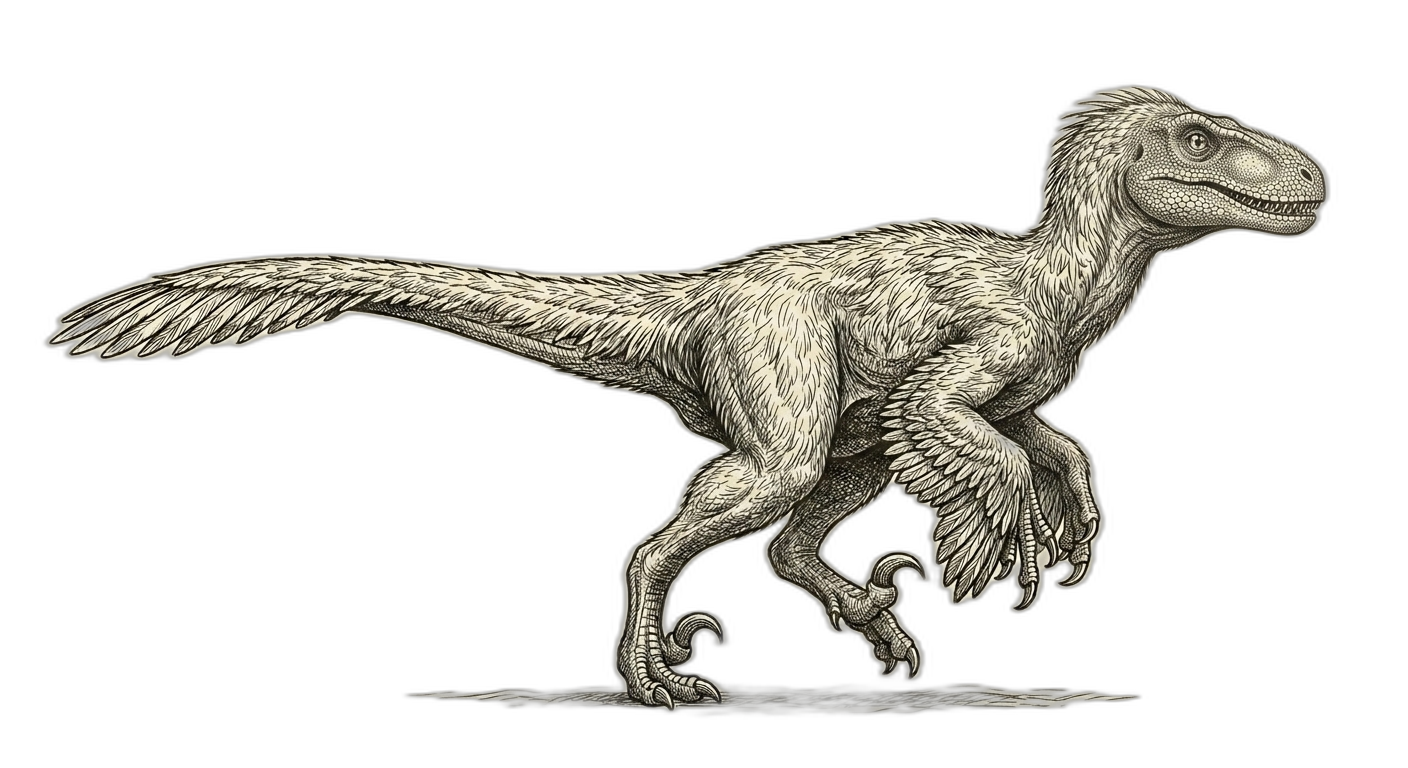
Deinonychus
Deinonychus antirrhopus
Both are dromaeosaurids that independently refined the same predatory toolkit: enlarged sickle-shaped second toe claws, stiffened tails for balance during attacks, and likely similar pack-hunting behaviors.
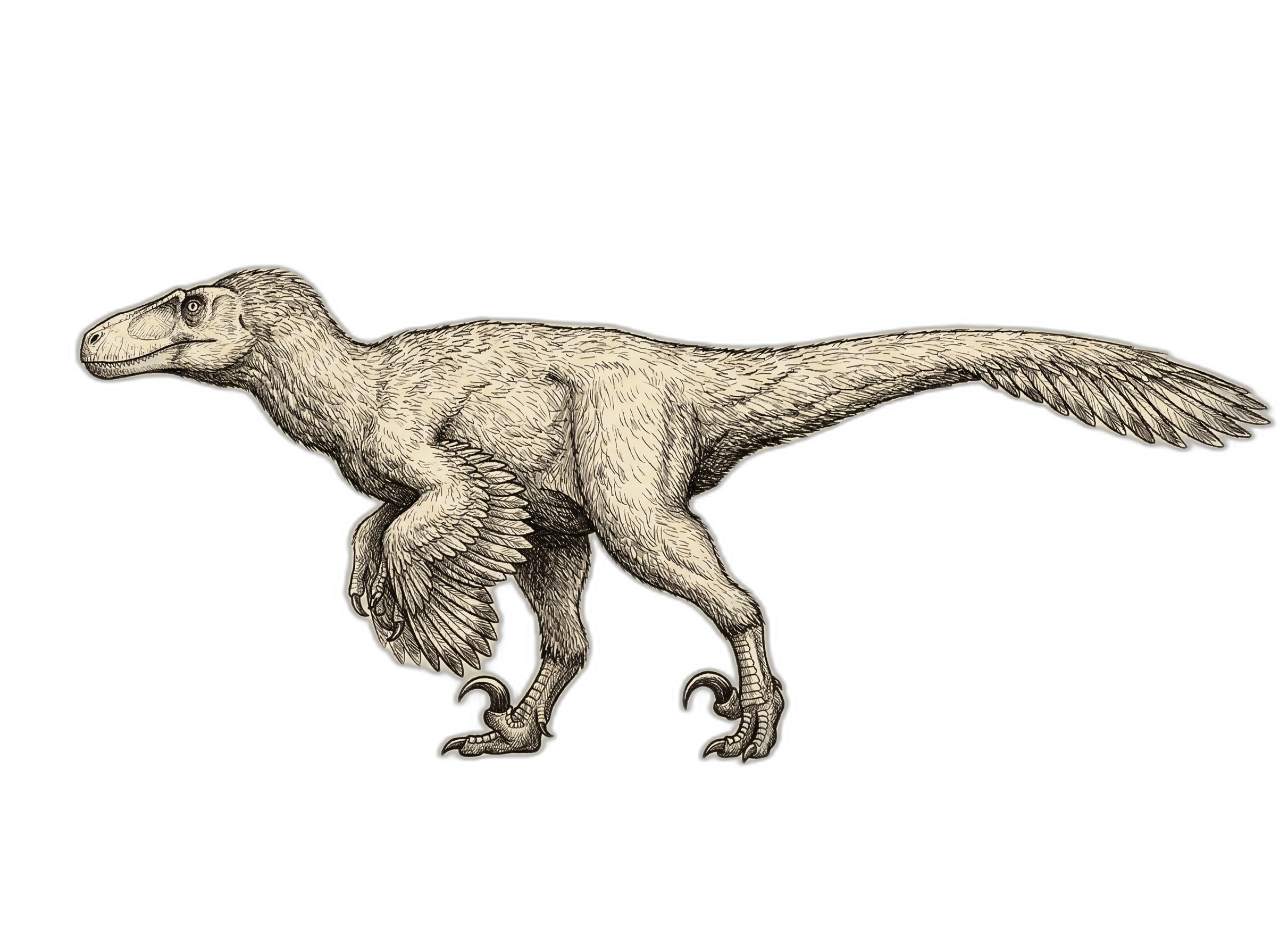
Utahraptor
Utahraptor ostrommaysorum
Same family: Dromaeosauridae
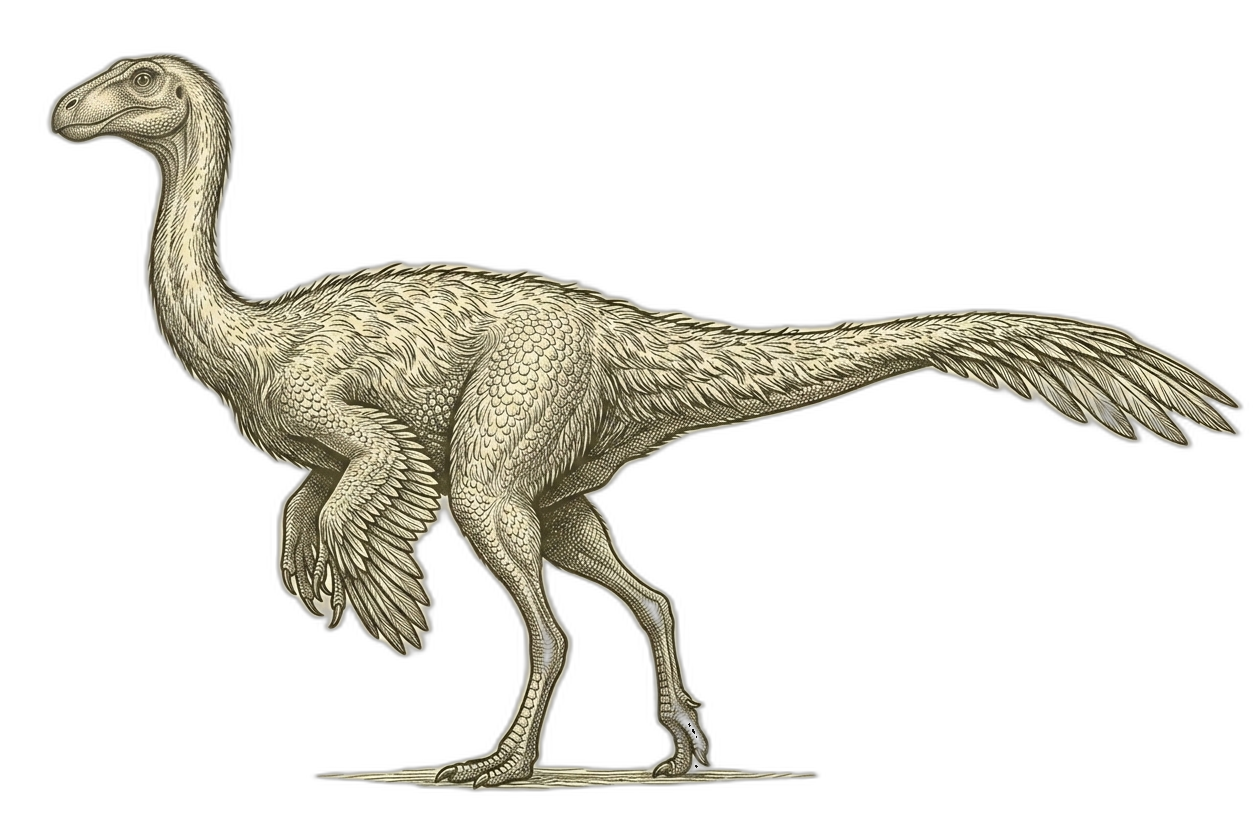
Gallimimus
Gallimimus bullatus
Both species are known from the Nemegt and Djadochta Formations of Late Cretaceous Mongolia, representing contemporaneous theropods with dramatically different hunting strategies and body plans.
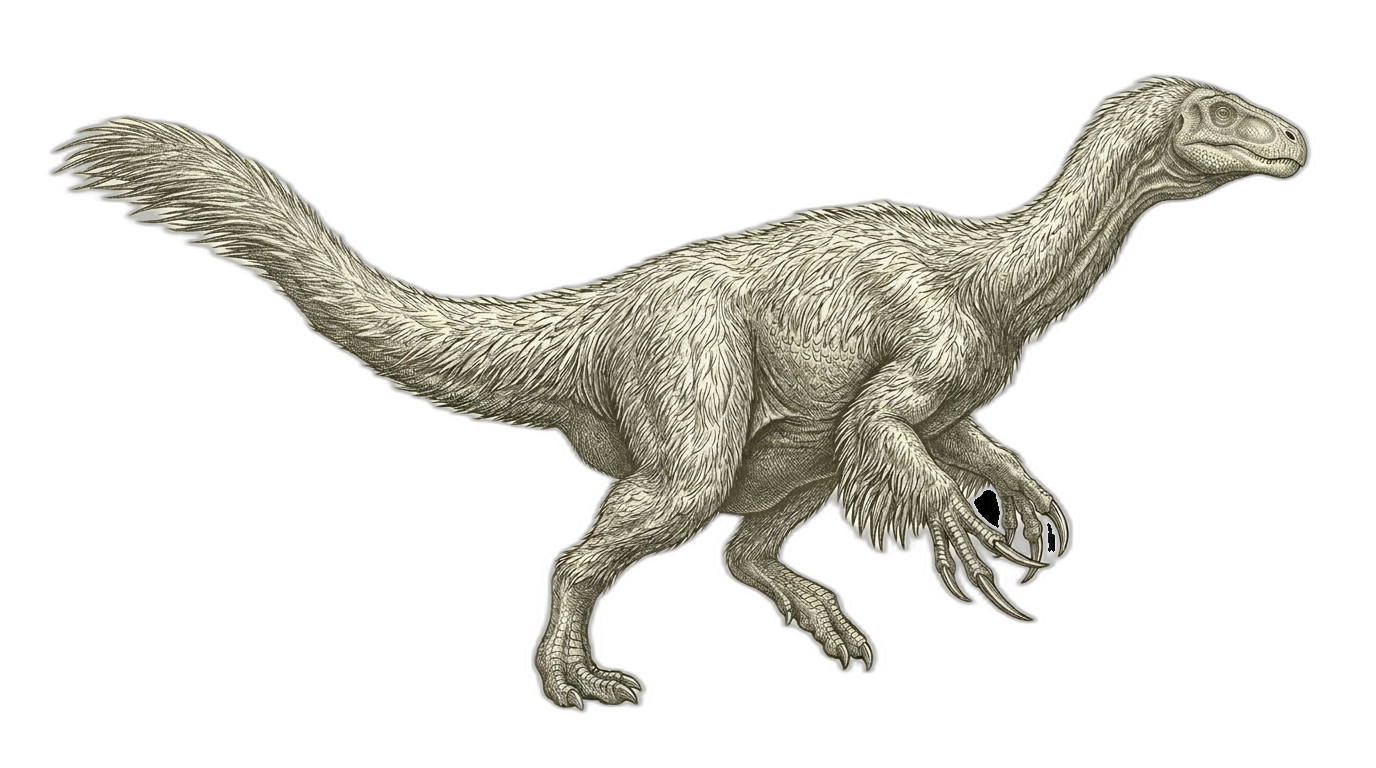
Therizinosaurus
Therizinosaurus cheloniformis
Both Therizinosaurus and Velociraptor are known from the Nemegt Formation of Mongolia, representing the same Late Cretaceous ecosystem approximately 70 million years ago.
Sources & Citation
- Length estimates
- Multiple Djadochta Formation specimens
- Height estimates
- Measured at hip
- Weight estimates
- Turner et al. 2007
- Speed estimates
- Estimated from leg proportions and muscle attachment points