Djadochta Formation
Mongolia, China
Why It Matters
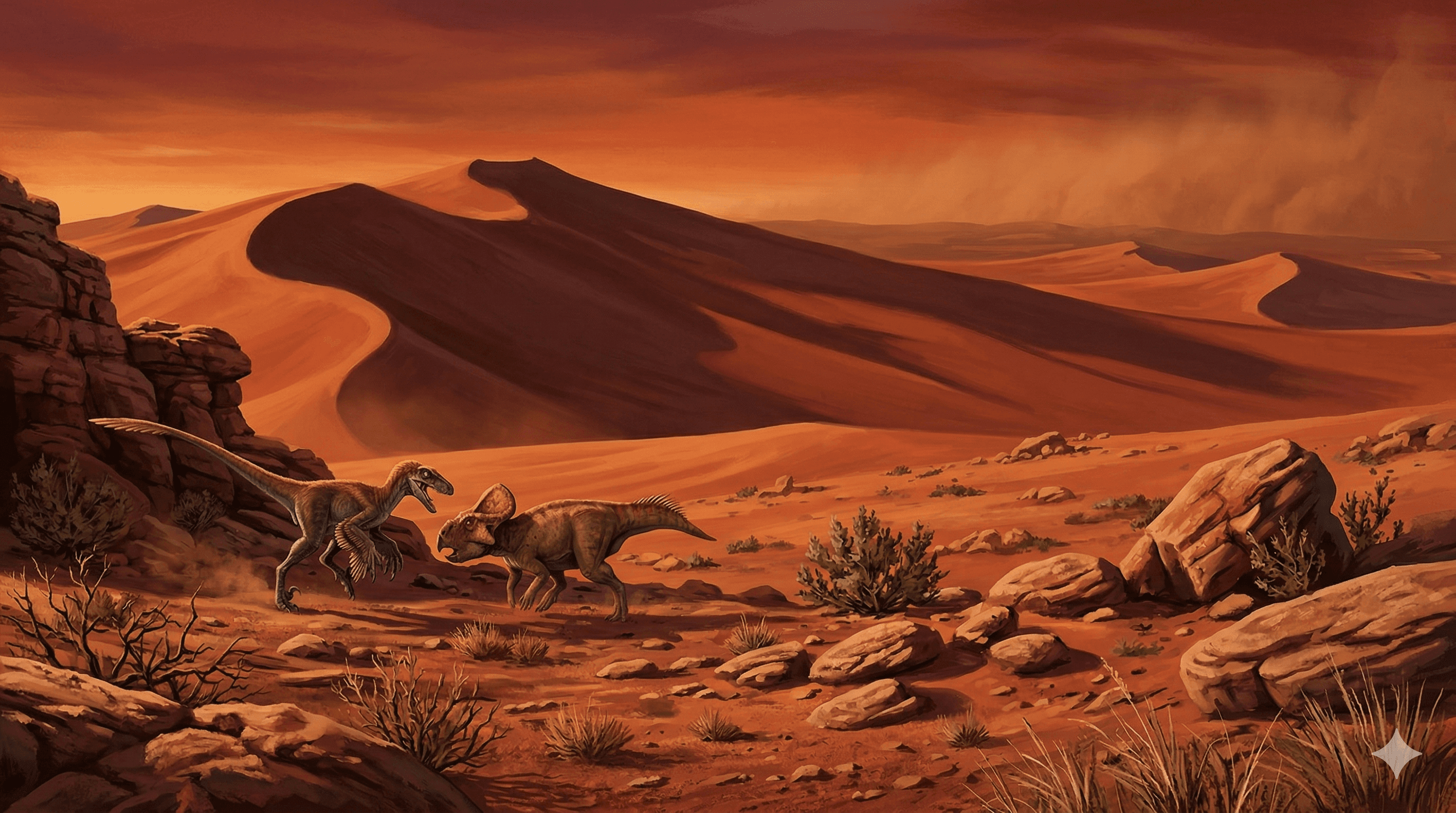
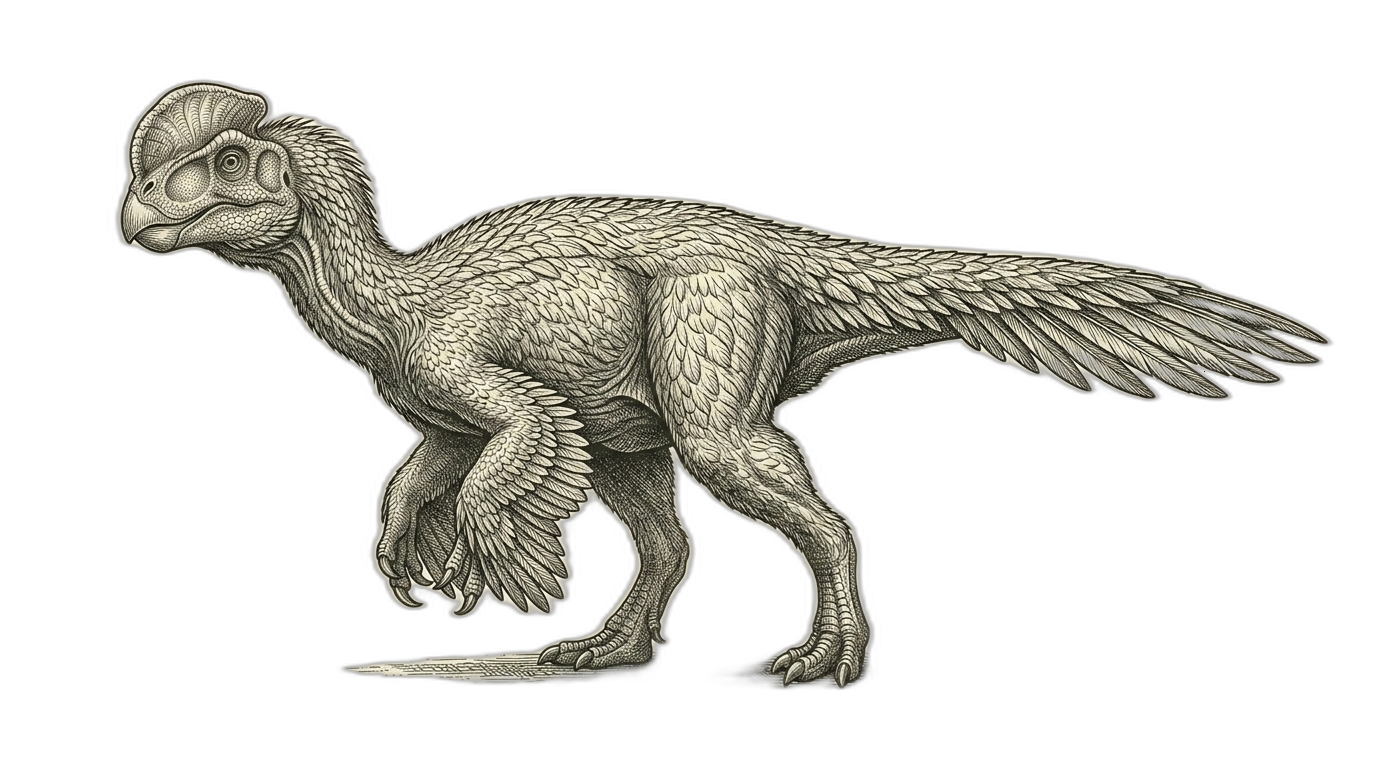
The Djadochta Formation of the Gobi Desert is the most productive Late Cretaceous site in Asia, preserving iconic species like Velociraptor, Protoceratops, and Oviraptor in exquisite desert conditions. It famously produced the 'Fighting Dinosaurs' specimen — a Velociraptor and Protoceratops locked in mortal combat, buried instantly by a collapsing sand dune — one of the most dramatic fossils ever found. The formation provides our best window into the dinosaur communities of Late Cretaceous Asia.
How Fossils Survived
Deposited in an ancient desert environment of sand dunes, interdune flats, and ephemeral stream channels, the Djadochta's (wind-blown) sandstones preserve remarkably complete skeletons buried by sudden dune collapse. The rapid burial in sand — sometimes within hours — prevents scavenging and disarticulation, creating perfect three-dimensional specimens with bones in life position. The same conditions that made the ancient Gobi harsh also made it an exceptional fossil archive.
Discovery History
American Museum of Natural History expeditions led by Roy Chapman Andrews criss-crossed the Gobi Desert in the 1920s in camel caravans and Ford automobiles, becoming the first Westerners to systematically collect Djadochta fossils. Andrews's teams found the first dinosaur eggs (mistakenly attributed to Protoceratops rather than Oviraptor), named Velociraptor, and opened Central Asia to paleontology. Joint Mongolian-American and Mongolian-Polish expeditions continued the work through the 20th century.
Dinosaurs in the Vault
3 species in our database · sorted by size
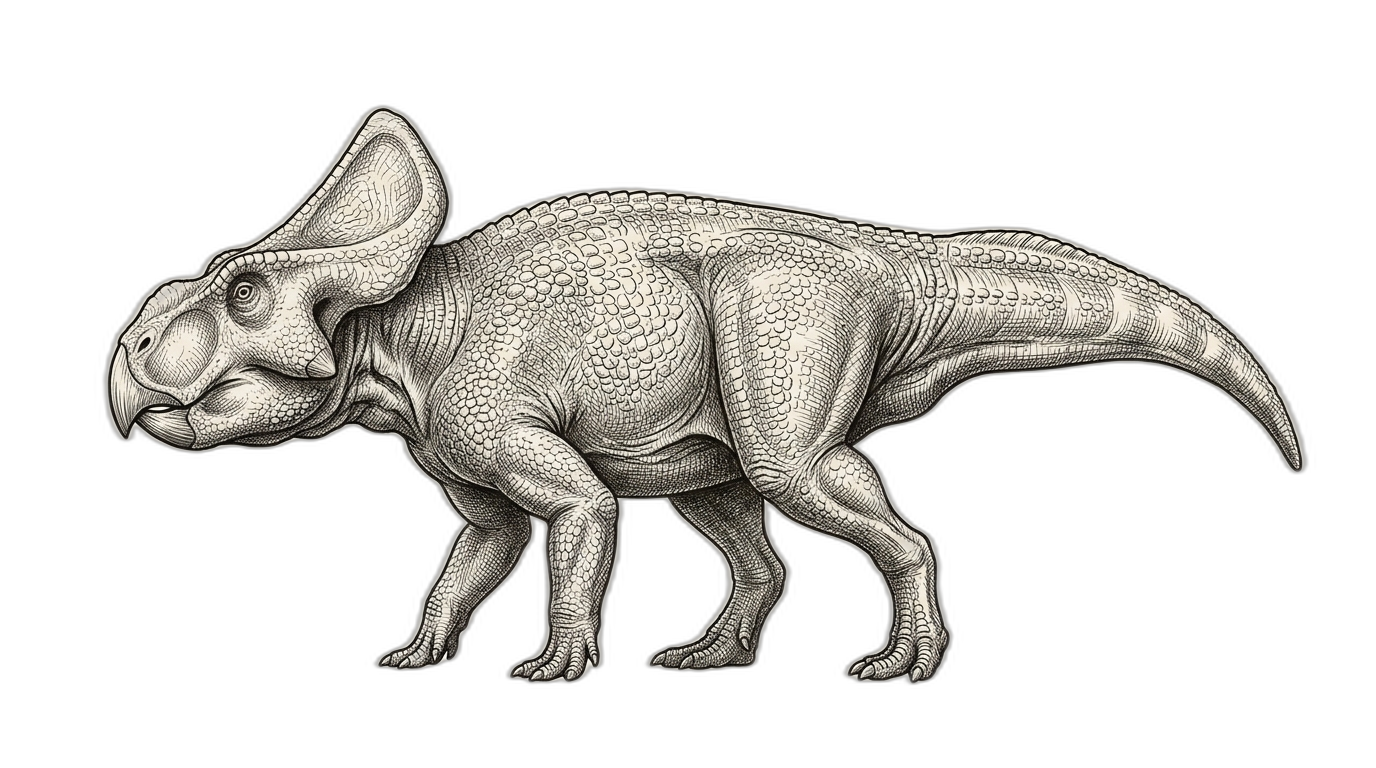
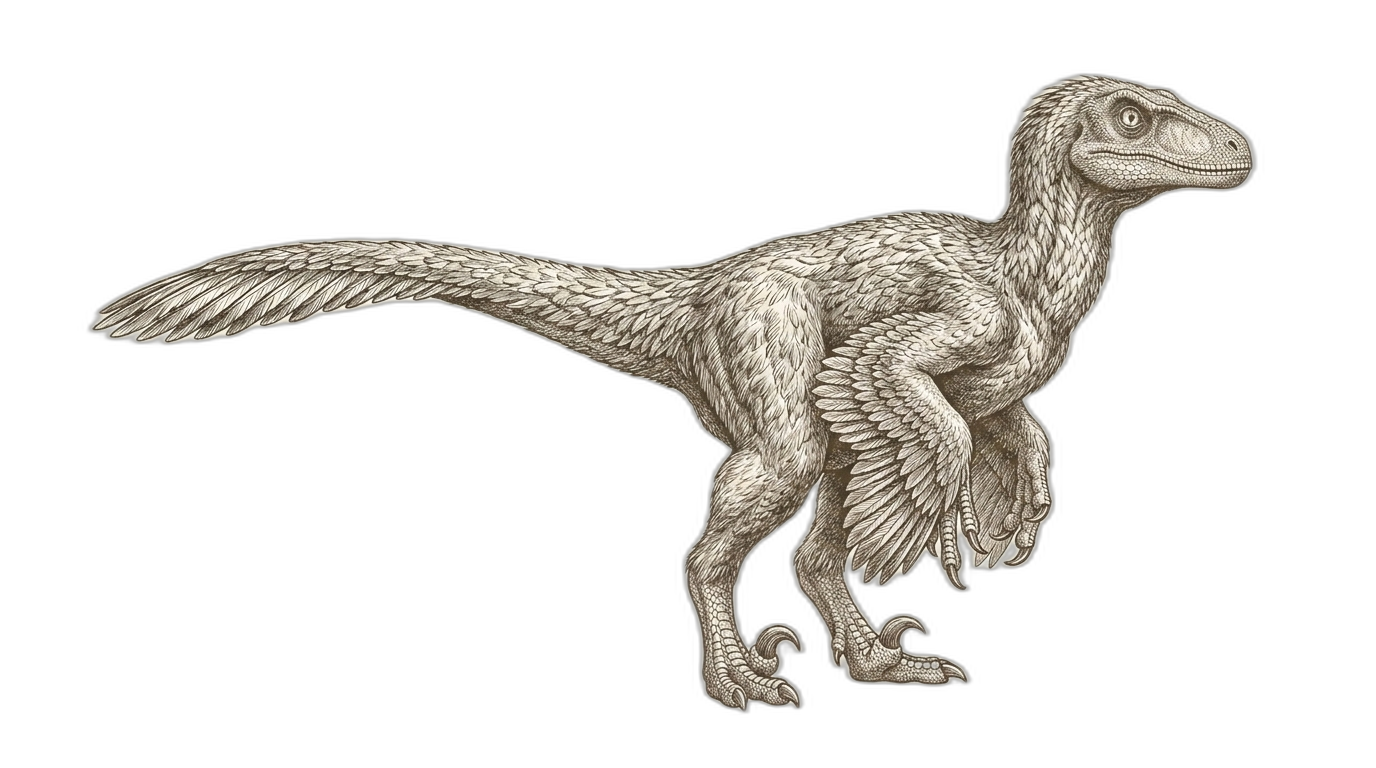
- The 'Fighting Dinosaurs' specimen shows a Velociraptor with its sickle claw embedded in the throat of a Protoceratops, and the Protoceratops biting the Velociraptor's arm — a battle frozen 74 million years ago.