About
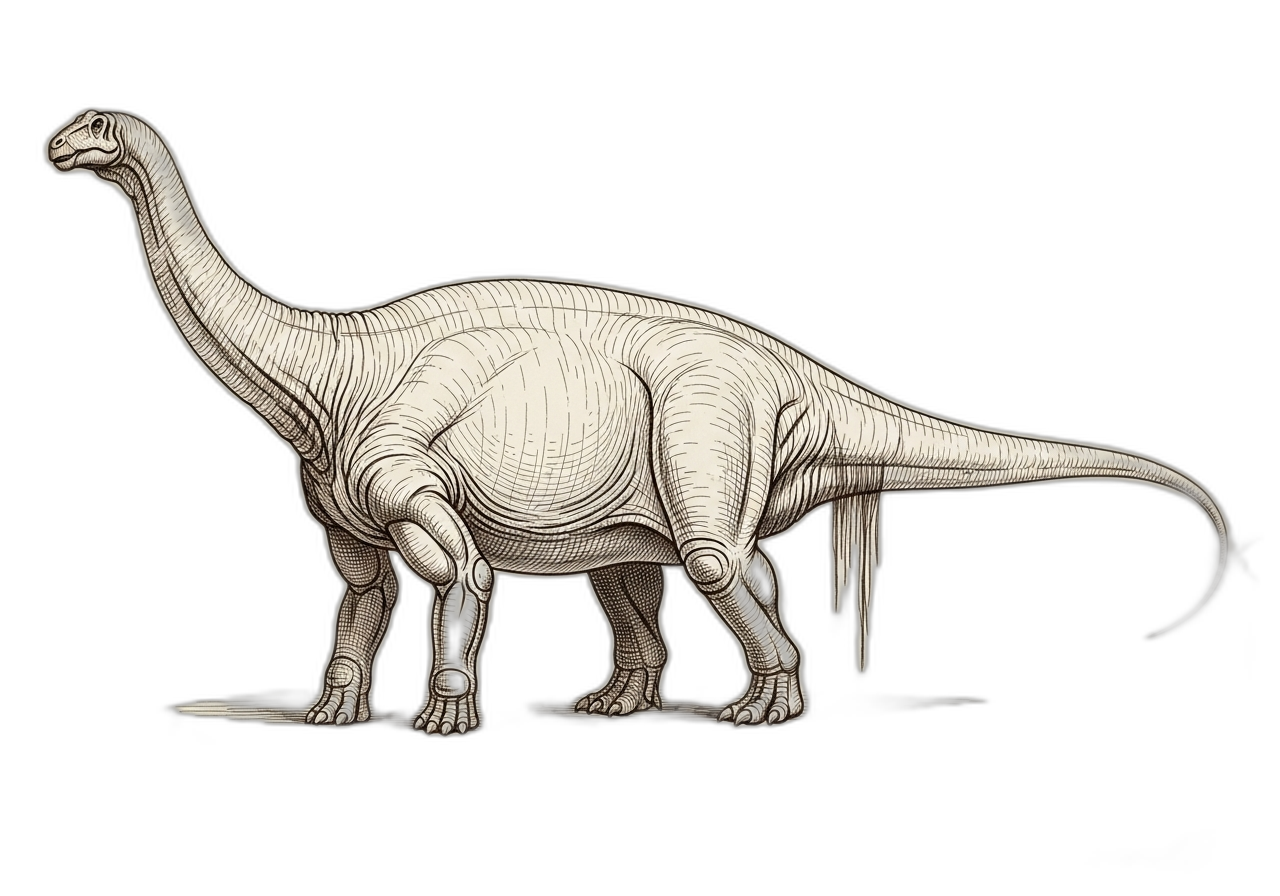
Dreadnoughtus schrani was a colossal titanosaurian that roamed what is now Argentina during the Late Cretaceous period, approximately 77 million years ago. Named after the early 20th century battleships called "dreadnoughts" (meaning "fears nothing"), this massive herbivore earned its intimidating name through sheer size — an adult Dreadnoughtus would have had no natural predators capable of threatening it.
The discovery of Dreadnoughtus represents a paleontological milestone. Two partial skeletons were excavated from the Cerro Fortaleza Formation in Santa Cruz Province, Argentina, between 2005 and 2009 by a team led by Kenneth Lacovara. The specimen preserves over 70% of the types of bones in the skeleton (excluding the skull), making it the most complete giant ever found. This exceptional preservation allows scientists to make unusually confident estimates about its size and proportions.
What makes Dreadnoughtus particularly remarkable is that the type specimen was still growing when it died. Analysis of bone microstructure reveals that this individual — already measuring 26 meters long and weighing an estimated 48-49 metric tons — had not yet reached full maturity. We may never know just how large a fully grown Dreadnoughtus could become.
Dreadnoughtus possessed the classic titanosaur body plan: a long neck for reaching vegetation, a barrel-shaped torso housing an enormous digestive system, and a lengthy tail for counterbalance. Its robust limb bones, particularly the and humerus, reveal the structural adaptations necessary to support such tremendous weight on land.
Quick Facts
- Scientific name
- Dreadnoughtus schrani
- Group
- Sauropodomorph · Titanosauridae
- Lived
- Late Cretaceous, 83.6–72.2 million years ago
- Diet
- Herbivore
- Movement
- Walked on four legs
- Fossils found in
- Cerro Fortaleza Formation (Santa Cruz Province, Argentina)
- Discovery credited to
- 2005, Kenneth Lacovara
- Holotype
- MPM-PV 1156 · Museo Padre Molina, Río Gallegos
- DinoVault record
- DVL-0045
Where fossils were found
Cerro Fortaleza Formation
Santa Cruz Province · Argentina
83.6–72.2 million years ago(11.4m year span)
Where Dreadnoughtus Roamed
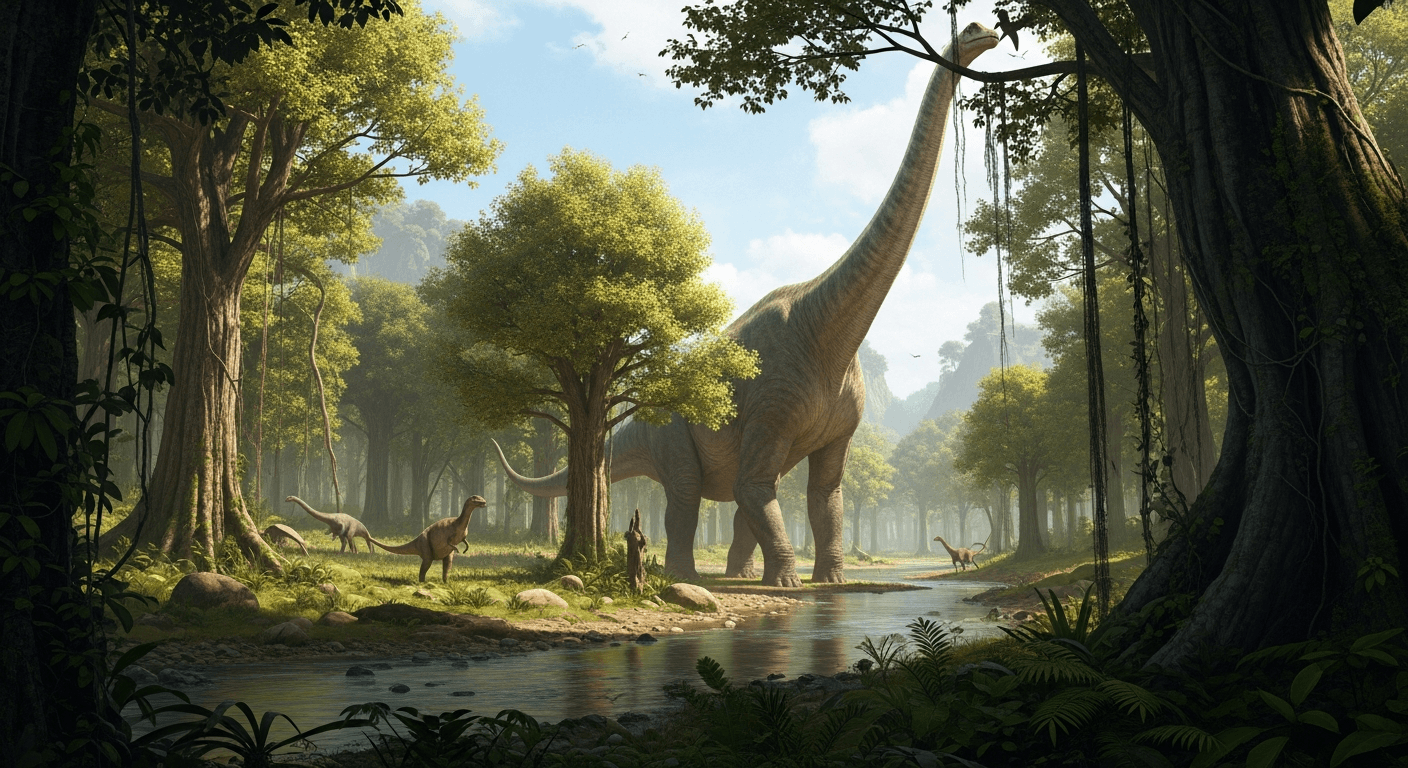
During the late Cretaceous period, Dreadnoughtus schrani roamed the temperate forests of southern Patagonia, then part of the fragmenting supercontinent Gondwana, where a humid, seasonal climate supported lush vegetation along river floodplains that would eventually become Argentina's Santa Cruz Province.
Keep exploring the vault
Patagotitan
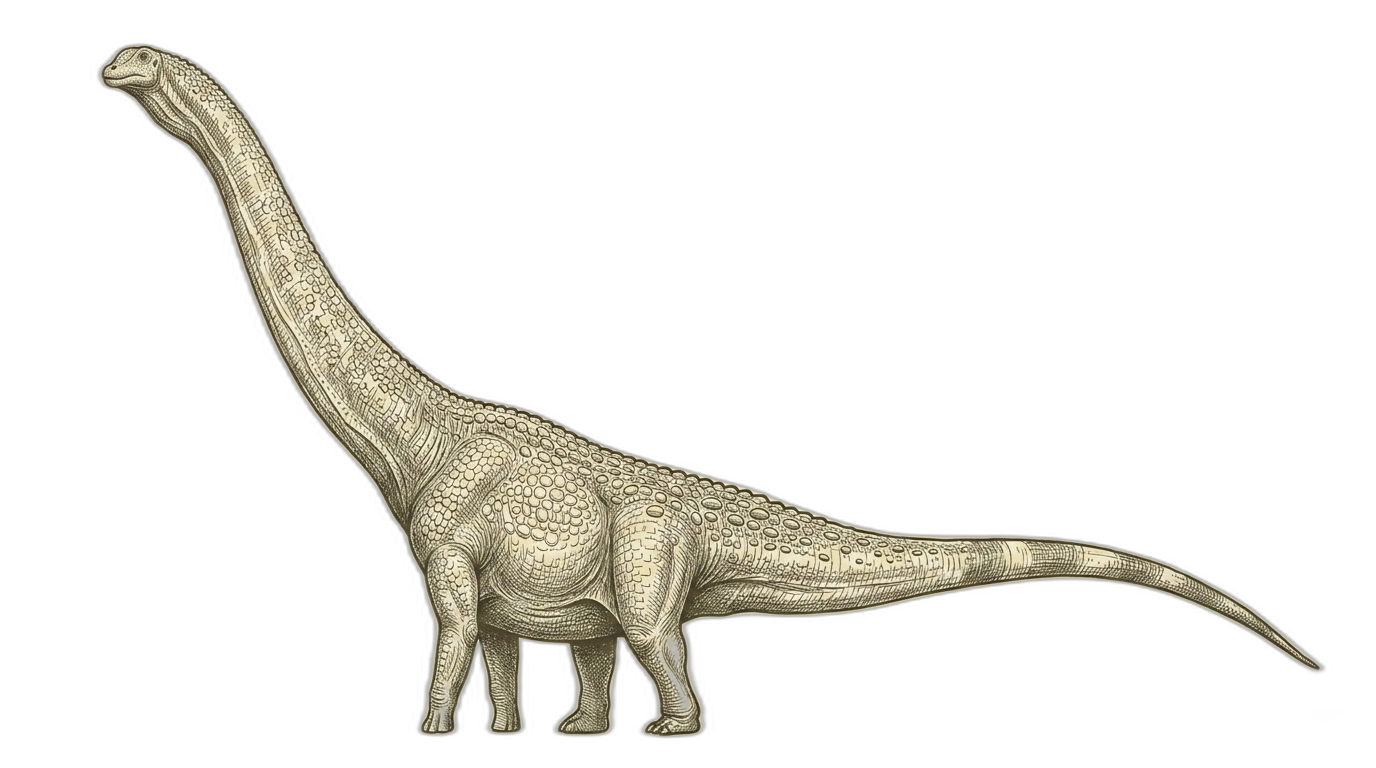
Both are giant titanosaurid sauropods from Patagonia during the Late Cretaceous, representing the largest land animals of their ecosystem.
Saltasaurus
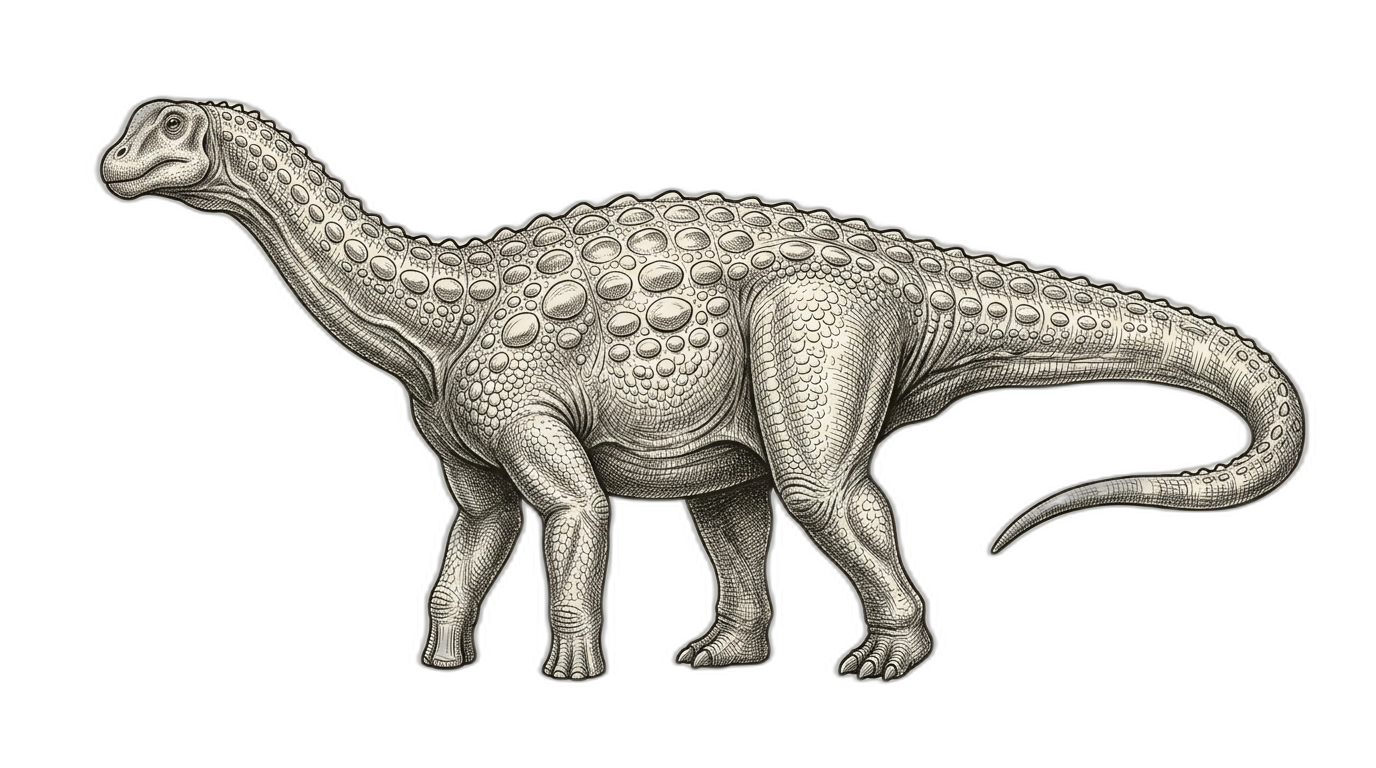
Saltasaurus loricatus
Both are South American titanosaurs that independently evolved extreme gigantism and similar body plans during the Late Cretaceous.
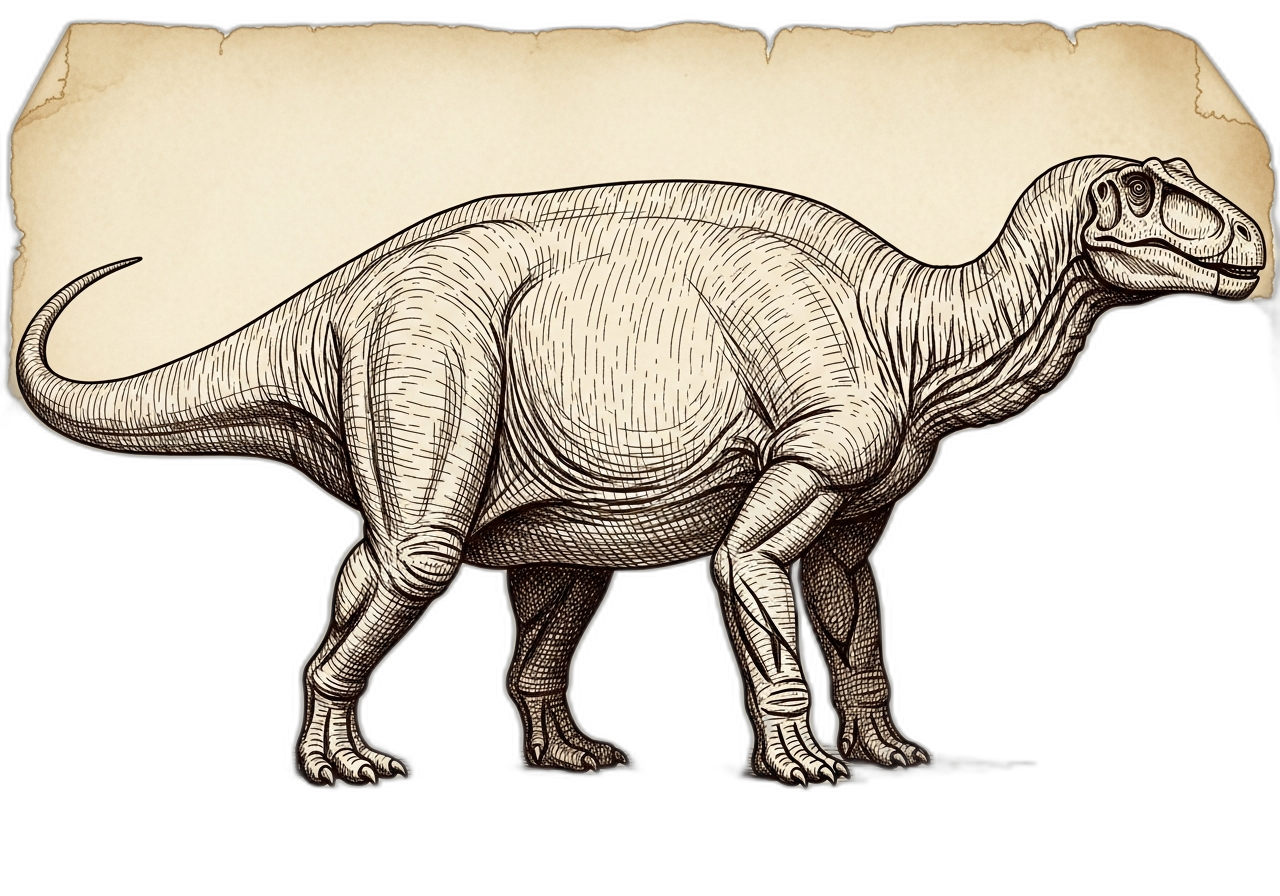
Argentinosaurus
Argentinosaurus huinculensis
Both represent the titanosaurid push toward extreme gigantism in South America.
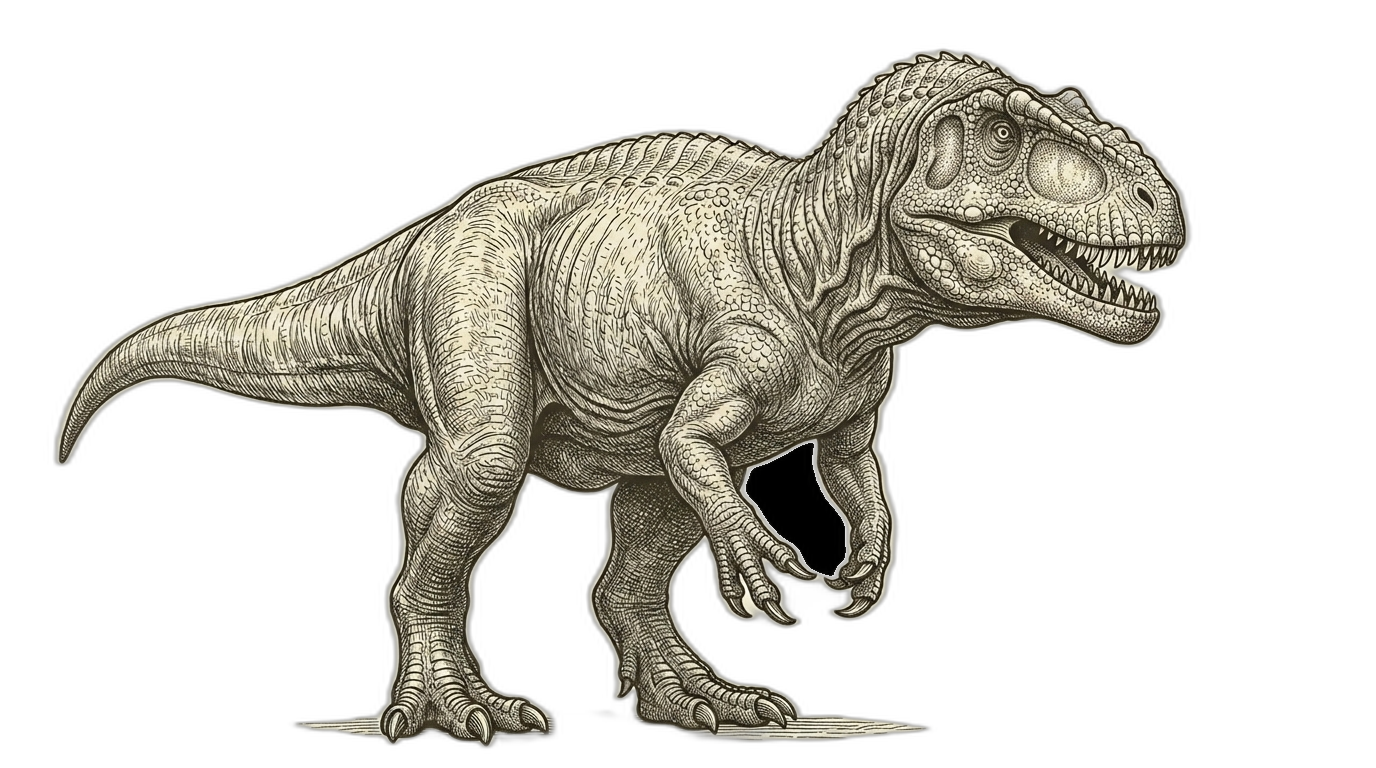
Giganotosaurus
Giganotosaurus carolinii
Both lived in Late Cretaceous Argentina, though Giganotosaurus is slightly older (~99-97 mya).
Sources & Citation
- Length estimates
- Lacovara et al. 2014; based on exceptionally complete holotype
- Height estimates
- Estimated shoulder height from limb proportions; Lacovara et al. 2014
- Weight estimates
- Lacovara et al. 2014 (original 59t); revised estimates by Bates et al. 2015 suggest lower mass
- Speed estimates
- Extrapolated from general sauropod locomotion studies; no direct evidence