About
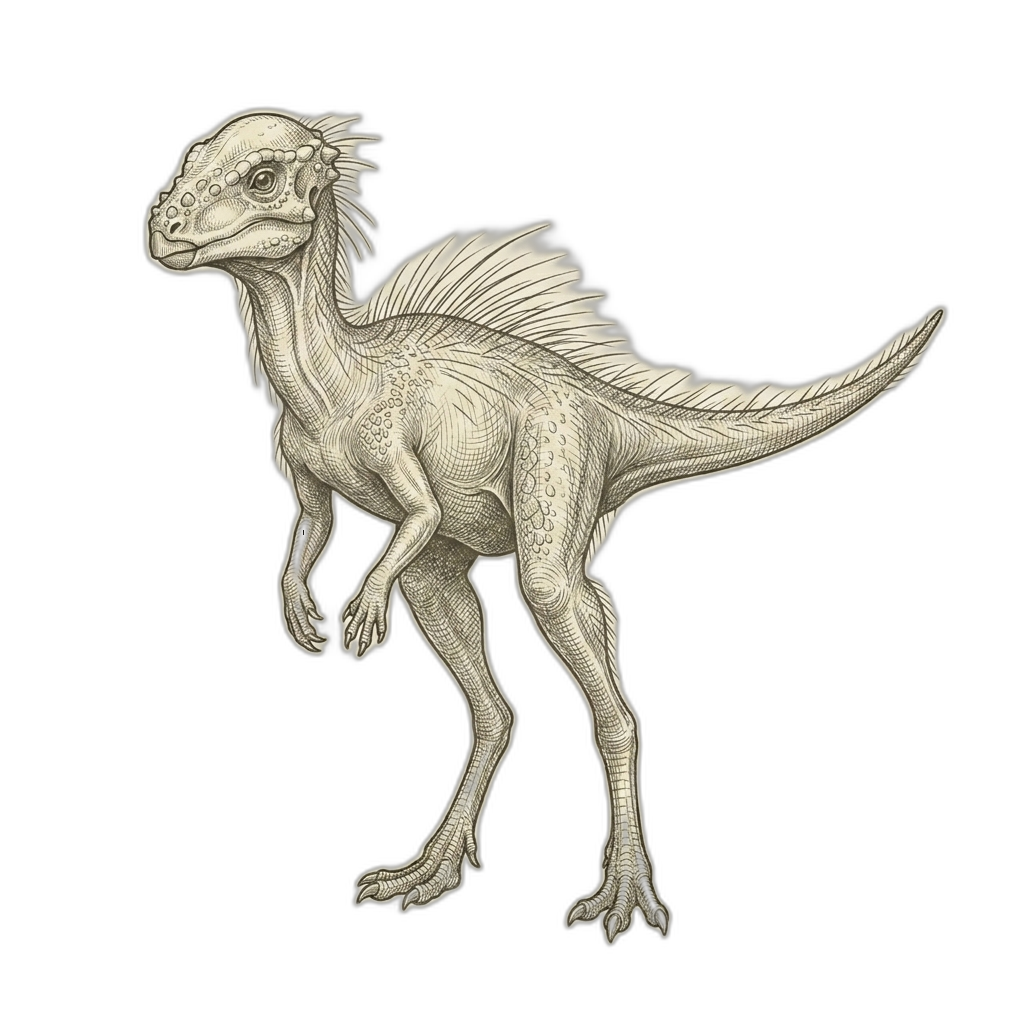
Wannanosaurus yansiensis represents a fascinating glimpse into the early stages of evolution. Discovered in Anhui Province, China, this diminutive dinosaur measured barely 60 centimeters in length, making it one of the smallest pachycephalosaurs ever found. Unlike its more famous relatives such as Pachycephalosaurus, Wannanosaurus possessed only a flat, slightly thickened skull roof rather than a fully developed dome, suggesting it may represent a primitive condition within the group or possibly a juvenile specimen.
The consists of remains including a partial skull roof, lower jaw, and limb elements. The skull shows a distinctive flat-topped cranium with a slightly roughened surface texture, quite different from the pronounced domes seen in later pachycephalosaurs. Its teeth were small and leaf-shaped, typical of herbivorous ornithischians adapted for processing plant material.
As a herbivore, Wannanosaurus likely foraged for low-growing vegetation in the subtropical forests of Late Cretaceous China. Its small size would have made it vulnerable to predators, suggesting it relied on speed and agility for survival. The discovery of Wannanosaurus was significant for demonstrating that pachycephalosaurs existed in Asia and showing the morphological diversity within this distinctive dinosaur group. It remains an important for understanding pachycephalosaur origins, though its exact position continues to be debated.
Quick Facts
- Scientific name
- Wannanosaurus yansiensis
- Group
- Pachycephalosaur · Pachycephalosauridae
- Lived
- Late Cretaceous, 80–72 million years ago
- Diet
- Herbivore
- Movement
- Walked on two legs
- Fossils found in
- Wangshi Formation (Shandong, China)
- Discovery credited to
- 1977, Lian-Hai Hou
- Holotype
- IVPP V4447, Institute of Vertebrate Paleontology and Paleoanthropology, Beijing
- DinoVault record
- DVL-0146
Where fossils were found
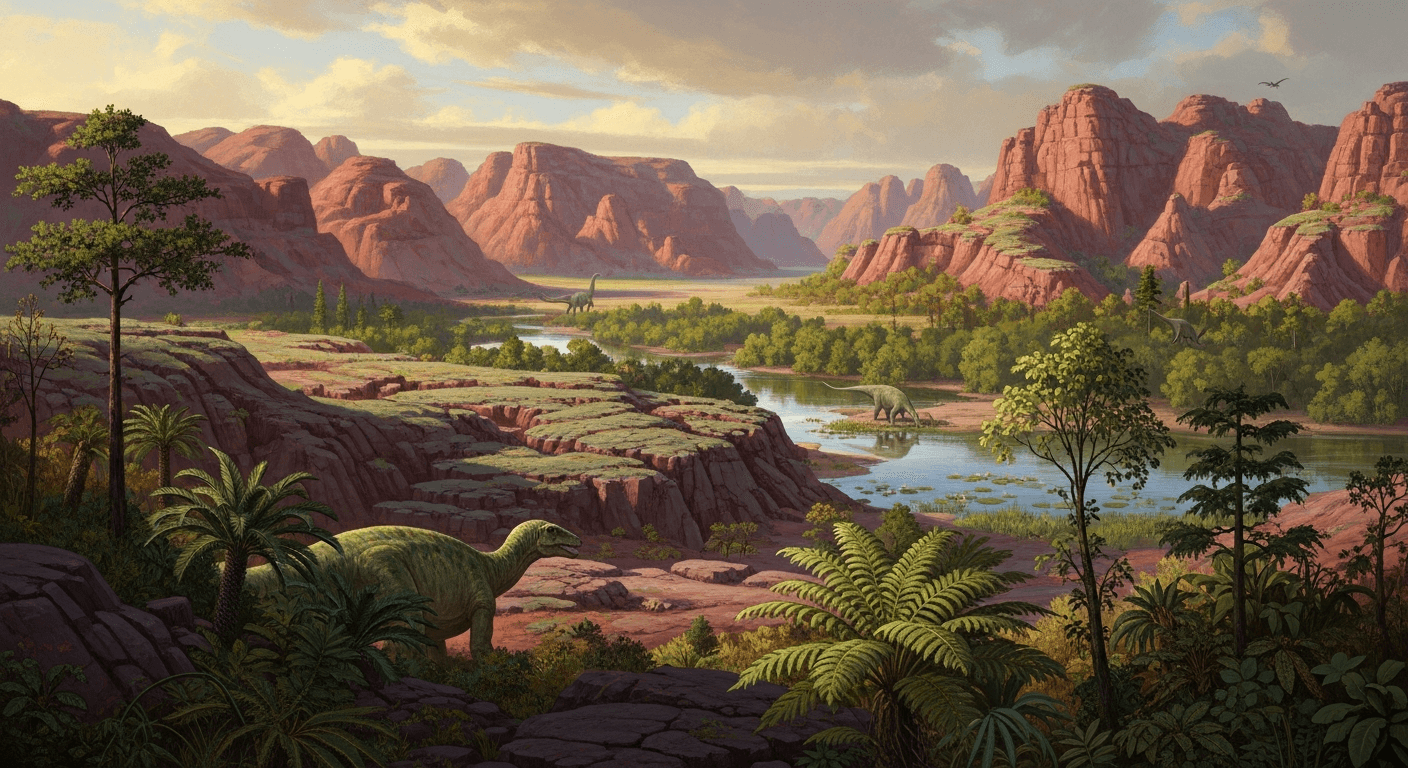
Wangshi Formation
Shandong · China
80–72 million years ago(8m year span)
Where Wannanosaurus yansiensis Roamed
During the Late Cretaceous, approximately 76 million years ago, this region of what is now south-central China lay along the eastern margins of the vast Asian landmass, characterized by a warm, humid subtropical climate with seasonal monsoons and lush river valleys nestled among forested uplands far from the retreating Tethys Sea to the west.
Keep exploring the vault
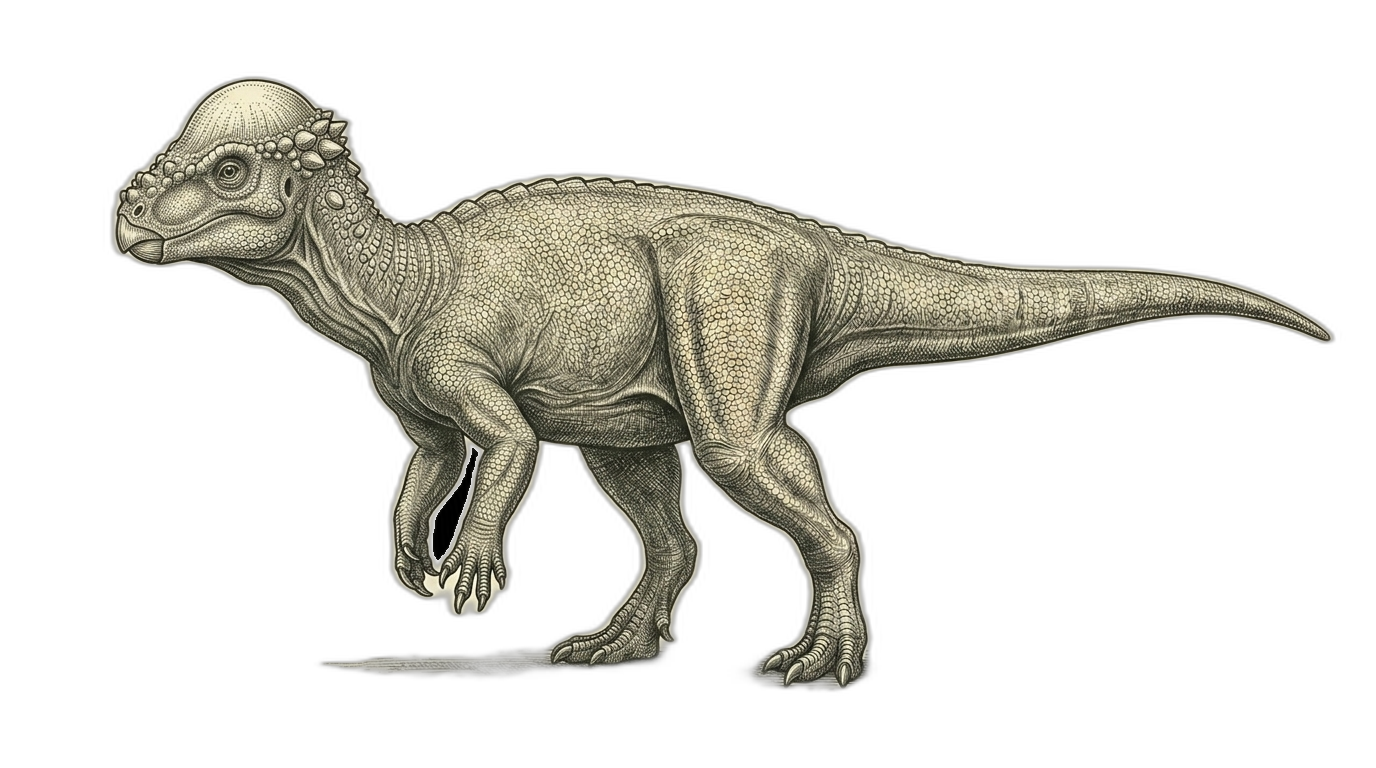
Pachycephalosaurus
Pachycephalosaurus wyomingensis
Both are pachycephalosaurids with thickened skull roofs, representing the same evolutionary experiment in dome-headed display/combat structures, though Wannanosaurus is more primitive with a flatter dome.
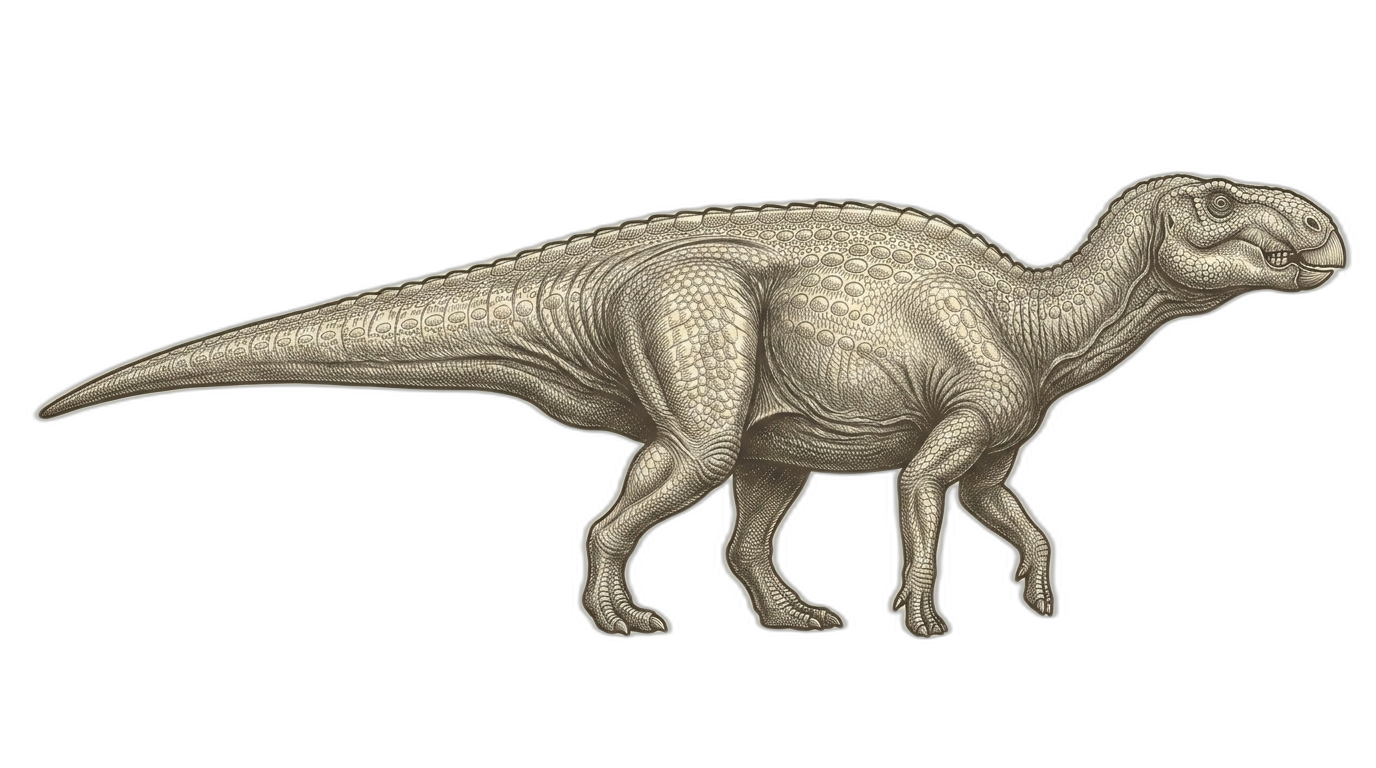
Shantung Lizard
Shantungosaurus giganteus
Both species are found in the Wangshi Formation of Late Cretaceous China, representing dramatically different herbivore niches in the same ecosystem.
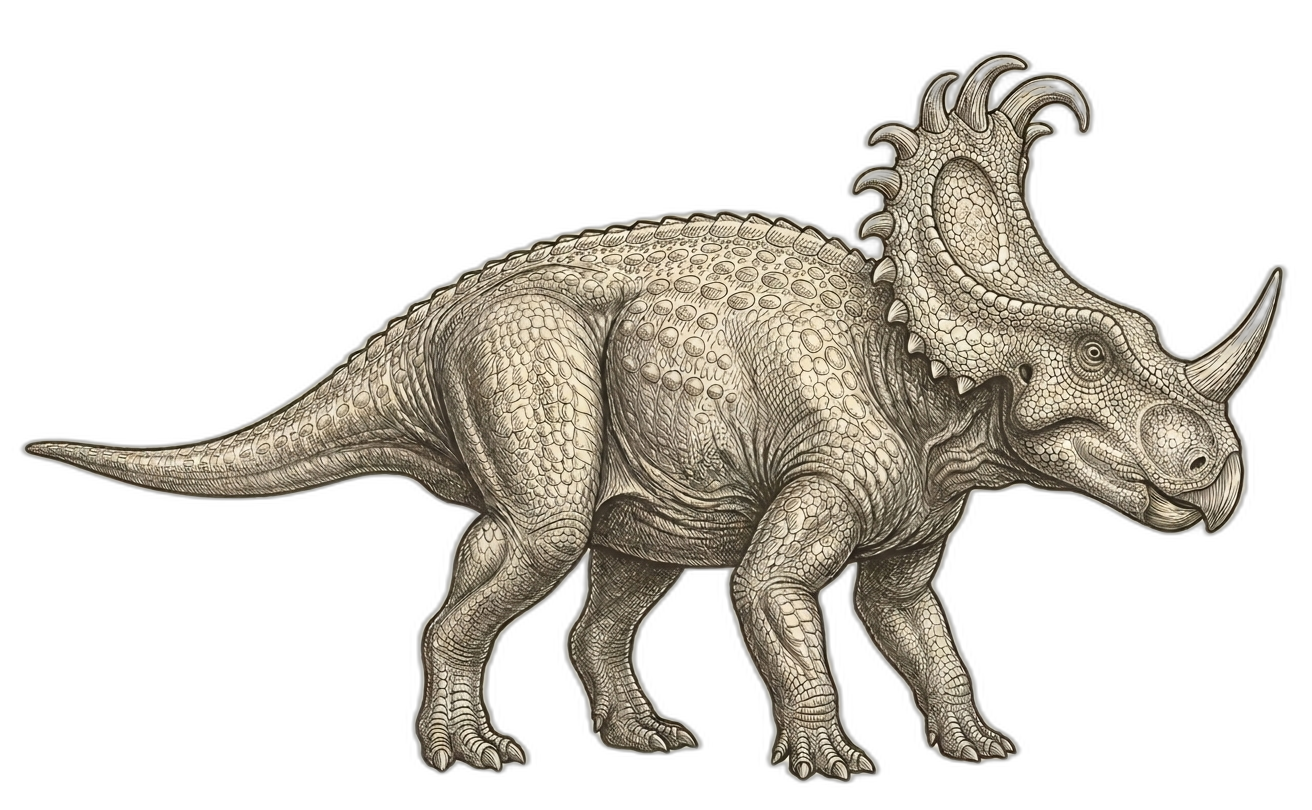
Sinoceratops
Sinoceratops zhuchengensis
Co-occurrence in the Wangshi Formation demonstrates these two ornithischians shared the same Late Cretaceous Chinese ecosystem.
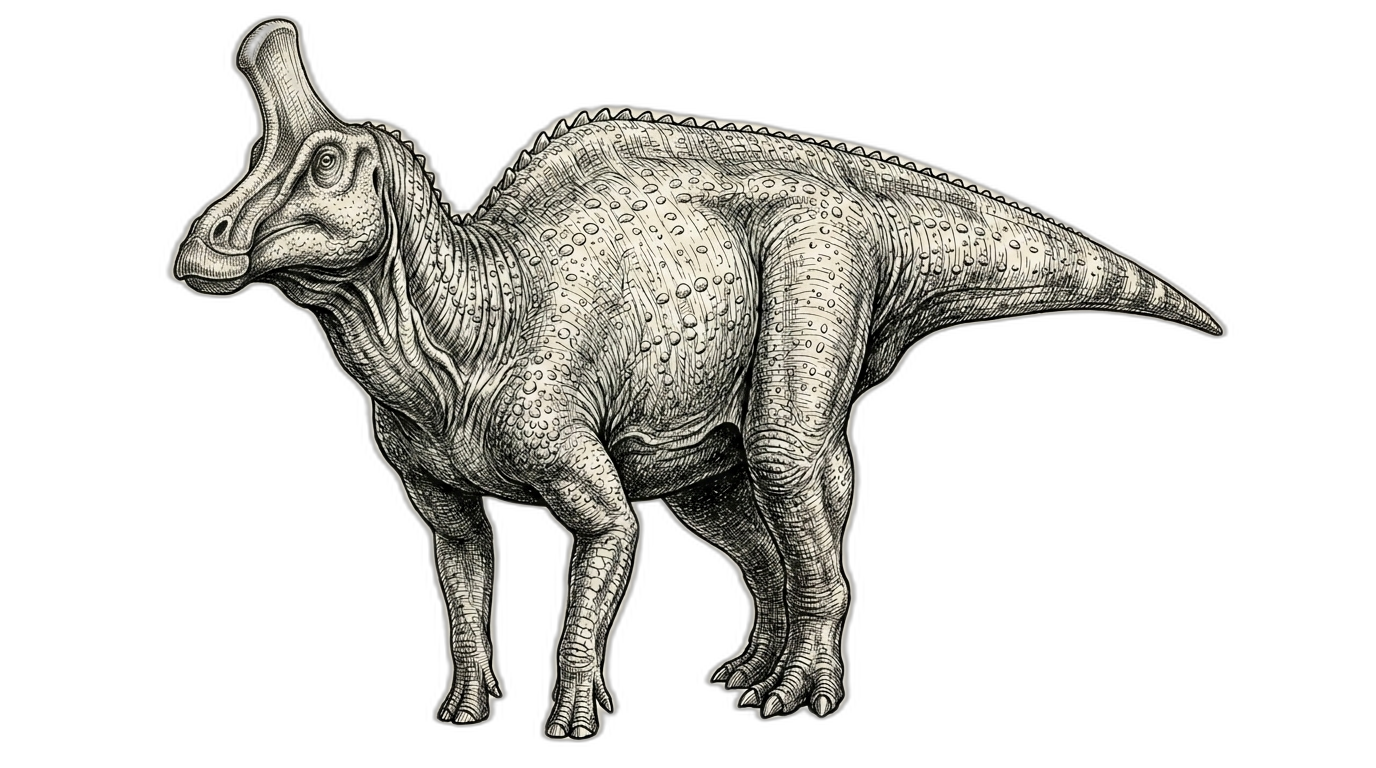
Tsintaosaurus
Tsintaosaurus spinorhinus
Both recovered from the Wangshi Formation, representing the herbivore community of Late Cretaceous Shandong Province.
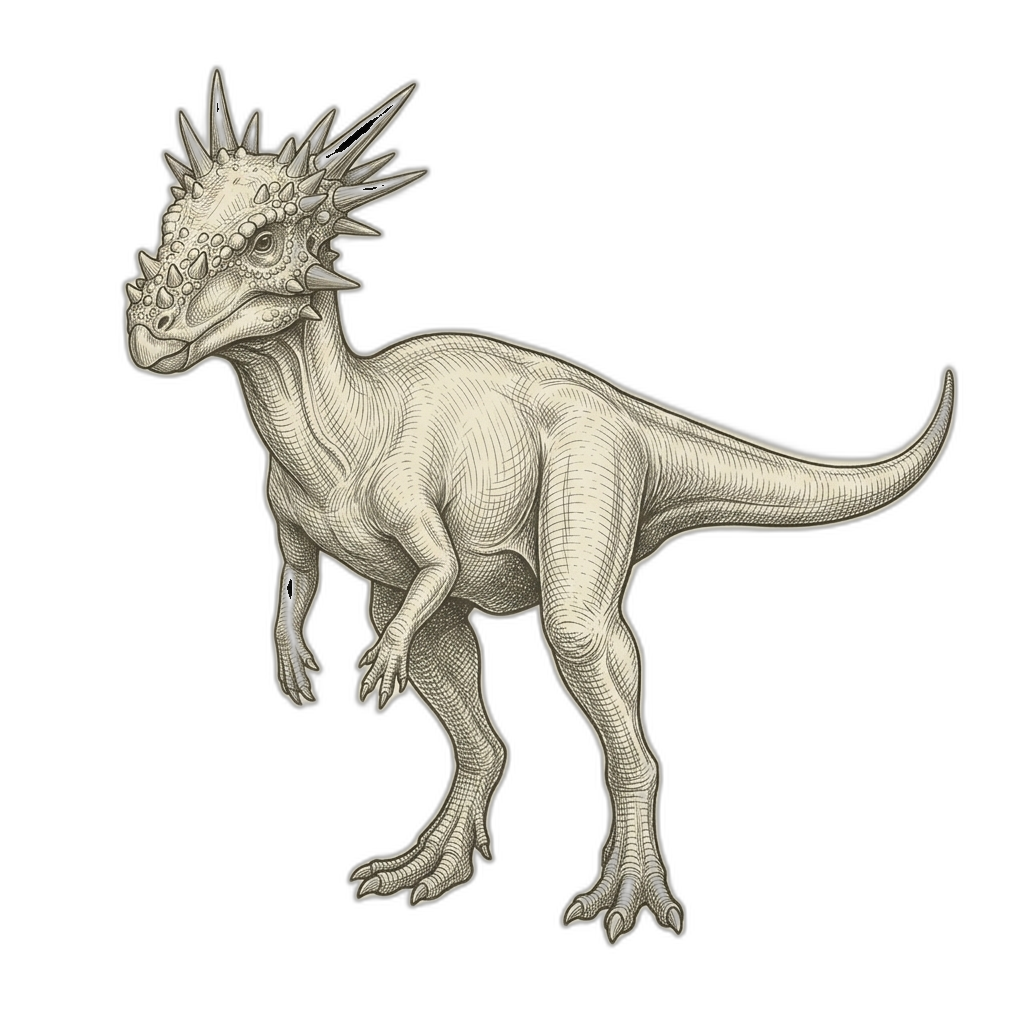
Dragon King of Hogwarts
Dracorex hogwartsia
Fellow pachycephalosaurids exploring variations on the thickened skull theme - Wannanosaurus with a primitive flat dome and Dracorex with spiky ornamentation rather than full doming, showing different directions in skull specialization within the family.
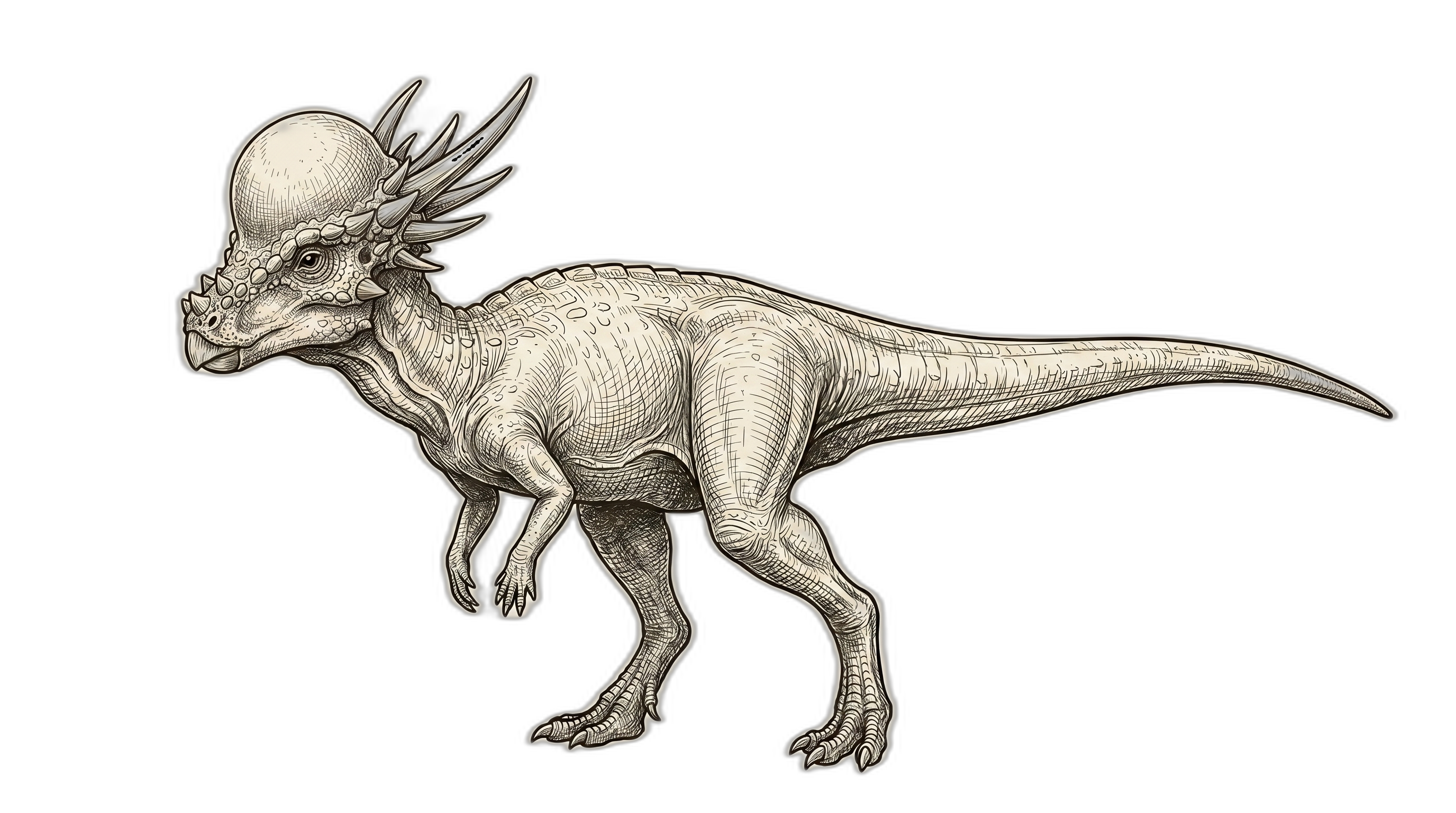
Stygimoloch
Stygimoloch spinifer
Both pachycephalosaurians representing the diversity of dome-head morphologies - Wannanosaurus as a basal form with incipient doming, Stygimoloch with elaborate horn clusters, demonstrating the evolutionary radiation of head ornamentation in this clade.
Sources & Citation
- Length estimates
- Hou, 1977; Maryańska & Osmólska, 1974 comparative analysis
- Height estimates
- Estimated from skeletal proportions; juvenile specimen
- Weight estimates
- Estimate based on body size comparisons with other basal pachycephalosaurs
- Speed estimates
- Biomechanical estimate based on limb proportions