Cedar Mountain Formation
Utah, Colorado, United States
Why It Matters
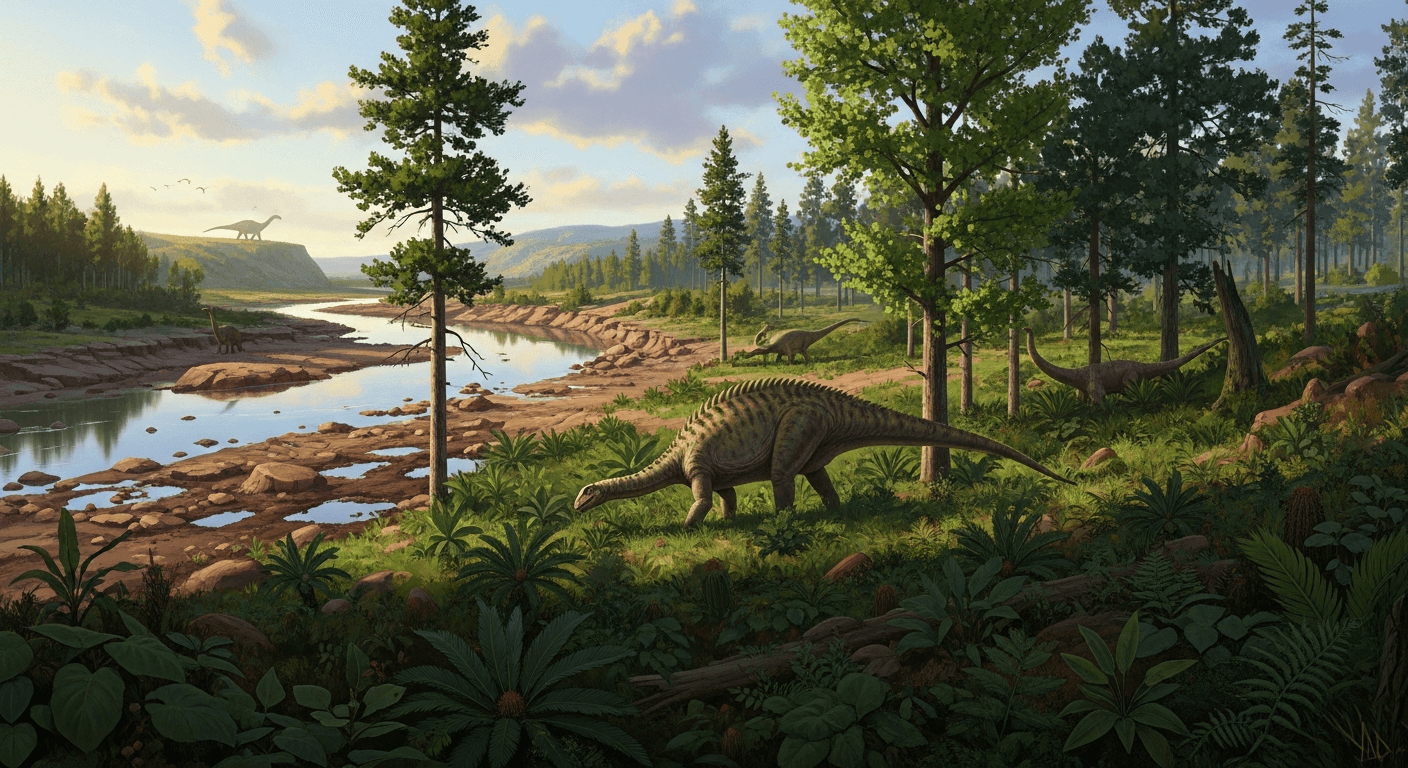
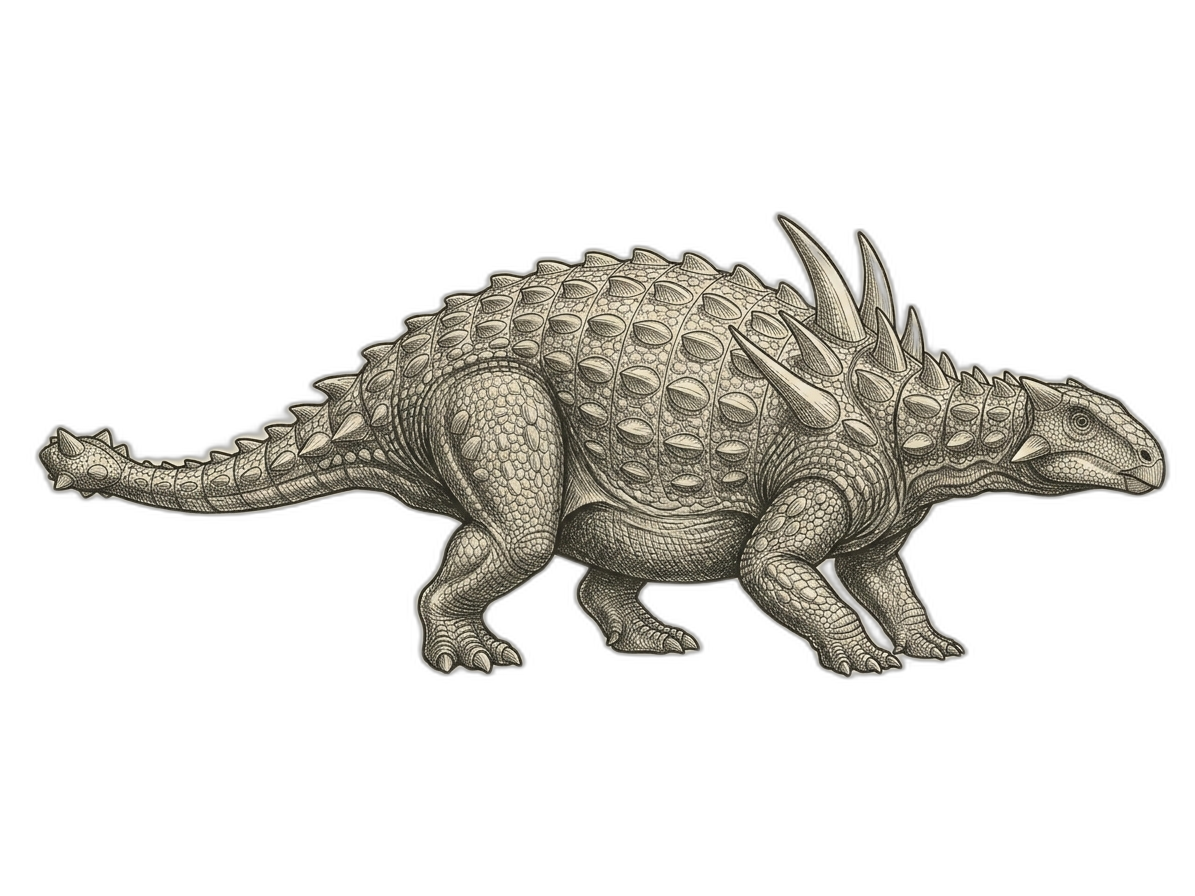
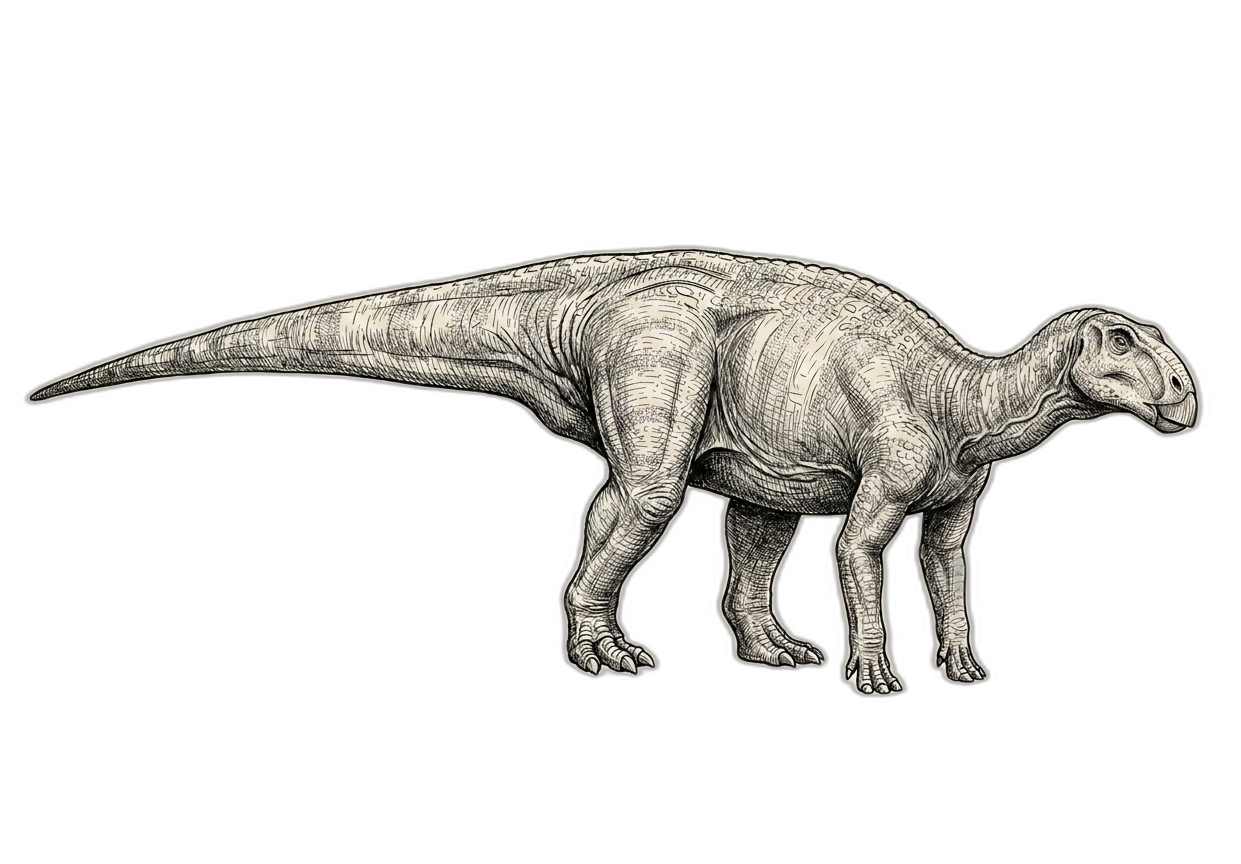
The Cedar Mountain Formation preserves a critical record of Early Cretaceous dinosaur evolution in North America, documenting the transition between Jurassic and Late Cretaceous faunas. It contains Utahraptor, one of the largest known dromaeosaurids, along with diverse sauropods, ornithopods, and early ankylosaurs. The formation provides crucial evidence for understanding faunal turnover and the arrival of Asian dinosaur lineages in North America. The formation is relatively thick at about 410 feet, and scientists have subdivided it into 4-5 distinctive beds called "members." These members each have diverse collections of bones indicating the presence of dozens of different dinosaurs, reptiles, mammals, and more.
How Fossils Survived
The formation consists of and mudstones, sandstones, and conglomerates deposited on a broad coastal plain. It is divided into several members including the Yellow Cat, Poison Strip, Ruby Ranch, and Mussentuchit members, each representing different depositional environments. Preservation varies from skeletons in paleosol deposits to isolated elements in channel sandstones.
Discovery History
Systematic study began in the 1940s with William Lee Stokes describing the formation's stratigraphy. Major discoveries accelerated in the 1990s when James Kirkland and colleagues described Utahraptor and numerous other new taxa. Ongoing excavations by the Utah Geological Survey and various institutions continue to yield significant specimens.
Dinosaurs in the Vault
3 species in our database · sorted by size
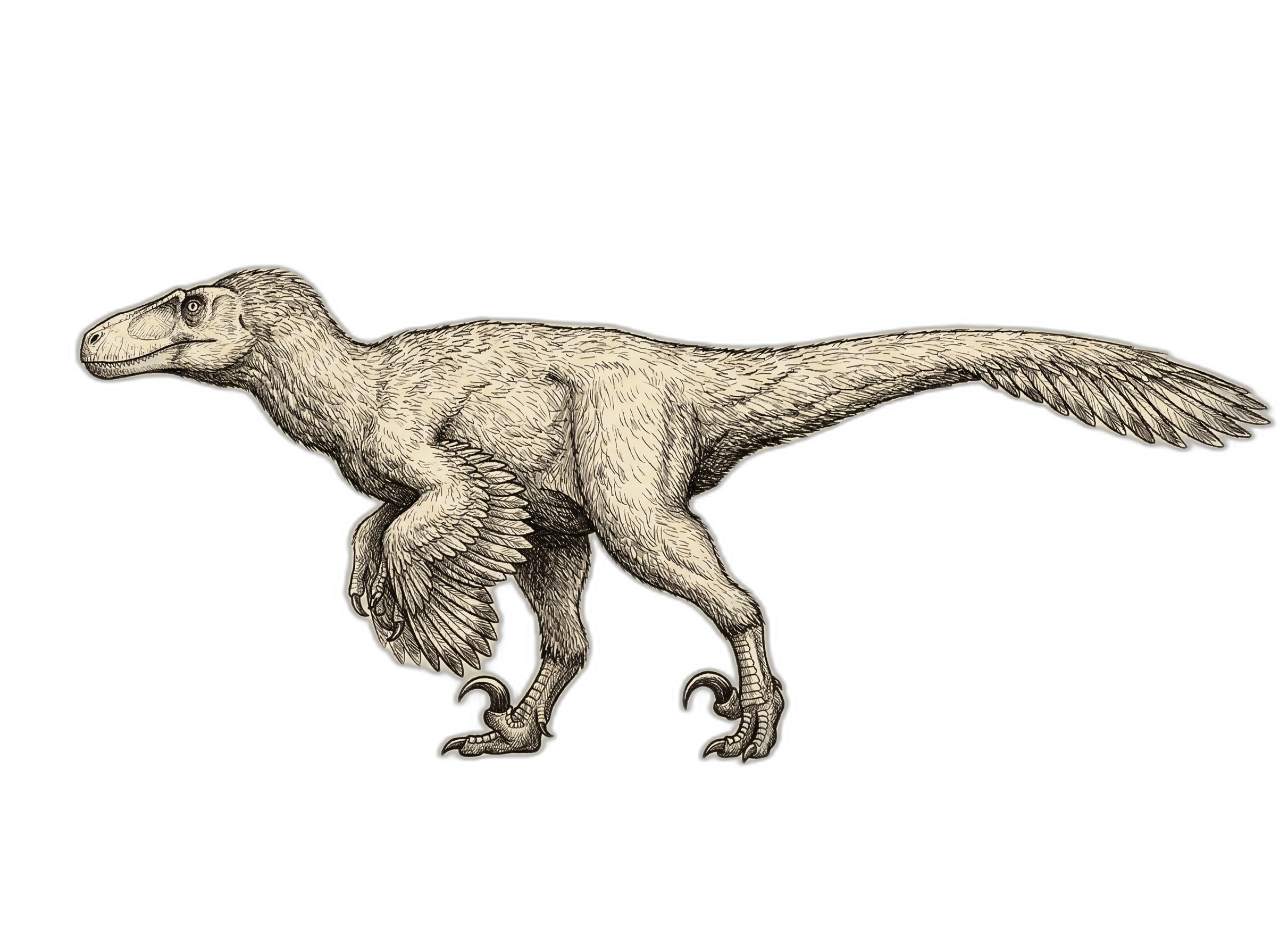
- Utahraptor ostrommaysi had sickle claws measuring up to 22 centimeters long, making it one of the most formidable predators of its time