Kayenta Formation
Arizona, Utah, Colorado, Nevada, United States
Why It Matters
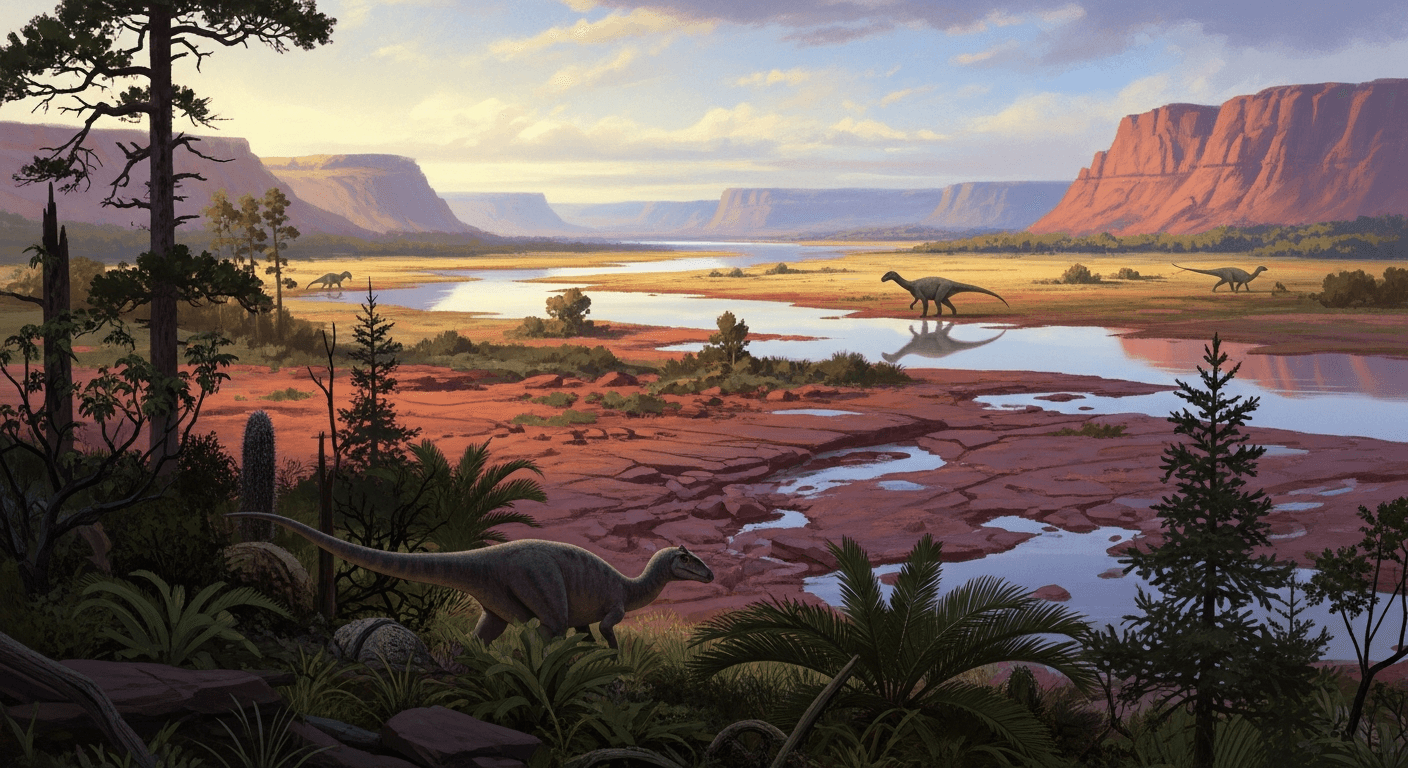
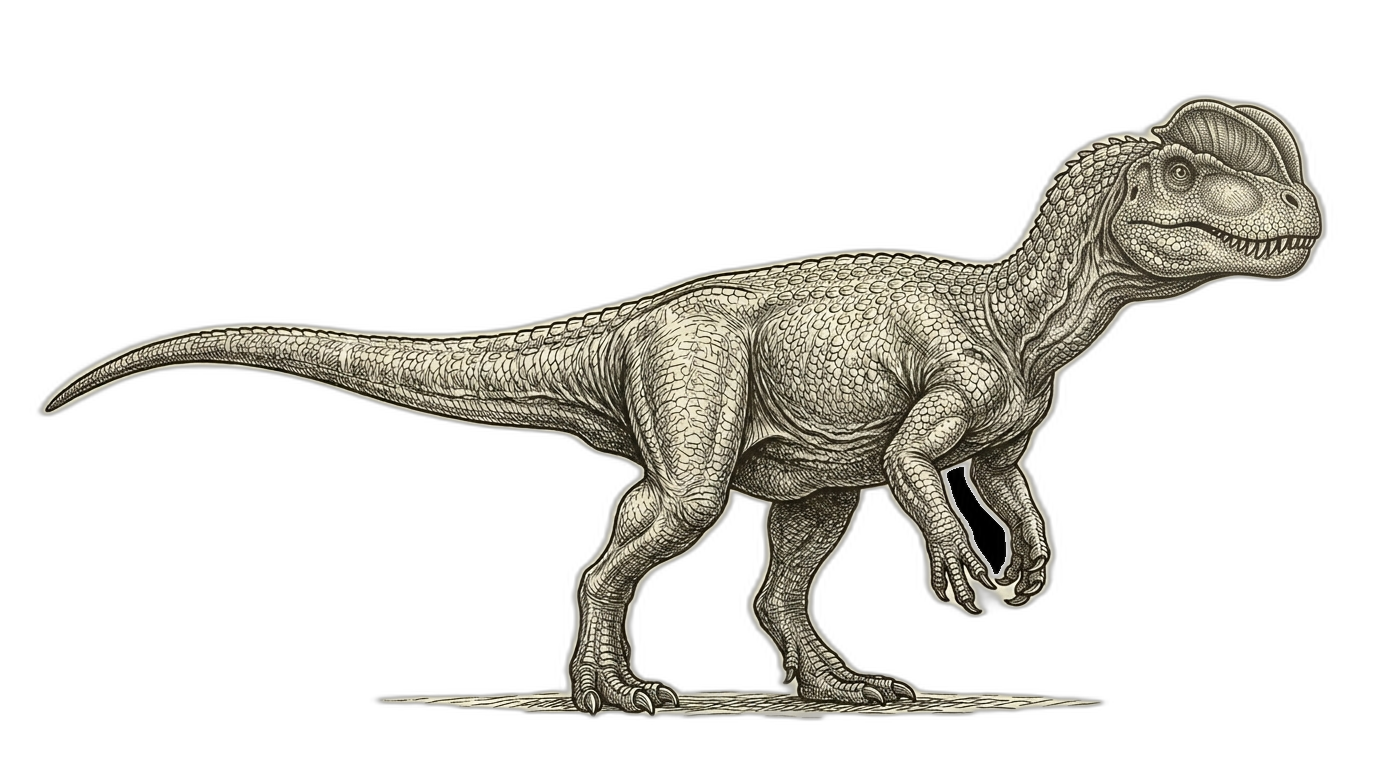
The Kayenta Formation is one of the most important Early Jurassic deposits in North America, preserving a diverse ecosystem including the iconic Dilophosaurus wetherilli. It provides critical evidence for understanding the early diversification of dinosaurs following the end-Triassic extinction and documents the transition from Triassic to Jurassic faunas.
How Fossils Survived
The Kayenta Formation consists primarily of reddish-brown to purple siltstones, mudstones, and fine-grained sandstones deposited in and environments. These sediments represent ancient river floodplains and ephemeral lakes in a semi-arid climate. The fine-grained nature of the deposits has allowed for exceptional preservation of skeletal material.
Discovery History
Significant paleontological exploration of the Kayenta Formation began in the 1940s when Navajo man Jesse Williams discovered the first Dilophosaurus specimen near Tuba City, Arizona in 1942. Sam Welles of UC Berkeley subsequently led major excavations throughout the mid-20th century. Recent work by teams from various institutions continues to reveal new taxa and refine our understanding of Early Jurassic ecosystems.
Dinosaurs in the Vault
1 species in our database · sorted by size
- The Kayenta Formation has yielded some of the earliest known mammal fossils from North America, including morganucodontids dating to approximately 195 million years ago