About
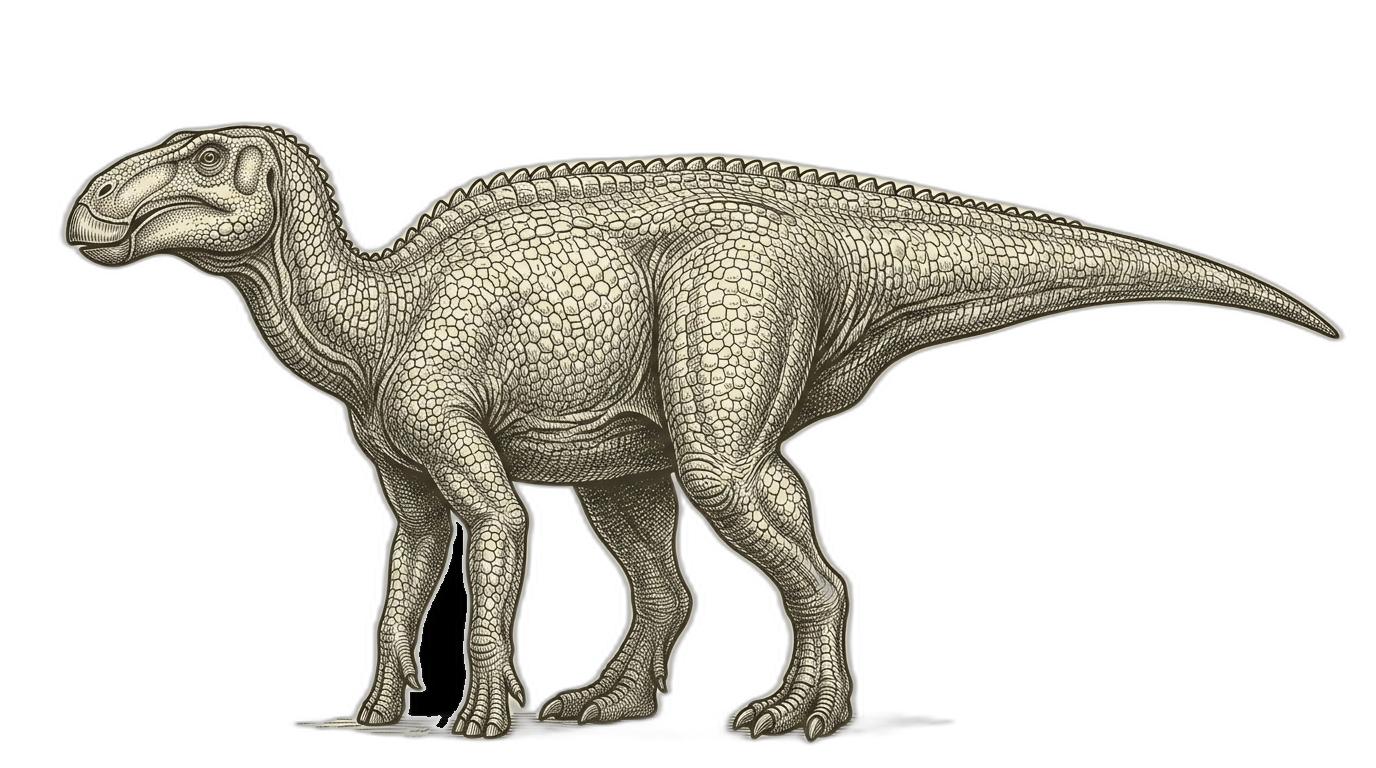
Hadrosaurus foulkii was a medium-sized dinosaur that roamed the coastal plains of eastern North America during the Late Cretaceous, approximately 78-80 million years ago. As a herbivore, it possessed the characteristic duck-bill and of hundreds of tightly packed teeth that made hadrosaurids such successful plant-eaters, capable of processing tough vegetation with remarkable efficiency.
This dinosaur likely spent much of its time on all fours while foraging but could rise onto powerful hind legs to reach higher vegetation or flee from predators. The forelimbs were notably shorter than the hindlimbs, a feature that Joseph Leidy recognized in 1858 when he reconstructed Hadrosaurus in a pose—a revolutionary interpretation at a time when dinosaurs were imagined as sprawling, lizard-like creatures.
The discovery site in Haddonfield, New Jersey, represented a nearshore marine environment, suggesting Hadrosaurus inhabited coastal woodlands and river deltas. The fossil's excellent preservation in marl deposits provided an unusually complete skeleton for its era.
Hadrosaurus foulkii's historical significance cannot be overstated. It was the first reasonably complete dinosaur skeleton found in North America and, when mounted at the Academy of Natural Sciences in Philadelphia in 1868, became the world's first mounted dinosaur skeleton. This sparked a global fascination with dinosaurs that continues today. New Jersey honors this legacy by designating Hadrosaurus foulkii as its official state dinosaur.
Quick Facts
- Scientific name
- Hadrosaurus foulkii
- Group
- Ornithopod · Hadrosauridae
- Lived
- Late Cretaceous, 80–78 million years ago
- Diet
- Herbivore
- Movement
- Walked on two or four legs
- Discovery credited to
- 1858, William Parker Foulke
- Holotype
- ANSP 10005, Academy of Natural Sciences of Drexel University, Philadelphia
- DinoVault record
- DVL-0062
Where Hadrosaurus Roamed
During the Late Cretaceous, approximately 79 million years ago, *Hadrosaurus foulkii* inhabited the eastern coastal plains of the ancient landmass Appalachia, a forested island continent separated from western North America by the vast Western Interior Seaway. This warm, humid region featured lush subtropical vegetation along meandering river deltas and estuaries that drained into the shallow Atlantic coastal waters.
Keep exploring the vault
Gorgosaurus
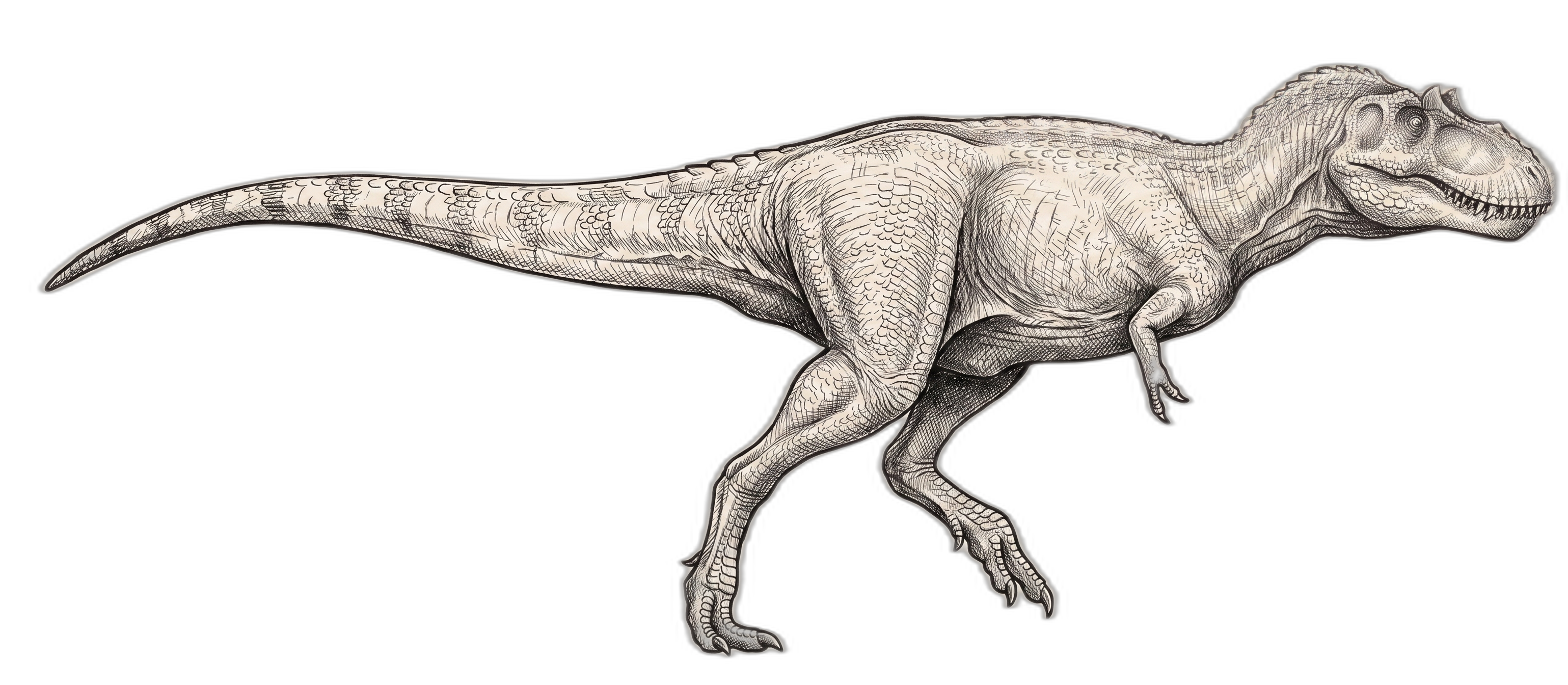
Gorgosaurus libratus
Large tyrannosaurids like Gorgosaurus were the dominant predators of hadrosaurids in Late Cretaceous North America.
Iguanodon
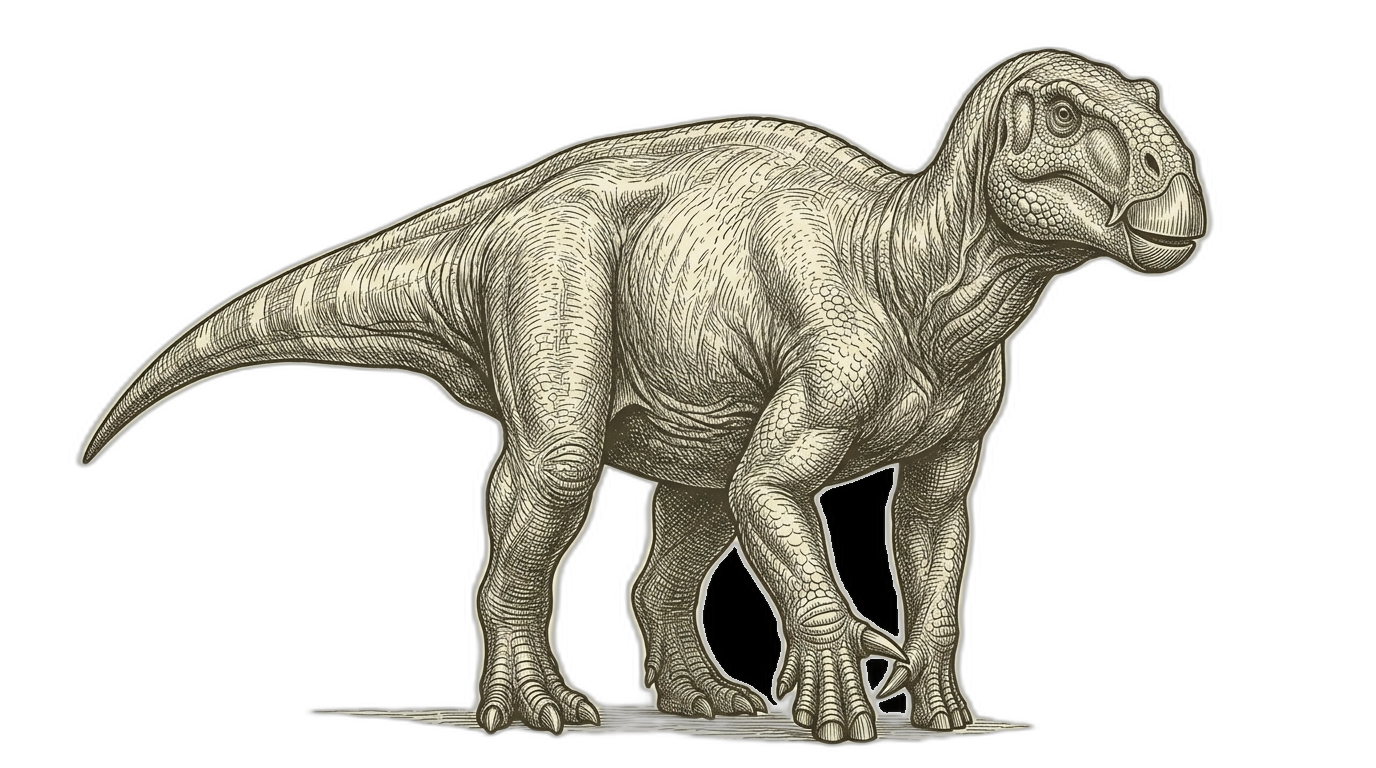
Iguanodon bernissartensis
Iguanodon represents the broader iguanodontian lineage from which hadrosaurids like Hadrosaurus evolved.
Corythosaurus
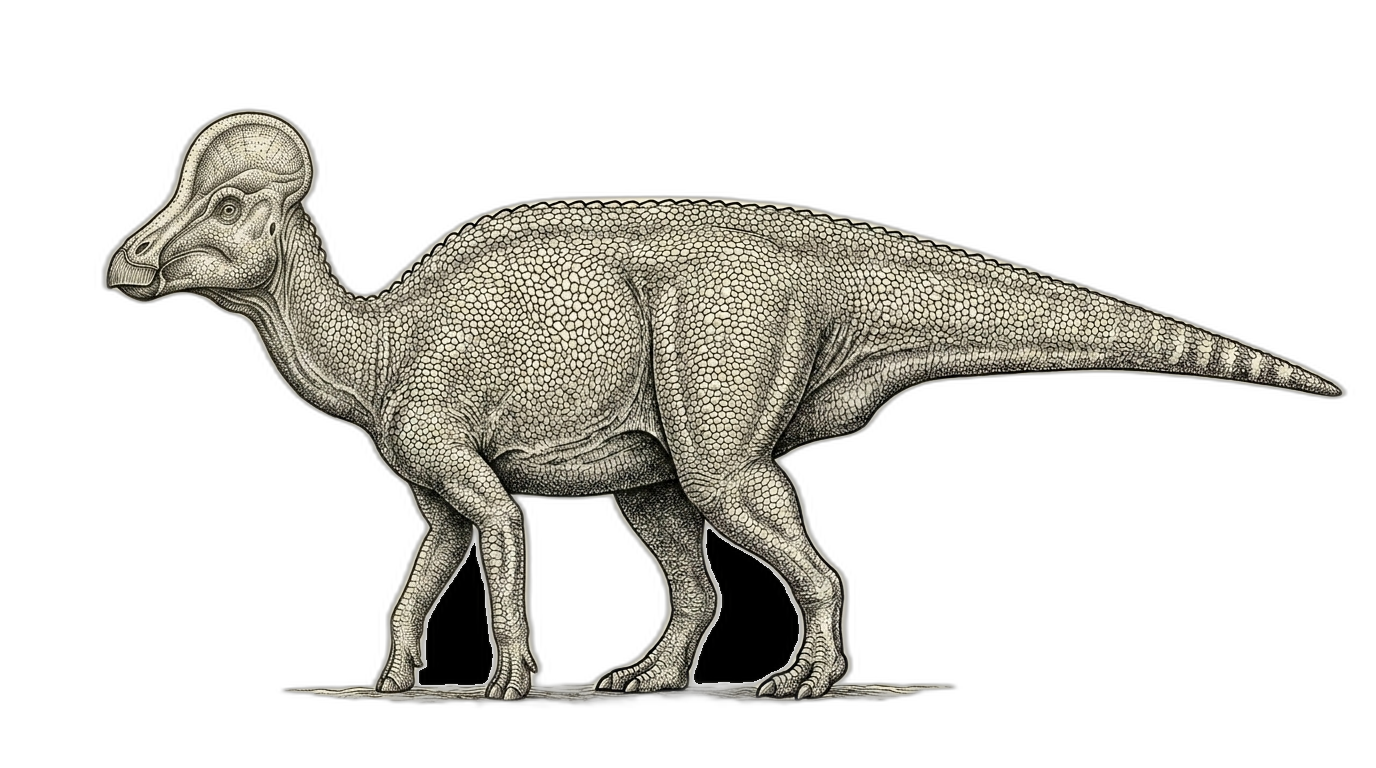
Corythosaurus casuarius
As fellow hadrosaurids, both represent parallel experiments in large ornithopod herbivory, though Corythosaurus developed elaborate cranial crests for display/communication while Hadrosaurus retained a more conservative skull morphology, showing divergent solutions within the same successful family.
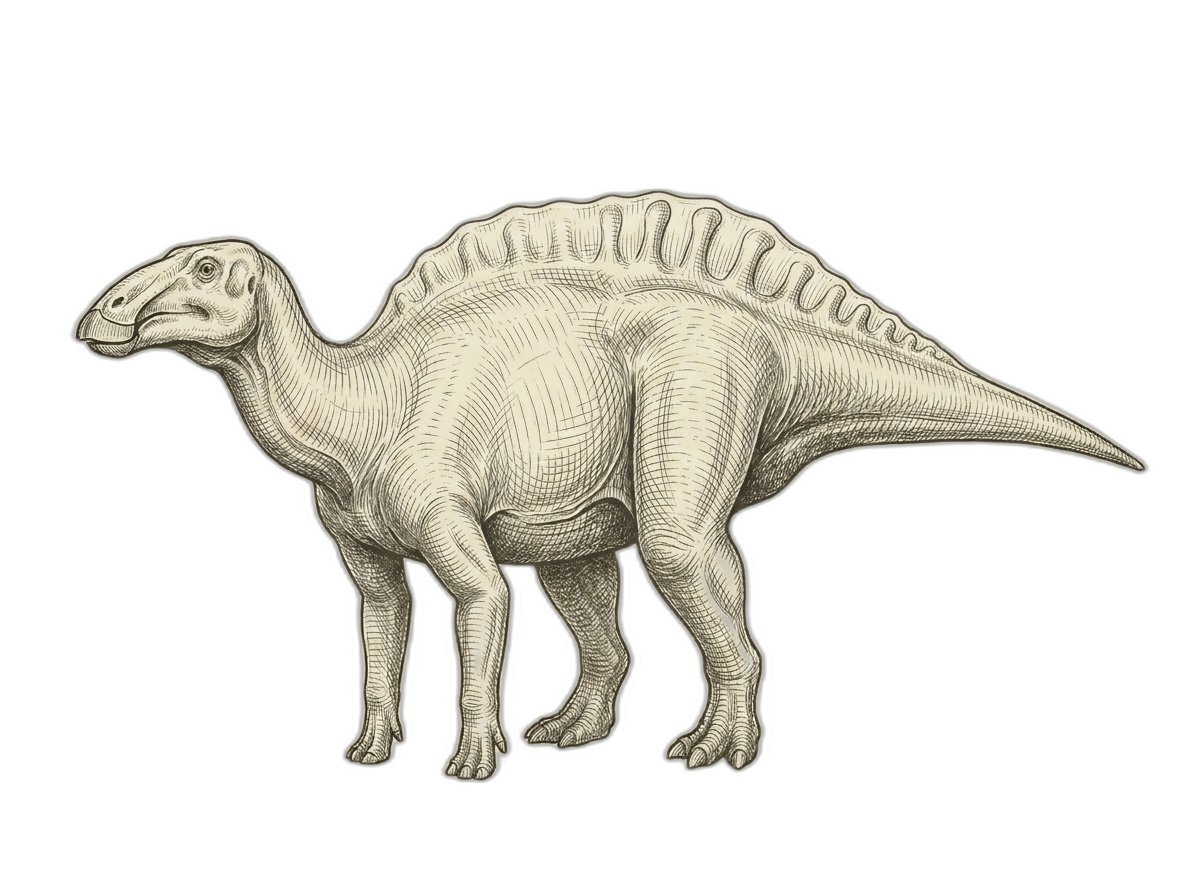
Bactrosaurus
Same family: Hadrosauridae
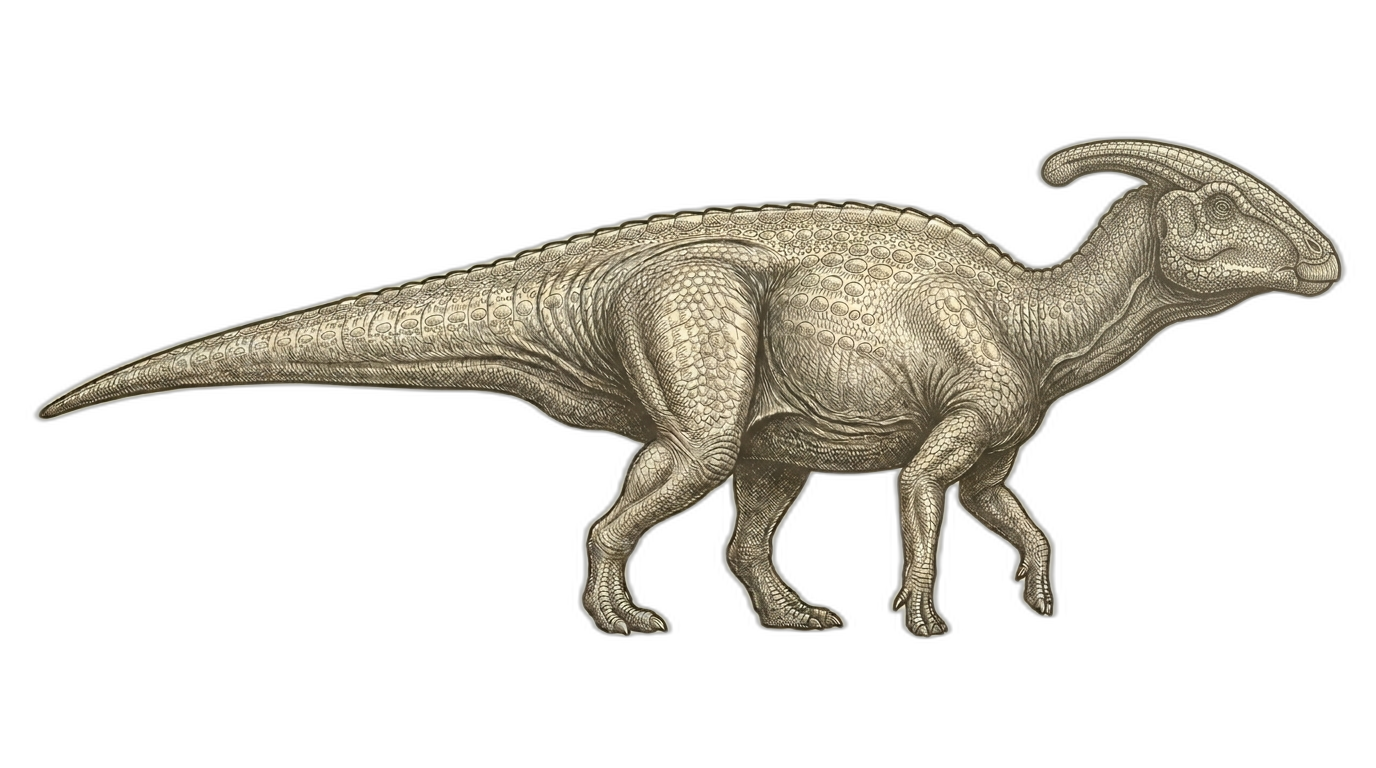
Brachylophosaurus
Brachylophosaurus canadensis
Same family: Hadrosauridae
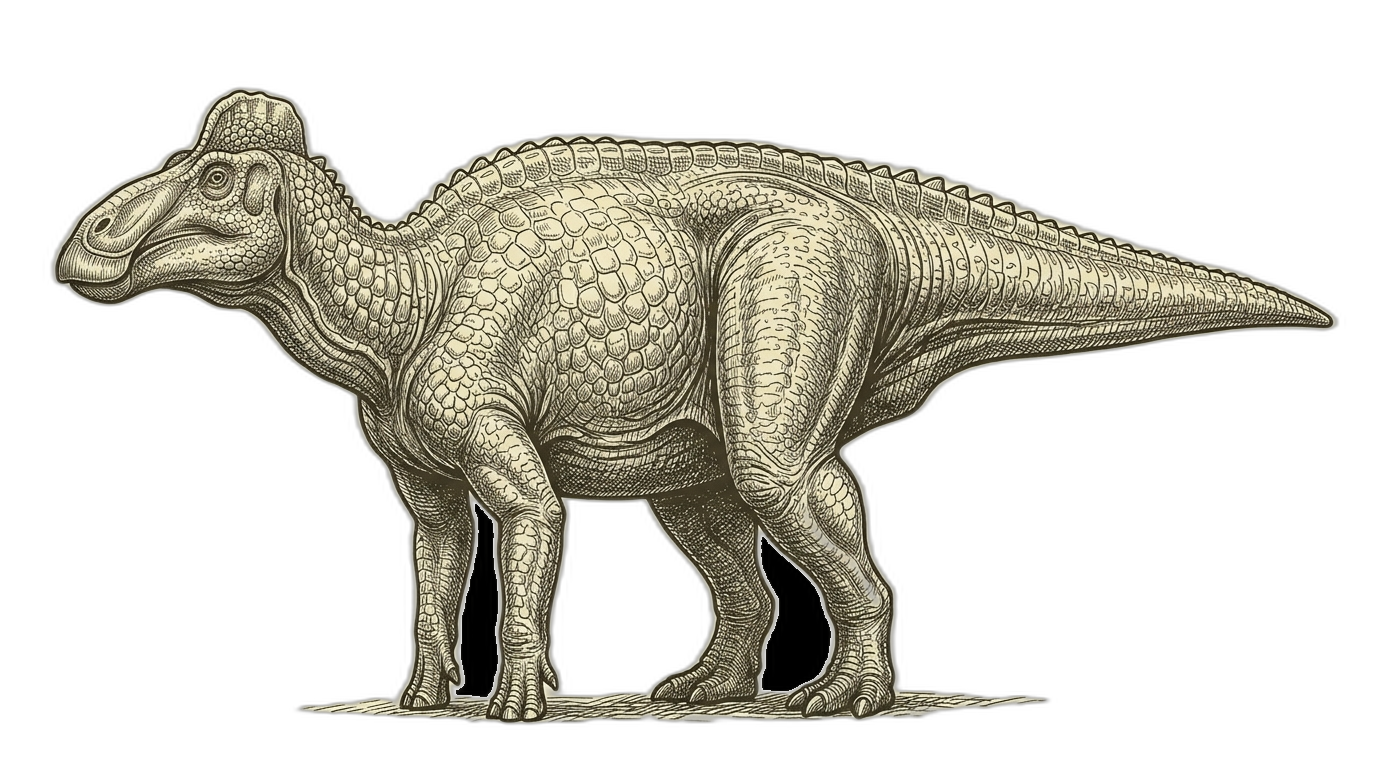
Edmontosaurus
Edmontosaurus regalis
Both are hadrosaurids that independently developed similar body plans and ecological strategies as large browsing herbivores, with Hadrosaurus representing an earlier, more basal form while Edmontosaurus shows the refined version of this successful hadrosaur bauplan in later Cretaceous ecosystems.
Sources & Citation
- Length estimates
- Prieto-Márquez et al. (2006); estimates based on partial postcranial skeleton
- Height estimates
- Estimate based on limb proportions; Leidy (1858), Prieto-Márquez et al. (2006)
- Weight estimates
- Estimate based on body size comparisons with related hadrosaurids; Benson et al. (2014)
- Speed estimates
- Biomechanical estimates for hadrosaurids; Sellers et al. (2017)