About
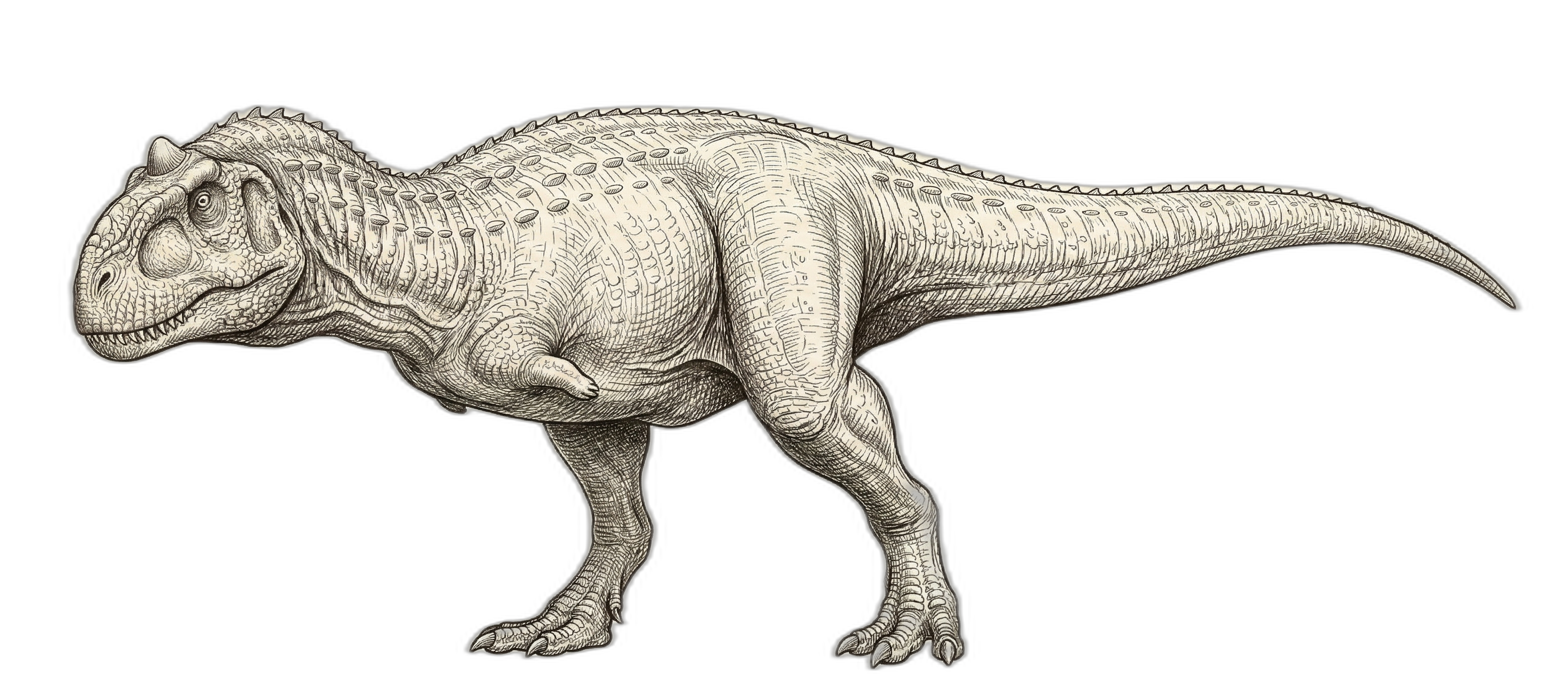
Majungasaurus was a formidable that ruled Madagascar during the final years of the dinosaur age, from about 70 to 66 million years ago. Like its relatives, it possessed the characteristic abelisaurid features: a short, deep skull, tiny forelimbs even more reduced than those of Tyrannosaurus, and a single rounded horn protruding from the top of its head. This horn, along with thickened bone on the skull roof, initially led some researchers to mistake skull fragments for those of a .
What makes Majungasaurus truly remarkable is the compelling evidence that it practiced cannibalism. Multiple Majungasaurus bones bear tooth marks that precisely match the distinctive teeth of Majungasaurus itself. Whether this represents active hunting of its own species or opportunistic scavenging remains debated, but such direct evidence of dinosaur-on-dinosaur consumption within the same species is exceptionally rare in the fossil record.
The first fossils were discovered in 1896 by a French expedition to Madagascar, though remains caused considerable taxonomic confusion for decades. The species wasn't properly understood until spectacular skull material emerged in the 1990s from the Maevarano Formation. Today, Majungasaurus is one of the most completely known theropods from the Southern Hemisphere, with numerous specimens including nearly complete skulls and much of the skeleton.
Majungasaurus lived alongside the bizarre herbivore Rapetosaurus and the crocodilian Mahajangasuchus in a semi-arid floodplain environment. Its relatively robust build and powerful jaws suggest it was a dominant , well-adapted to taking down large prey — including, occasionally, members of its own species.
Quick Facts
- Scientific name
- Majungasaurus crenatissimus
- Group
- Theropod · Abelisauridae
- Lived
- Late Cretaceous, 70.6–66 million years ago
- Diet
- Carnivore
- Movement
- Walked on two legs
- Fossils found in
- Maevarano Formation, Mahajanga Province, Madagascar
- Discovery credited to
- 1896, Charles Depéret
- Holotype
- MNHN.MAJ 1 · Muséum national d'Histoire naturelle, Paris
- DinoVault record
- DVL-0083
Where Majungasaurus Roamed
During the Late Cretaceous, Majungasaurus stalked the semi-arid floodplains of Madagascar, an island that had recently separated from the Indian subcontinent as Gondwana continued its fragmentation. This isolated landmass featured seasonal rivers, coastal plains bordering the young Indian Ocean, and a warm climate marked by pronounced dry seasons that shaped both the landscape and the unique fauna that evolved there.
Keep exploring the vault
Saltasaurus
Saltasaurus loricatus
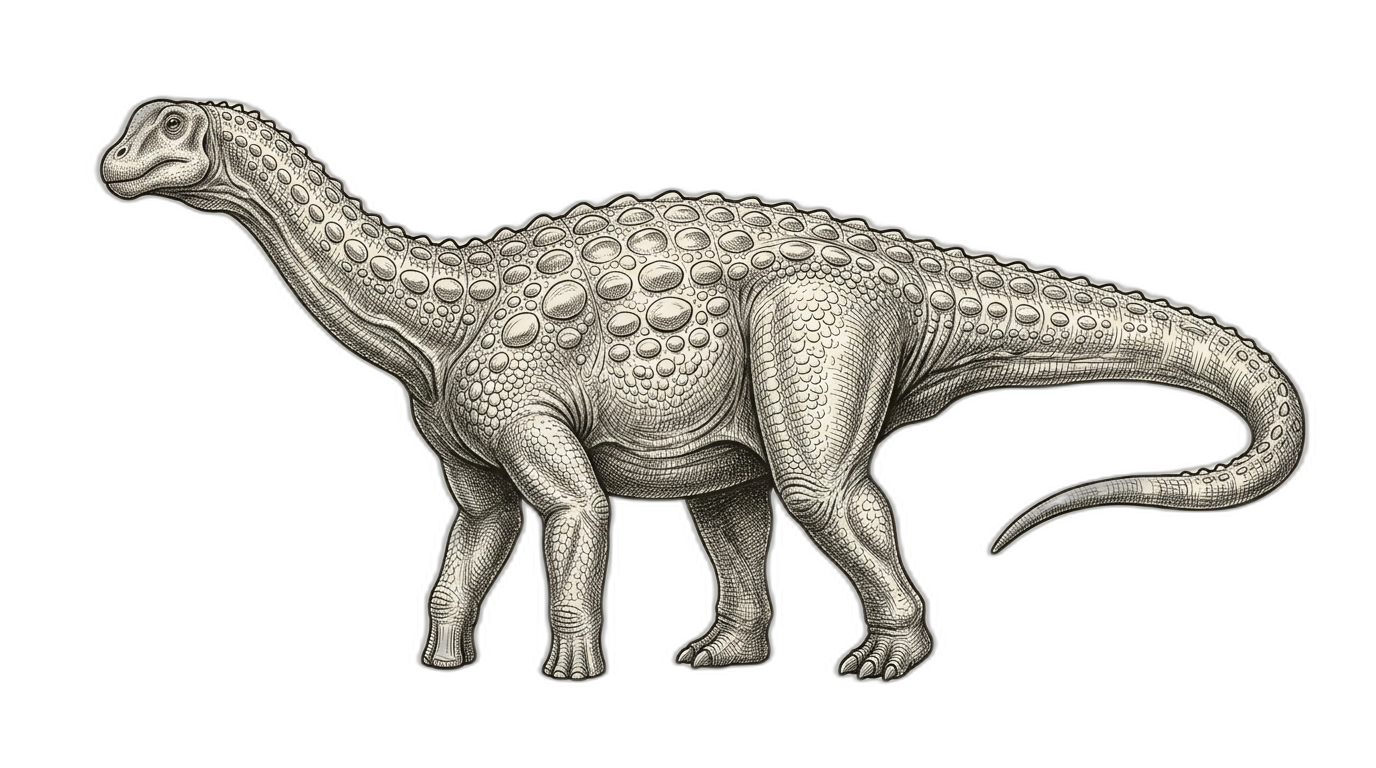
Majungasaurus is known from extensive feeding trace evidence including tooth marks on sauropod bones in Madagascar.
Carnotaurus
Carnotaurus sastrei
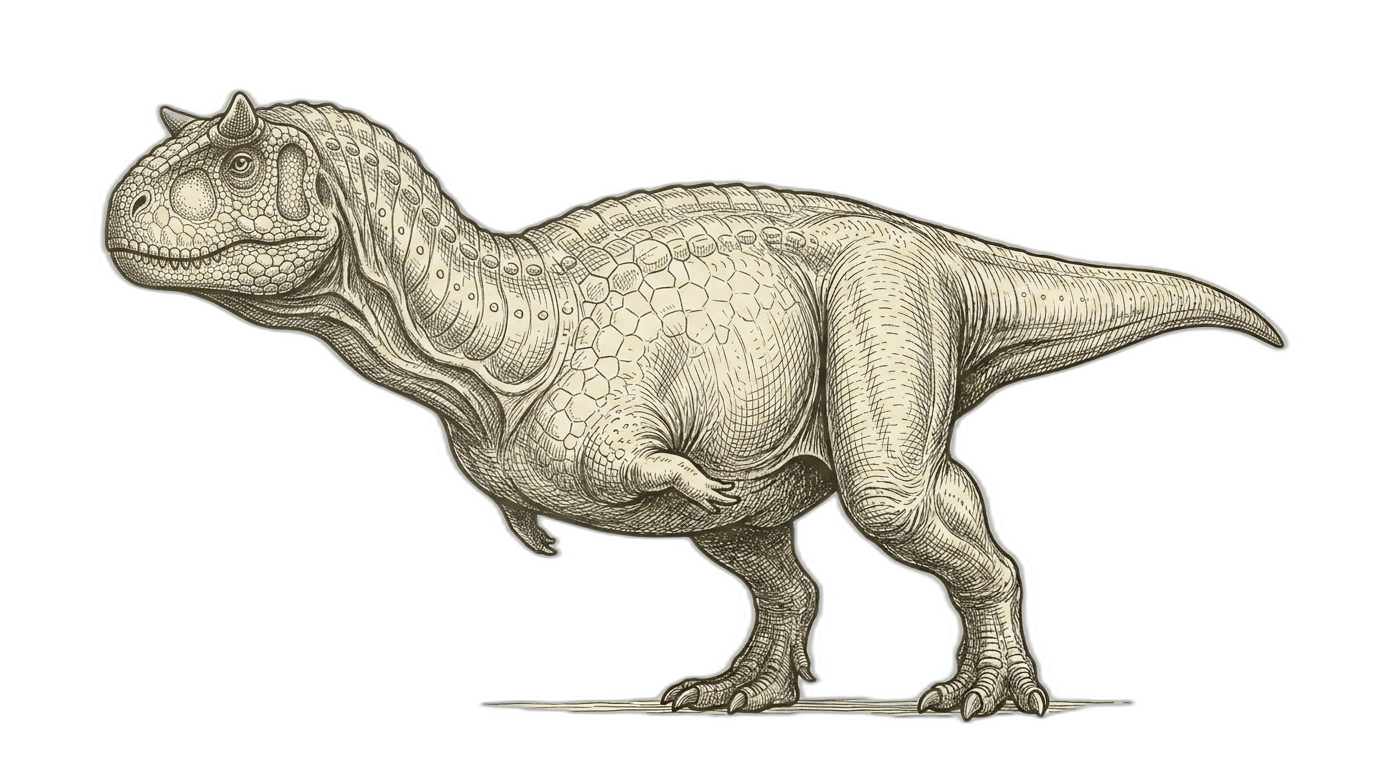
As fellow abelisaurid apex predators of similar size (Majungasaurus ~6.5m, Carnotaurus ~7.5m), they occupied equivalent ecological niches as top predators in their respective Gondwanan ecosystems during the Late Cretaceous, competing for similar prey types and hunting strategies despite geographic separation.
Carcharodontosaurus
Carcharodontosaurus saharicus
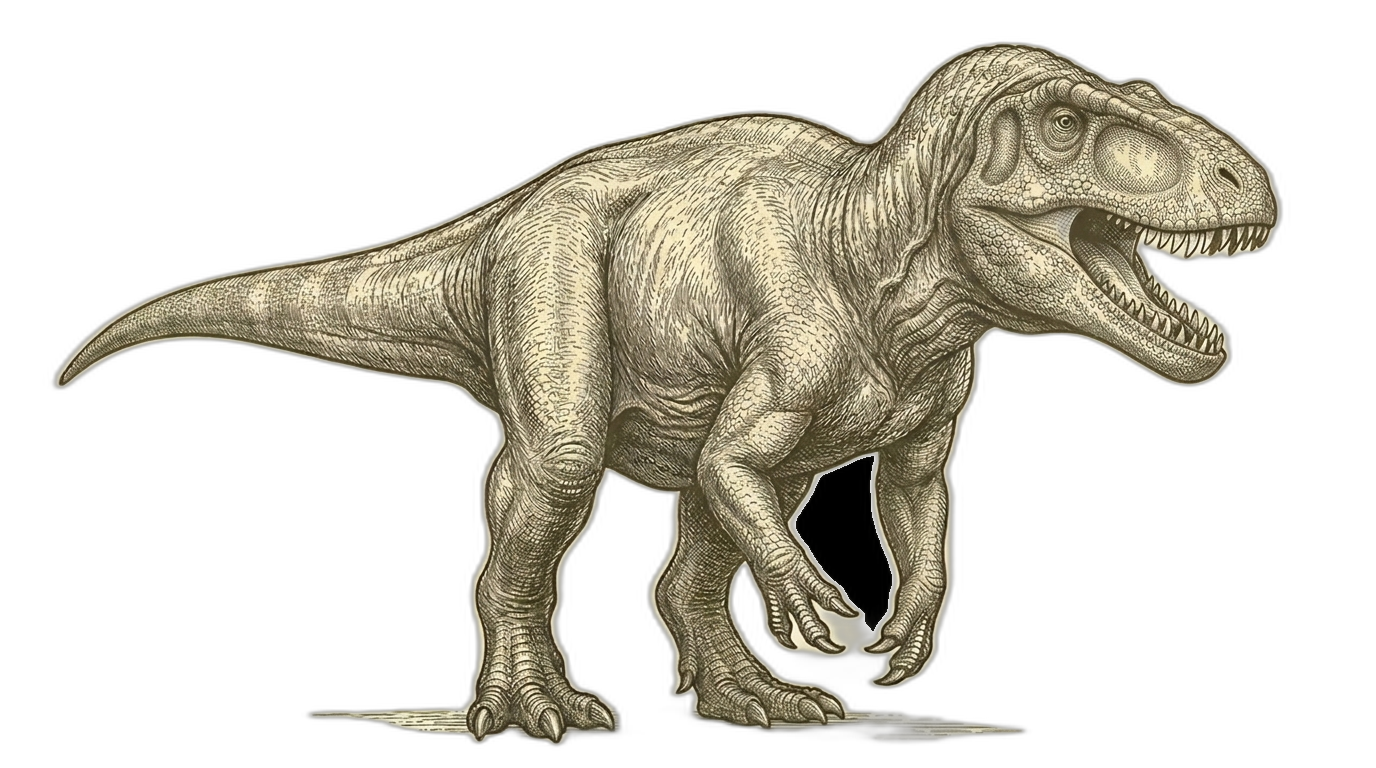
Both represent apex theropod predators that evolved in isolation on Gondwanan landmasses during the Cretaceous, showing how large carnivorous dinosaurs diversified differently in the southern continents compared to tyrannosaurs in the north.
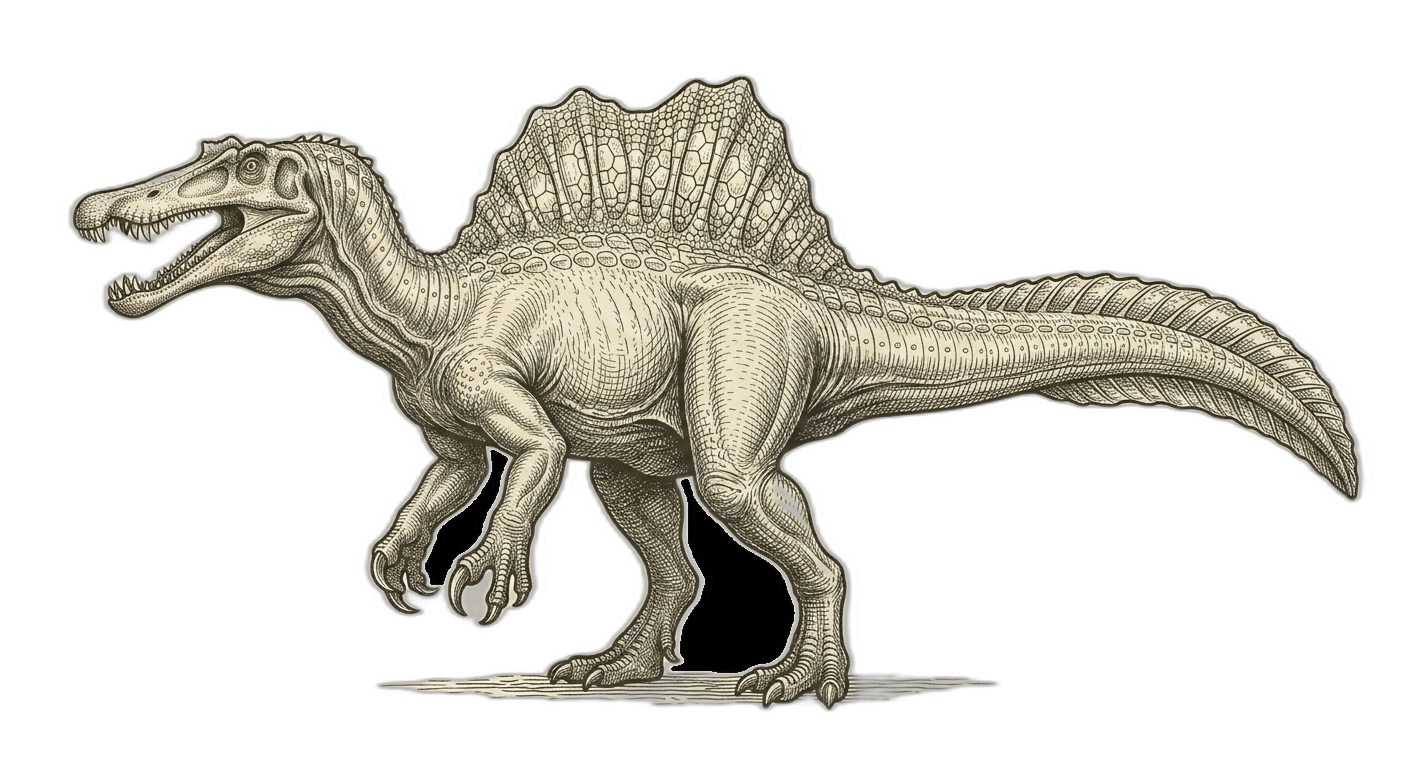
Spinosaurus
Spinosaurus aegyptiacus
Both are large African-connected theropods from the Cretaceous showing how theropod apex predators diversified across Gondwanan fragments.
Sources & Citation
- Length estimates
- Carrano 2007; O'Connor & Forster 2010; multiple complete specimens
- Height estimates
- Estimated hip height from skeletal reconstructions; Carrano 2007
- Weight estimates
- Carrano 2007; mass estimates vary based on methodology
- Speed estimates
- Inferred from limb proportions; no direct biomechanical study