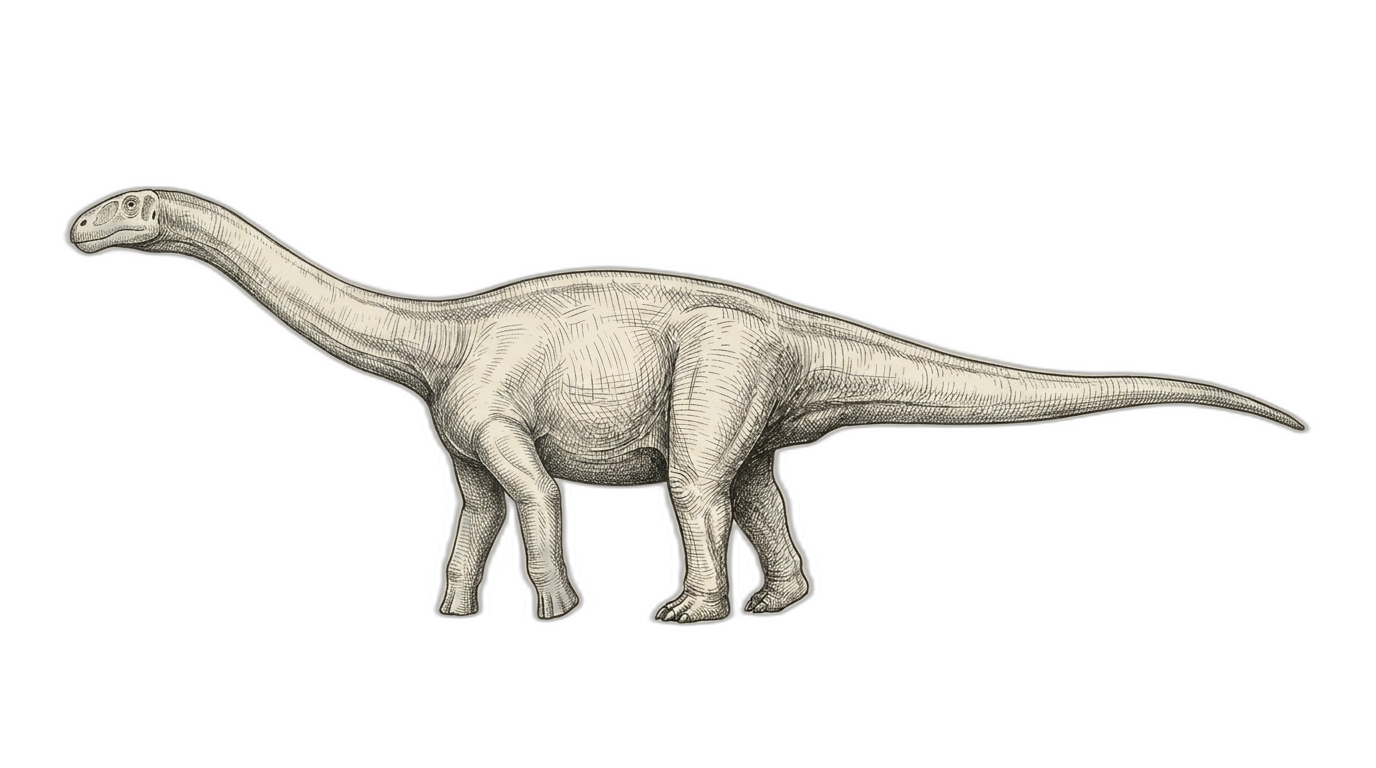
About
Vulcanodon karibaensis was a relatively small but significant early that roamed what is now Zimbabwe during the Early Jurassic period, approximately 200-190 million years ago. At around 6.5 meters in length, it was modest compared to its later giant relatives, but it displayed the fundamental body plan that would come to define the most successful group of large herbivorous dinosaurs. Its limbs were robust and columnar, adapted for supporting substantial weight in a fully stance—a marked departure from its ancestors. The discovery site on an island in Lake Kariba, formed by volcanic sandstone deposits, initially led researchers to associate the animal with volcanic environments, inspiring its evocative name. The skeleton, while lacking a skull, preserved crucial postcranial elements including , limb bones, and pelvic material that revealed its transitional nature between prosauropods and more derived sauropods. Vulcanodon's relatively simple, spatulate teeth (inferred from later related species) would have been suited for cropping vegetation rather than chewing, reflecting the bulk-feeding strategy that sauropods would perfect over millions of years. This genus has proven invaluable for understanding sauropod origins, demonstrating features like the elongated neck vertebrae and graviportal limbs that would eventually enable sauropods to become the largest land animals ever to exist.
Quick Facts
- Scientific name
- Vulcanodon karibaensis
- Group
- Sauropodomorph · Vulcanodontidae
- Lived
- Early Jurassic, 200–190 million years ago
- Diet
- Herbivore
- Movement
- Walked on four legs
- Discovery credited to
- 1969, B. A. Gibson
- Holotype
- QG 24, National Museum of Zimbabwe, Bulawayo
- DinoVault record
- DVL-0145
Where Vulcanodon karibaensis Roamed
During the Early Jurassic, Vulcanodon karibaensis inhabited the southern interior of Gondwana, in a region that would become modern-day Zimbabwe, where volcanic activity punctuated a warm, semi-arid landscape of river valleys and floodplains far from the shores of the young Tethys Sea to the north.
Keep exploring the vault
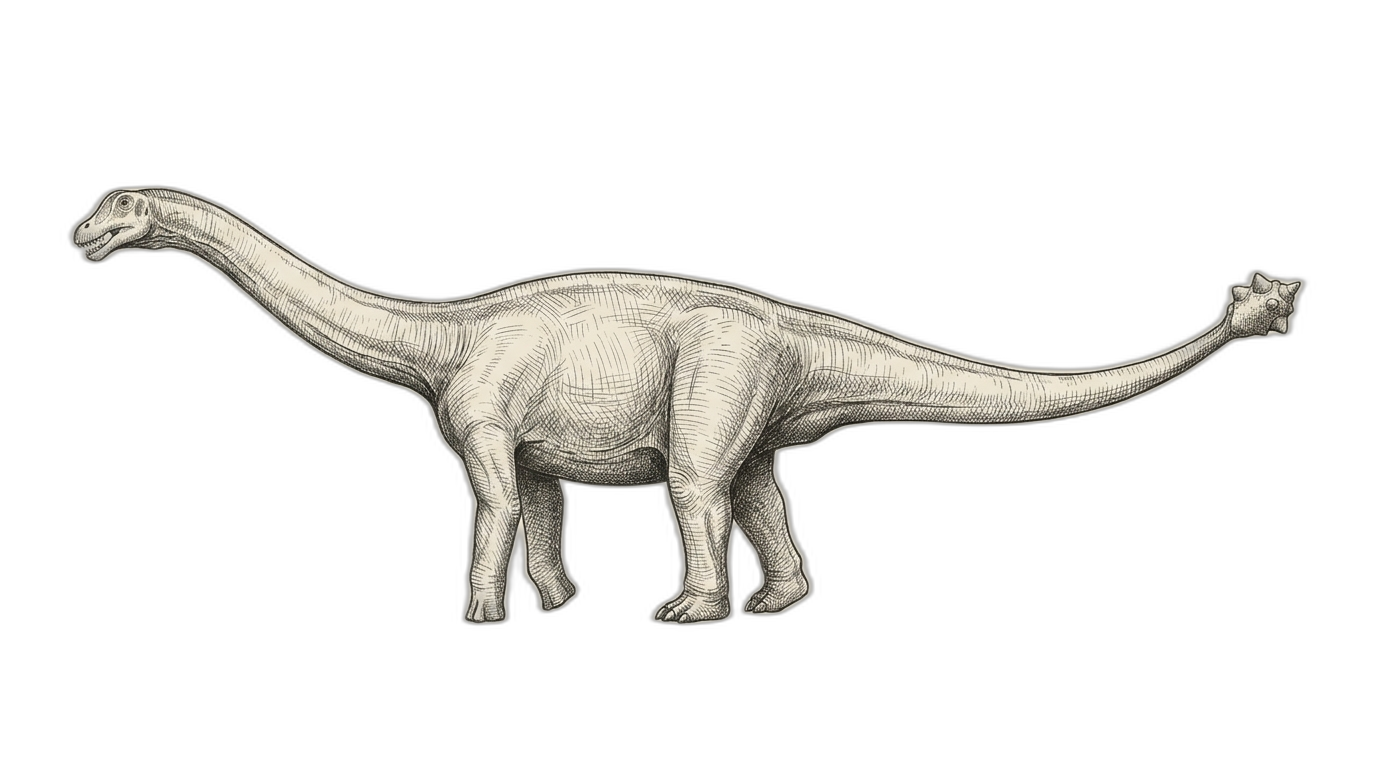
Shu Lizard
Shunosaurus lii
Vulcanodon is one of the earliest known true sauropods, and Shunosaurus from the Middle Jurassic represents a more derived sauropod that evolved from basal forms like Vulcanodon.
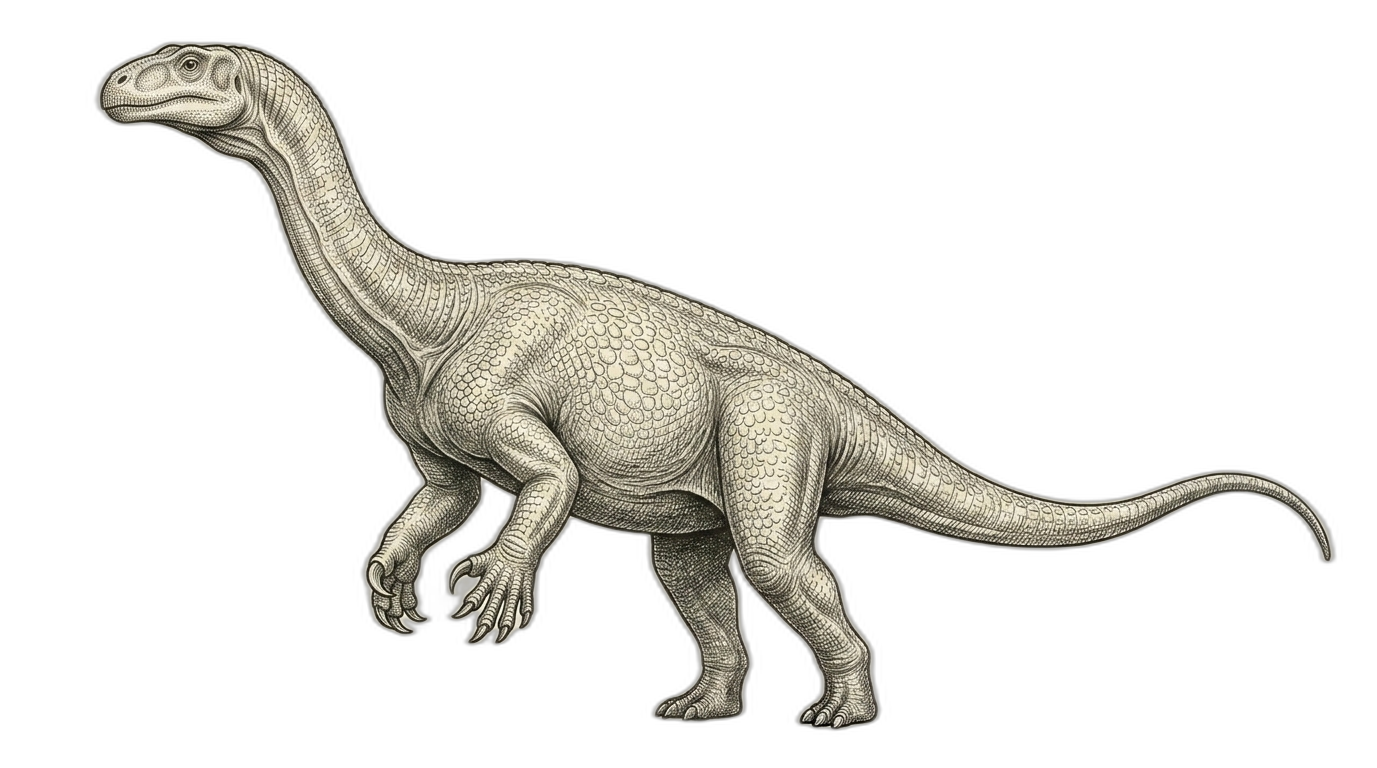
Plateosaurus
Plateosaurus engelhardti
Both represent stages in the sauropodomorph evolutionary experiment toward gigantism and obligate quadrupedality.
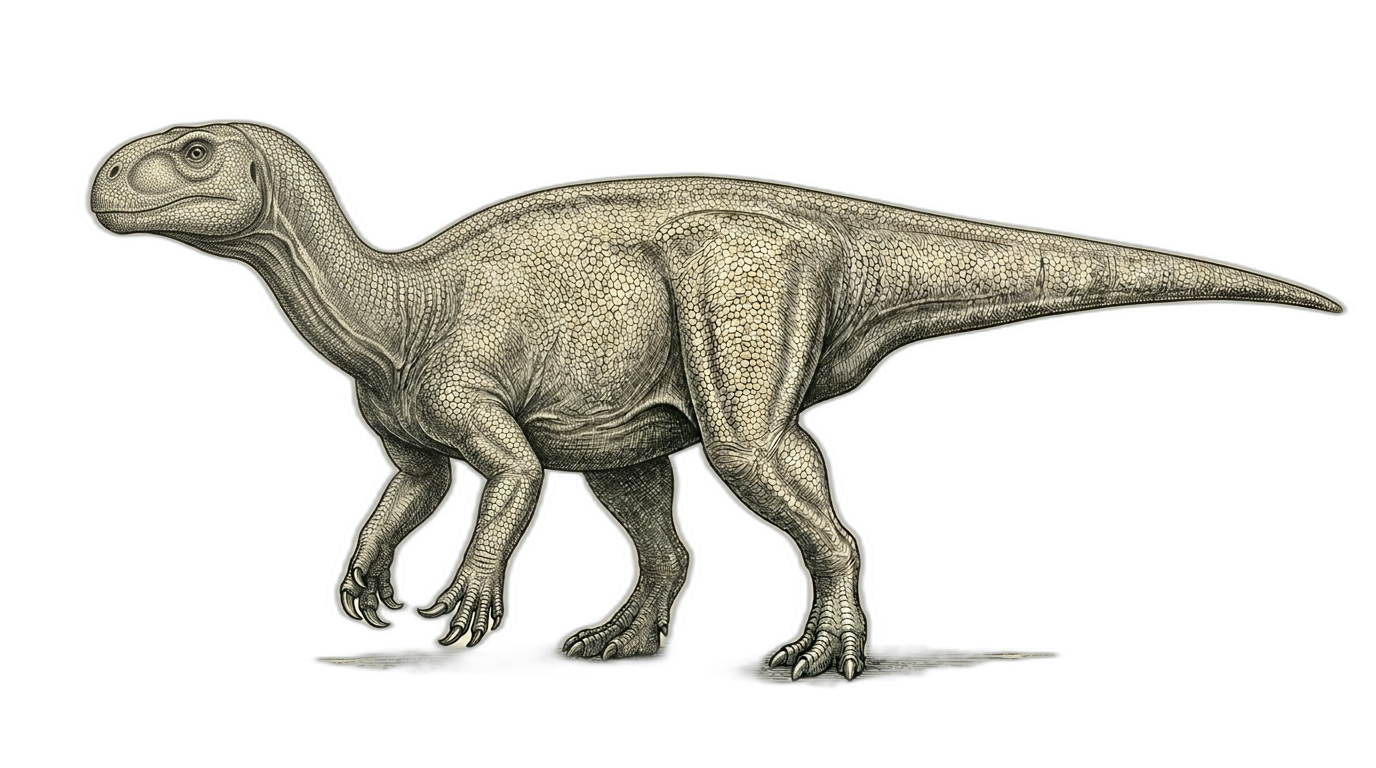
Massospondylus
Massospondylus carinatus
Both Vulcanodon and Massospondylus lived in southern Africa during the Early Jurassic, with overlapping temporal ranges.
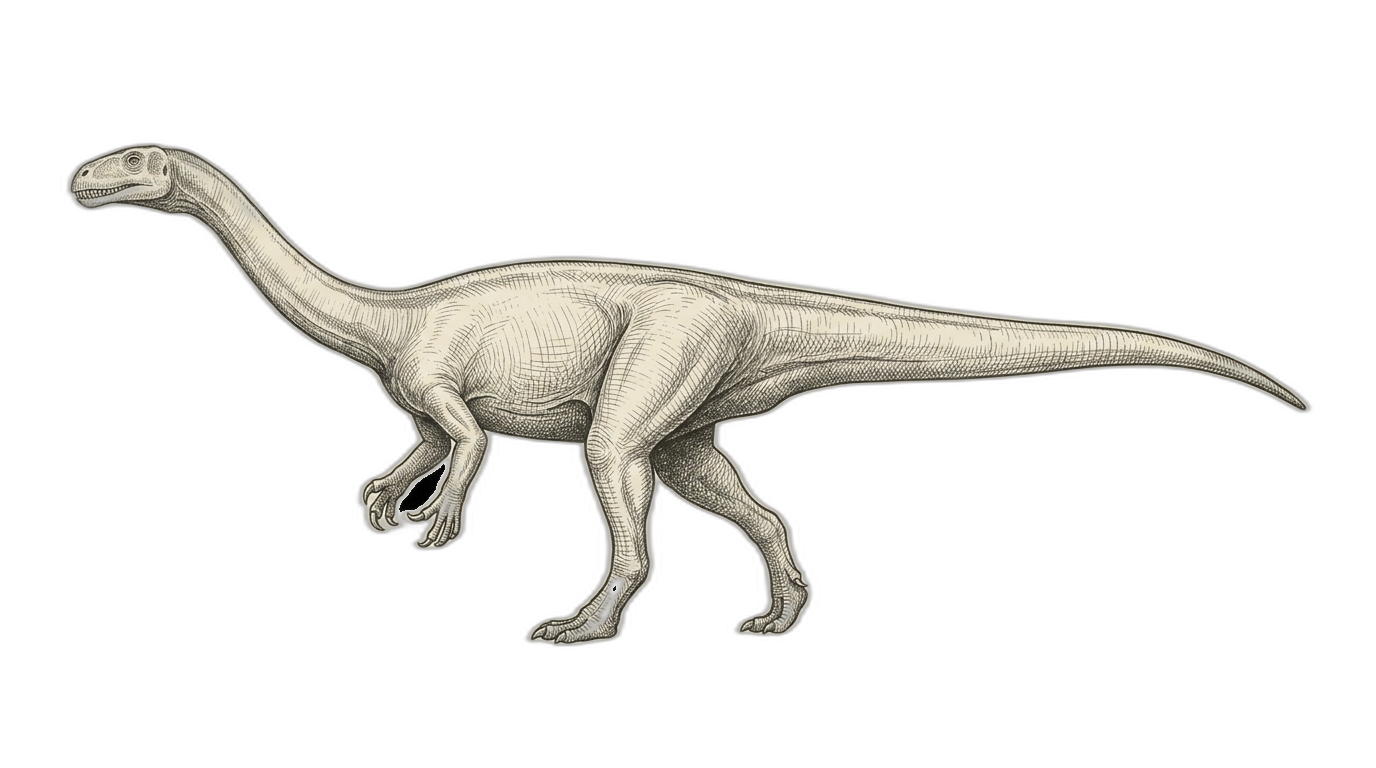
Lufengosaurus
Lufengosaurus and Vulcanodon are contemporaneous Early Jurassic sauropodomorphs from different continents (Asia and Africa respectively), both representing the diversification of herbivorous dinosaurs following the end-Triassic extinction.
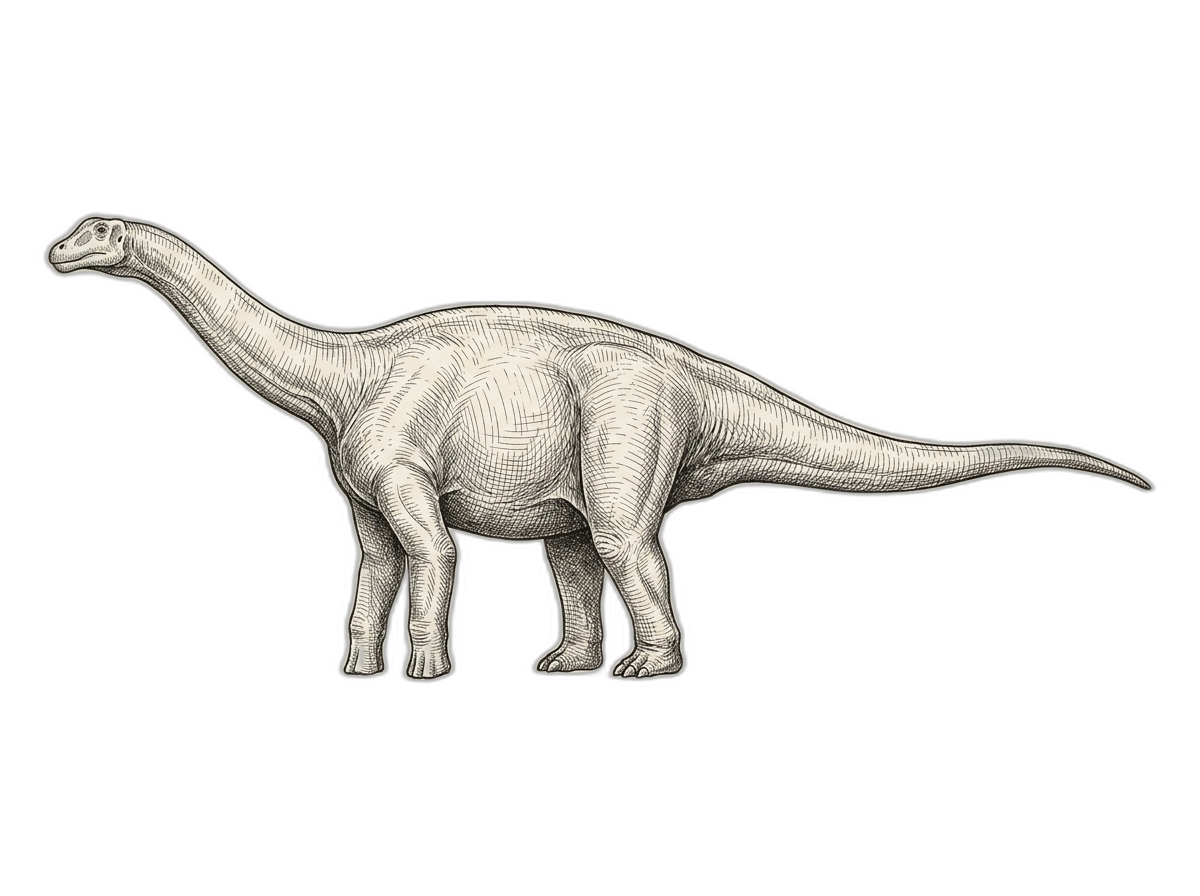
Whale Lizard
Cetiosaurus oxoniensis
Cetiosaurus from the Middle Jurassic represents a more derived eusauropod lineage that descended from early sauropods like Vulcanodon.
Sources & Citation
- Length estimates
- Raath, 1972; Cooper, 1984 - estimates based on partial skeleton
- Height estimates
- Estimated from limb proportions; Cooper, 1984
- Weight estimates
- Volumetric estimates based on skeletal reconstruction; Anderson et al., 1985
- Speed estimates
- Biomechanical estimate based on graviportal limb structure