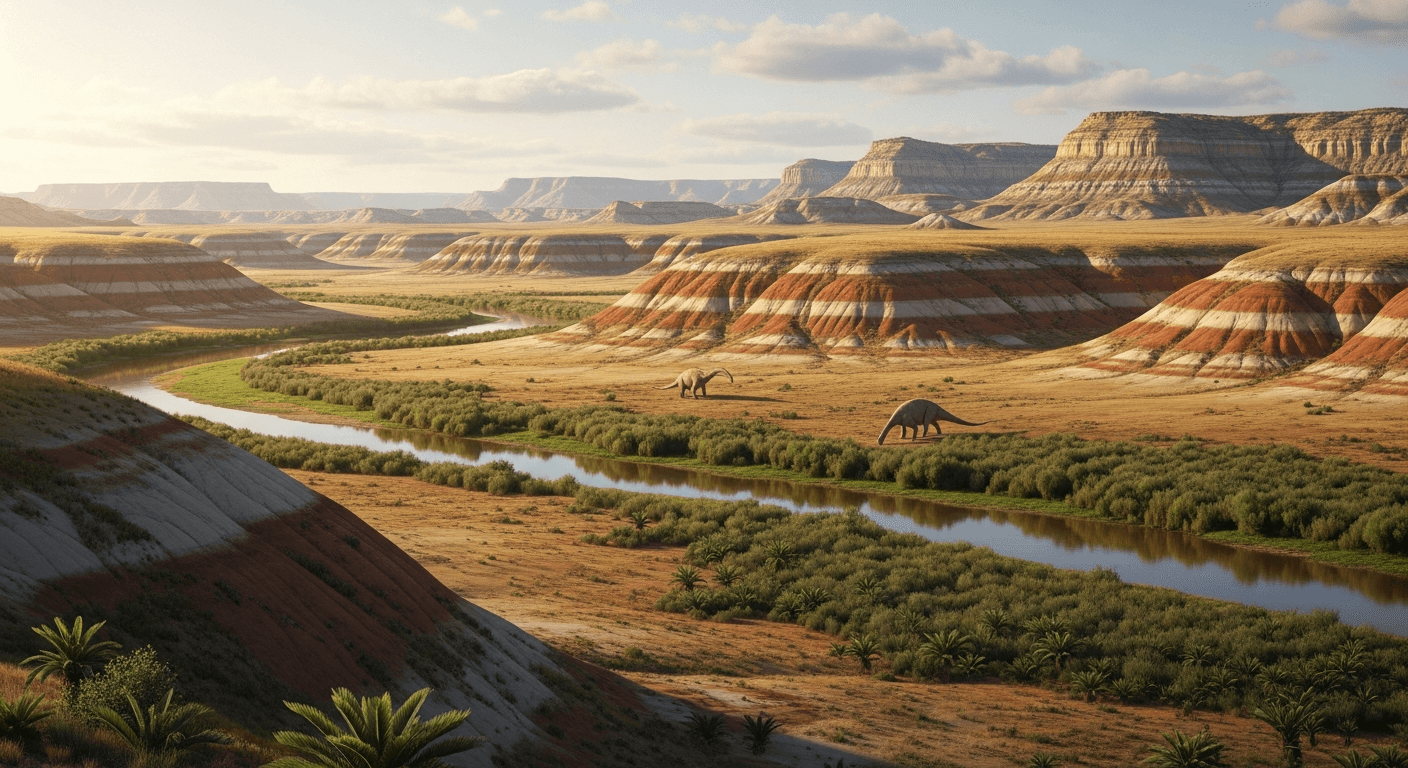
Chinle Formation
Arizona, New Mexico, Utah, Colorado, Nevada, Wyoming, United States
Why It Matters
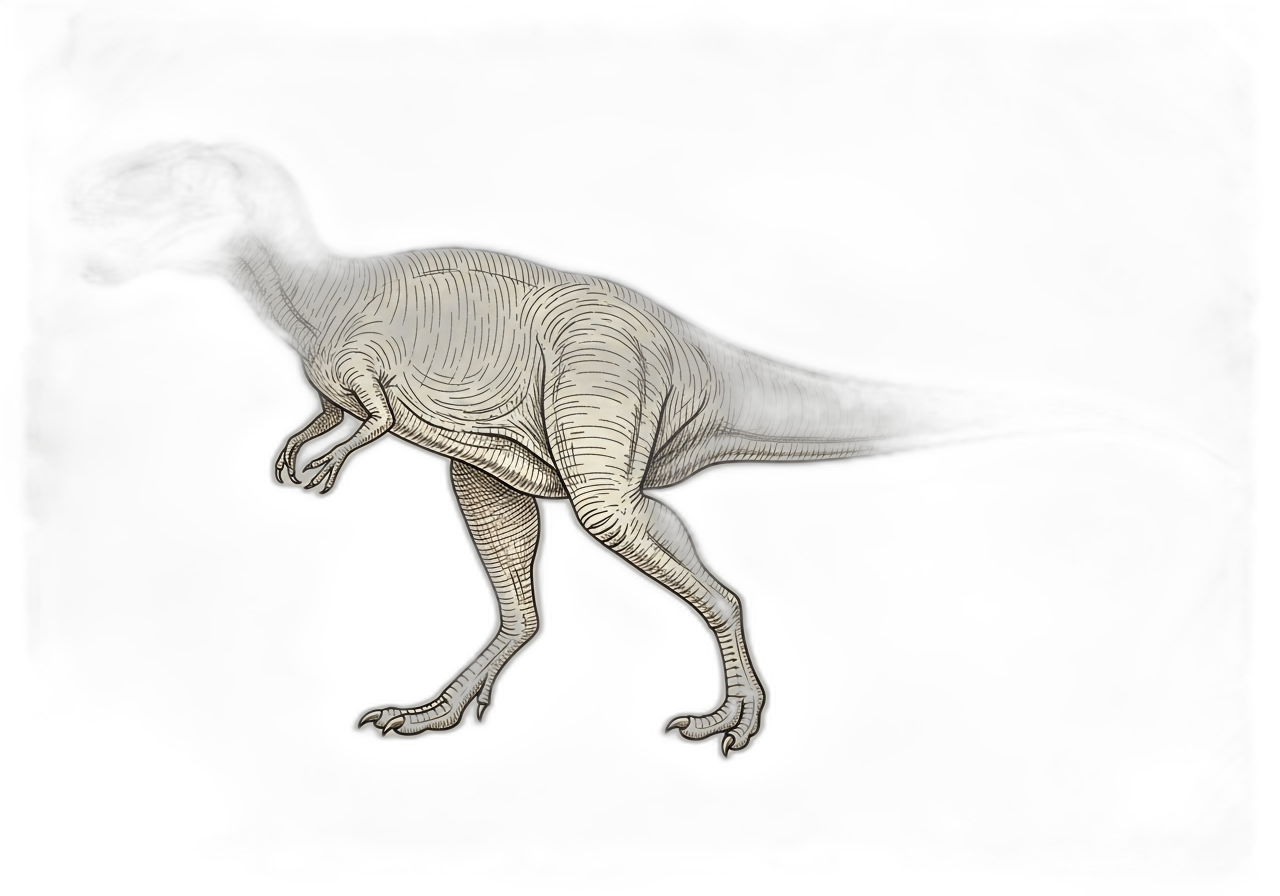
The Chinle Formation is one of the most important Late Triassic deposits in North America, preserving a critical window into early dinosaur evolution and ecosystem dynamics. It contains the famous Ghost Ranch quarry with mass accumulations of Coelophysis bauri, providing exceptional insight into early biology and behavior.
How Fossils Survived
The Chinle Formation consists primarily of variegated mudstones, siltstones, sandstones, and conglomerates deposited in , , and floodplain environments. The formation is renowned for its colorful banded strata visible at locations like the Painted Desert. Volcanic ash beds interspersed throughout provide excellent radiometric dating opportunities and contributed to exceptional fossil preservation.
Discovery History
Systematic paleontological work began in the early 20th century, with the spectacular Ghost Ranch Coelophysis quarry discovered by Edwin Colbert in 1947. Continued excavations through the decades have yielded thousands of specimens, making it one of the most extensively studied Triassic formations in the world.
Dinosaurs in the Vault
2 species in our database · sorted by size
Other Notable Finds
Significant non-dinosaur discoveries and species not yet in the vault
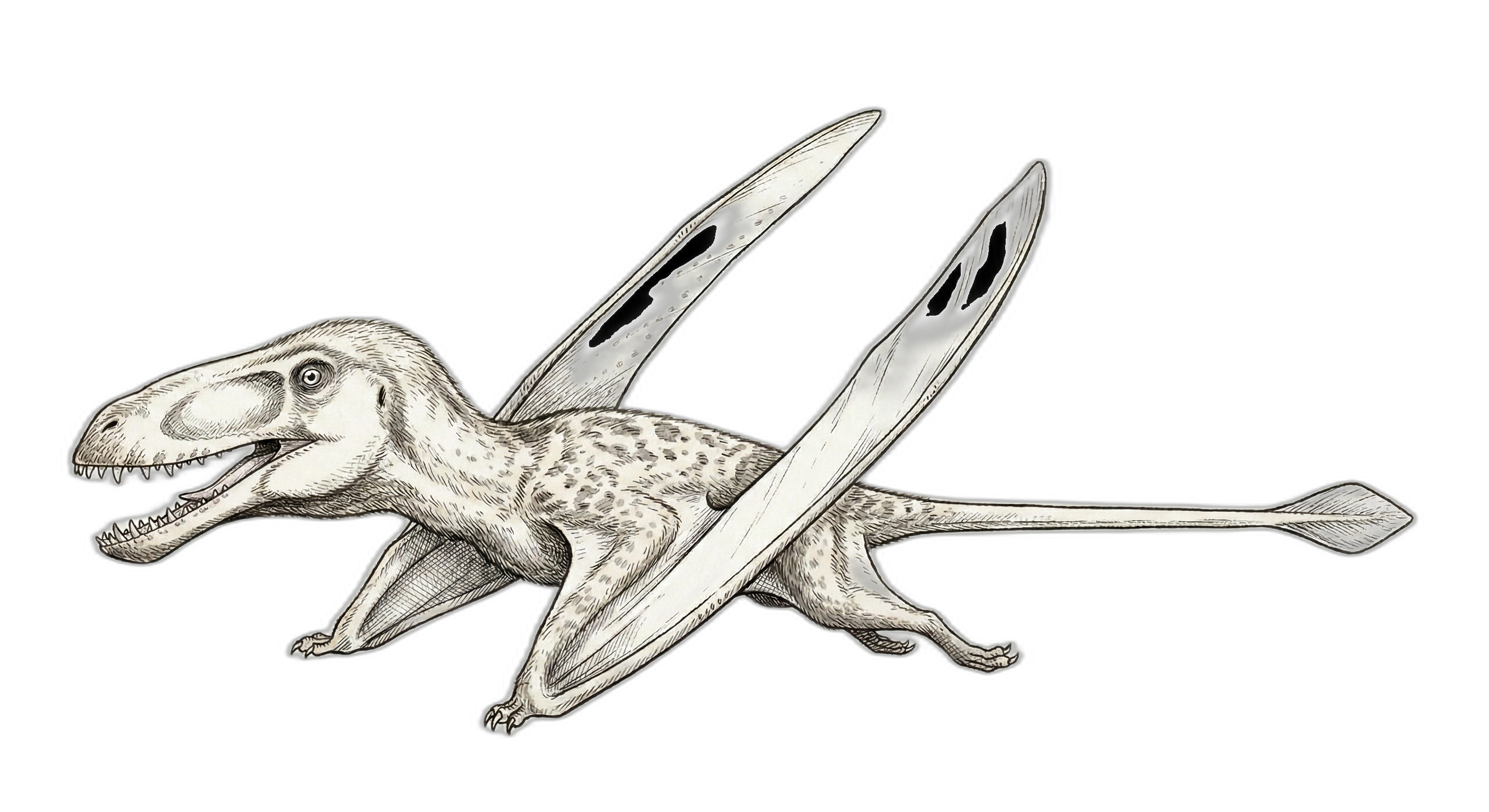
Eotephradactylus
reptileThis pterosaur was discovered in Chinle in 2011 and dated to ~209 million years ago. This makes it the oldest known pterosaur outside of Europe and an early diverger from its ancestry.
- The Ghost Ranch quarry in New Mexico has produced over 1,000 Coelophysis specimens, one of the largest concentrations of dinosaur fossils ever found