Nemegt Formation
Ömnögovi Province, Mongolia
Why It Matters
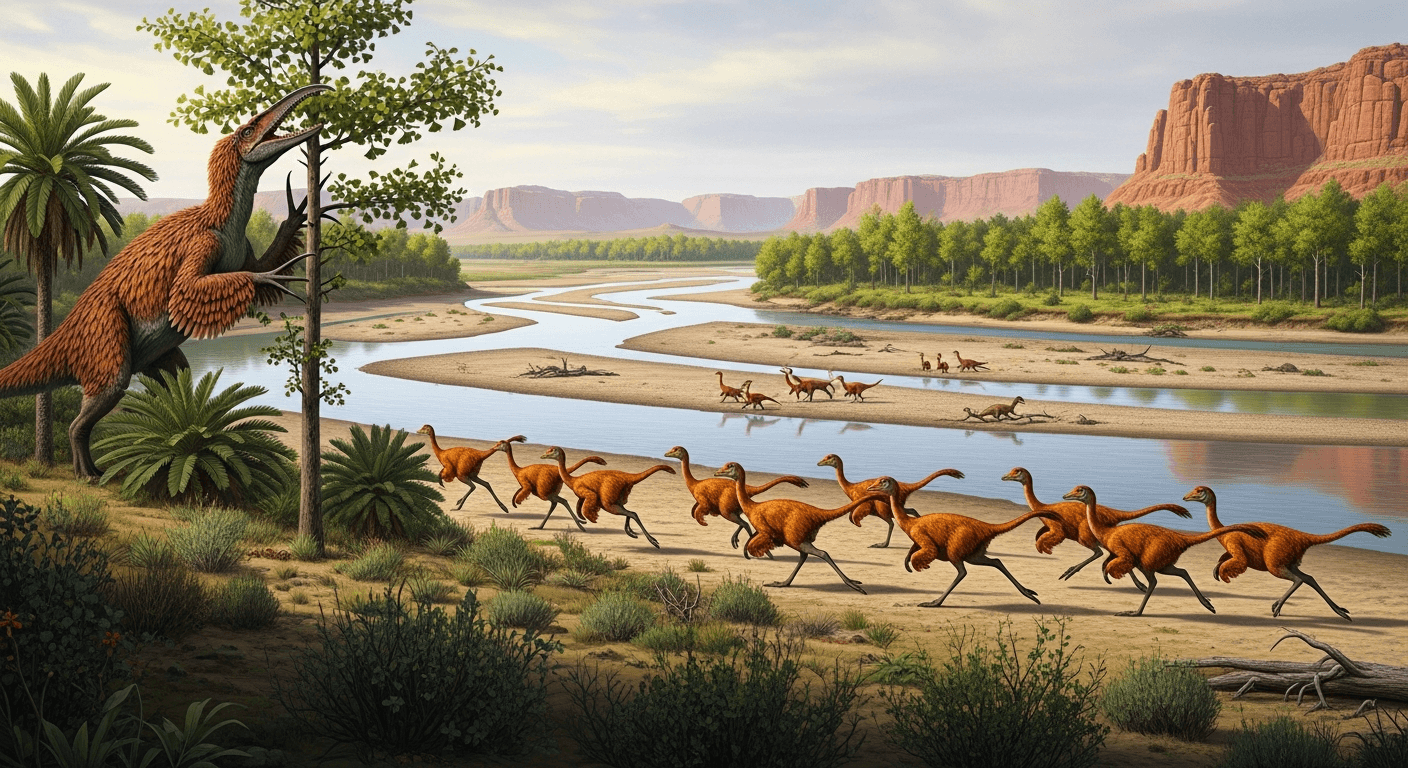
The Nemegt Formation is one of the richest Late Cretaceous dinosaur-bearing formations in Asia, yielding exceptionally diverse assemblages including Gallimimus, Therizinosaurus, and Tarbosaurus. It provides critical evidence for understanding Asian dinosaur ecosystems immediately before the end-Cretaceous extinction event.
How Fossils Survived
The formation consists primarily of sandstones, mudstones, and conglomerates deposited in river channels, floodplains, and environments. The sediments indicate a humid, well-watered environment with meandering river systems, contrasting sharply with underlying arid formations. Preservation conditions favored skeletons due to rapid burial in floodplain sediments.
Discovery History
Soviet-Mongolian expeditions first explored the Nemegt Basin extensively in the 1940s, with major discoveries by Ivan Efremov's team in 1946-1949. Polish-Mongolian expeditions in the 1960s-1970s led by Zofia Kielan-Jaworowska recovered numerous important specimens including the of Therizinosaurus. Joint Mongolian-international expeditions continue to produce significant discoveries today.
Dinosaurs in the Vault
3 species in our database · sorted by size
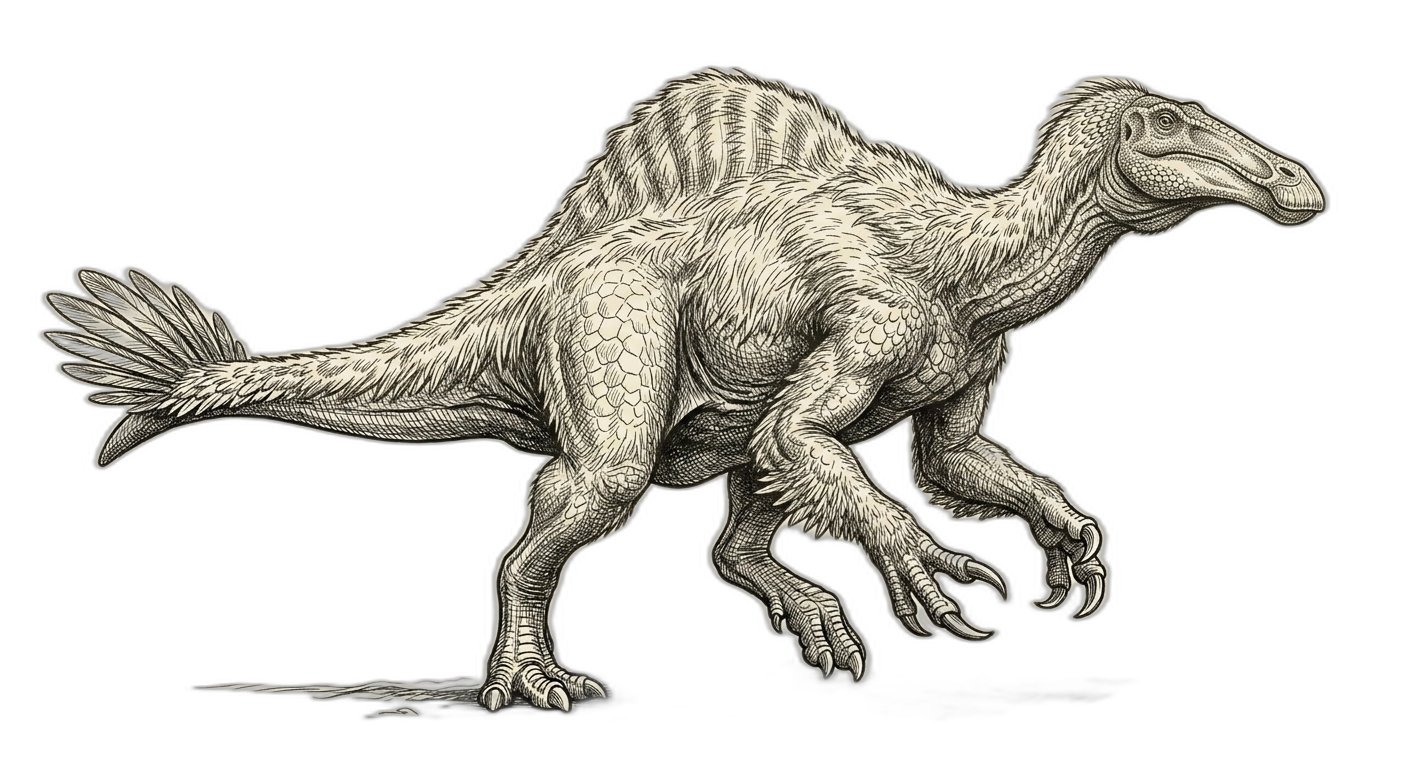
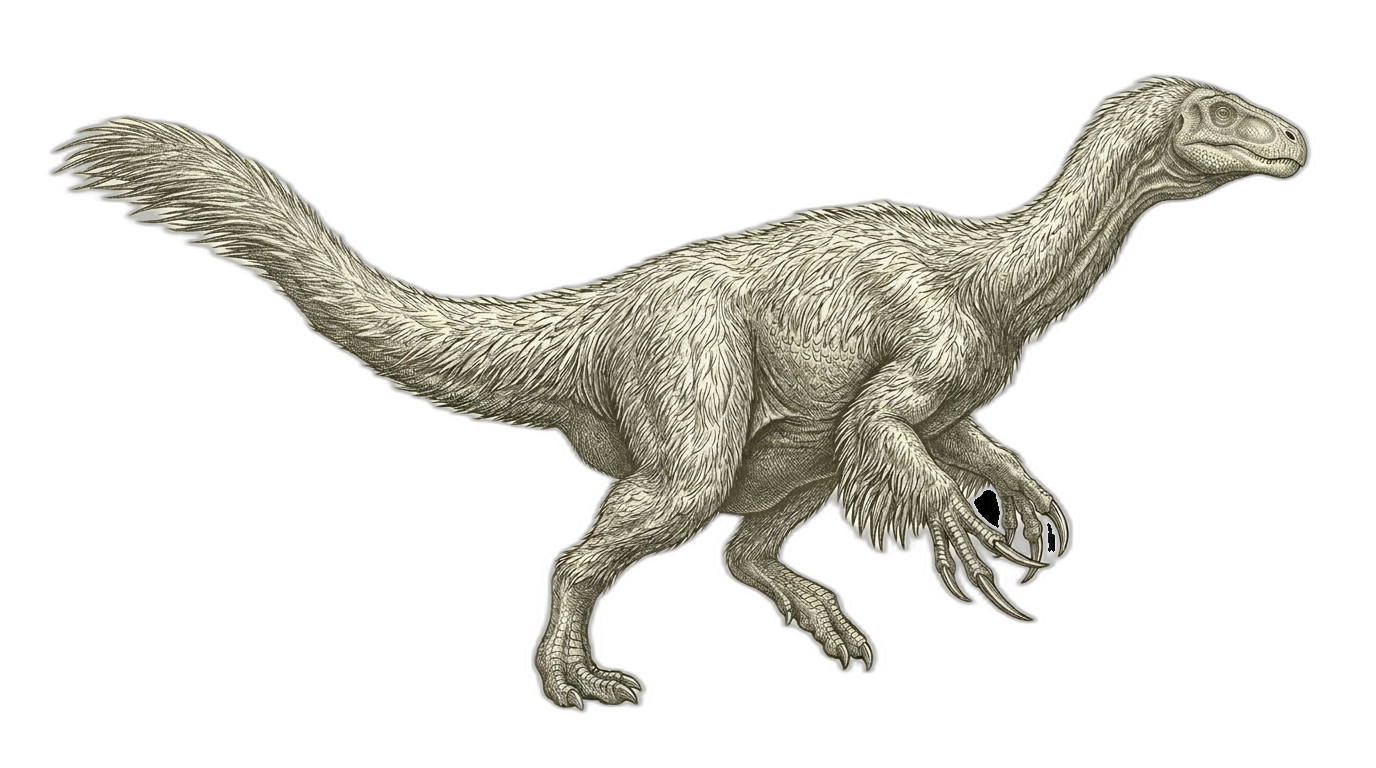
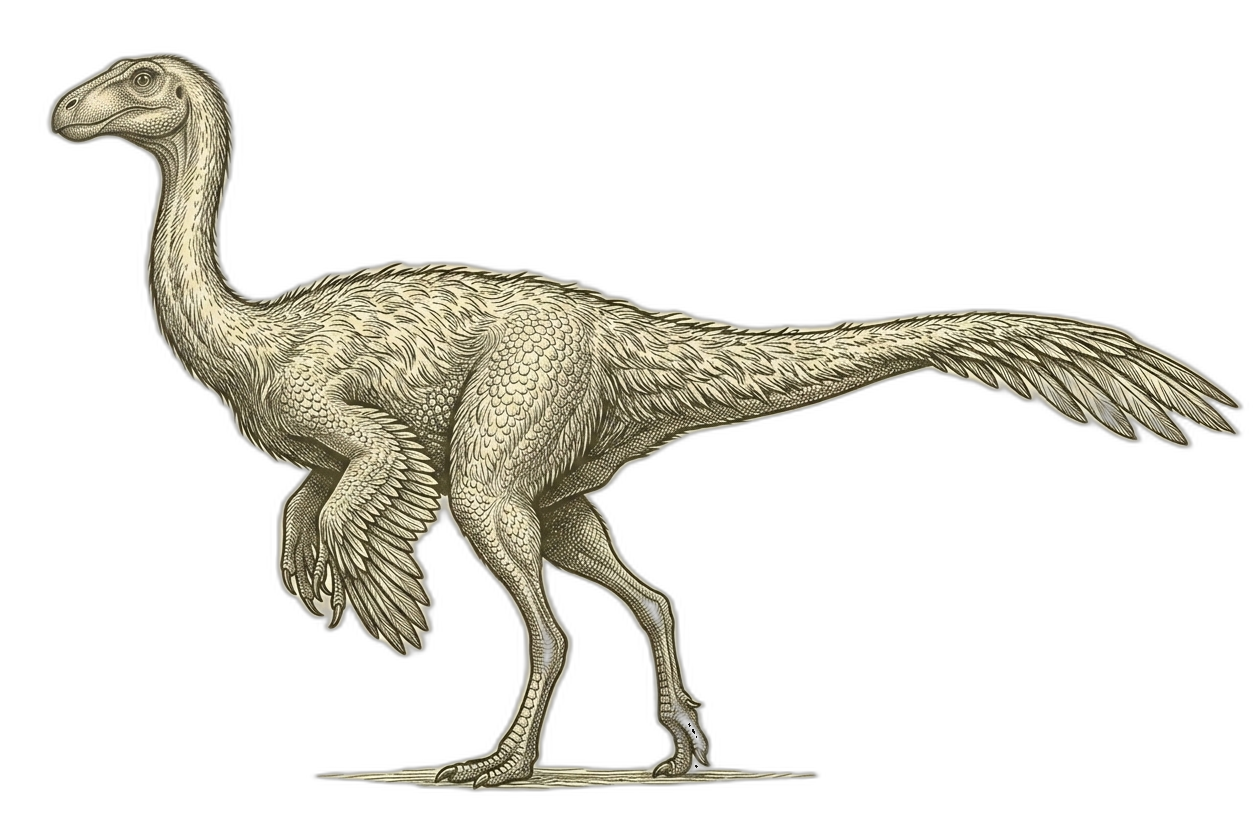
- The Nemegt Formation has yielded over 40 genera of dinosaurs, making it one of the most diverse Late Cretaceous faunas known