About
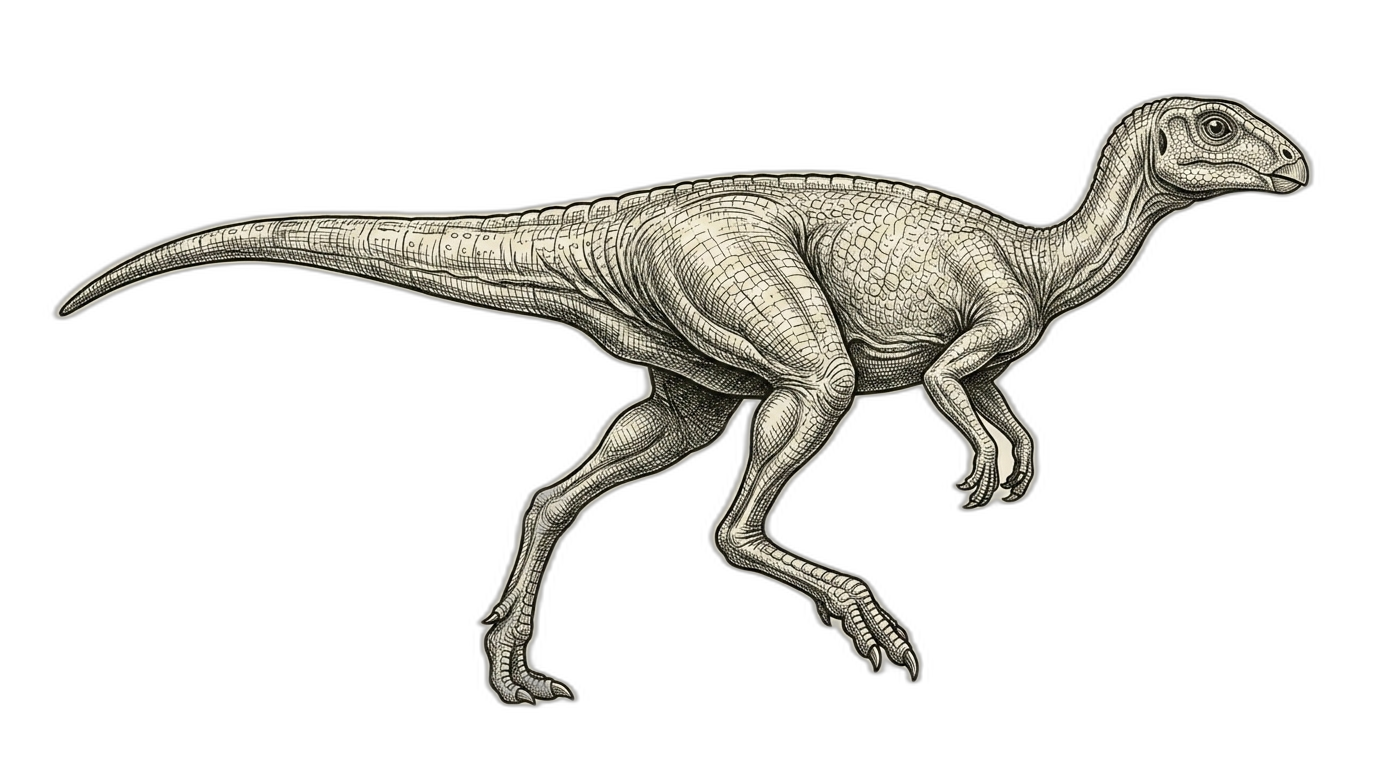
Dryosaurus altus was a graceful dinosaur that inhabited the lush river valleys and fern prairies of Late Jurassic North America approximately 155-150 million years ago. Standing about 1.2 meters tall at the hip and reaching lengths of 3-4 meters, this lightweight herbivore possessed a slender, athletic build perfectly adapted for rapid locomotion. Its elongated hind limbs, with tibiae longer than femora, indicate exceptional running capabilities—a crucial for evading formidable predators like Allosaurus and Ceratosaurus that shared its ecosystem.
The skull of Dryosaurus featured a distinctive beaked lacking teeth, ideal for cropping vegetation, while rows of leaf-shaped cheek teeth processed tough Jurassic plants. Large orbits suggest keen eyesight, likely beneficial for detecting approaching threats. The forelimbs were proportionally short with five-fingered hands, though the animal was obligately .
Discovered during the famous Bone Wars era, Dryosaurus remains have been recovered primarily from Dinosaur National Monument and other Morrison Formation localities. The genus holds scientific significance as a key representative of basal ornithopods, helping paleontologists understand the evolutionary trajectory leading to later ornithopods like Iguanodon and the hadrosaurs. Multiple growth stages are known, providing valuable insights into ornithopod and population dynamics in Jurassic ecosystems.
Quick Facts
- Scientific name
- Dryosaurus altus
- Also known as
- Oak Lizard
- Group
- Ornithopod · Dryosauridae
- Lived
- Late Jurassic, 155–150 million years ago
- Diet
- Herbivore
- Movement
- Walked on two legs
- Fossils found in
- Morrison Formation (United States)
- Discovery credited to
- 1876, Samuel Wendell Williston
- Holotype
- YPM 1876, Yale Peabody Museum of Natural History
- DinoVault record
- DVL-0046
Where fossils were found
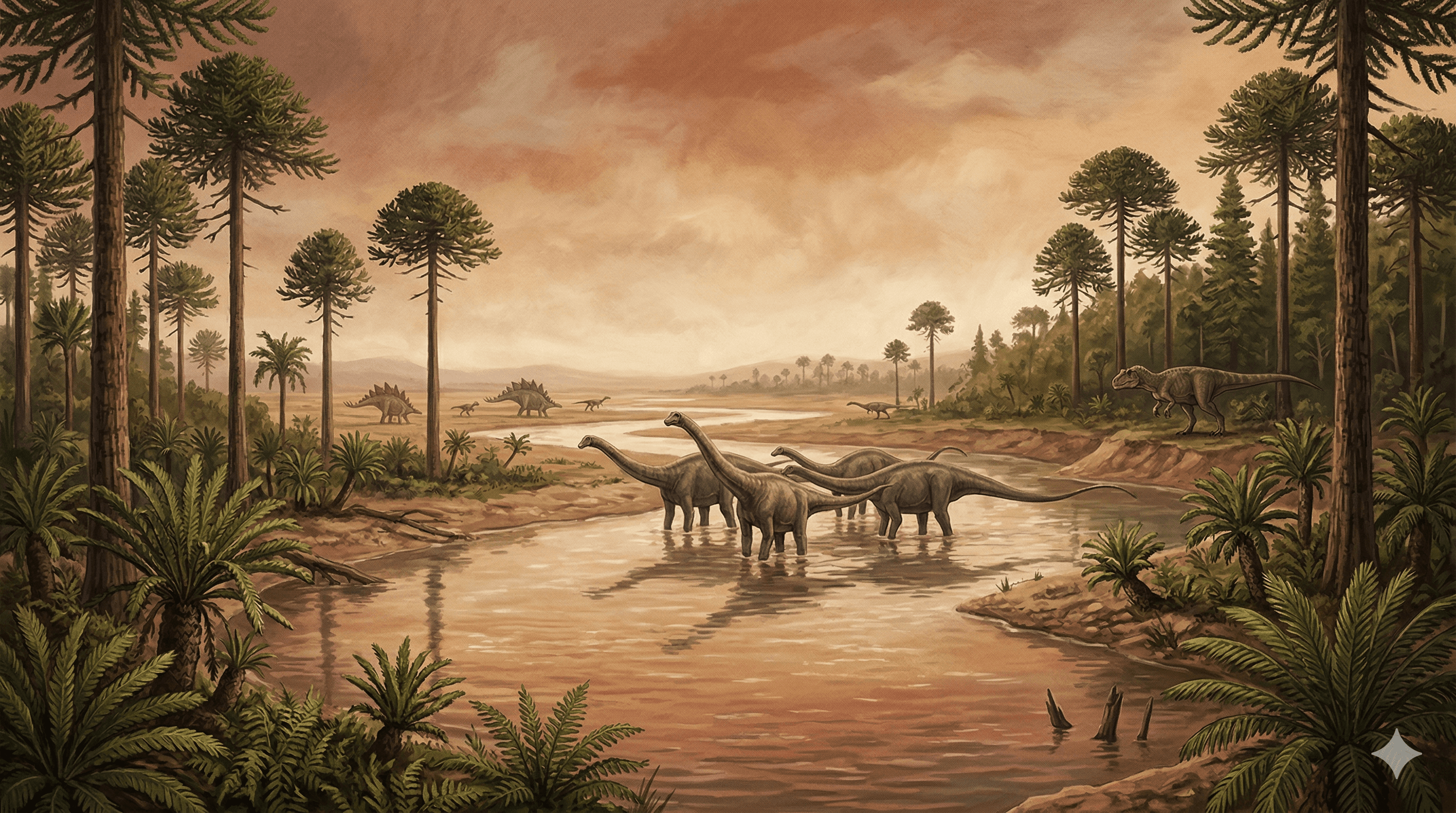
Morrison Formation
Colorado, Utah, Wyoming, Montana +6 more · United States
155–150 million years ago(5m year span)
Where Oak Lizard Roamed
During the Late Jurassic, *Dryosaurus altus* roamed the semi-arid floodplains and riverine forests of the Morrison Formation in western Laurasia, a landscape characterized by seasonal wetlands, fern prairies, and conifer-lined waterways that stretched across what is now the American West, long before the Western Interior Seaway would divide the continent.
Keep exploring the vault
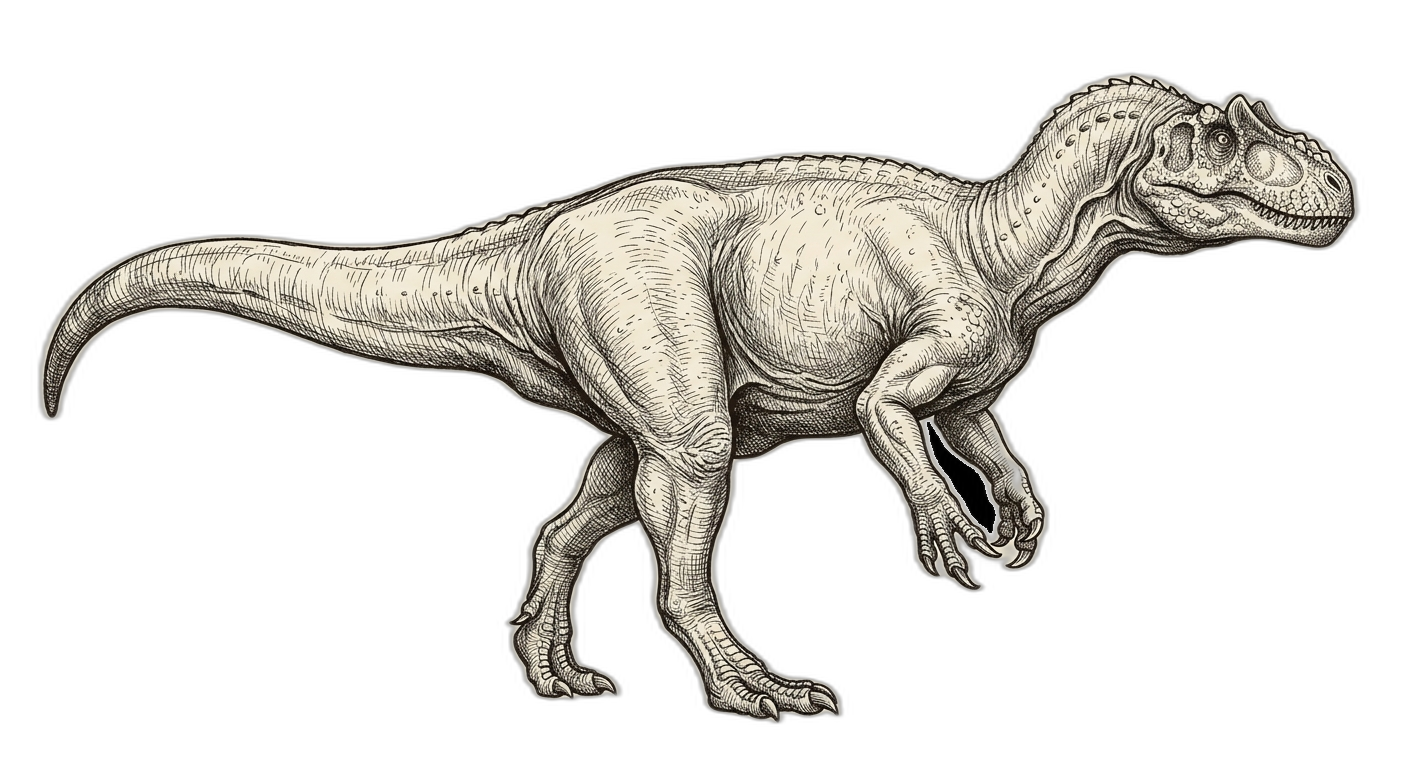
Allosaurus
Allosaurus fragilis
Allosaurus was the apex predator of the Morrison Formation and at 8.5m and 1500kg would have easily preyed upon the 3m, 80kg Dryosaurus.
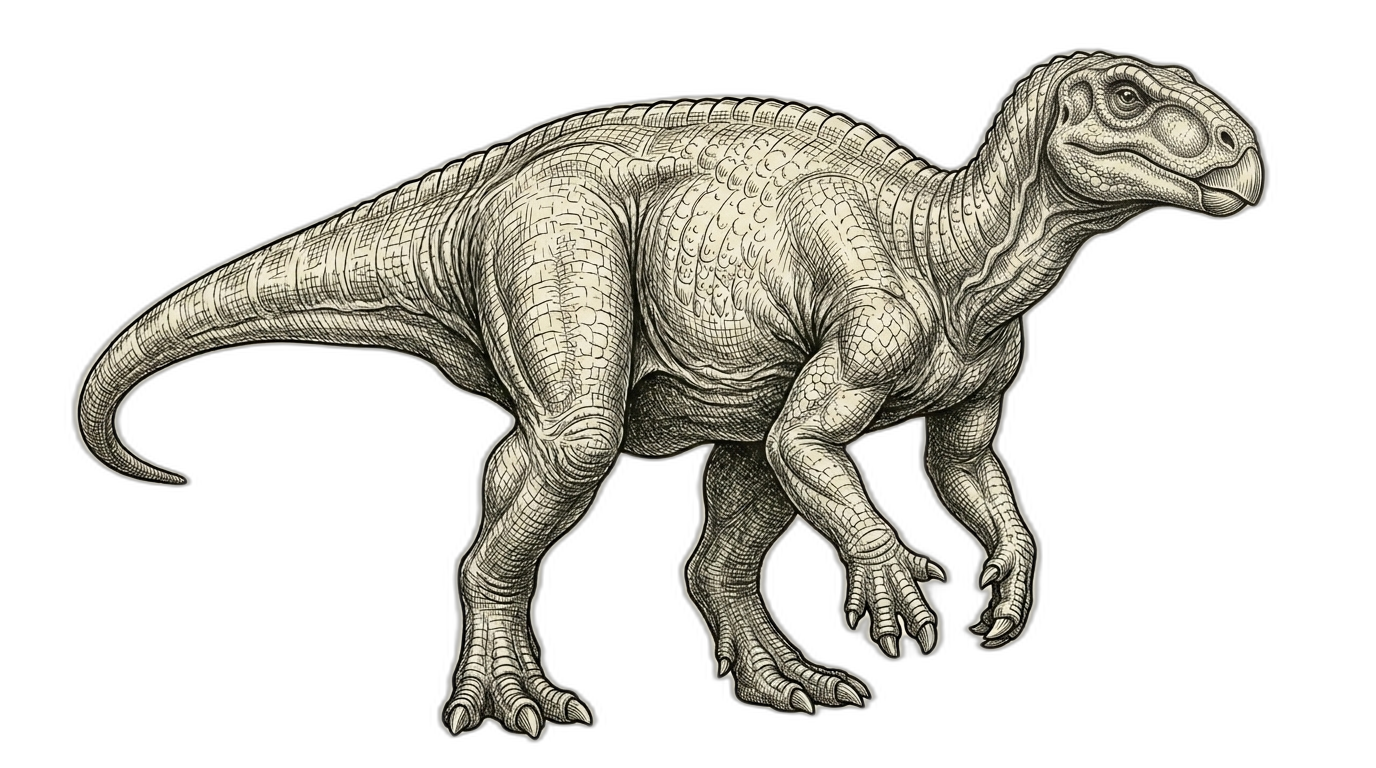
Camptosaurus
Camptosaurus dispar
Both Camptosaurus and Dryosaurus were ornithopod herbivores in the Morrison Formation, likely competing for similar low-to-mid height vegetation.
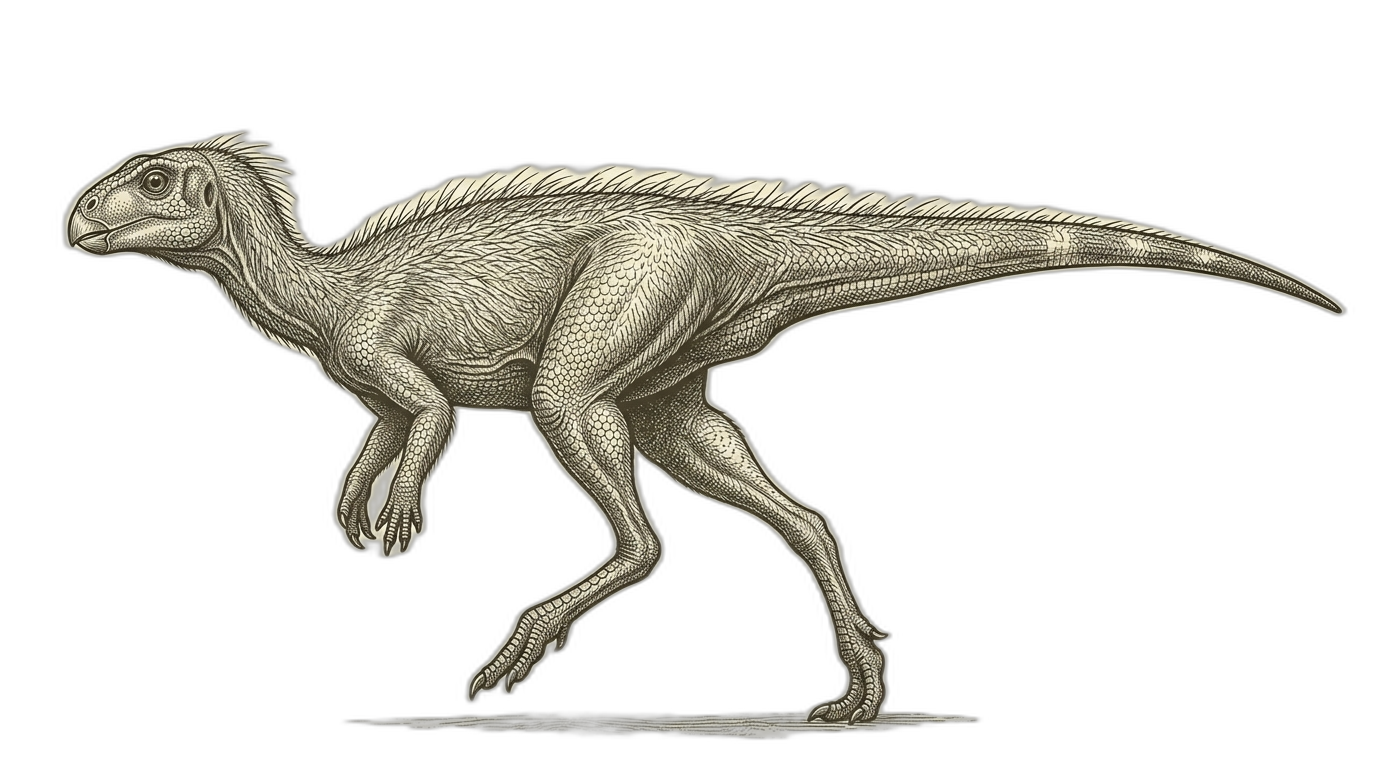
Hypsilophodon
Hypsilophodon foxii
Both Dryosaurus and Hypsilophodon represent small, bipedal ornithopods that independently evolved similar body plans optimized for speed and agility as a predator-avoidance strategy.
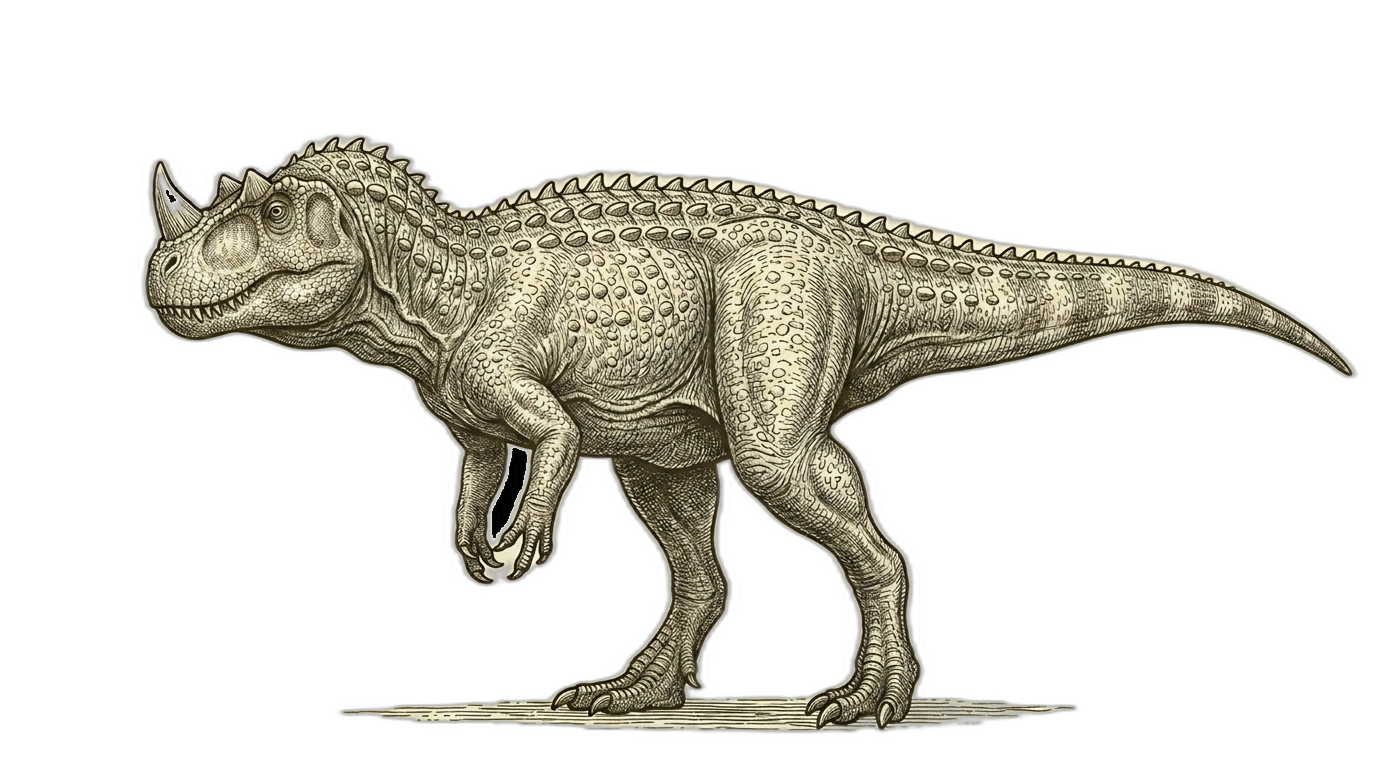
Ceratosaurus
Ceratosaurus nasicornis
Ceratosaurus, at 6m and 700kg, was a medium-sized theropod in the Morrison Formation well-suited to hunting smaller ornithopods like Dryosaurus.
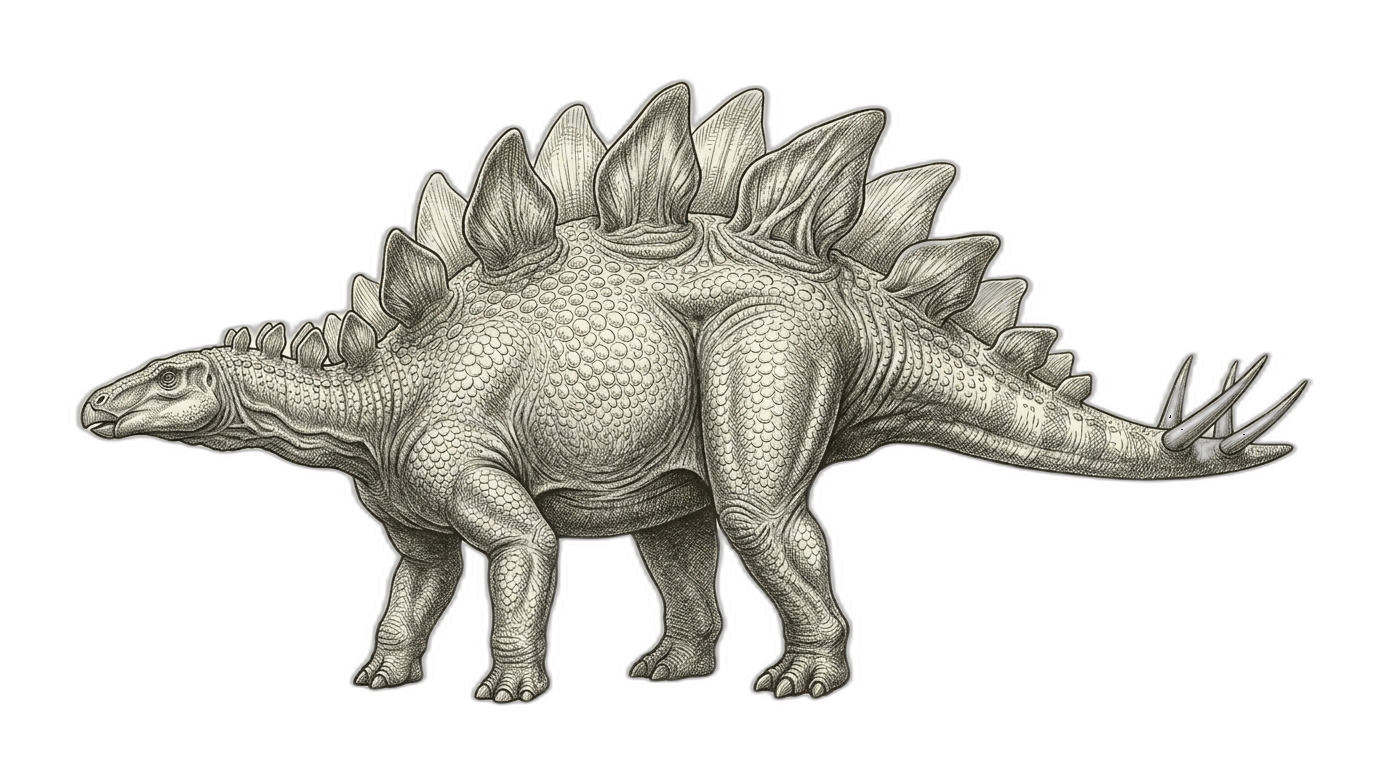
Stegosaurus
Stegosaurus stenops
Both herbivores co-occurred in the Morrison Formation, but occupied very different ecological niches.
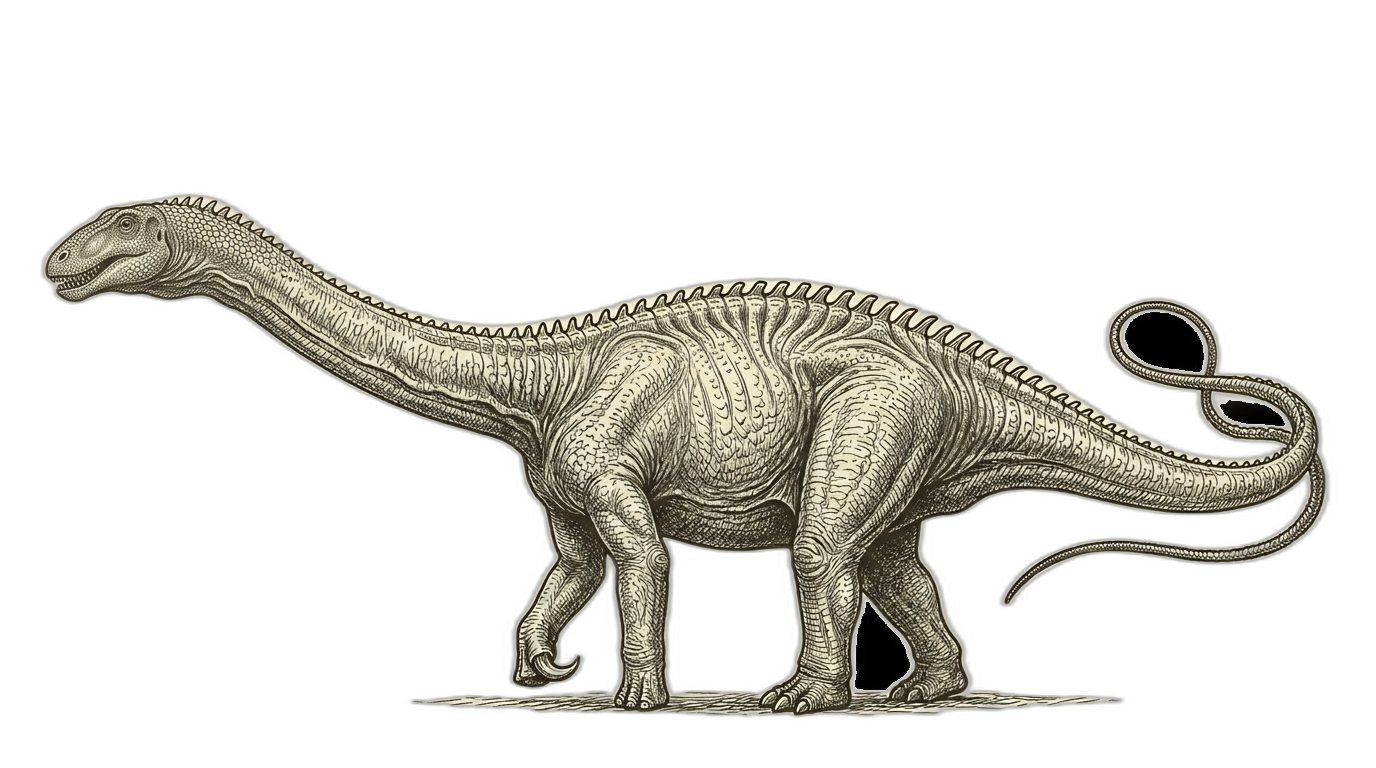
Diplodocus
Diplodocus carnegii
Co-occurred in the Morrison Formation.
Sources & Citation
- Length estimates
- Galton, P.M. (1981). Dryosaurus, a hypsilophodontid dinosaur from the Upper Jurassic of North America and Africa. Paläontologische Zeitschrift 55: 271-312
- Height estimates
- Estimated from skeletal reconstructions; Galton (1981)
- Weight estimates
- Galton, P.M. (1981); mass estimates based on skeletal proportions
- Speed estimates
- Biomechanical analysis based on limb proportions suggesting cursorial adaptations; Heinrich et al. (1993)