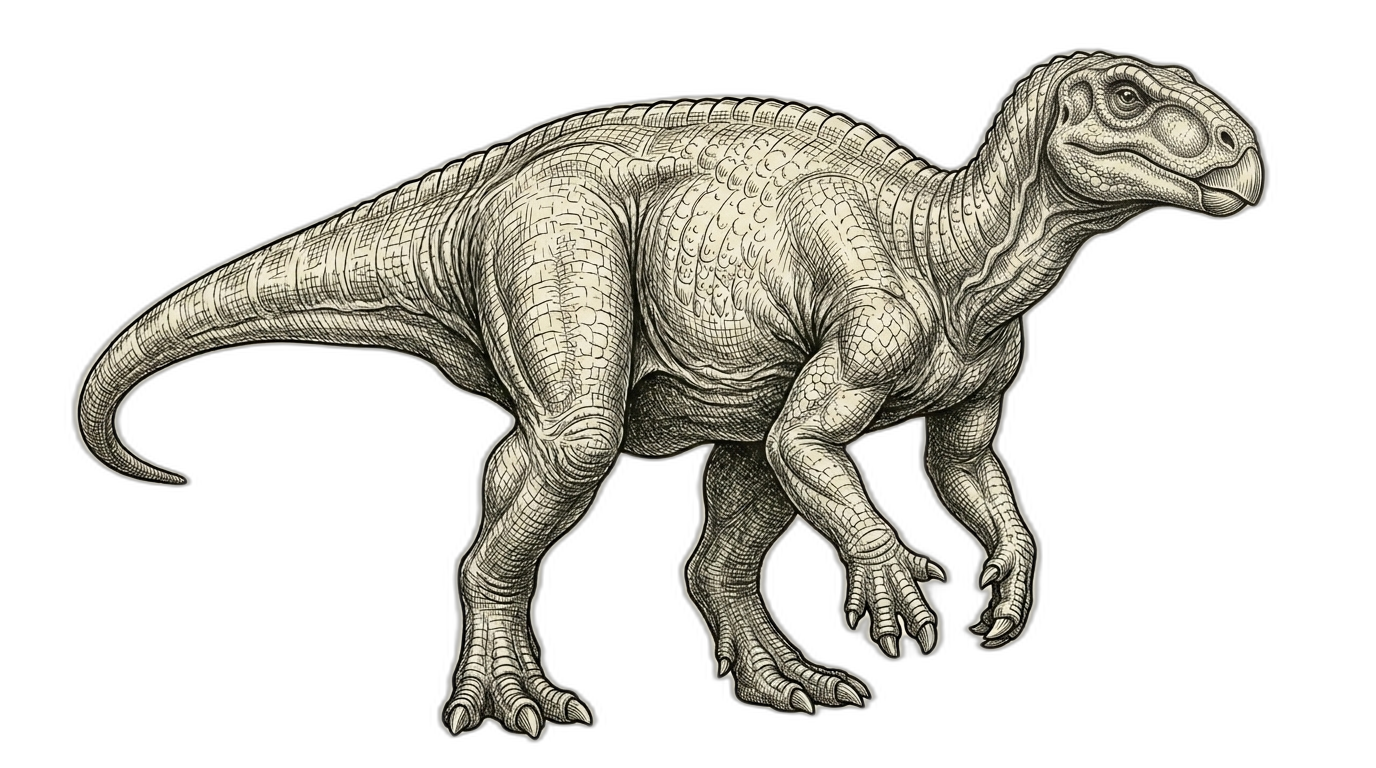
About
Camptosaurus dispar was a robust herbivorous dinosaur that roamed the floodplains and forests of Late Jurassic North America alongside giants like Allosaurus, Diplodocus, and Stegosaurus. This medium-sized possessed a sturdy build with a relatively small head featuring a distinctive beak-like snout used for cropping vegetation. Its teeth were well-suited for grinding plant material, arranged in dental batteries that would become more sophisticated in its later descendants.
Capable of both and locomotion, Camptosaurus likely spent much of its time foraging on all fours but could rear up on its powerful hind legs to reach higher vegetation or flee from predators. Its forelimbs were notably robust with hoof-like digits, suggesting frequent use in walking. The hands retained some grasping ability, useful for pulling down branches.
First discovered by William Harlow Reed at Quarry 13 near Como Bluff, Wyoming, in 1879, Camptosaurus was named by Othniel Charles Marsh. The genus name references the flexibility observed in its vertebral column. Multiple specimens ranging from juveniles to adults have been recovered primarily from the Morrison Formation, making it one of the best-represented ornithopods of the Jurassic. As a basal member of the Ankylopollexia, Camptosaurus bridges the gap between small early ornithopods and the more derived iguanodonts of the Cretaceous, making it scientifically invaluable for understanding ornithopod evolution.
Quick Facts
- Scientific name
- Camptosaurus dispar
- Group
- Ornithopod · Camptosauridae
- Lived
- Late Jurassic, 155–148 million years ago
- Diet
- Herbivore
- Movement
- Walked on two or four legs
- Fossils found in
- Morrison Formation (United States)
- Discovery credited to
- 1879, William Harlow Reed
- Holotype
- YPM 1877, Yale Peabody Museum of Natural History
- DinoVault record
- DVL-0023
Where fossils were found
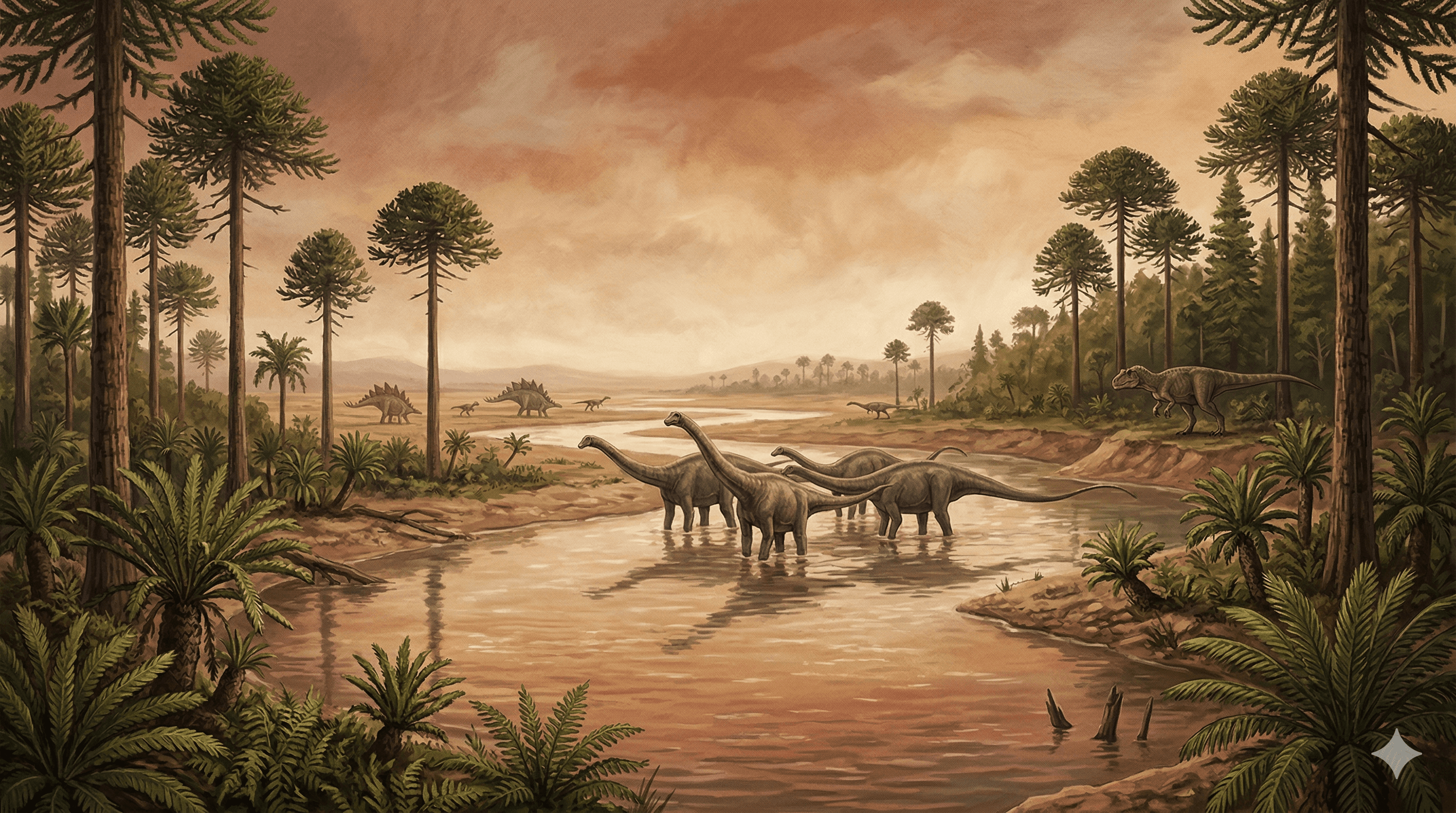
Morrison Formation
Colorado, Utah, Wyoming, Montana +6 more · United States
155–148 million years ago(7m year span)
Where Camptosaurus Roamed
During the Late Jurassic, Camptosaurus dispar roamed the lush floodplains and riverine forests of Laurasia, in a region that would become the Morrison Formation of western North America—a semi-arid landscape punctuated by seasonal rivers, fern prairies, and conifer woodlands, situated well inland from the retreating Sundance Sea to the north.
Keep exploring the vault
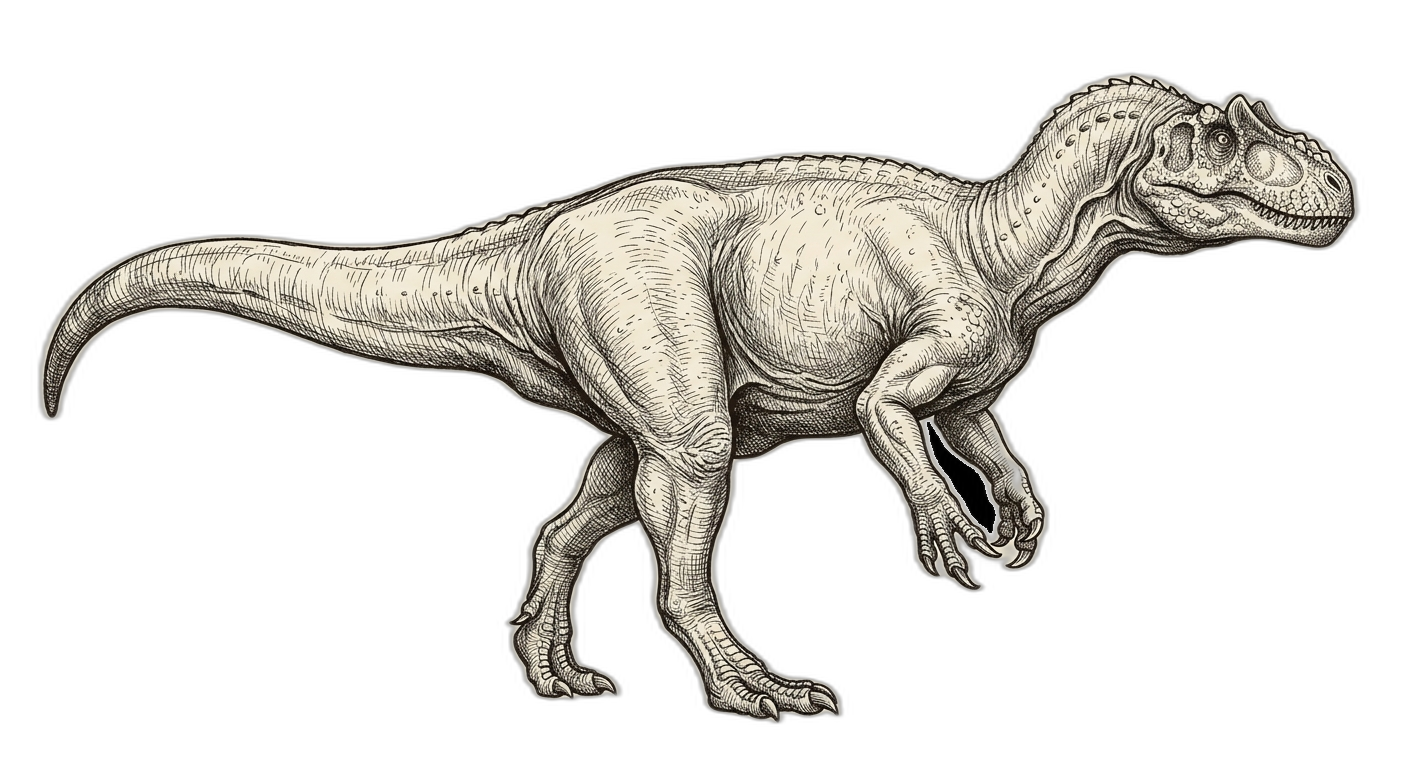
Allosaurus
Allosaurus fragilis
Allosaurus was the apex predator of the Morrison Formation and at 8.5m/1500kg would have easily preyed upon the smaller Camptosaurus (6m/785kg).
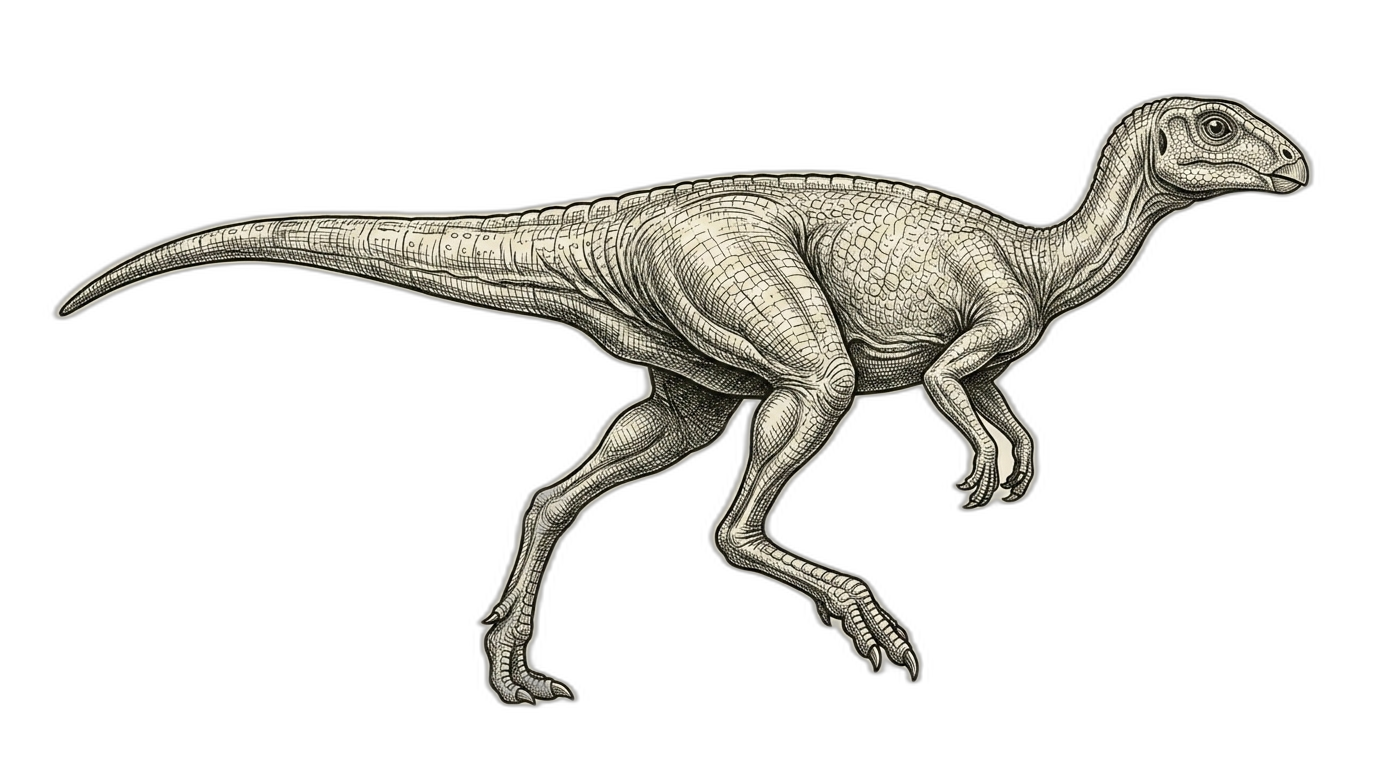
Oak Lizard
Dryosaurus altus
Both ornithopods from the Morrison Formation feeding on low to mid-level vegetation.
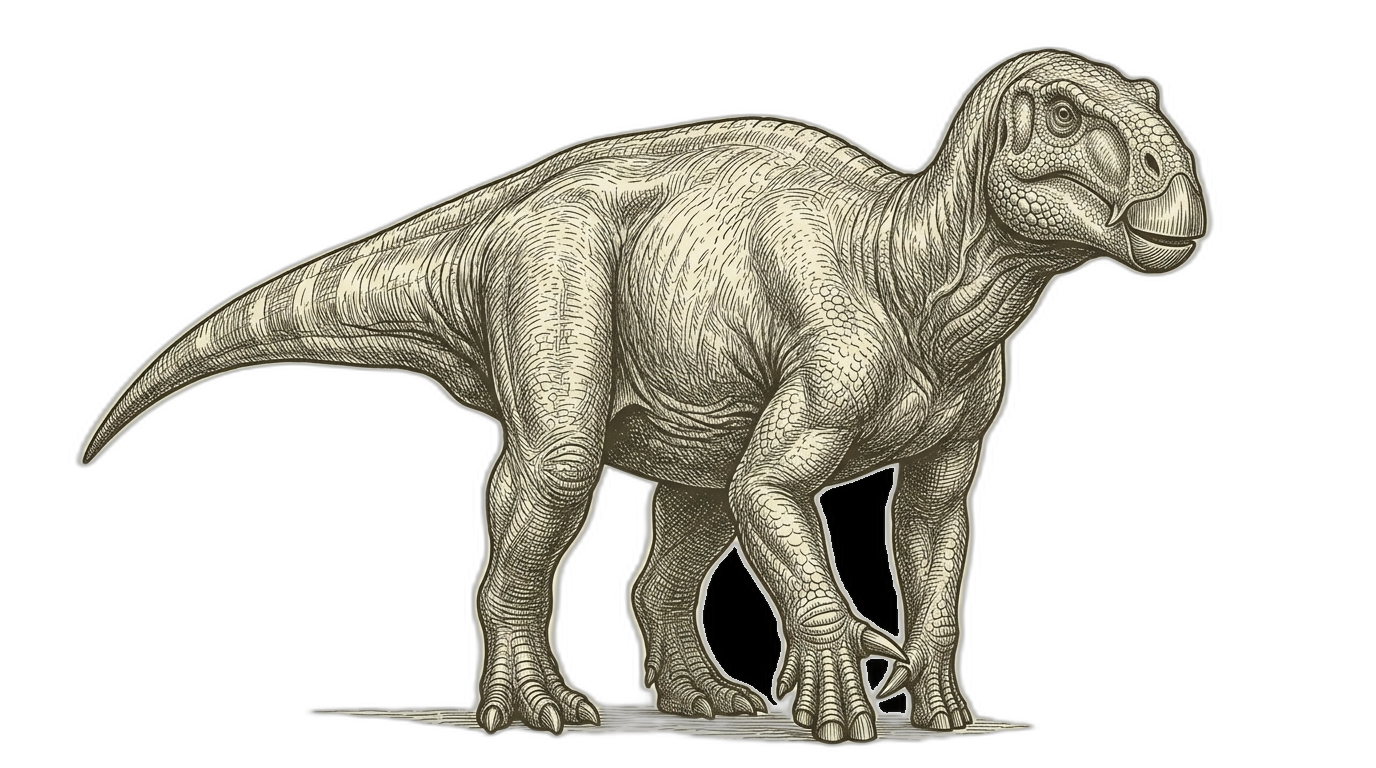
Iguanodon
Iguanodon bernissartensis
Camptosaurus is considered a basal member of Ankylopollexia, the clade containing Iguanodon.
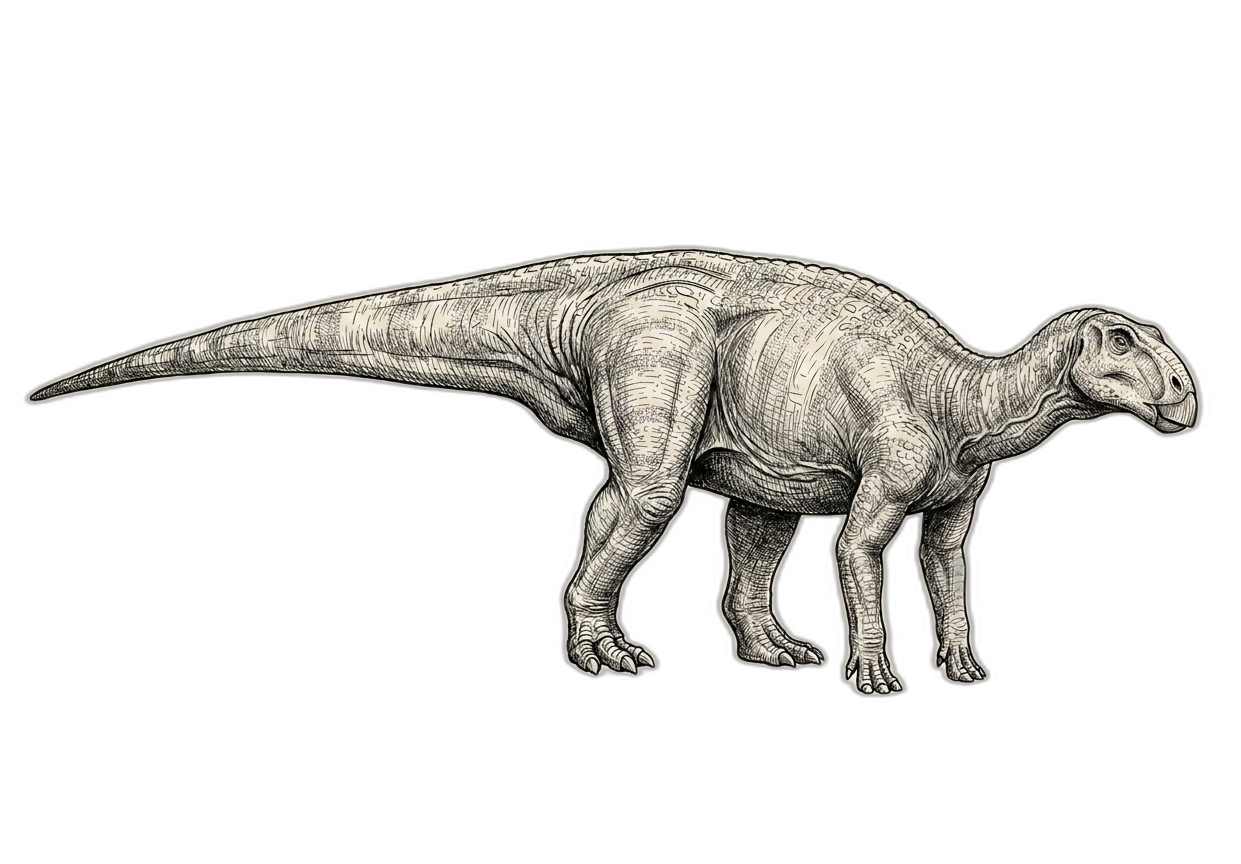
Tenontosaurus
Tenontosaurus tilletti
Both represent medium-sized ornithopods that filled similar ecological roles as bulk-feeding herbivores in their respective ecosystems (Morrison vs.
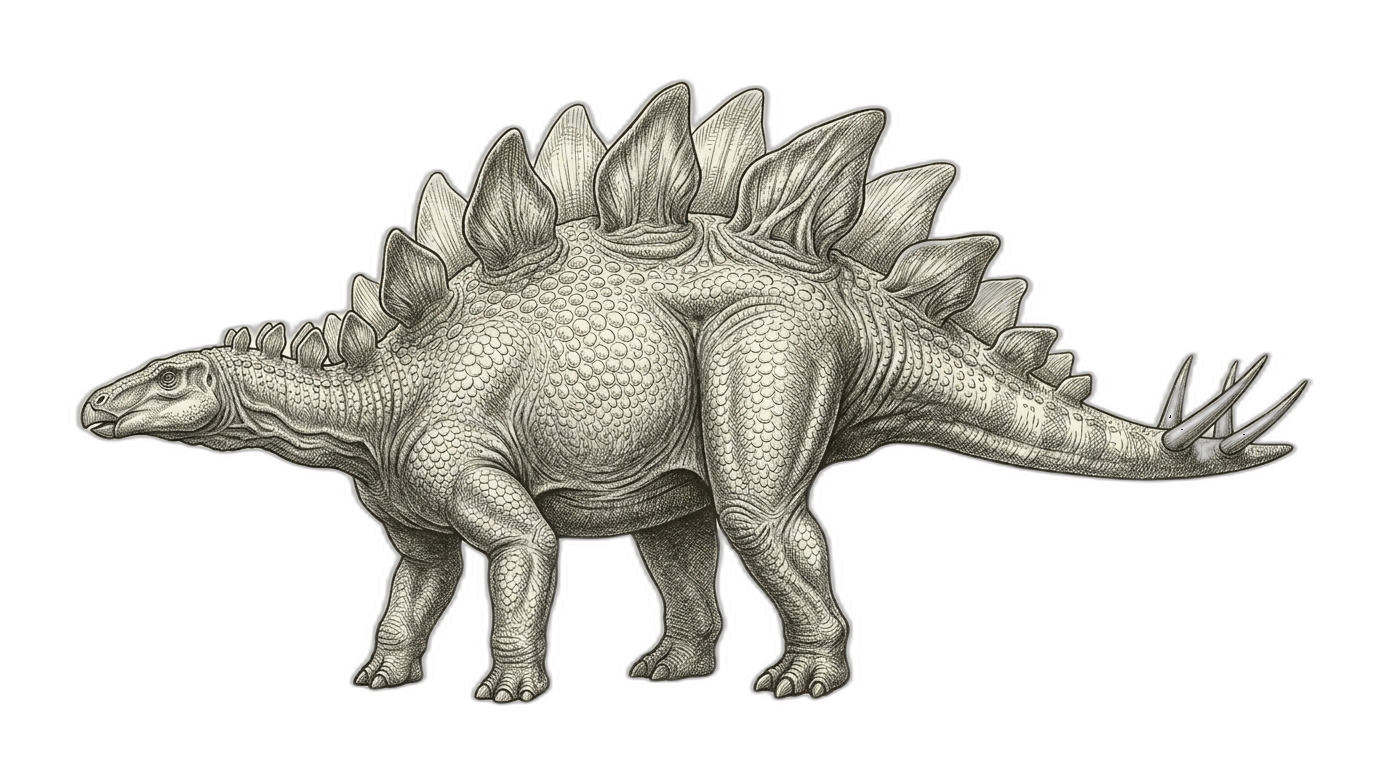
Stegosaurus
Stegosaurus stenops
Both medium-sized herbivores co-occurring in the Morrison Formation, representing two dramatically different ornithischian survival strategies: Stegosaurus with plates and tail spikes for defense, Camptosaurus relying on alertness and herd behavior.
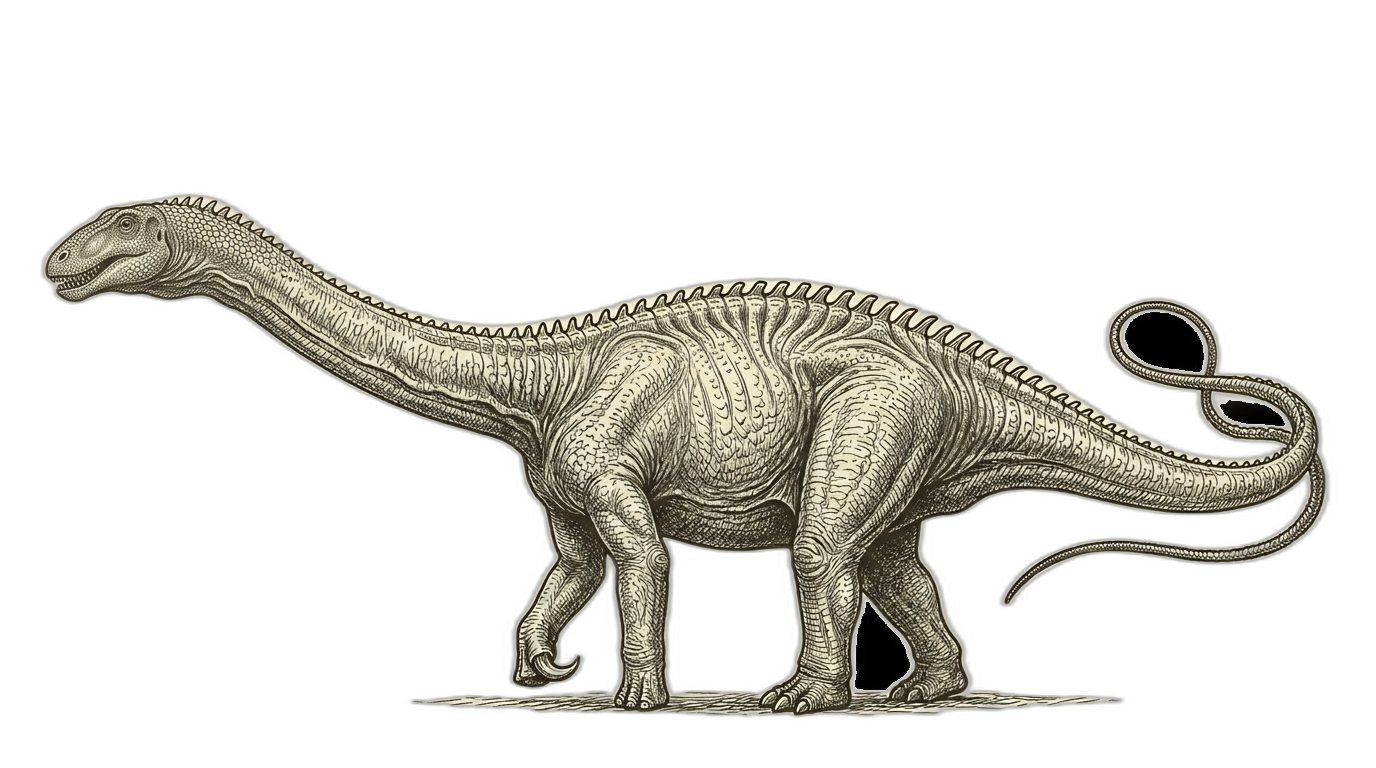
Diplodocus
Diplodocus carnegii
Co-occurring in the Morrison Formation, these herbivores occupied completely different feeding niches: Diplodocus browsed at extreme heights with its 25m length, while Camptosaurus fed on vegetation below 3 meters, demonstrating Morrison ecosystem stratification.
Sources & Citation
- Length estimates
- Carpenter & Wilson, 2008; based on multiple specimens from Morrison Formation
- Height estimates
- Estimated from skeletal reconstructions; Gilmore, 1909
- Weight estimates
- Seebacher, 2001; body mass estimates from skeletal measurements
- Speed estimates
- Biomechanical estimates based on hindlimb proportions; Paul, 2010