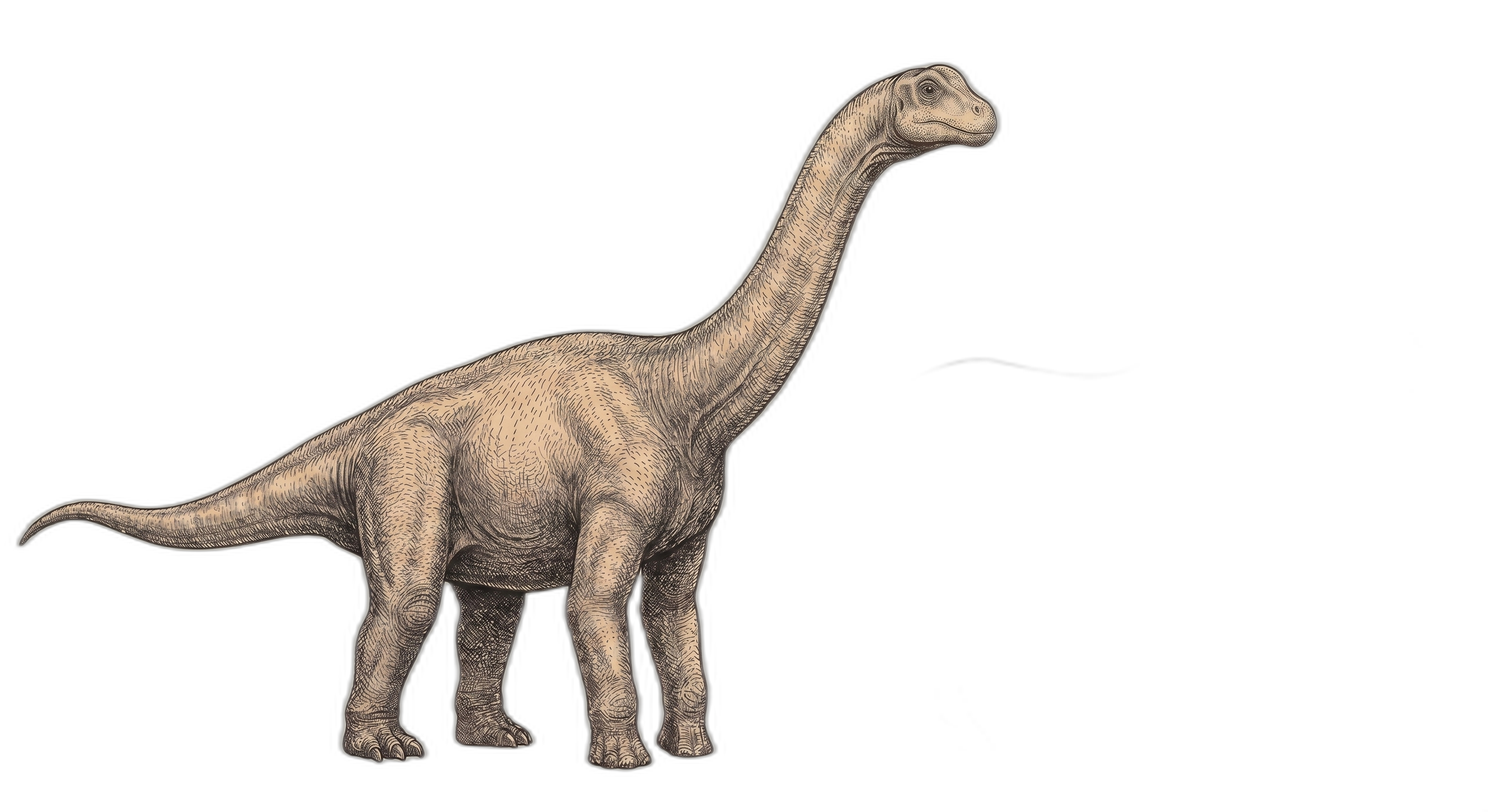
About
Europasaurus holgeri is one of the most remarkable dinosaurs ever discovered in Europe — a that evolved to miniature size on a Late Jurassic island. While its relatives elsewhere grew to lengths of 20 meters or more, Europasaurus adults reached only about 6 meters, making them among the smallest sauropods known. This dramatic size reduction is a textbook example of insular dwarfism, the same evolutionary phenomenon seen in dwarf elephants and hippos on Mediterranean islands millions of years later.
This herbivore lived approximately 154 million years ago on an island in what is now northern Germany, part of an archipelago that dotted the shallow seas covering much of Europe during the Late Jurassic. Limited food resources and space on these islands drove the evolution of smaller body sizes over generations. Despite their diminutive stature, Europasaurus retained the classic sauropod body plan: a long neck for browsing vegetation, a barrel-shaped body, pillar-like legs, and a long tail.
The fossils were discovered in 1998 by amateur paleontologist Holger Lüdtke in a quarry near Goslar, Germany, in the Langenberg Formation. Initially, the small bones were thought to belong to juvenile sauropods, but detailed bone histology studies by Martin Sander and colleagues revealed growth rings indicating these were fully mature adults. The dinosaur was formally described in 2006 and named in honor of its discoverer.
Europasaurus is exceptionally well-known from numerous specimens representing multiple individuals of various ages, making it one of the best-understood sauropods from Europe. This wealth of material has allowed scientists to study its growth patterns, revealing that it reached maturity at a much smaller size than its mainland ancestors — a fascinating window into how isolation can reshape even the mightiest of dinosaurs.
Quick Facts
- Scientific name
- Europasaurus holgeri
- Group
- Sauropodomorph · Brachiosauridae
- Lived
- Late Jurassic, 163–145 million years ago
- Diet
- Herbivore
- Movement
- Walked on four legs
- Discovery credited to
- 1998, Holger Lüdtke
- Holotype
- DFMMh/FV 291 · Dinosaurier-Freilichtmuseum Münchehagen
- DinoVault record
- DVL-0054
Where Europasaurus holgeri Roamed
During the Late Jurassic, Europasaurus holgeri inhabited a series of subtropical islands in what is now northern Germany, surrounded by the shallow, warm waters of the Lower Saxony Basin—a region where the ancient Tethys Sea stretched its fingers across fragmented European landmasses, creating an archipelago environment that drove this remarkable dinosaur's island dwarfism.
Keep exploring the vault
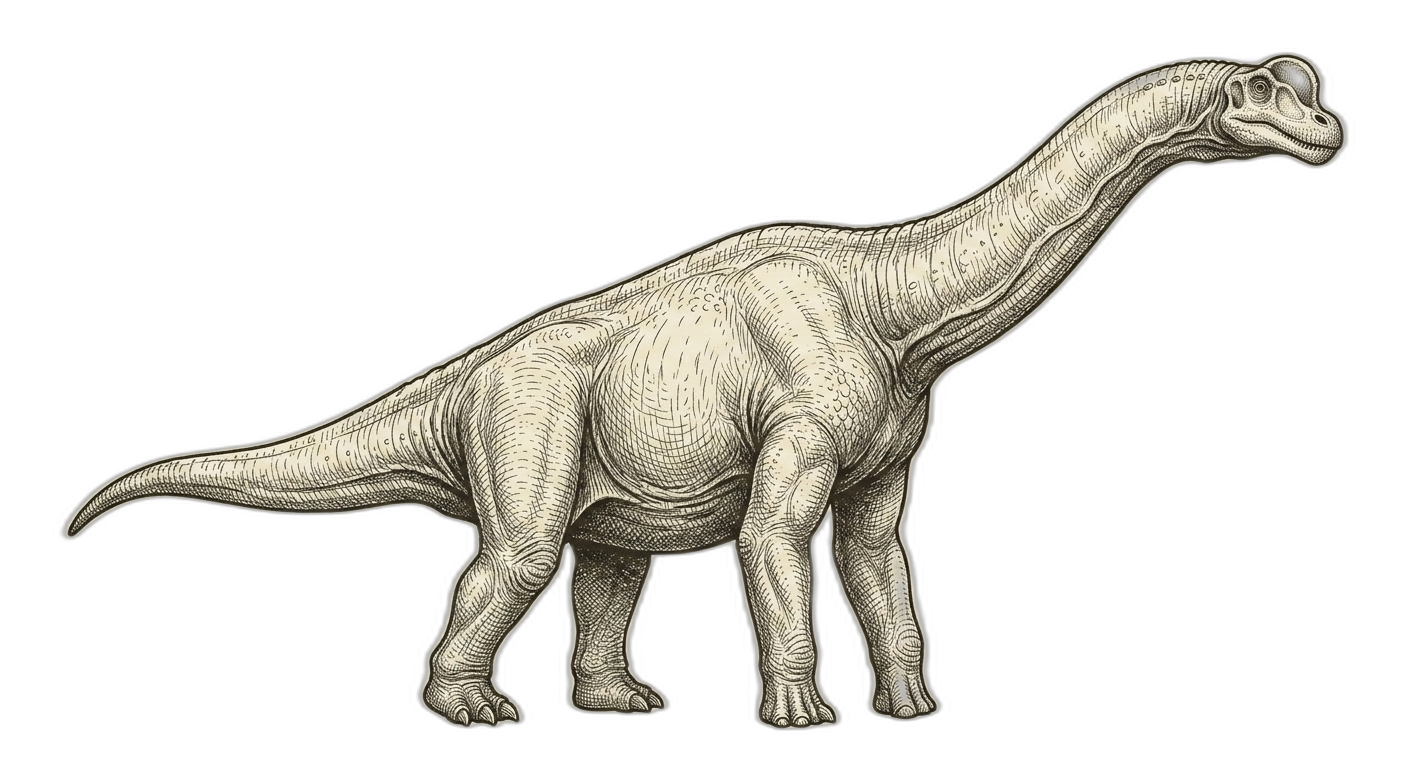
Brachiosaurus
Brachiosaurus altithorax
Europasaurus is a dwarf sauropod that evolved from macronarian ancestors related to Brachiosaurus.
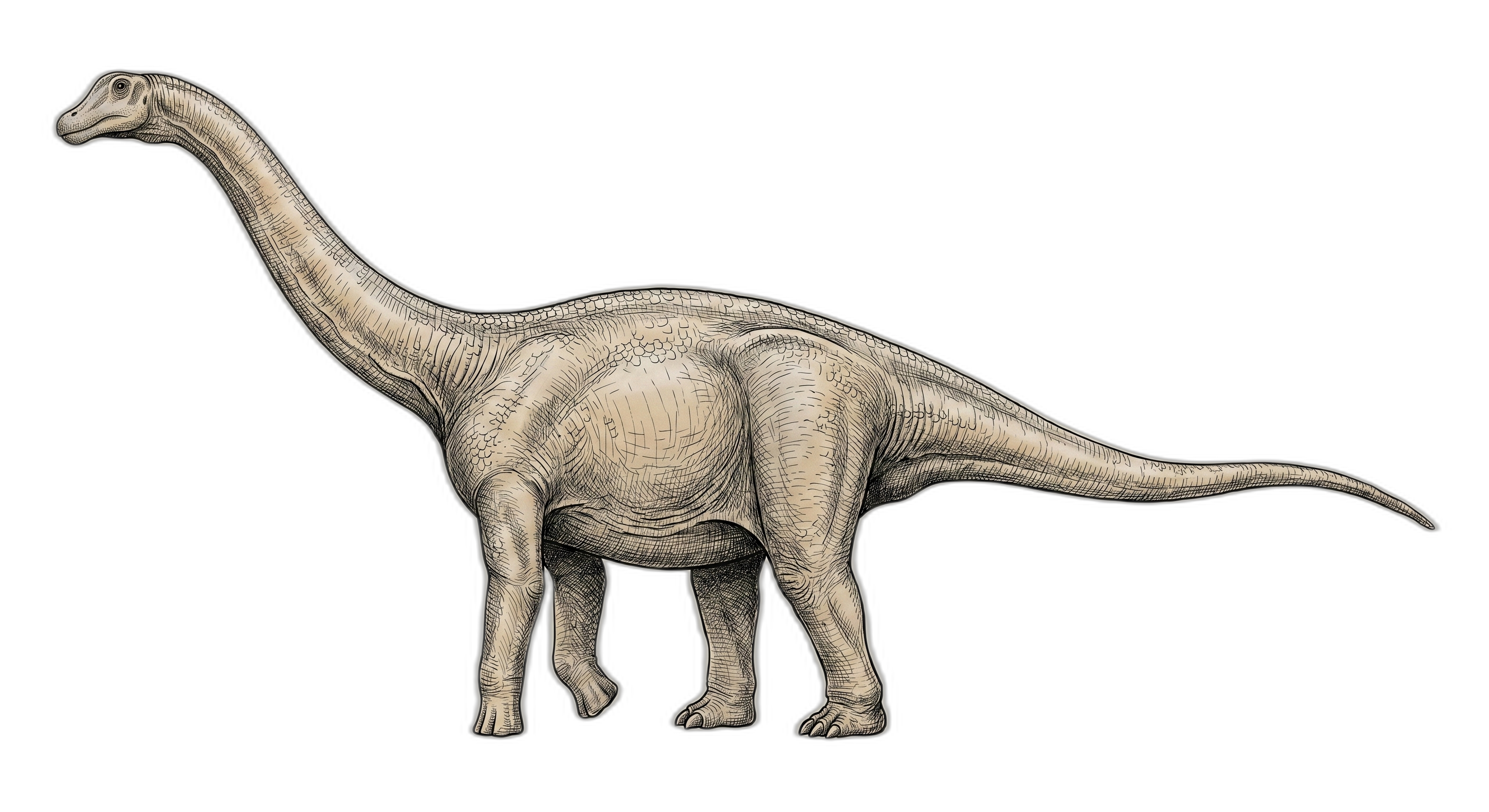
Rapetosaurus
Rapetosaurus krausei
Both Europasaurus and Rapetosaurus represent island-dwelling sauropods that underwent dwarfism.
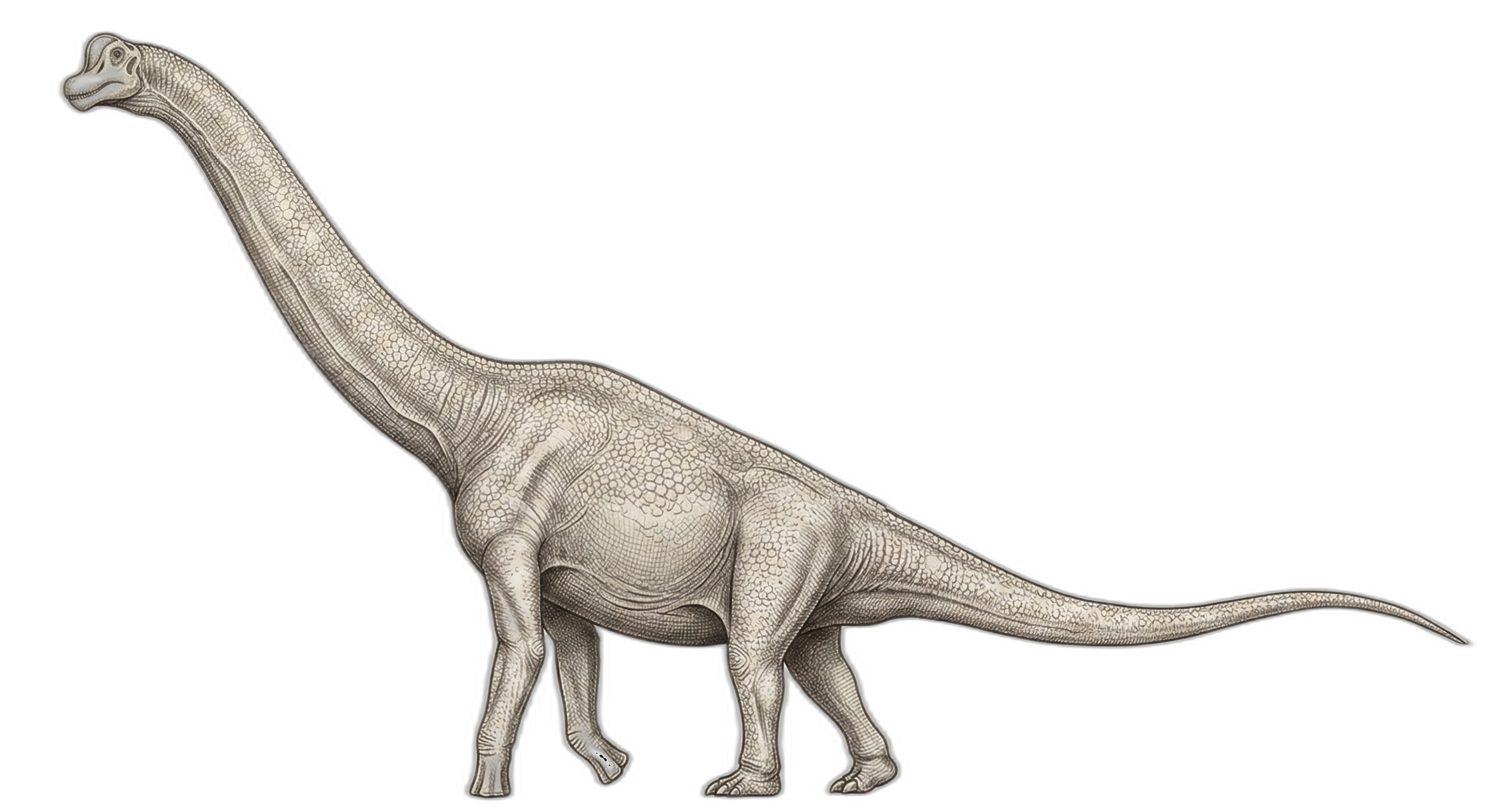
Giraffatitan
Giraffatitan brancai
Europasaurus and Giraffatitan are both macronarian sauropods from the Late Jurassic, representing opposite ends of the size spectrum.
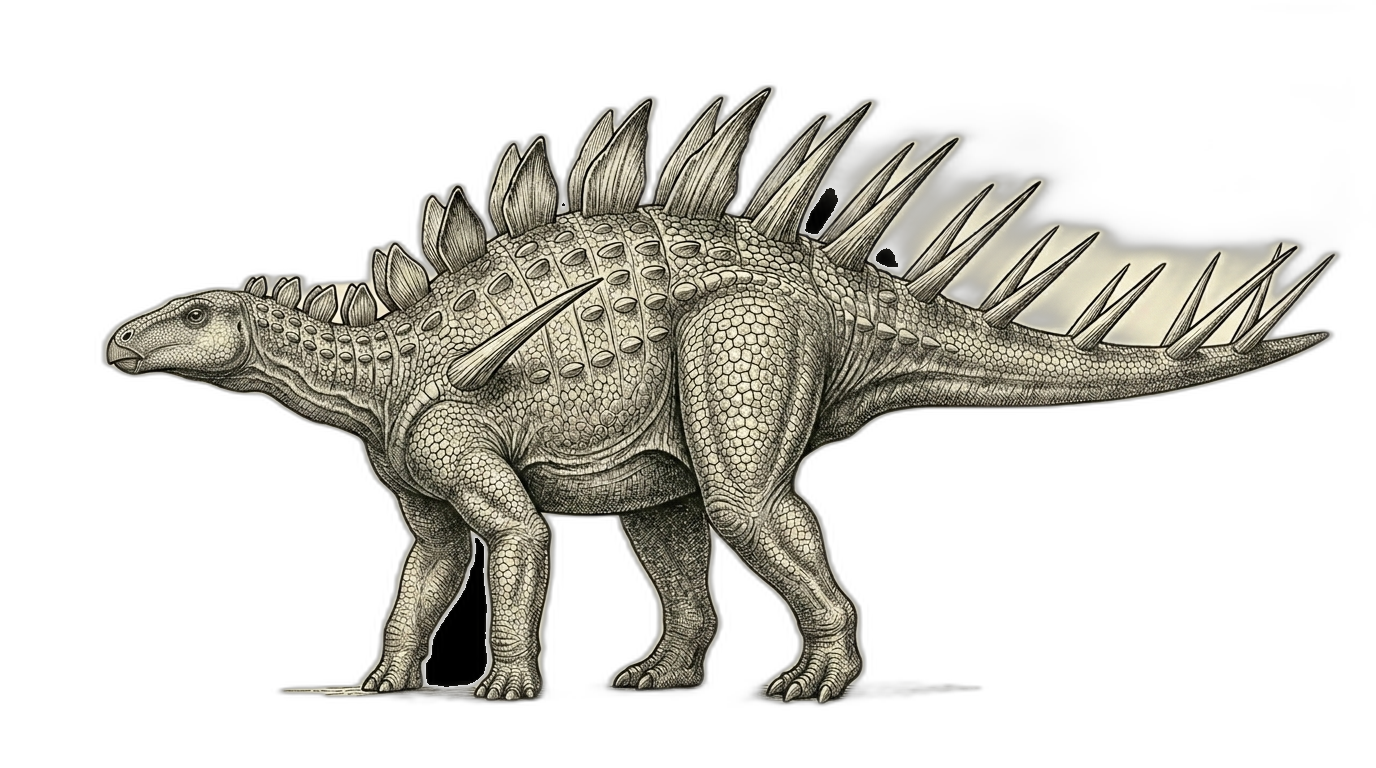
Kentrosaurus
Kentrosaurus aethiopicus
Both are Late Jurassic herbivores representing different defensive strategies — Kentrosaurus with spikes and plates, Europasaurus relying on herd behavior and island isolation.
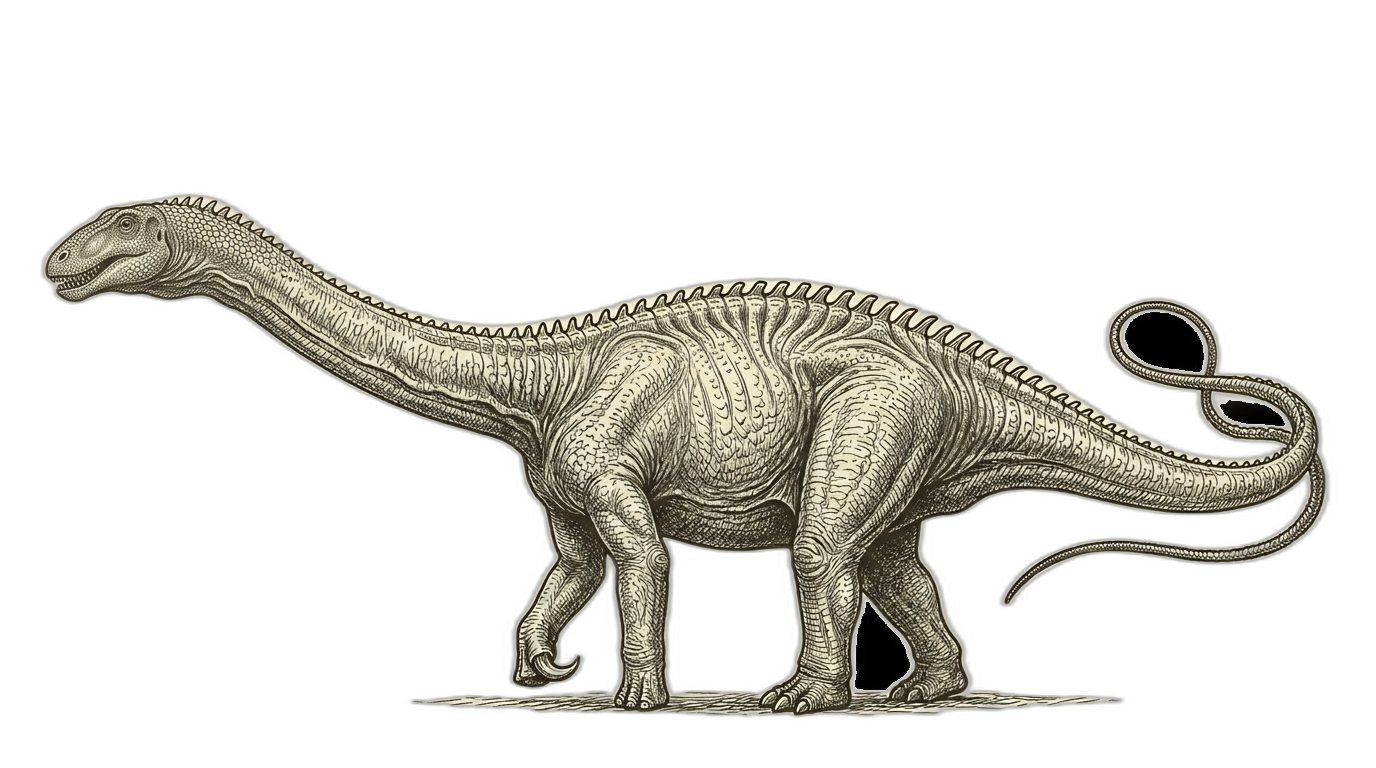
Diplodocus
Diplodocus carnegii
Both are Late Jurassic sauropods exploring the long-necked herbivore niche but with dramatically different outcomes: Diplodocus represents the typical giant sauropod body plan of mainland ecosystems, while Europasaurus shows how the same basic bauplan was miniaturized under island evolutionary pressures.
Sources & Citation
- Length estimates
- Sander et al. 2006; multiple ontogenetic stages known
- Height estimates
- Estimated from skeletal proportions; Sander et al. 2006
- Weight estimates
- Sander et al. 2006; volumetric estimates
- Speed estimates
- Extrapolated from sauropod locomotion studies; no direct evidence