About
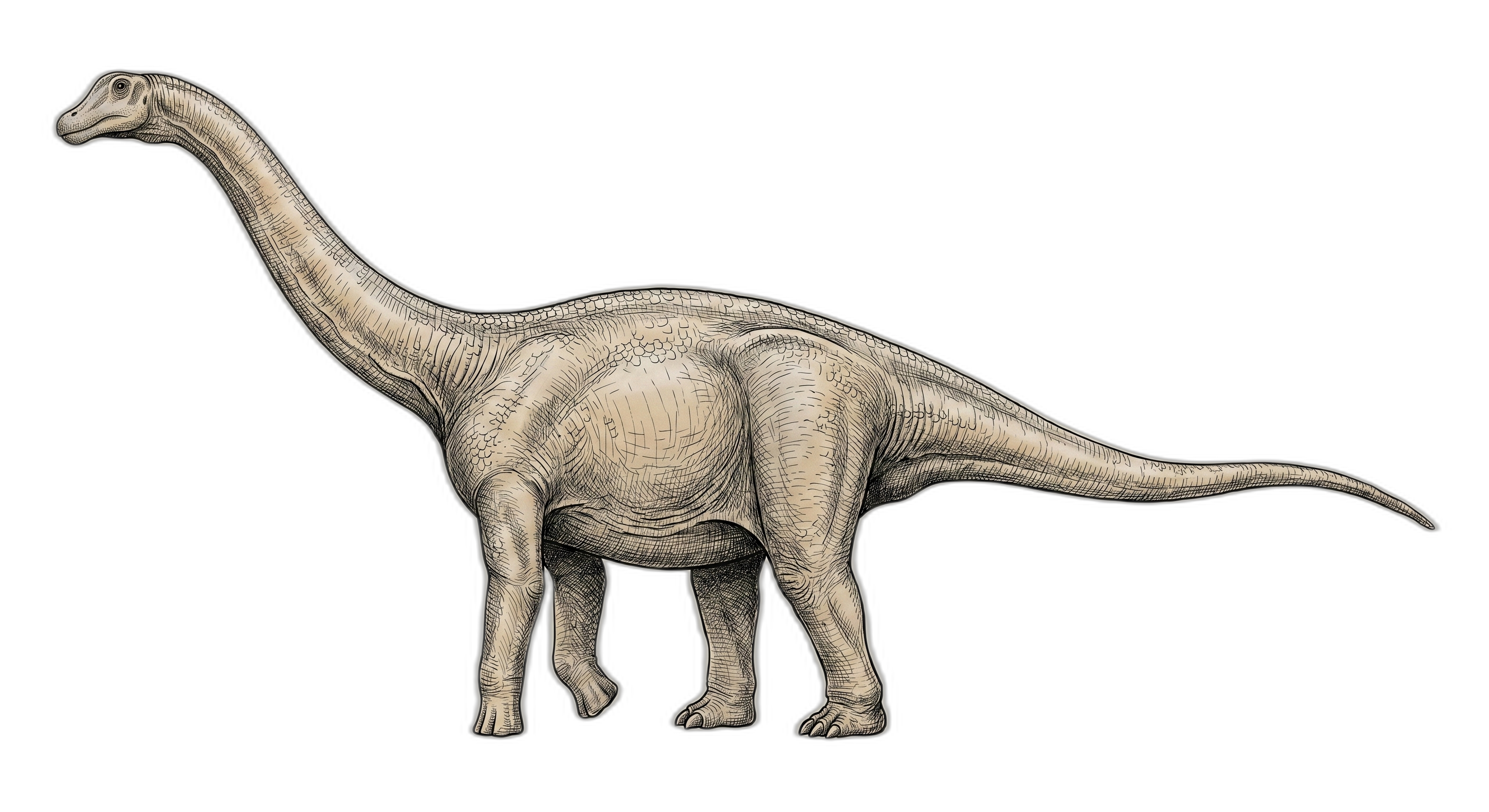
Rapetosaurus was a titanosaurian that roamed the island of Madagascar during the final years of the Cretaceous Period, between 70 and 66 million years ago. Like its famous relatives, this gentle giant walked on four pillar-like legs and used its long neck to browse vegetation across the landscape. At around 15 meters in length, it was modest by sauropod standards but still an impressive presence in its ecosystem.
What makes Rapetosaurus truly special is the completeness of its fossils. Discovered in the Maevarano Formation of northwestern Madagascar, the specimen includes an exceptionally well-preserved skeleton of a juvenile individual, along with additional material from adults. This level of preservation is extraordinarily rare among titanosaurs, a group typically known only from remains scattered across the southern continents.
The dinosaur was formally described in 2001 by paleontologist Kristina Curry Rogers and her colleague Catherine Forster. The name Rapetosaurus honors "Rapeto," a mischievous giant from Malagasy folklore, while the species name krausei honors paleontologist David Krause, who led the expeditions that uncovered these remarkable fossils.
Studies of juvenile Rapetosaurus specimens have revealed fascinating insights into growth and survival. Research published in 2016 showed that baby Rapetosaurus received no parental care and had to fend for themselves immediately after hatching — and that drought conditions during the late Cretaceous may have been particularly deadly for these vulnerable youngsters.
Quick Facts
- Scientific name
- Rapetosaurus krausei
- Group
- Sauropodomorph · Titanosauria
- Lived
- Late Cretaceous, 70–66 million years ago
- Diet
- Herbivore
- Movement
- Walked on four legs
- Fossils found in
- Maevarano Formation, Madagascar
- Discovery credited to
- 2001, Kristina Curry Rogers and Catherine Forster
- Holotype
- FMNH PR 2209 · Field Museum of Natural History, Chicago
- DinoVault record
- DVL-0117
Where Rapetosaurus Roamed
During the Late Cretaceous, Rapetosaurus krausei roamed the island landmass of Madagascar, which had recently separated from the Indian subcontinent as Gondwana continued its ancient fragmentation. This isolated tropical to subtropical environment featured seasonal floodplains and river systems, where this titanosaur browsed among forests that thrived under warm, humid conditions far removed from the great continental masses.
Keep exploring the vault
Majungasaurus
Majungasaurus crenatissimus
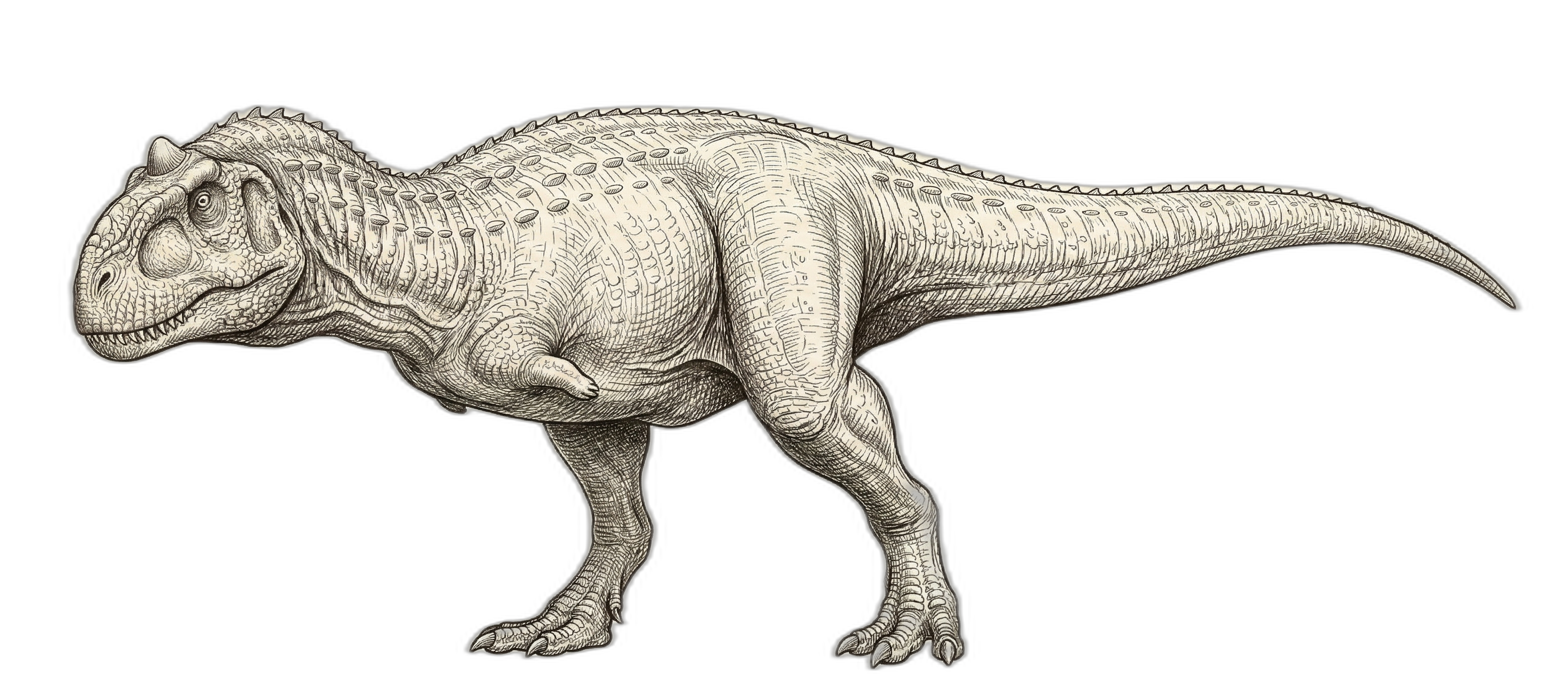
Majungasaurus is the dominant large theropod predator from the Maevarano Formation of Madagascar, the same formation where Rapetosaurus is found.
Saltasaurus
Saltasaurus loricatus
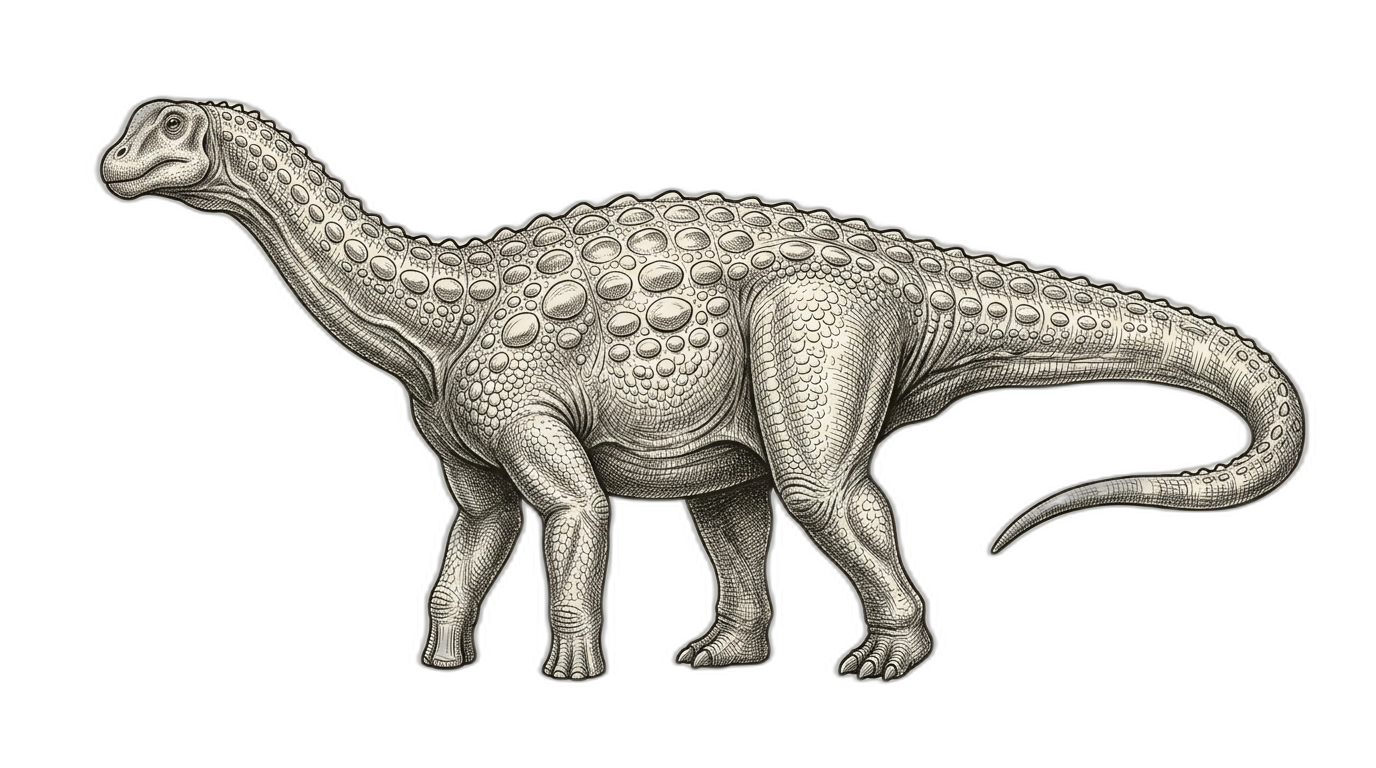
Both are titanosaur sauropods from the Late Cretaceous of Gondwana, occupying similar ecological niches as large herbivores.
Argentinosaurus
Argentinosaurus huinculensis
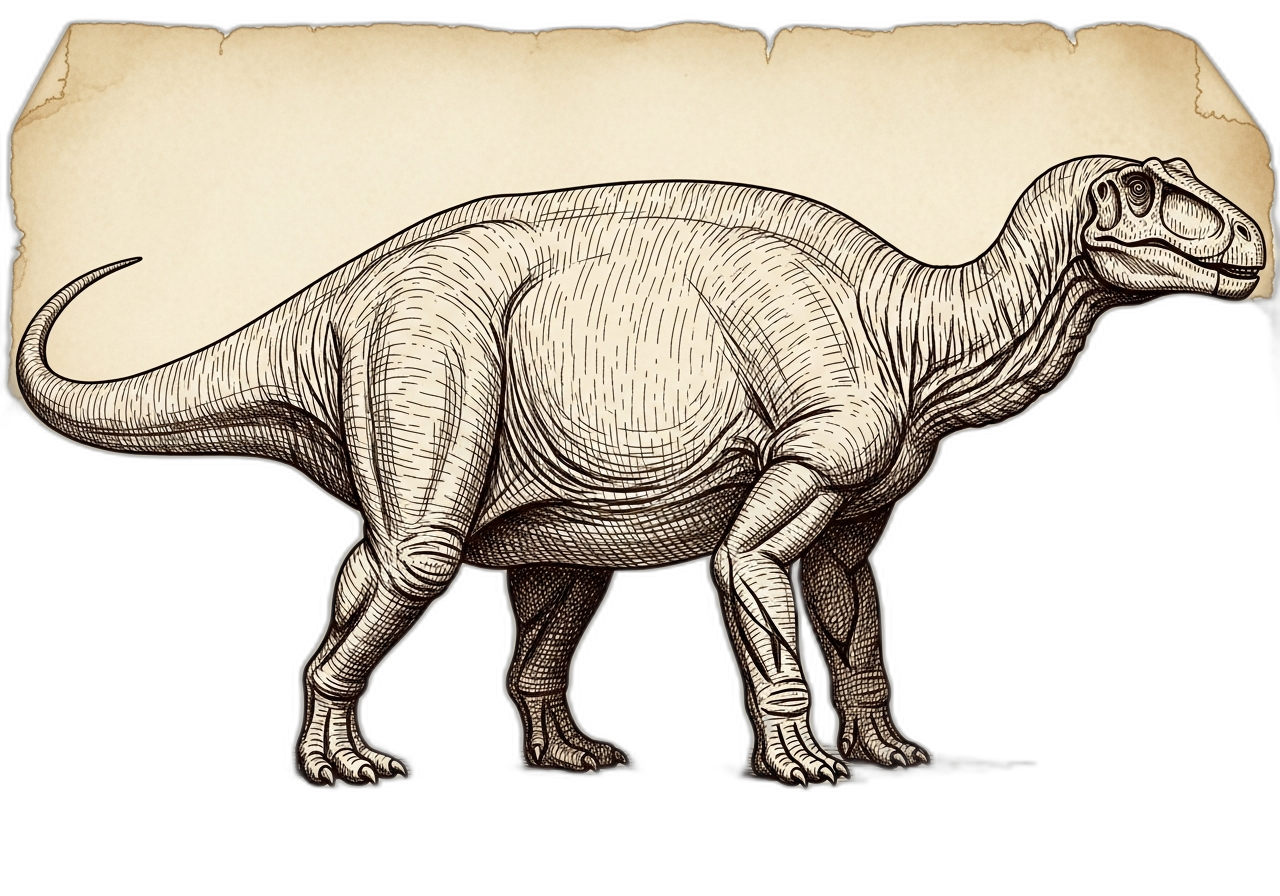
Both are titanosaur sauropods representing the evolutionary trend toward gigantism in this lineage during the Cretaceous.
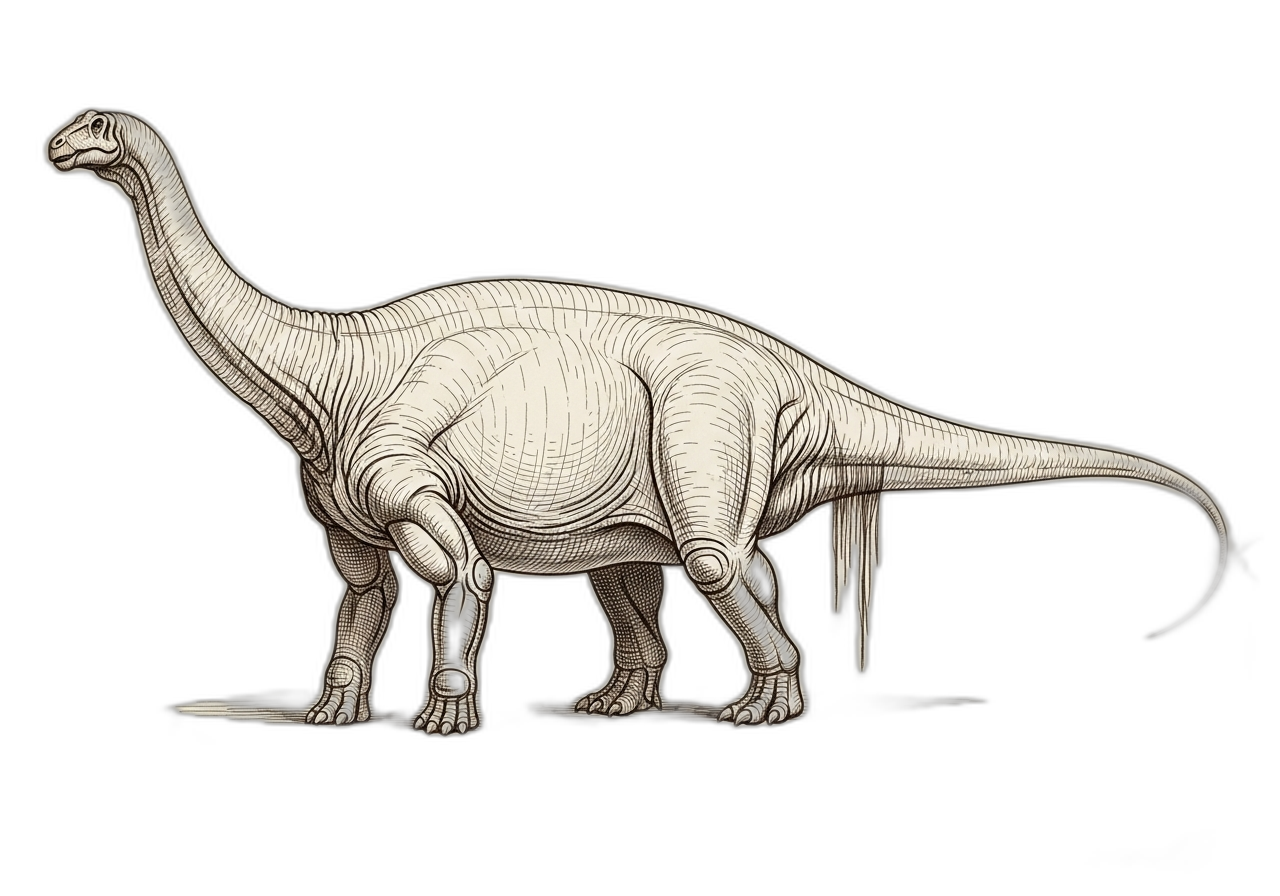
Dreadnoughtus
Dreadnoughtus schrani
Both are titanosaur sauropods from the Southern Hemisphere representing parallel evolution of the derived titanosaur body plan with wide-gauge stance, osteoderms, and robust limbs.
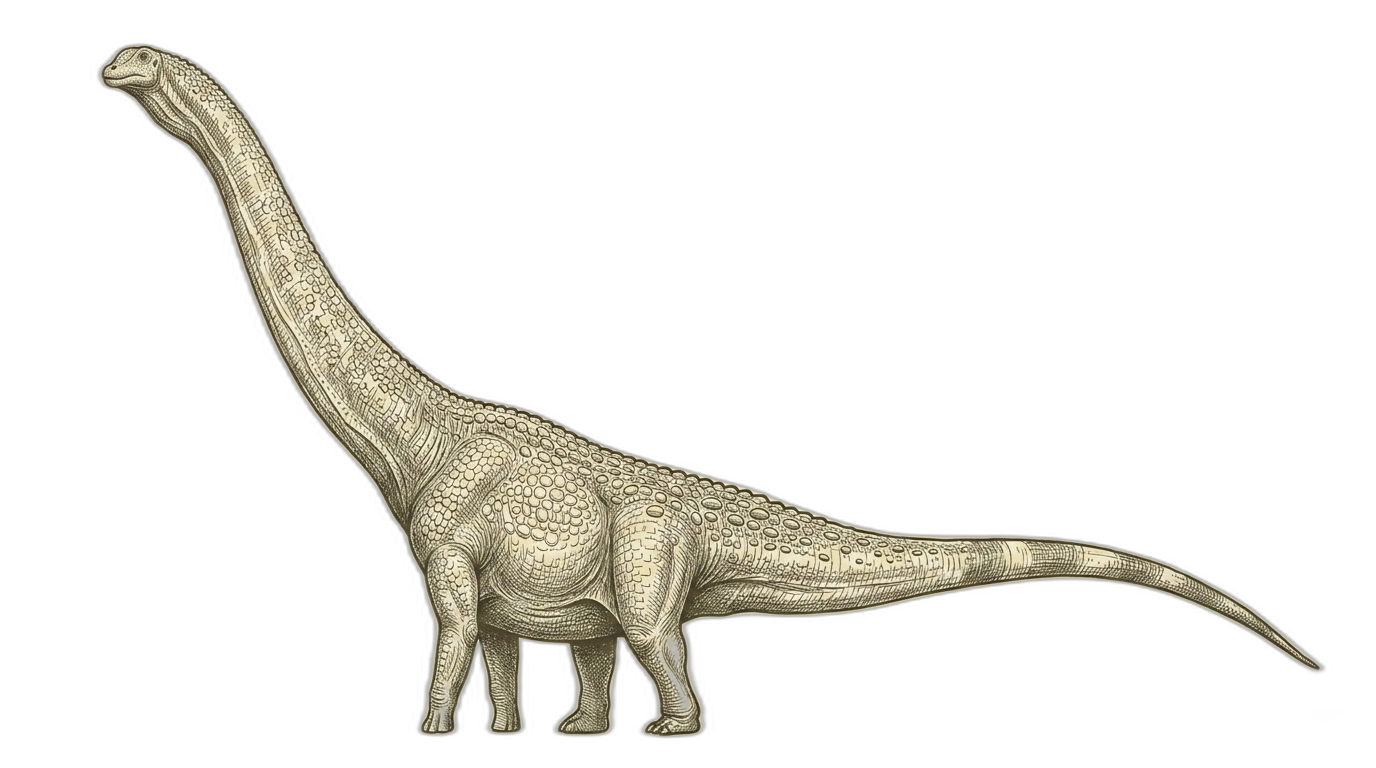
Patagotitan
Both are titanosaurs representing the same evolutionary experiment in sauropod gigantism during the Cretaceous.
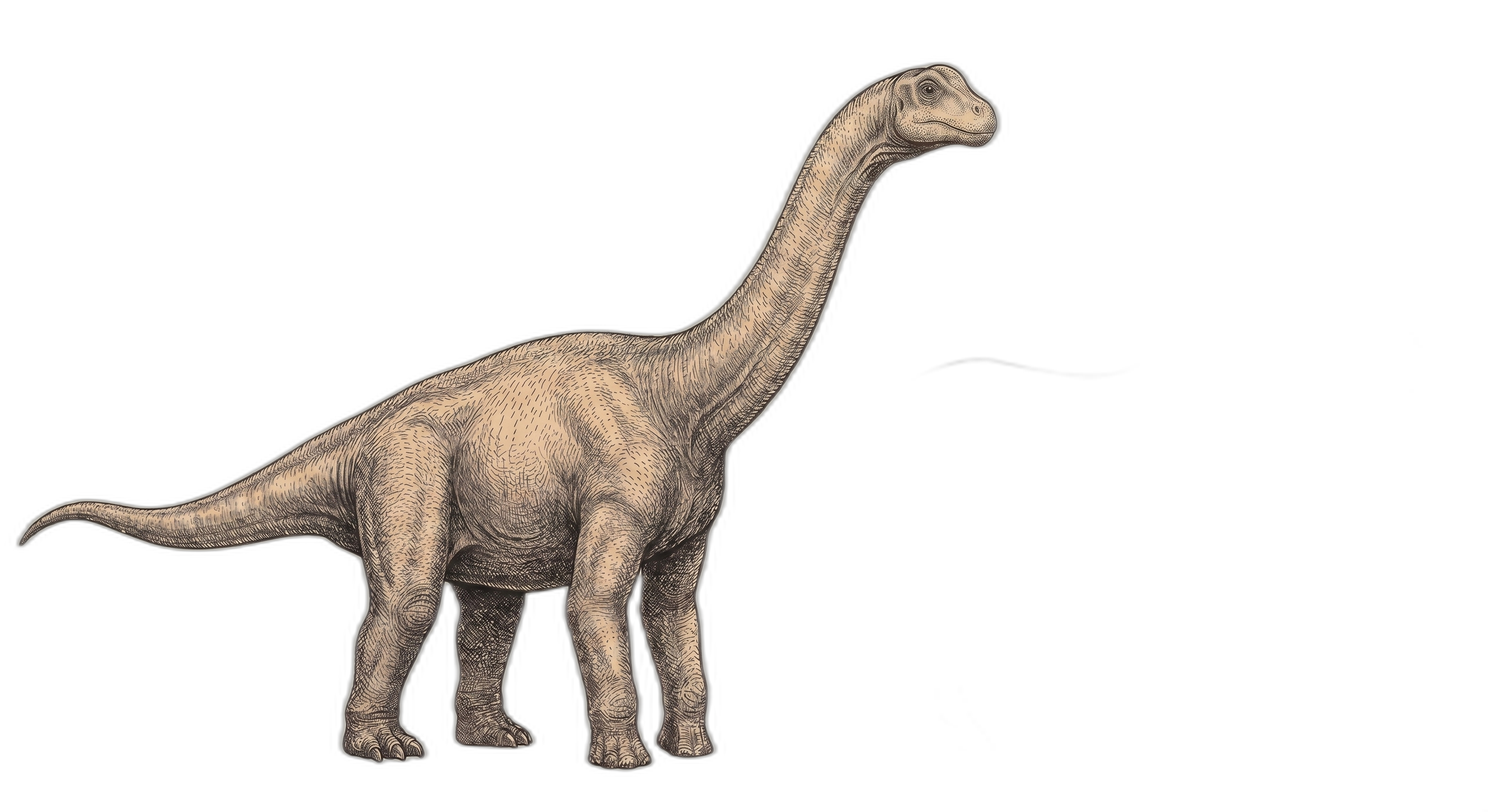
Europasaurus
Both Europasaurus and Rapetosaurus represent island-dwelling sauropods that underwent dwarfism.
Sources & Citation
- Length estimates
- Curry Rogers & Forster 2001; estimates based on juvenile scaling
- Height estimates
- Estimated from skeletal proportions; Curry Rogers 2009
- Weight estimates
- Extrapolated from juvenile specimens; adult mass uncertain
- Speed estimates
- General titanosaur locomotion estimates; no direct evidence