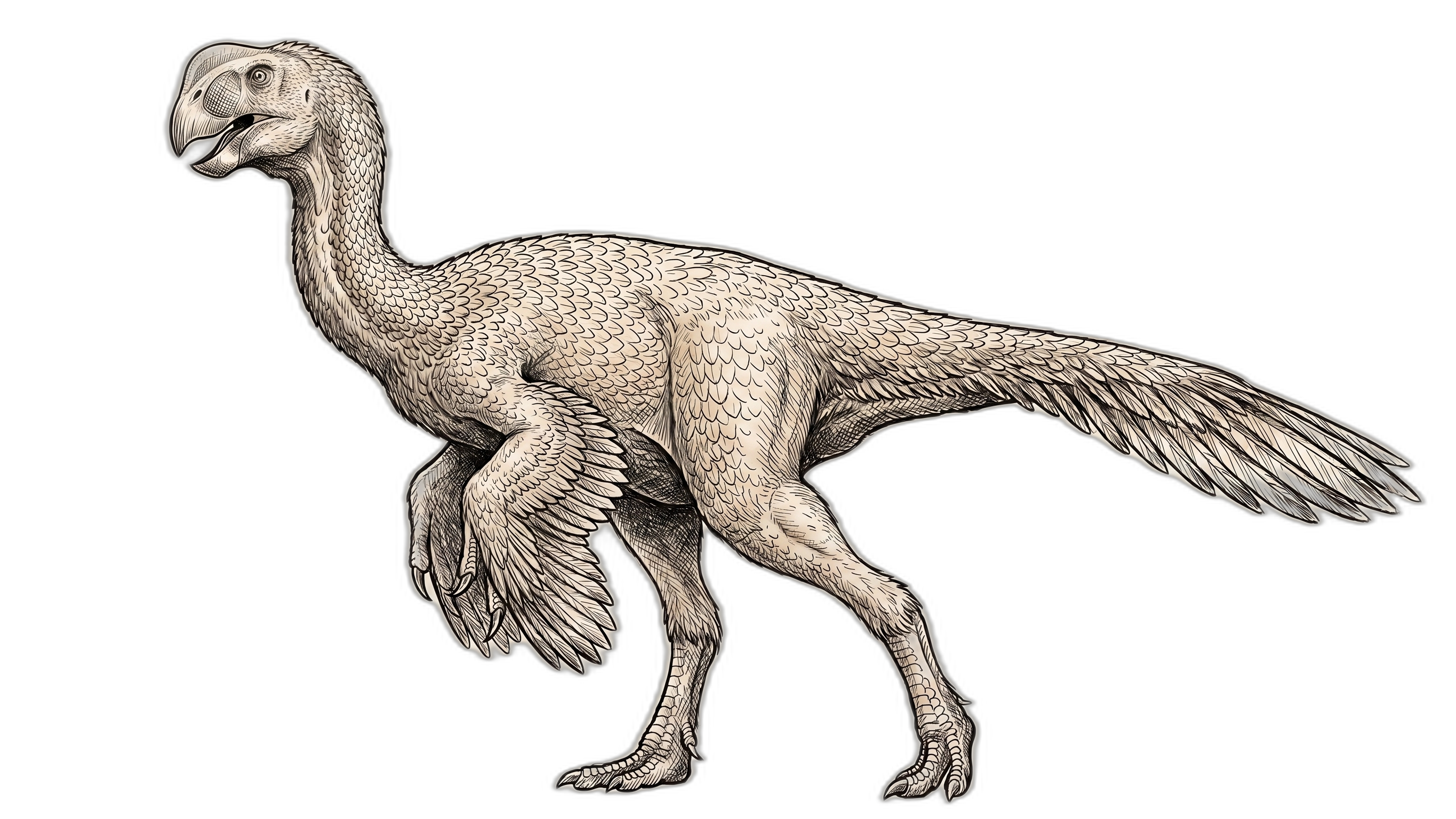
About
Gigantoraptor erlianensis was a truly extraordinary dinosaur — an that defied everything scientists thought they knew about its family. While most oviraptorosaurs were turkey-sized or smaller, Gigantoraptor stood around 5 meters tall and weighed nearly two tons, making it by far the largest member of this bird-like group. Despite its fearsome size, it possessed the characteristic features of its relatives: a toothless beak, long neck, and likely a covering of feathers.
This giant roamed the floodplains and lake margins of what is now Inner Mongolia during the Late Cretaceous, approximately 70 million years ago. Its diet remains debated — the toothless beak could have been adapted for eating plants, eggs, shellfish, or perhaps a mix of foods. Its powerful legs suggest it was a capable runner despite its bulk, and its large clawed hands may have been used for defense or foraging.
Gigantoraptor was discovered accidentally in 2005 when paleontologist Xu Xing was filming a documentary about a dig in the Iren Dabasu Formation. When he noticed the bones being excavated were clearly not from a sauropod, the team realized they had stumbled upon something remarkable. The genus was formally described in 2007 by Xu Xing and colleagues.
Perhaps most intriguingly, Gigantoraptor represents an evolutionary puzzle. Its enormous size evolved independently from the giant theropods like tyrannosaurs, showing that bird-like dinosaurs could also achieve massive proportions. Studies of its bone microstructure suggest the individual was only about 11 years old and still growing when it died.
Quick Facts
- Scientific name
- Gigantoraptor erlianensis
- Group
- Theropod · Oviraptoridae
- Lived
- Late Cretaceous, 85–80 million years ago
- Diet
- Omnivore
- Movement
- Walked on two legs
- Fossils found in
- Iren Dabasu Formation, Inner Mongolia, China
- Discovery credited to
- 2005, Xu Xing
- Holotype
- LH V0011
- DinoVault record
- DVL-0058
Where Gigantoraptor Roamed
During the Late Cretaceous period, Gigantoraptor erlianensis roamed the semi-arid floodplains and seasonal lake margins of what is now Inner Mongolia, part of the vast Asian landmass that bordered the ancient Turgai Strait separating Europe from Asia. This region featured a warm, seasonally dry climate with meandering rivers cutting through open landscapes dotted with conifers and early flowering plants, far from the shallow epicontinental seas that covered much of other continents during this time.
Keep exploring the vault
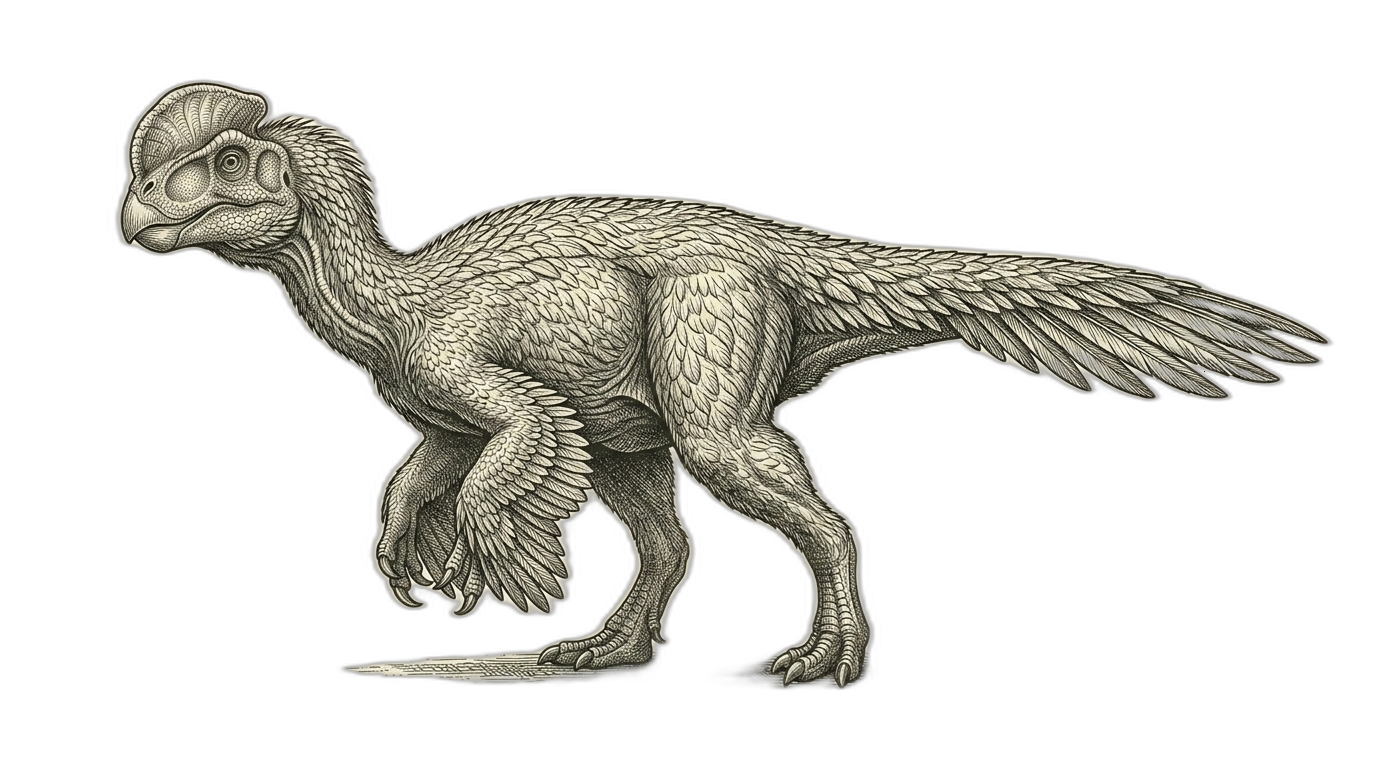
Oviraptor
Oviraptor philoceratops
Both Gigantoraptor and Oviraptor are oviraptorosaurs that independently evolved distinct body plans — Oviraptor remained small (~1.5m) while Gigantoraptor became the largest known oviraptorosaur at 8m, representing parallel experiments in the beaked, omnivorous theropod body plan at dramatically different size scales.
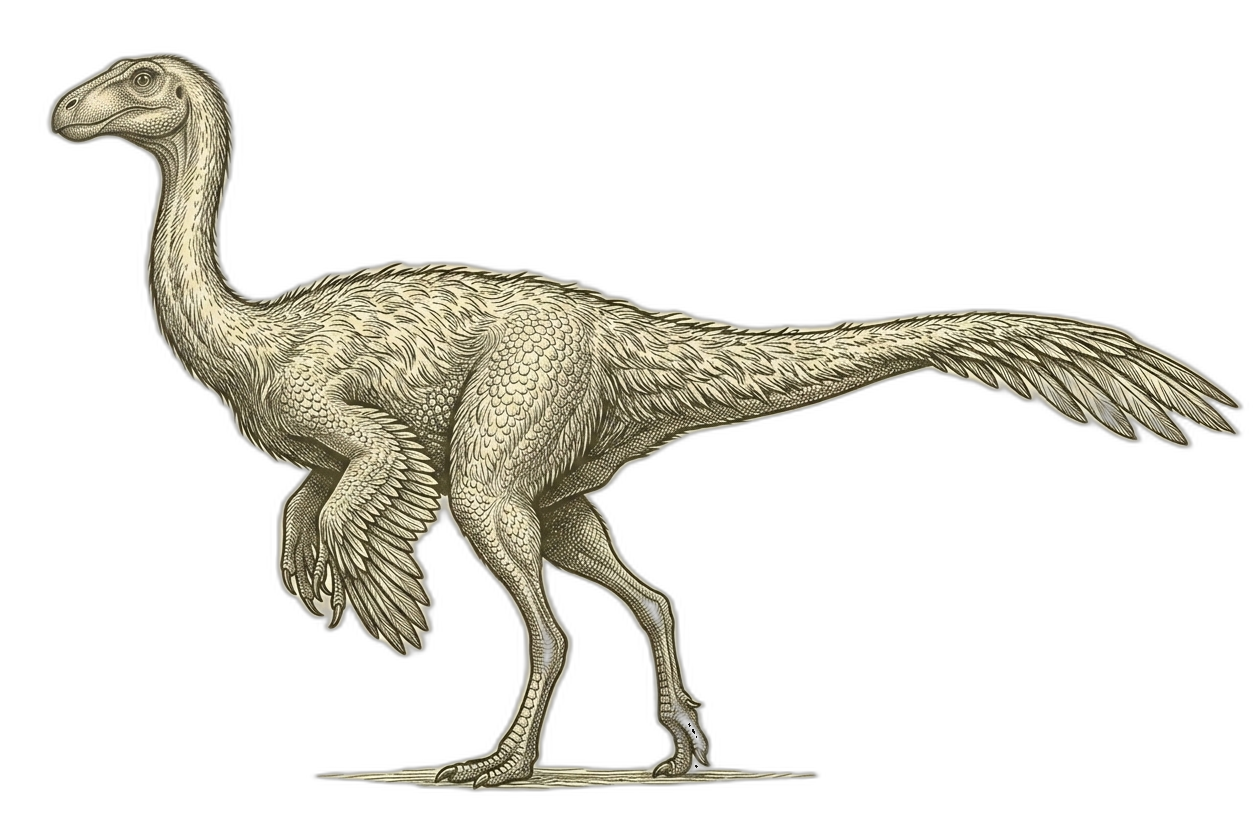
Gallimimus
Gallimimus bullatus
Both represent large, long-legged, beaked theropods that convergently evolved similar cursorial body plans and likely omnivorous diets from different theropod lineages (Oviraptorosauria vs Ornithomimosauria), exploring similar ecological niches through different evolutionary paths.
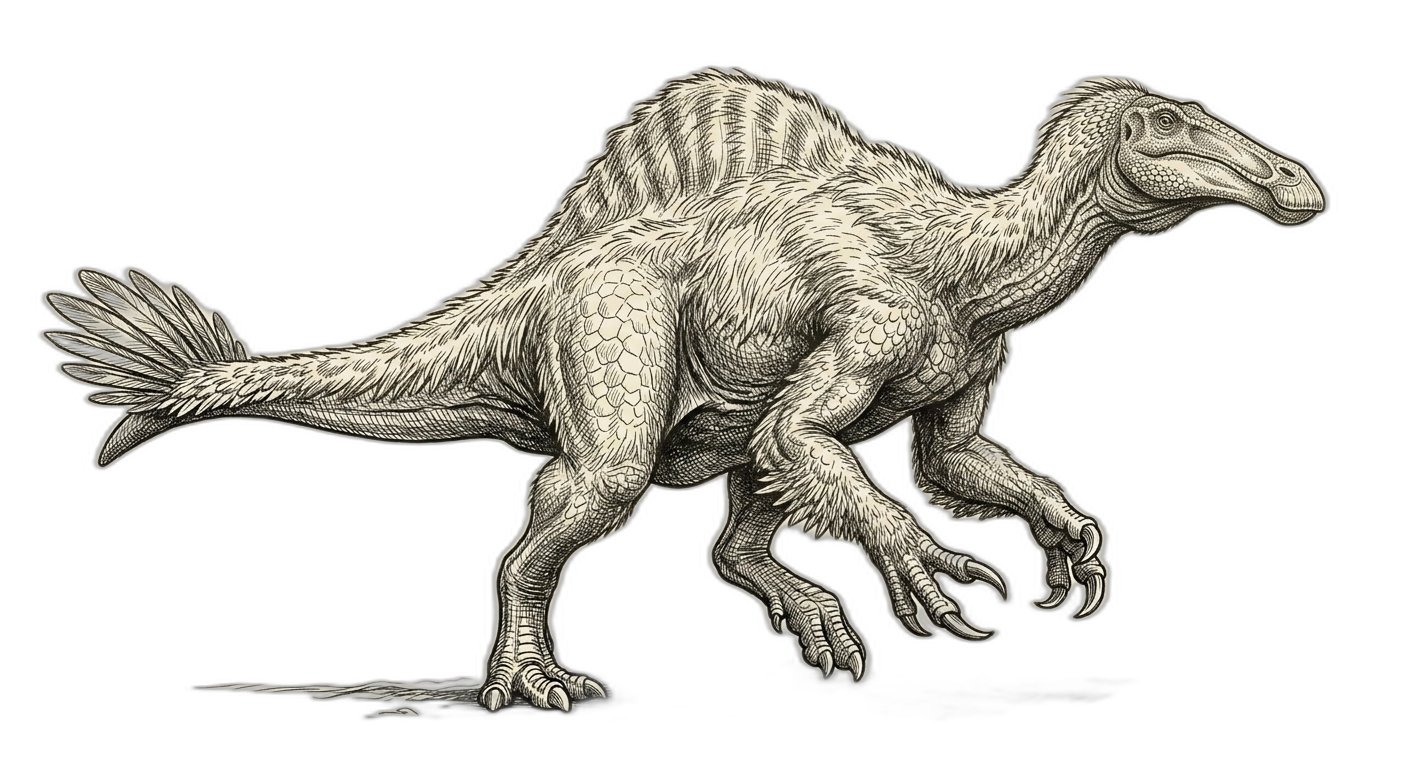
Deinocheirus
Deinocheirus mirificus
Both are giant Late Cretaceous Asian theropods that evolved away from purely carnivorous diets toward omnivory, with unusual body proportions and likely similar ecological roles as large non-predatory theropods — representing convergent gigantism in maniraptoran-grade dinosaurs.
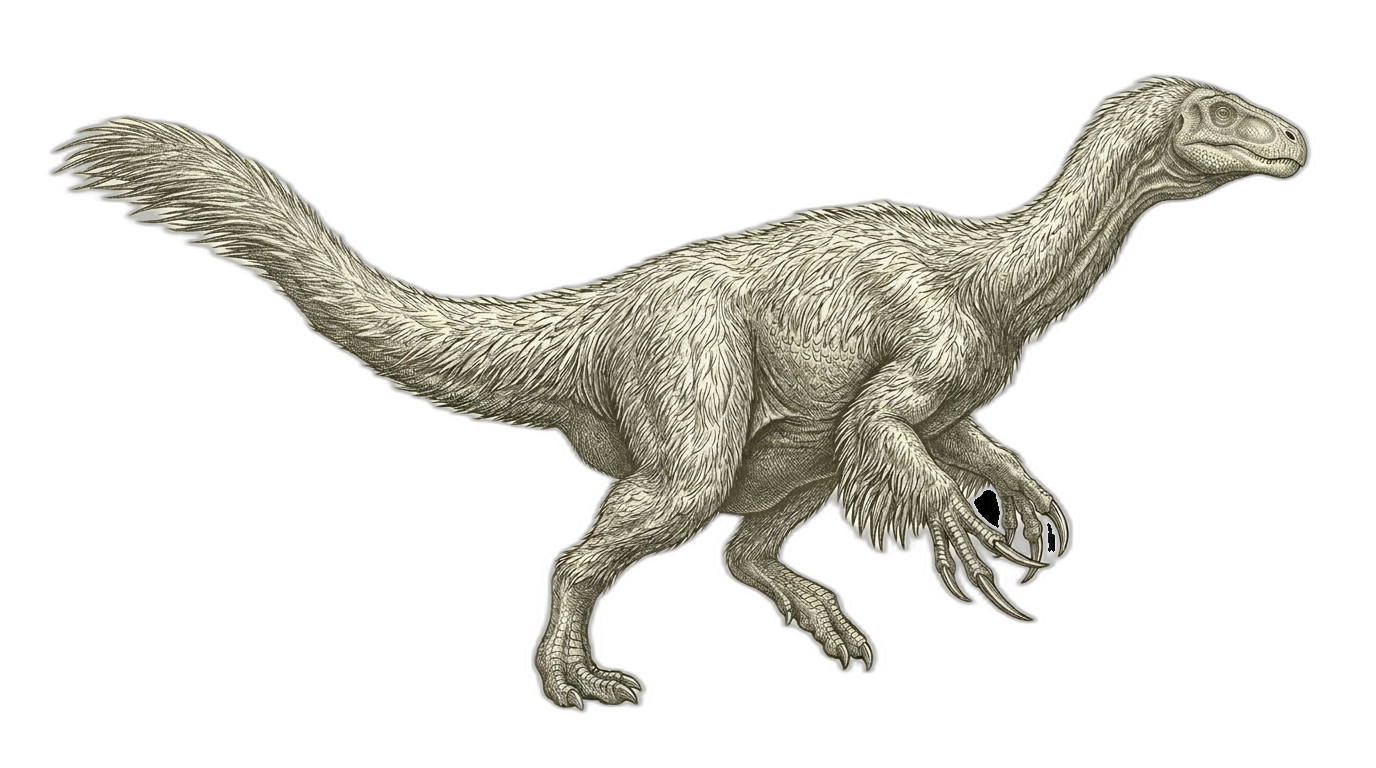
Therizinosaurus
Therizinosaurus cheloniformis
Both represent independent lineages of maniraptoran theropods that evolved large body size and herbivorous/omnivorous diets in Late Cretaceous Asia, abandoning the predatory lifestyle of their ancestors for alternative feeding strategies.
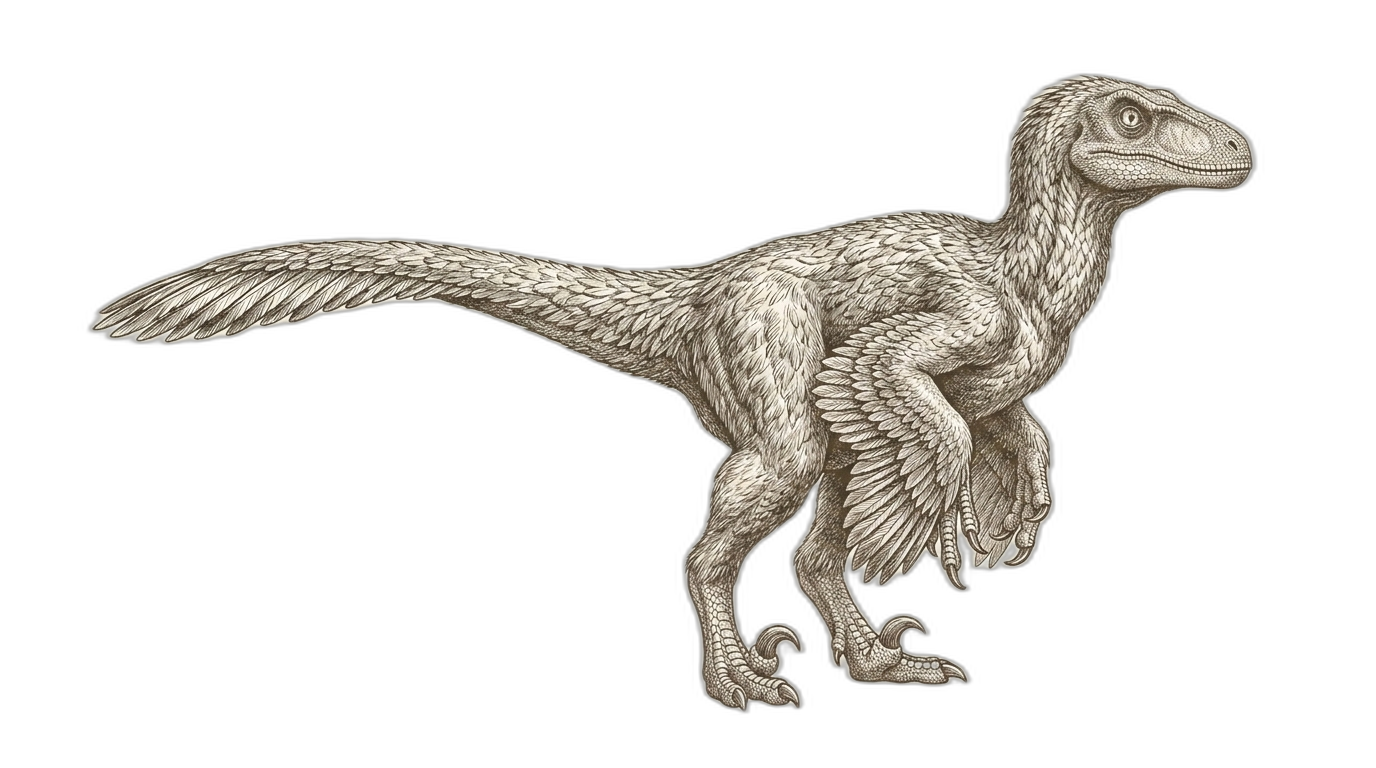
Velociraptor
Velociraptor mongoliensis
Both lived in Late Cretaceous Mongolia/China during overlapping time periods (Velociraptor ~75-71 mya in the Djadochta Formation, Gigantoraptor ~85-80 mya in the Iren Dabasu Formation), representing the broader Late Cretaceous Asian theropod fauna.
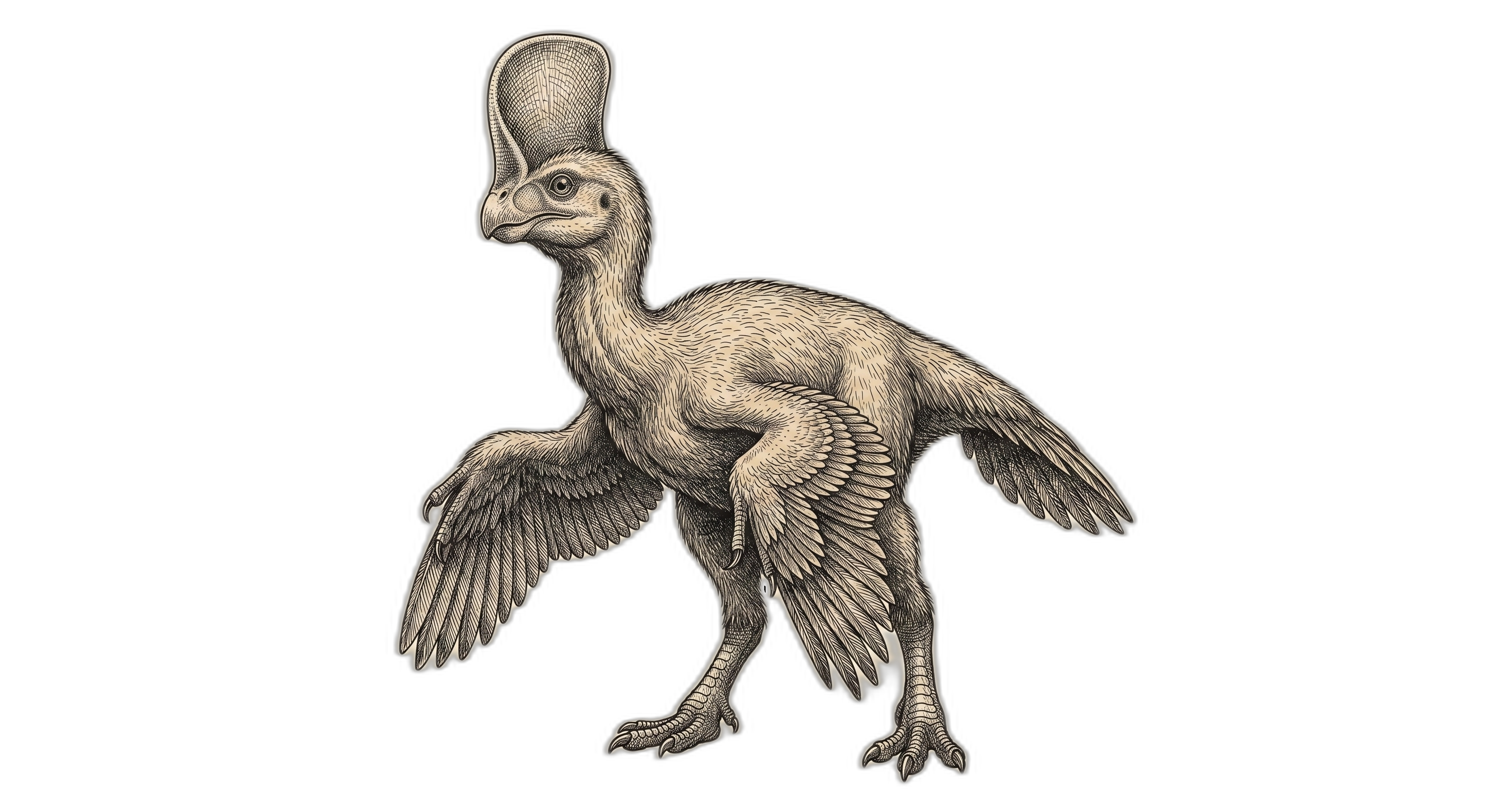
Citipati
Both are oviraptorosaurs that developed elaborate crests, beaked skulls, and brooding behaviors, but Gigantoraptor evolved to massive size (8m, 2 tons) while Citipati remained medium-sized, showing parallel experiments in oviraptorosaur body plans.
Sources & Citation
- Length estimates
- Xu et al. 2007; based on incomplete skeleton with scaling
- Height estimates
- Xu et al. 2007; hip height estimate from leg bones
- Weight estimates
- Xu et al. 2007; estimates vary due to incomplete material
- Speed estimates
- Biomechanical estimates based on limb proportions; no direct evidence