About
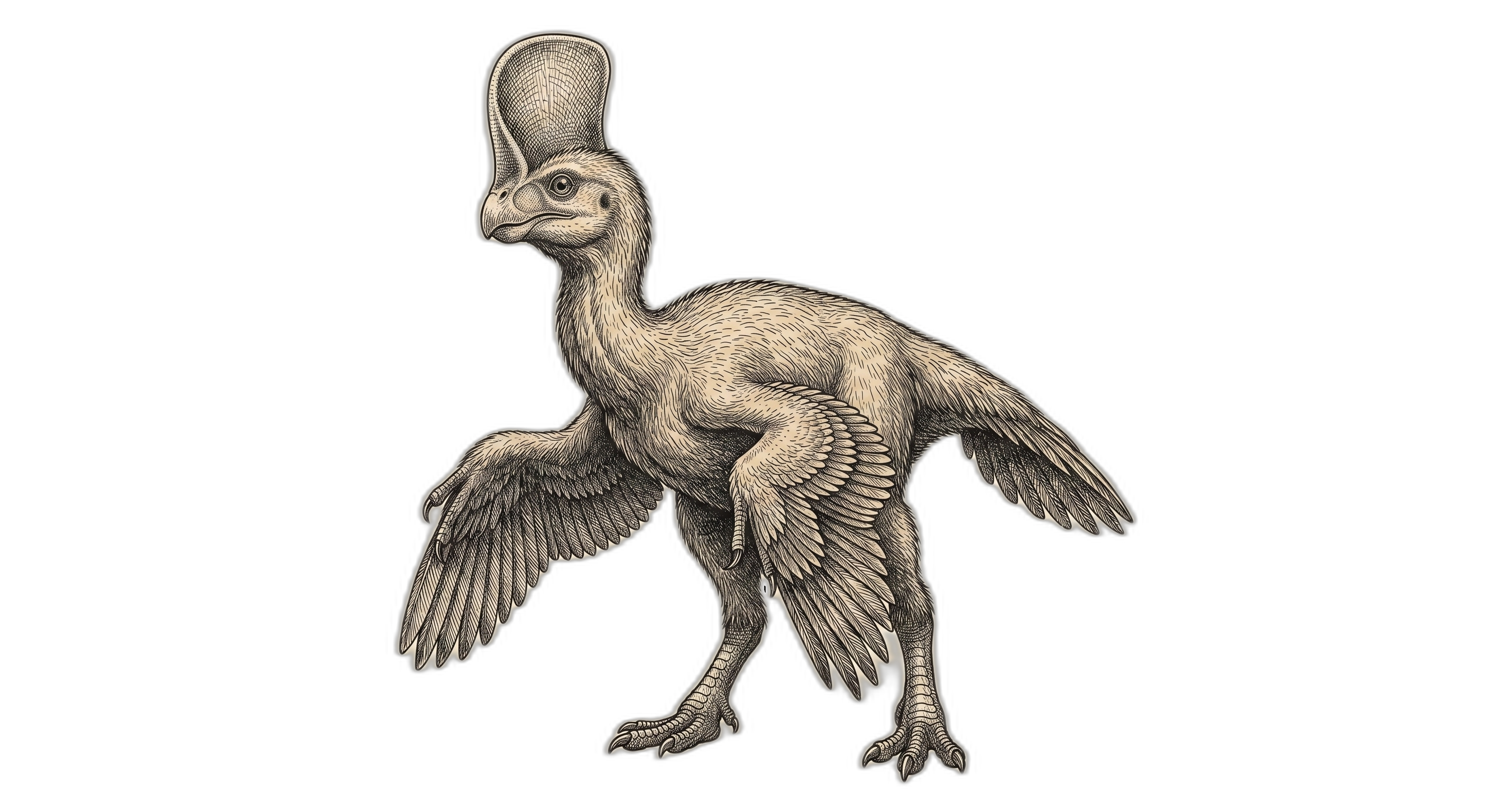
Citipati osmolskae was a large oviraptorid dinosaur from the Late Cretaceous of Mongolia, around 75 to 71 million years ago. With its distinctive tall, cassowary-like head , toothless beak, and fully feathered body, it would have cut a striking figure in the ancient Gobi Desert environment. At roughly 2.5 to 3 meters long, it was one of the largest known oviraptorids.
The most remarkable aspect of Citipati is how it was preserved. Multiple specimens have been found in positions directly on top of their nests, with arms spread protectively over the eggs in a posture identical to how modern birds incubate. These individuals were likely killed suddenly by sandstorms and preserved in the act of parenting, providing some of the most compelling evidence linking dinosaur behavior to that of living birds.
Discovered at Ukhaa Tolgod in the Djadochta Formation during American Museum of Natural History expeditions in the 1990s, Citipati was formally named in 2001 by James Clark, Mark Norell, and Rinchen Barsbold. The genus name means 'funeral pyre lord,' a reference to a figure in Buddhist mythology, while the species honors Polish paleontologist Halszka Osmólska.
For decades, the famous brooding specimens were mistakenly attributed to Oviraptor—ironically, this means the very evidence that 'egg thief' was actually a caring parent belonged to a different dinosaur entirely. Citipati's diet remains debated, but its powerful beak could likely handle a variety of foods including hard-shelled prey, plants, and small animals.
Quick Facts
- Scientific name
- Citipati osmolskae
- Group
- Theropod · Oviraptoridae
- Lived
- Late Cretaceous, 100–66 million years ago
- Diet
- Omnivore
- Movement
- Walked on two legs
- Discovery credited to
- 1995, American Museum of Natural History Expeditions
- Holotype
- IGM 100/978 · Institute of Geology, Ulaanbaatar
- DinoVault record
- DVL-0031
Where Citipati osmolskae Roamed
During the late Cretaceous, Citipati osmolskae inhabited the semi-arid floodplains and dune fields of what is now the Gobi Desert region of Mongolia, part of the vast Asian landmass that lay far from major seaways. This dynamic landscape featured seasonal streams, scattered oases, and sweeping sand dunes where violent sandstorms occasionally buried nesting dinosaurs in place, preserving remarkable snapshots of their brooding behavior.
Keep exploring the vault
Tarbosaurus
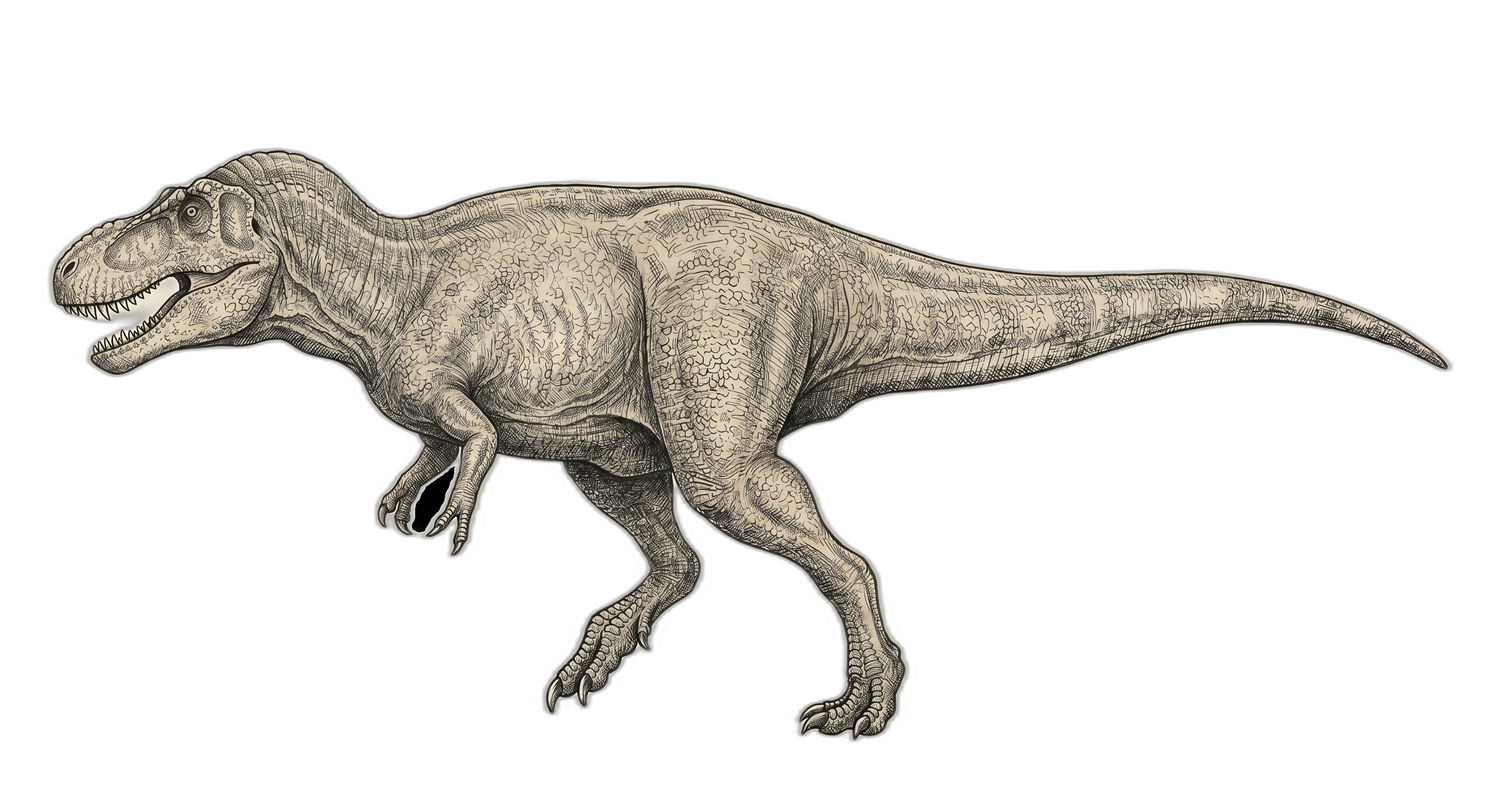
Tarbosaurus bataar
Tarbosaurus, a large tyrannosaurid from the Nemegt Formation of Mongolia, overlapped temporally with Citipati in Late Cretaceous Mongolia and would have been an apex predator capable of taking medium-sized theropods.
Oviraptor
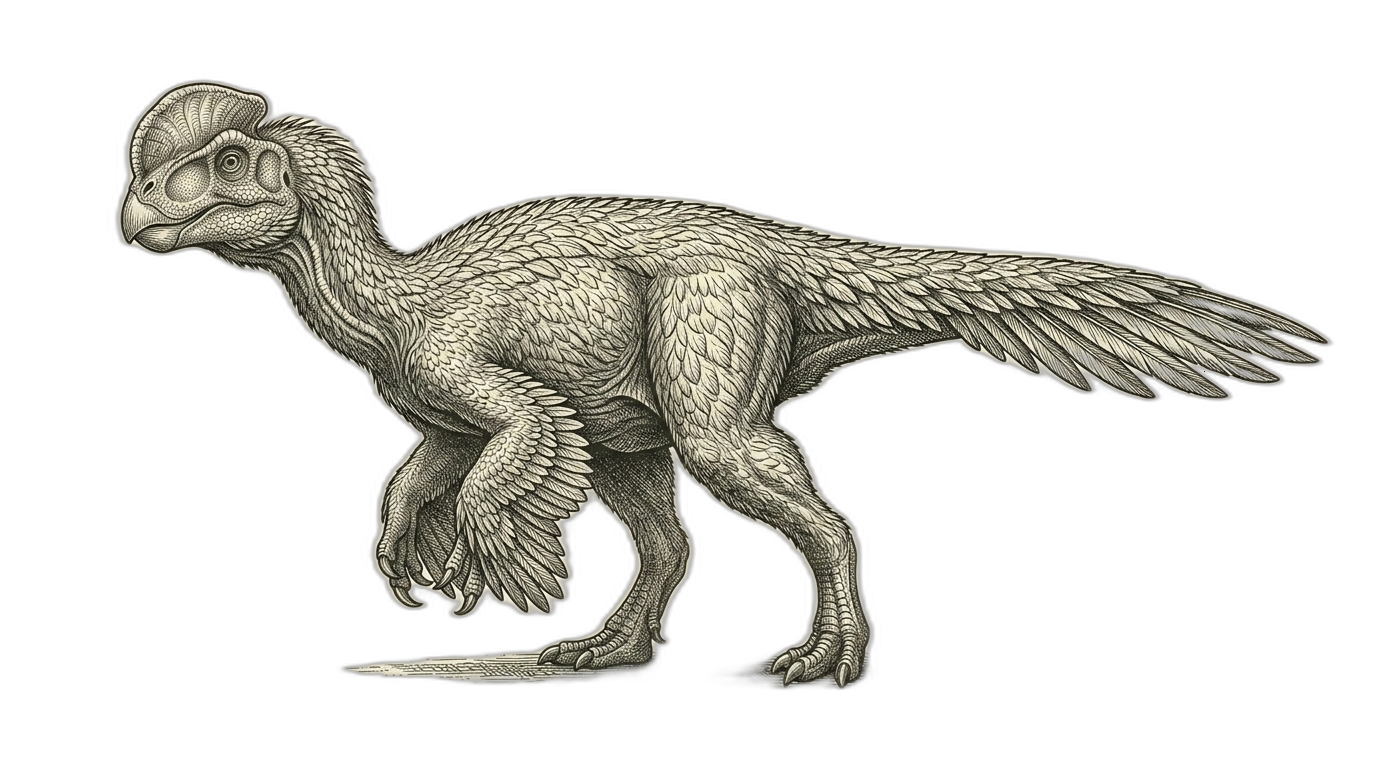
Oviraptor philoceratops
Both are oviraptorids with similar body plans, omnivorous diets, and nesting behaviors.
Gigantoraptor
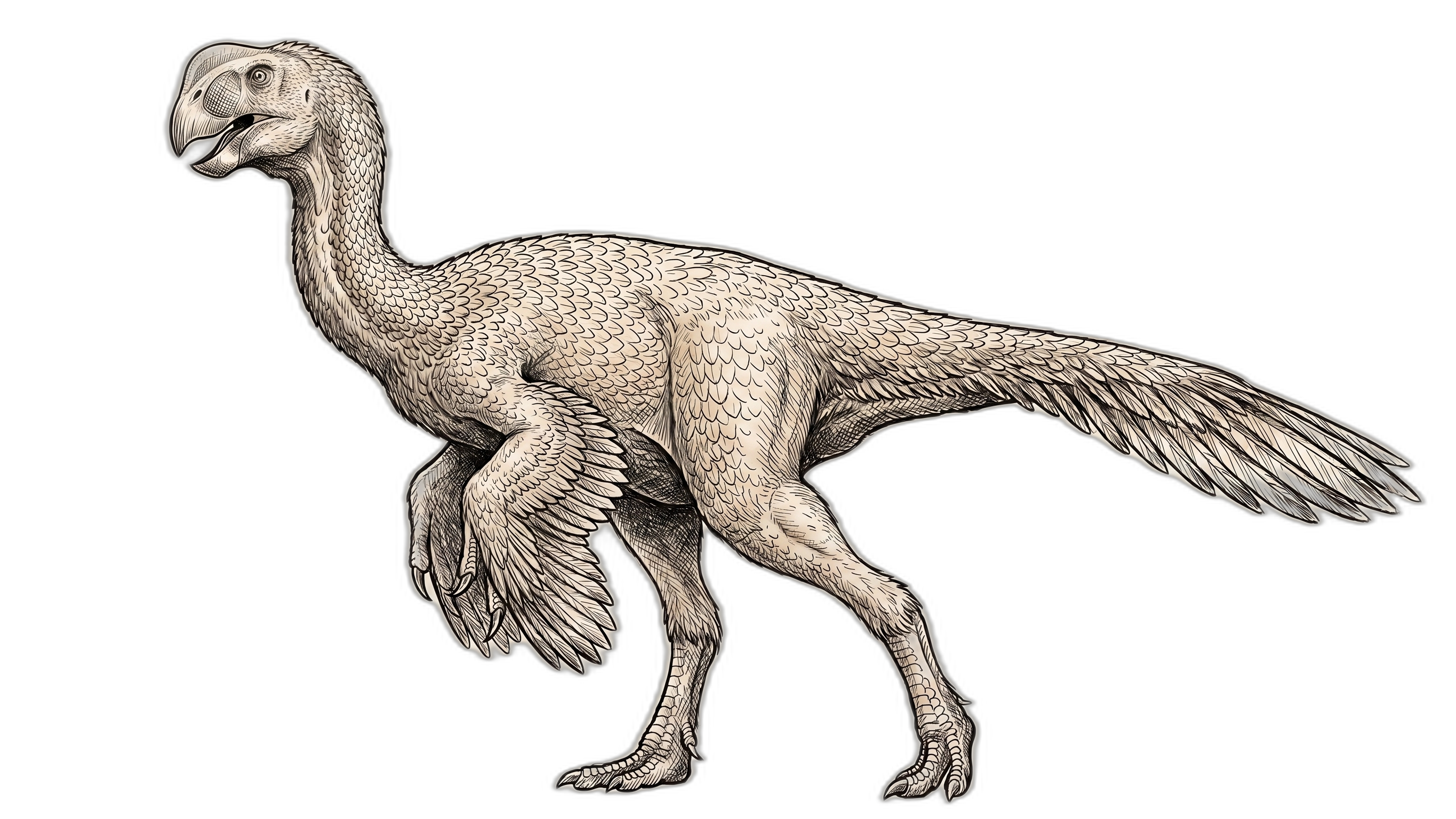
Gigantoraptor erlianensis
Both are oviraptorosaurs that developed elaborate crests, beaked skulls, and brooding behaviors, but Gigantoraptor evolved to massive size (8m, 2 tons) while Citipati remained medium-sized, showing parallel experiments in oviraptorosaur body plans.
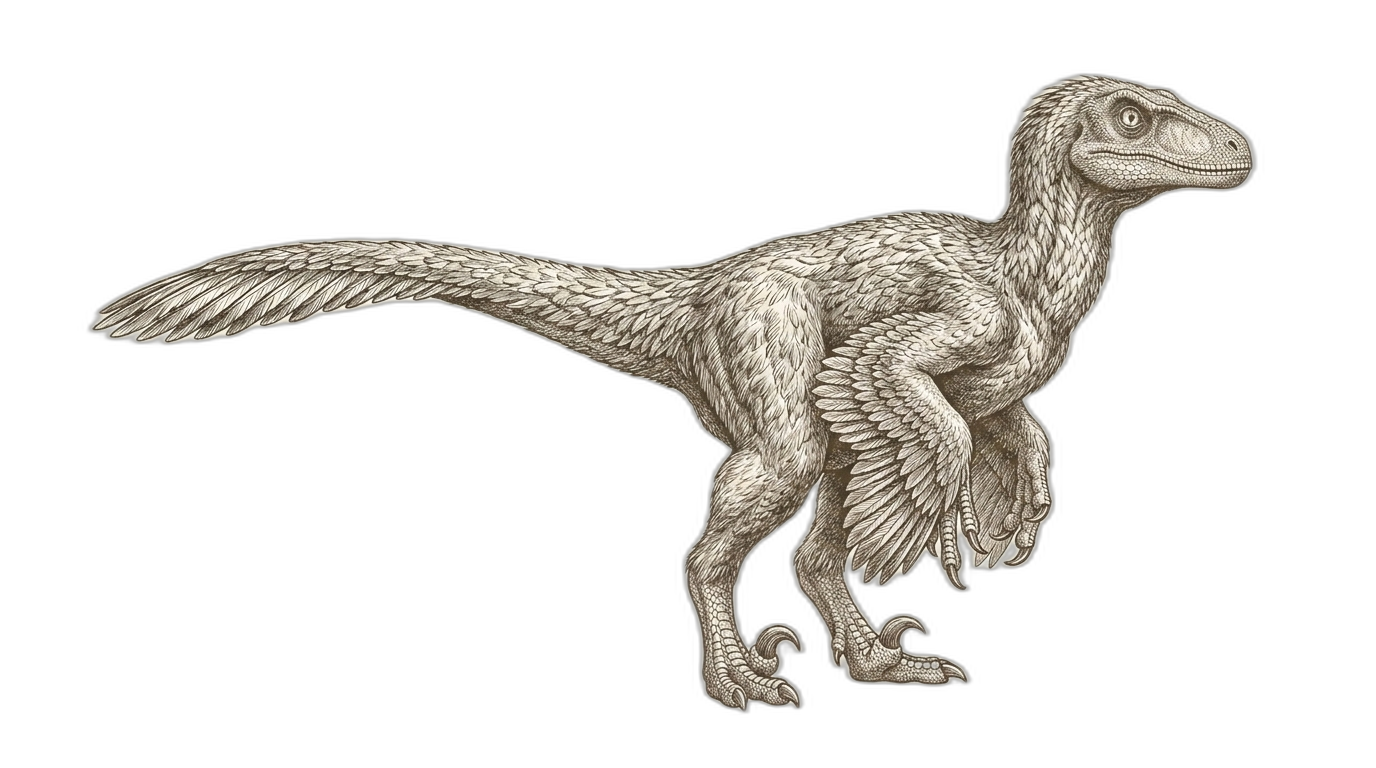
Velociraptor
Velociraptor mongoliensis
Both Citipati and Velociraptor are known from the Djadochta Formation of Mongolia, with specimens found in close geographic and temporal proximity during the Late Cretaceous Campanian stage.
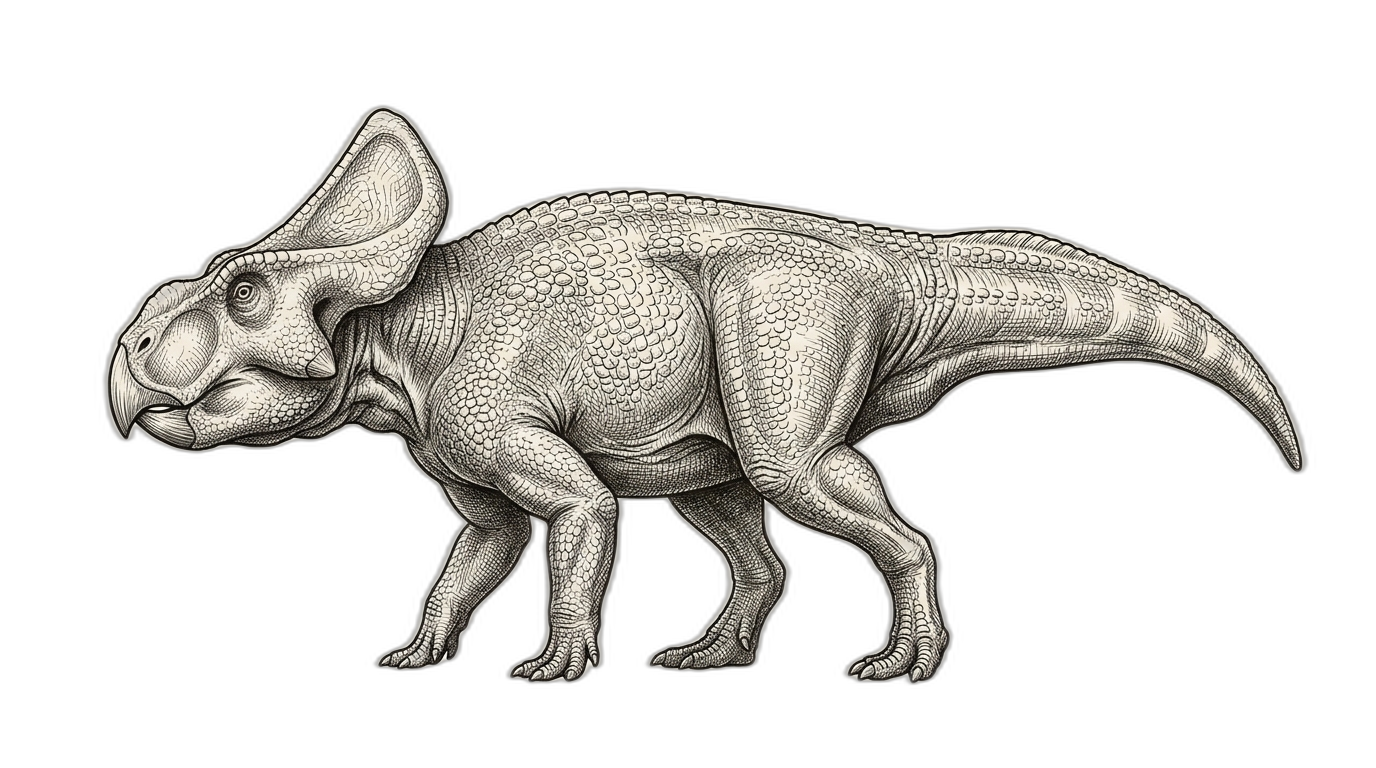
Protoceratops
Protoceratops andrewsi
Citipati and Protoceratops co-occur in the Djadochta Formation of Mongolia.
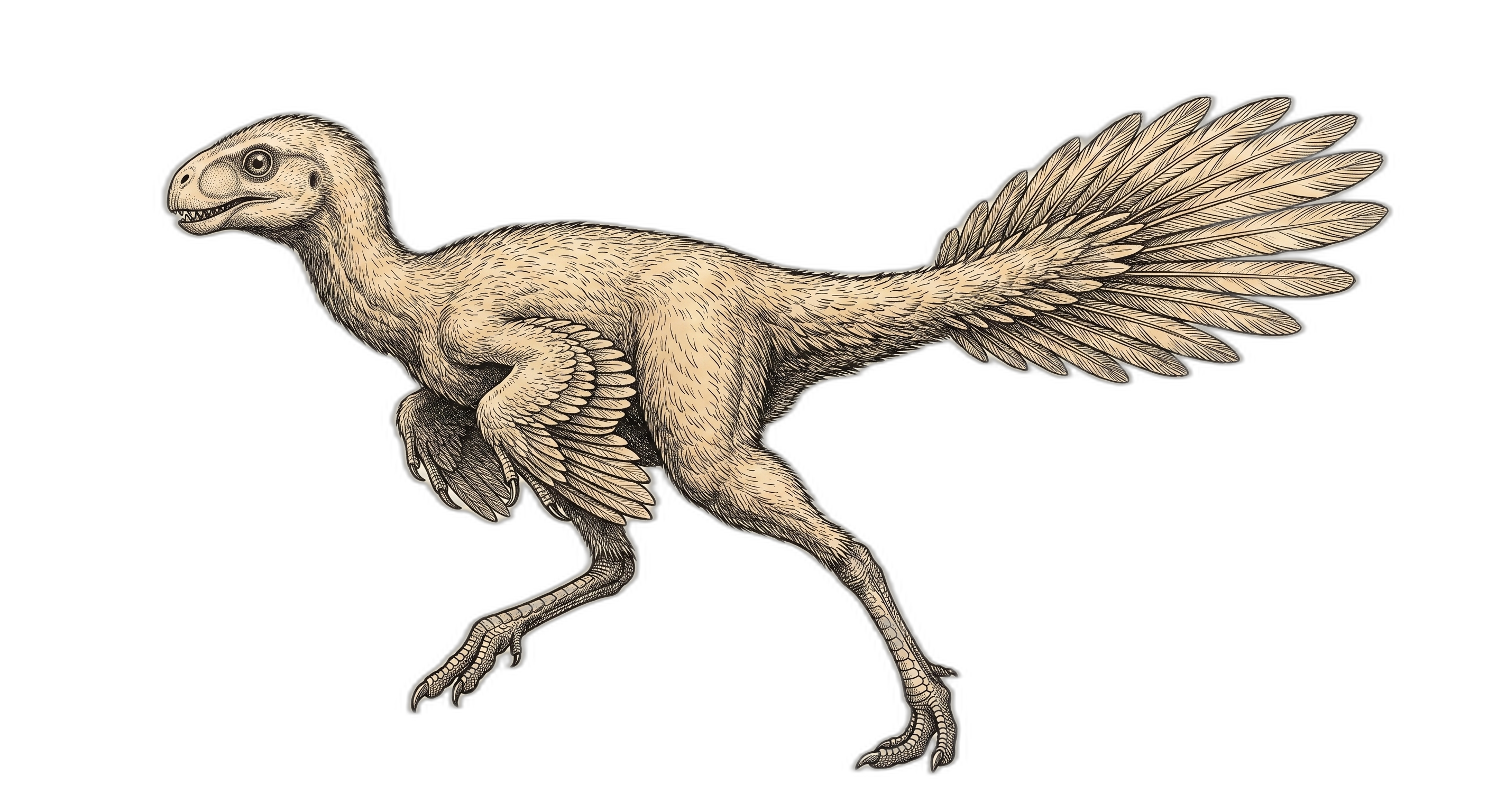
Caudipteryx
Both are feathered oviraptorosaurs with similar ecological roles as omnivores.
Sources & Citation
- Length estimates
- Clark et al. 2001; multiple well-preserved specimens
- Height estimates
- Estimated from skeletal proportions; Clark et al. 2001
- Weight estimates
- Paul 2010; estimates based on skeletal dimensions
- Speed estimates
- Inferred from limb proportions; no direct evidence