About
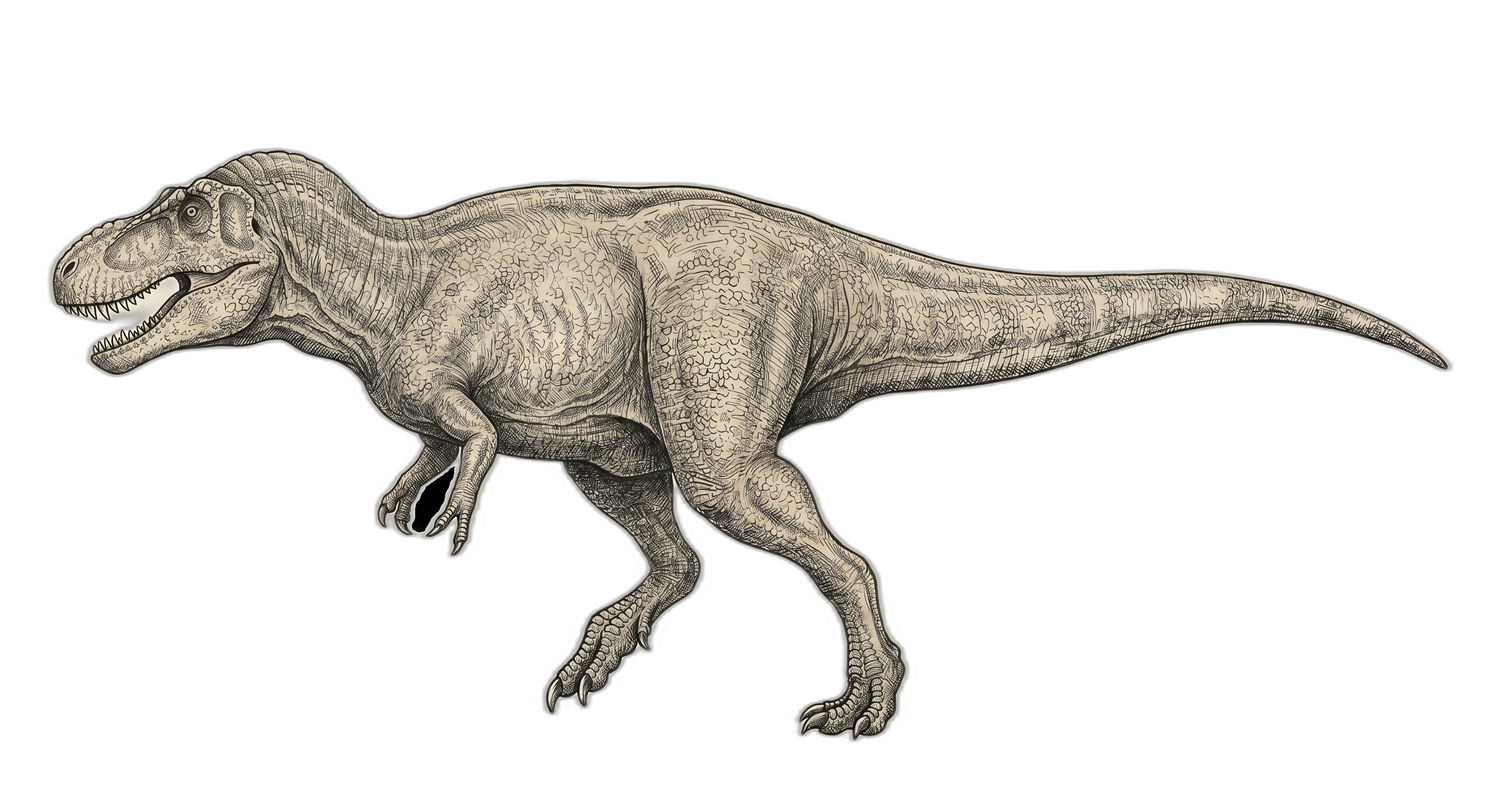
Tarbosaurus bataar was one of the largest and most formidable predators to ever stalk the Asian continent. This massive tyrannosaurid roamed what is now Mongolia and China during the final age of the dinosaurs, approximately 70 million years ago. With a skull measuring over a meter long and filled with dozens of teeth, Tarbosaurus was the undisputed of its ecosystem, likely hunting large hadrosaurs and sauropods that shared its habitat.
The relationship between Tarbosaurus and its more famous relative Tyrannosaurus rex has long fascinated paleontologists. Some researchers have even proposed that Tarbosaurus should be considered an Asian species of Tyrannosaurus, though most current classifications keep them separate. The two giants evolved similar body plans independently on different continents, a striking example of among tyrannosaurs. Tarbosaurus had a slightly narrower skull and smaller forelimbs proportionally, but was otherwise remarkably similar to its North American counterpart.
Tarbosaurus was first discovered in 1946 during a Soviet-Mongolian expedition to the Gobi Desert. Soviet paleontologist Evgeny Maleev initially described several specimens as different species before they were consolidated into Tarbosaurus bataar. The Nemegt Formation of Mongolia has since yielded dozens of specimens, including remarkably complete skulls and skeletons representing individuals of various ages, making Tarbosaurus one of the best-understood Asian theropods.
Studies of Tarbosaurus braincases have revealed sophisticated sensory capabilities, including well-developed olfactory bulbs for tracking prey by scent. Biomechanical analyses suggest its bite force, while impressive, may have been slightly less than T. rex due to its narrower skull construction—though still more than sufficient to crush bone and dispatch any prey in its environment.
Quick Facts
- Scientific name
- Tarbosaurus bataar
- Group
- Tyrannosaur · Tyrannosauridae
- Lived
- Late Cretaceous, 100–66 million years ago
- Diet
- Carnivore
- Movement
- Walked on two legs
- Discovery credited to
- 1946, Soviet-Mongolian Paleontological Expedition (described by Evgeny Maleev, 1955)
- Holotype
- PIN 551-1 · Paleontological Institute, Russian Academy of Sciences, Moscow
- DinoVault record
- DVL-0134
Where Tarbosaurus Roamed
Tarbosaurus bataar stalked the semi-arid floodplains and river systems of Late Cretaceous Asia, roaming a landscape characterized by seasonal wetlands, meandering channels, and sparse woodlands across what is now the Gobi Desert region of Mongolia. This apex predator inhabited a continental interior far from the shrinking Tethys Sea, where warm temperatures and pronounced dry seasons shaped an environment of open terrain punctuated by life-sustaining waterways.
Keep exploring the vault
Gallimimus
Gallimimus bullatus
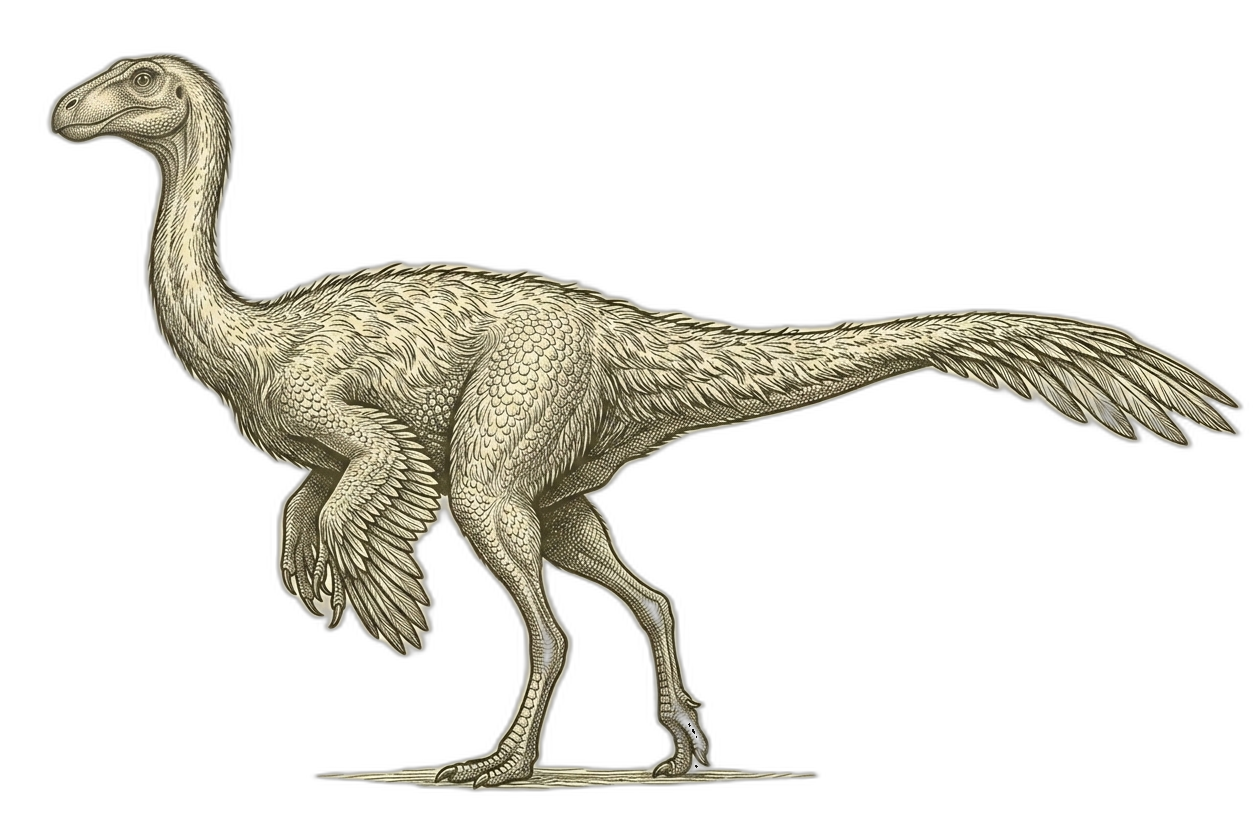
Gallimimus is abundant in the Nemegt Formation alongside Tarbosaurus, and as a large ornithomimid (~6m, 400kg) it would have been ideal prey for the apex predator of this ecosystem.
Citipati
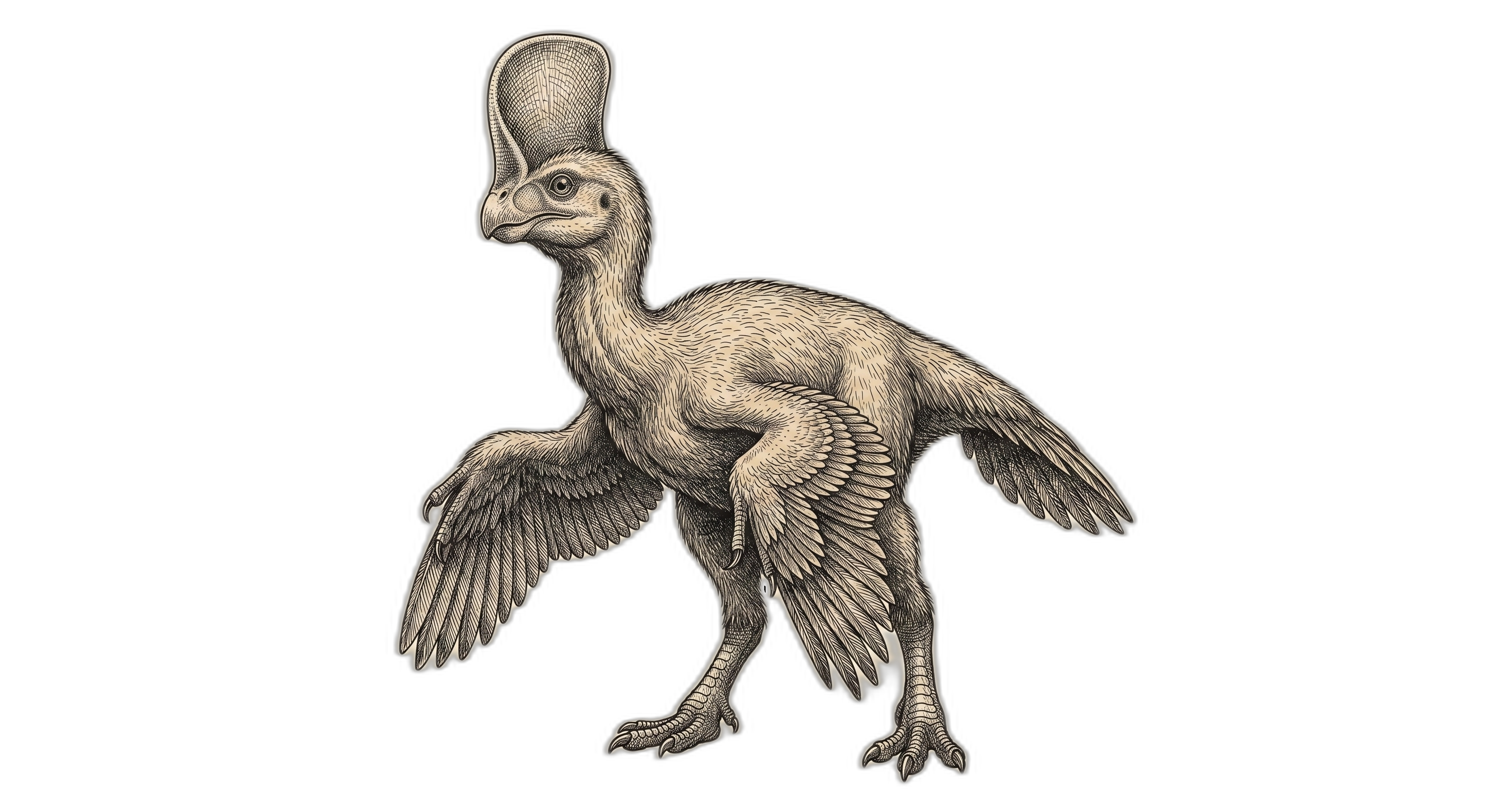
Tarbosaurus, a large tyrannosaurid from the Nemegt Formation of Mongolia, overlapped temporally with Citipati in Late Cretaceous Mongolia and would have been an apex predator capable of taking medium-sized theropods.
T-Rex
Tyrannosaurus rex
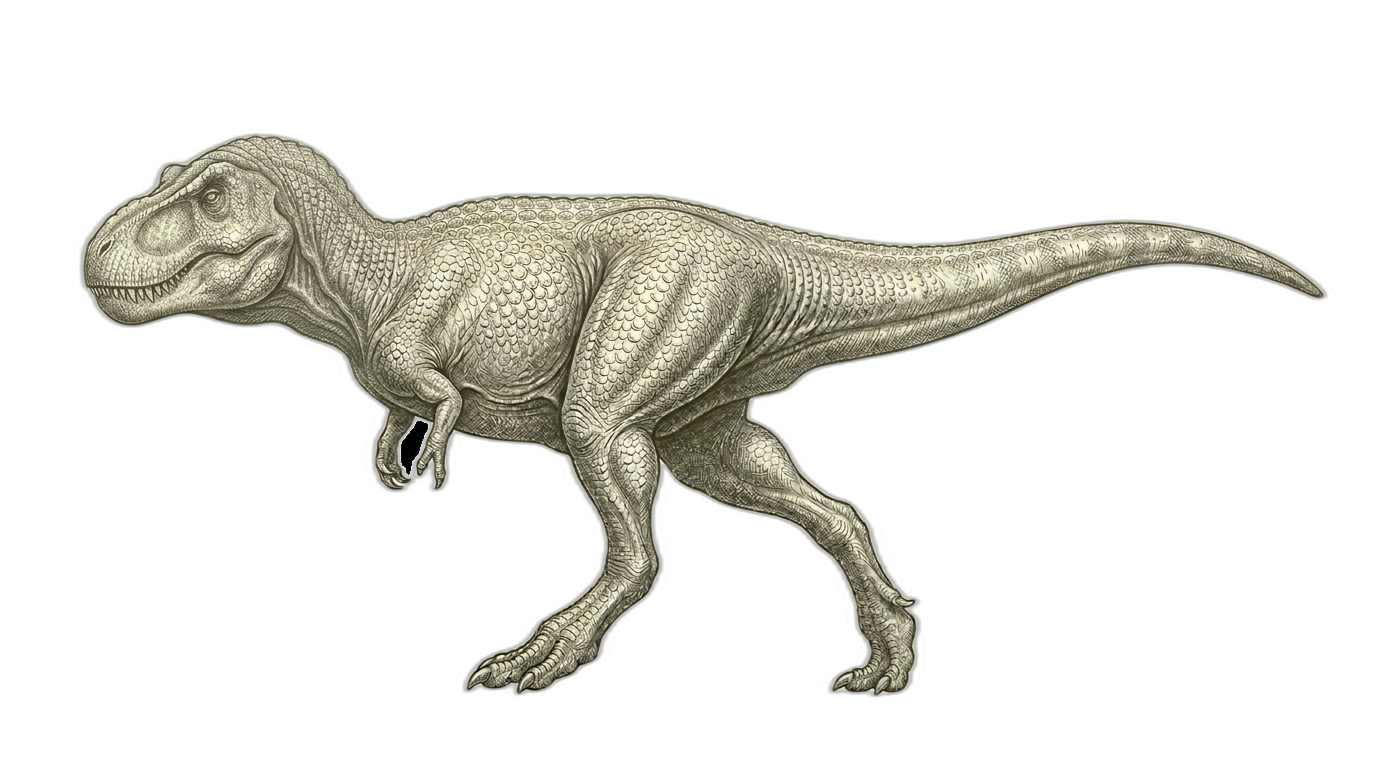
Tarbosaurus and Tyrannosaurus represent parallel evolution of massive apex predator tyrannosaurs on separate continents (Asia and North America) during the latest Cretaceous, developing nearly identical body plans with tiny arms, massive skulls, and bone-crushing bite forces independently.
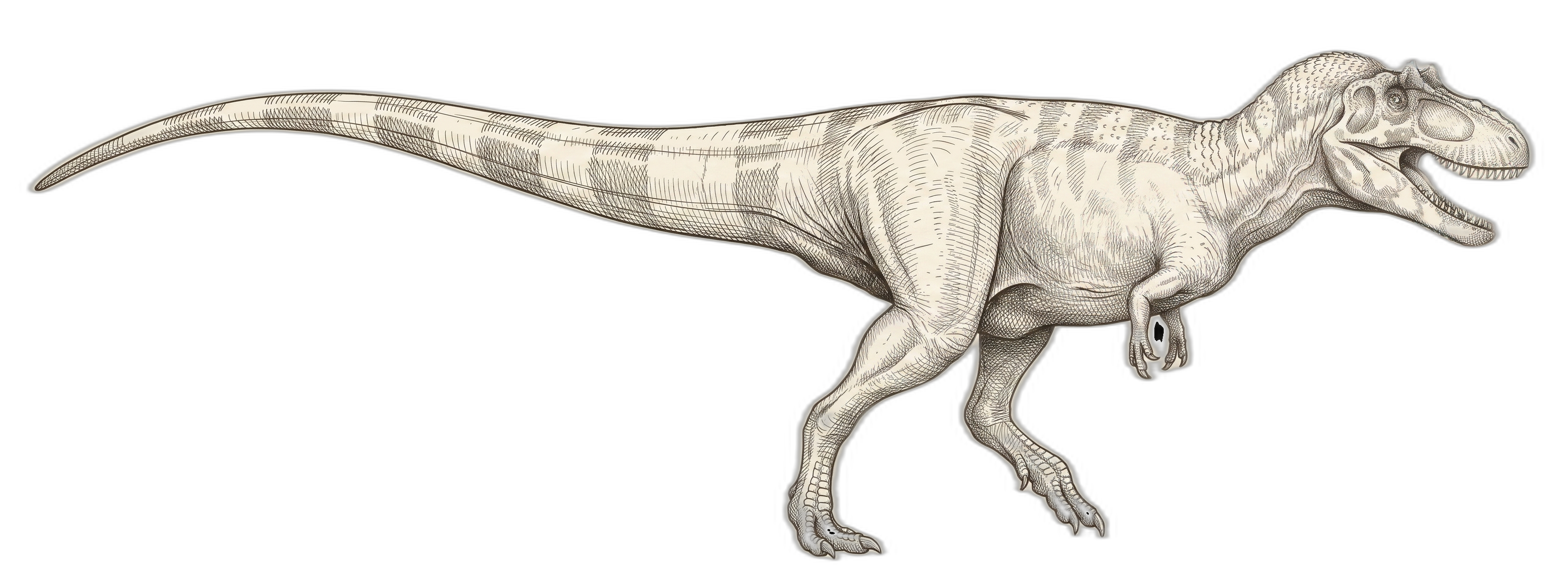
Albertosaurus
Albertosaurus sarcophagus
Same family: Tyrannosauridae
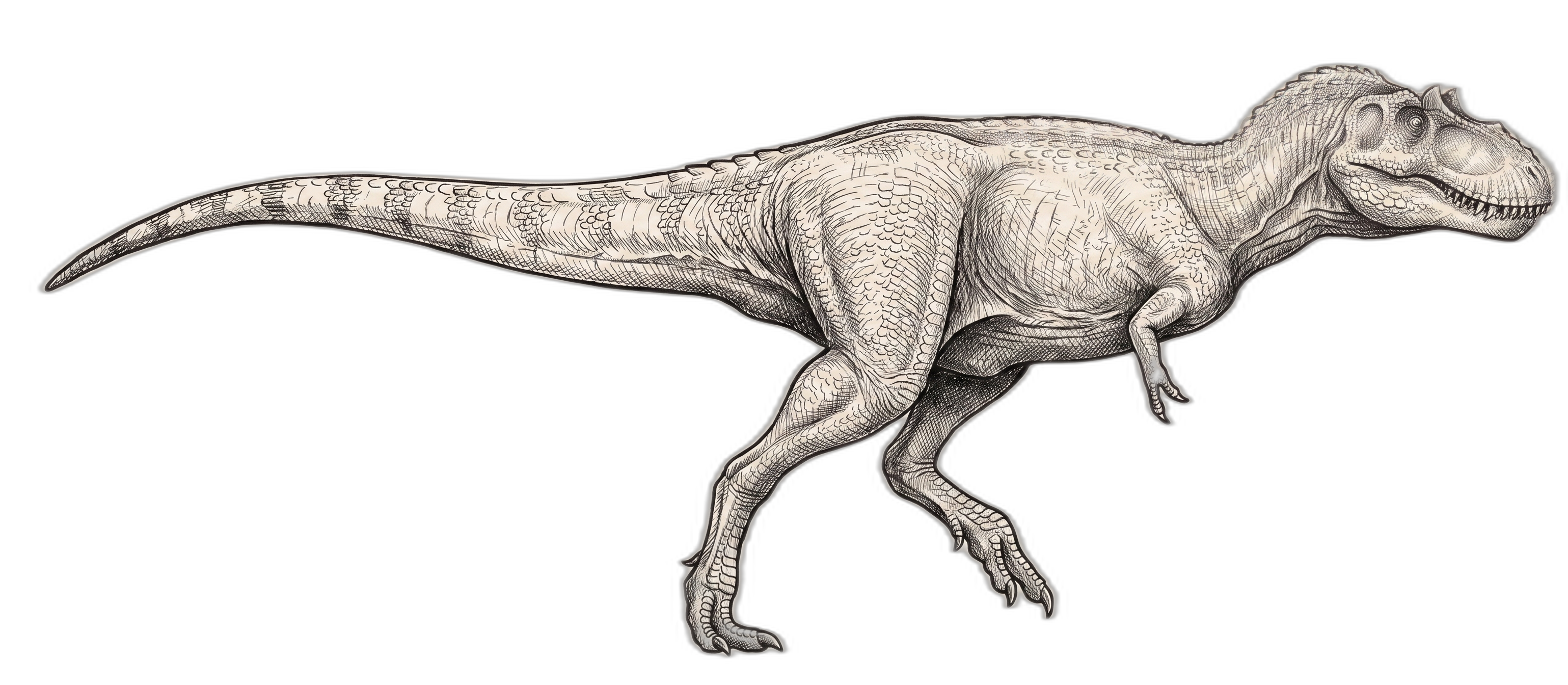
Gorgosaurus
Gorgosaurus libratus
Same family: Tyrannosauridae
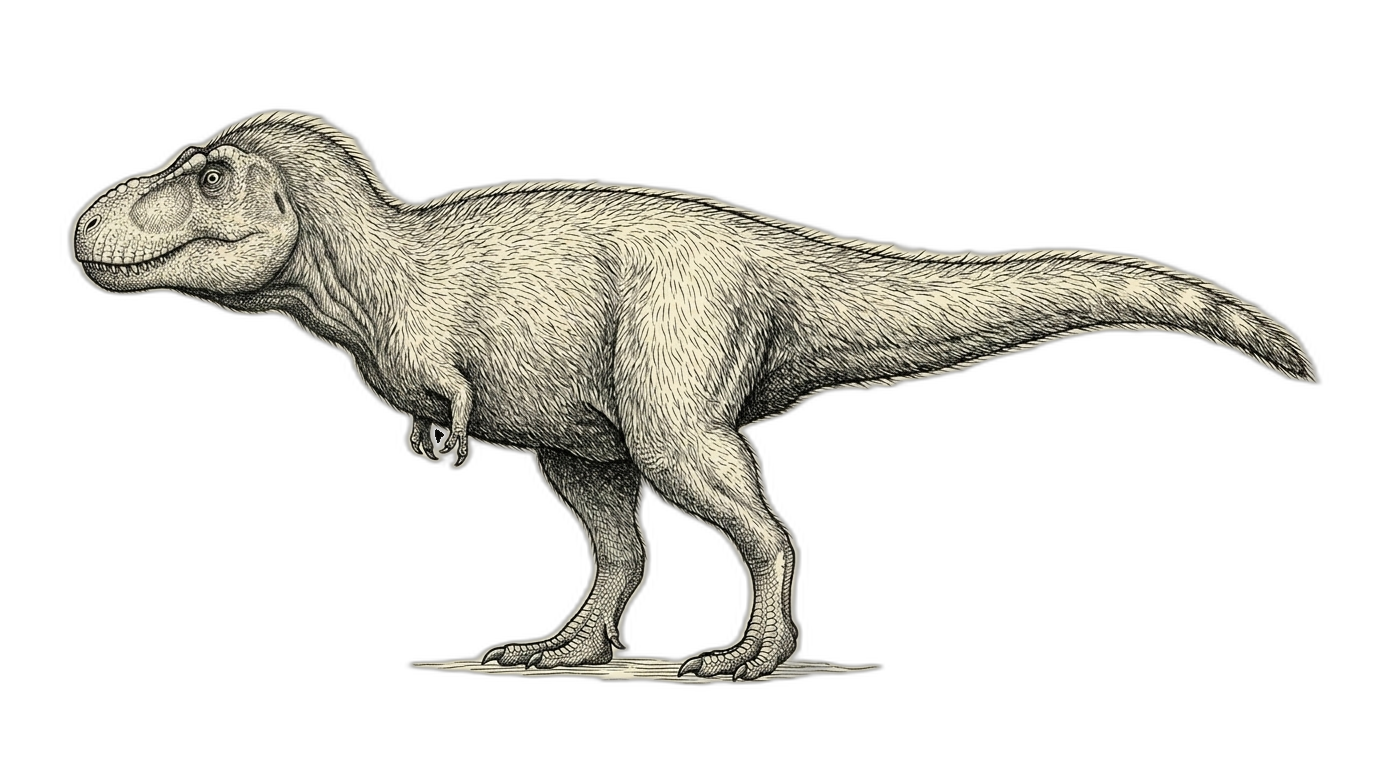
Nanuqsaurus
Nanuqsaurus hoglundi
Same family: Tyrannosauridae
Sources & Citation
- Length estimates
- Holtz 2004; Hurum & Sabath 2003; multiple complete specimens
- Height estimates
- Calculated from complete skeletal mounts; Currie 2003
- Weight estimates
- Therrien & Henderson 2007; mass estimates vary by methodology
- Speed estimates
- Biomechanical modeling; Hutchinson & Garcia 2002 for tyrannosaur locomotion