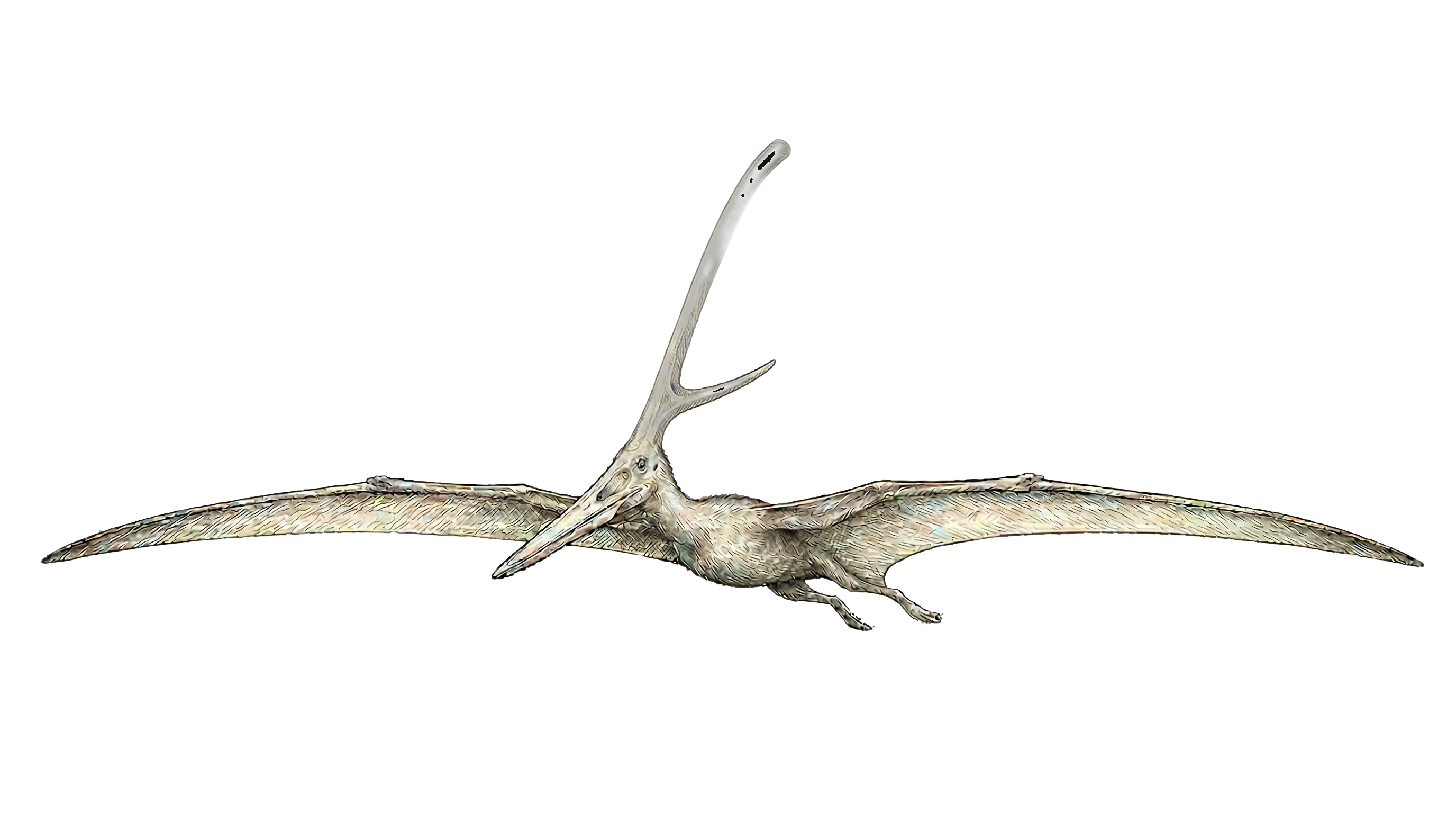
About
Nyctosaurus gracilis was a remarkable flying reptile that soared over the ancient Western Interior Seaway that once split North America in two. With a wingspan of approximately 2-3 meters, it was a medium-sized pterosaur but possessed extraordinary adaptations that set it apart from all other known pterosaurs. Most strikingly, adult Nyctosaurus completely lacked fingers on their wings, retaining only the elongated fourth digit that supported the wing membrane—a radical simplification suggesting extreme specialization for life on the wing. This implies Nyctosaurus was exceptionally poorly adapted for locomotion, likely spending most of its life airborne over open ocean and only landing to nest. Some specimens spectacular L-shaped or antler-like crests composed of two bony prongs, with the longer element measuring up to 55 centimeters—potentially longer than the skull and body combined. The function of these dramatic crests remains debated, with hypotheses ranging from sexual display to aerodynamic stabilization. Living alongside giant marine reptiles like mosasaurs and plesiosaurs, Nyctosaurus likely fed by plucking fish from the sea surface while in flight, much like modern frigatebirds. Its fossils, recovered primarily from Kansas chalk deposits, provide crucial insights into pterosaur evolution and the diverse aerial ecosystem of Cretaceous seas.
Quick Facts
- Scientific name
- Nyctosaurus gracilis
- Also known as
- Night Lizard
- Group
- Pterosaur · Nyctosauridae
- Lived
- Late Cretaceous, 86–82 million years ago
- Diet
- Piscivore
- Movement
- Walked on four legs
- Fossils found in
- Niobrara Formation, Kansas, USA
- Discovery credited to
- 1876, Othniel Charles Marsh
- Holotype
- YPM 1178, Yale Peabody Museum
- DinoVault record
- DVL-0097
Where Night Lizard Roamed
During the Late Cretaceous, approximately 84 million years ago, Nyctosaurus gracilis soared above the warm, shallow waters of the Western Interior Seaway, a vast epicontinental sea that divided North America into two landmasses and teemed with marine life including mosasaurs, plesiosaurs, and giant fish. This tropical to subtropical seaway stretched from the Gulf of Mexico to the Arctic Ocean, creating a productive marine ecosystem where these elegant pterosaurs likely hunted fish along the coastlines and open waters.
Keep exploring the vault
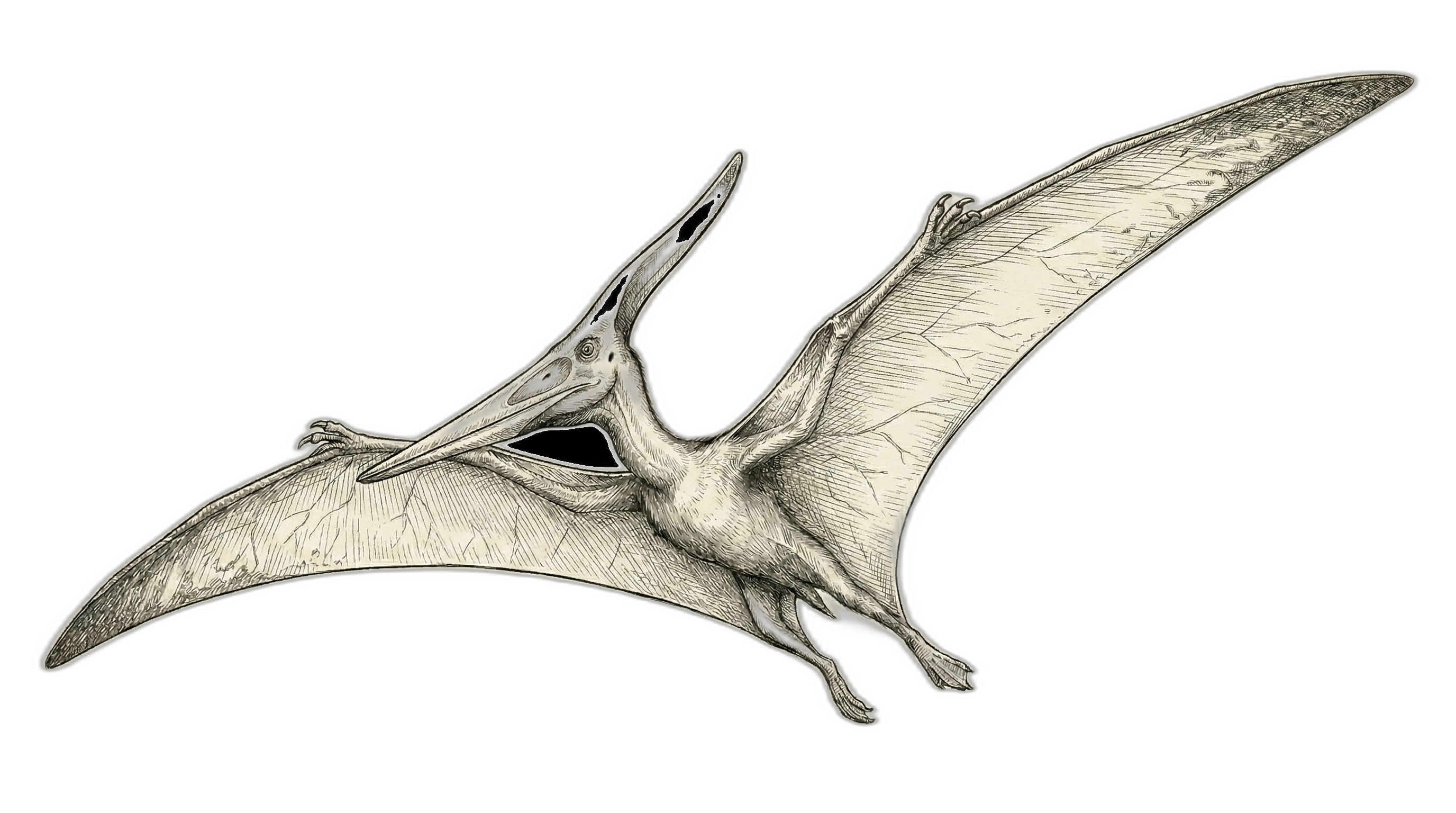
Pteranodon
Pteranodon longiceps
Both Nyctosaurus and Pteranodon were piscivorous pterosaurs from the Western Interior Seaway during the Late Cretaceous (Niobrara Formation, ~86-83 mya).
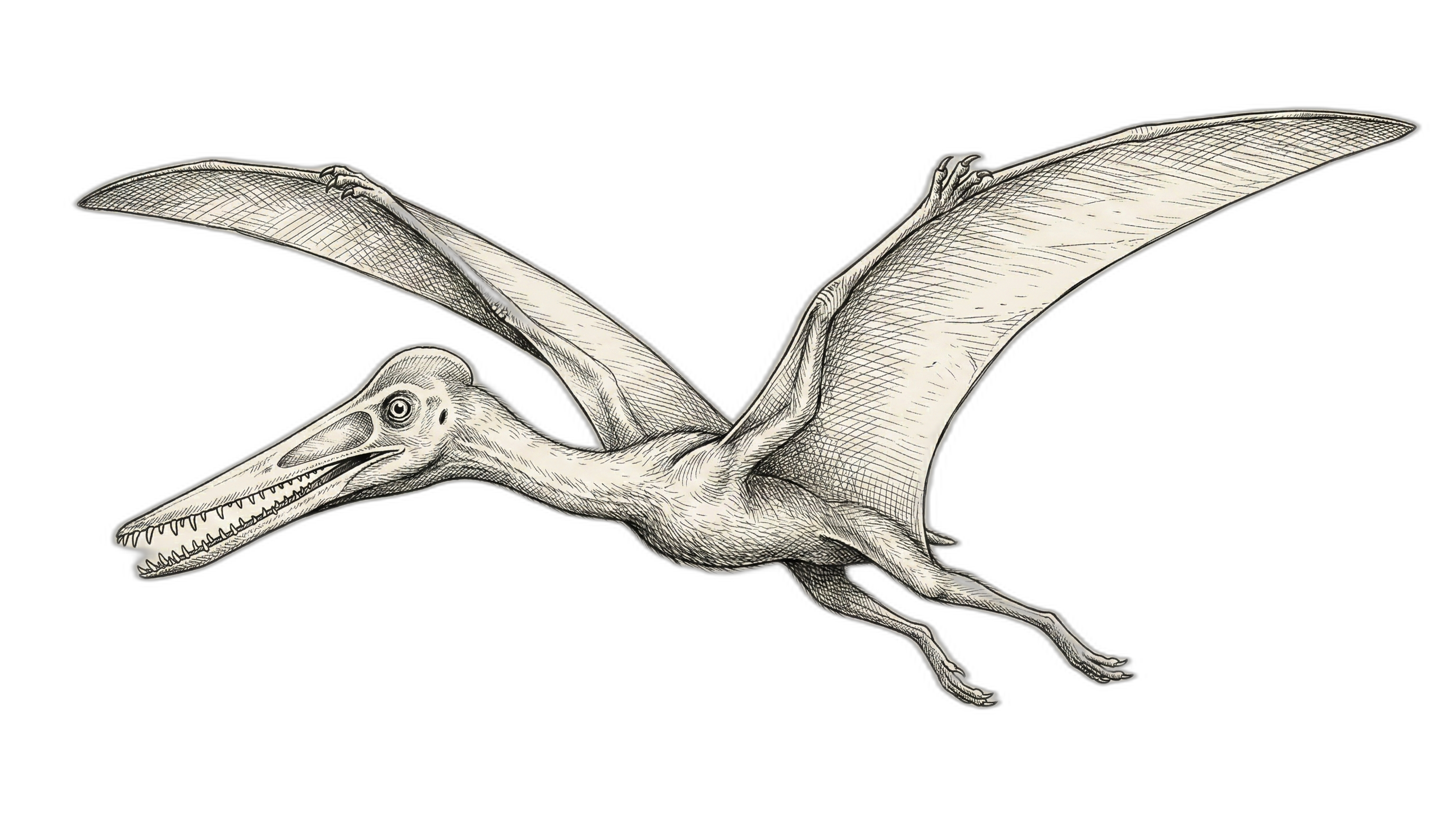
Pterodactyl
Pterodactylus antiquus
Both are derived pterodactyloids that independently evolved highly specialized adaptations for efficient soaring flight.
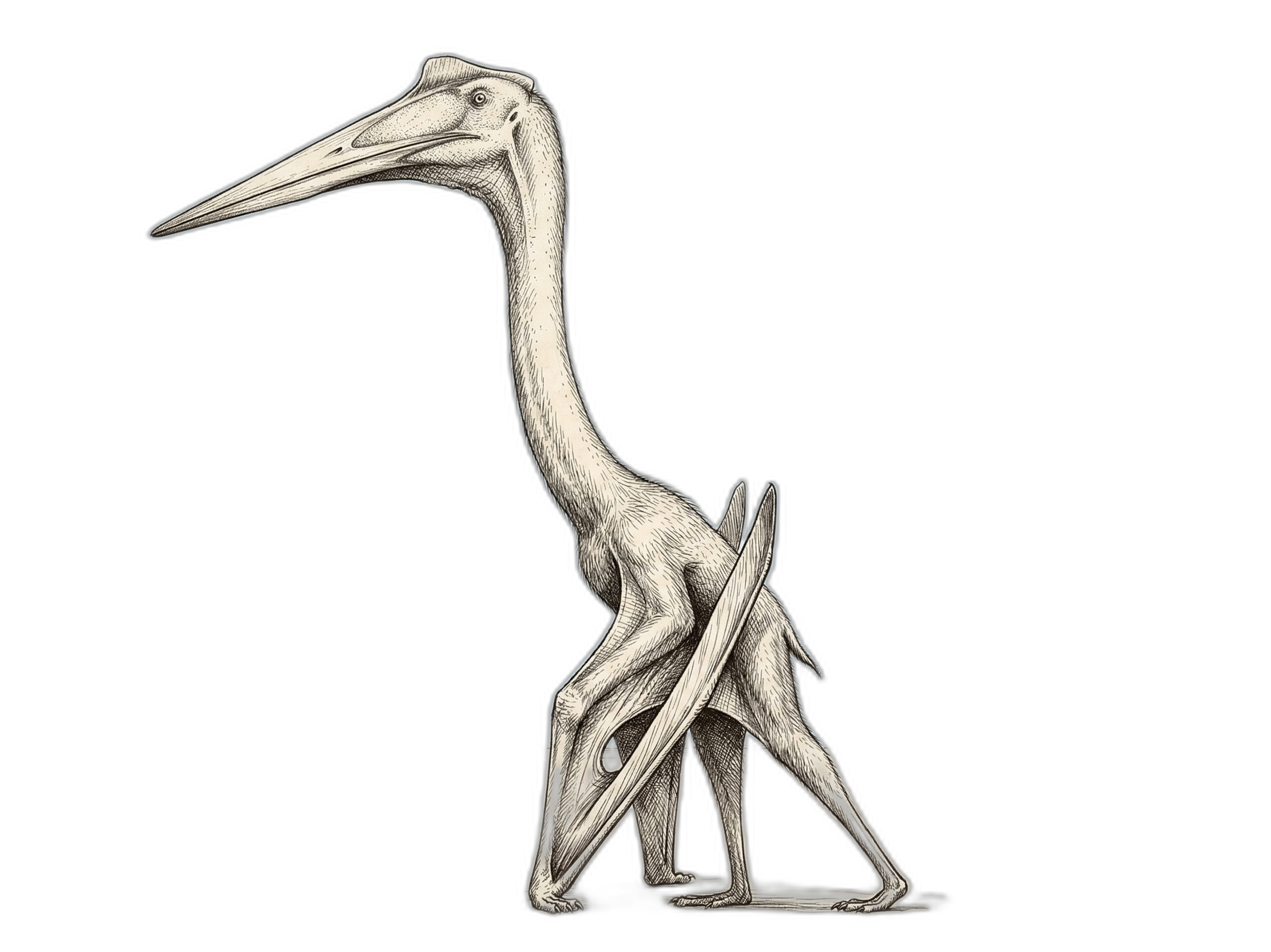
Quetzalcoatlus
Quetzalcoatlus northropi
Both represent Late Cretaceous pterodactyloid pterosaurs that pushed flight adaptations to extremes but in opposite directions: Nyctosaurus minimized body mass while developing elaborate cranial crests, while Quetzalcoatlus maximized body size.
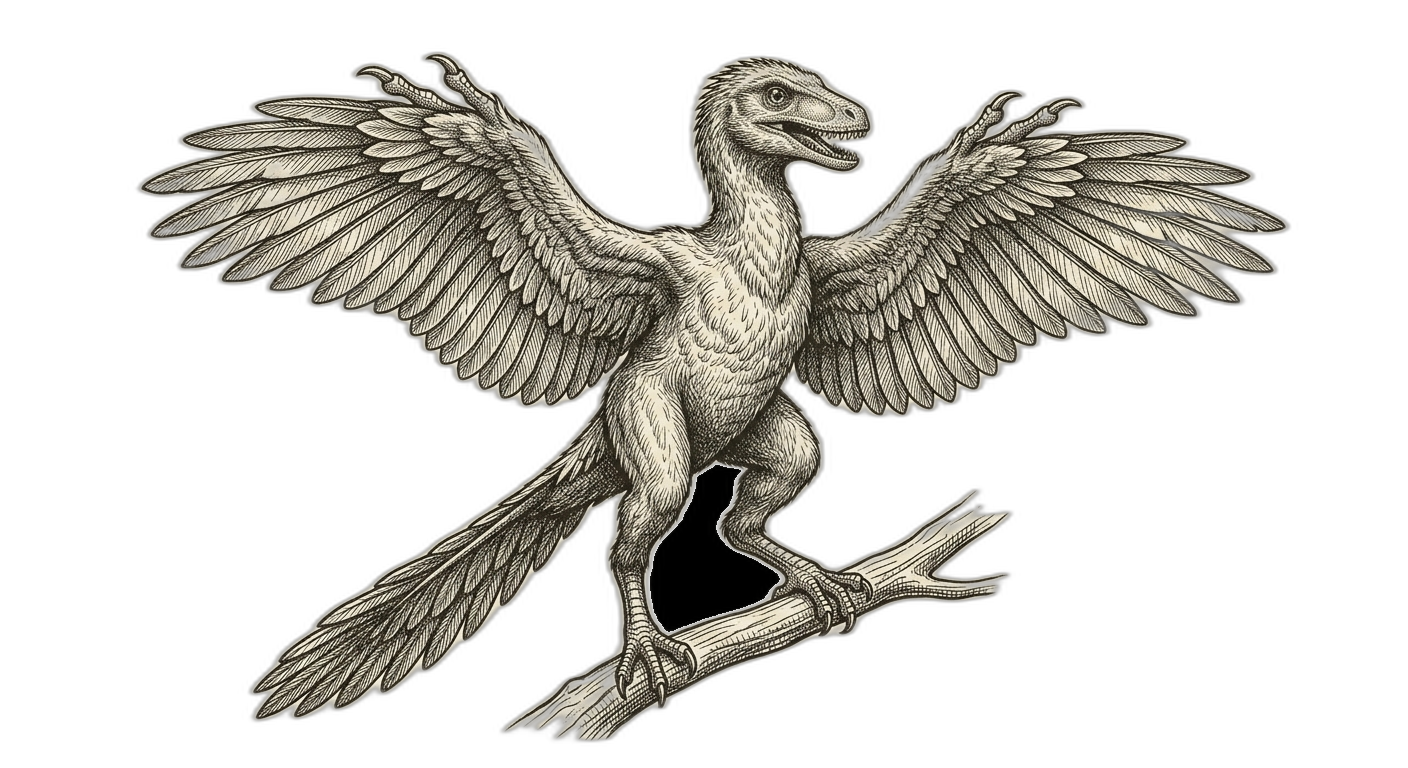
Archaeopteryx
Represents parallel evolutionary experiments in powered flight from different archosaur lineages.
Sources & Citation
- Length estimates
- Bennett 2003, wingspan estimates of 2-2.9m; body length proportionally smaller
- Height estimates
- Estimated from skeletal proportions; Bennett 2003
- Weight estimates
- Witton 2013, estimated based on wingspan and skeletal gracility
- Speed estimates
- Estimated flight speed based on pterosaur aerodynamic models; Witton 2010