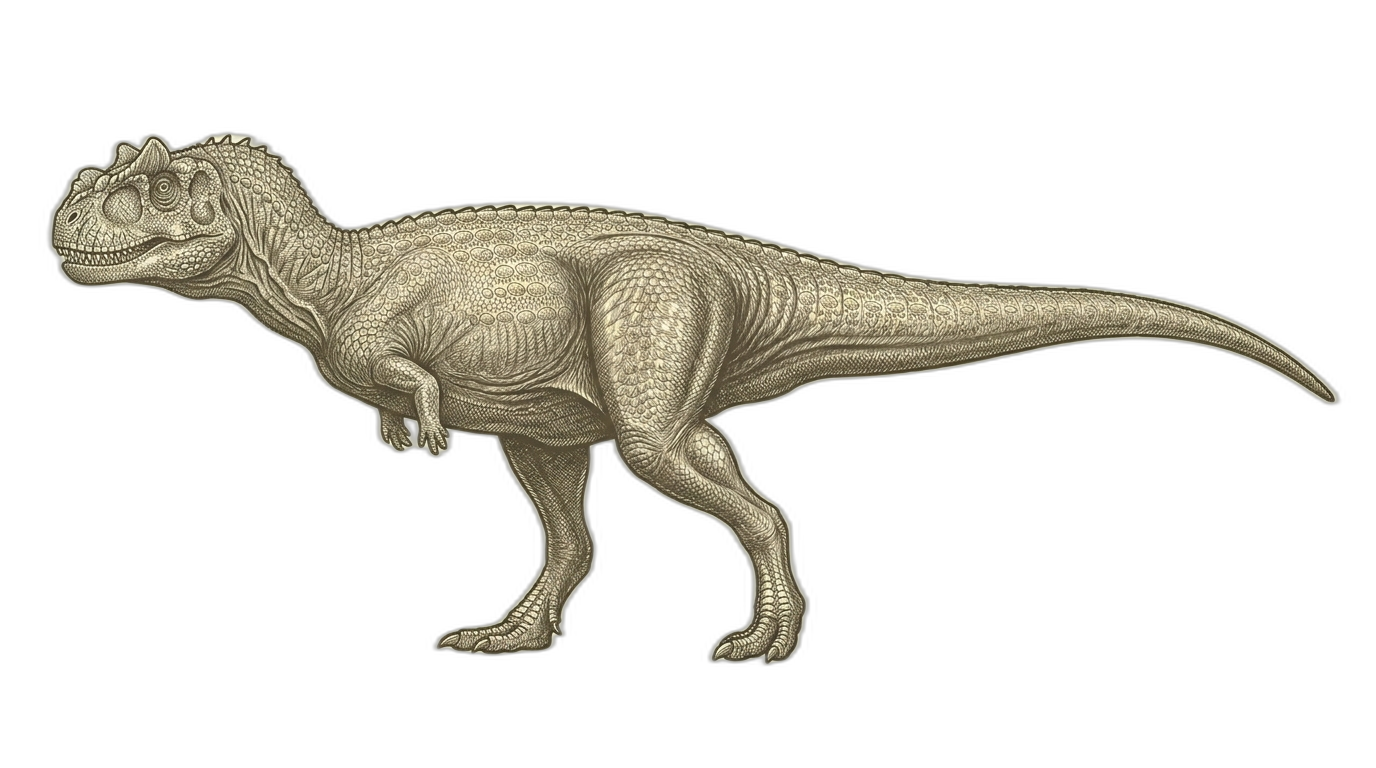
About
Rugops primus was a distinctive dinosaur that roamed the river systems and floodplains of what is now the Sahara Desert approximately 95 million years ago. This medium-sized measured around 6 meters in length and possessed one of the most unusual skulls among carnivorous dinosaurs. The dorsal surface of its skull was covered with an intricate pattern of pits, grooves, and rugose textures that likely anchored -based ornaments or colorful skin structures used in .
Unlike its more robustly-built relatives such as Carnotaurus, Rugops had a relatively lightly-built skull with thin bones and modest jaw musculature. This suggests it may not have been an but potentially a or hunter of smaller prey. Its teeth were relatively small and its bite force was likely modest compared to other large theropods of its time.
Discovered by Paul Sereno's expedition in Niger in 2000 and formally described in 2004, Rugops provided crucial evidence that abelisaurid dinosaurs had dispersed across the southern continents during the Cretaceous. Its discovery in Africa, alongside similar theropods from South America, Madagascar, and India, supported the hypothesis that these landmasses maintained biological connections longer than previously thought. The well-preserved skull of Rugops remains one of the most complete abelisaurid specimens from continental Africa, making it scientifically invaluable for understanding the evolution and diversity of this fascinating group of predatory dinosaurs.
Quick Facts
- Scientific name
- Rugops primus
- Group
- Theropod · Abelisauridae
- Lived
- Late Cretaceous, 95–93 million years ago
- Diet
- Carnivore
- Movement
- Walked on two legs
- Fossils found in
- Echkar Formation, Agadez, Niger
- Discovery credited to
- 2000, Paul Sereno
- Holotype
- MNN IGU1, Musée National du Niger
- DinoVault record
- DVL-0119
Keep exploring the vault
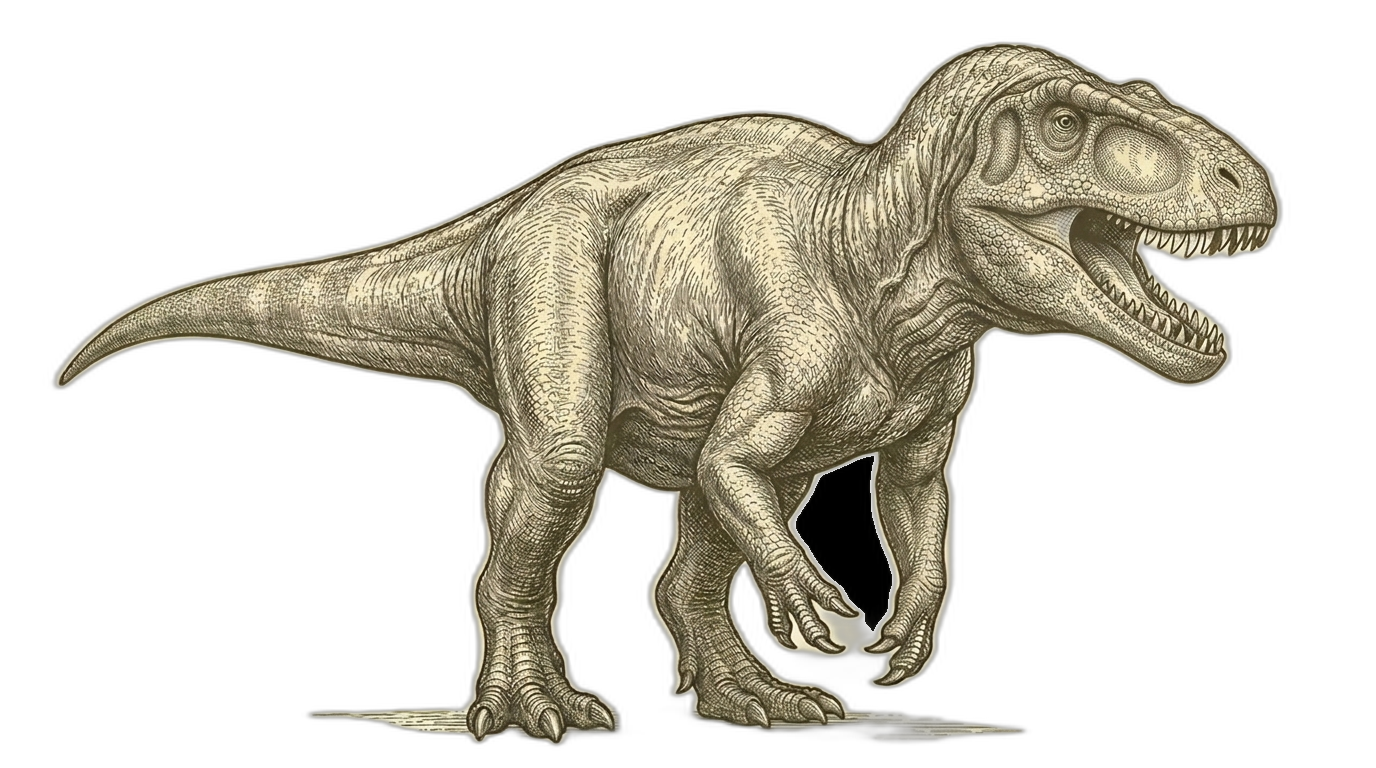
Carcharodontosaurus
Carcharodontosaurus saharicus
Both are large theropod carnivores from the Kem Kem Formation, though Carcharodontosaurus was significantly larger (12m vs 6m).
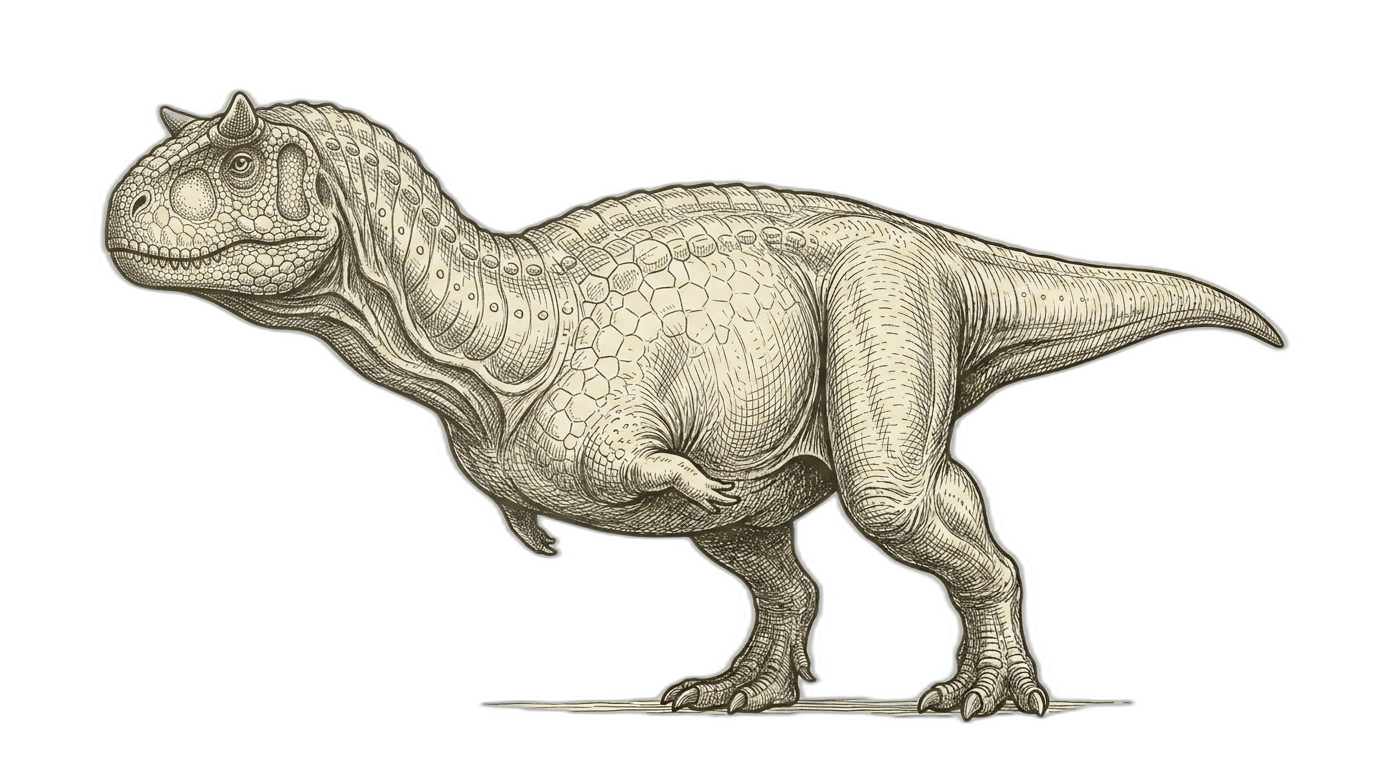
Carnotaurus
Carnotaurus sastrei
Both are abelisaurid theropods that independently developed characteristic skull ornamentation and reduced forelimbs.
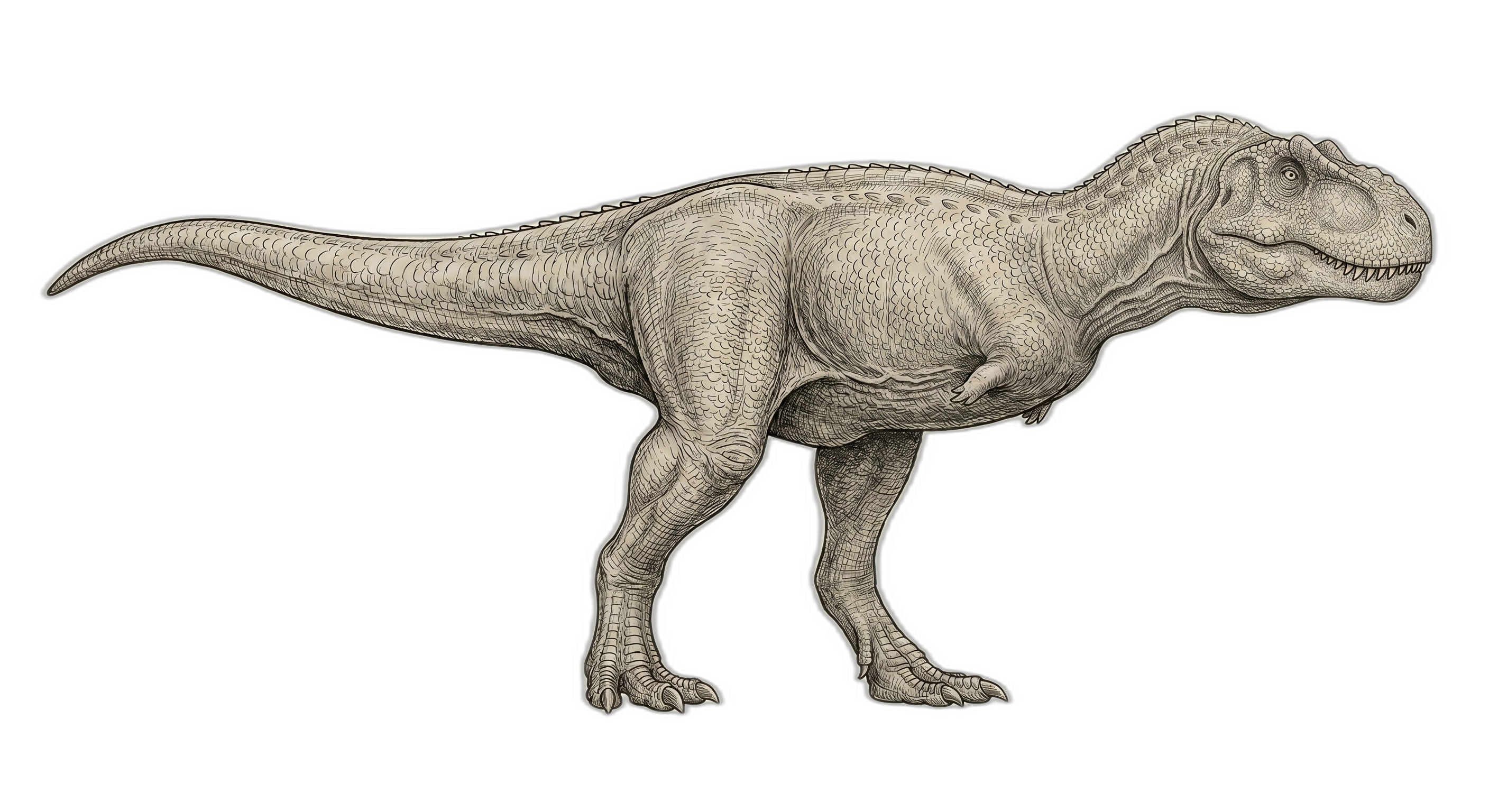
Abelisaurus
Same family: Abelisauridae
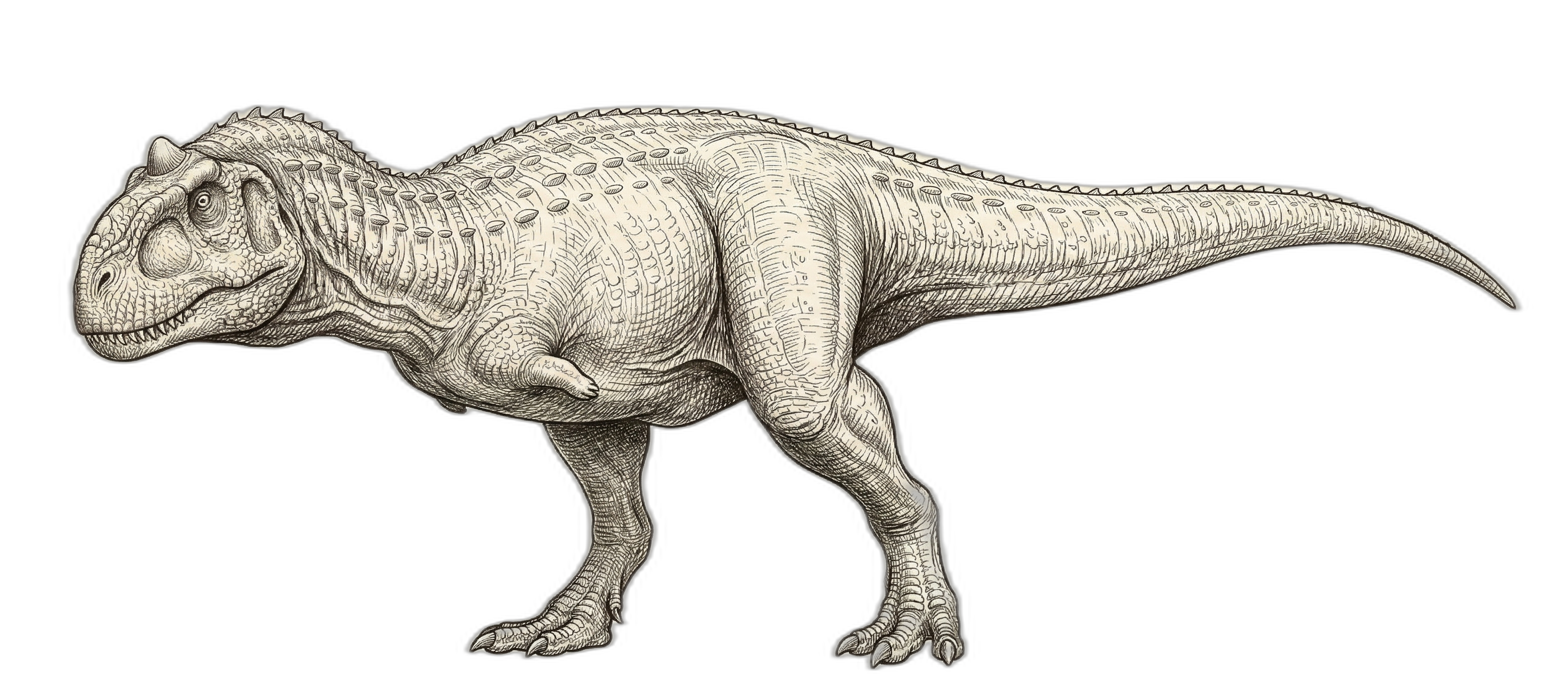
Majungasaurus
Majungasaurus crenatissimus
Both are abelisaurids from Gondwanan landmasses (Africa and Madagascar) showing parallel evolution of skull ornamentation and similar body proportions.
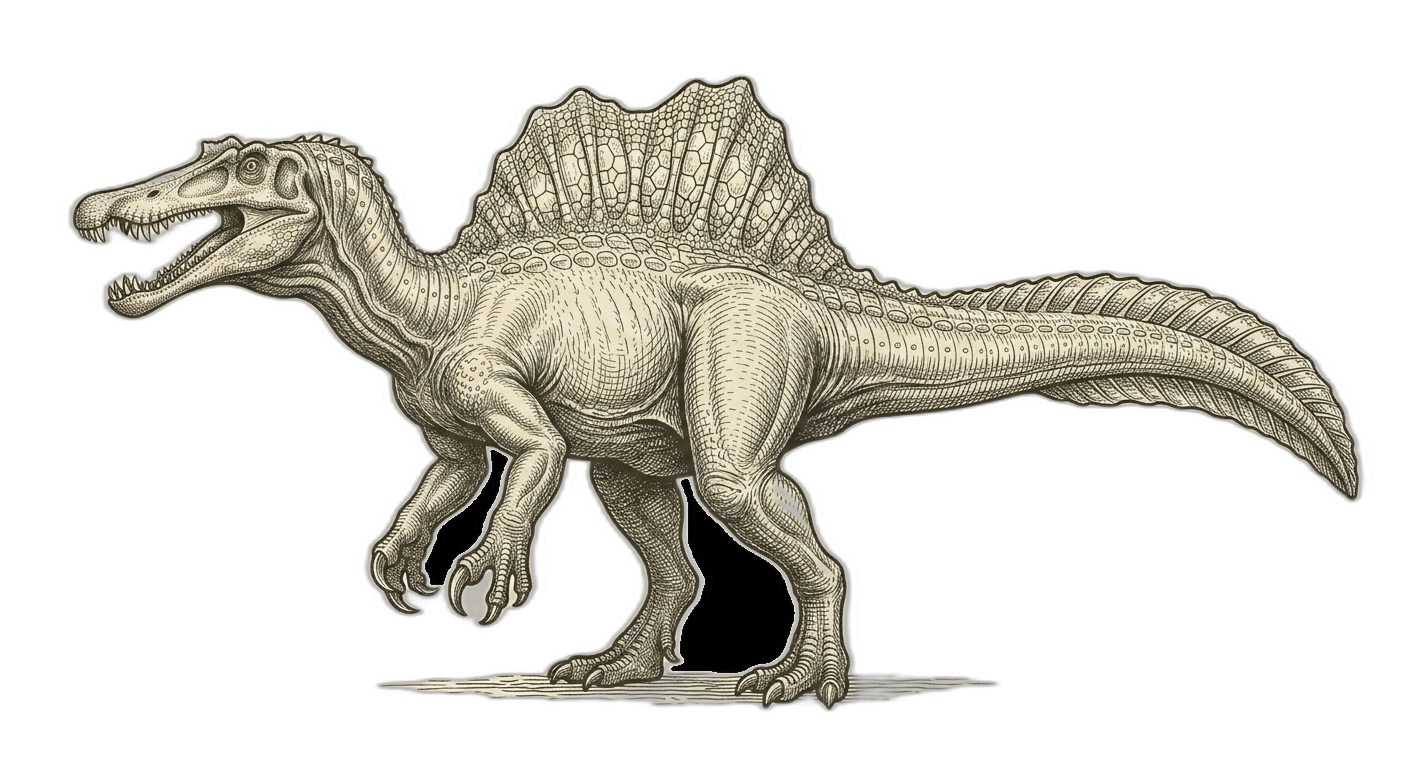
Spinosaurus
Spinosaurus aegyptiacus
Both species co-occurred in the Kem Kem Formation of North Africa during the mid-Cretaceous.
Sources & Citation
- Length estimates
- Sereno et al. 2004, original description
- Height estimates
- Estimated from skull proportions and abelisaurid body plans
- Weight estimates
- Estimated based on body length comparisons with related abelisaurids
- Speed estimates
- Biomechanical estimate based on abelisaurid limb proportions