
About
Tupandactylus imperator ranks among the most visually striking flying reptiles ever discovered. This medium-sized tapejarid pterosaur inhabited the lush tropical environments of what is now northeastern Brazil during the Early Cretaceous, approximately 110-115 million years ago. Its most remarkable feature was an enormous that extended both forward and upward from the skull, composed of a bony base supporting an even larger soft-tissue . The complete crest reached heights exceeding the length of the skull itself, creating a profile unlike any other known animal.
With a wingspan estimated at 2.5 meters, Tupandactylus was not the largest pterosaur, but its proportions were unique. The relatively short, robust beak suggests an omnivorous or frugivorous diet, possibly supplemented by seeds and small . Like other tapejarids, it walked on all fours when grounded, folding its wing membranes along its elongated fourth fingers.
Fossils from the Crato Formation's exceptional limestone deposits preserve soft tissue impressions that revealed the true extent of its spectacular headgear. The crest likely served functions, possibly for species recognition or mate selection. Tupandactylus has become an icon of pterosaur diversity, demonstrating the remarkable evolutionary experimentation that occurred among Cretaceous flying reptiles in South America's ancient ecosystems.
Quick Facts
- Scientific name
- Tupandactylus imperator
- Group
- Pterosaur · Tapejaridae
- Lived
- Early Cretaceous, 115–110 million years ago
- Diet
- Omnivore
- Movement
- Walked on four legs
- Fossils found in
- Crato Formation, Ceará, Brazil
- Discovery credited to
- 1997, Alexander Kellner & Diogenes de Almeida Campos
- Holotype
- MCT 1622-R, Museu de Ciências da Terra, Rio de Janeiro
- DinoVault record
- DVL-0141
Where Tupandactylus imperator Roamed
Tupandactylus imperator soared above the lush tropical lowlands of northeastern Gondwana during the Early Cretaceous, where the Santana Formation's shallow lagoons and seasonal lakes dotted a semi-arid coastal plain along the margins of the widening South Atlantic Ocean, as South America and Africa continued their dramatic continental separation.
Keep exploring the vault
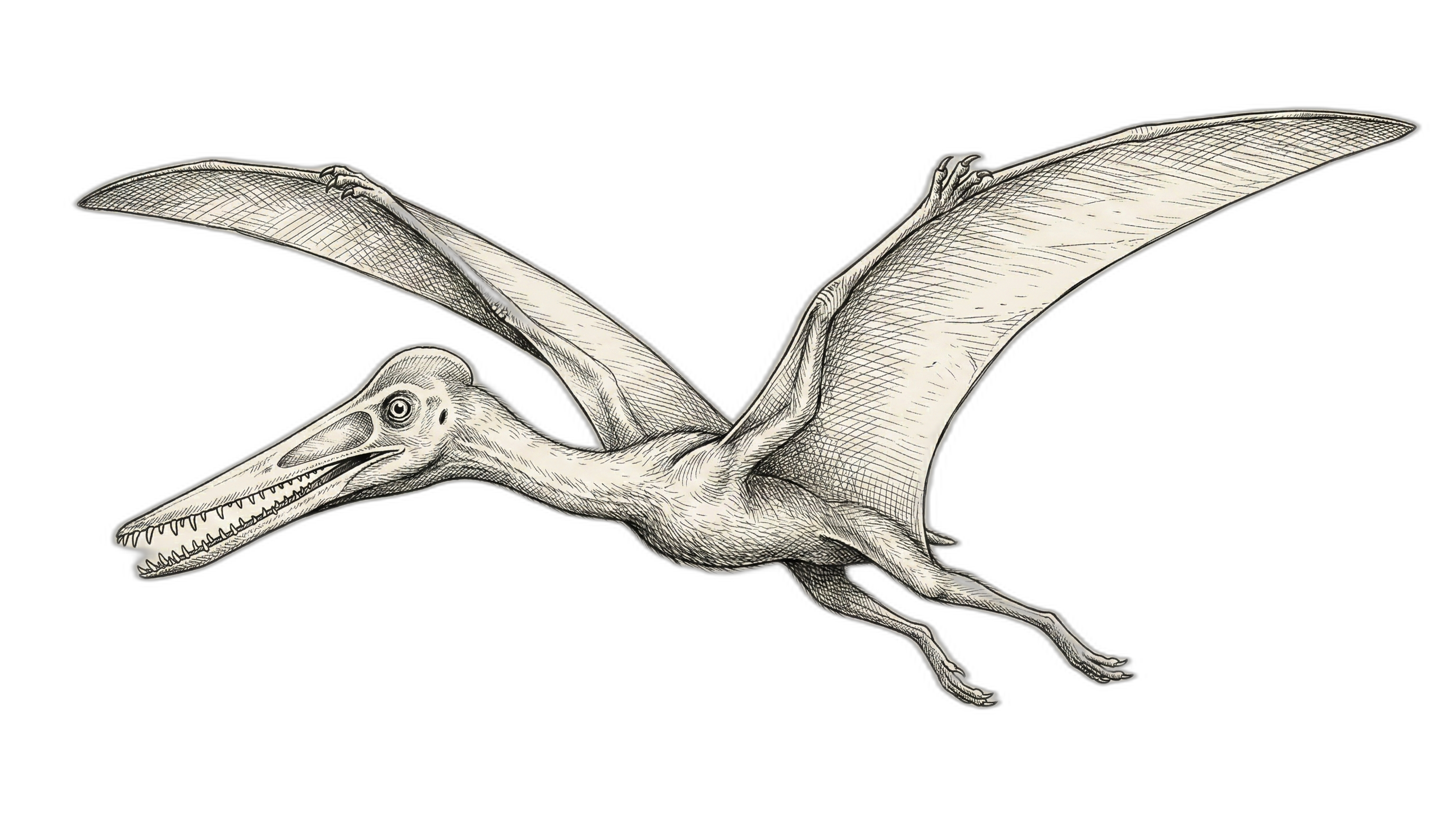
Pterodactyl
Pterodactylus antiquus
Both are pterodactyloid pterosaurs that independently evolved elaborate cranial crests and similar body plans for powered flight, representing the same evolutionary experiment in flying reptile diversification across different time periods (Late Jurassic vs Early Cretaceous).
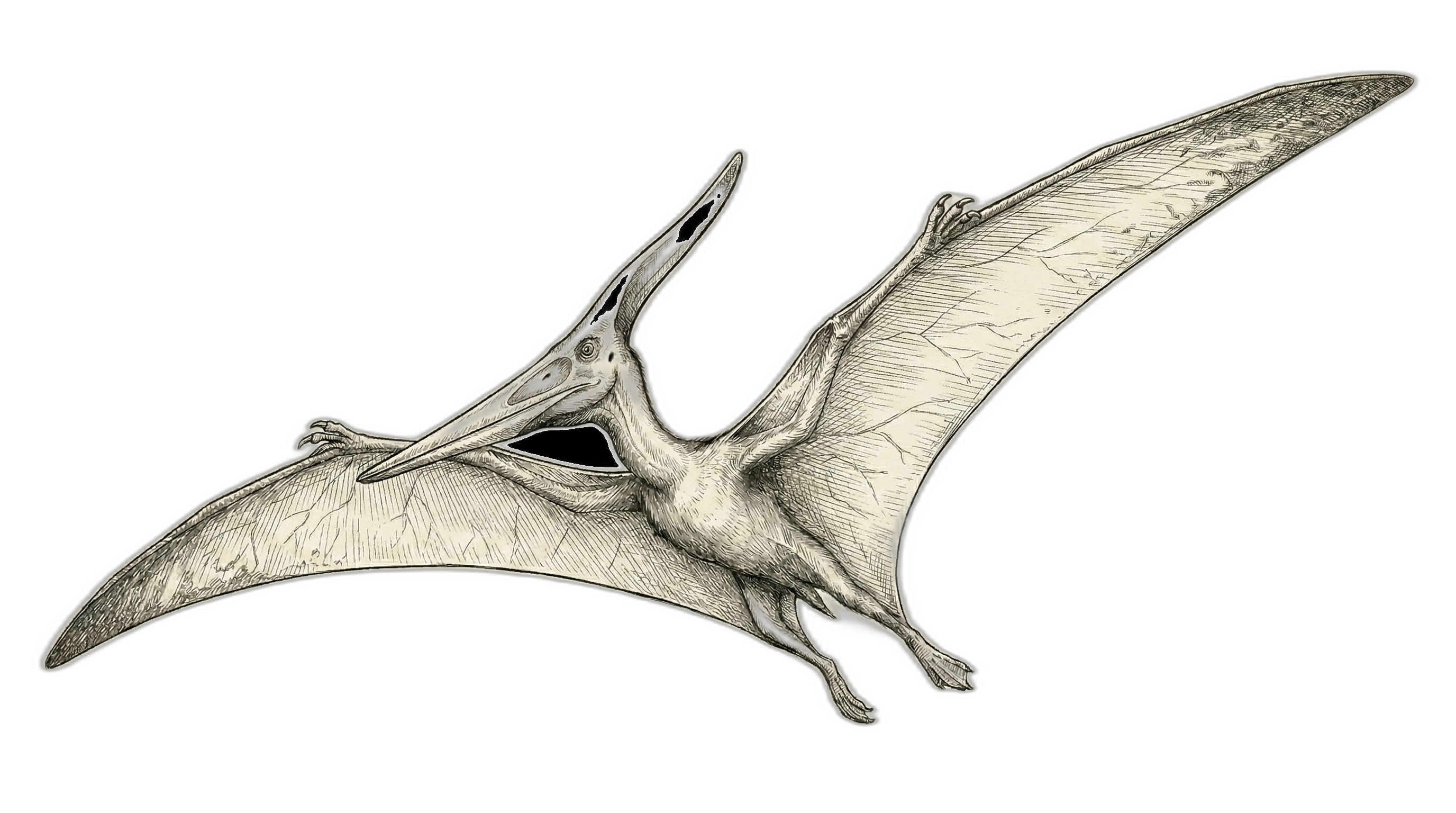
Pteranodon
Pteranodon longiceps
Both are crested pterodactyloid pterosaurs that convergently developed large head crests likely used for display and species recognition, though in different lineages (Tapejaridae vs Pteranodontidae) and different continents.
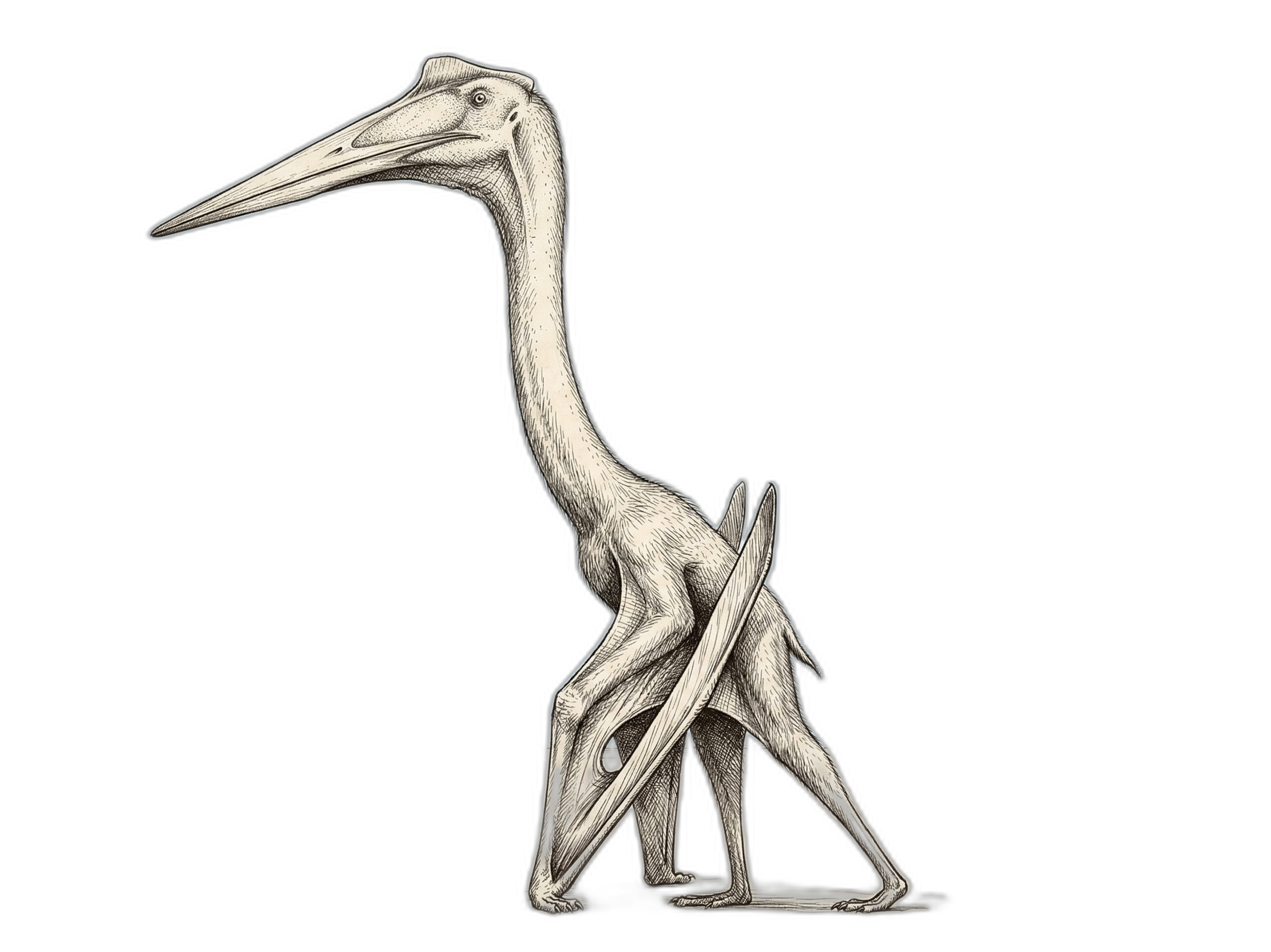
Quetzalcoatlus
Quetzalcoatlus northropi
Both represent advanced pterodactyloids exploring different ecological niches and body sizes within the same broader evolutionary radiation of toothless azhdarchoid-grade pterosaurs, with Tupandactylus as a smaller, crested frugivore/omnivore and Quetzalcoatlus as a giant terrestrial stalker.
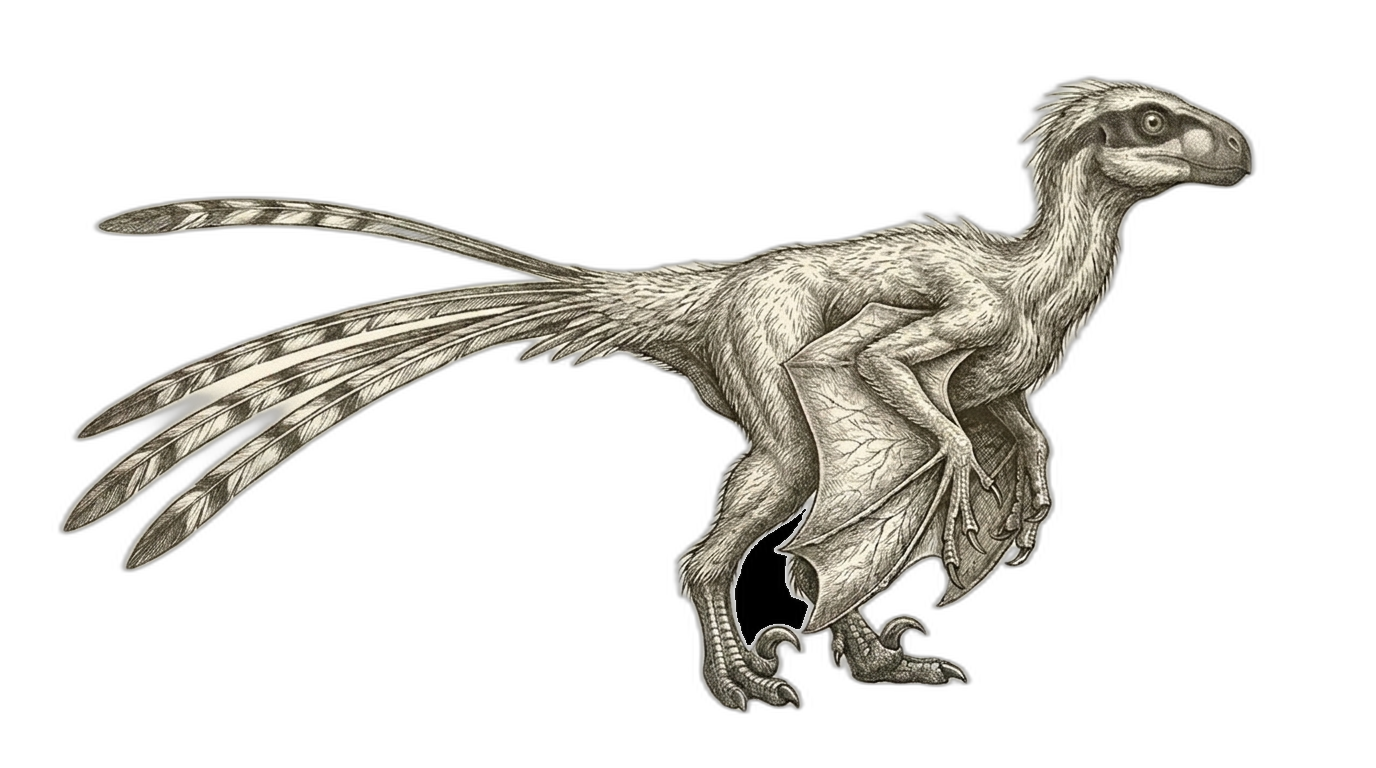
Yi
Both represent parallel experiments in membranous-winged flight among archosaurs - Tupandactylus as a pterosaur with refined pterodactyloid flight adaptations, and Yi qi as a theropod dinosaur independently evolving bat-like membrane wings, demonstrating convergent solutions to aerial locomotion.
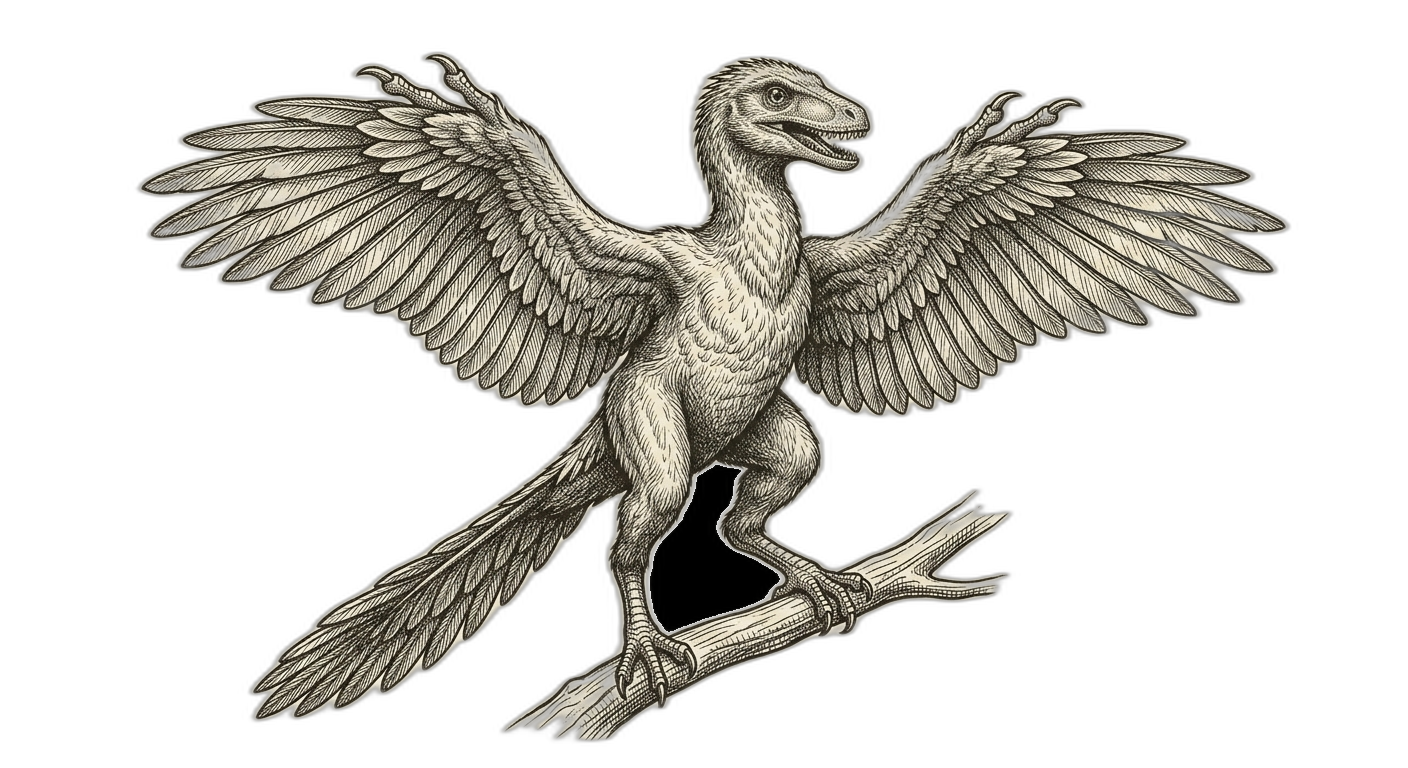
Archaeopteryx
Both represent archosaur lineages independently exploring powered flight - pterosaurs through membrane wings and birds through feathered wings - with Tupandactylus showing highly derived pterosaur flight and Archaeopteryx showing early avian flight evolution.
Sources & Citation
- Length estimates
- Witton, M.P. (2013). Pterosaurs: Natural History, Evolution, Anatomy. Princeton University Press
- Height estimates
- Estimated from skull proportions; Kellner & Campos (2007)
- Weight estimates
- Witton (2008) pterosaur mass estimates; extrapolated from wingspan
- Speed estimates
- Biomechanical estimate based on tapejarid flight capabilities