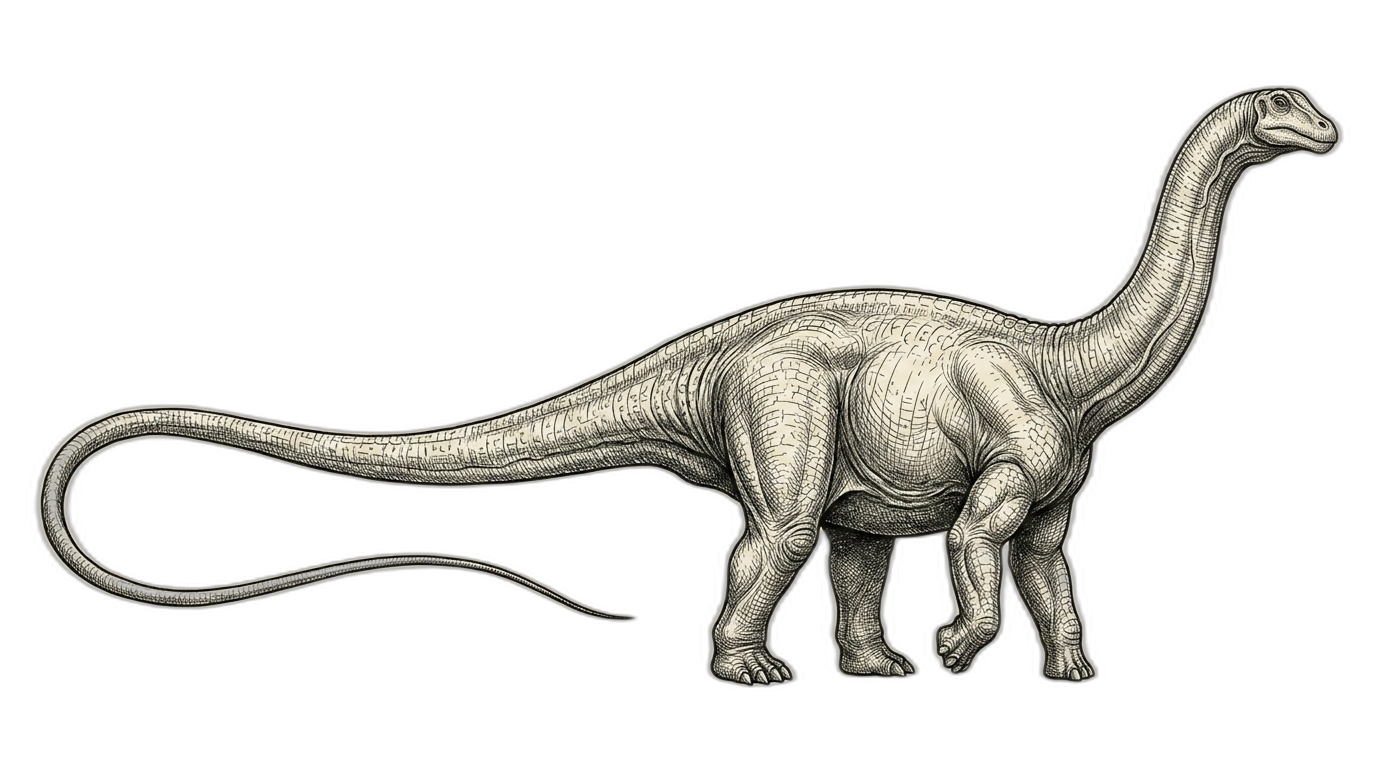
About
Apatosaurus ajax was a colossal diplodocid that roamed the floodplains and river valleys of Late Jurassic North America approximately 150-154 million years ago. Adults reached lengths of over 21 meters and weighed an estimated 20 metric tonnes, making them among the largest animals of their time. Their bodies were characterized by a remarkably long neck containing 15 cervical , a small head relative to body size, and an extraordinarily long whip-like tail that may have been used for defense or communication. The limbs were robust and columnar, with the forelimbs slightly shorter than the hindlimbs — a typical diplodocid trait. Unlike its close relative Diplodocus, Apatosaurus possessed a more heavily built frame with thicker, more robust vertebrae and a deeper chest cavity. The animal inhabited the semi-arid savanna-like environments of the Morrison Formation, sharing its ecosystem with other giants like Brachiosaurus, Camarasaurus, and predators such as Allosaurus. Discovered during the height of the Bone Wars in 1877, Apatosaurus became entangled in decades of taxonomic confusion with Brontosaurus — a name Marsh applied to a second specimen in 1879. For over a century, Brontosaurus was considered a junior synonym of Apatosaurus, though recent analyses have resurrected Brontosaurus as a valid genus distinct from Apatosaurus ajax.
Quick Facts
- Scientific name
- Apatosaurus ajax
- Group
- Sauropodomorph · Diplodocidae
- Lived
- Late Jurassic, 154–150 million years ago
- Diet
- Herbivore
- Movement
- Walked on four legs
- Fossils found in
- Morrison Formation (United States)
- Discovery credited to
- 1877, Othniel Charles Marsh
- Holotype
- YPM 1860, Yale Peabody Museum of Natural History
- DinoVault record
- DVL-0009
Where fossils were found
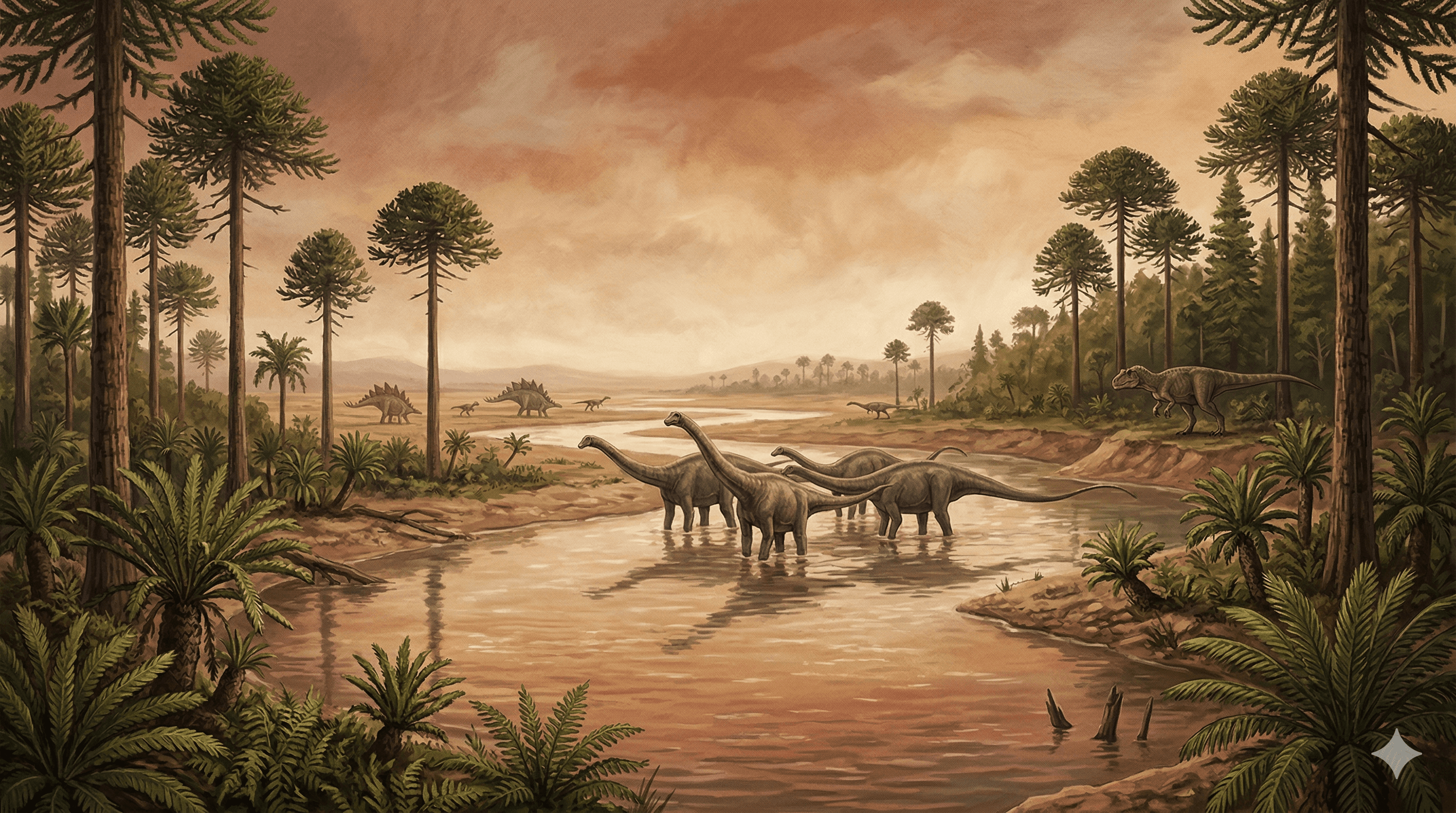
Morrison Formation
Colorado, Utah, Wyoming, Montana +6 more · United States
154–150 million years ago(4m year span)
Where Apatosaurus Roamed
During the Late Jurassic, Apatosaurus ajax roamed the semi-arid floodplains and river channels of the Morrison Formation, a vast alluvial basin stretching across the western interior of Laurasia. This dynamic landscape, situated well inland from the retreating Sundance Sea, featured seasonal rivers fringed by conifers and ferns beneath a warm, subtropical climate marked by pronounced wet and dry seasons.
Keep exploring the vault
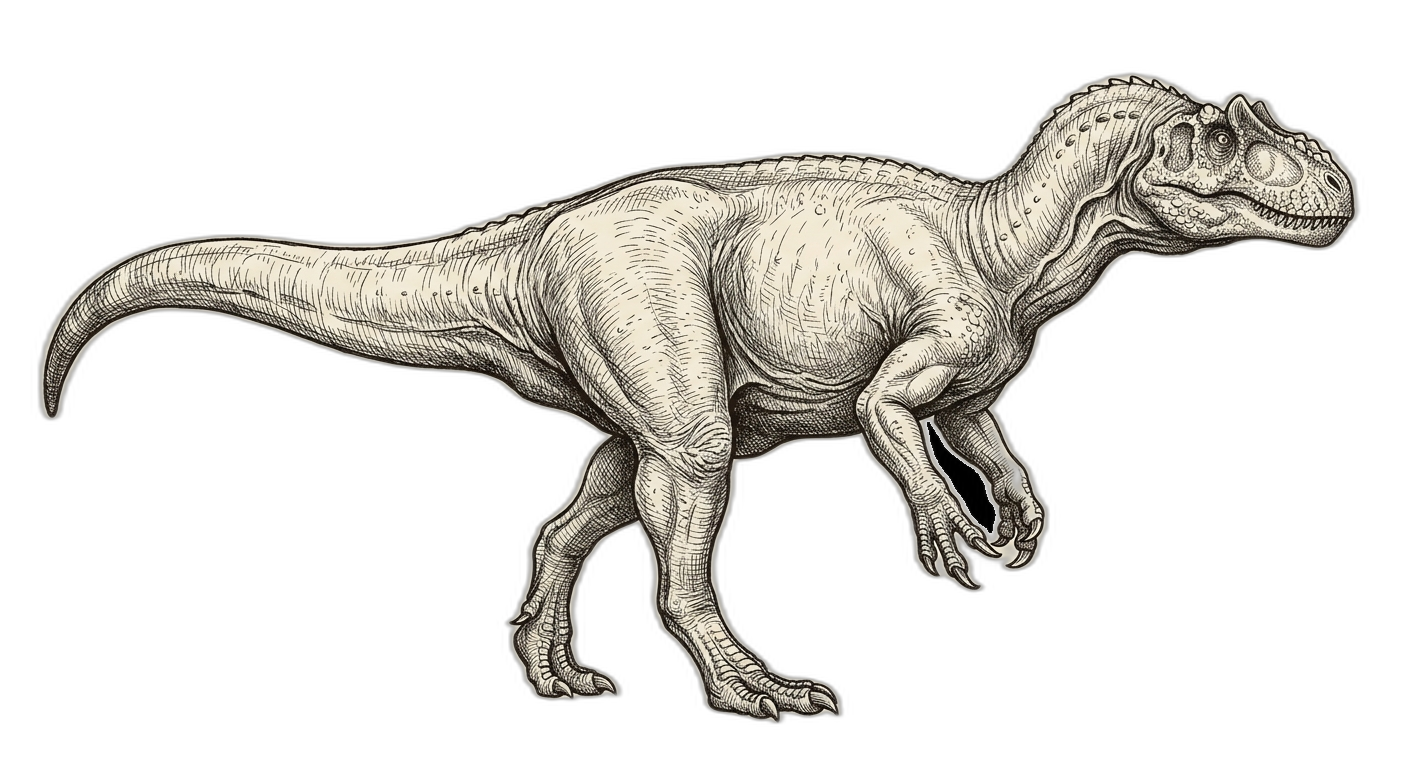
Allosaurus
Allosaurus fragilis
Allosaurus bite marks have been identified on Apatosaurus bones from the Morrison Formation, including characteristic theropod tooth gouges on tail vertebrae.
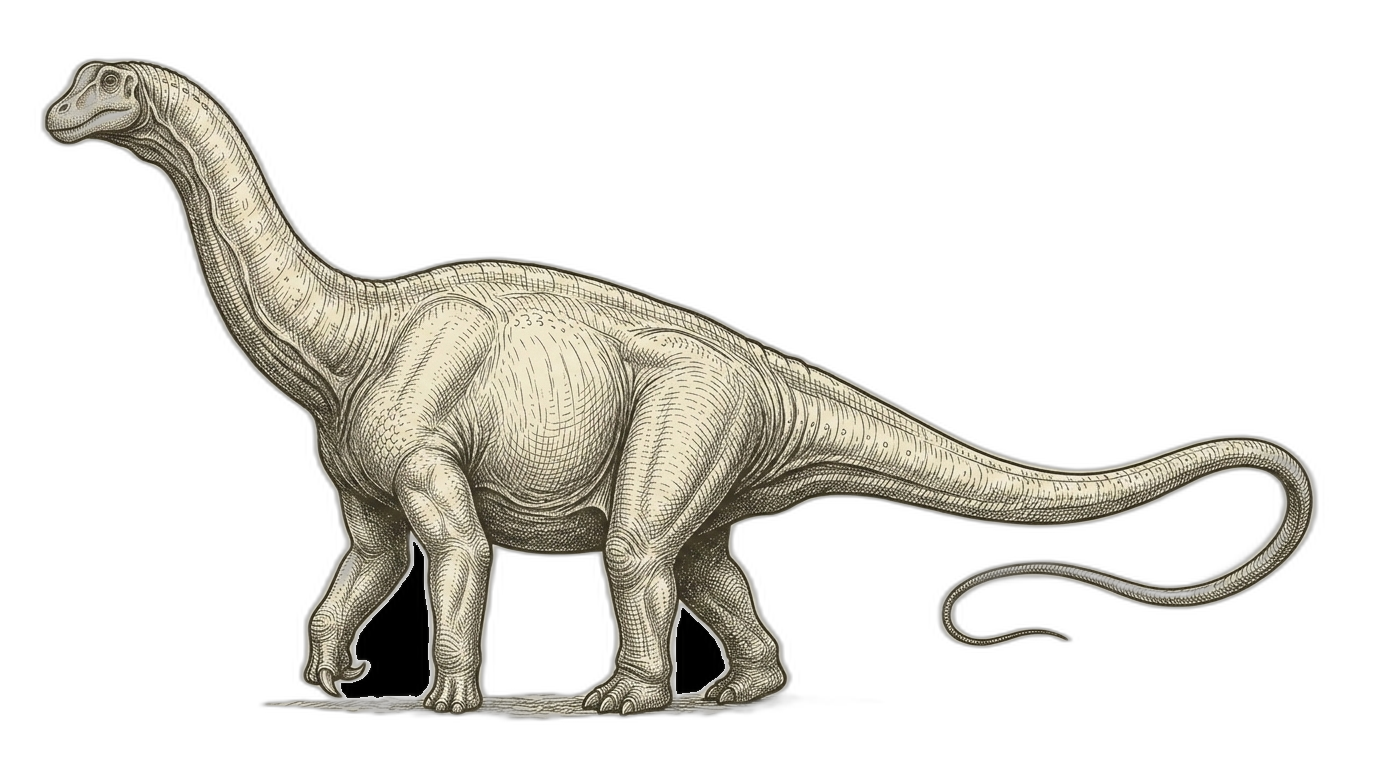
Brontosaurus
Brontosaurus excelsus
Both diplodocids from the Morrison Formation with nearly identical body plans, feeding heights, and dietary requirements.
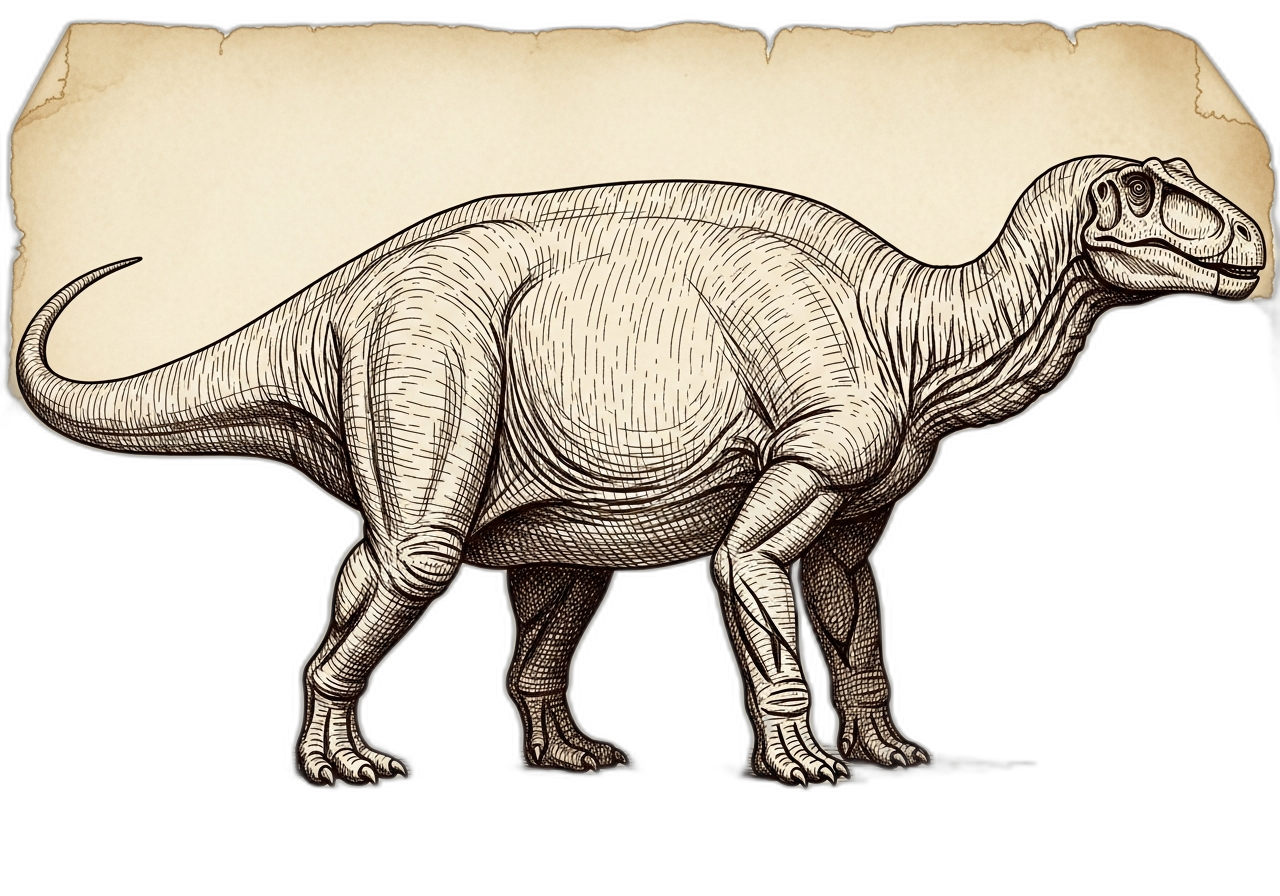
Argentinosaurus
Argentinosaurus huinculensis
Both represent sauropod lineages that achieved extreme gigantism through similar adaptations: columnar limbs, pneumatic vertebrae, small heads with simple teeth for bulk feeding.
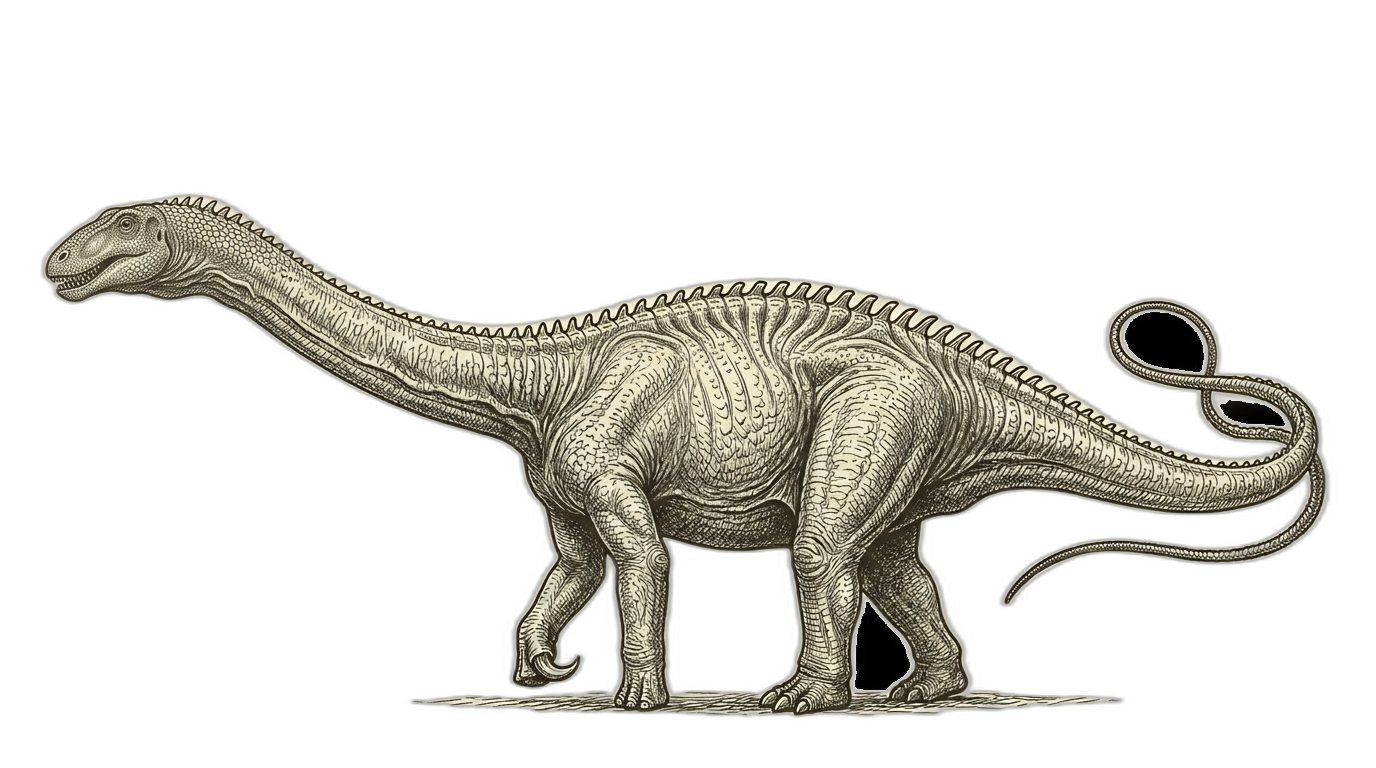
Diplodocus
Diplodocus carnegii
Fellow diplodocid from the Morrison Formation with similar skull morphology adapted for branch stripping.
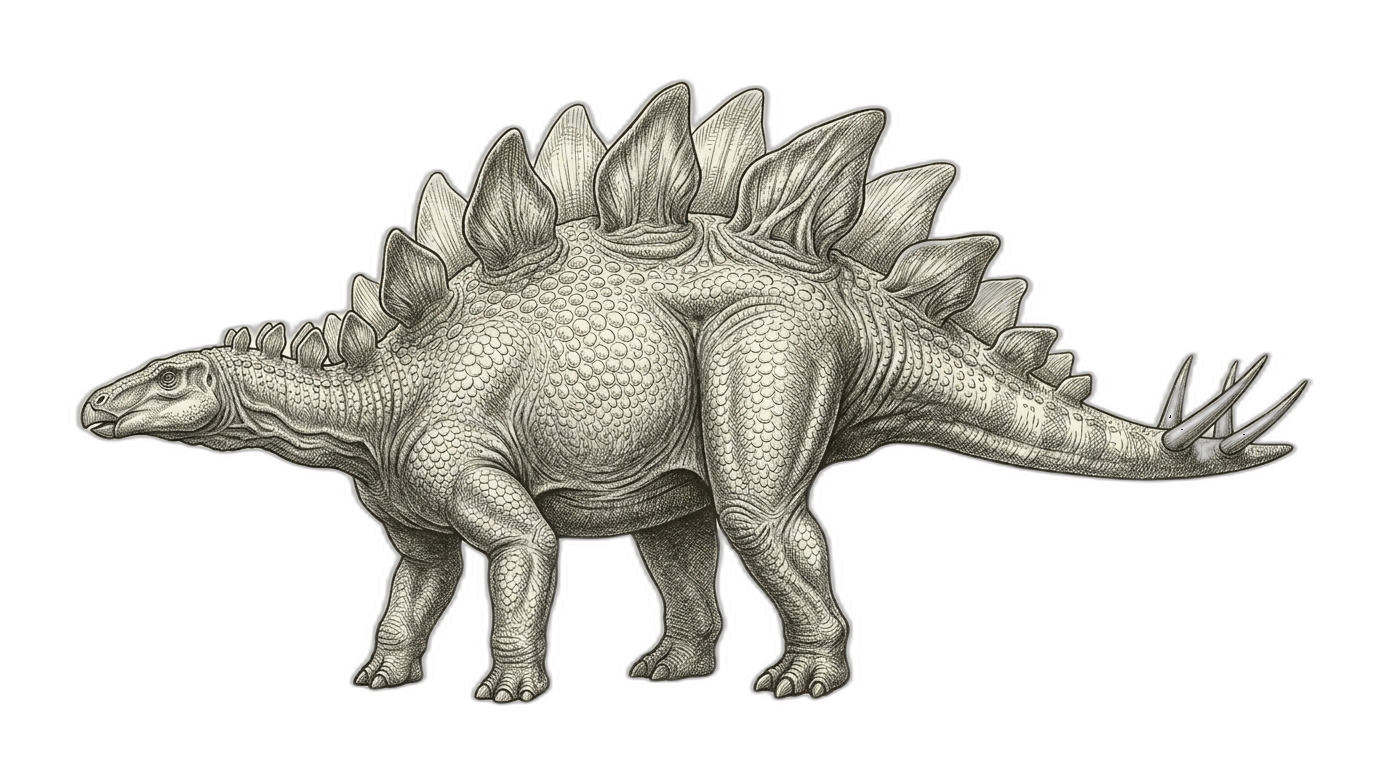
Stegosaurus
Stegosaurus stenops
Both iconic Morrison Formation herbivores frequently found in the same quarries.
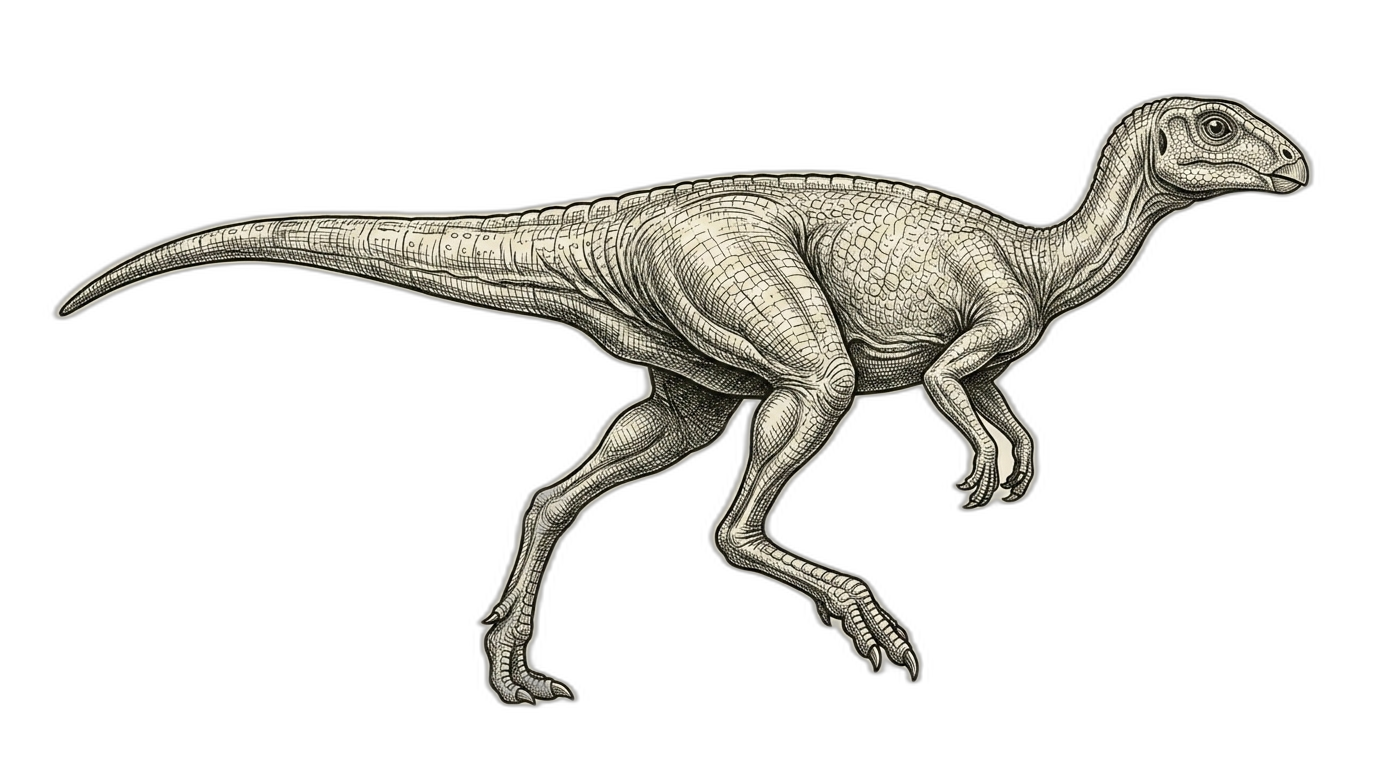
Oak Lizard
Dryosaurus altus
Small, agile ornithopod from the same Morrison deposits.
Sources & Citation
- Length estimates
- Upchurch et al. (2004), The Dinosauria 2nd ed.; Tschopp et al. (2015), PeerJ
- Height estimates
- Estimated at shoulder height; Paul (2010), The Princeton Field Guide to Dinosaurs
- Weight estimates
- Campione & Evans (2020), Methods in Ecology and Evolution; Benson et al. (2014)
- Speed estimates
- Biomechanical estimates based on limb proportions; Alexander (1989)