About
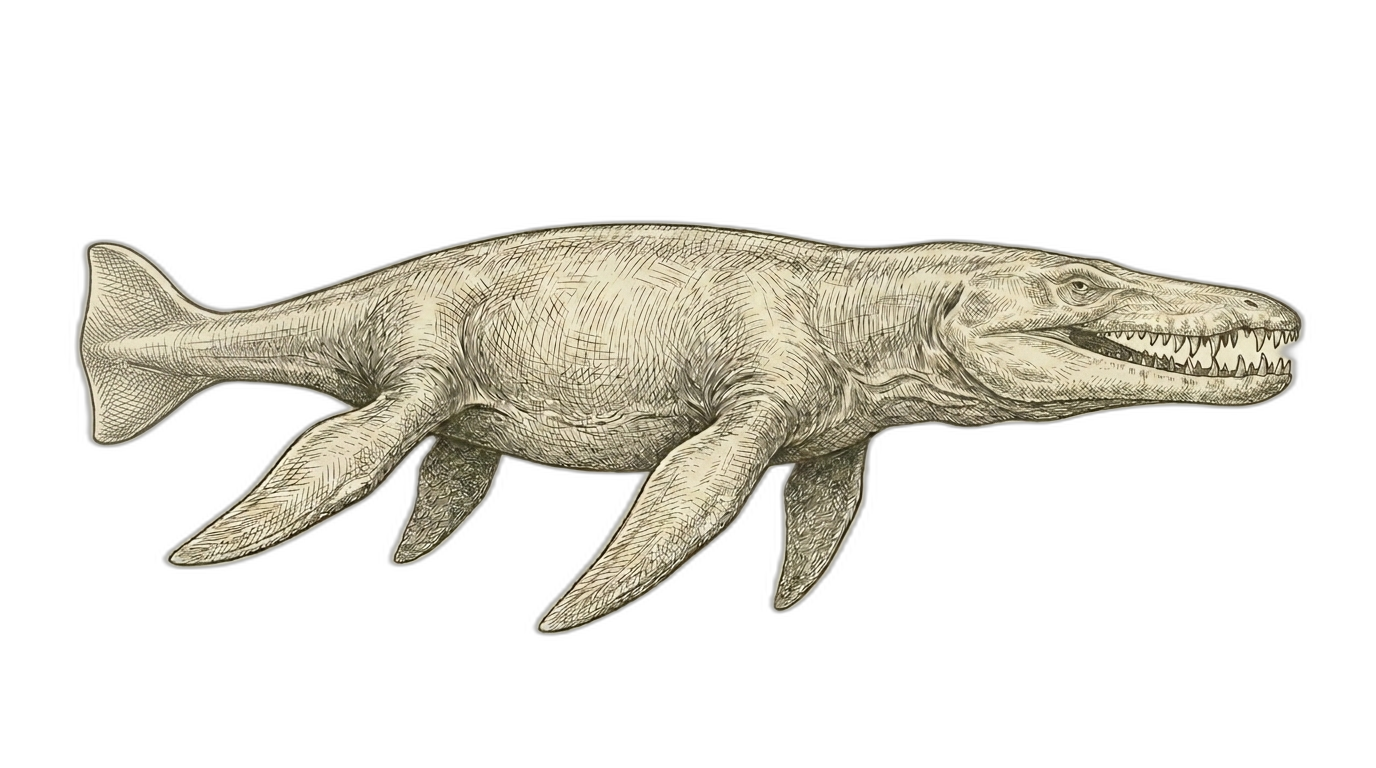
Liopleurodon ferox was a dominant marine reptile that patrolled the shallow seas covering much of Europe during the Middle to Late Jurassic. This possessed a robust, streamlined body perfectly adapted for aquatic predation, with four powerful paddle-like flippers providing exceptional maneuverability. Its skull, reaching over 1.5 meters in some specimens, housed massive jaws lined with interlocking teeth up to 20 centimeters long, each one conical and ridged for gripping slippery prey.
Unlike the long-necked plesiosaurs, Liopleurodon had a short neck and elongated head, giving it the hydrodynamic profile of an ambush predator. Its nostrils were positioned to sample water directionally, possibly allowing it to detect prey from considerable distances. This likely fed on large fish, cephalopods, and other marine reptiles including smaller plesiosaurs and ichthyosaurs.
First described from remains found in France, Liopleurodon gained enormous public recognition through its appearance in the 1999 BBC documentary 'Walking with Dinosaurs,' which depicted it at a wildly exaggerated 25 meters. Modern paleontological analysis firmly places this animal at a more modest 5-7 meters, still making it one of the larger predators in its ecosystem. Fossils have been recovered from England, France, Germany, and Russia, indicating a wide distribution across Jurassic European waters.
Quick Facts
- Scientific name
- Liopleurodon ferox
- Group
- Marine reptile · Pliosauridae
- Lived
- Middle Jurassic, 166–155 million years ago
- Diet
- Carnivore
- Movement
- Walked on four legs
- Discovery credited to
- 1873, Henri Émile Sauvage
- Holotype
- NHM R.2680, Natural History Museum, London
- DinoVault record
- DVL-0080
Where Liopleurodon Roamed
During the Late Jurassic, *Liopleurodon ferox* patrolled the warm, shallow waters of the Tethys Sea, a vast tropical ocean that separated the ancient supercontinents of Laurasia to the north and Gondwana to the south. These fossil sites, now part of modern Europe, lay along the northern margins of this epicontinental sea, where abundant marine life thrived in balmy, reef-dotted waters beneath a greenhouse climate.
Keep exploring the vault
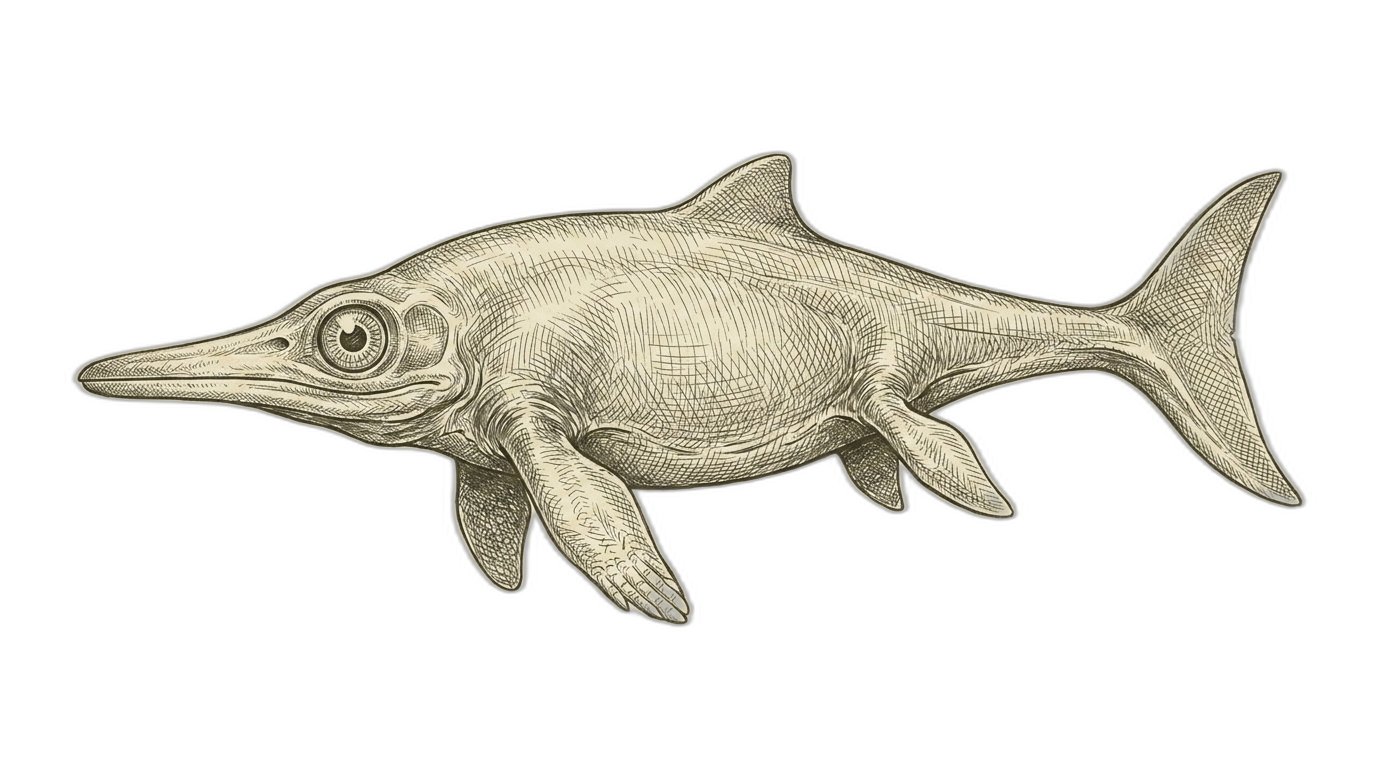
Ophthalmosaurus: "Eye Lizard"
Ophthalmosaurus icenicus
Ophthalmosaurus was a medium-sized ichthyosaur (4-6m) present in Late Jurassic seas overlapping with Liopleurodon's range.
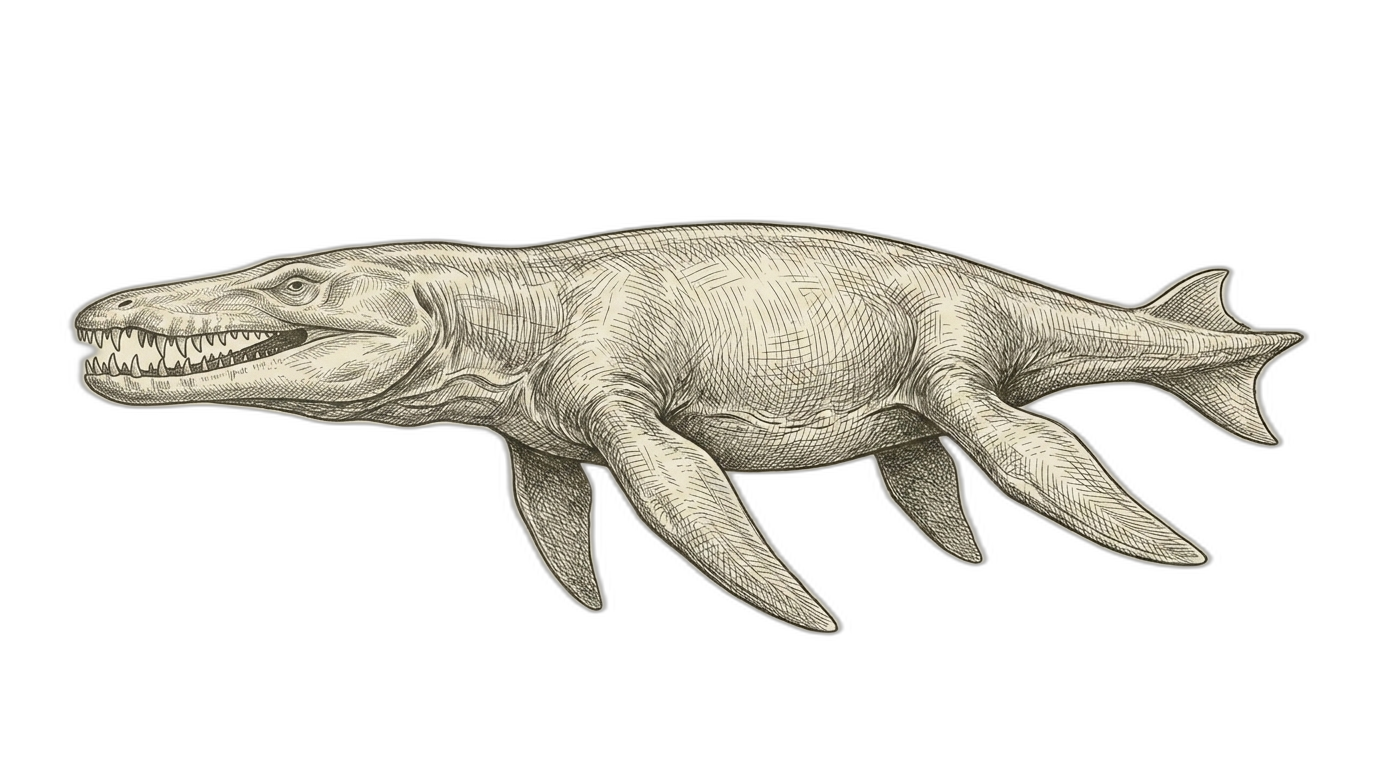
Kronosaurus
Kronosaurus queenslandicus
Both are large pliosaurs occupying apex marine predator niches, though separated by time (Kronosaurus is Early Cretaceous).
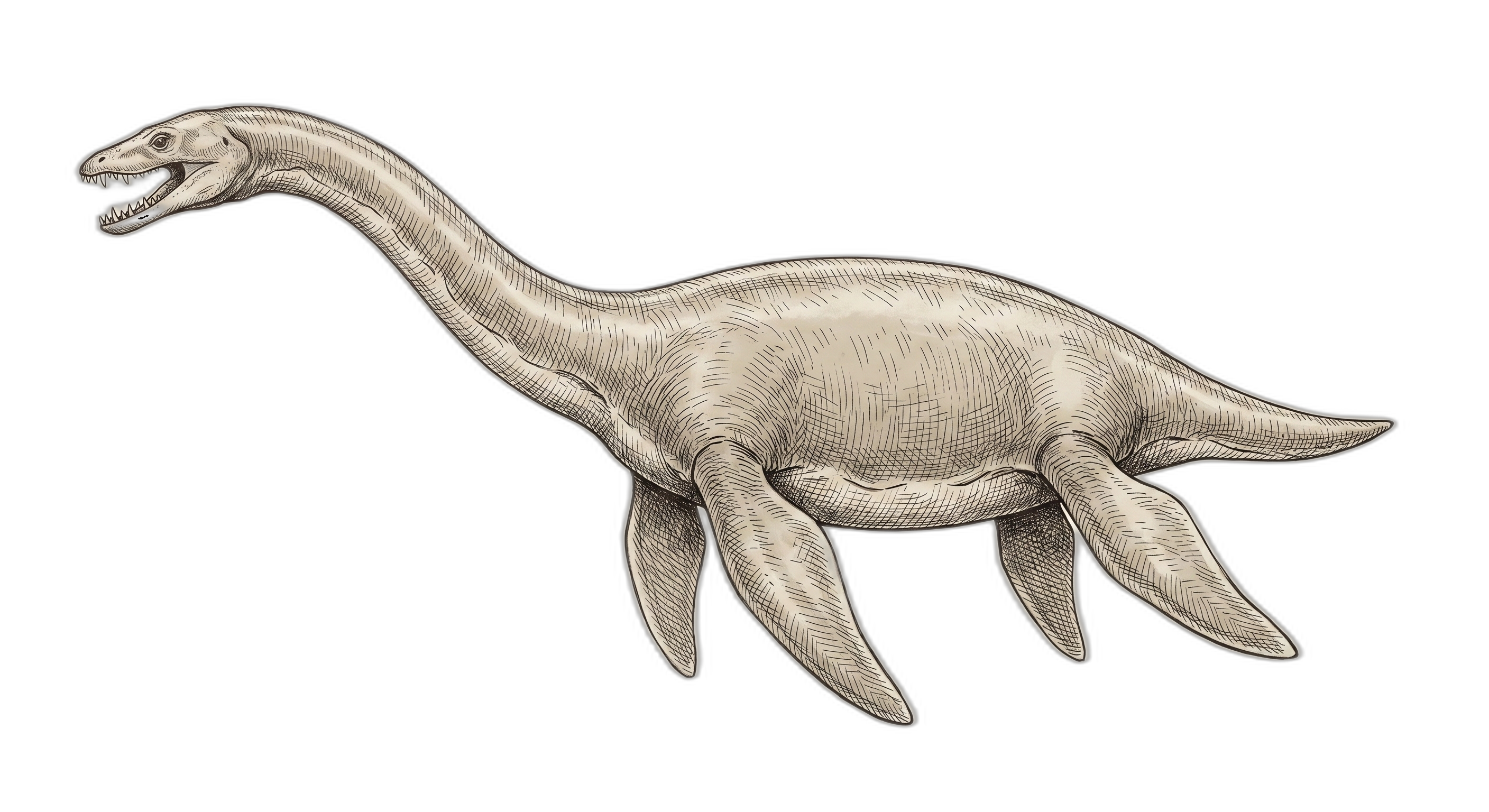
Plesiosaurus
Plesiosaurus dolichodeirus
Both are plesiosaurs but represent dramatically different body plans within the same order: Liopleurodon is a pliosaur with a short neck and massive skull for apex predation, while Plesiosaurus has a long neck and small head for fish-catching.
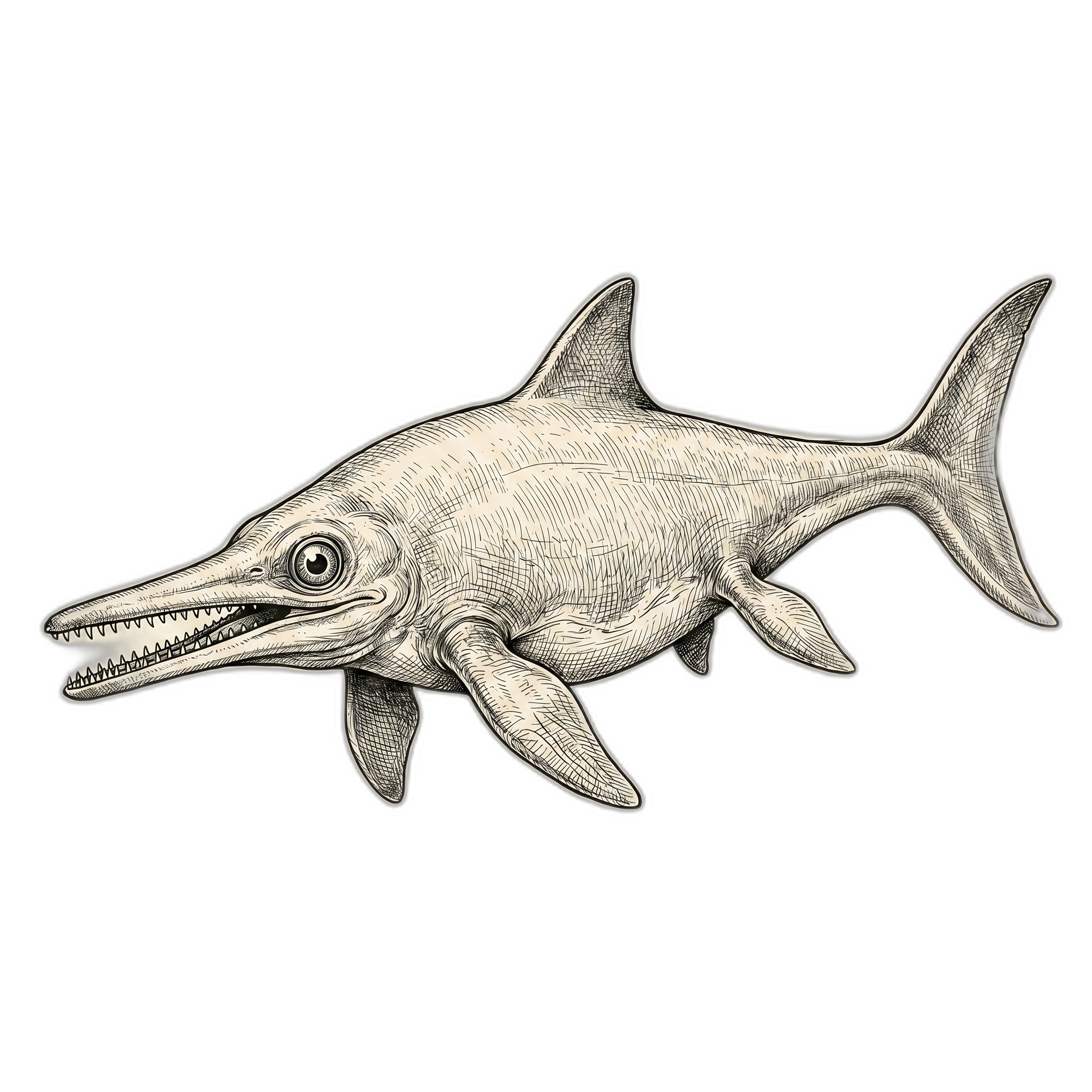
Ichthyosaurus
Ichthyosaurus communis
Both represent marine reptile lineages that independently evolved from terrestrial ancestors to become fully aquatic predators in Mesozoic seas.
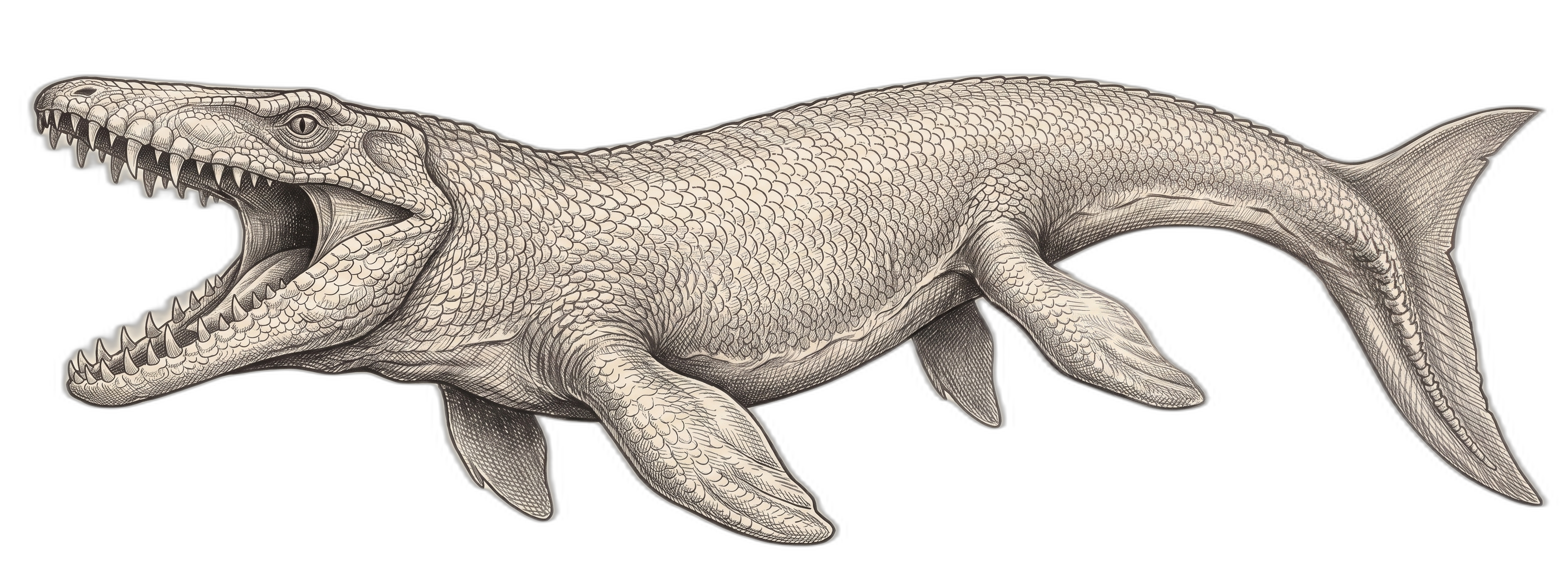
Mosasaurus
Mosasaurus hoffmannii
Liopleurodon and Mosasaurus represent the apex marine reptile predator niche in their respective eras - Liopleurodon in the Jurassic, Mosasaurus in the Late Cretaceous.
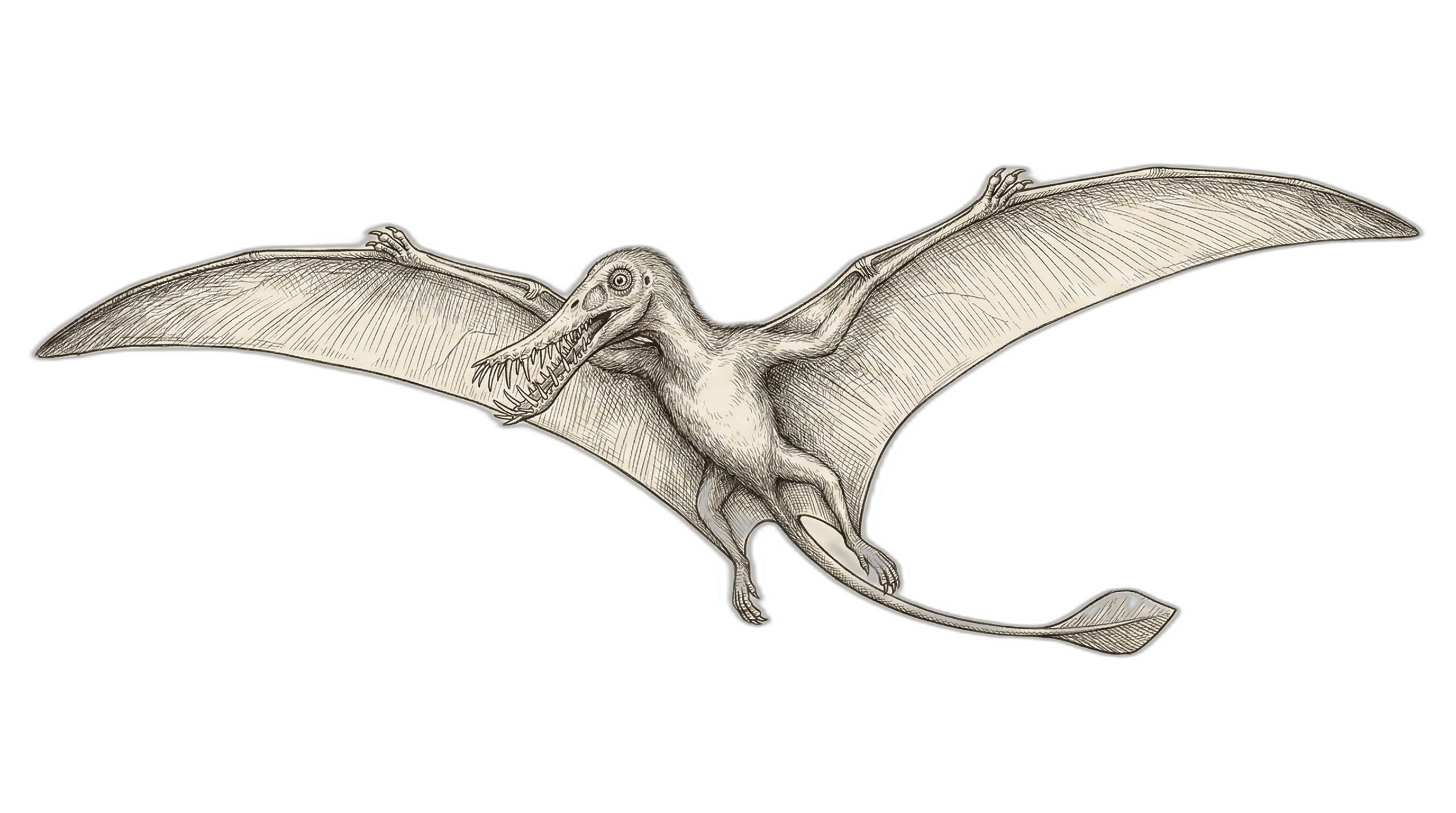
Rhamphorhynchus
Rhamphorhynchus muensteri
Rhamphorhynchus is known from Late Jurassic European marine deposits (Solnhofen) that overlap temporally with Liopleurodon's range.
Sources & Citation
- Length estimates
- Noè et al. 2004; Benson et al. 2013 - realistic estimates based on fossil material, correcting earlier exaggerated claims
- Height estimates
- Estimated body depth based on pliosaur body proportions; O'Keefe 2001
- Weight estimates
- Mass estimates based on body length scaling; McHenry 2009
- Speed estimates
- Biomechanical estimates for pliosaurid swimming; O'Keefe 2001 - four-flipper locomotion analysis