About
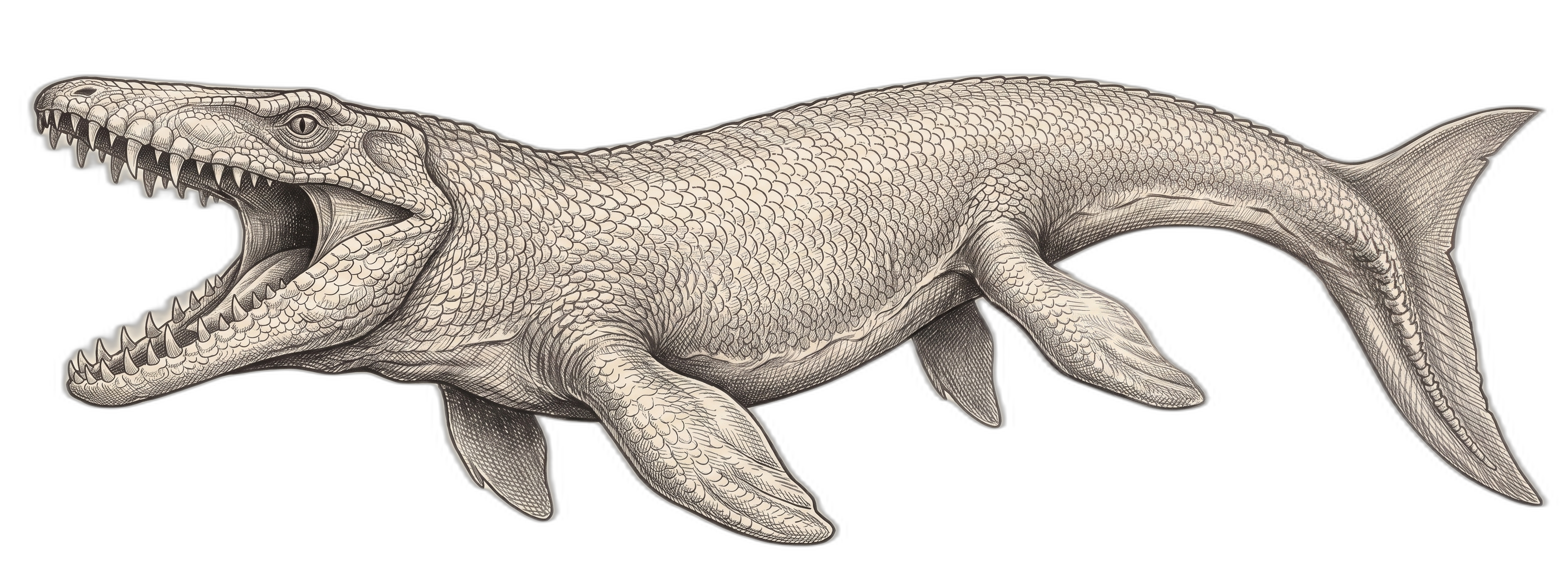
Mosasaurus hoffmannii was not a dinosaur, but a giant marine reptile more closely related to modern monitor lizards and snakes. Growing up to 13 meters long, it was one of the apex predators of the Late Cretaceous oceans, prowling the shallow seas that covered much of Europe and North America between 82 and 66 million years ago. With a streamlined body, powerful tail for propulsion, and paddle-like flippers, it was superbly adapted for hunting fish, sea turtles, ammonites, and even other marine reptiles.
The discovery of Mosasaurus was a pivotal moment in scientific history. Around 1764, quarry workers near Maastricht in the Netherlands unearthed a massive skull that puzzled naturalists for decades. Initially mistaken for a crocodile or whale, this "great animal of Maastricht" caught the attention of the famous anatomist Georges Cuvier. In 1808, Cuvier correctly identified it as a giant marine lizard unlike any living animal—a revolutionary conclusion that helped establish the concept of extinction as a scientific reality.
Mosasaurus possessed a fearsome double-hinged jaw similar to that of snakes, allowing it to swallow large prey. Its conical teeth were designed for gripping rather than slicing, perfect for catching slippery fish and crushing the shells of ammonites. Bite marks on fossils of other marine reptiles suggest Mosasaurus was an opportunistic hunter that would attack almost anything it could catch.
The genus gives its name to the entire family Mosasauridae and to the Maastrichtian stage of the Late Cretaceous—both named after the city of Maastricht where it was found. The species name "hoffmannii" honors Johann Leonard Hoffmann, the Dutch surgeon who secured the famous 1780 skull specimen for scientific study.
Quick Facts
- Scientific name
- Mosasaurus hoffmannii
- Group
- Marine reptile · Mosasauridae
- Lived
- Late Cretaceous, 72.1–66 million years ago
- Diet
- Carnivore
- Movement
- Walked on four legs
- Fossils found in
- Maastricht Formation, Netherlands / Pierre Shale, USA
- Discovery credited to
- 1764, Quarry workers near Maastricht; scientifically described by William Daniel Conybeare
- Holotype
- MNHN AC 9648 (Maastricht skull, housed at Muséum national d'Histoire naturelle, Paris)
- DinoVault record
- DVL-0092
Where Mosasaurus Roamed
Mosasaurus hoffmannii dominated the warm, shallow seas of the Late Cretaceous, prowling the waters of the Western European Shelf Sea and the Atlantic coastlines that bordered the fragmenting remnants of Laurasia, where chalk-rich marine environments teemed with fish, ammonites, and sea turtles beneath subtropical skies.
Keep exploring the vault
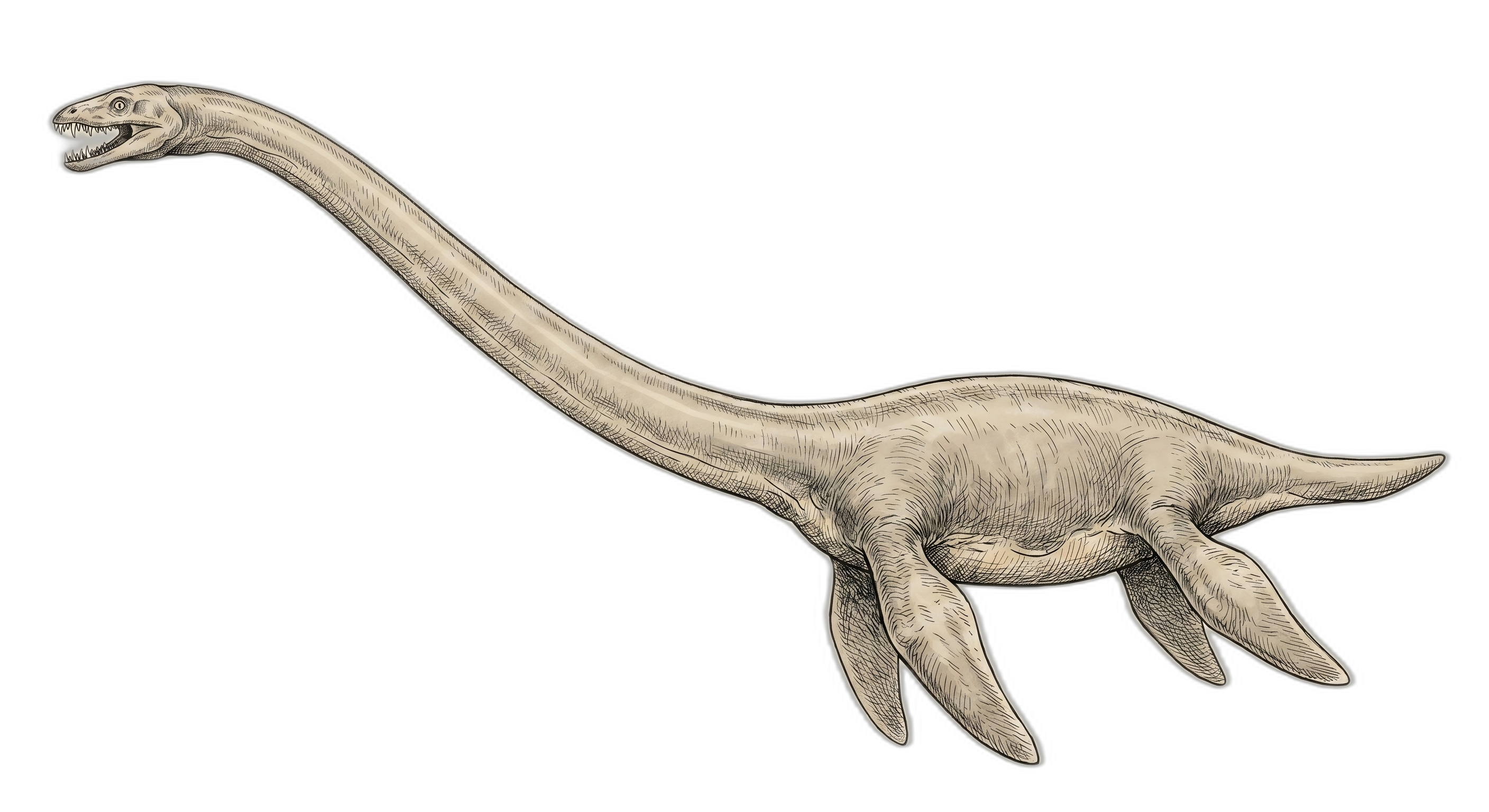
Elasmosaurus
Elasmosaurus platyurus
Mosasaurus hoffmannii was an apex marine predator reaching 13m with powerful jaws capable of crushing bone.
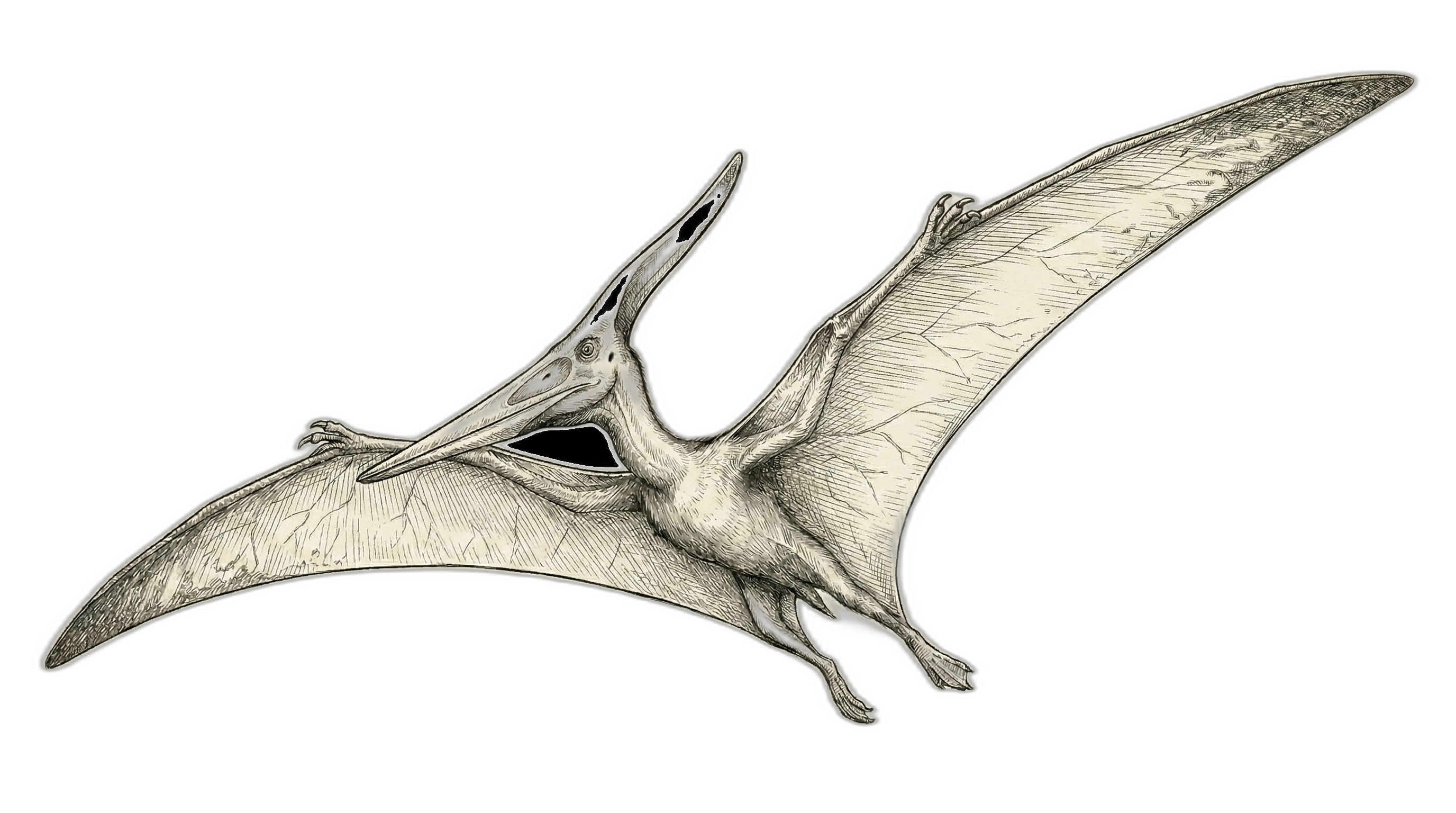
Pteranodon
Pteranodon longiceps
Pteranodon foraged over Late Cretaceous seas where Mosasaurus hunted.
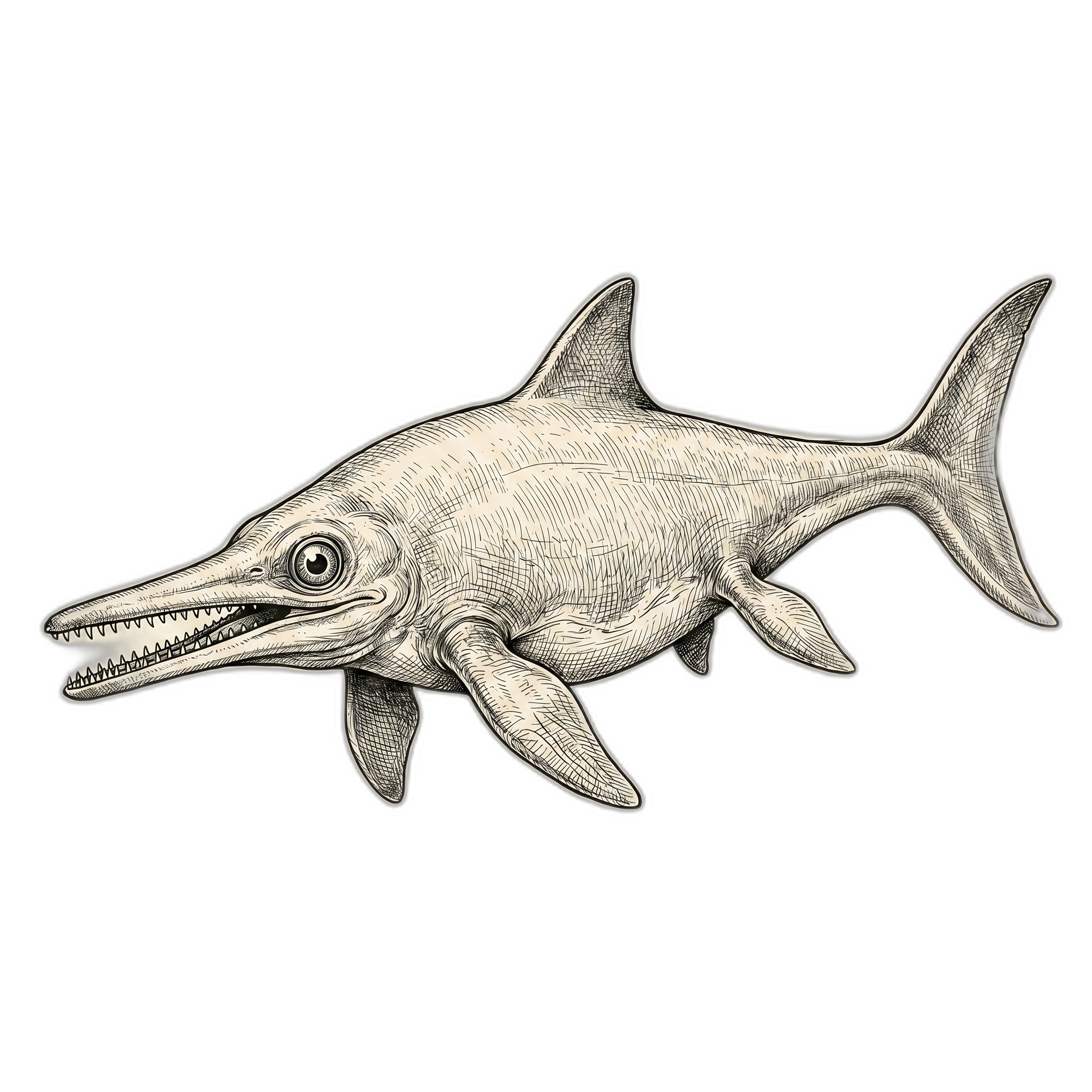
Ichthyosaurus
Ichthyosaurus communis
Both represent convergent evolution toward dolphin-like body plans in marine reptiles from different lineages — Ichthyosaurus from early archosauromorphs, Mosasaurus from squamates (lizards).
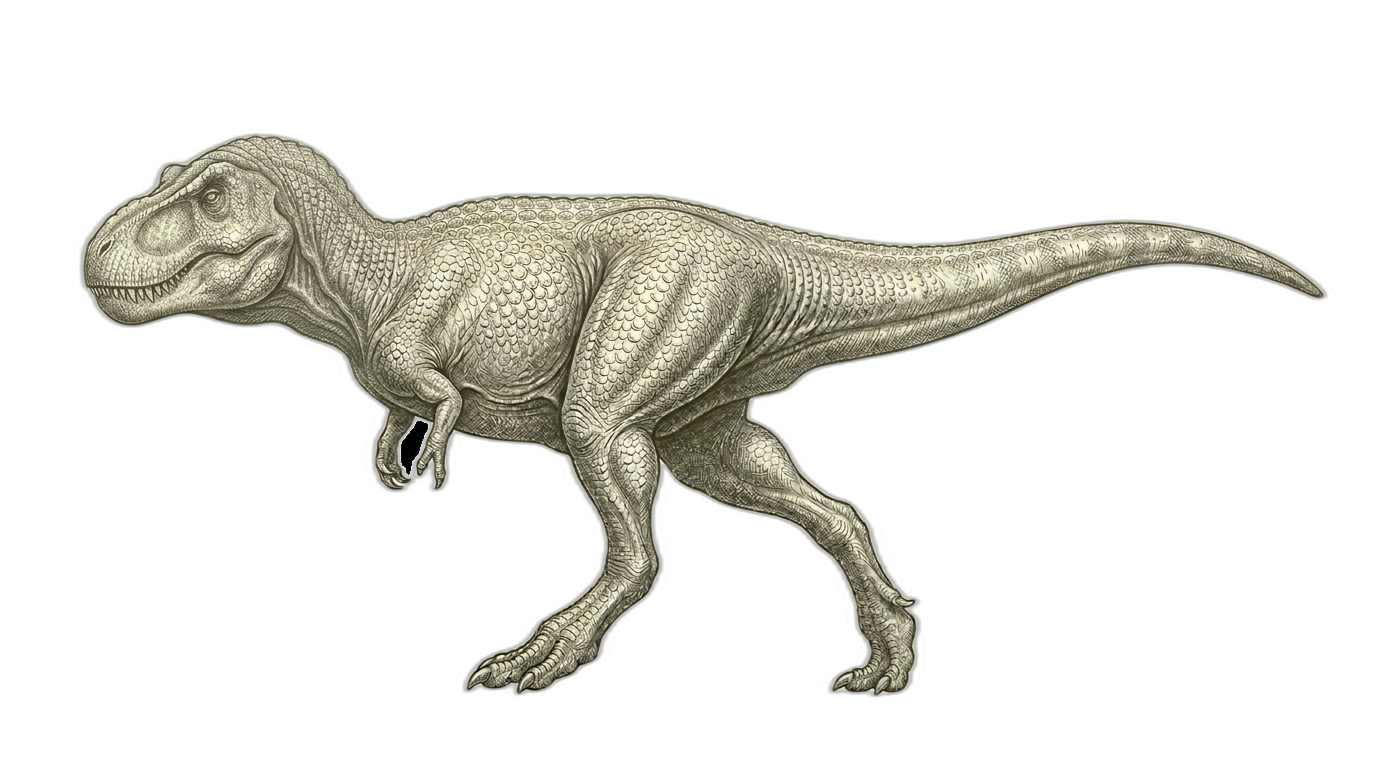
T-Rex
Tyrannosaurus rex
Both lived during the Maastrichtian stage (72-66 mya) in North America, with T. rex dominating terrestrial ecosystems while Mosasaurus ruled the Western Interior Seaway.
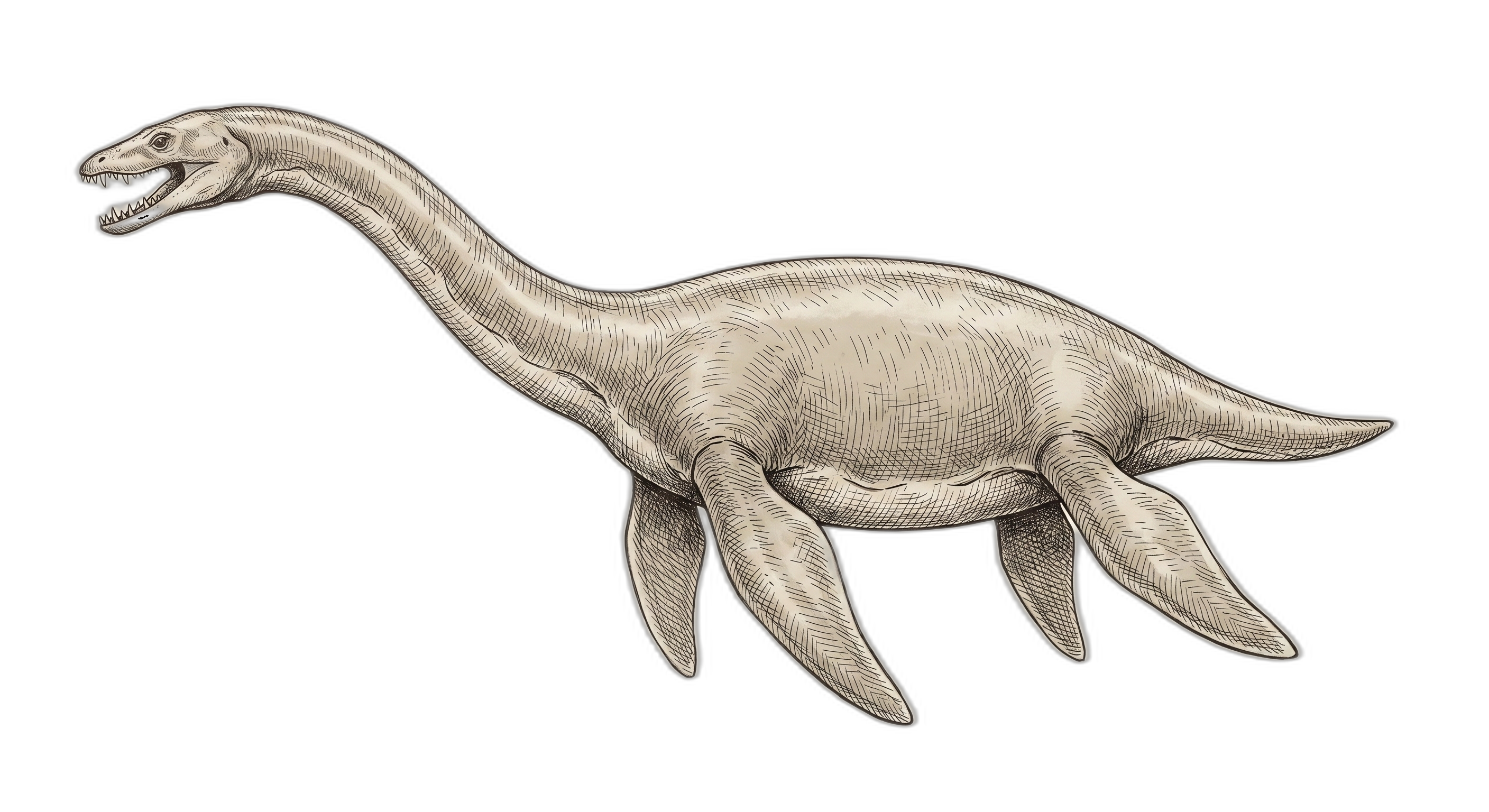
Plesiosaurus
Plesiosaurus dolichodeirus
Both are marine reptiles that independently evolved from terrestrial ancestors to become fully aquatic apex predators.
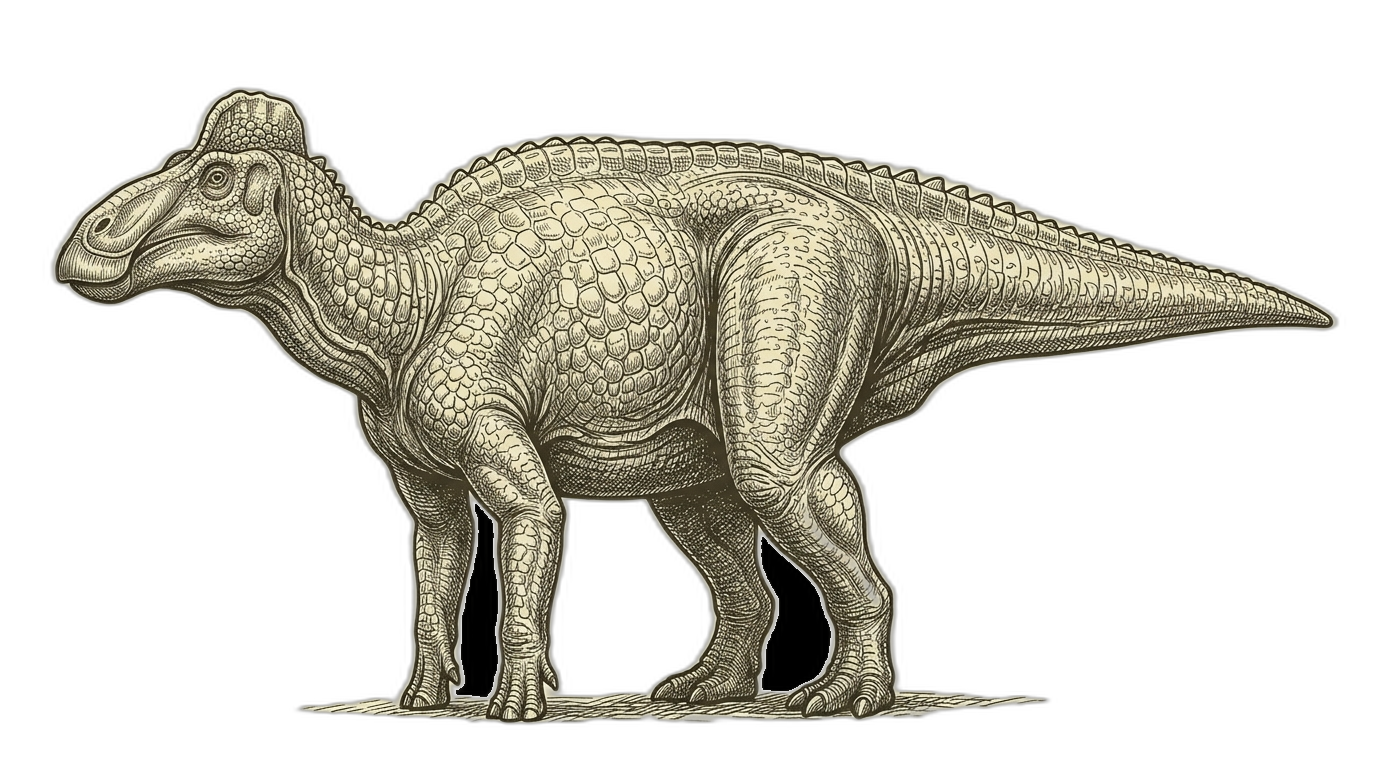
Edmontosaurus
Edmontosaurus regalis
Edmontosaurus lived along the shores of the Western Interior Seaway during the late Maastrichtian, the same waters patrolled by Mosasaurus.
Sources & Citation
- Length estimates
- Lingham-Soliar 1995; Russell 1967; largest estimates debated
- Height estimates
- Body depth estimates from skeletal reconstructions; aquatic animal—height less relevant
- Weight estimates
- Lingham-Soliar 1995; highly variable estimates due to incomplete specimens
- Speed estimates
- Motani 2002; estimates based on body form and tail morphology