About
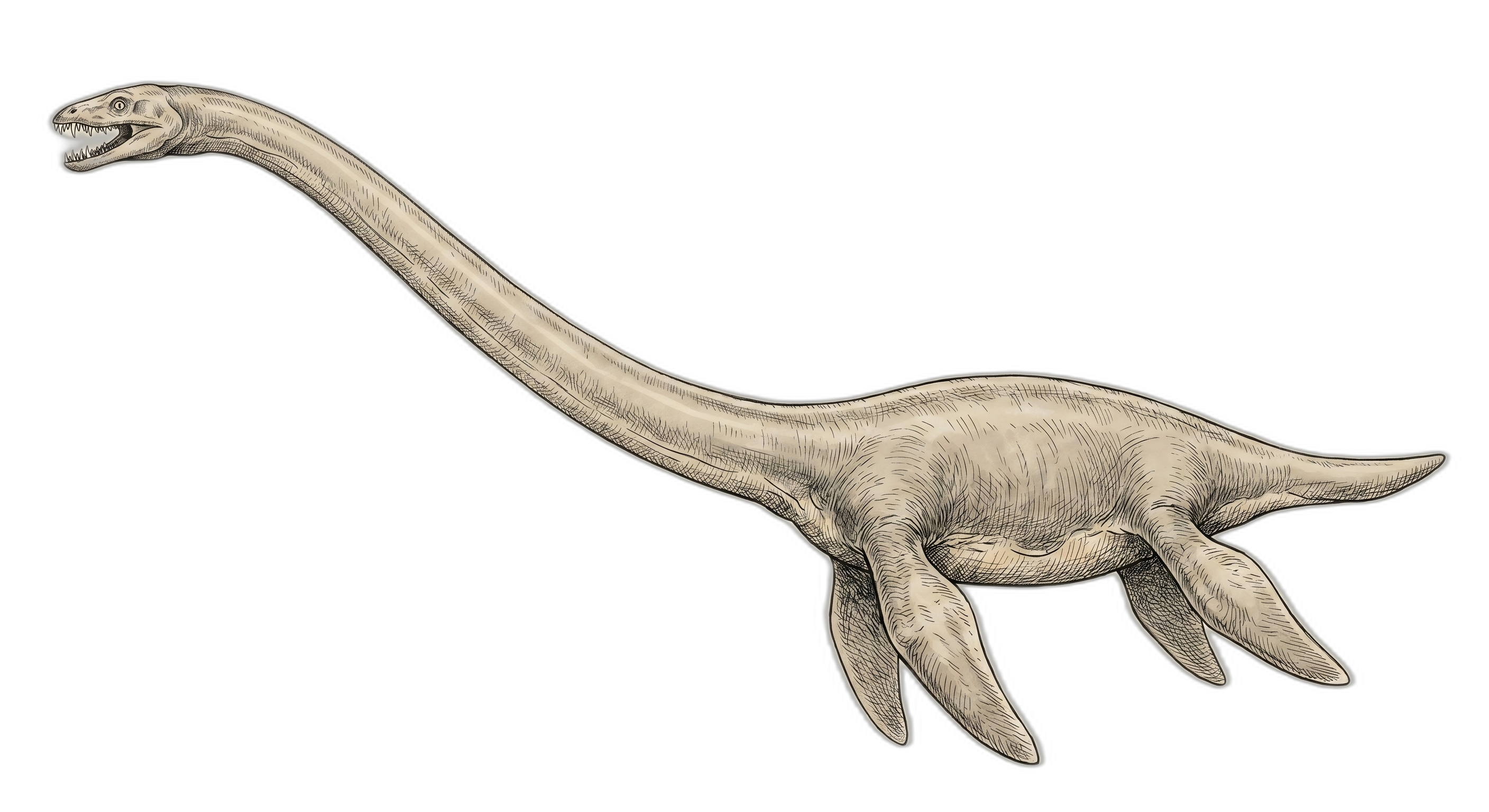
Elasmosaurus was not a dinosaur, but a marine reptile belonging to the group that dominated Cretaceous seas. With an extraordinarily elongated neck comprising 72 — more than any other known animal — this creature patrolled the shallow Western Interior Seaway that once split North America in two. Its small head and remarkably long neck likely allowed it to approach schools of fish and squid without disturbing them with its bulky body.
The first Elasmosaurus specimen was discovered in 1867 near Fort Wallace, Kansas, by a military doctor named Theophilus Turner. He sent the bones to renowned paleontologist Edward Drinker Cope, who formally described the animal in 1868. The name means 'thin-plate reptile' in reference to the plate-like bones of its pelvic region, while the species name 'platyurus' means 'flat-tailed.'
Cope's original reconstruction contained a famous blunder: he placed the skull on the wrong end, mounting it at the tip of the short tail rather than the long neck. His rival Othniel Charles Marsh gleefully pointed out the error, fueling their legendary 'Bone Wars' feud that would shape American paleontology for decades. This embarrassing mistake haunted Cope for the rest of his career.
Only one definitive Elasmosaurus skeleton exists, and it's incomplete — portions including the pectoral and pelvic girdles have been lost since discovery. Despite this, Elasmosaurus remains the iconic elasmosaurid, representing an extreme evolutionary experiment in neck elongation that allowed these predators to thrive for millions of years.
Quick Facts
- Scientific name
- Elasmosaurus platyurus
- Group
- Marine reptile · Elasmosauridae
- Lived
- Late Cretaceous, 80.5–66 million years ago
- Diet
- Piscivore
- Movement
- Walked on four legs
- Fossils found in
- Pierre Shale, Kansas, USA
- Discovery credited to
- 1867, Theophilus Turner
- Holotype
- ANSP 10081 · Academy of Natural Sciences of Drexel University, Philadelphia
- DinoVault record
- DVL-0049
Where Elasmosaurus Roamed
Elasmosaurus platyurus glided through the warm, shallow waters of the Western Interior Seaway, a vast inland sea that divided North America into two landmasses during the Late Cretaceous, stretching from the Gulf of Mexico to the Arctic Ocean. This productive marine corridor teemed with fish, ammonites, and other marine reptiles beneath subtropical skies, creating an ecosystem where this long-necked plesiosaur reigned as an apex predator.
Keep exploring the vault
Mosasaurus
Mosasaurus hoffmannii
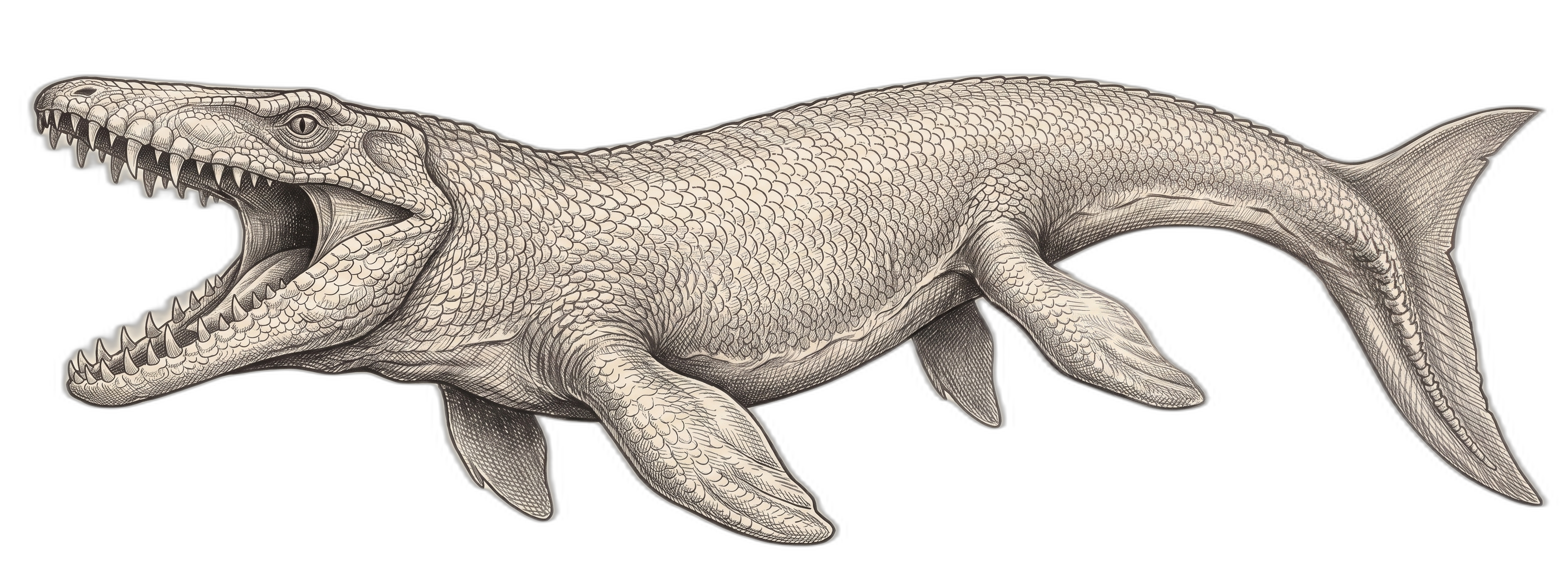
Large mosasaurs are known to have preyed on other marine reptiles; bite marks on plesiosaur bones consistent with mosasaur dentition have been documented.
Plesiosaurus
Plesiosaurus dolichodeirus
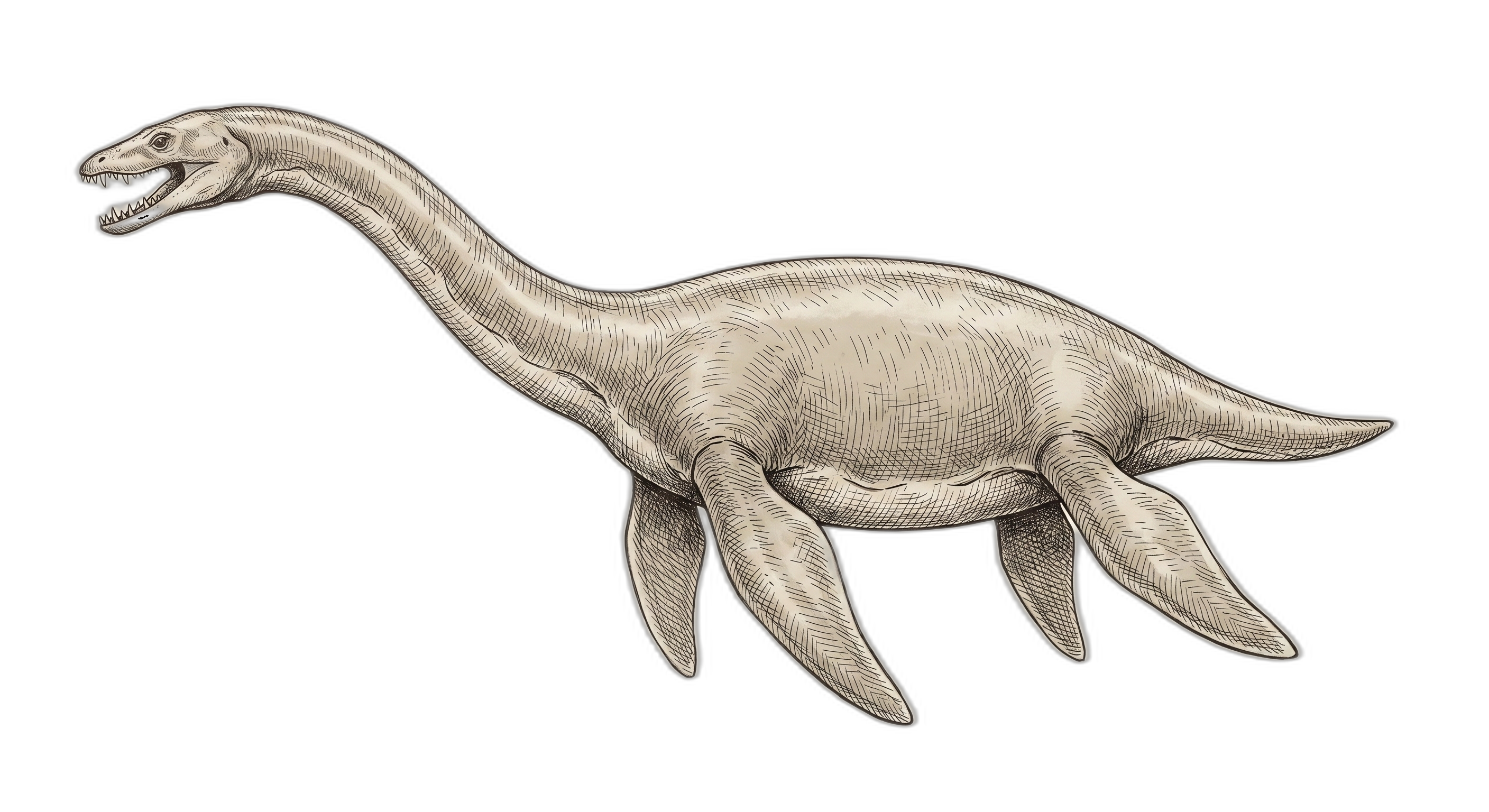
Plesiosaurus (Early Jurassic) and Elasmosaurus (Late Cretaceous) represent the same plesiosaur body plan separated by ~120 million years, showing the persistence and refinement of the long-necked marine reptile design.
Pteranodon
Pteranodon longiceps
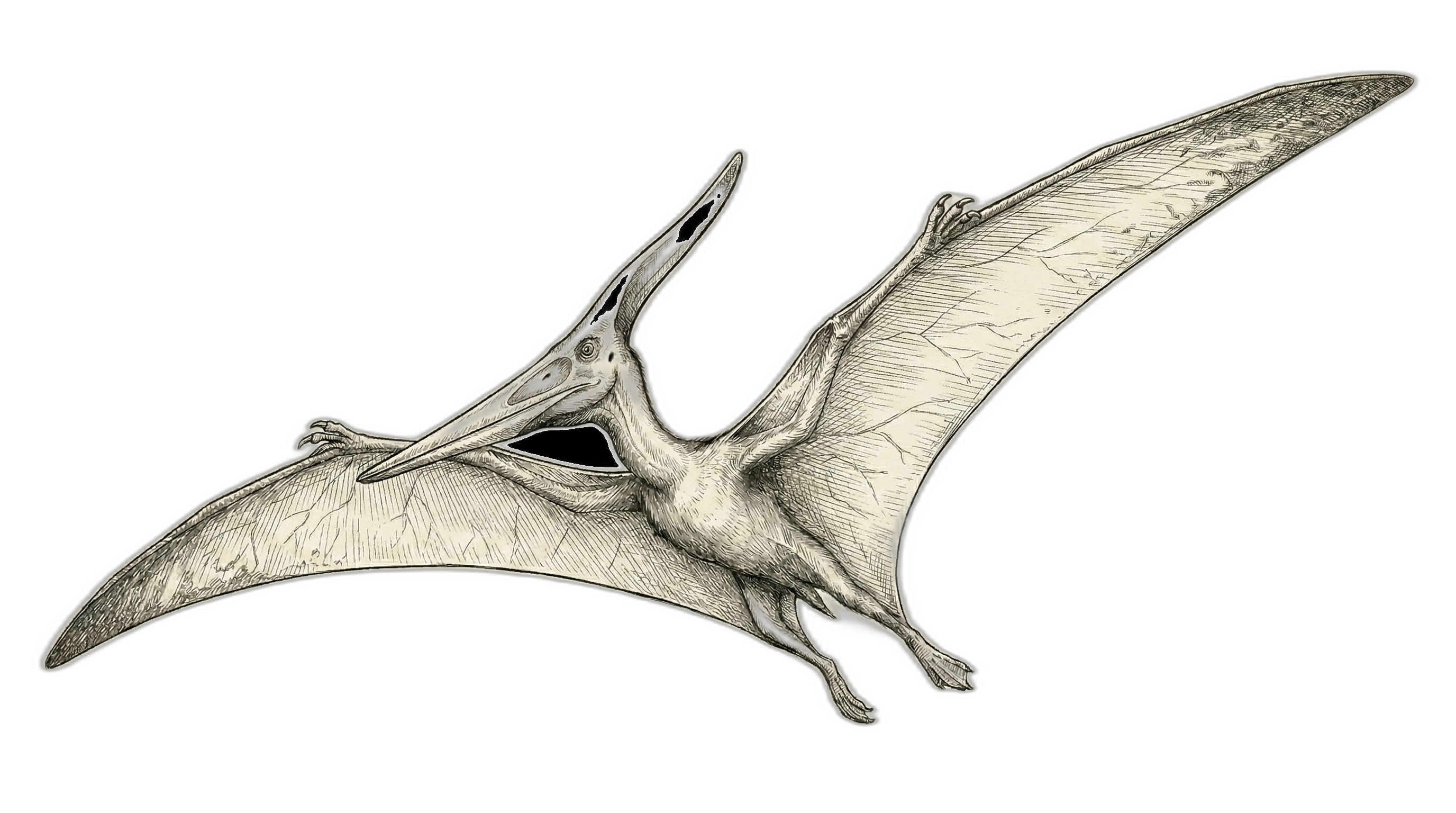
Pteranodon and Elasmosaurus both inhabited the Western Interior Seaway during the Late Cretaceous, with Pteranodon fishing from above while Elasmosaurus hunted from below the same waters.
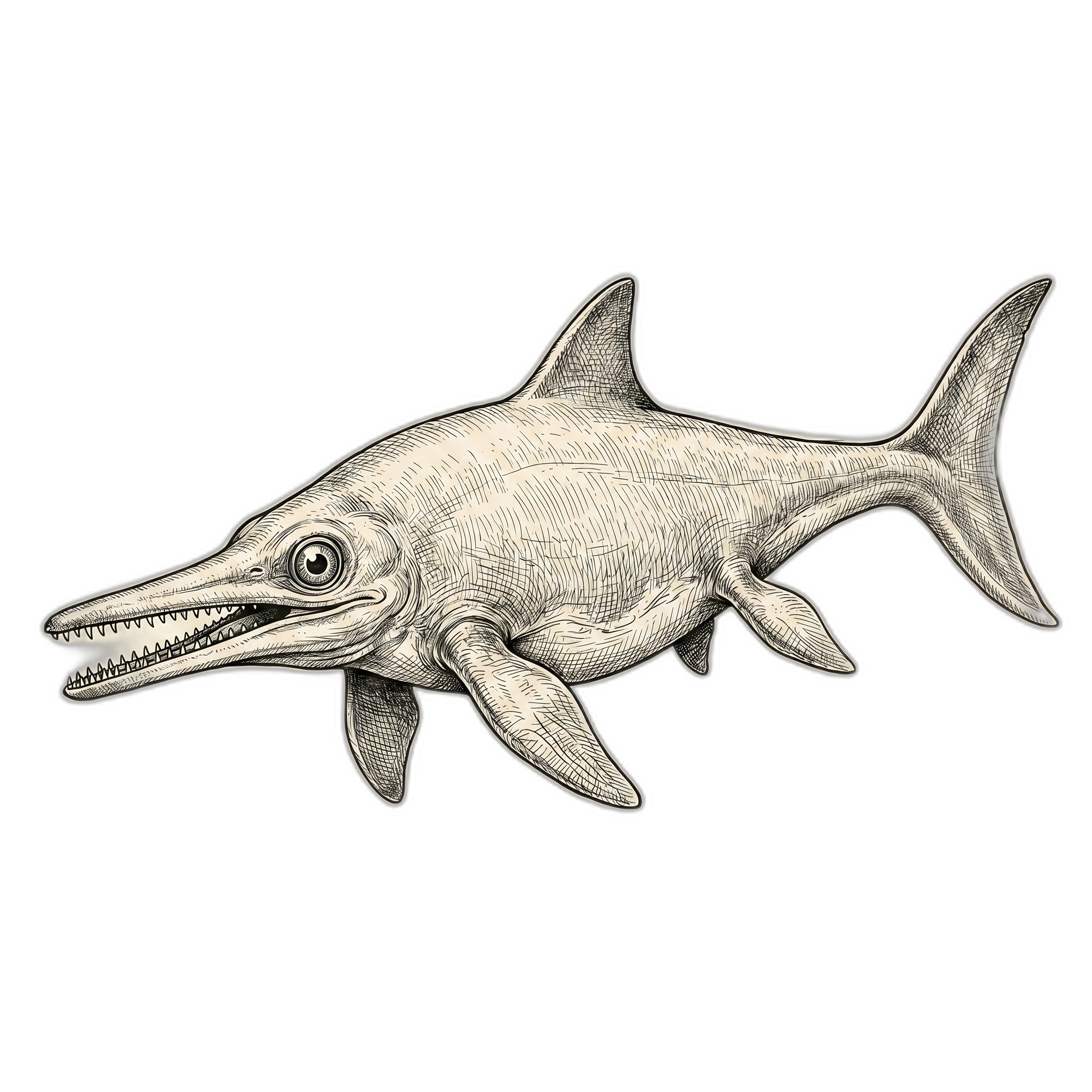
Ichthyosaurus
Ichthyosaurus communis
Ichthyosaurus and Elasmosaurus represent two independent marine reptile lineages that evolved fully aquatic lifestyles from terrestrial ancestors — convergent adaptation to open ocean life with different body plans (dolphin-like vs. long-necked).
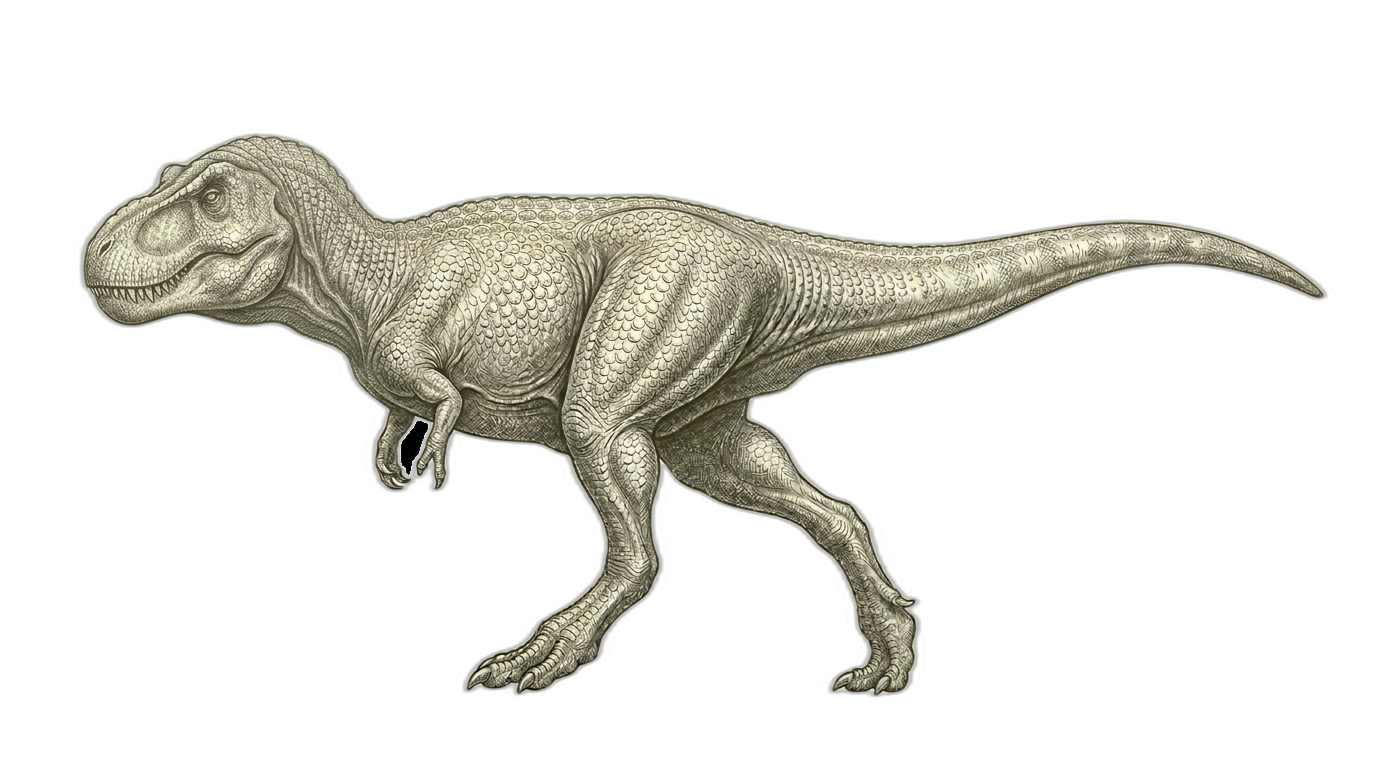
T-Rex
Tyrannosaurus rex
Both lived during the latest Cretaceous in North America; T. rex dominated terrestrial ecosystems while Elasmosaurus ruled coastal marine waters, representing the apex predators of their respective realms.
Sources & Citation
- Length estimates
- Sachs 2005; Cope 1869 original description; incomplete holotype requires estimation
- Height estimates
- Estimated body depth; marine reptiles lack standard height metrics
- Weight estimates
- Mass estimates for elasmosaurids vary widely; O'Keefe 2001
- Speed estimates
- Plesiosaur locomotion studies suggest slow cruising with burst capability; O'Keefe & Carrano 2005