About
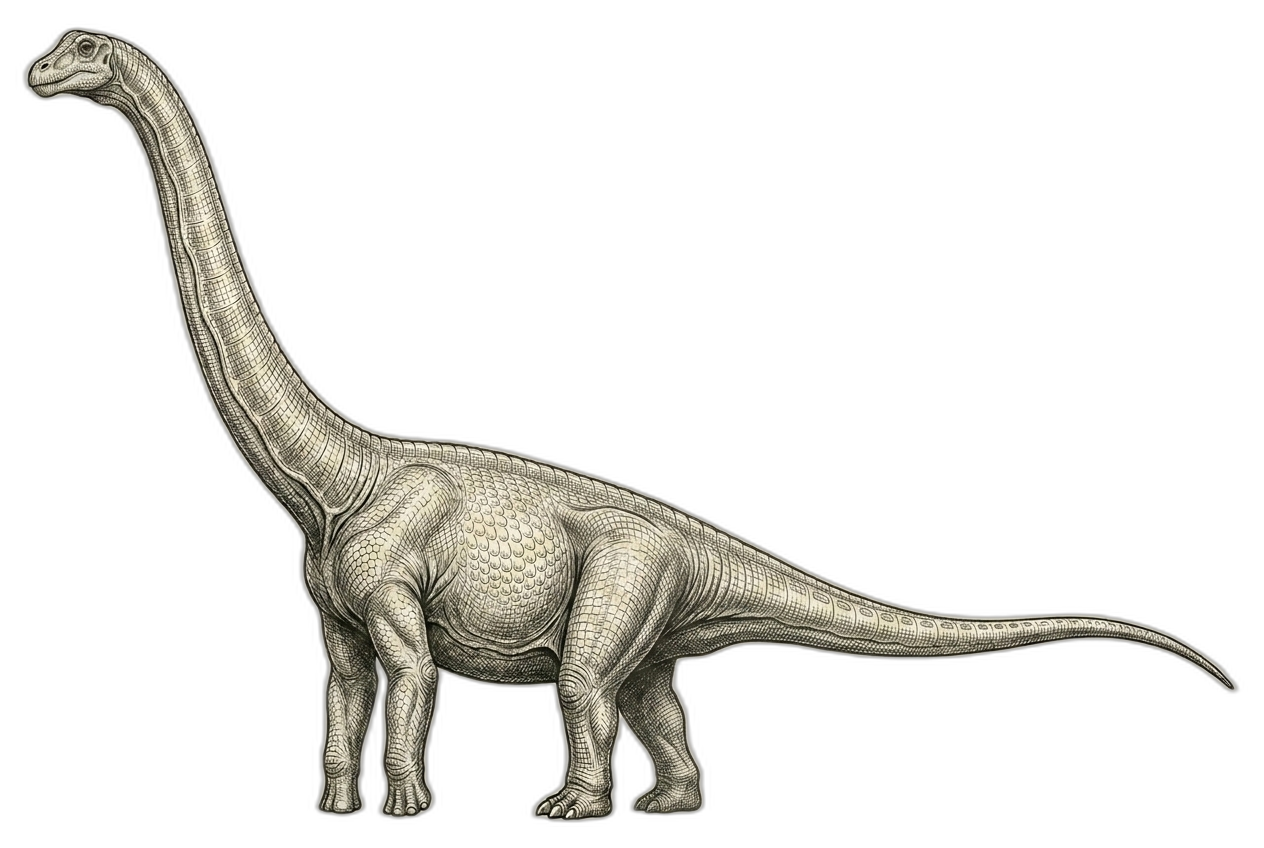
Omeisaurus tianfuensis was an impressive dinosaur that roamed the lush floodplains of what is now Sichuan Province, China, during the Middle Jurassic period. This herbivorous giant possessed one of the most striking features among sauropods: an extraordinarily long neck supported by 17 cervical , accounting for nearly half of its total body length. The neck was held in a relatively horizontal position, allowing Omeisaurus to sweep across vast feeding areas without moving its massive body.
The body plan was typical of mamenchisaurid sauropods, with a relatively small head, barrel-shaped torso supported by four pillar-like legs, and a long whip-like tail that may have served defensive purposes. The forelimbs were slightly shorter than the hindlimbs, giving the back a gentle slope toward the shoulders. Its teeth were spatulate and suited for stripping vegetation from trees and ferns.
Discovered at the famous Dashanpu Quarry near Zigong in 1984, Omeisaurus tianfuensis represents one of the most complete sauropod skeletons ever found in Asia. The Dashanpu site has yielded an exceptional Middle Jurassic ecosystem snapshot, and Omeisaurus likely shared its habitat with other sauropods, early stegosaurs, and various predators. The species name honors Tianfu, an ancient name for Sichuan Province, while Omeisaurus references nearby Mount Emei, a sacred Buddhist mountain. This dinosaur has become an iconic symbol of Chinese paleontology and a centerpiece of the Zigong Dinosaur Museum.
Quick Facts
- Scientific name
- Omeisaurus tianfuensis
- Also known as
- Omei Lizard
- Group
- Sauropodomorph · Mamenchisauridae
- Lived
- Middle Jurassic, 170–160 million years ago
- Diet
- Herbivore
- Movement
- Walked on four legs
- Discovery credited to
- 1984, He Xinlu, Li Kui, Cai Kaiji, and Gao Yuhui
- Holotype
- T5701, Zigong Dinosaur Museum
- DinoVault record
- DVL-0098
Where Omei Lizard Roamed
During the Middle Jurassic, approximately 165 million years ago, this region of what is now Sichuan Province lay within the warm, humid interior of the vast Asian landmass, part of the ancient supercontinent Laurasia. The Sichuan Basin formed a lush, low-lying floodplain surrounded by emerging highlands, where meandering rivers and seasonal lakes supported dense forests of conifers, ferns, and cycads—an ideal habitat for massive sauropods like *Omeisaurus tianfuensis*.
Keep exploring the vault
Yangchuanosaurus
Yangchuanosaurus shangyouensis
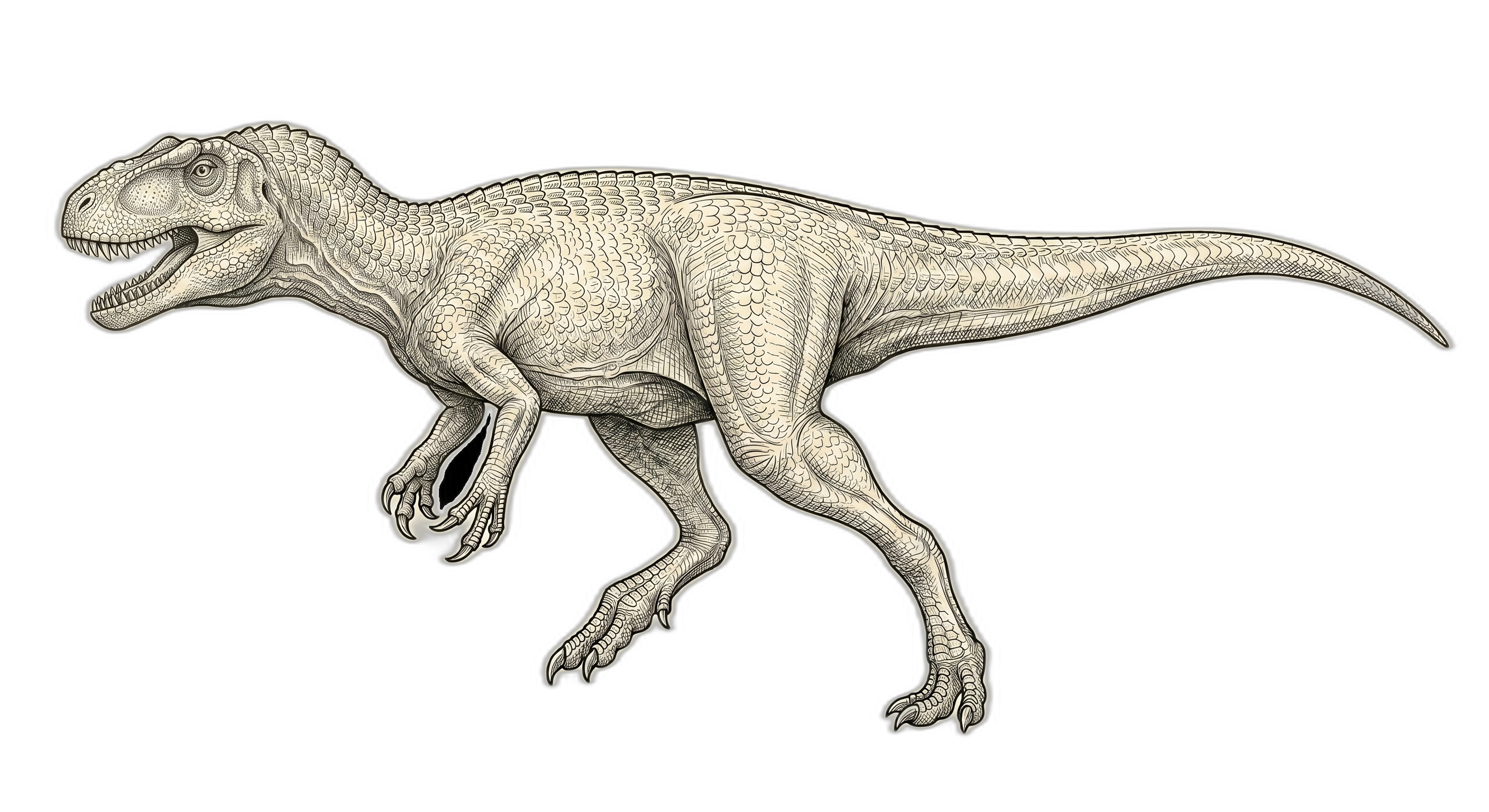
Yangchuanosaurus was the apex predator of the Middle-Late Jurassic Sichuan Basin ecosystem in China, reaching 8-10m in length.
Shu Lizard
Shunosaurus lii
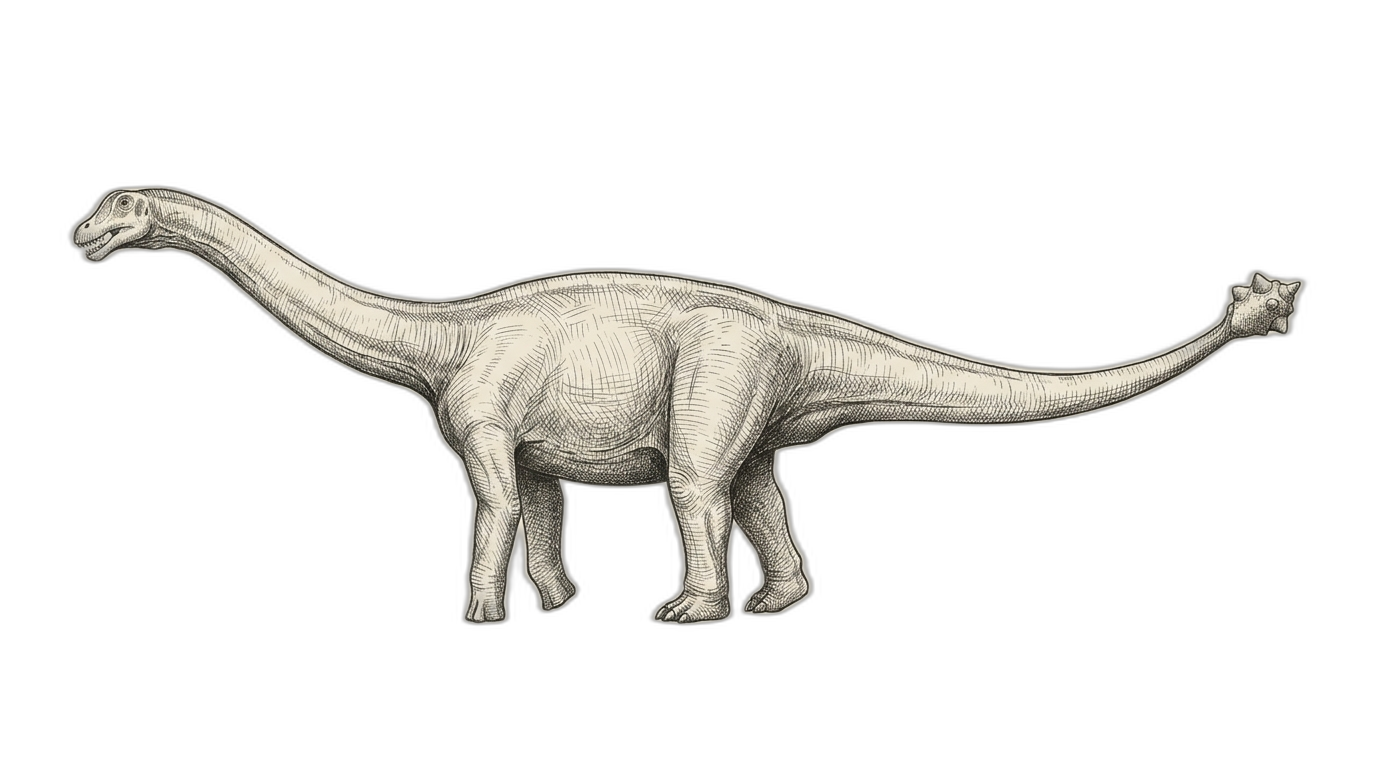
Shunosaurus and Omeisaurus are both Middle Jurassic sauropods from the Dashanpu Formation of Sichuan, China.
Barapasaurus
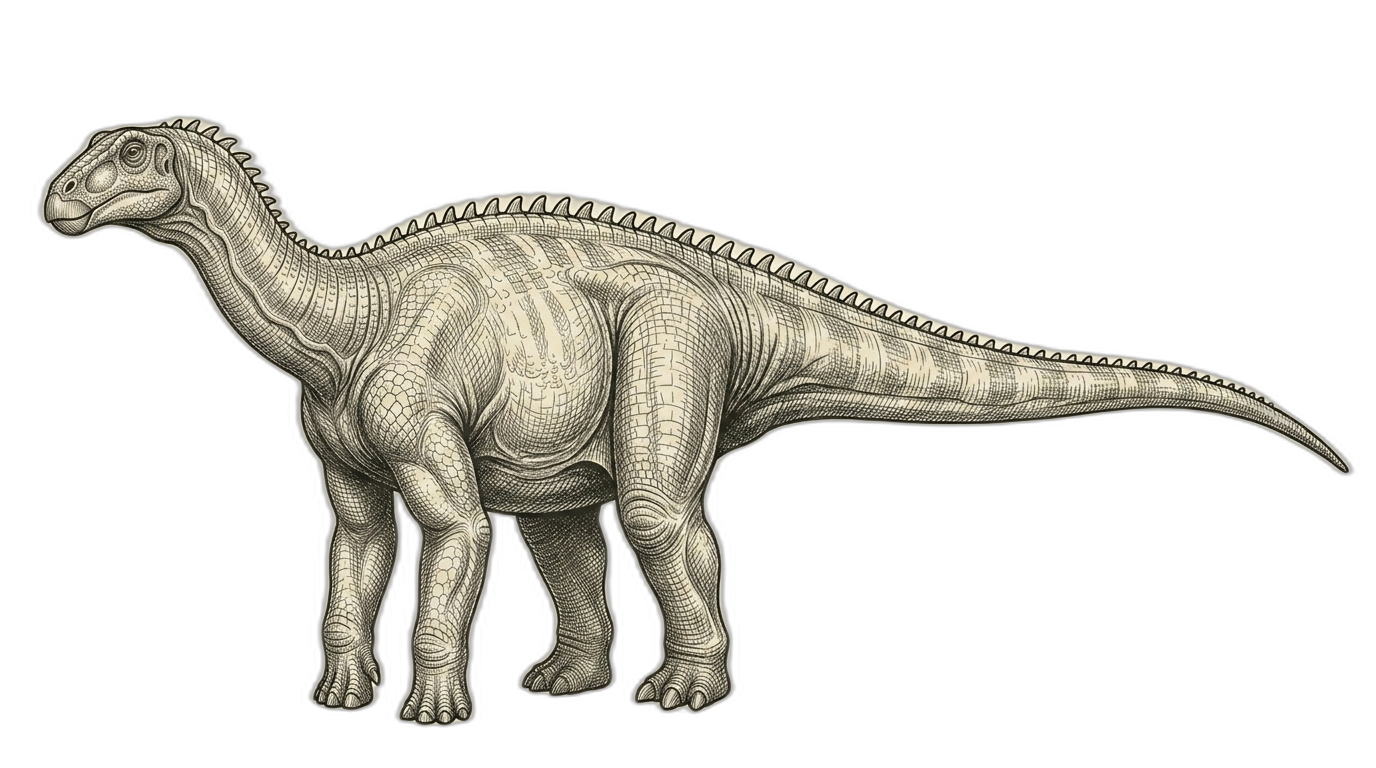
Barapasaurus from the Early Jurassic of India represents one of the earliest known eusauropods.
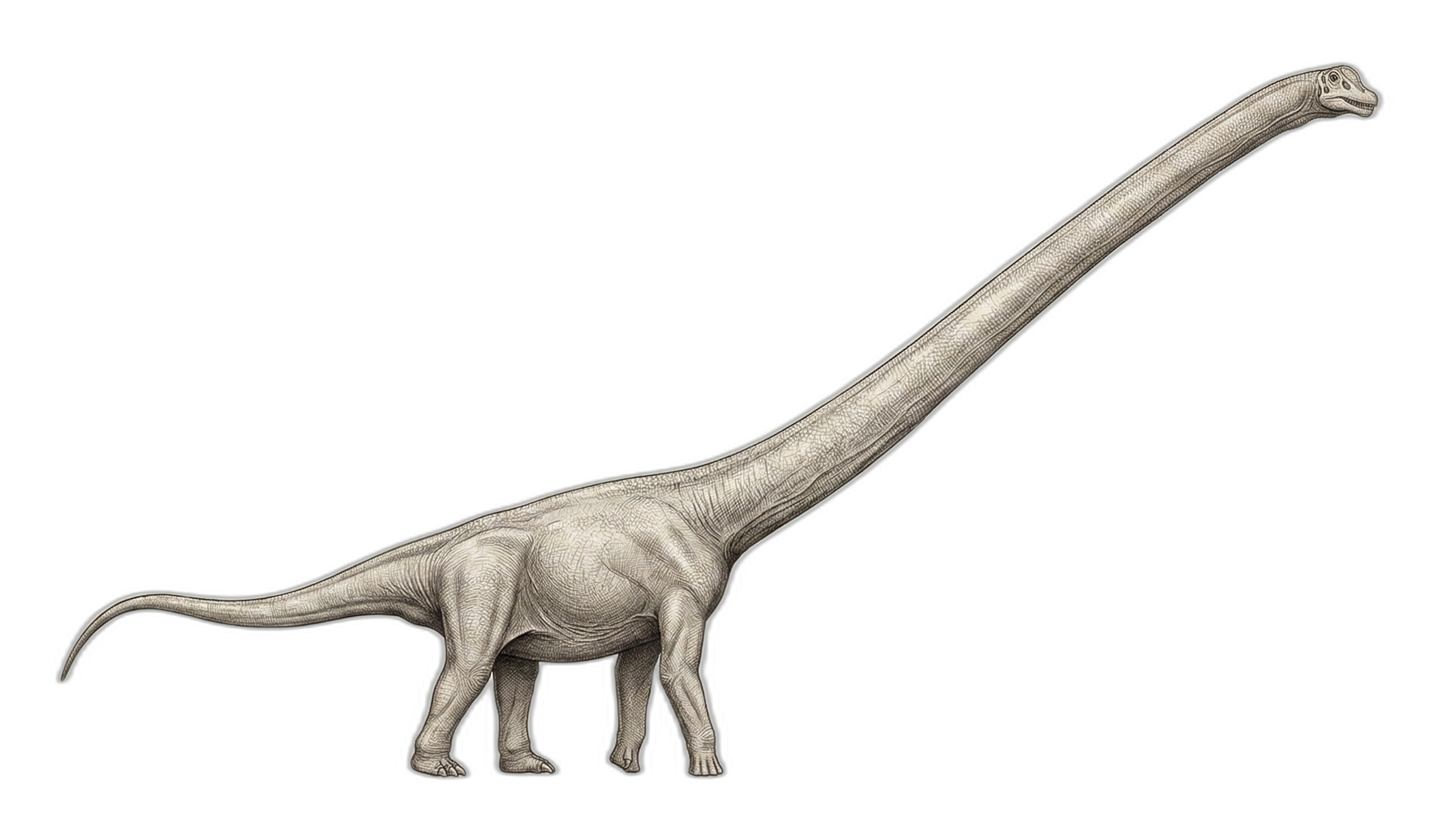
Mamenchisaurus
Mamenchisaurus sinocanadorum
Both Mamenchisaurus and Omeisaurus are mamenchisaurid sauropods that independently developed extremely elongated necks (comprising nearly half their body length) during the Middle-Late Jurassic of China, representing a parallel evolutionary experiment in vertical browsing adaptation distinct from other sauropod lineages.
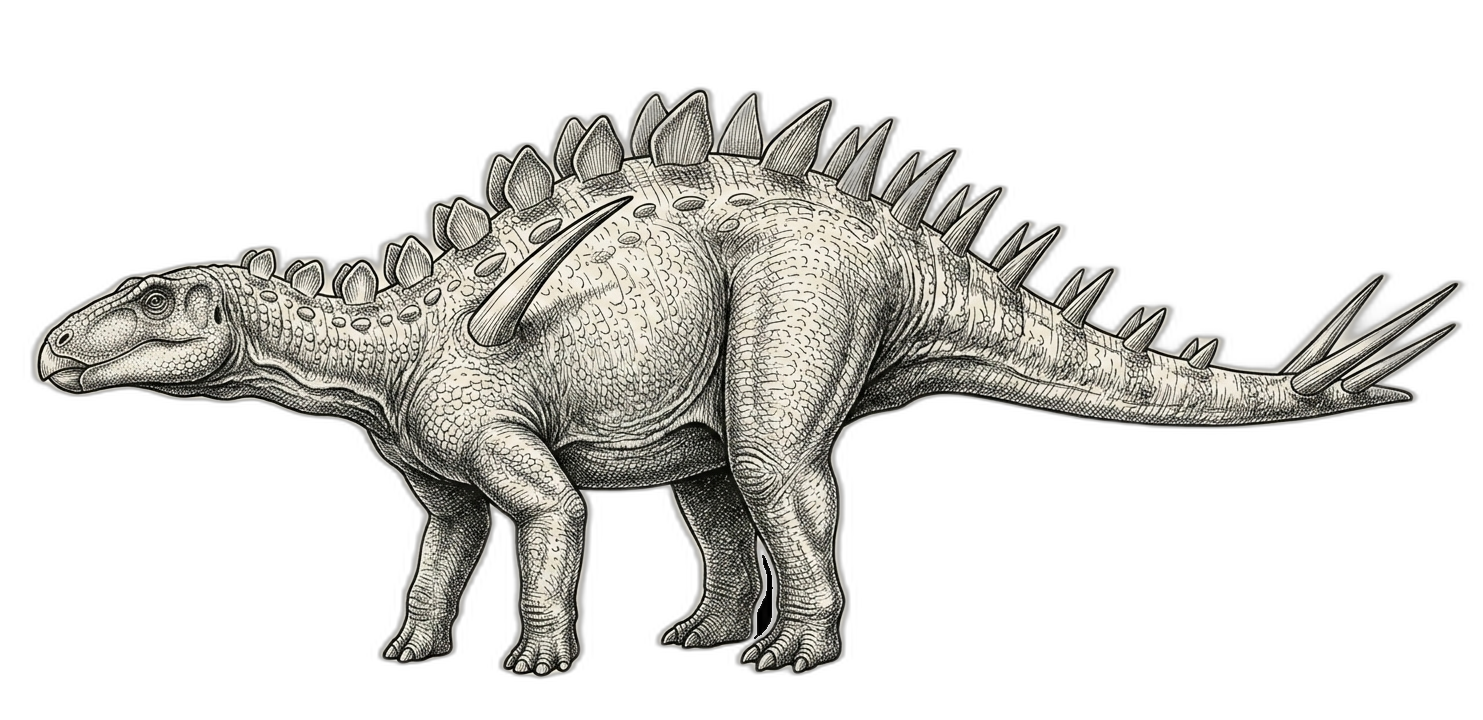
Huayangosaurus
Huayangosaurus taibaii
Huayangosaurus, an early stegosaur, is known from the same Dashanpu Formation deposits as Omeisaurus.
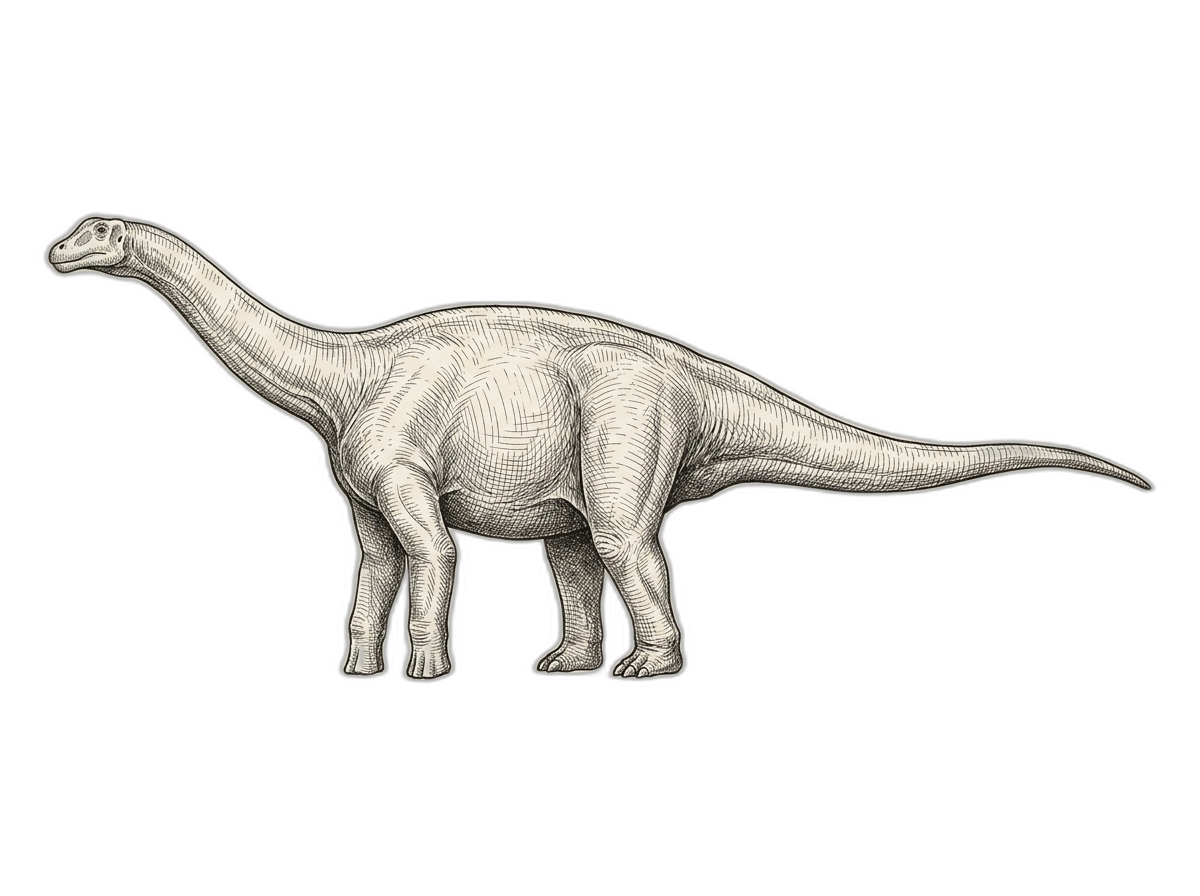
Whale Lizard
Cetiosaurus oxoniensis
Cetiosaurus (Middle Jurassic, England) and Omeisaurus (Middle Jurassic, China) represent parallel development of large-bodied, long-necked sauropods on separate continents during the same time period, showing convergent gigantism in sauropodomorph evolution across Laurasia.
Sources & Citation
- Length estimates
- He et al., 1984; Dong et al., 1983
- Height estimates
- Estimated based on skeletal proportions from He et al., 1984
- Weight estimates
- Estimated based on body dimensions; Paul, 2010
- Speed estimates
- Biomechanical estimates for large sauropods