About
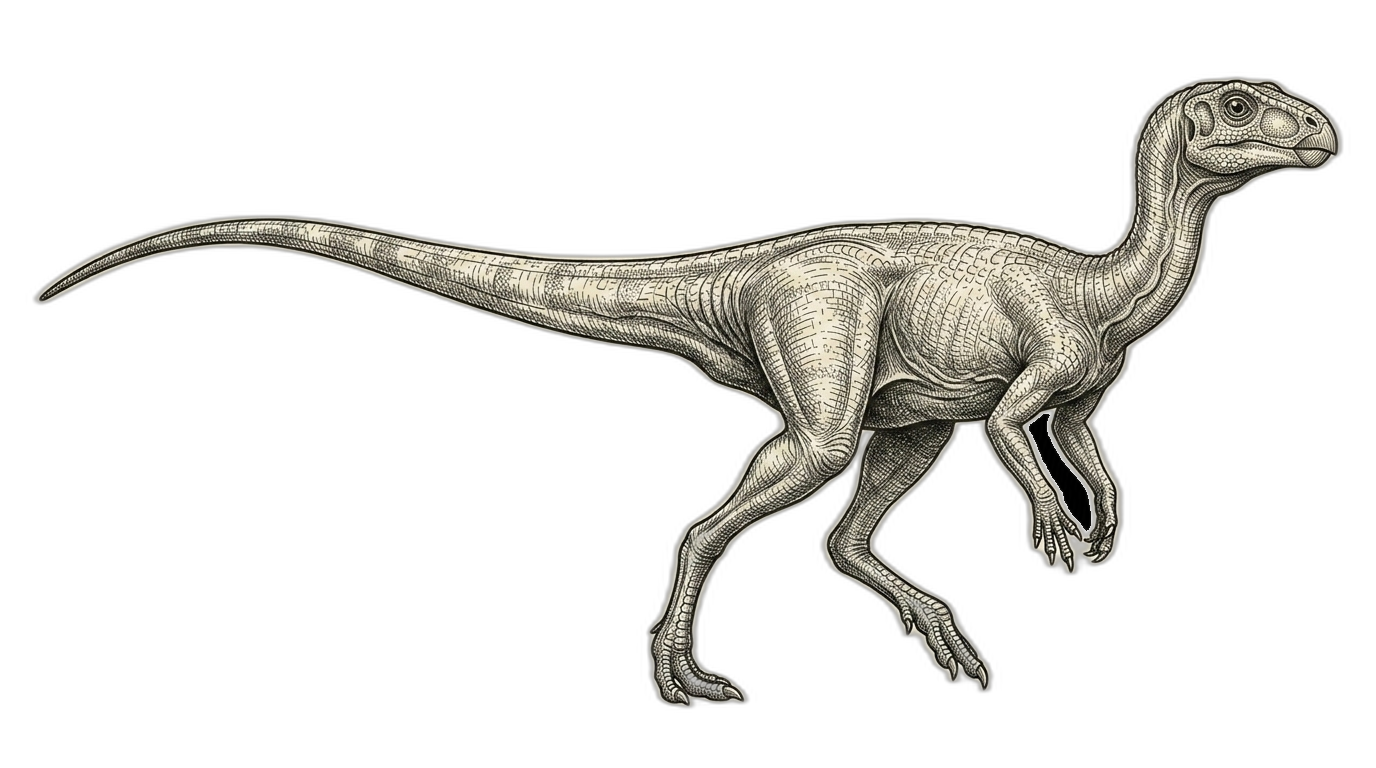
Lesothosaurus diagnosticus was a diminutive but significant dinosaur that roamed the semi-arid floodplains of what is now Lesotho and South Africa approximately 200 million years ago. This chicken-sized possessed a lightly built skeleton perfectly adapted for speed, with long, slender hindlimbs, a stiffened tail for balance, and small forelimbs. Its skull was compact with large orbits suggesting keen eyesight, and its teeth were small, leaf-shaped, and suited for cropping vegetation.
As one of the earliest known ornithischians, Lesothosaurus occupies a pivotal position in dinosaur evolution. Its primitive features help paleontologists understand how the great ornithischian radiation—which would eventually produce armored ankylosaurs, horned ceratopsians, and duck-billed hadrosaurs—began. The animal was clearly an obligate biped, using its speed as its primary defense against predators in the Elliot Formation ecosystem it shared with early theropods and prosauropods.
Remarkably, some specimens appear to have been found together in burrows, leading to speculation that Lesothosaurus may have practiced aestivation—a form of summer dormancy to survive harsh dry seasons. Multiple well-preserved specimens, including nearly complete skulls and postcranial material, have made this species one of the best-understood early ornithischians, providing an invaluable window into the dawn of the dinosaur age.
Quick Facts
- Scientific name
- Lesothosaurus diagnosticus
- Also known as
- Lesotho Lizard
- Group
- Dinosaur · Lesothosauridae
- Lived
- Early Jurassic, 200–190 million years ago
- Diet
- Herbivore
- Movement
- Walked on two legs
- Fossils found in
- Elliot Formation (Eastern Cape, Free State, KwaZulu-Natal, South Africa, Lesotho)
- Discovery credited to
- 1978, Peter Galton
- Holotype
- BMNH RUB17, Natural History Museum, London
- DinoVault record
- DVL-0078
Where fossils were found
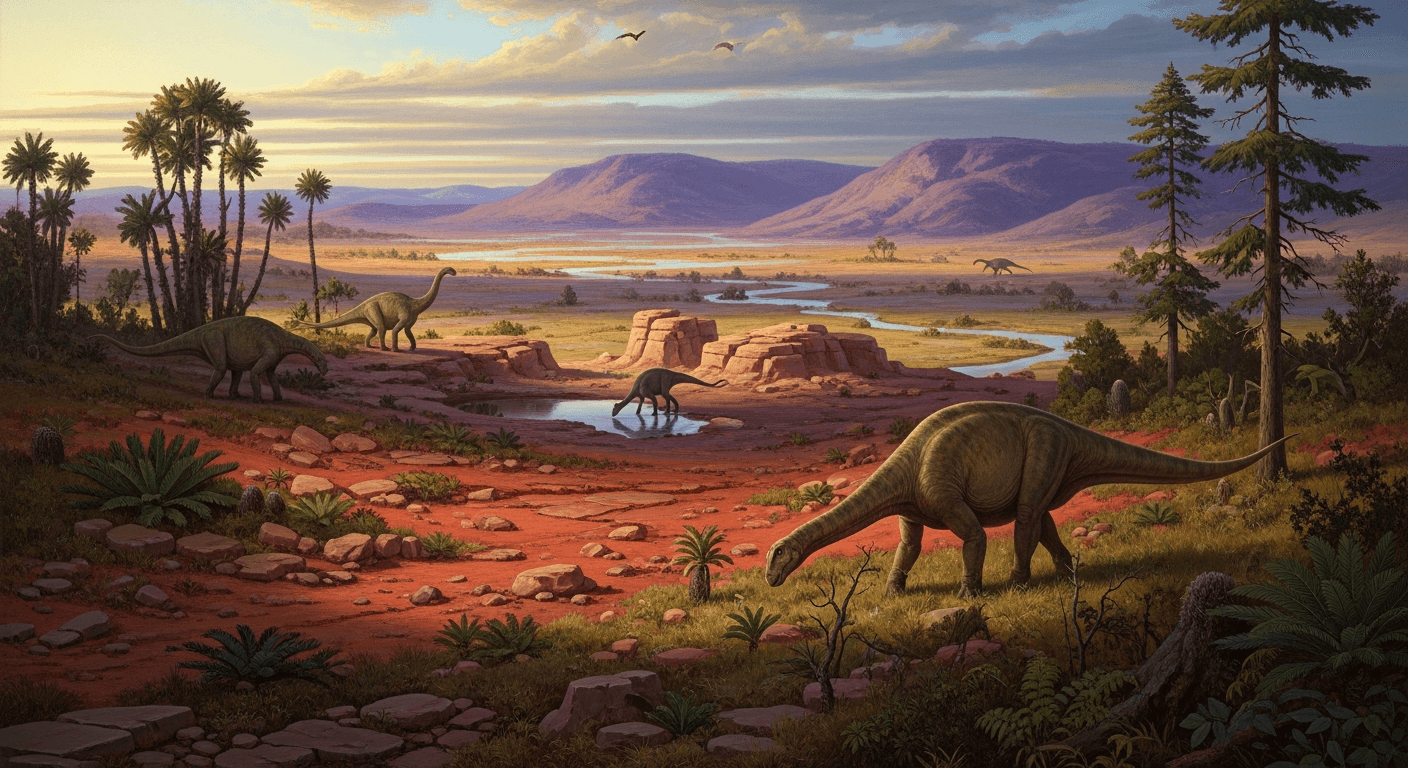
Elliot Formation
Eastern Cape, Free State, KwaZulu-Natal · South Africa, Lesotho
200–190 million years ago(10m year span)
Where Lesotho Lizard Roamed
During the Early Jurassic, Lesothosaurus roamed the semi-arid interior of southern Gondwana, in a region that would become modern-day Lesotho and South Africa. This landlocked terrain lay far from any major seaway, characterized by seasonal floodplains and river channels cutting through a landscape dominated by ferns and conifers beneath a warm, monsoonal climate.
Keep exploring the vault
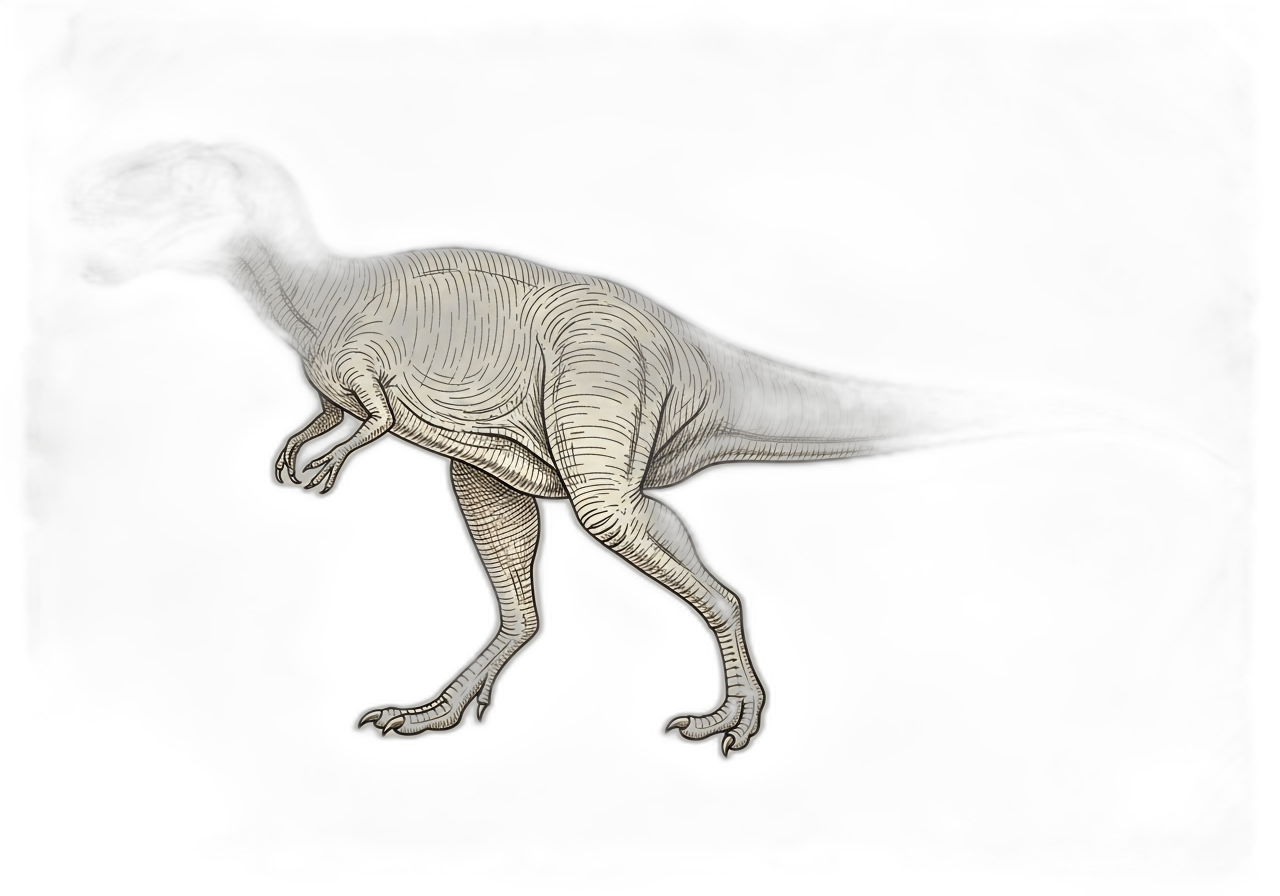
Coelophysis
Coelophysis bauri
Coelophysis-like theropods are known from Late Triassic-Early Jurassic deposits.
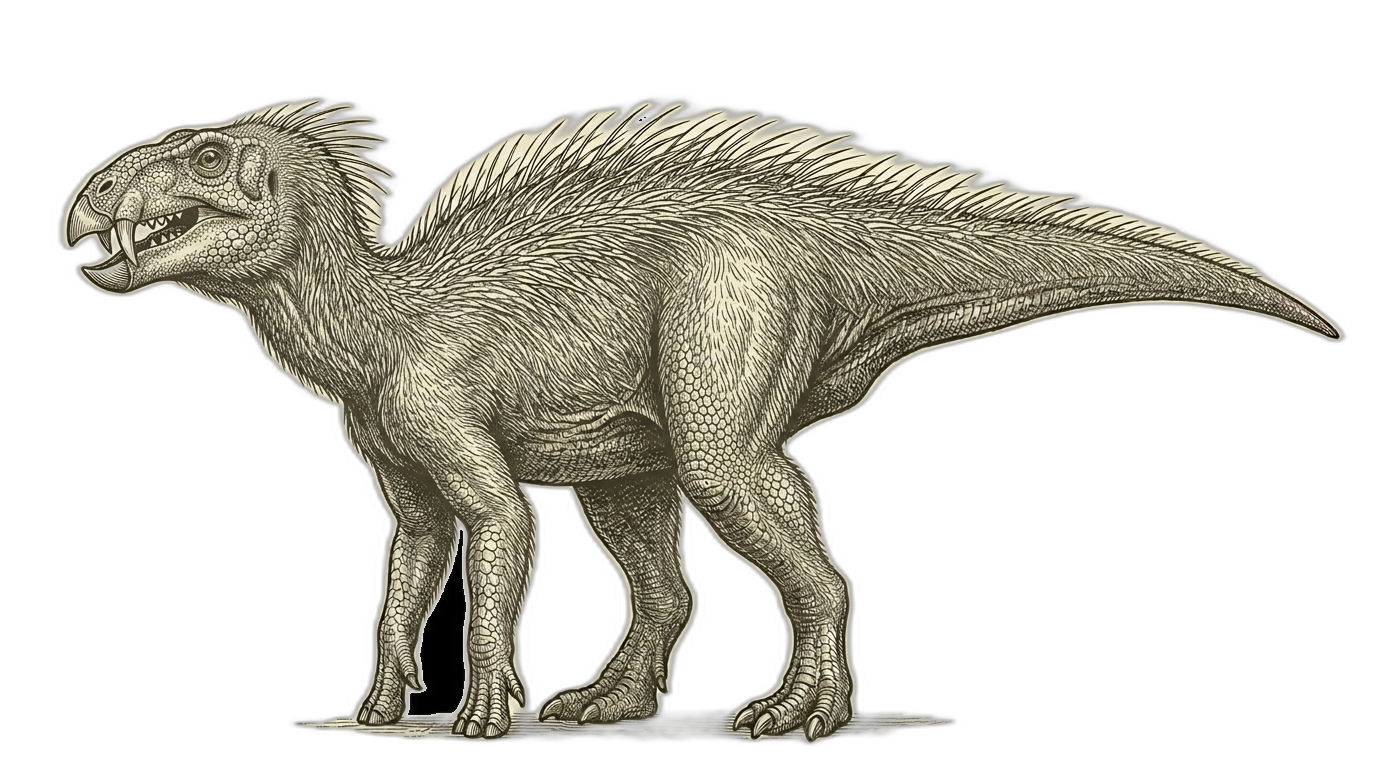
Heterodontosaurus
Heterodontosaurus tucki
Both small ornithischians (~1m, 3-10kg) from the Elliot Formation with herbivorous/omnivorous diets.
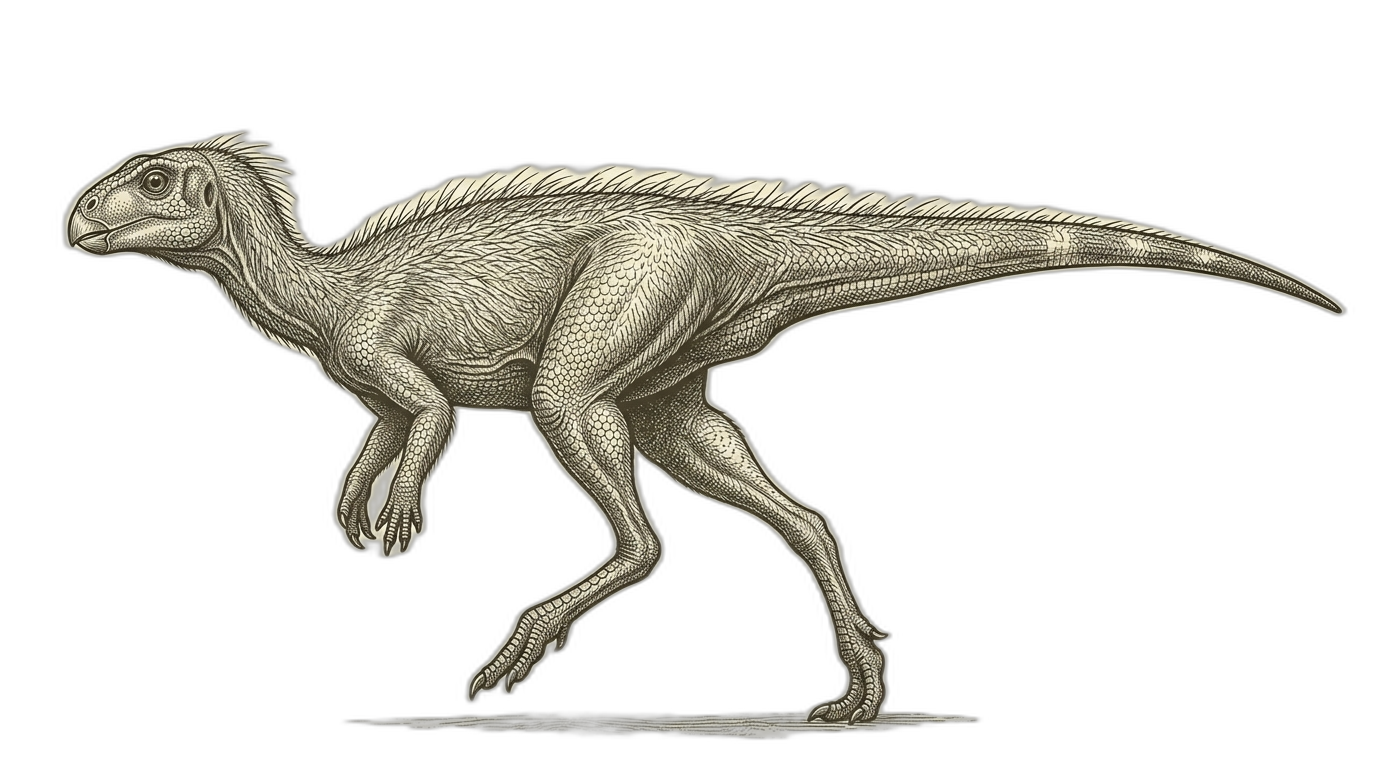
Hypsilophodon
Hypsilophodon foxii
Both represent small, bipedal, cursorial ornithischians adapted for speed and agility.
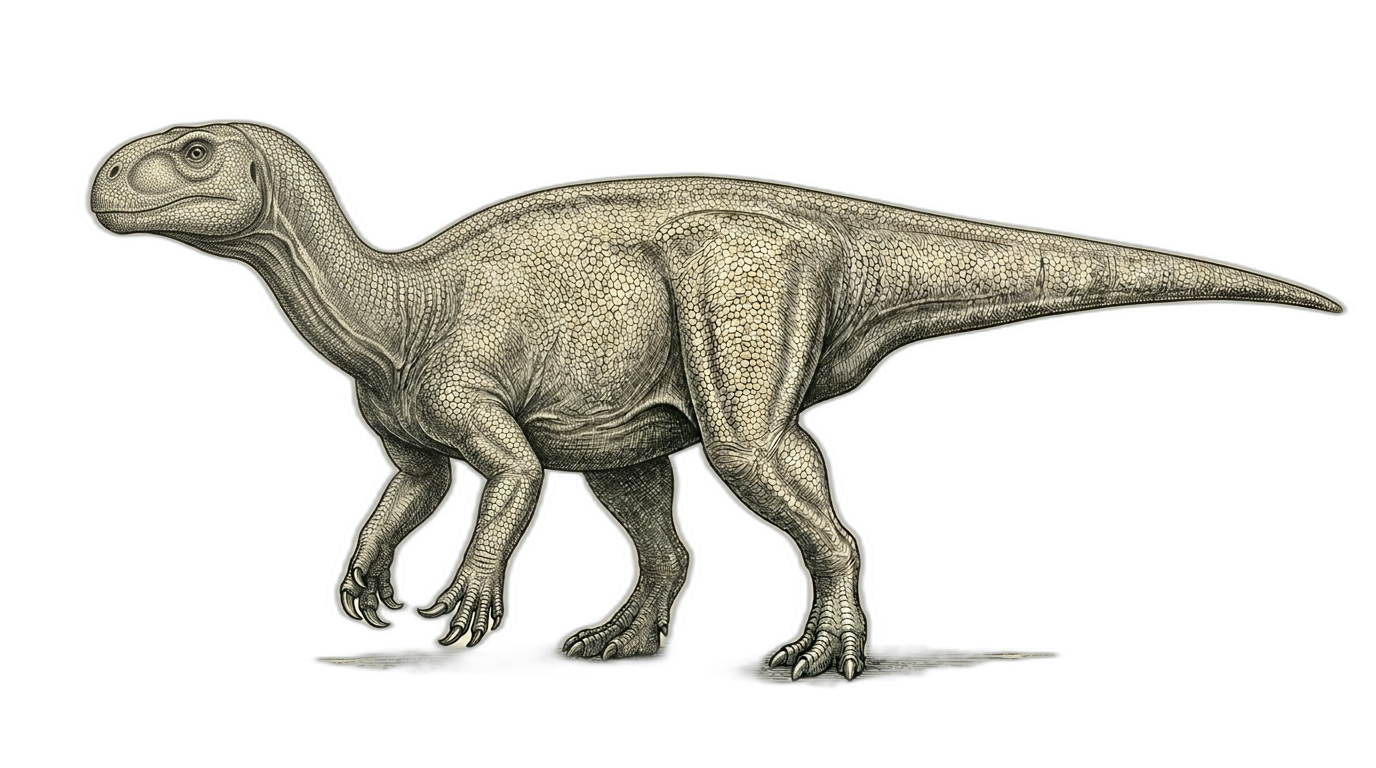
Massospondylus
Massospondylus carinatus
Both herbivores sharing the Elliot Formation of Early Jurassic southern Africa.
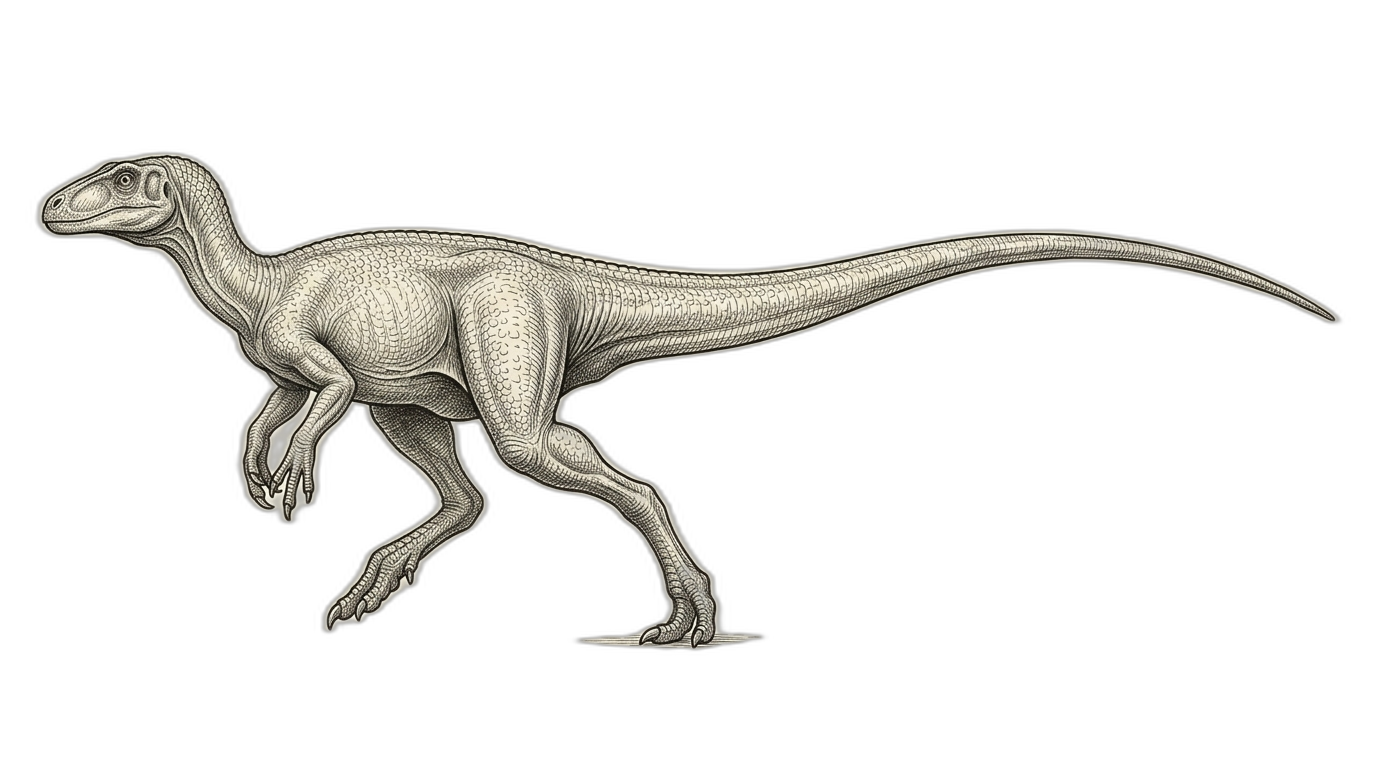
Pisanosaurus
Both among the earliest known ornithischians, representing parallel early experiments in the ornithischian bauplan.
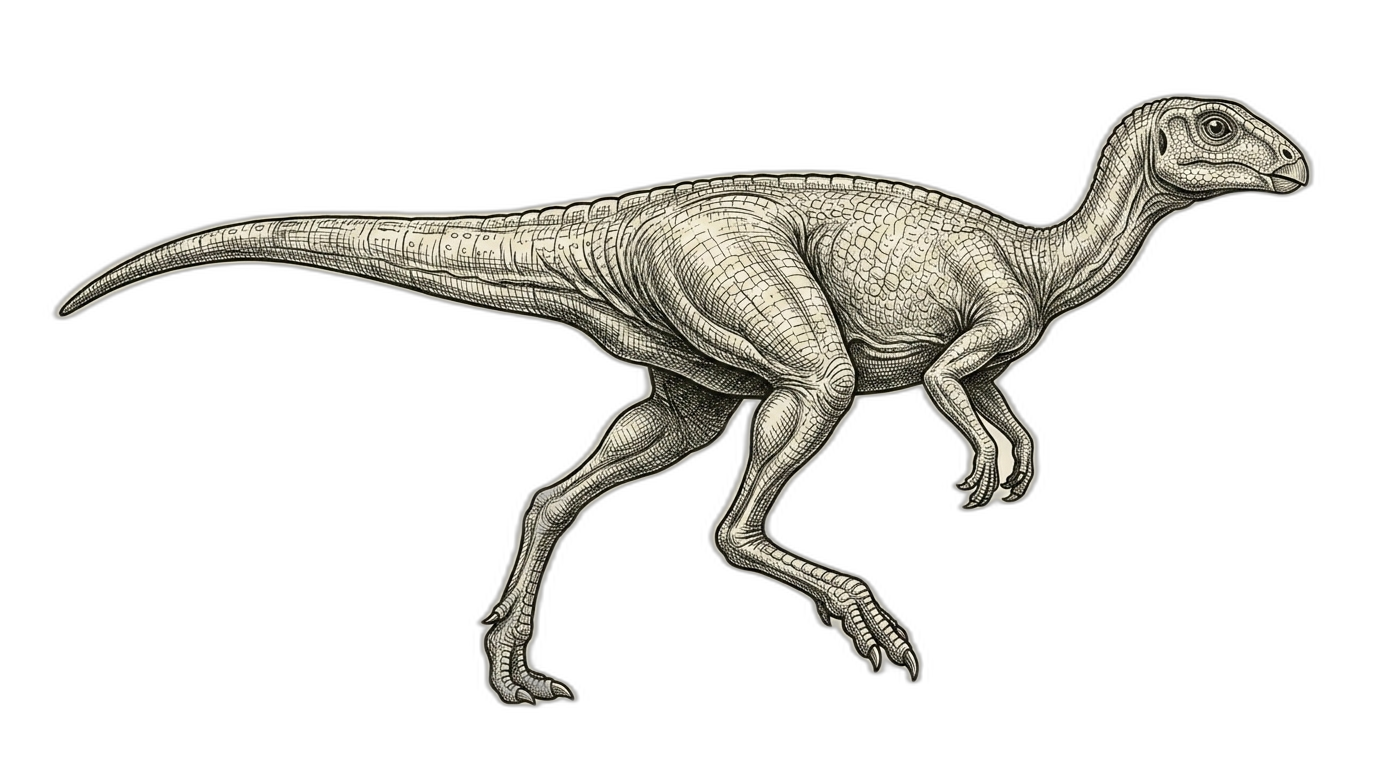
Oak Lizard
Dryosaurus altus
Lesothosaurus (Early Jurassic) and Dryosaurus (Late Jurassic) both represent small, cursorial ornithischians that explored similar ecological niches as swift, bipedal herbivores.
Sources & Citation
- Length estimates
- Sereno, 1991; Butler, 2005 - based on multiple specimens
- Height estimates
- Estimated from skeletal proportions; Thulborn, 1972
- Weight estimates
- Estimated from body size; Sereno, 1991
- Speed estimates
- Thulborn, 1982 - biomechanical analysis of hindlimb proportions suggesting cursorial adaptation