About
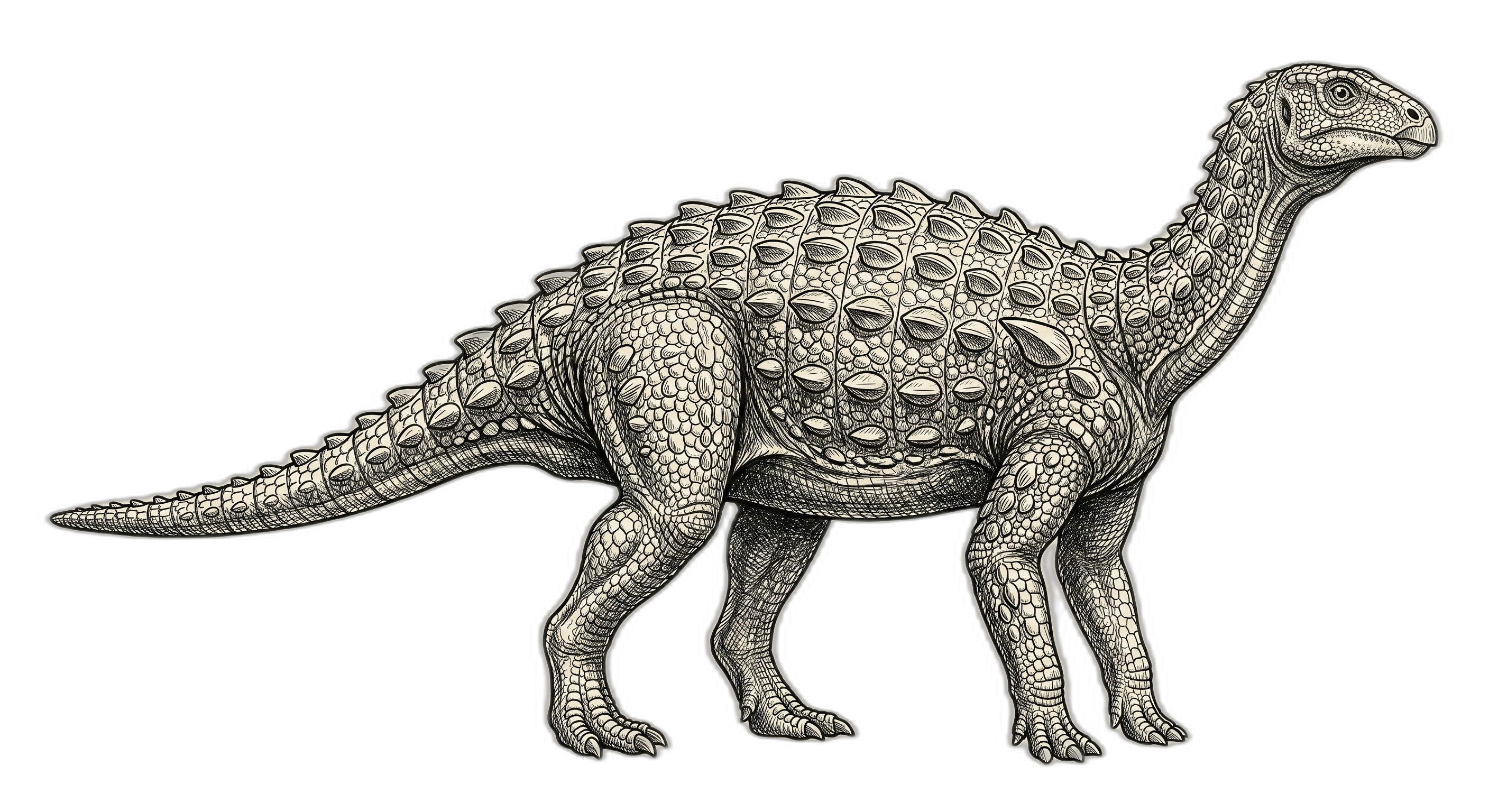
Scelidosaurus harrisonii represents one of the most complete Early Jurassic dinosaurs ever discovered and holds a pivotal position in understanding thyreophoran evolution. This medium-sized, heavily-built herbivore possessed rows of bony embedded in its skin, running along its back and flanks in parallel rows. These keeled varied in size, with the largest positioned along the midline, providing substantial protection against predators of the Jurassic coastline.
The skull was small and narrow relative to its robust body, featuring a horny beak at the front and leaf-shaped teeth suited for processing vegetation. Its limbs were sturdy with the hindlimbs notably longer than the forelimbs, though the animal was predominantly . Some researchers suggest it may have been capable of occasional stance when browsing higher vegetation.
Discovered on the Dorset coast near Charmouth, the first Scelidosaurus specimens emerged from the Blue Lias Formation's marine clays, suggesting the carcasses were washed out to sea before fossilization. This taphonomic history explains the exceptional three-dimensional preservation. Despite being among the first complete dinosaurs found, it remained poorly understood for over 160 years until David Norman's comprehensive 2020 redescription. This landmark study confirmed Scelidosaurus as a basal thyreophoran, positioned near the base of the lineage that would eventually split into the plate-bearing stegosaurs and tank-like ankylosaurs.
Quick Facts
- Scientific name
- Scelidosaurus harrisonii
- Group
- Armored dinosaur · Scelidosauridae
- Lived
- Early Jurassic, 196–191 million years ago
- Diet
- Herbivore
- Movement
- Walked on four legs
- Fossils found in
- Charmouth Mudstone Formation, Dorset, UK
- Discovery credited to
- 1858, James Harrison
- Holotype
- NHMUK PV R1111, Natural History Museum, London
- DinoVault record
- DVL-0122
Keep exploring the vault
Dilophosaurus
Dilophosaurus wetherilli
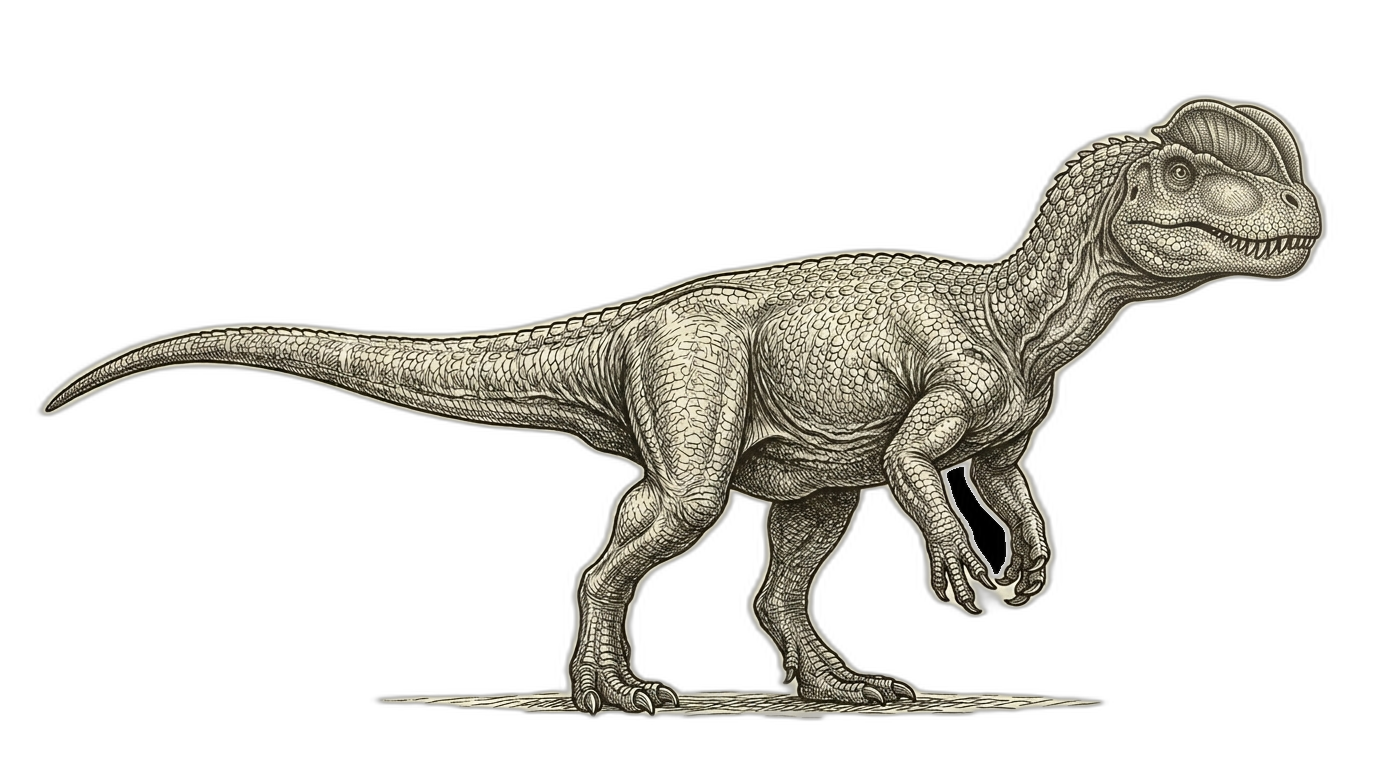
Dilophosaurus was a large Early Jurassic theropod (up to 7m) that overlapped temporally with Scelidosaurus.
Massospondylus
Massospondylus carinatus
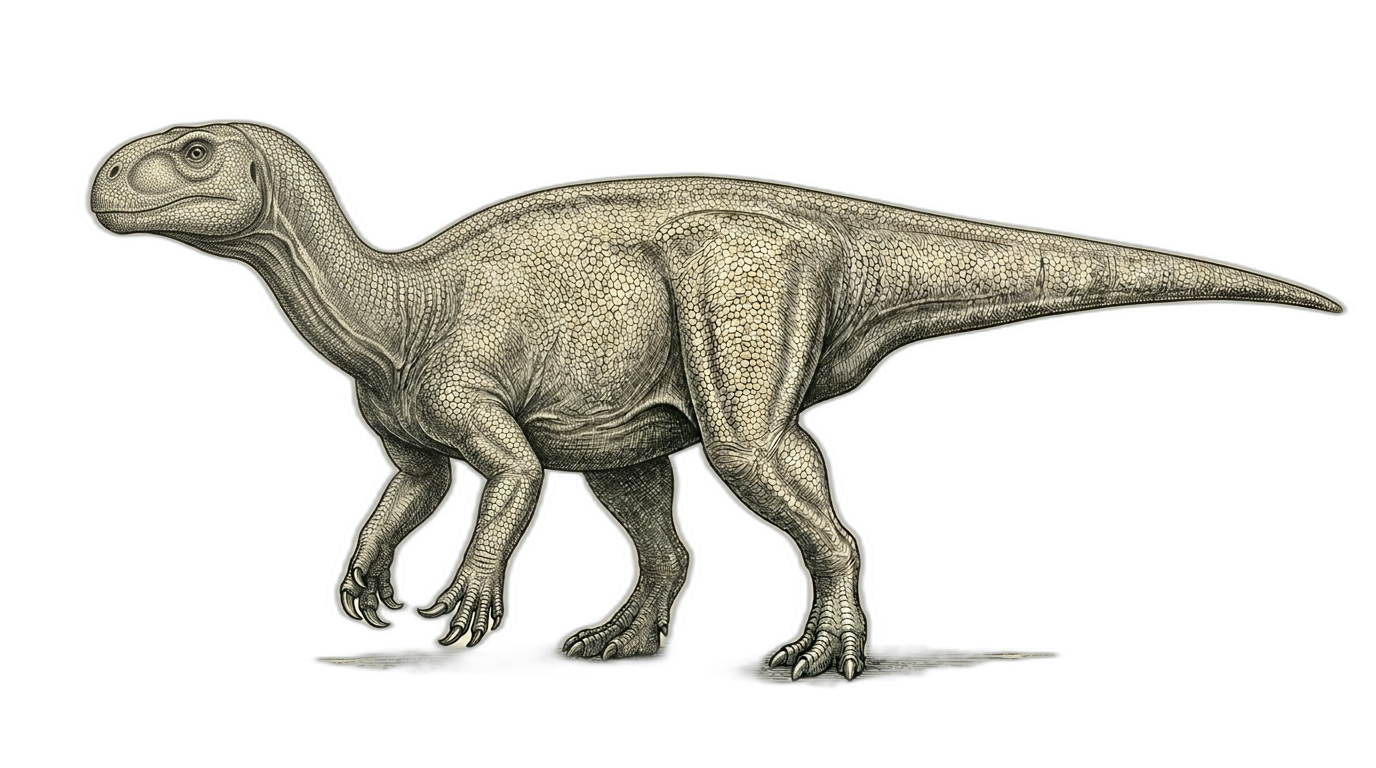
Massospondylus was an Early Jurassic herbivore of similar size range that lived during the same time period.
Ankylosaurus
Ankylosaurus magniventris
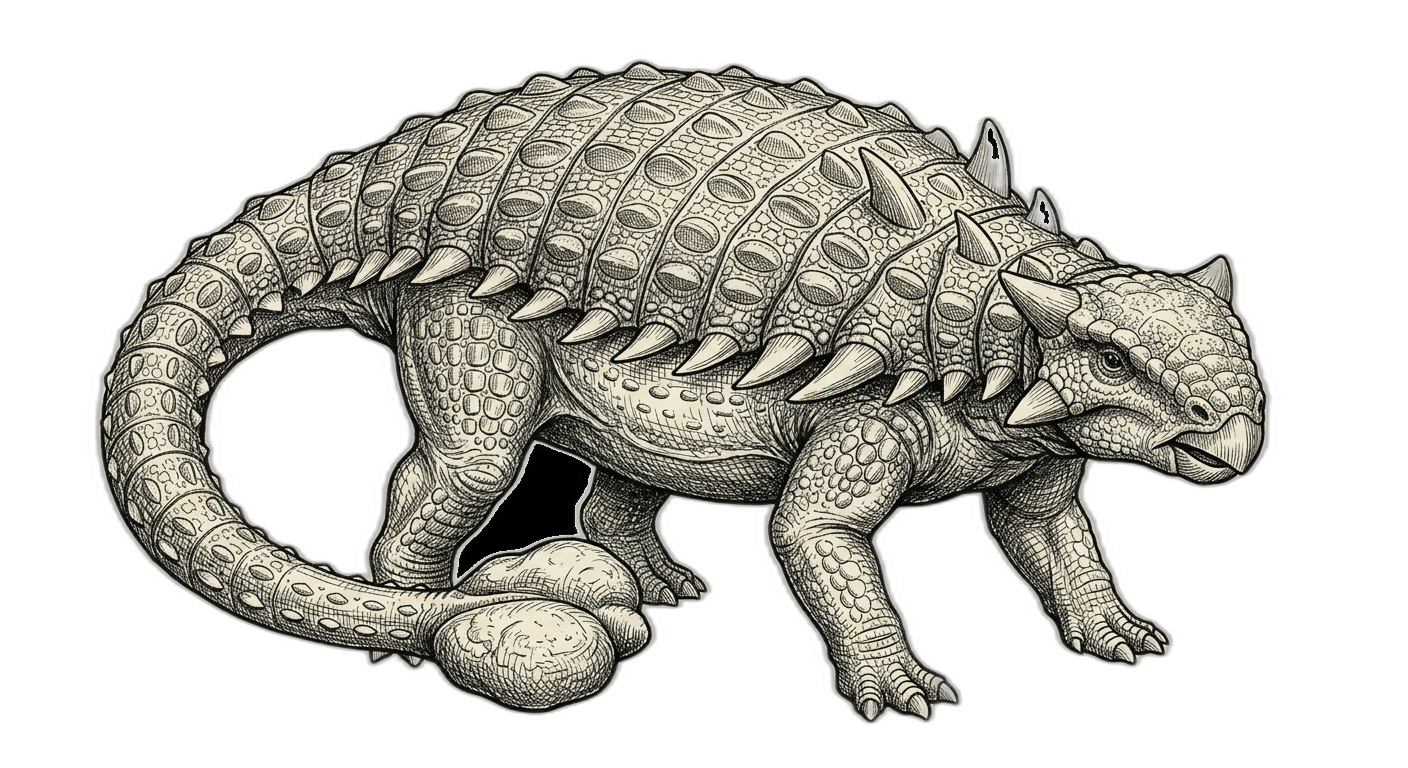
Scelidosaurus is considered a basal thyreophoran, representing an early experiment in body armor that would later be refined and elaborated in ankylosaurs.
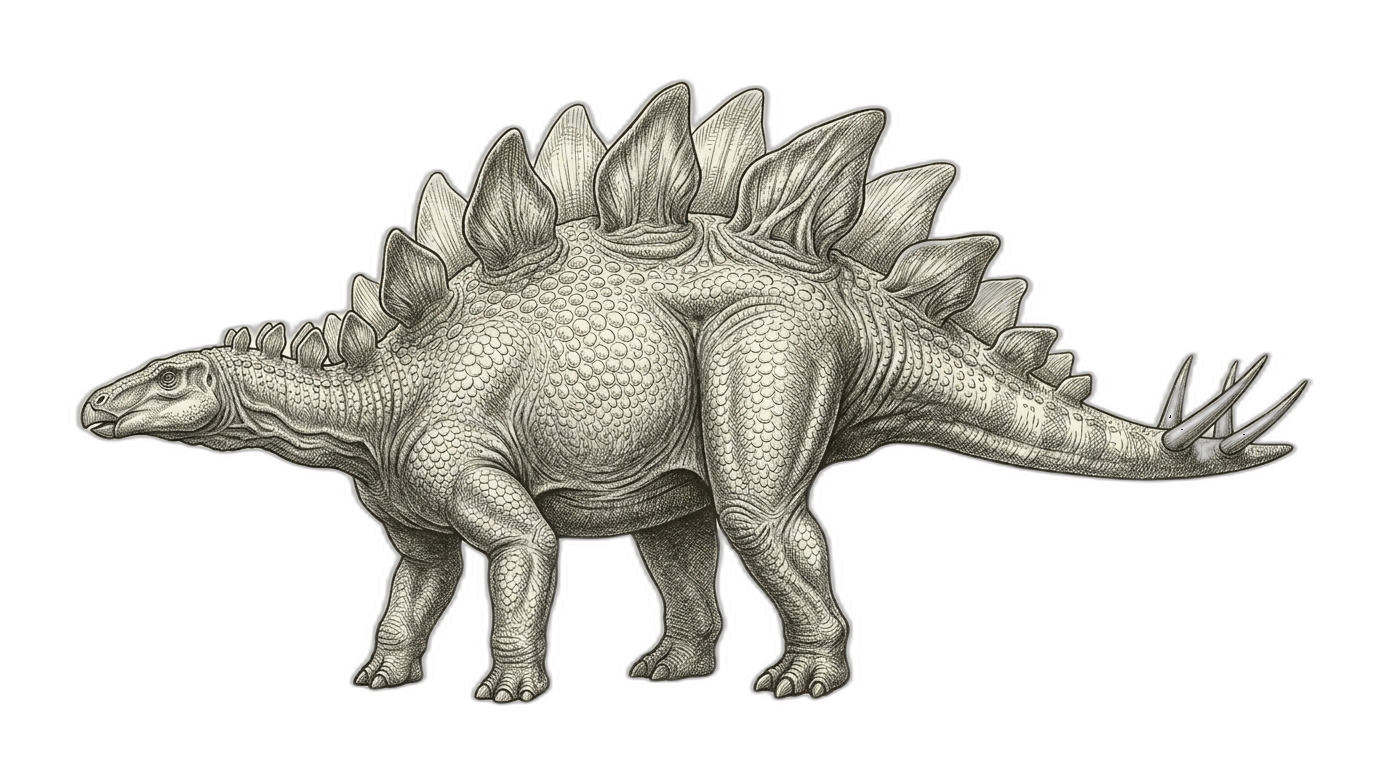
Stegosaurus
Stegosaurus stenops
Scelidosaurus is a basal thyreophoran that shares ancestry with stegosaurs.
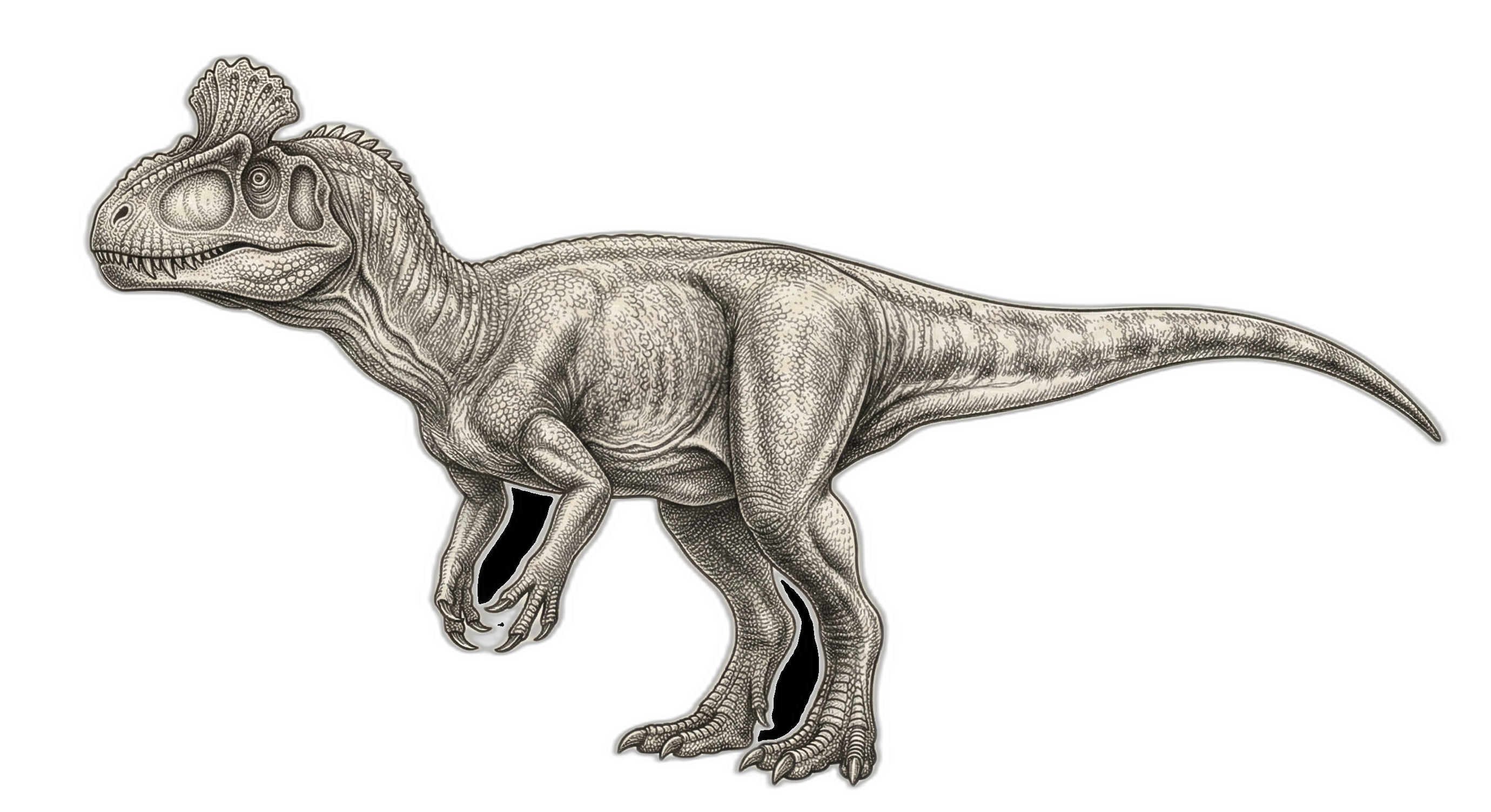
Cryolophosaurus
Cryolophosaurus ellioti
Both lived during the Early Jurassic period (around 190 mya).
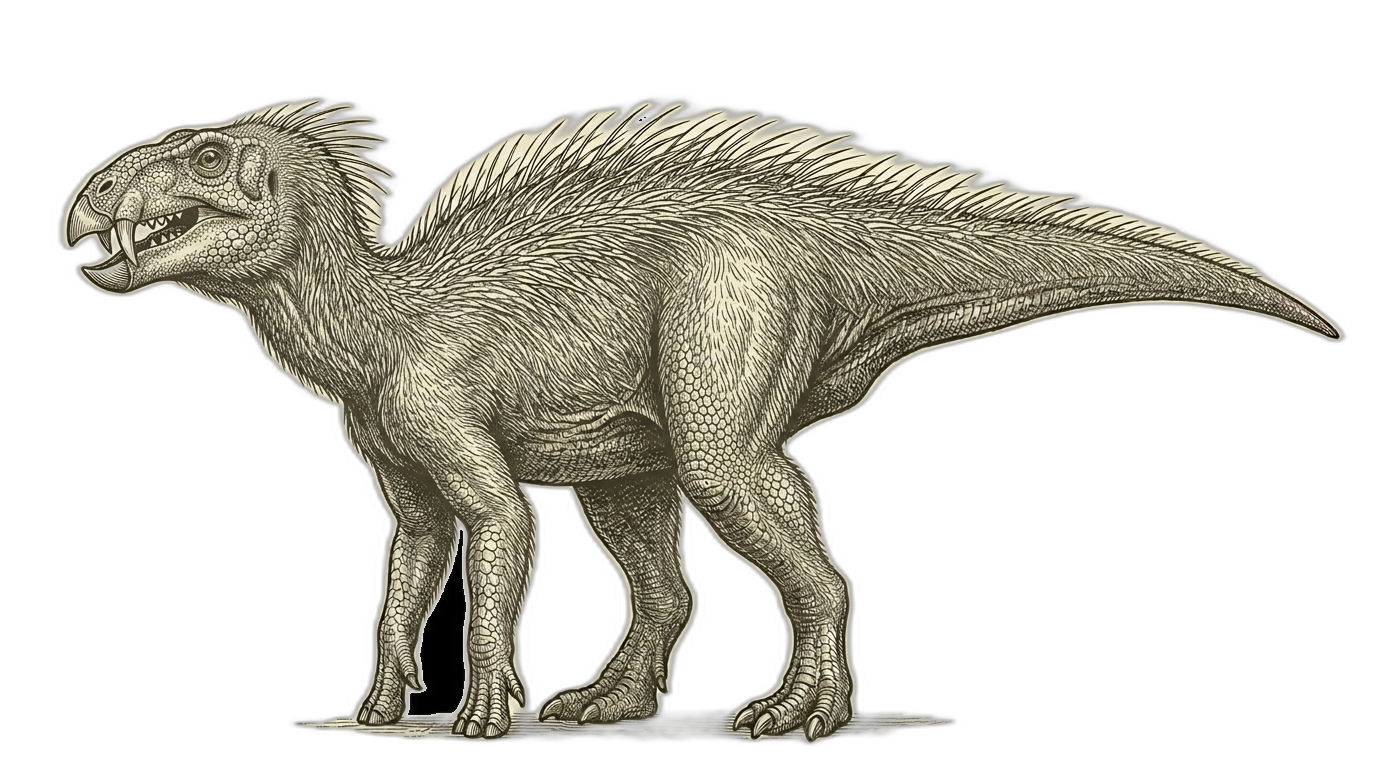
Heterodontosaurus
Heterodontosaurus tucki
Both are Early Jurassic ornithischians representing different ecological strategies - Heterodontosaurus was a small, agile herbivore while Scelidosaurus was a larger armored form.
Sources & Citation
- Length estimates
- Norman, D.B. (2020). Scelidosaurus harrisonii from the Early Jurassic of Dorset, England. Zoological Journal of the Linnean Society.
- Height estimates
- Estimated from skeletal reconstructions in Norman (2020)
- Weight estimates
- Norman, D.B. (2020). Mass estimates based on complete skeletal material.
- Speed estimates
- Biomechanical estimate based on limb proportions and heavy body armor