About
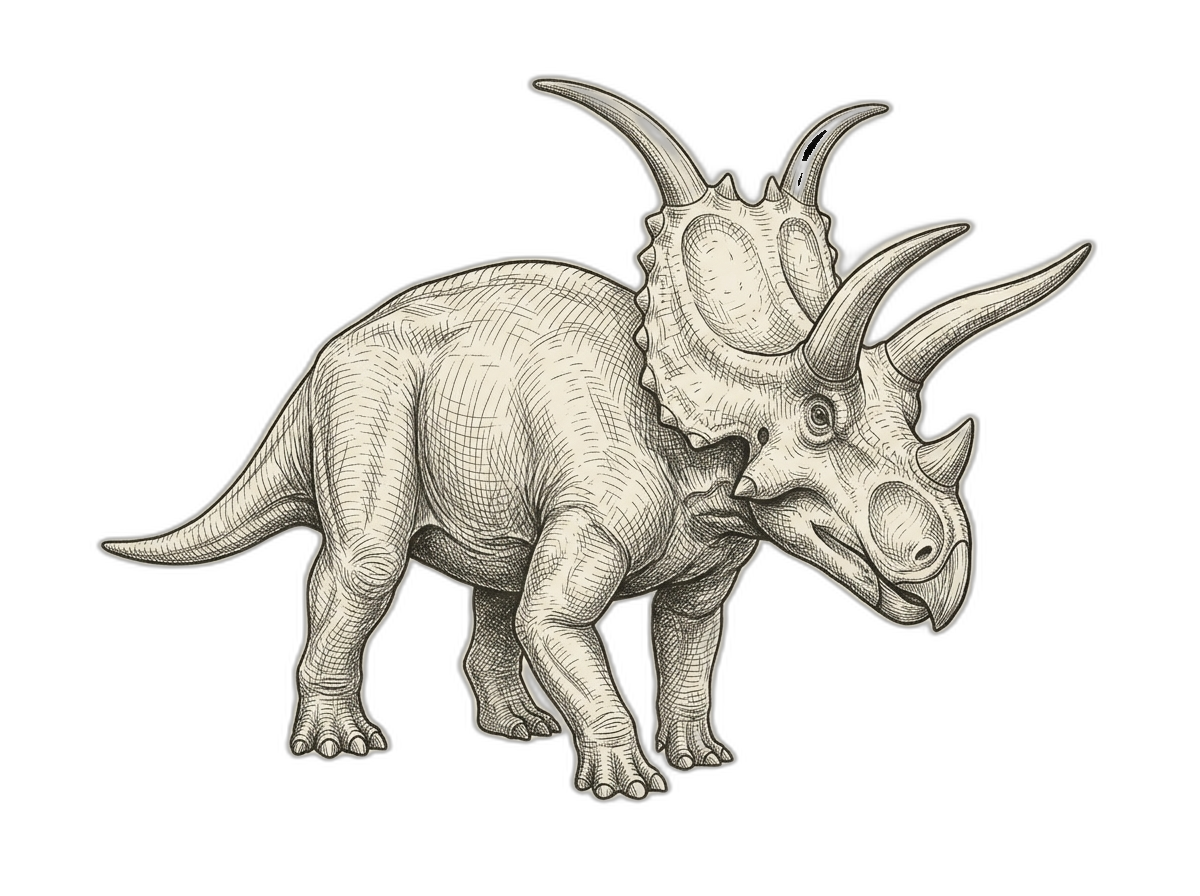
Diabloceratops eatoni was a medium-sized dinosaur that roamed the lush, subtropical forests of southern Laramidia approximately 79 million years ago. Its most striking feature was a pair of long, curved horns that swept backward from the top of its elaborate neck , giving it a devilish appearance that inspired its dramatic name. Unlike its later relatives like Triceratops, Diabloceratops had relatively small brow horns above its eyes, while its nasal horn was modest in size.
The frill of Diabloceratops was adorned with smaller hornlets along its edges, creating an impressive structure likely used for species recognition and mate selection. As a herbivore, it possessed a parrot-like beak and rows of shearing teeth perfect for processing the tough cycads, ferns, and flowering plants of its ecosystem.
Discovered in the Wahweap Formation of Grand Staircase-Escalante National Monument in Utah, Diabloceratops represents one of the oldest and most basal centrosaurine ceratopsids known from North America. Its discovery in 2002 by paleontologist Don DeBlieux filled a significant gap in the ceratopsid fossil record, demonstrating that centrosaurines had already diversified into distinctive forms by the late Campanian age. The species name honors Jeffrey Eaton, who made substantial contributions to understanding the paleontology of southern Utah.
Quick Facts
- Scientific name
- Diabloceratops eatoni
- Also known as
- Devil Horned Face
- Group
- Ceratopsian · Ceratopsidae
- Lived
- Late Cretaceous, 79.9–75.9 million years ago
- Diet
- Herbivore
- Movement
- Walked on four legs
- Fossils found in
- Kaiparowits Formation (Utah, United States)
- Discovery credited to
- 2002, Don DeBlieux
- Holotype
- UMNH VP 16699, Natural History Museum of Utah
- DinoVault record
- DVL-0039
Where fossils were found
Kaiparowits Formation
Utah · United States
79.9–75.9 million years ago(4m year span)
Where Devil Horned Face Roamed
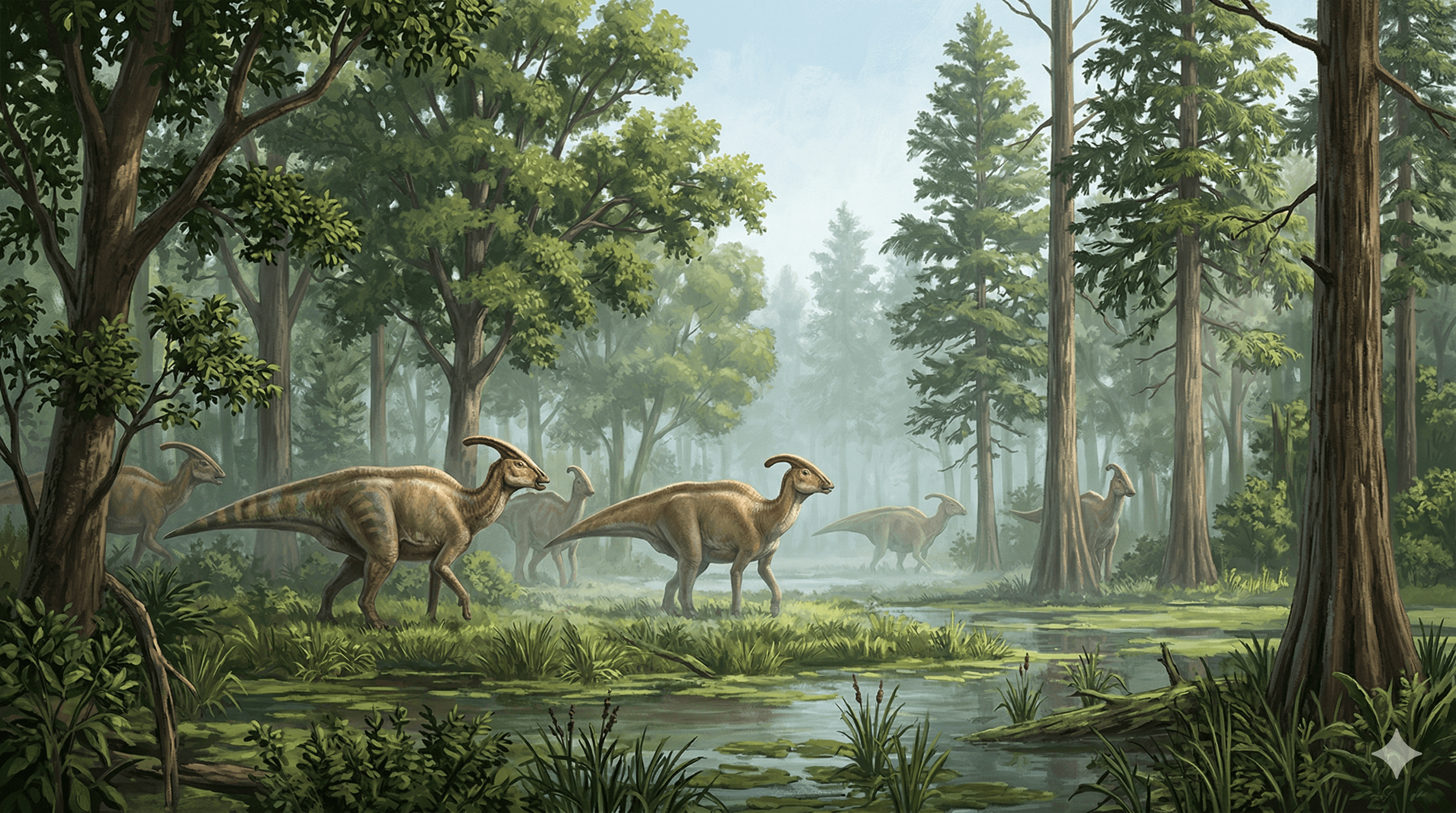
During the Late Cretaceous, *Diabloceratops eatoni* inhabited the lush coastal lowlands along the western shore of the Western Interior Seaway, a vast epicontinental sea that divided North America into two landmasses. This region, part of the island continent Laramidia, featured a warm, humid subtropical climate with extensive floodplains, meandering rivers, and dense vegetation that supported a diverse community of dinosaurs.
Keep exploring the vault
Kosmoceratops
Kosmoceratops richardsoni
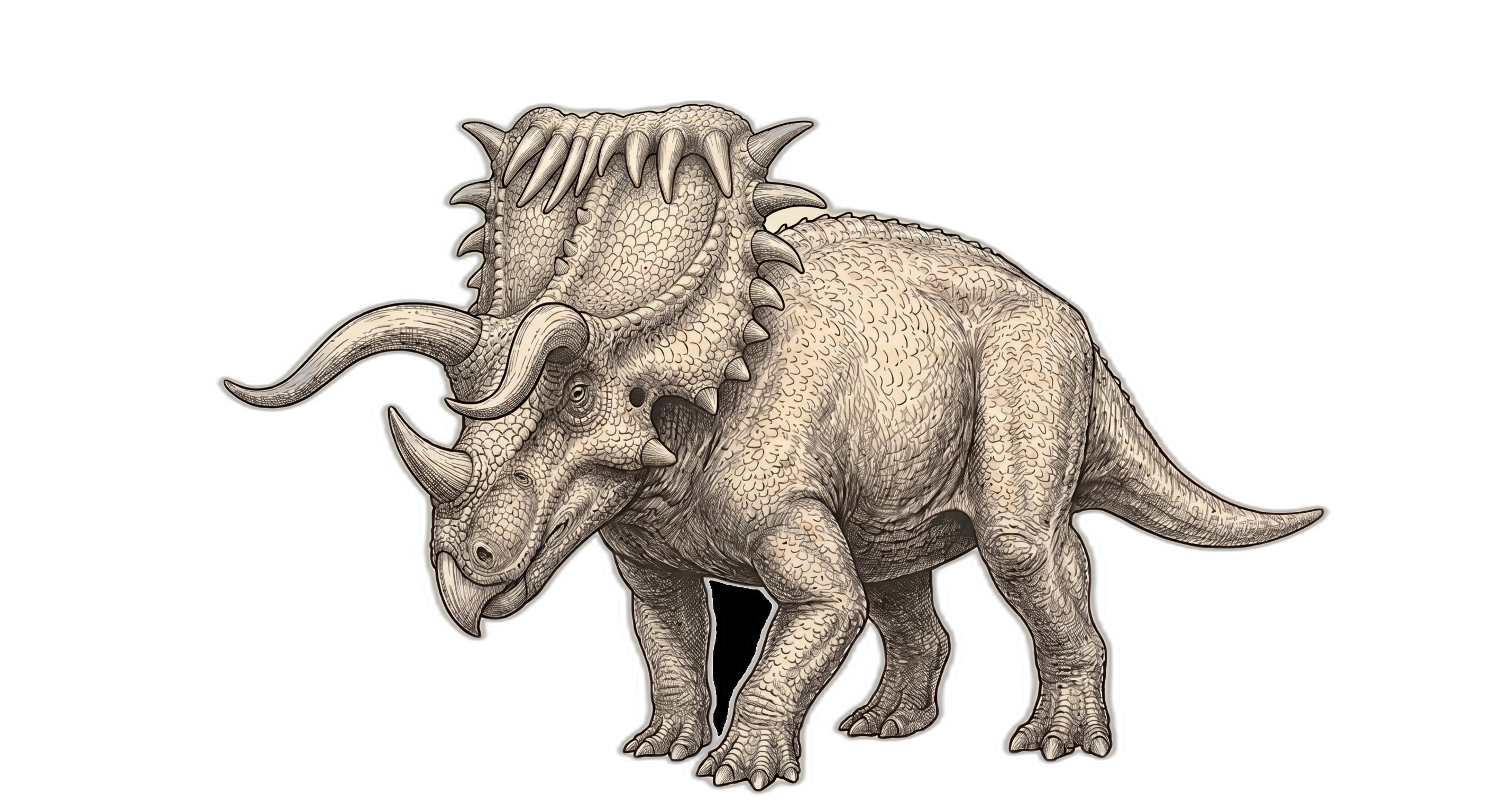
Both ceratopsids from the Kaiparowits Formation with overlapping size ranges (Diabloceratops 1500kg, Kosmoceratops 1200kg), competing for similar low-browse vegetation.
Centrosaurus
Centrosaurus apertus
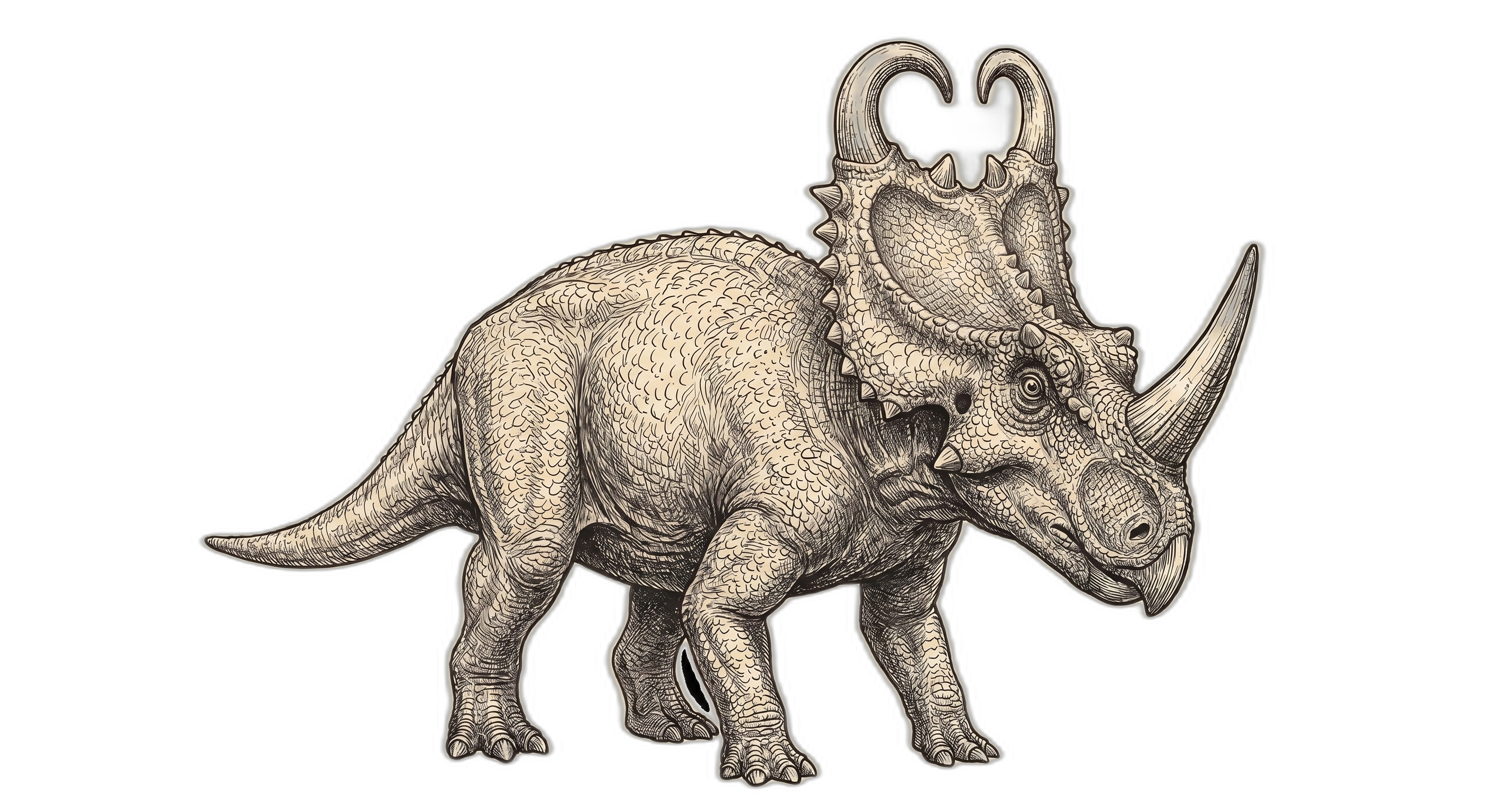
Both centrosaurine ceratopsids that independently evolved elaborate nasal horn structures and frill ornamentation.
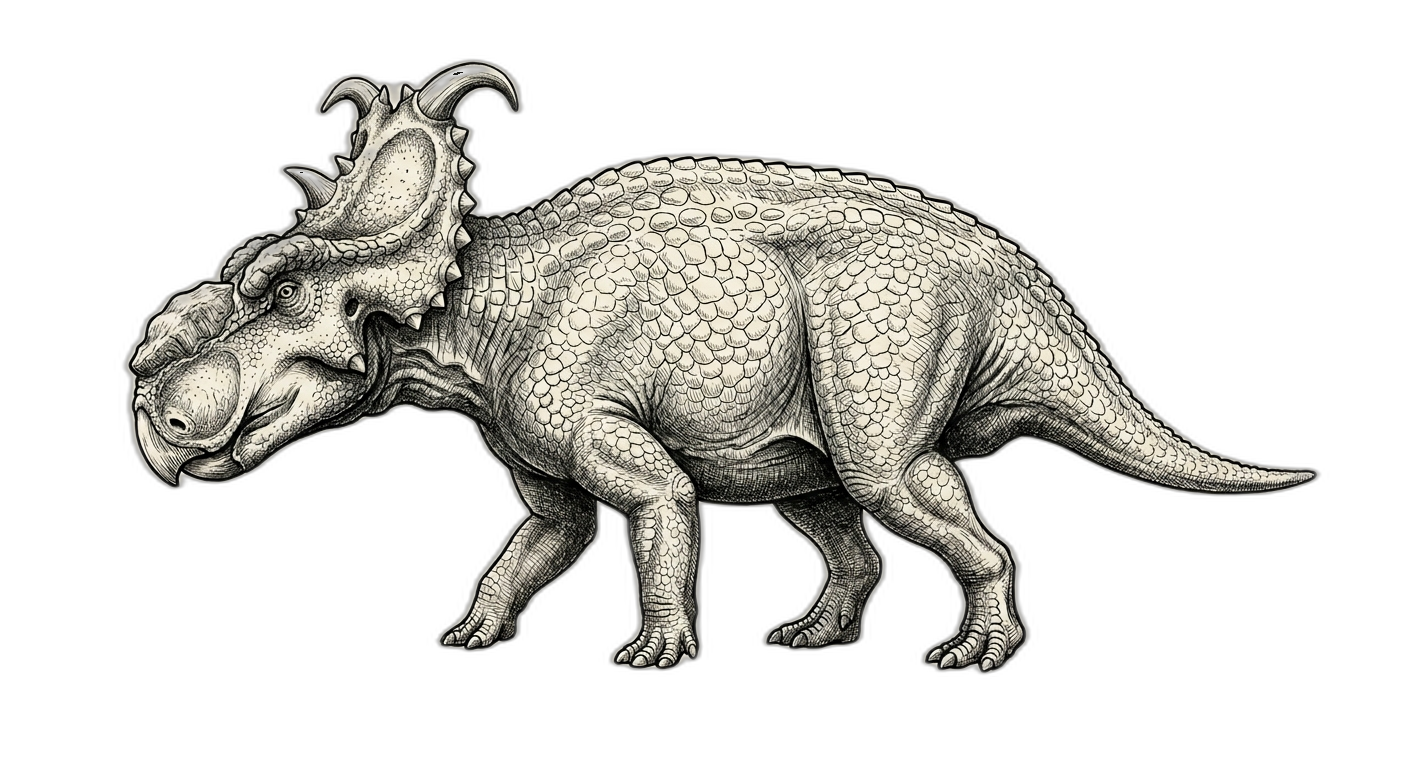
Pachyrhinosaurus
Pachyrhinosaurus canadensis
Same family: Ceratopsidae
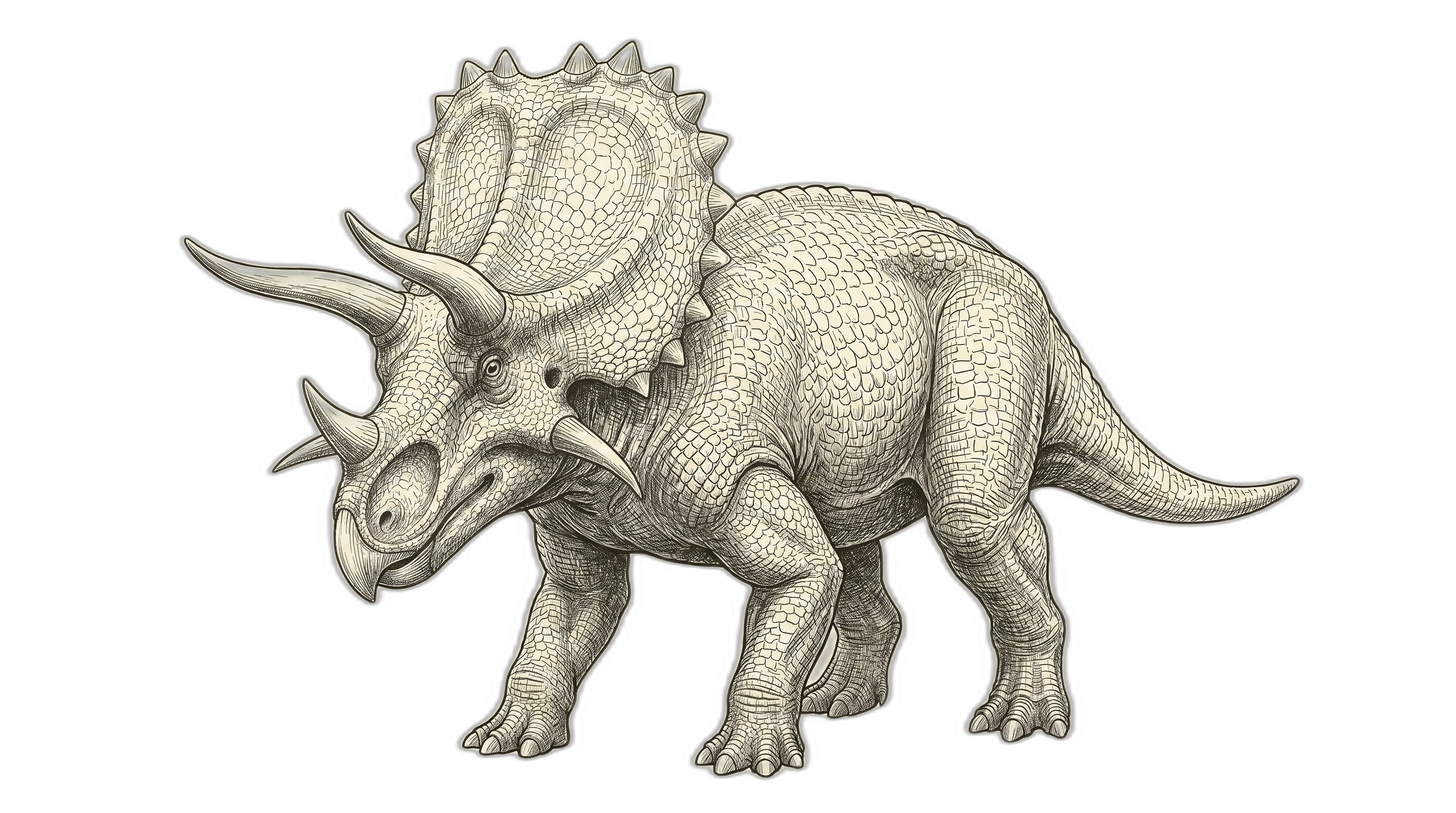
Pentaceratops
Pentaceratops sternbergii
Same family: Ceratopsidae
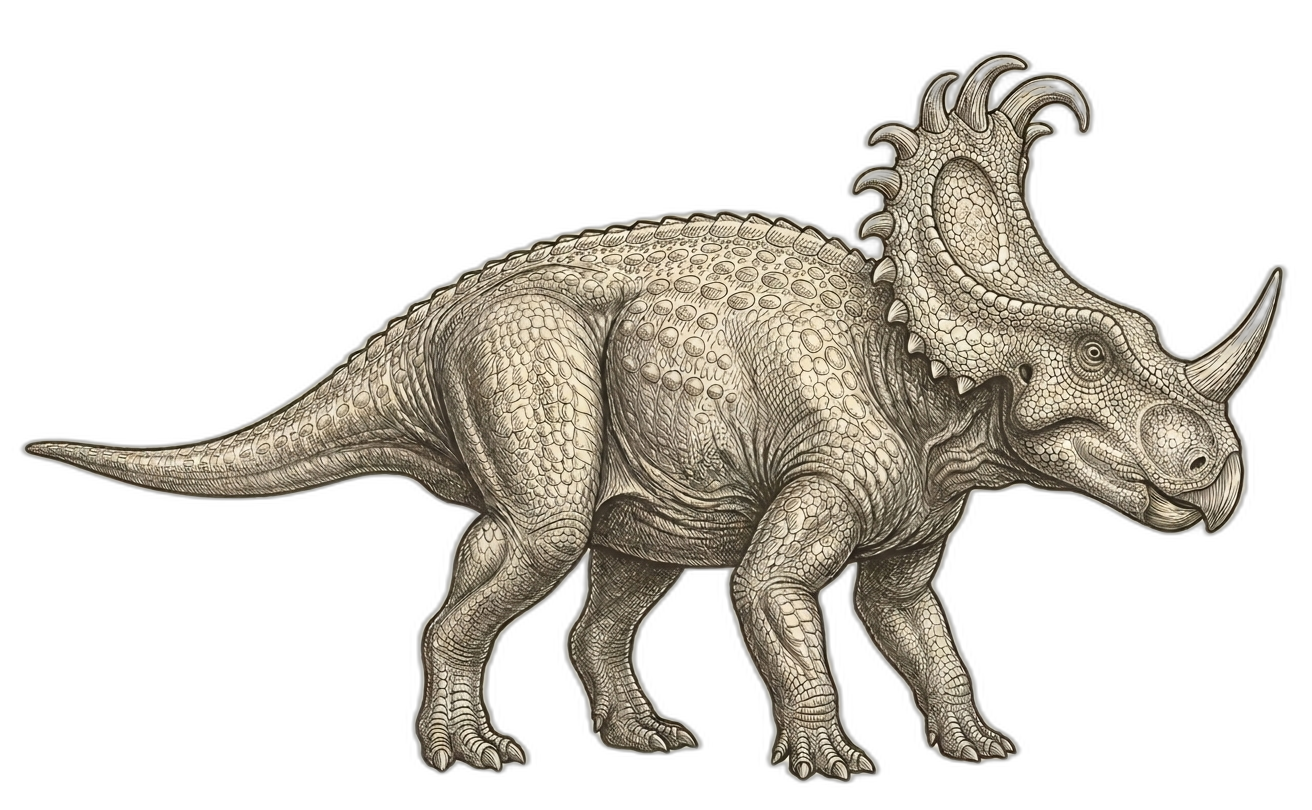
Sinoceratops
Sinoceratops zhuchengensis
Same family: Ceratopsidae
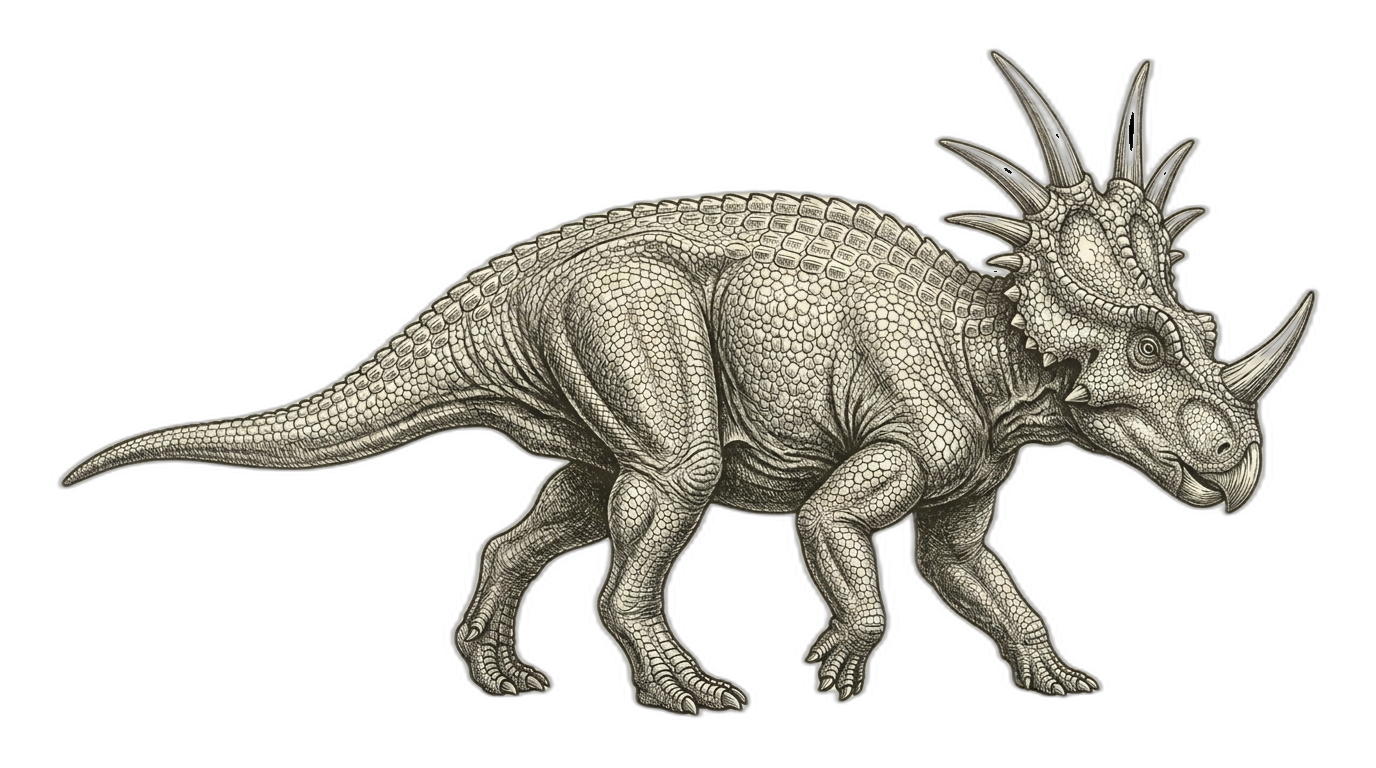
Styracosaurus
Styracosaurus albertensis
Both centrosaurine ceratopsids exploring the evolutionary theme of elaborate frill spikes and horn ornamentation.
Sources & Citation
- Length estimates
- Kirkland & DeBlieux, 2010; estimates based on skull and partial postcranial material
- Height estimates
- Estimate based on body proportions of related centrosaurines
- Weight estimates
- Estimate based on body size comparisons with related ceratopsids; no direct mass studies available
- Speed estimates
- Biomechanical estimate based on quadrupedal ceratopsid locomotion studies