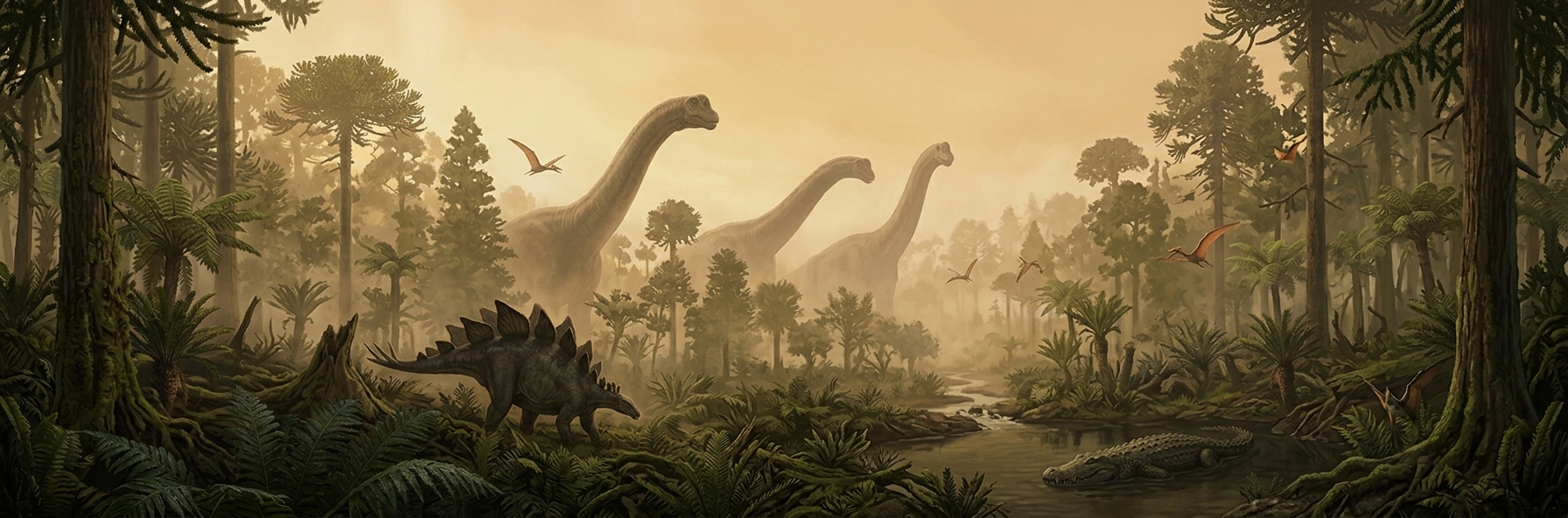
Catastrophe! Three-quarters of all of earth's species are dead, as volcanos have begun ripping the planet open and filling the air and oceans with poisonous gases and acids. The end-Triassic extinction has scorched the earth clean. This is where the Jurassic era begins.
Over the next 56 million years, the planet reinvents itself. Pangaea splits apart. The Atlantic Ocean is slowly born from a small crack into a mighty sea. As the continents drift, shallow waters flood the gaps between them, humidifying the air and warming the climate until there is no ice left anywhere on Earth. Forests blanket the land from the tropics to the Arctic Circle. This is a greenhouse world in full bloom.
Into this abundance step the dinosaurs. Long-necked sauropods grow to sizes that still strain belief, with Brachiosaurus rising 9 meters (30 feet) at the shoulder and Diplodocus stretching 26 meters (85 feet) from nose to tail. The ferocious Allosaurus patrols the Morrison Formation, while Yangchuanosaurus dominated what is now China with its serrated teeth and sharp claws. And 150 million years ago, in what is now Germany, something extraordinary appears: Archaeopteryx, feathered and winged — the first bird. The Jurassic is the moment life figures out how to fly.
Key Events
201 Mya
Triassic-Jurassic Mass Extinction Event
195 Mya
Early Dinosaur Diversification Begins
180 Mya
Pangaea Splits Into Two Landmasses
170 Mya
Warm Global Temperatures Peak
160 Mya
First Feathered Dinosaurs Appear
150 Mya
Archaeopteryx Takes Flight
145 Mya
Jurassic-Cretaceous Boundary Transition
Life in the Jurassic
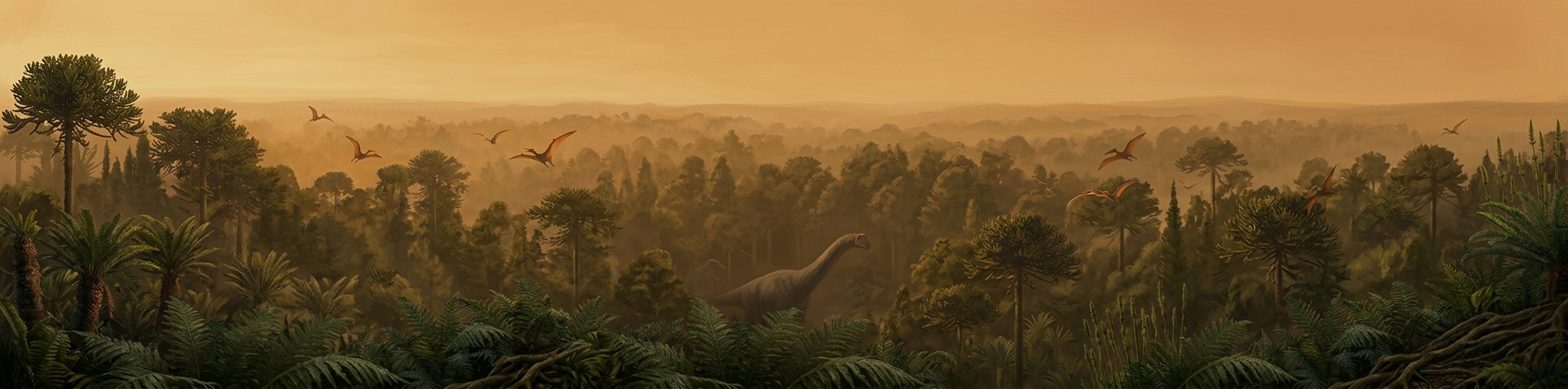
The Jurassic is the peak of the dinosaur experiment. Sauropods reach their greatest sizes: Brachiosaurus at 26 meters (85 feet), Diplodocus stretching 27 meters (89 feet), some Supersaurus individuals possibly pushing 33 meters (108 feet) — animals so large their footsteps shook the ground. Allosaurus hunts in the shadow of these giants, slashing downward with a skull built like a hatchet rather than crushing like a vice. Stegosaurus and Kentrosaurus armor up in response. Above the treeline, pterosaurs with wingspans exceeding 6 meters (20 feet) cruise coastal shallows for fish. And in the undergrowth, something small and feathered is figuring out that forelimbs are useful for more than grasping.
The World of the Jurassic
During the Jurassic Period, the supercontinent Pangaea continued the breakup that began in the Late Triassic, splitting into the northern landmass Laurasia and the southern landmass Gondwana as the Central Atlantic Ocean widened between them. The Tethys Sea dominated the east, separating these two supercontinents and creating warm, shallow marine environments that extended across much of Europe as epicontinental seaways flooded low-lying regions. By the Late Jurassic, Gondwana itself began fragmenting as rifts opened between Africa and South America and between Africa and Antarctica-Australia, setting the stage for the isolated continents we recognize today. This era stands apart from the preceding Triassic—when Pangaea remained largely intact—and the following Cretaceous, when continental separation accelerated dramatically and the Atlantic became a true ocean rather than a narrow seaway.
Continent Configuration
Pangaea split into two major landmasses—Laurasia in the north and Gondwana in the south—separated by the widening Tethys Sea, while the early Atlantic Ocean began opening as a narrow seaway.
Notable Seaways
Tethys Sea · Panthalassa Ocean · Proto-Atlantic Ocean · Sundance Sea
Species of the Jurassic
45 species in the DinoVault collection
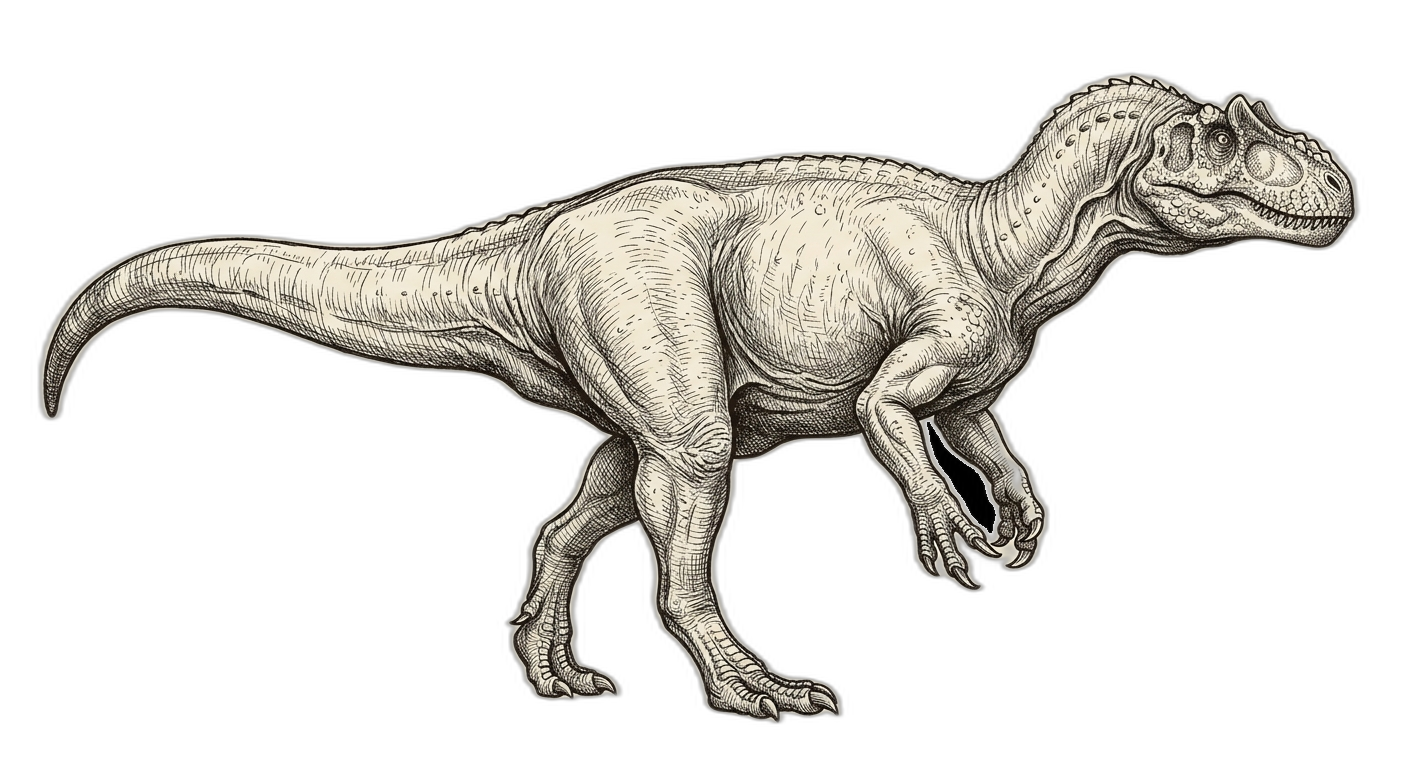
Allosaurus fragilis
8.5m long
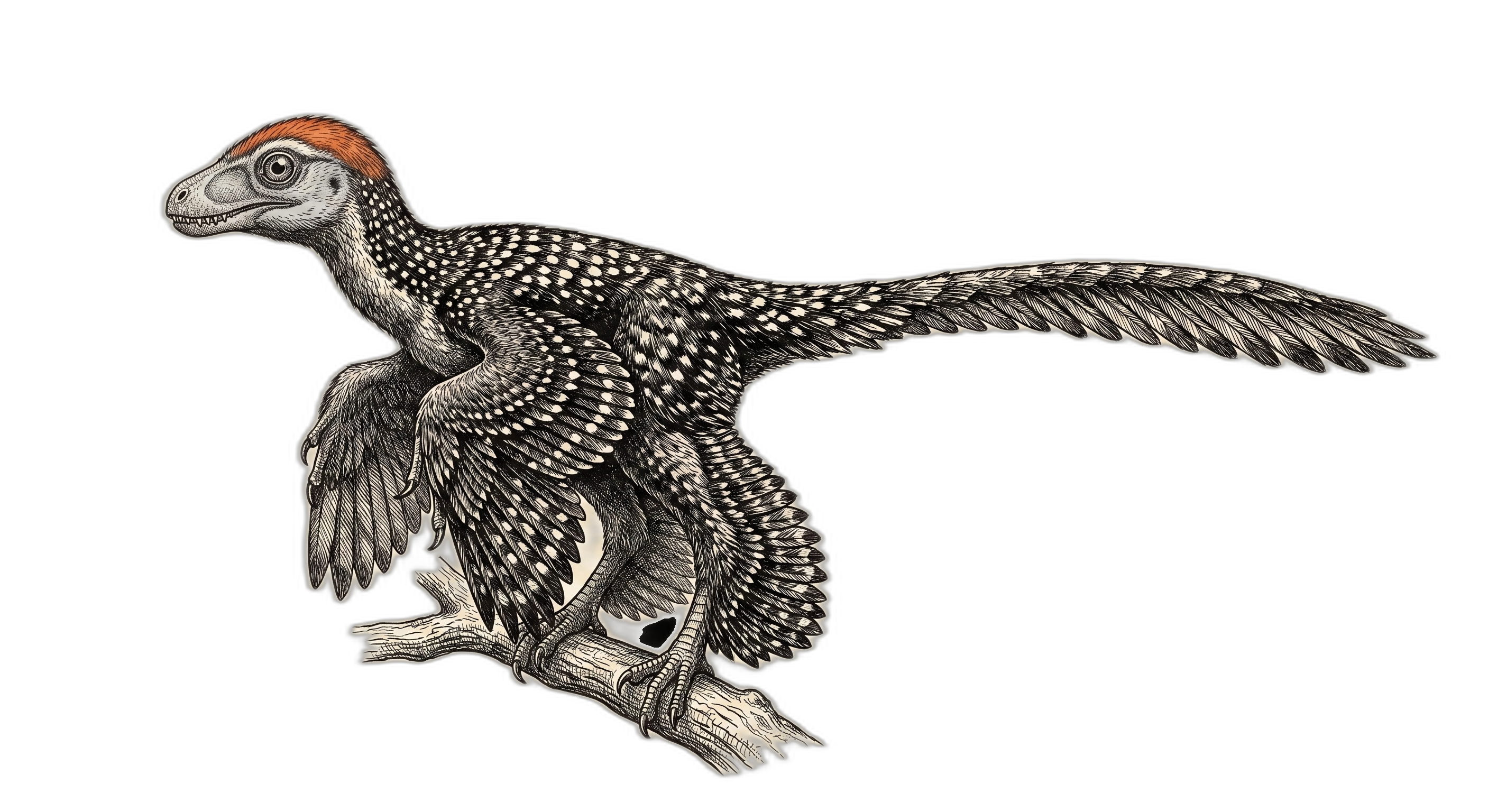
Anchiornis huxleyi
0.4m long
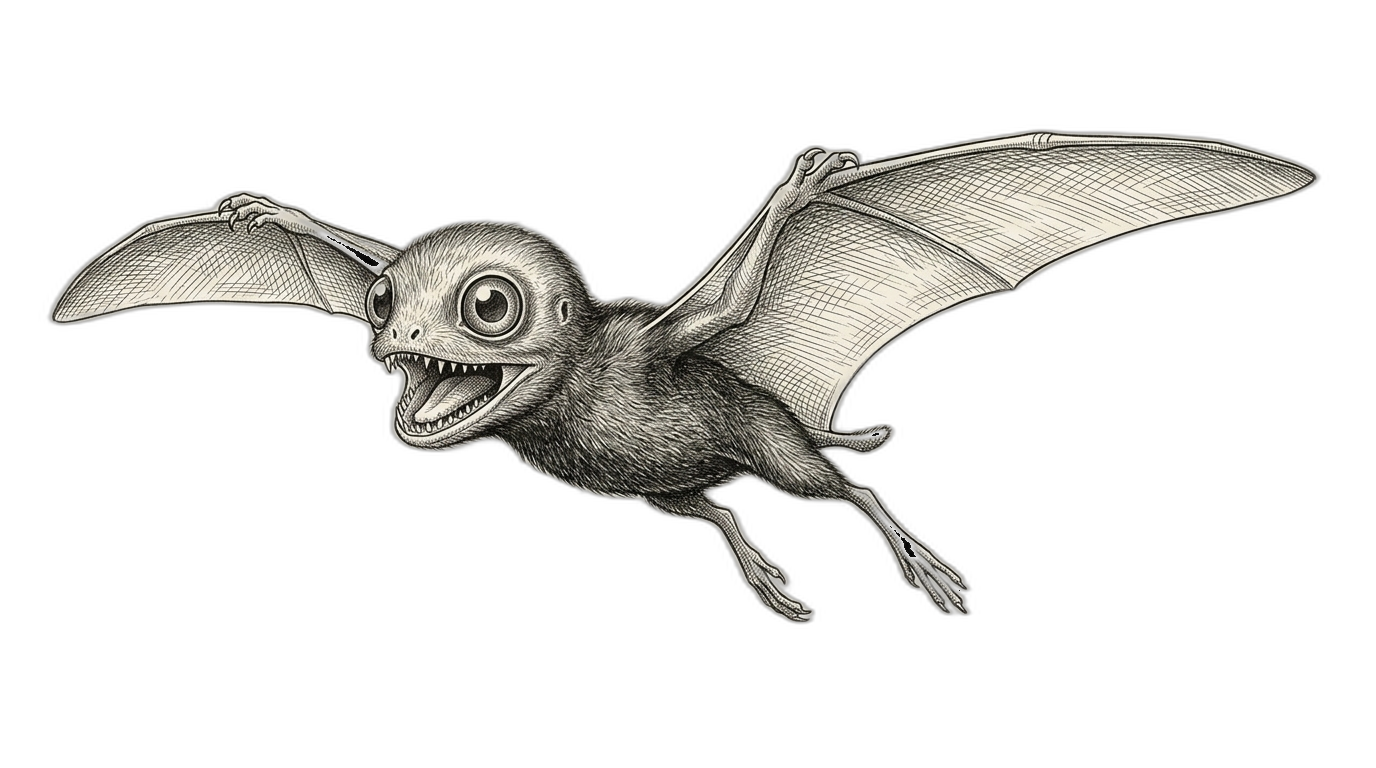
Anurognathus ammoni
0.09m long
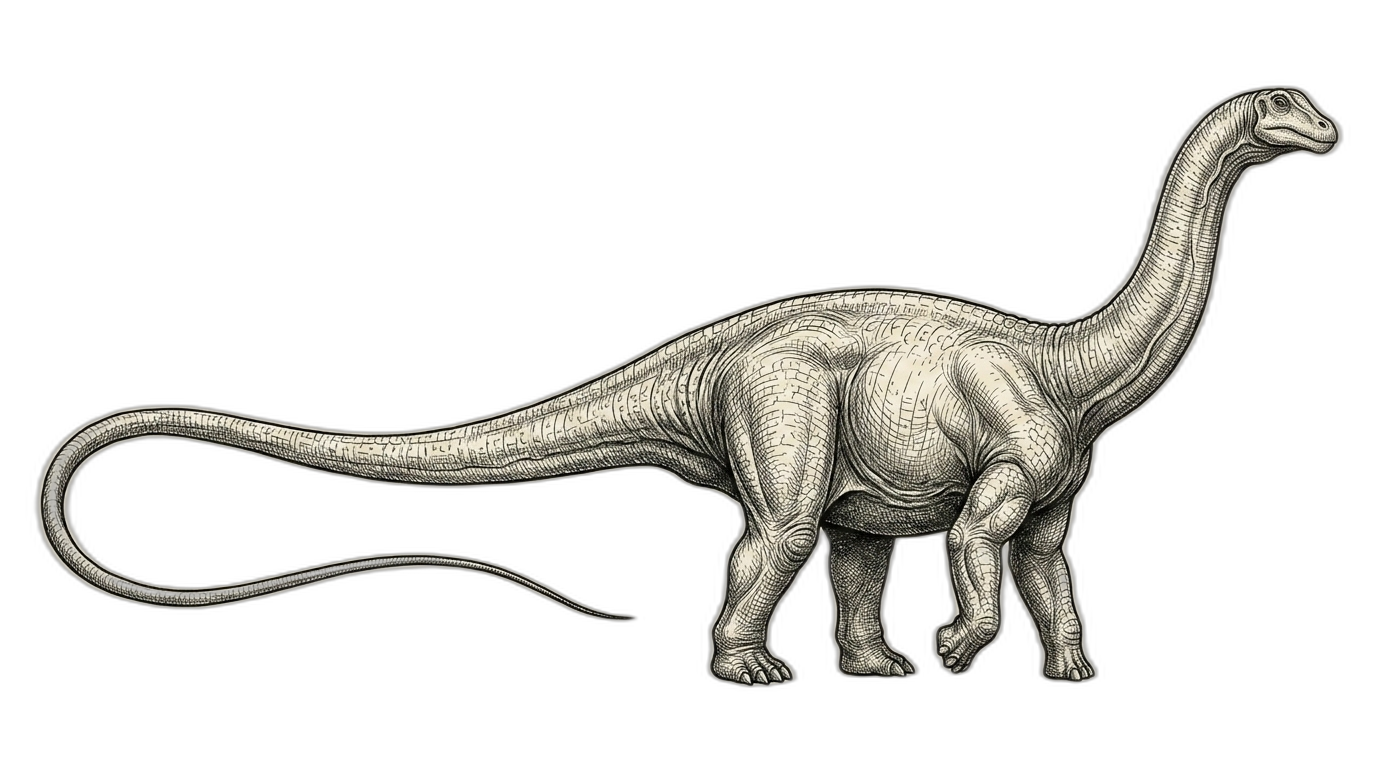
Apatosaurus ajax
21m long
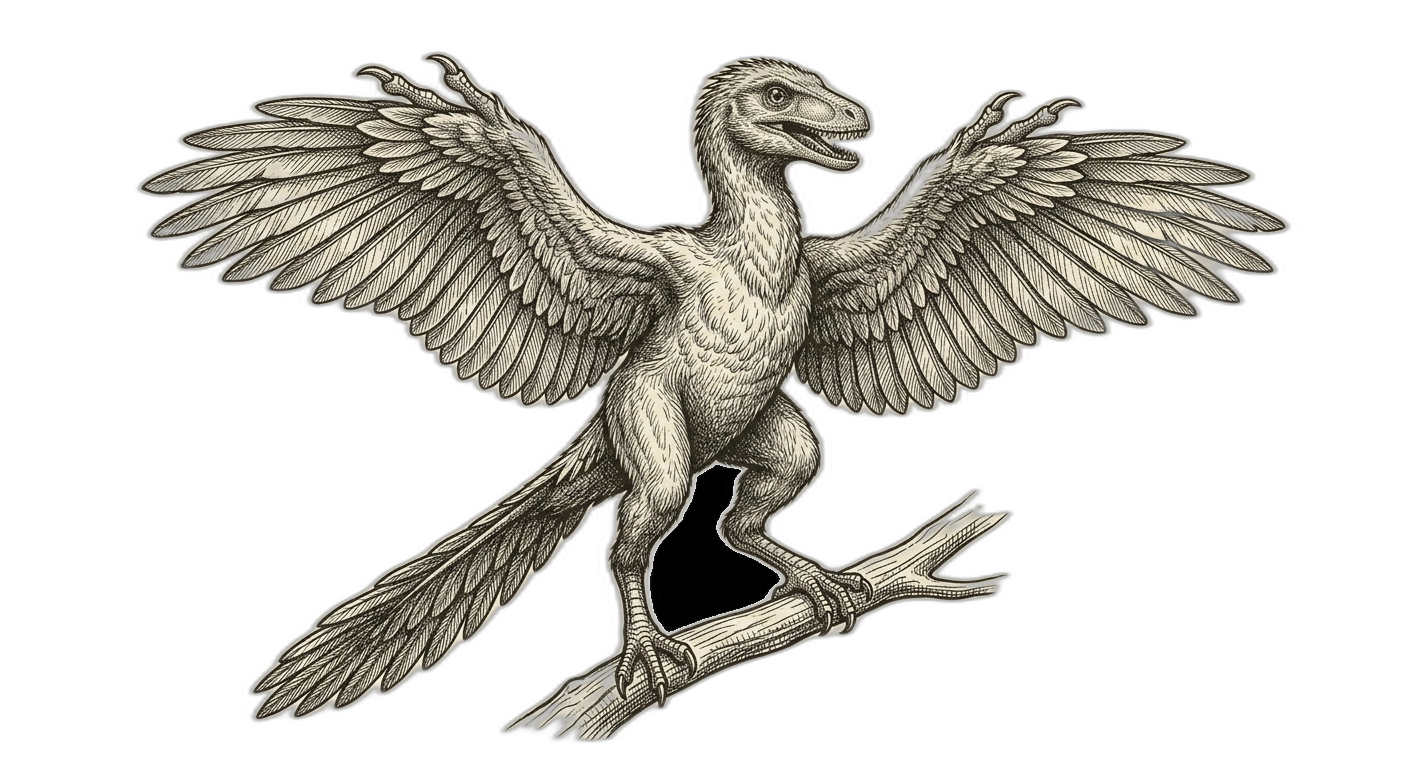
Archaeopteryx lithographica
0.5m long
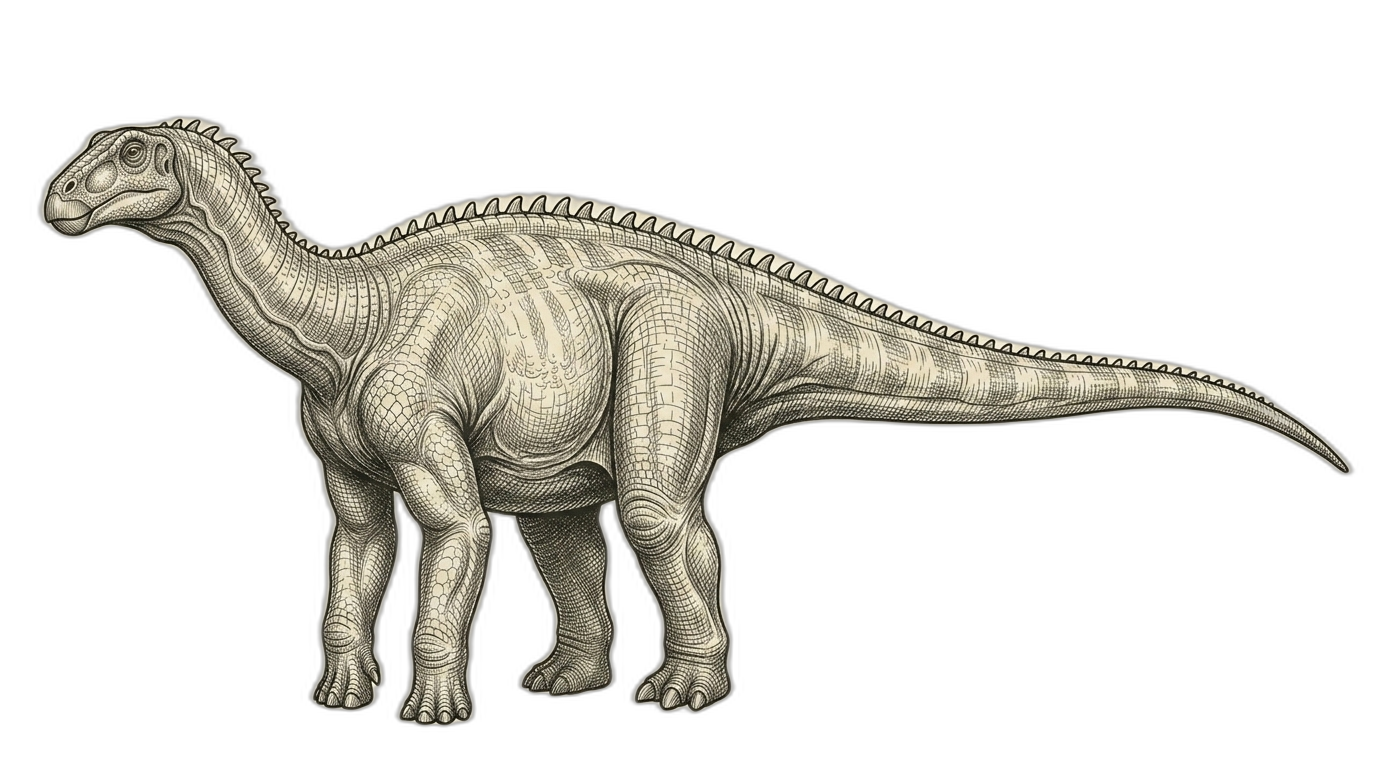
Barapasaurus tagorei
14m long
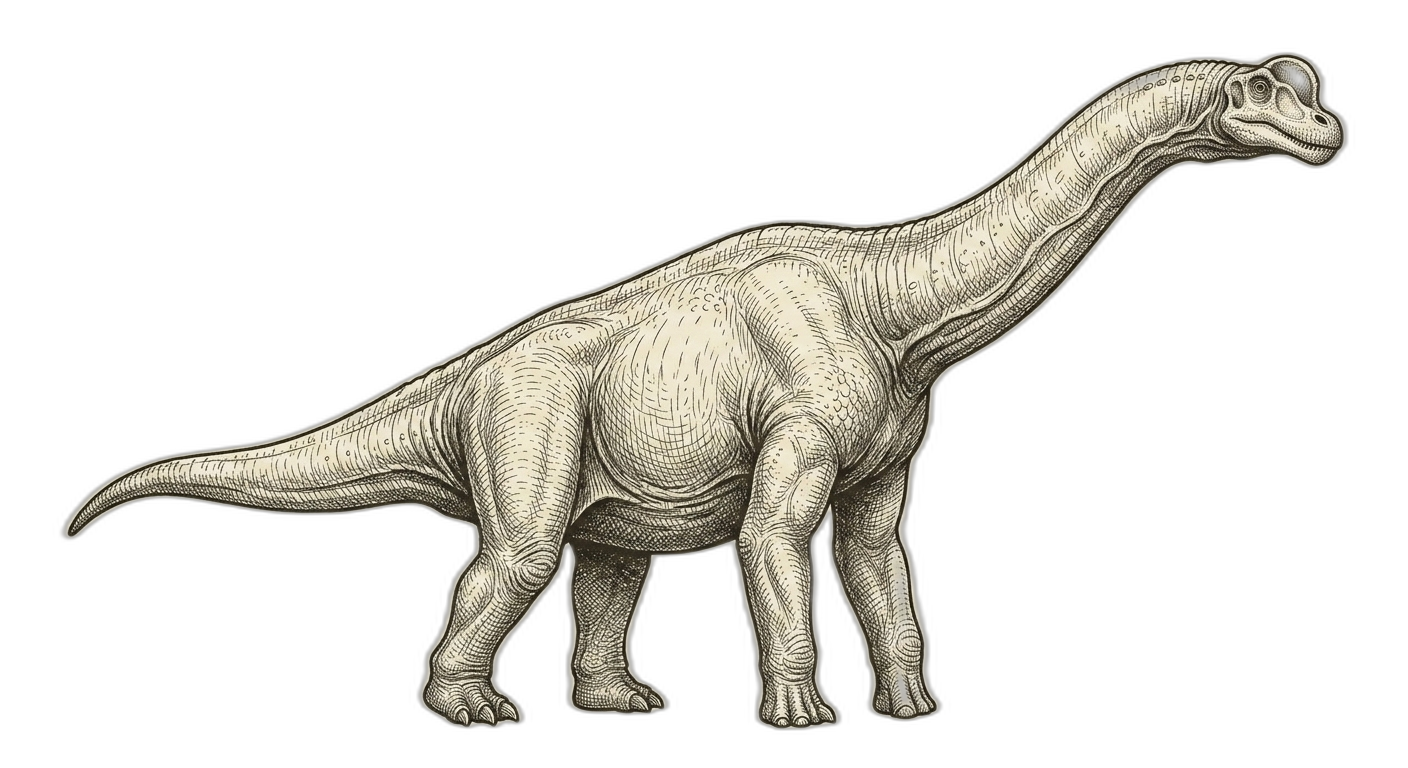
Brachiosaurus altithorax
22m long
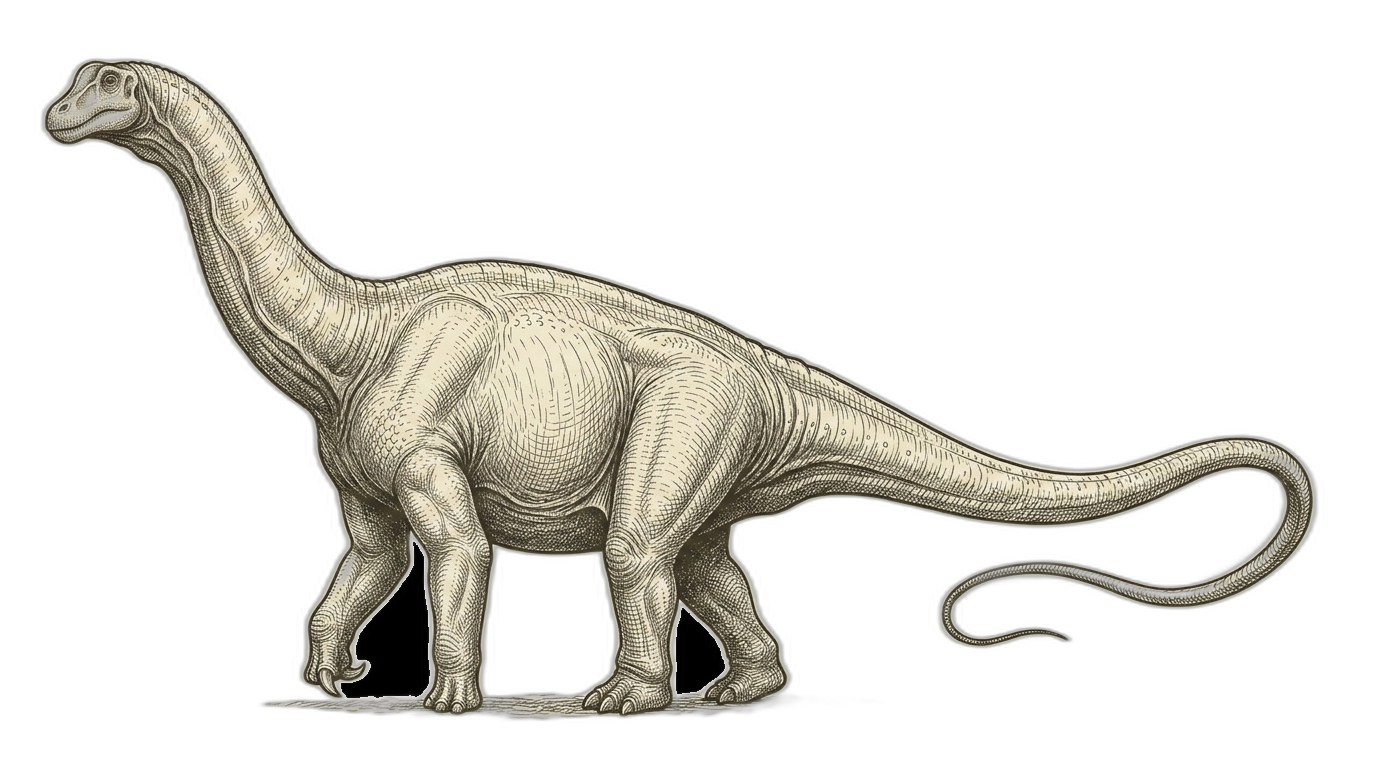
Brontosaurus excelsus
22m long
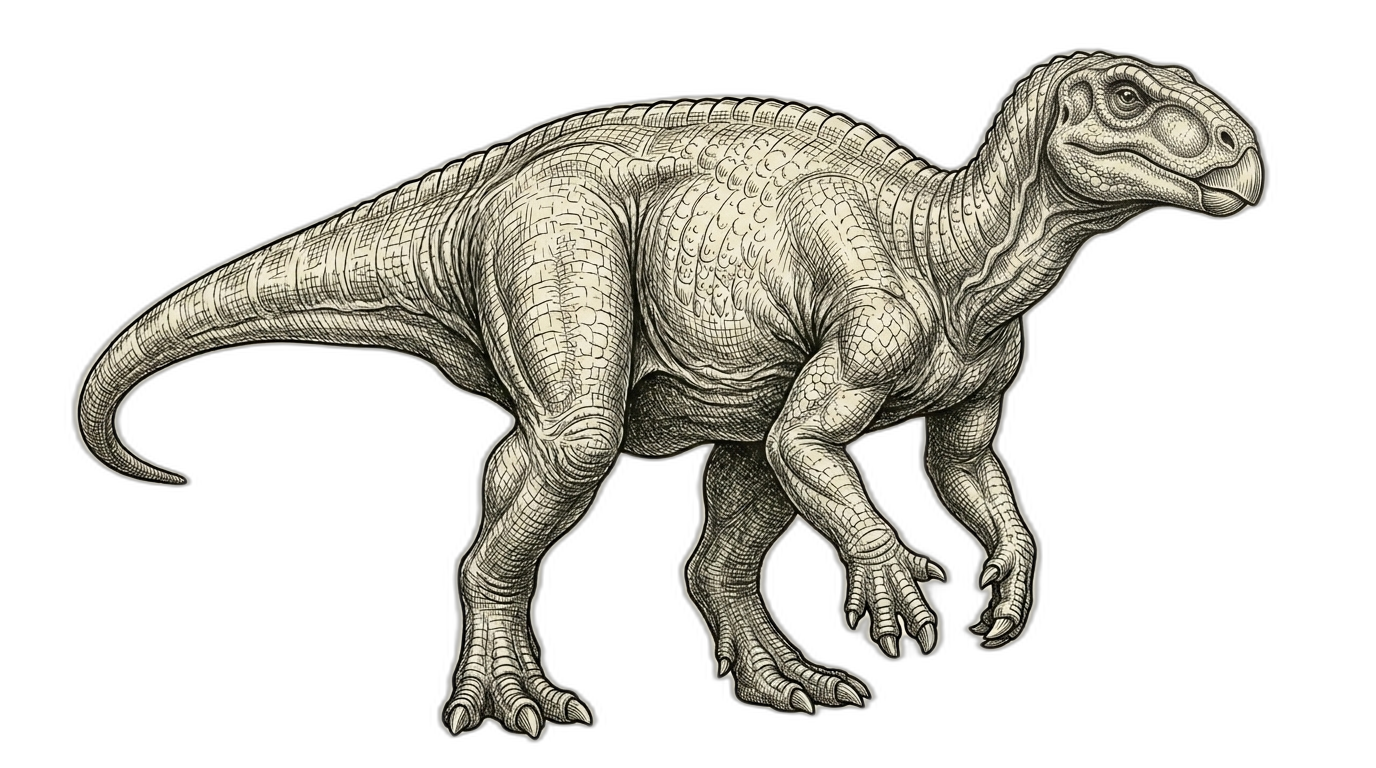
Camptosaurus dispar
6m long
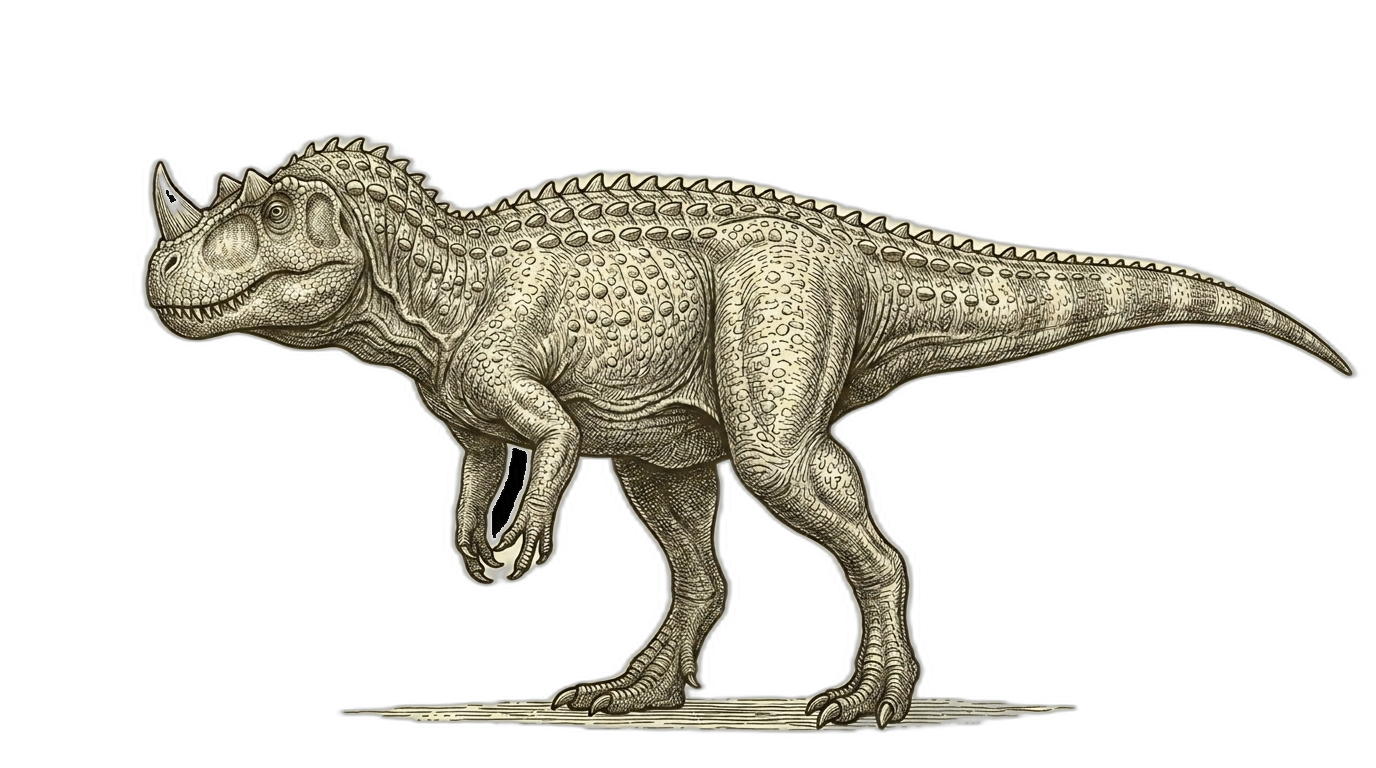
Ceratosaurus nasicornis
6m long
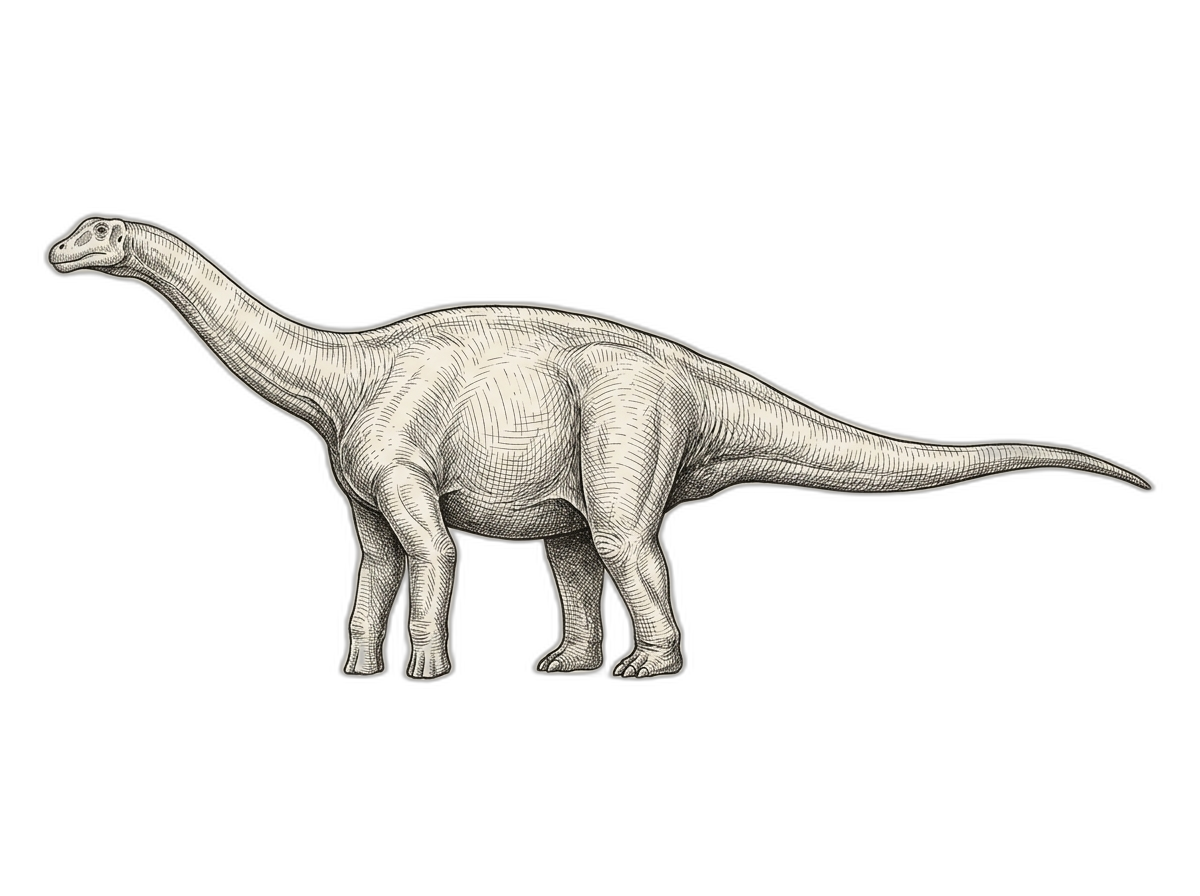
Cetiosaurus oxoniensis
16m long
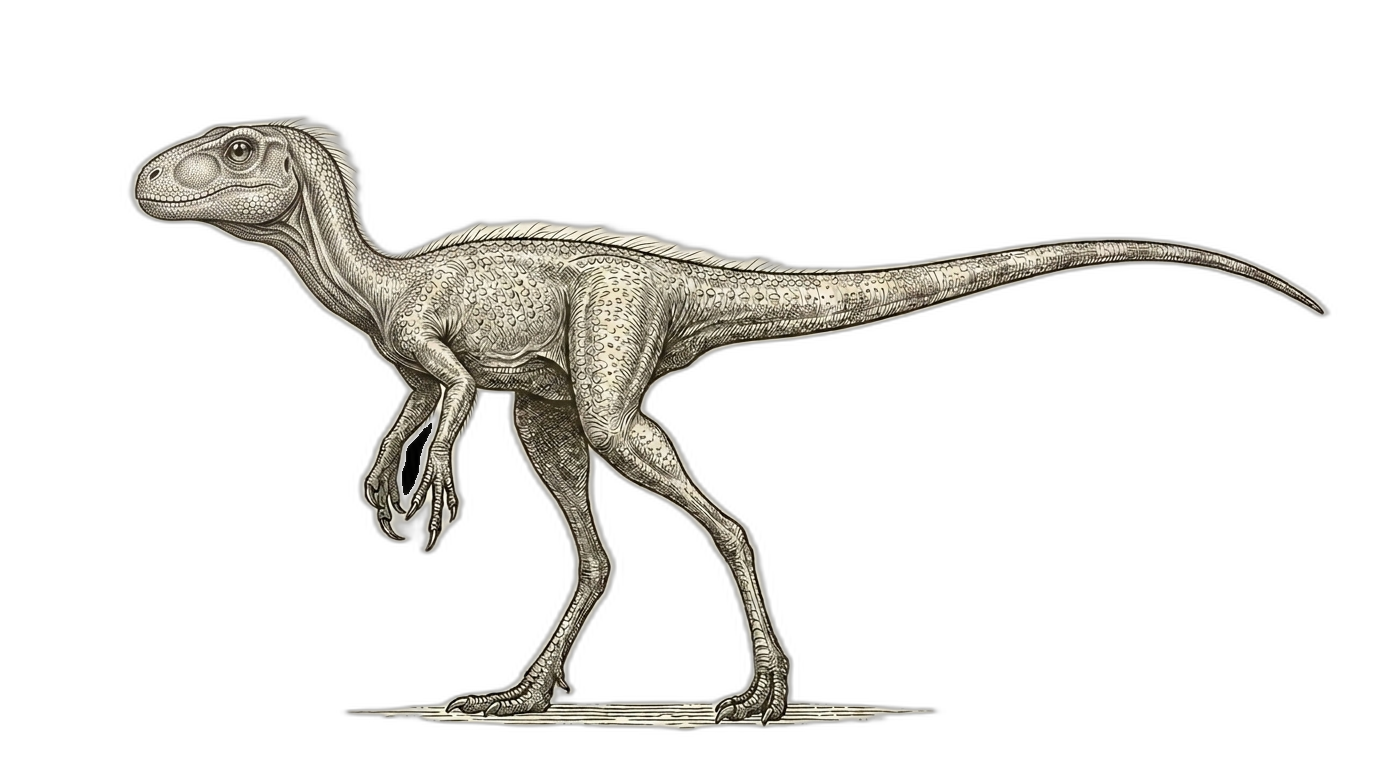
Compsognathus longipes
1m long
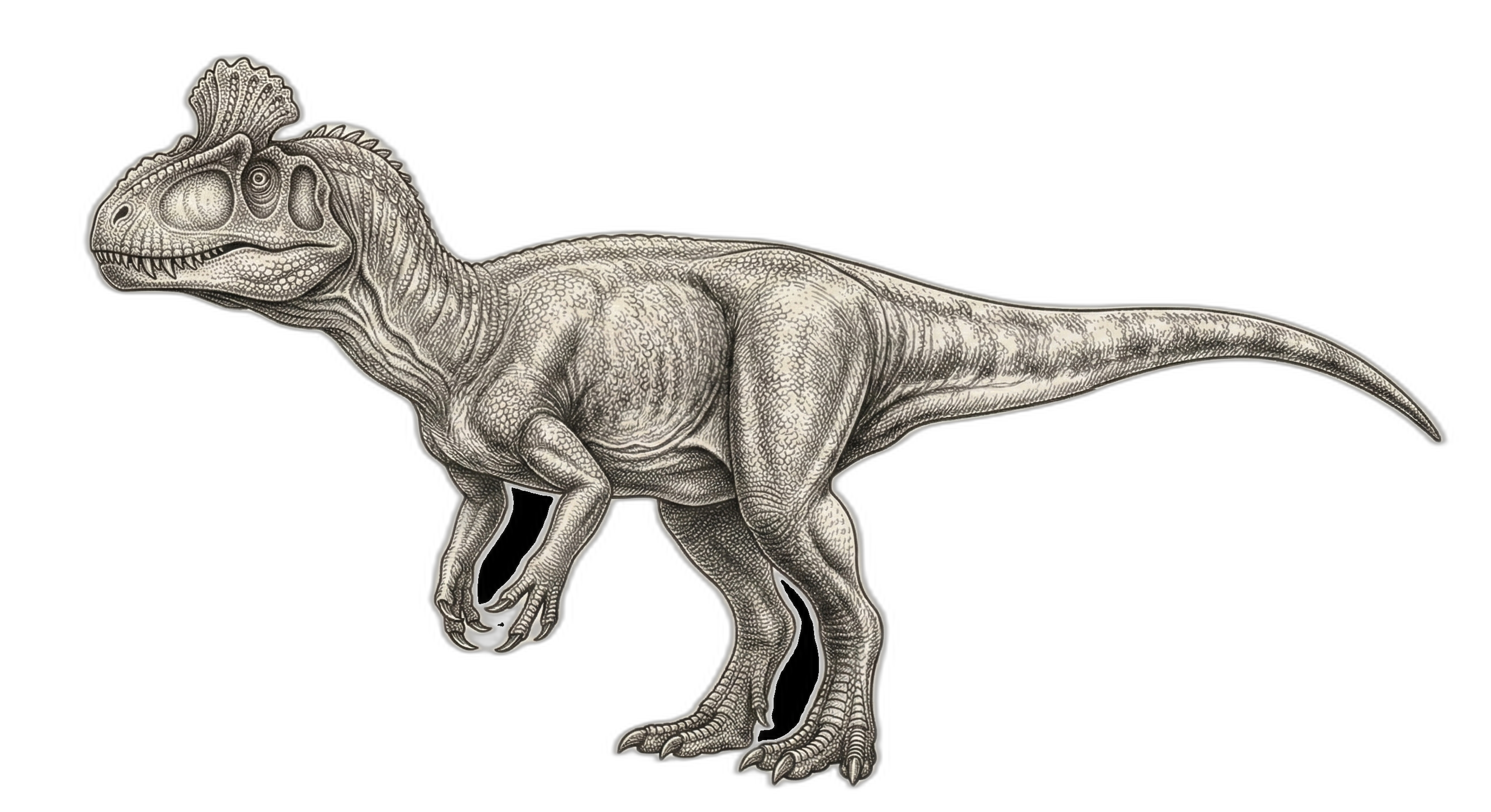
Cryolophosaurus ellioti
6.5m long
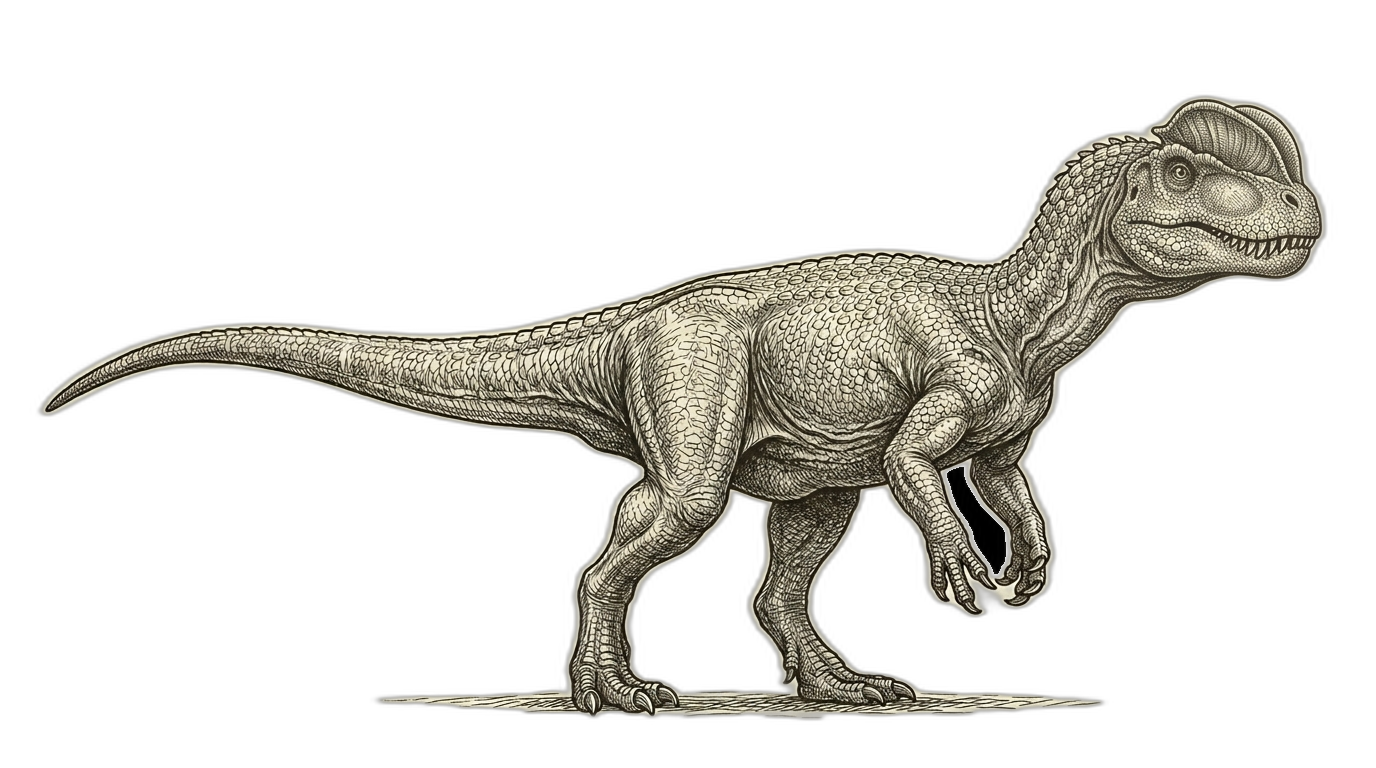
Dilophosaurus wetherilli
6.5m long
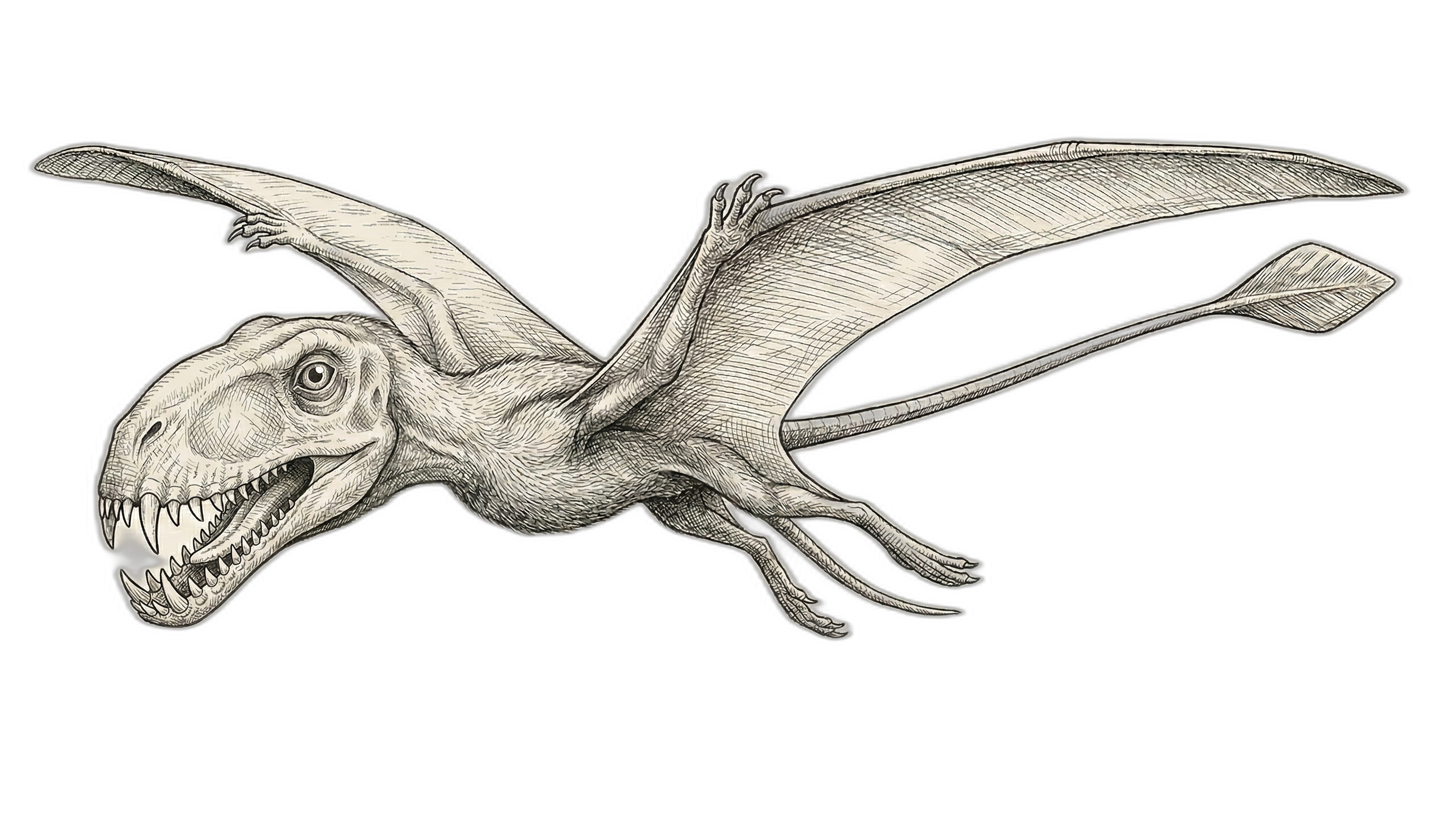
Dimorphodon macronyx
1m long
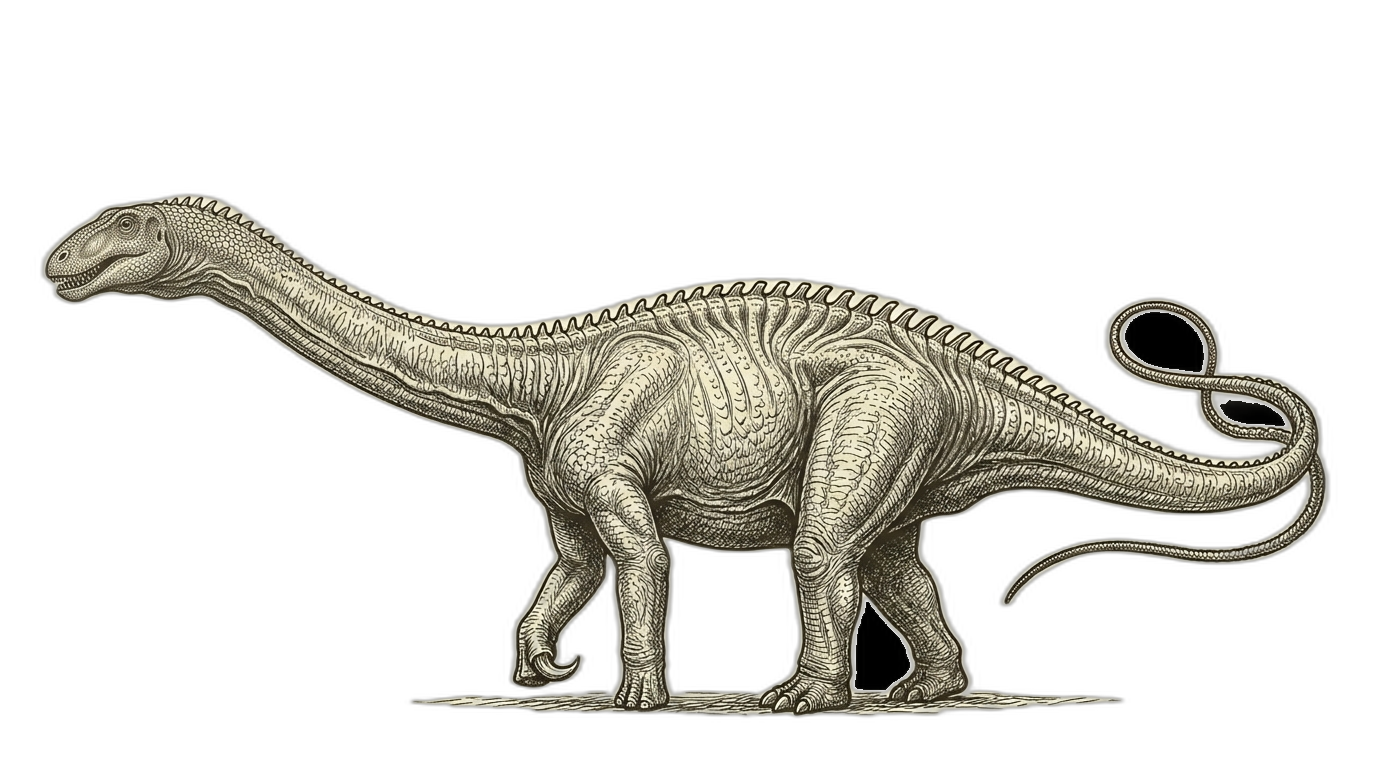
Diplodocus carnegii
25m long
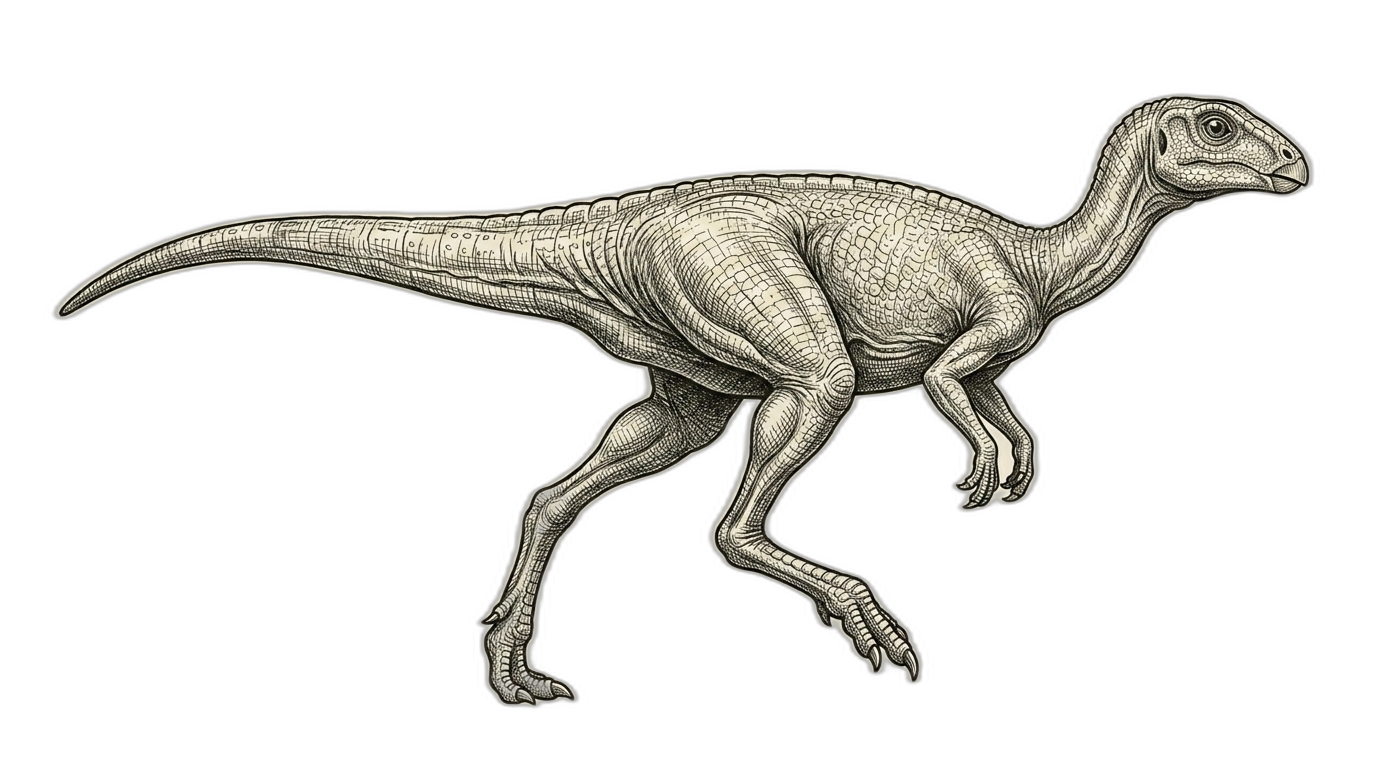
Dryosaurus altus
3m long
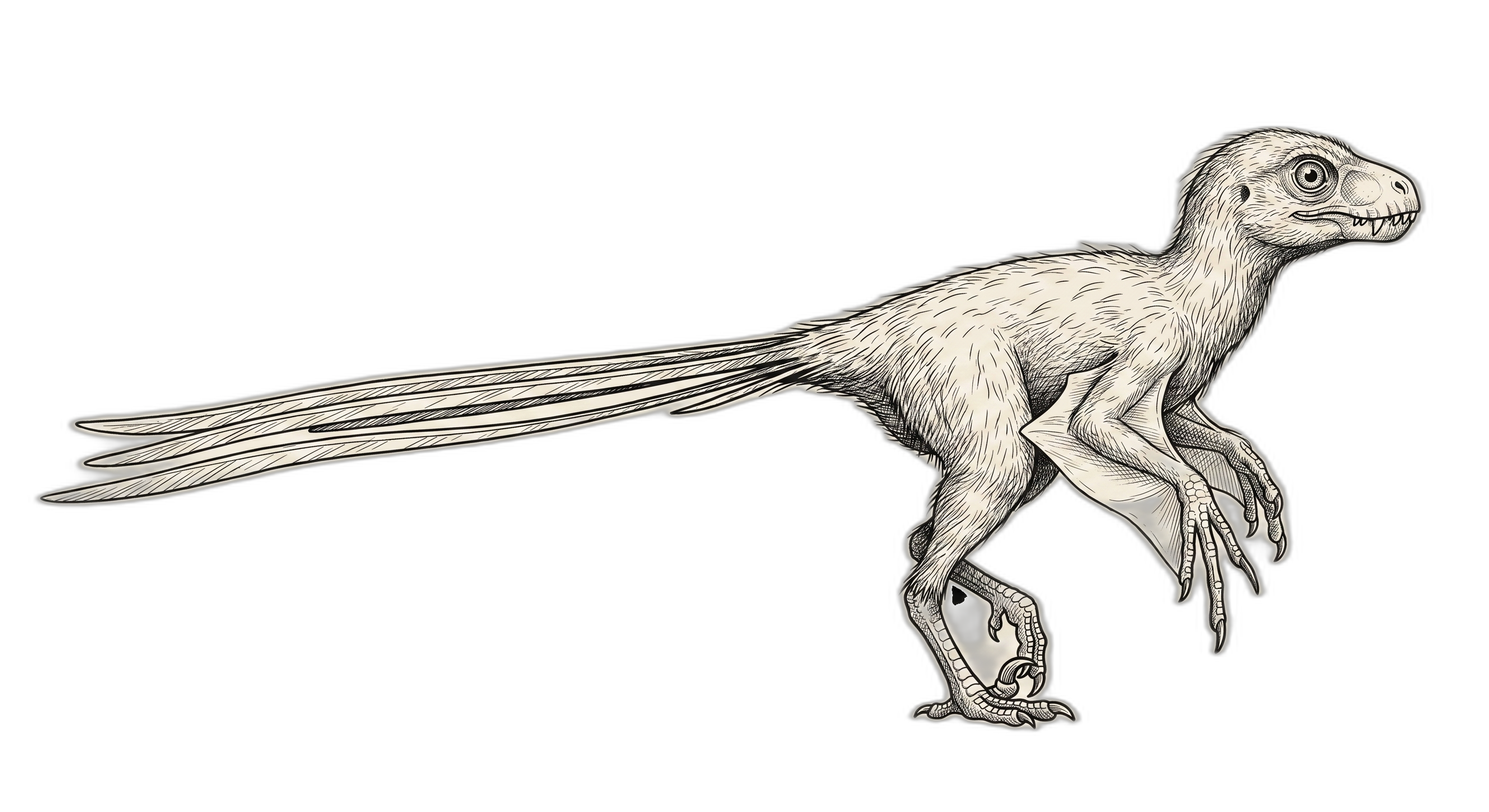
Epidexipteryx hui
0.25m long
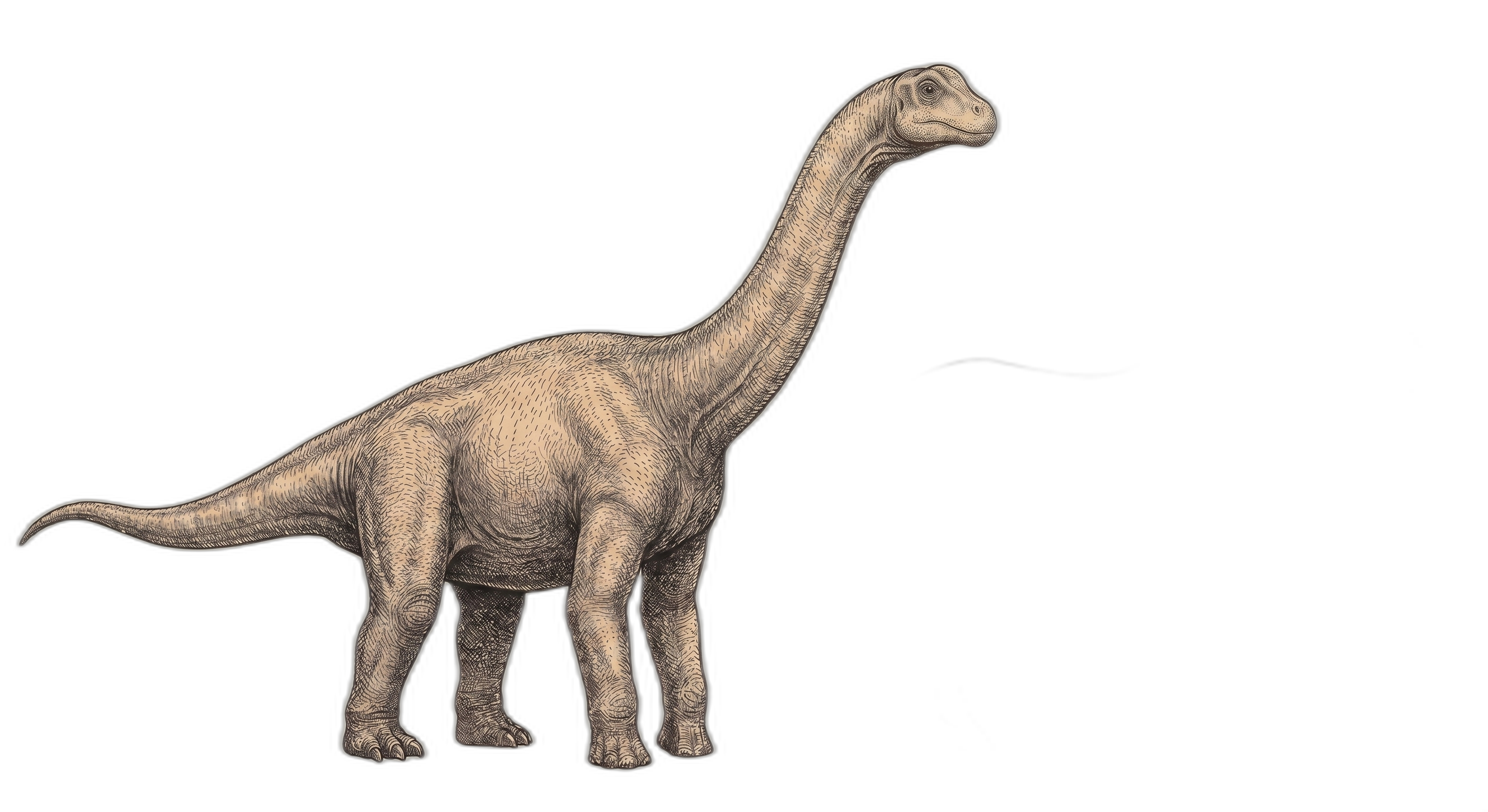
Europasaurus holgeri
6.2m long
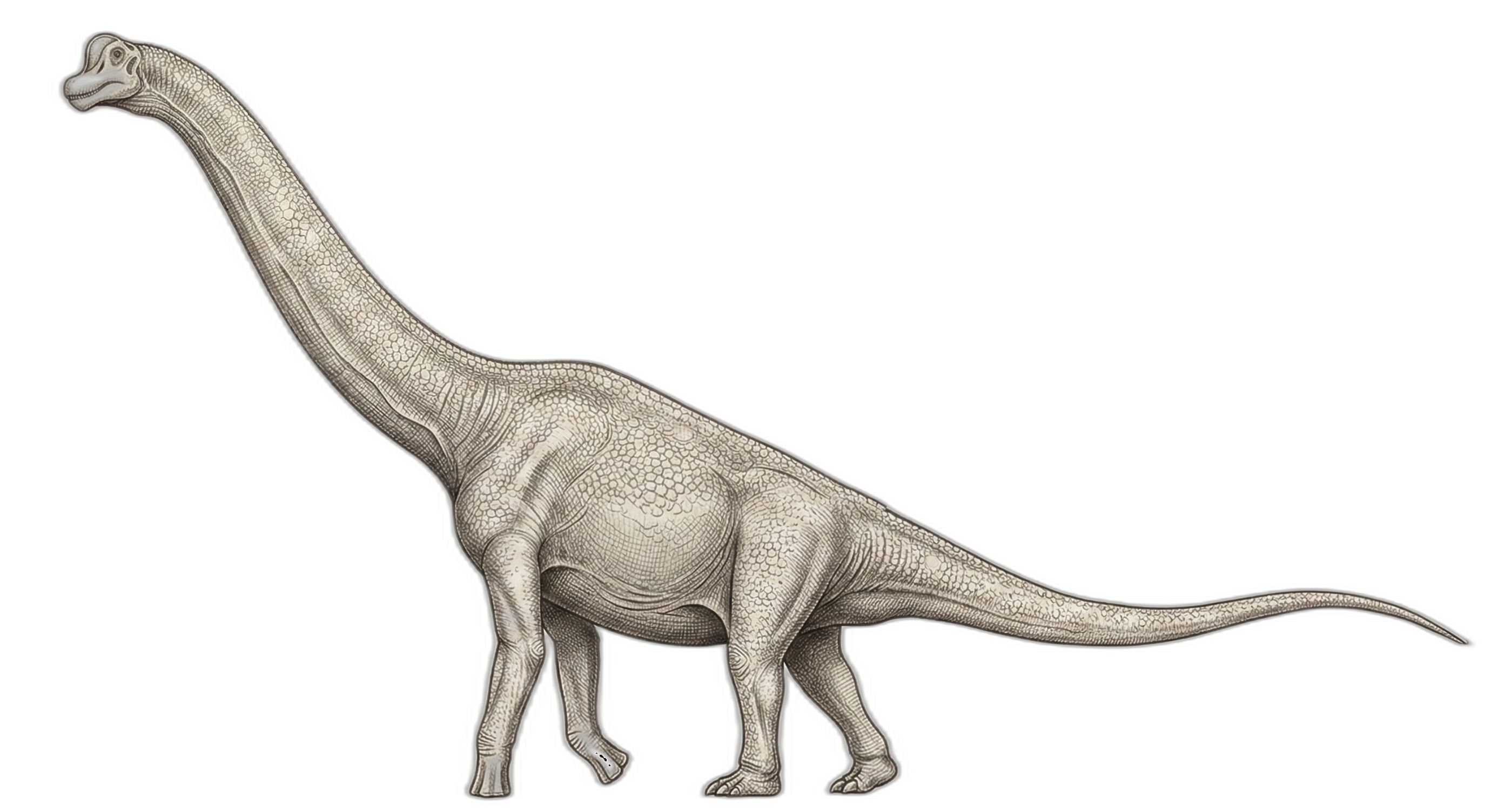
Giraffatitan brancai
22m long
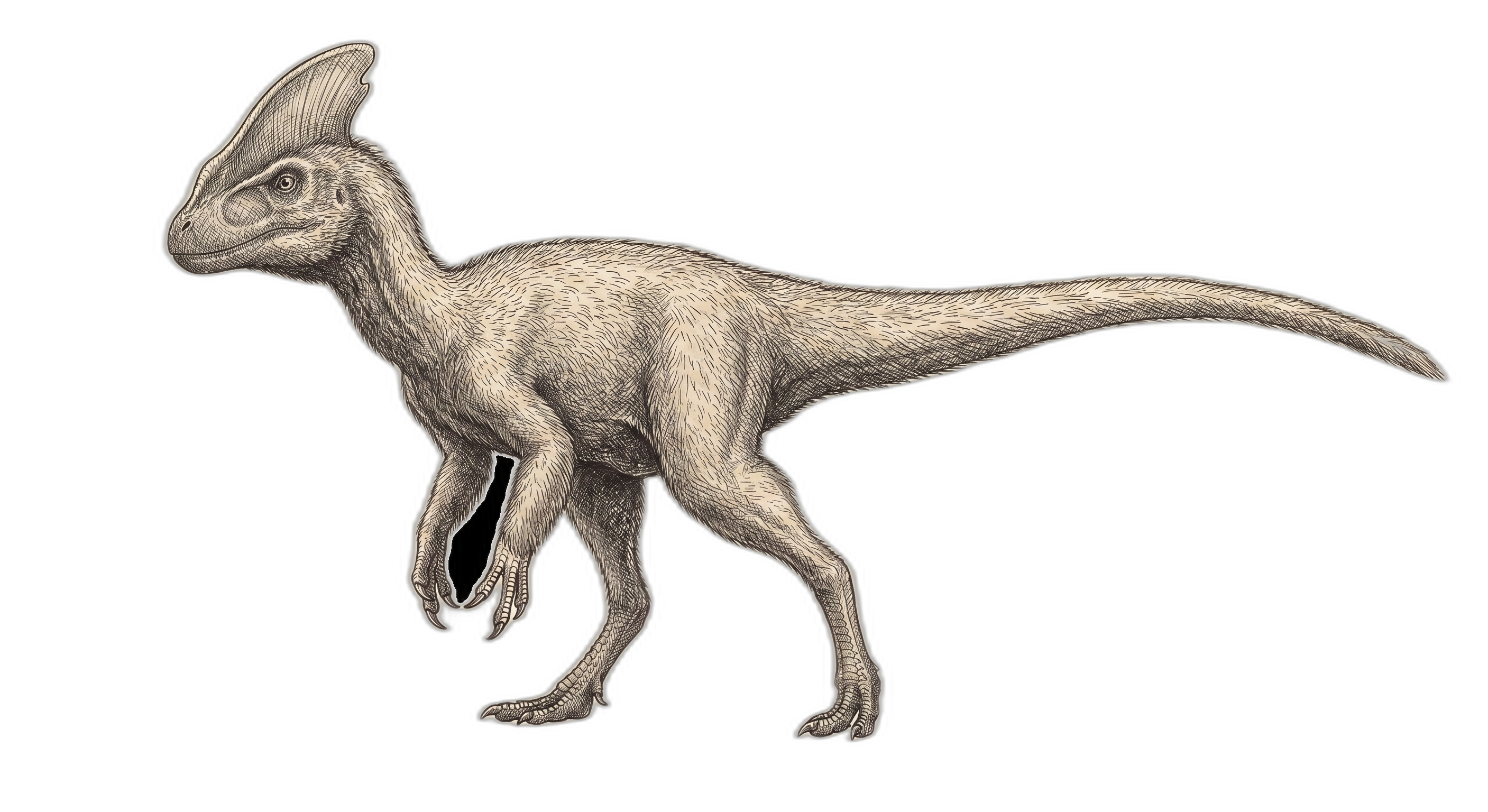
Guanlong wucaii
3m long
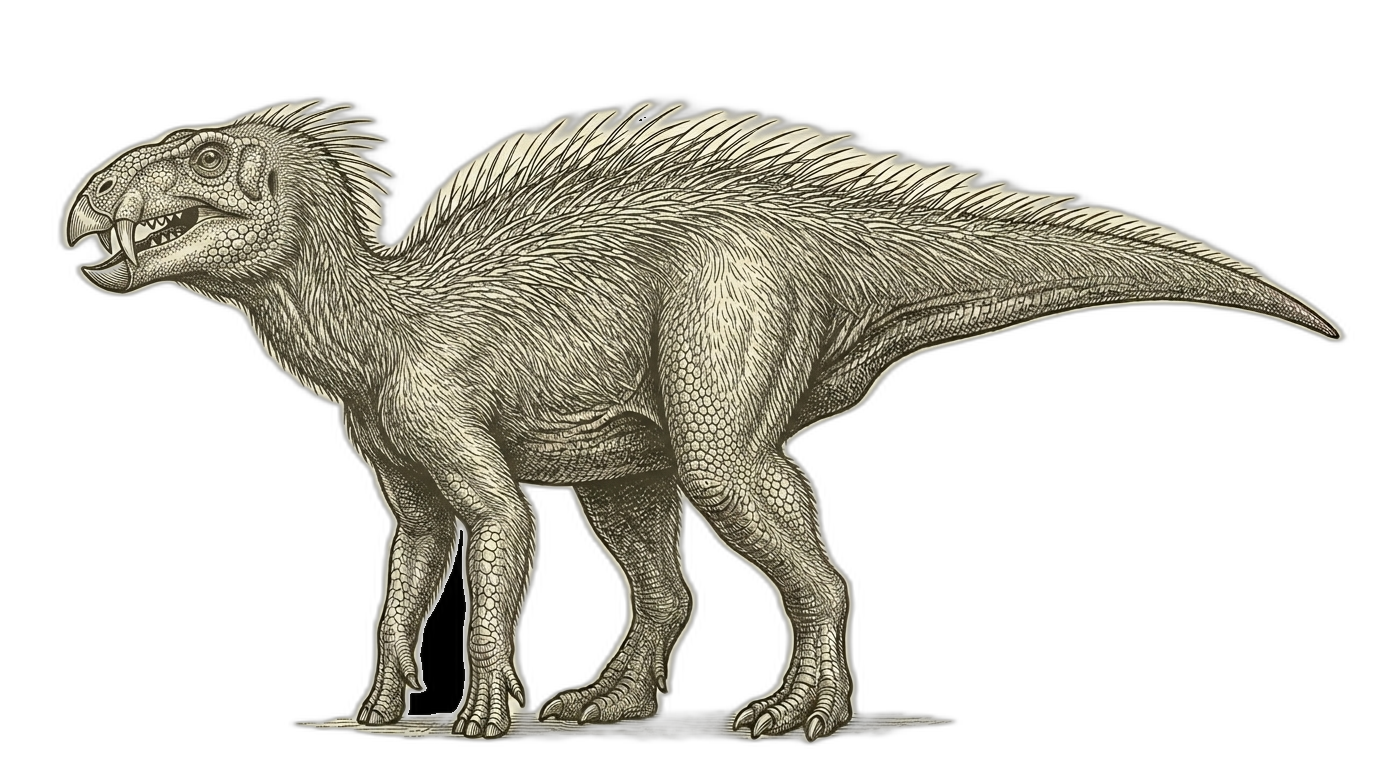
Heterodontosaurus tucki
1m long
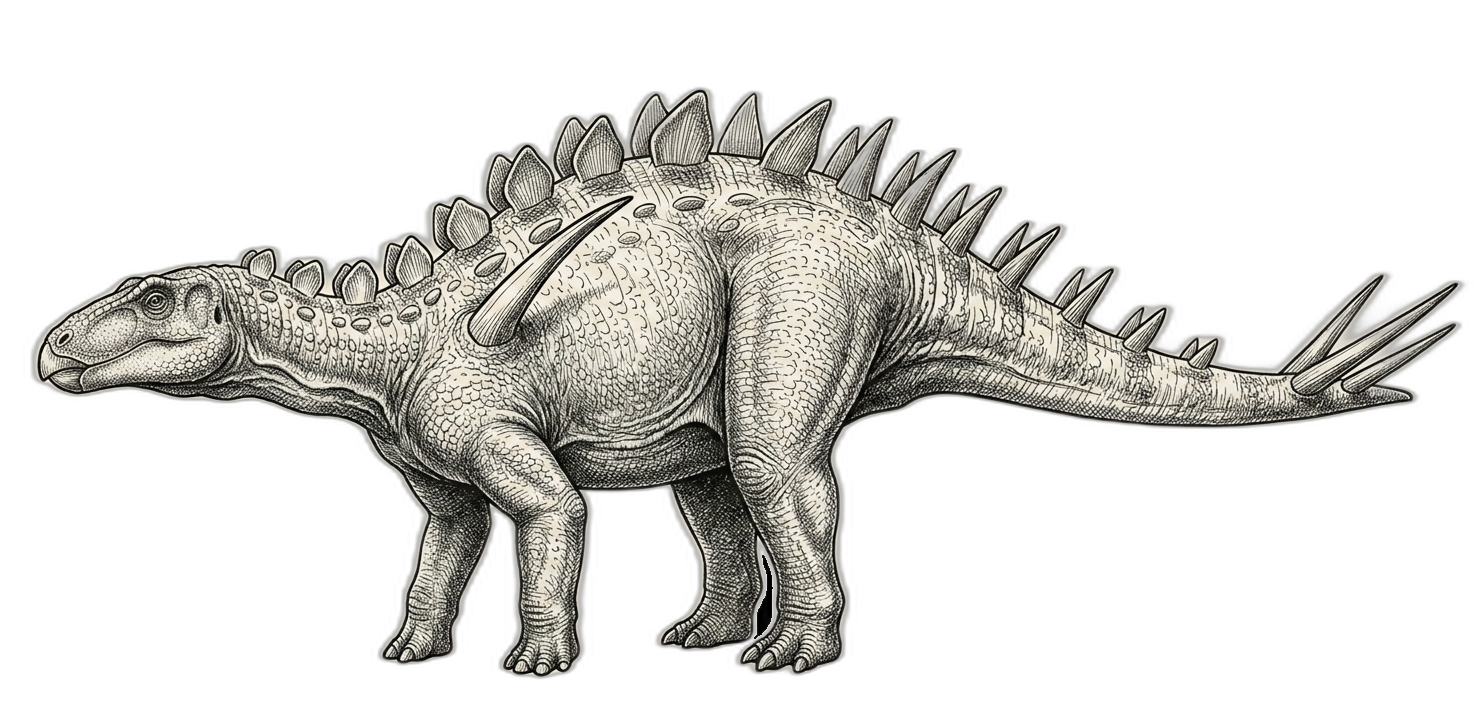
Huayangosaurus taibaii
4m long
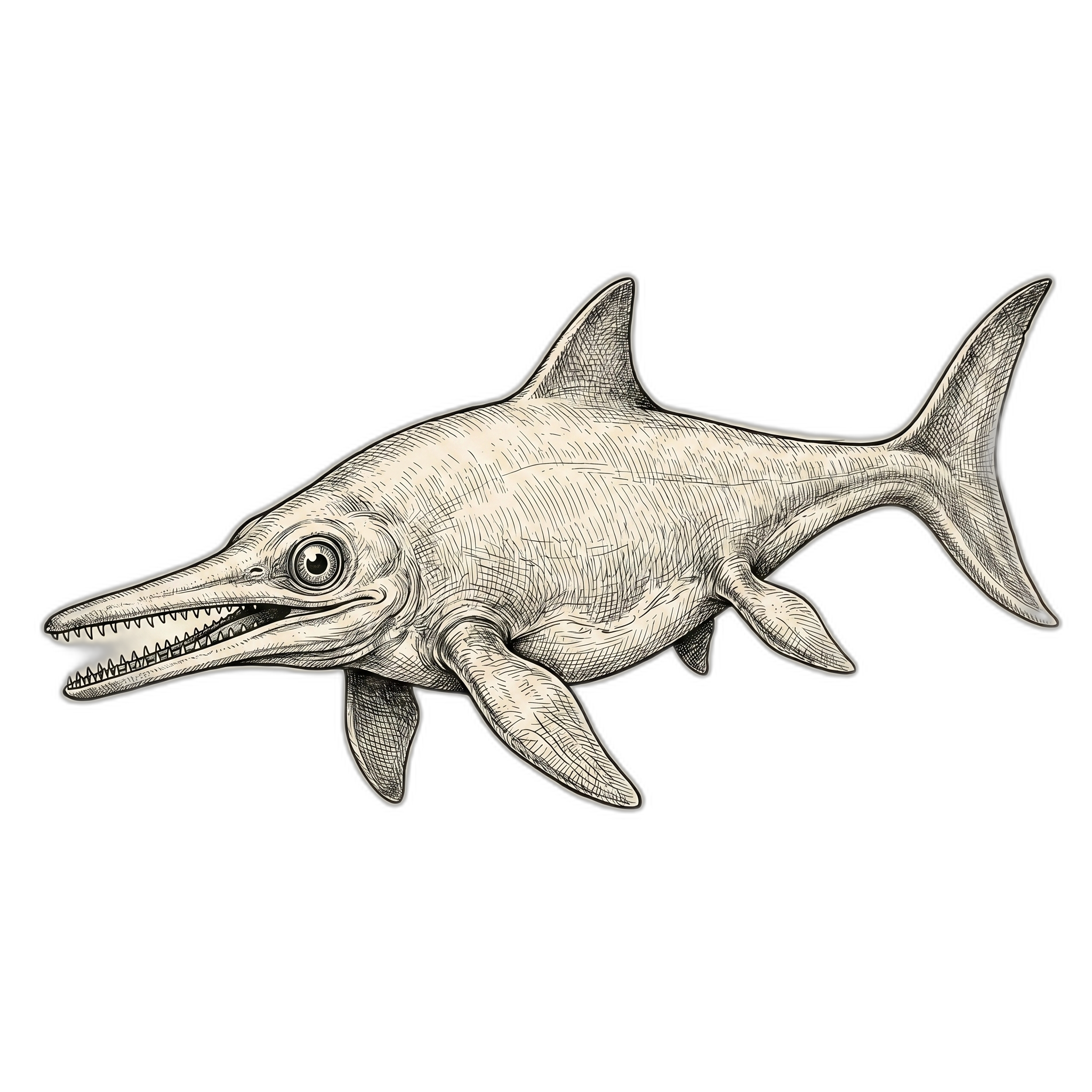
Ichthyosaurus communis
2m long
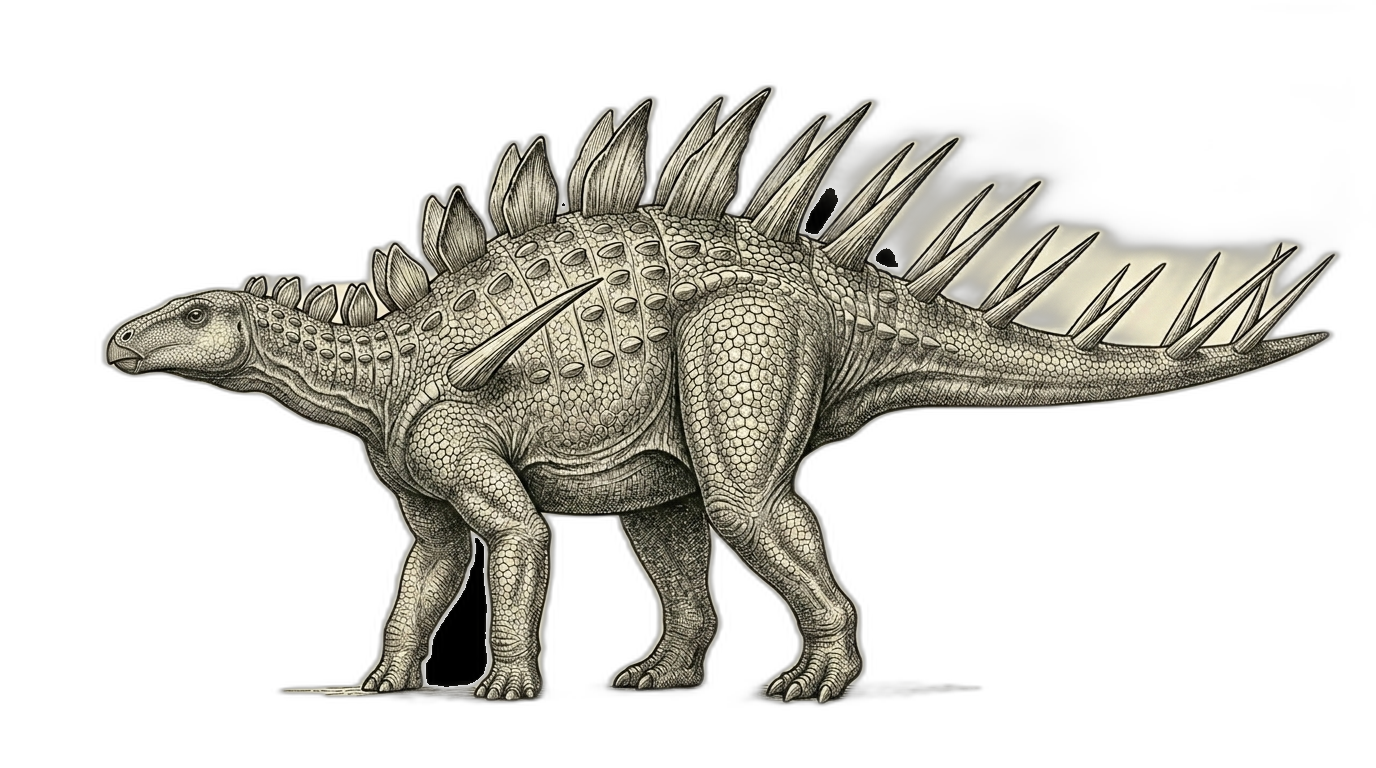
Kentrosaurus aethiopicus
4.5m long
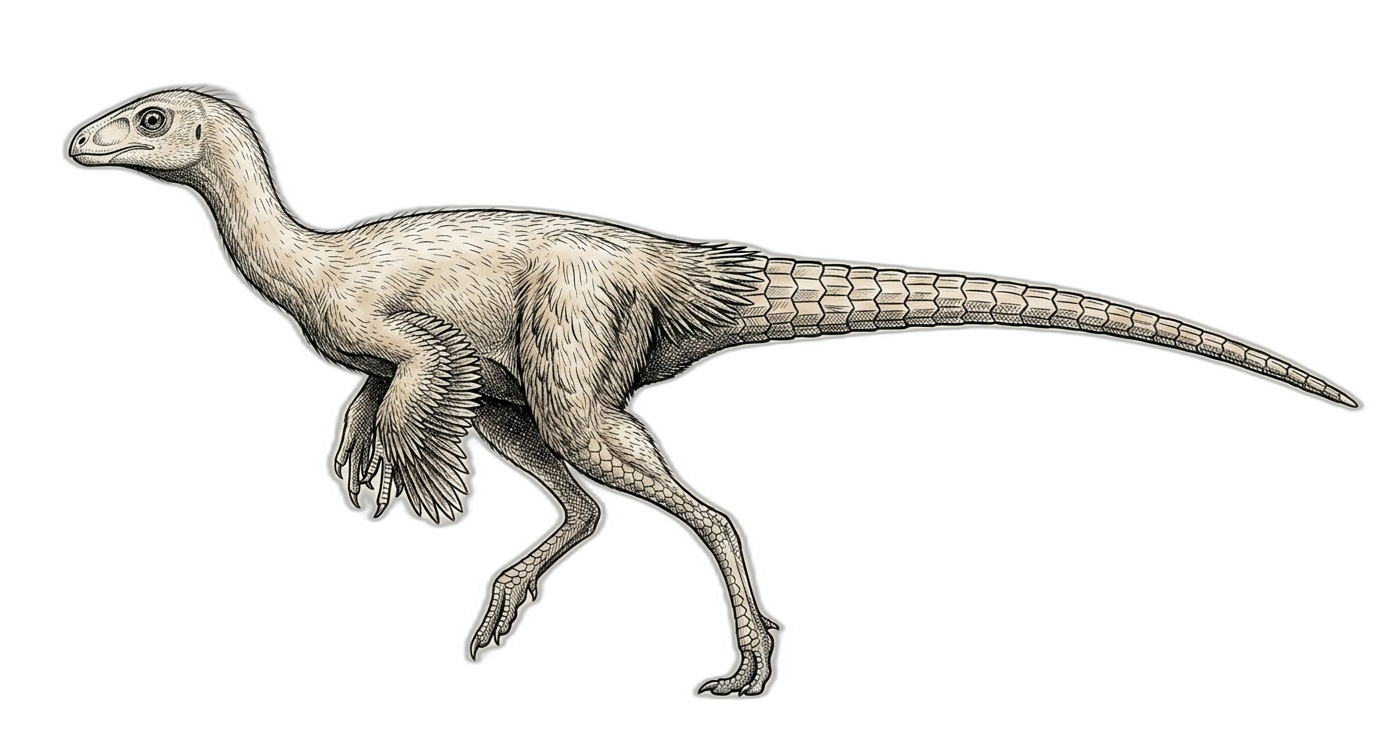
Kulindadromeus zabaikalicus
1.5m long
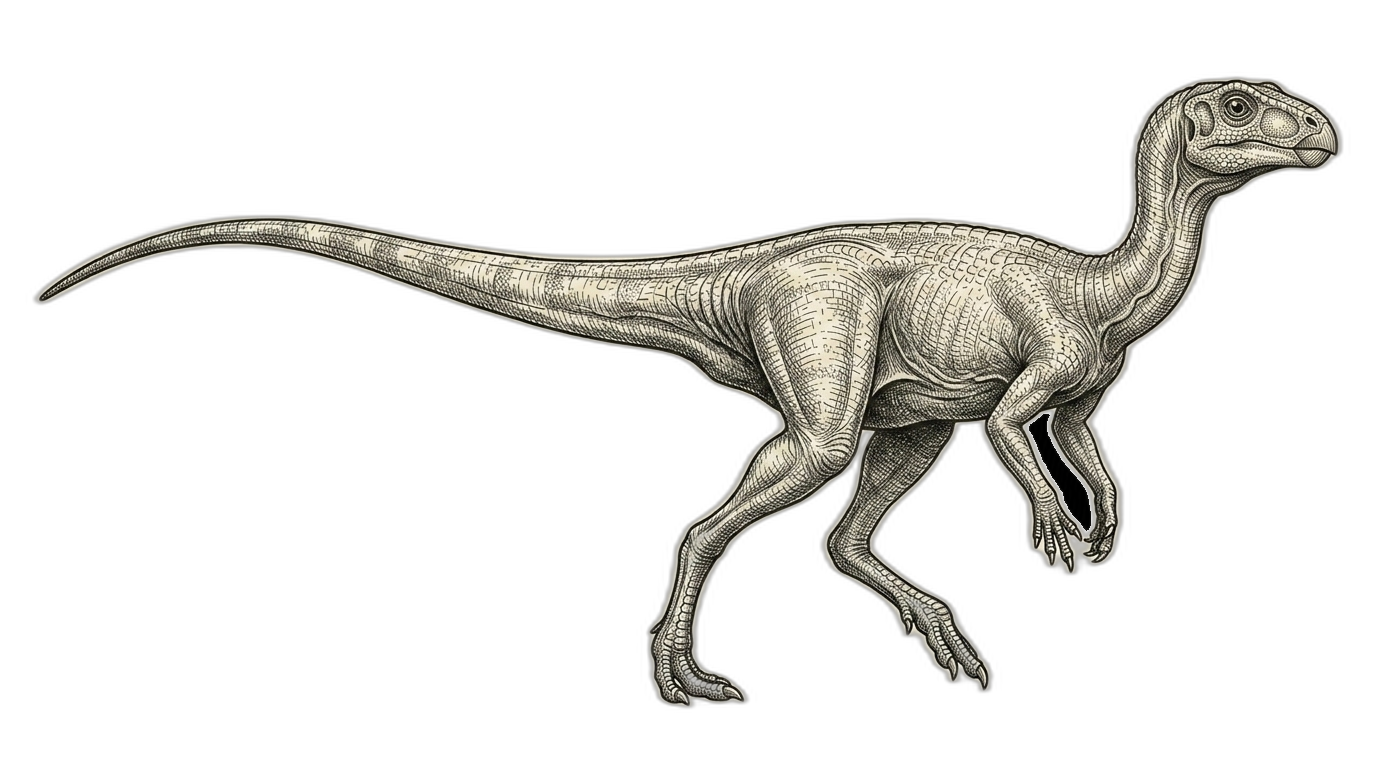
Lesothosaurus diagnosticus
1m long
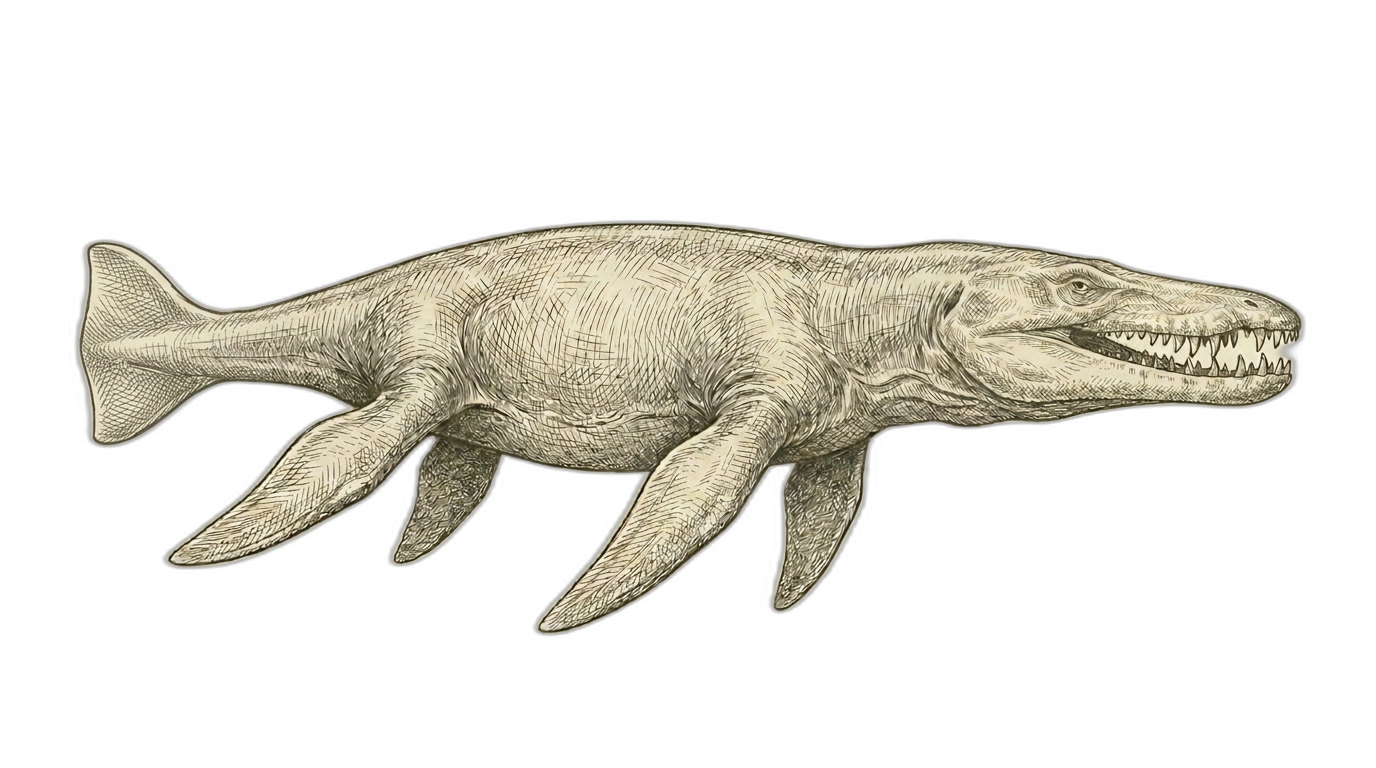
Liopleurodon ferox
6m long
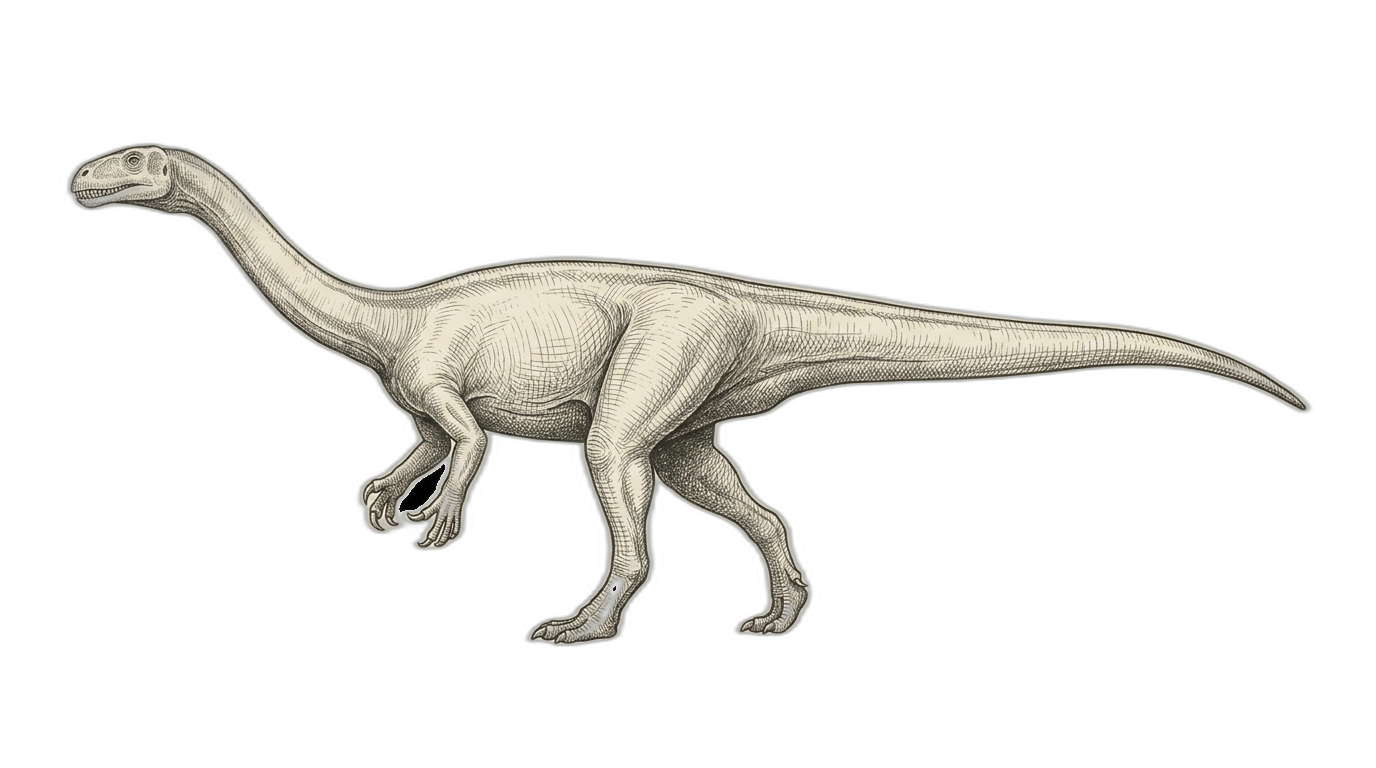
Lufengosaurus huenei
6m long
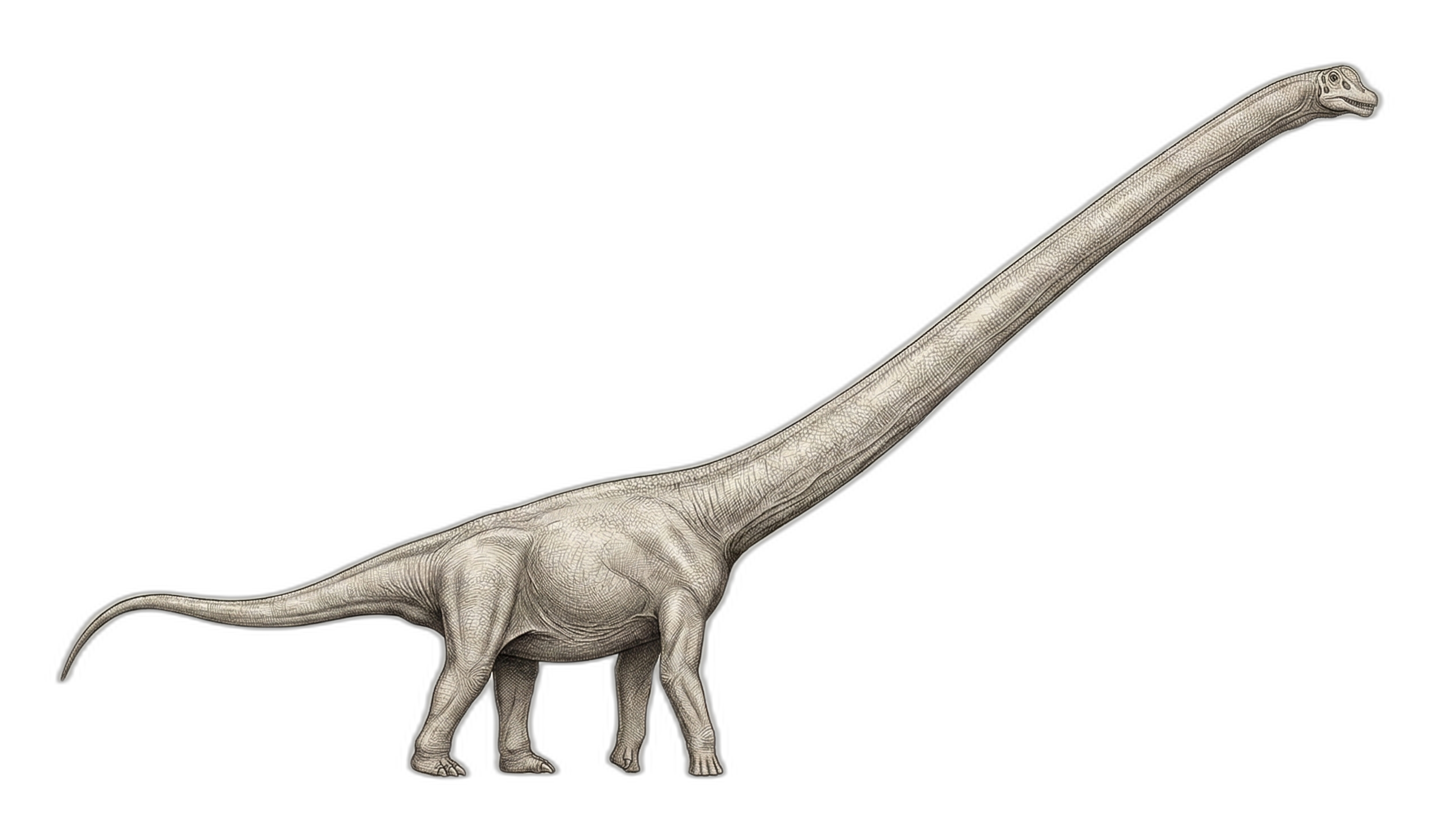
Mamenchisaurus sinocanadorum
26m long
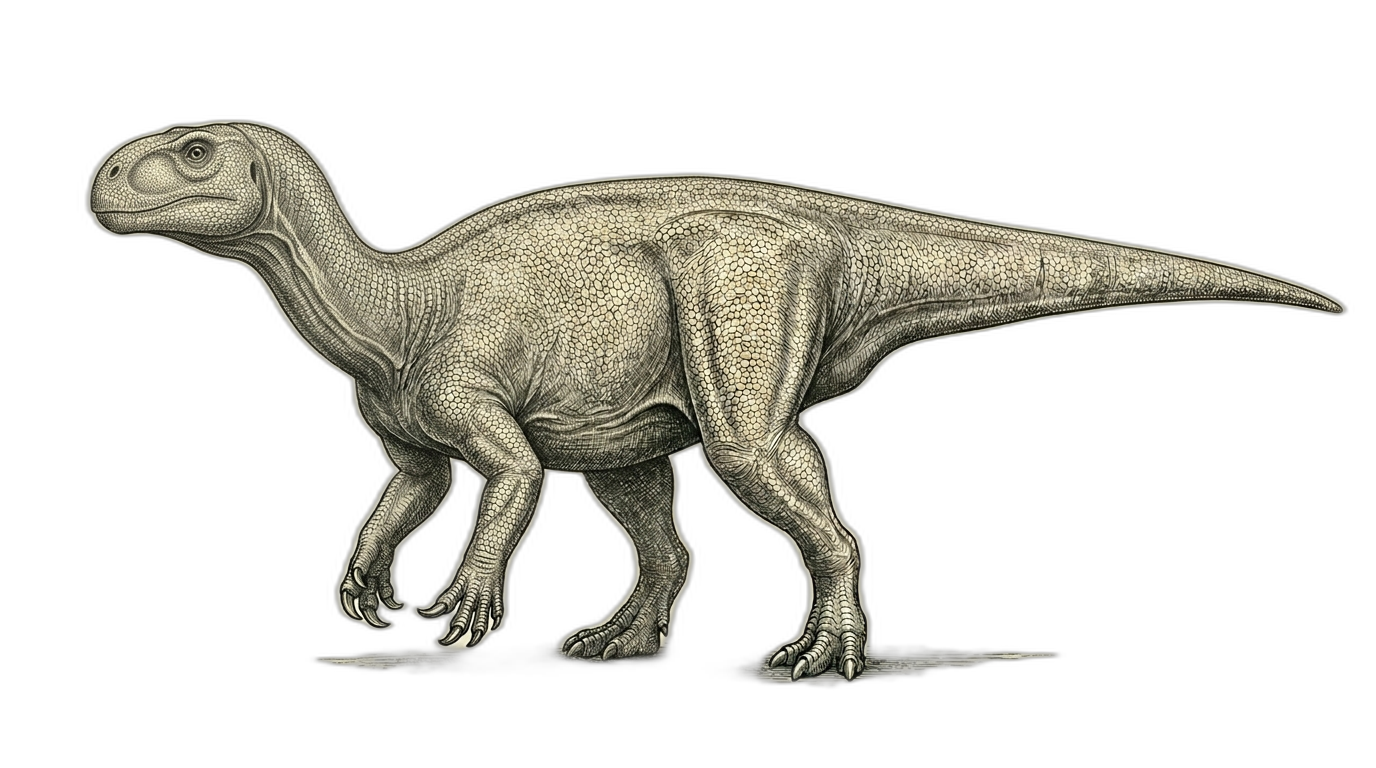
Massospondylus carinatus
4m long
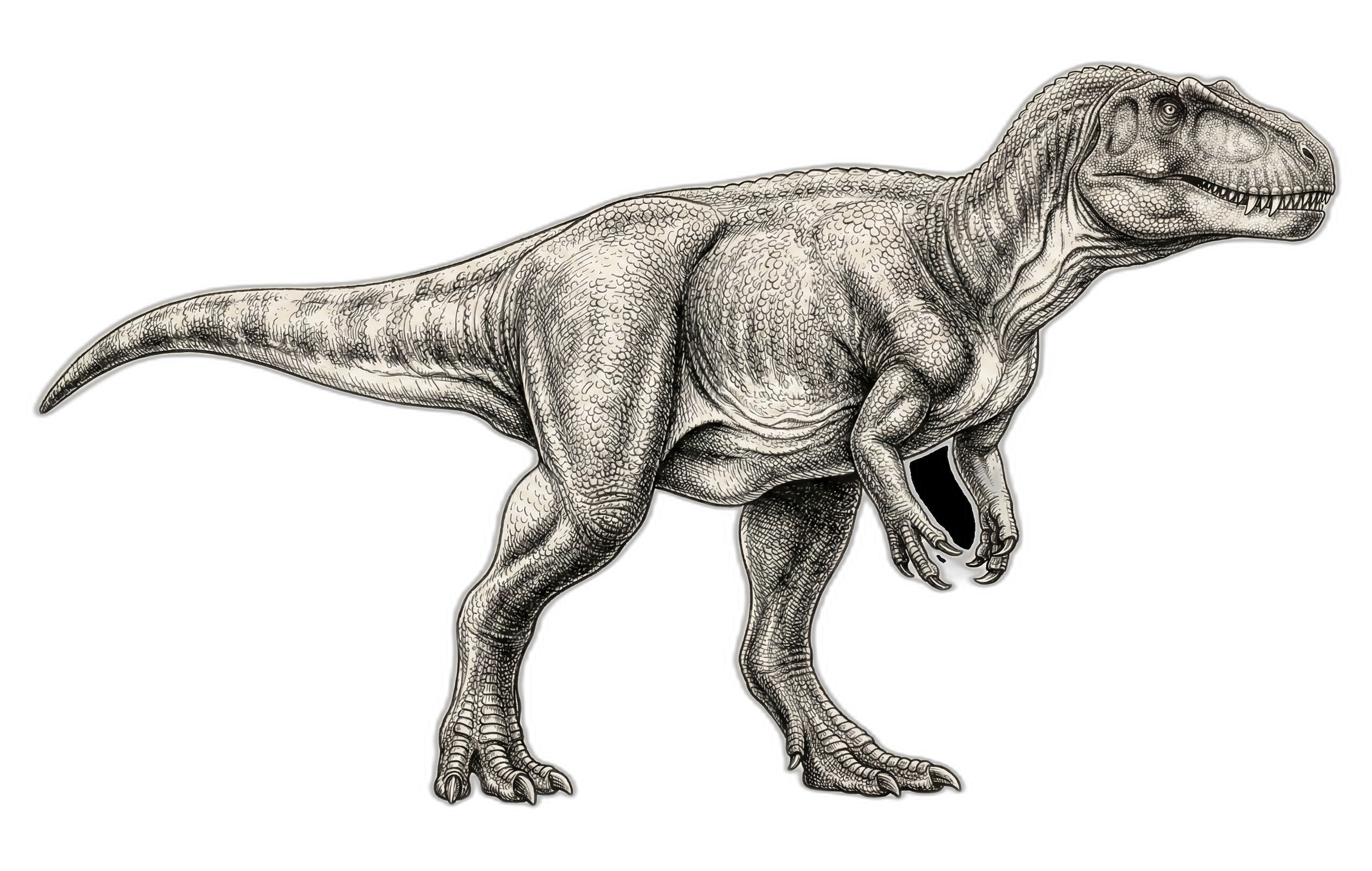
Megalosaurus bucklandii
6m long
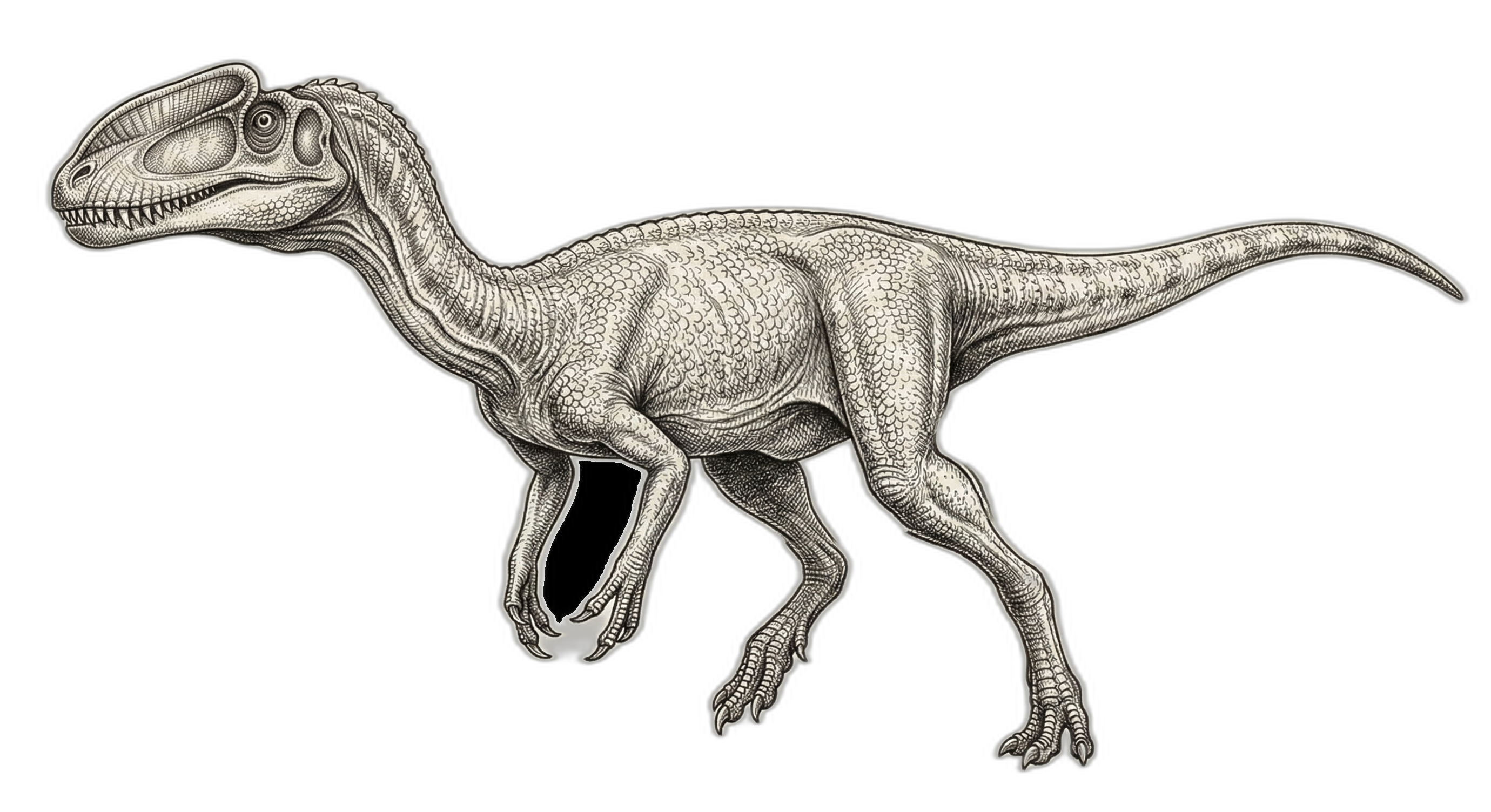
Monolophosaurus jiangi
5.25m long
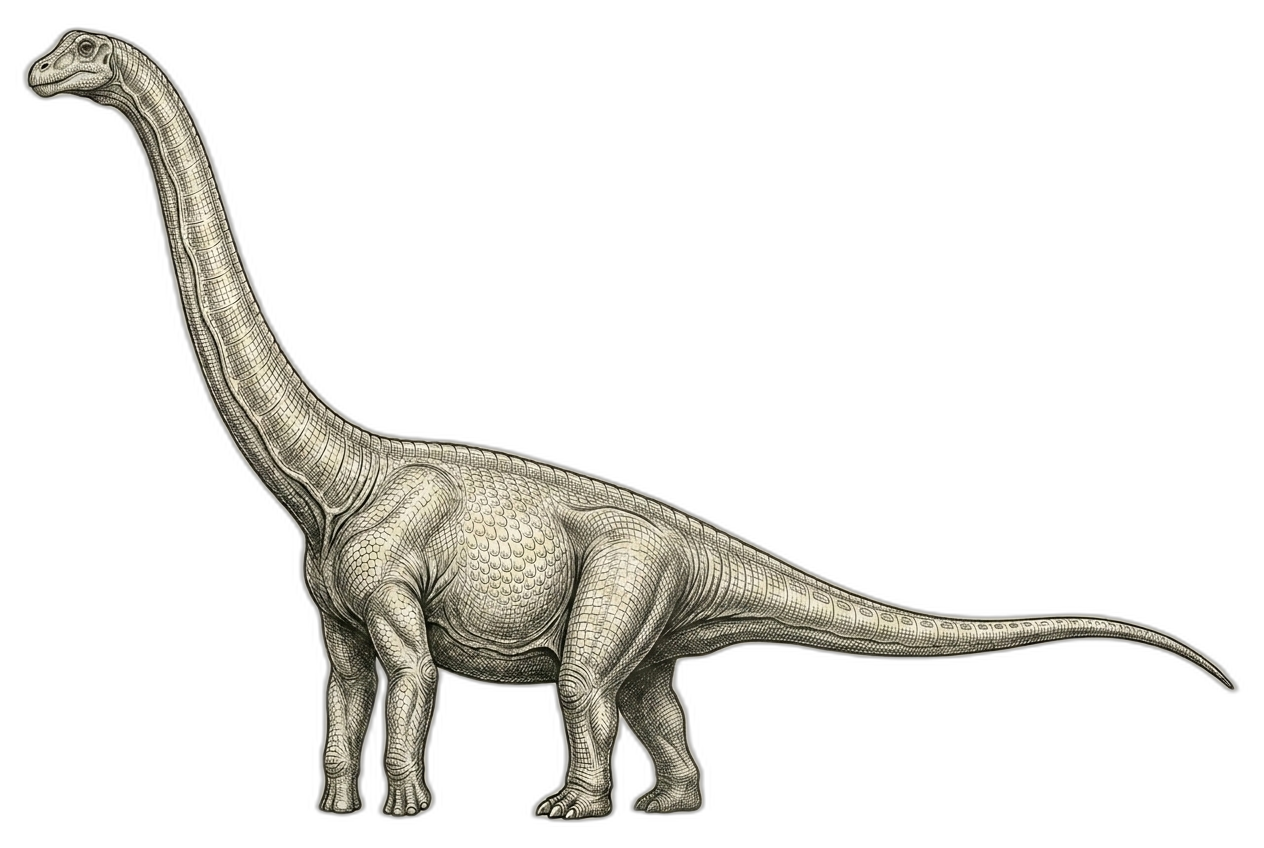
Omeisaurus tianfuensis
20m long
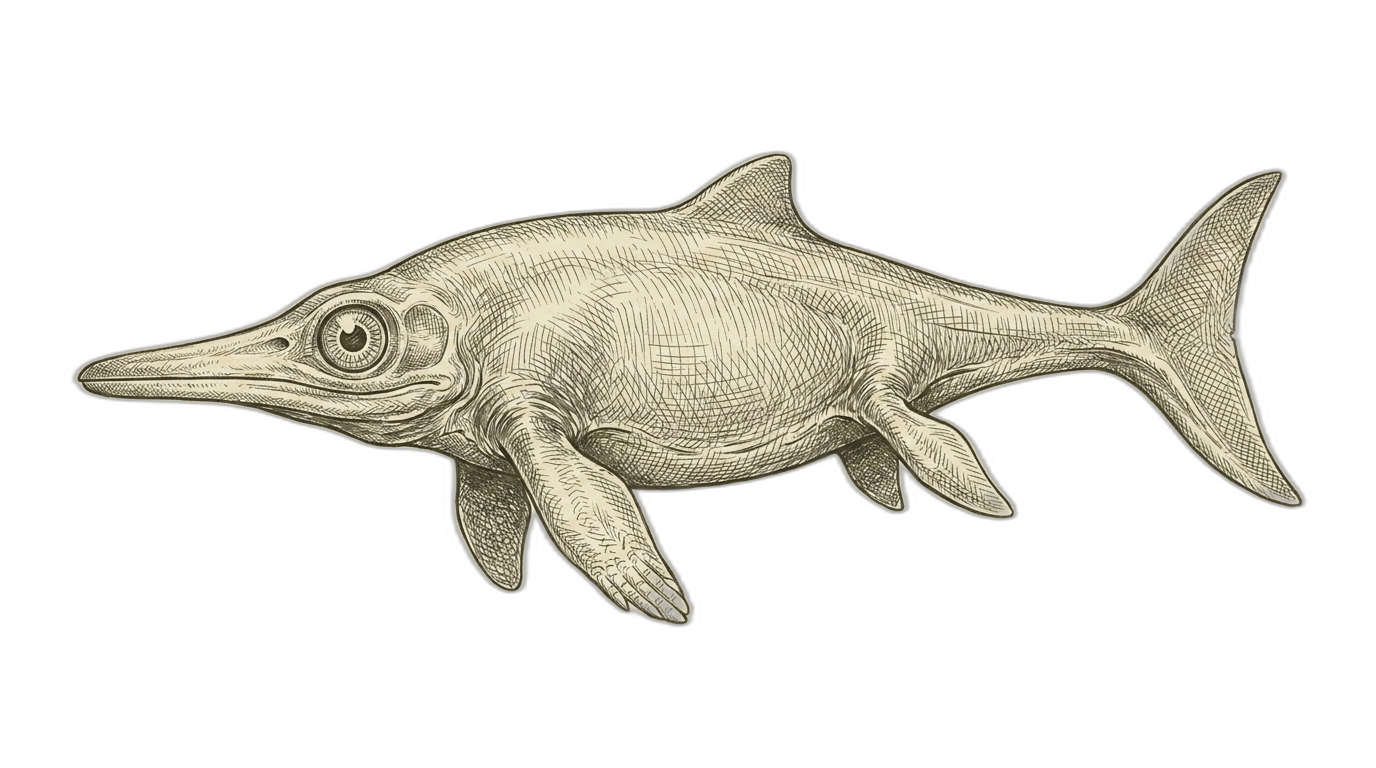
Ophthalmosaurus icenicus
5m long
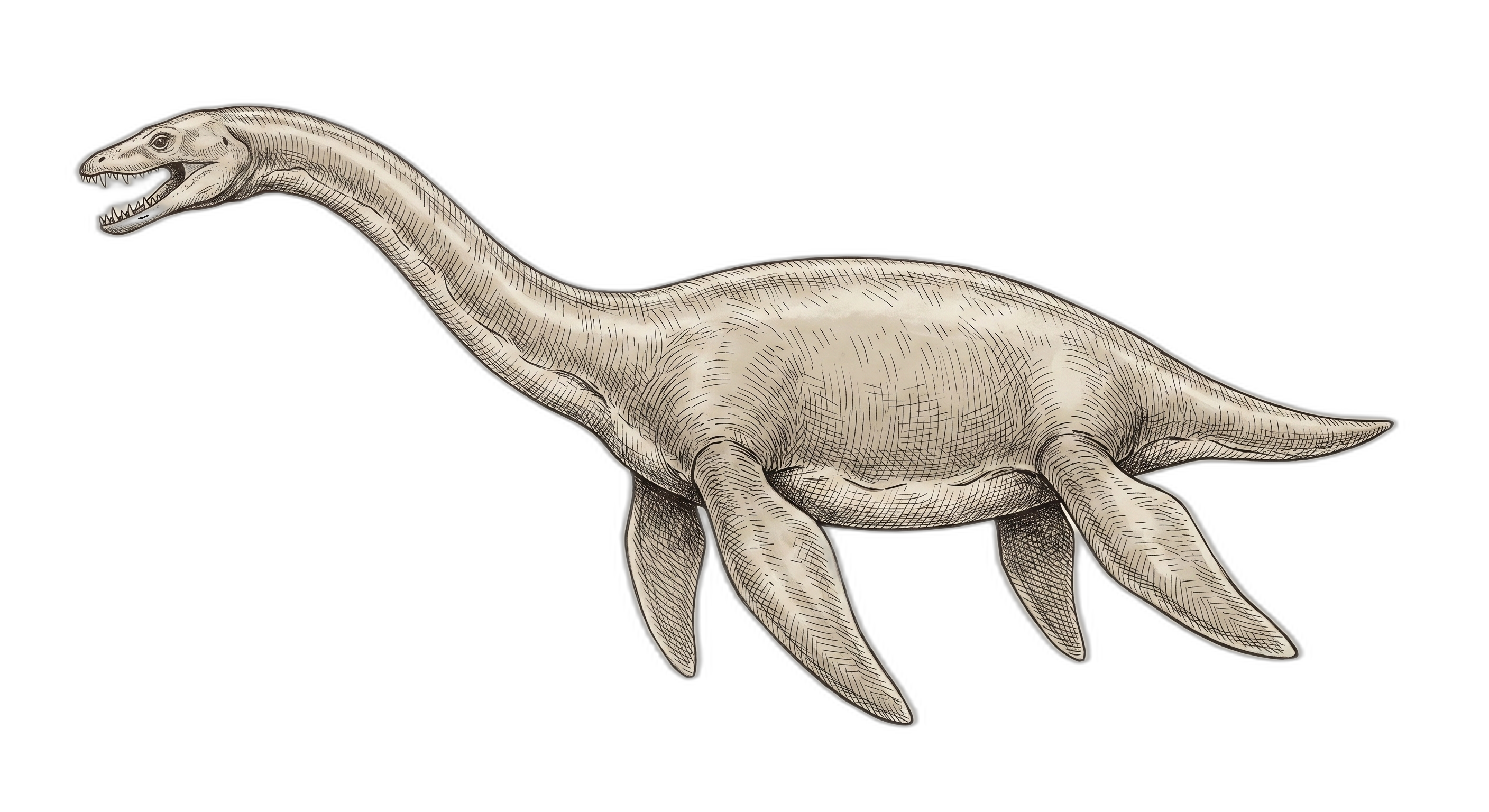
Plesiosaurus dolichodeirus
3.5m long
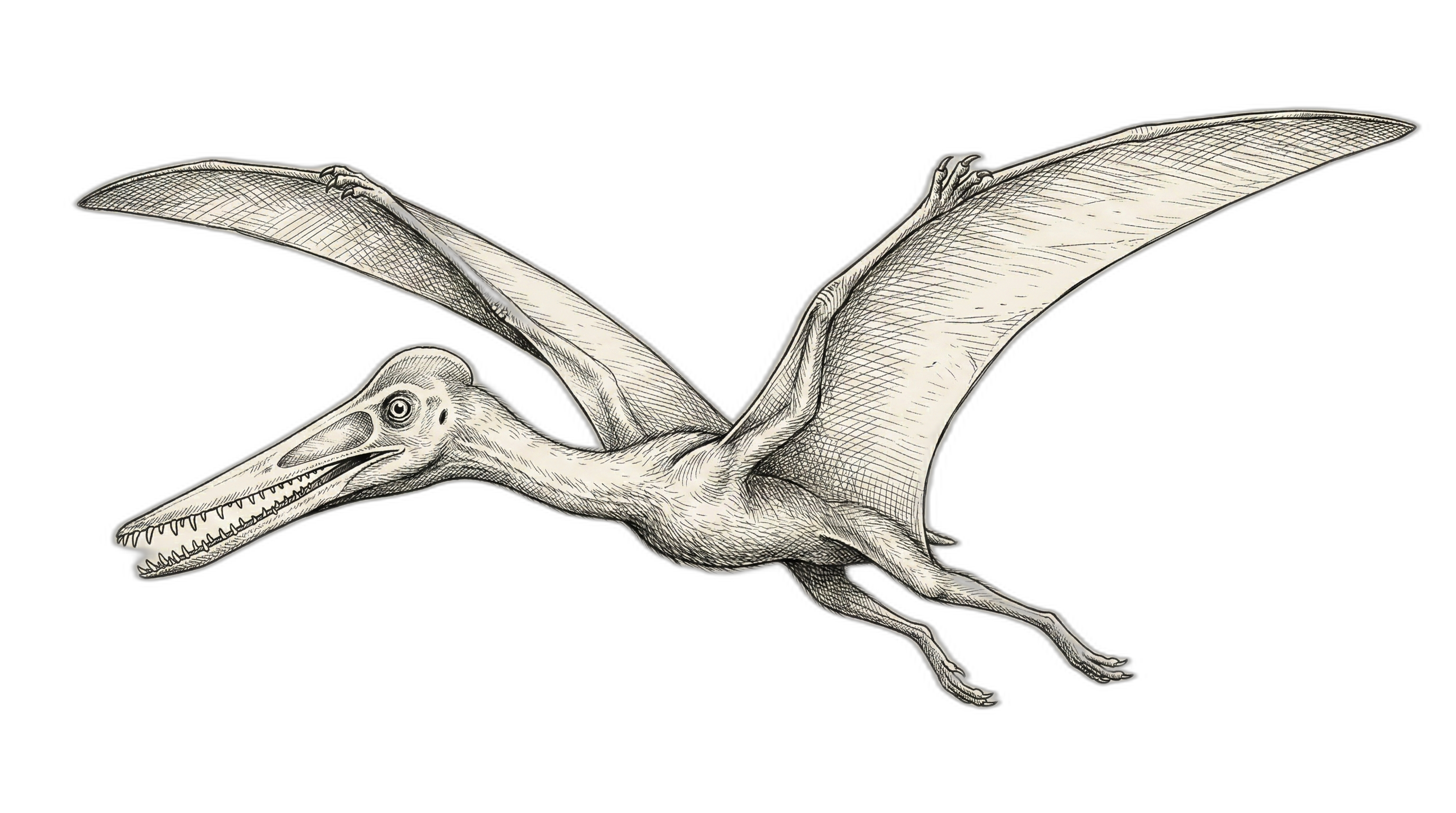
Pterodactylus antiquus
1m long
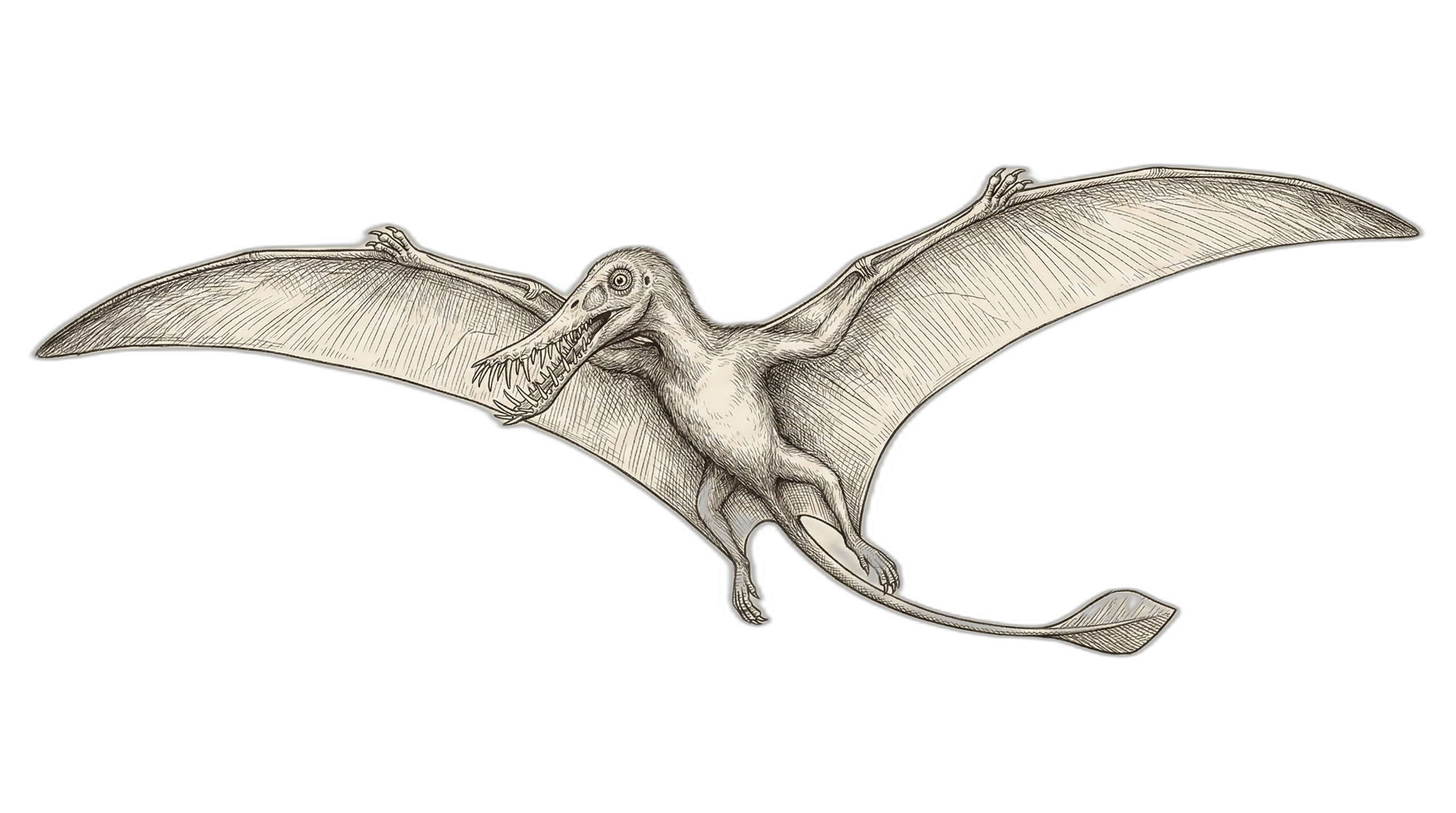
Rhamphorhynchus muensteri
1.26m long
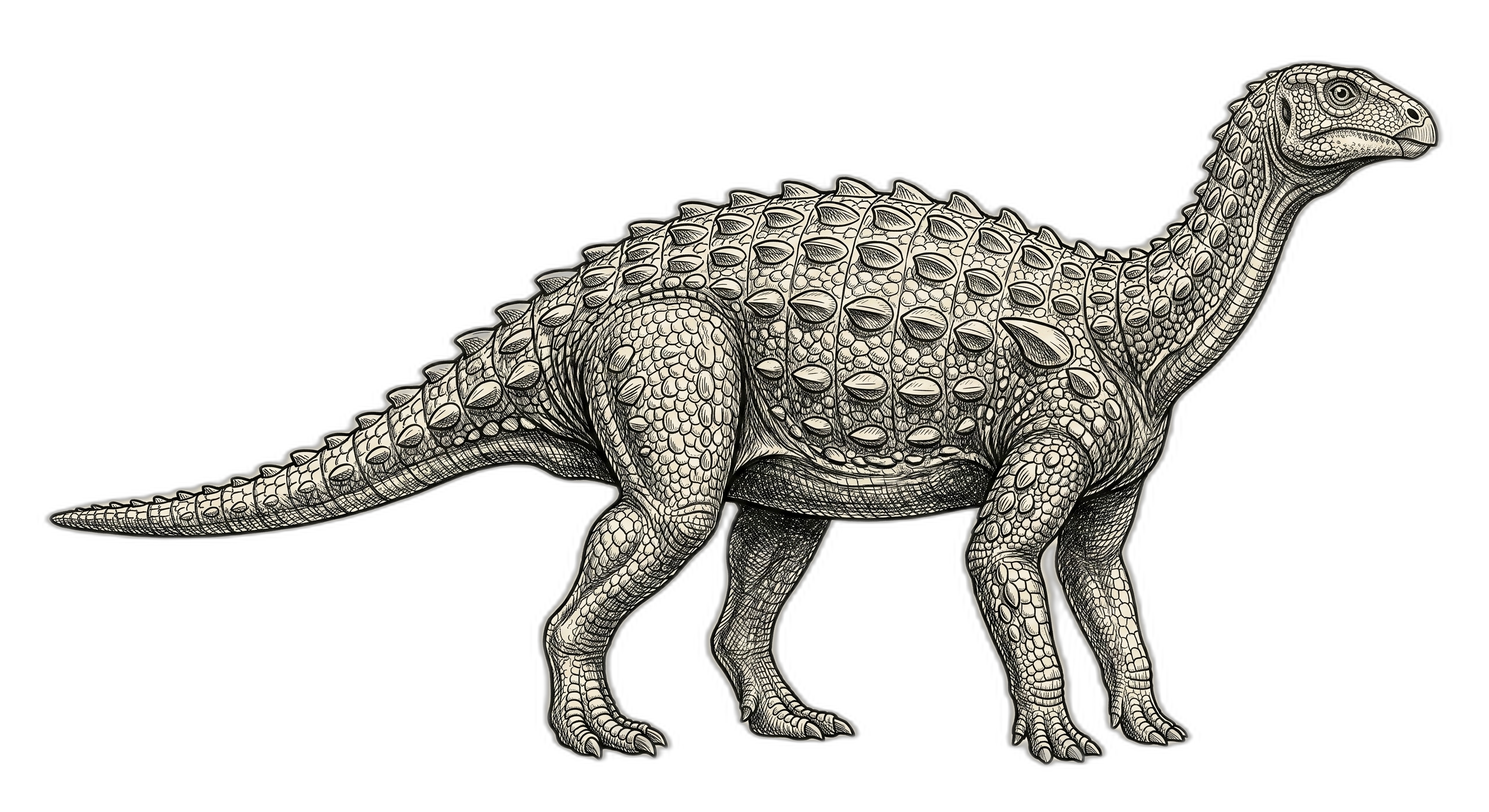
Scelidosaurus harrisonii
4m long
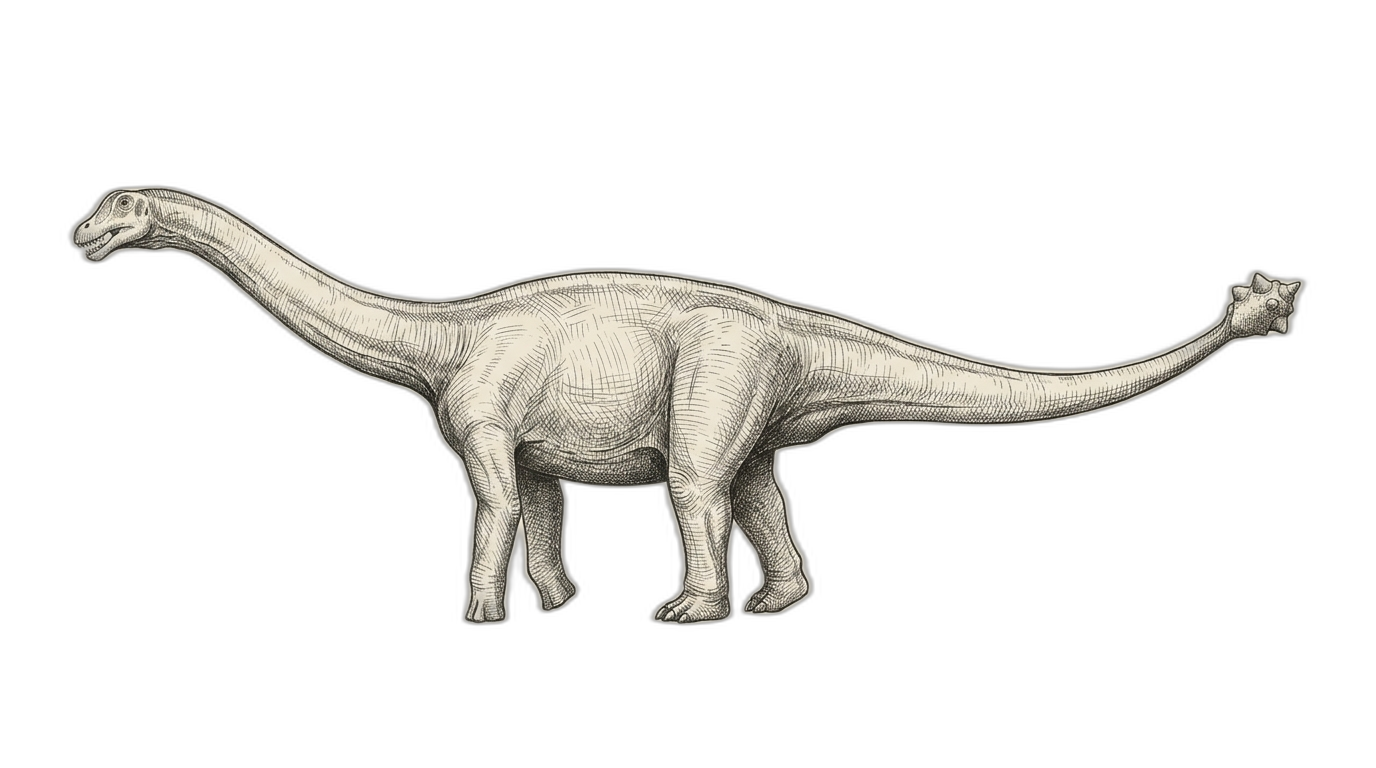
Shunosaurus lii
9.5m long
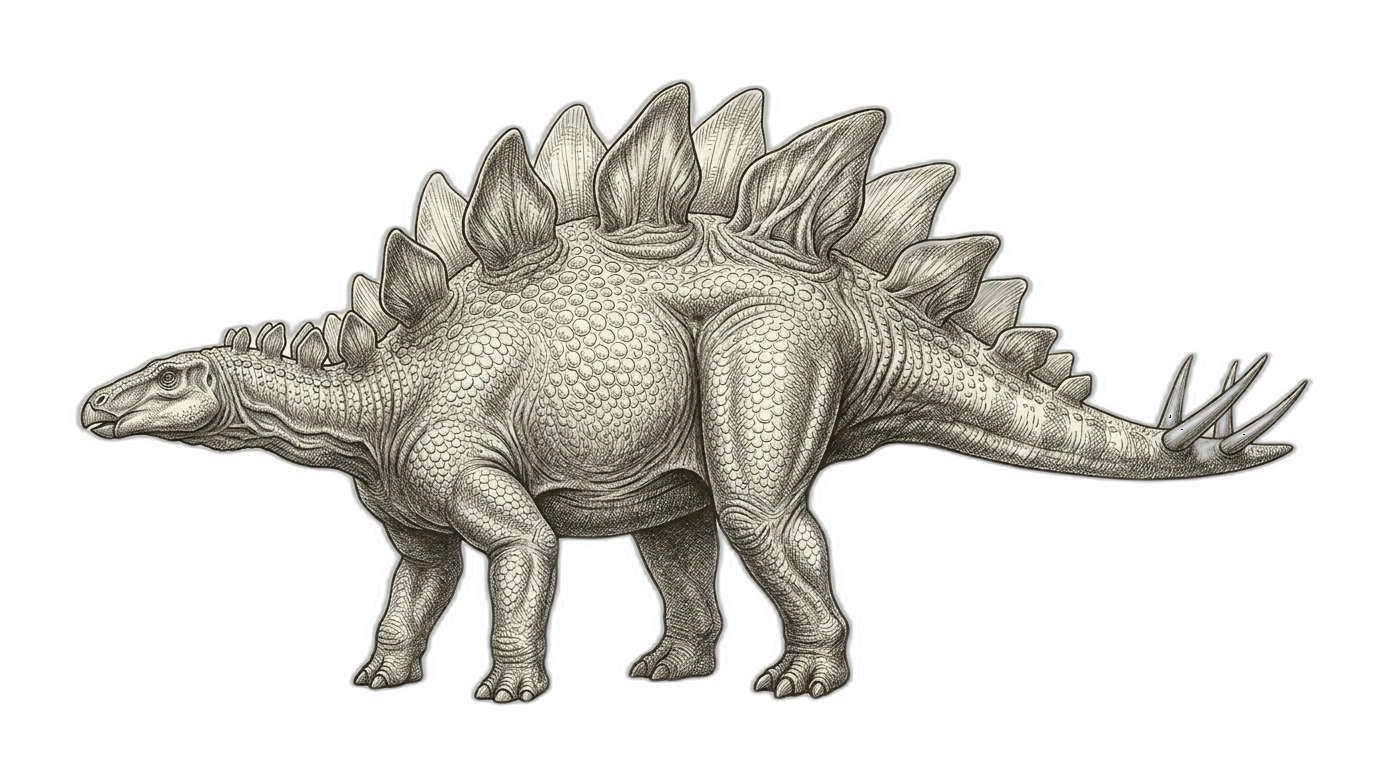
Stegosaurus stenops
9m long
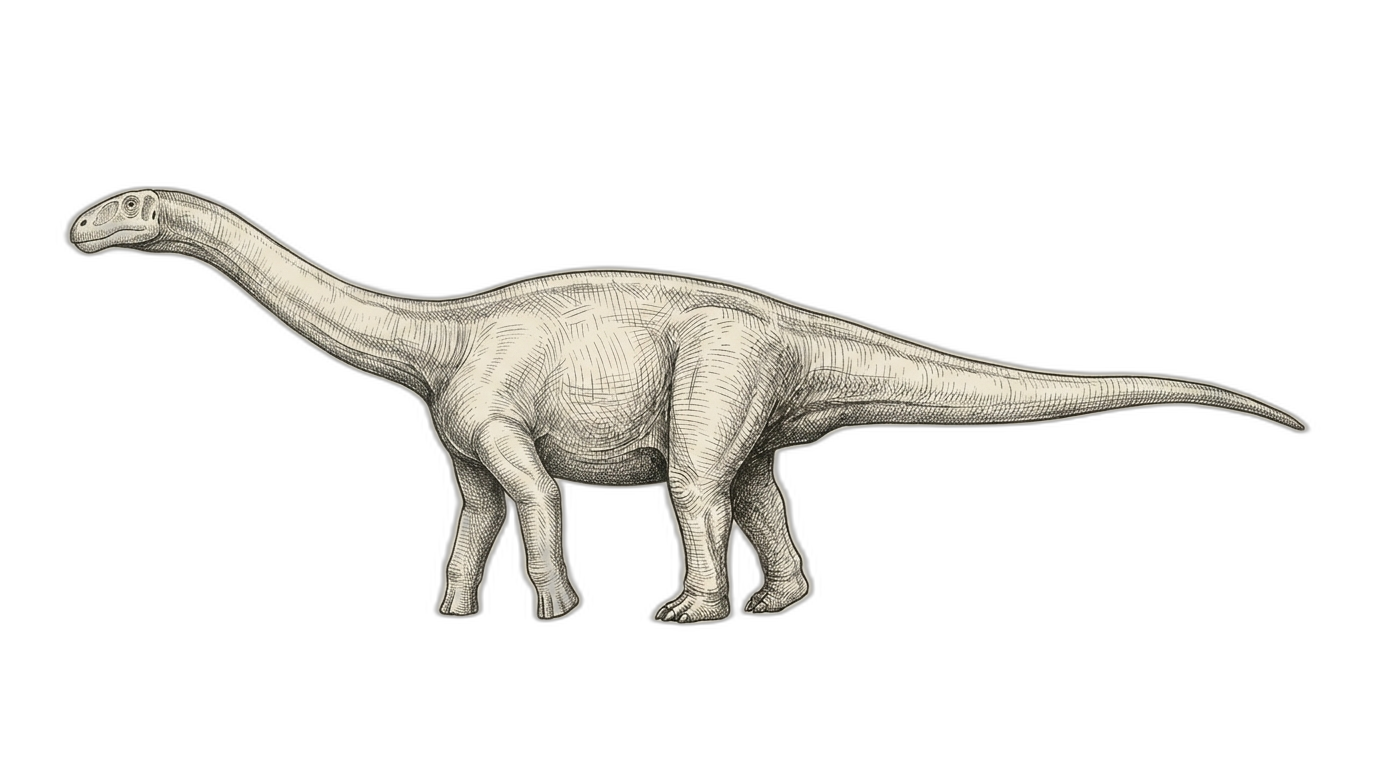
Vulcanodon karibaensis
6.5m long
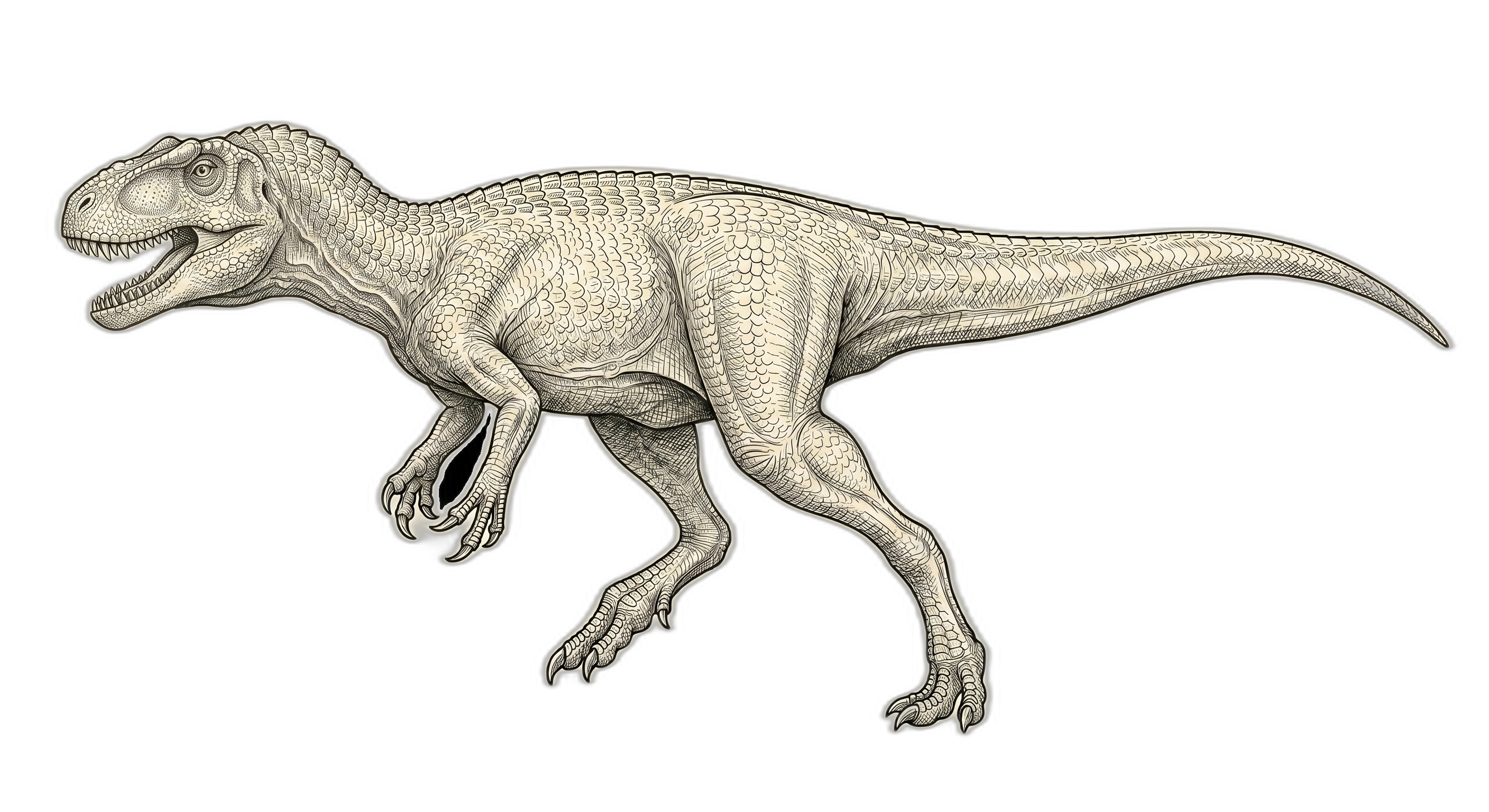
Yangchuanosaurus shangyouensis
8m long
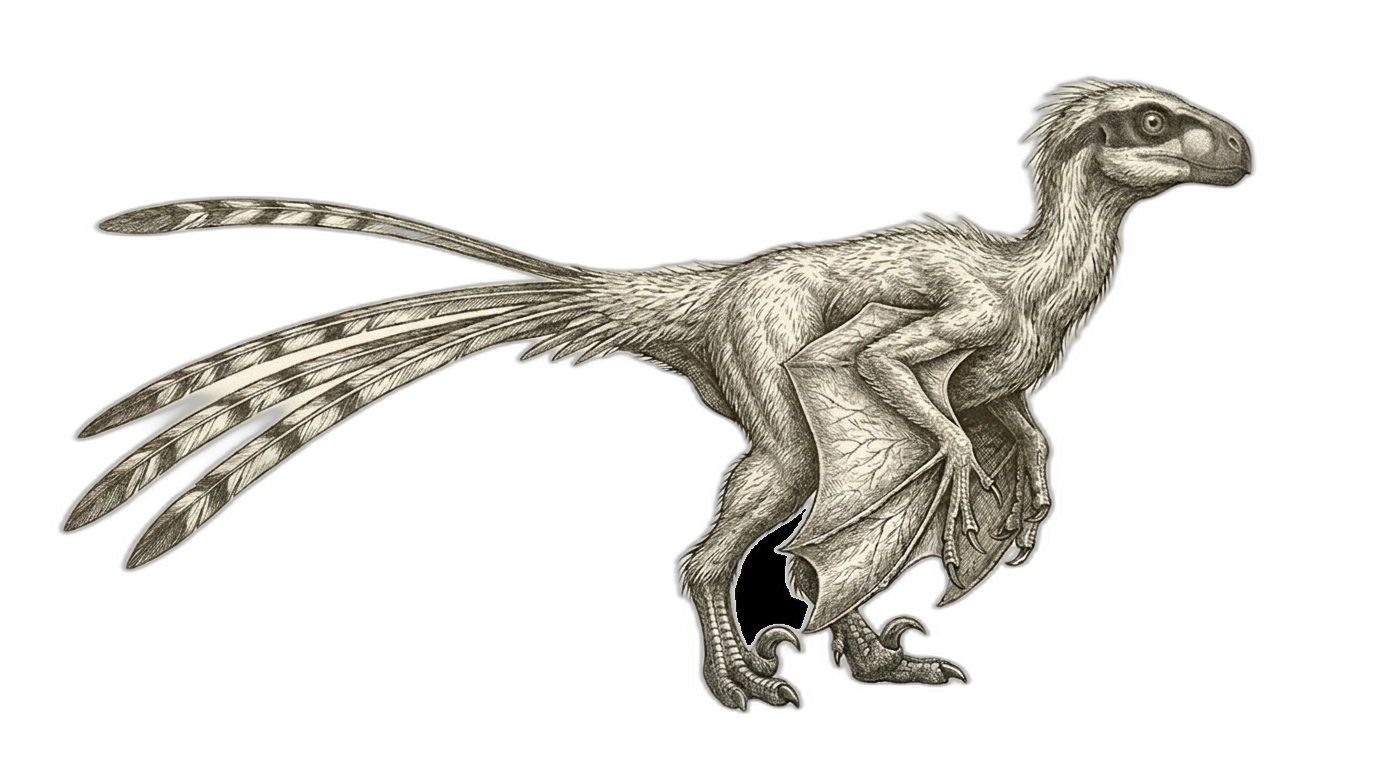
Yi qi
0.3m long
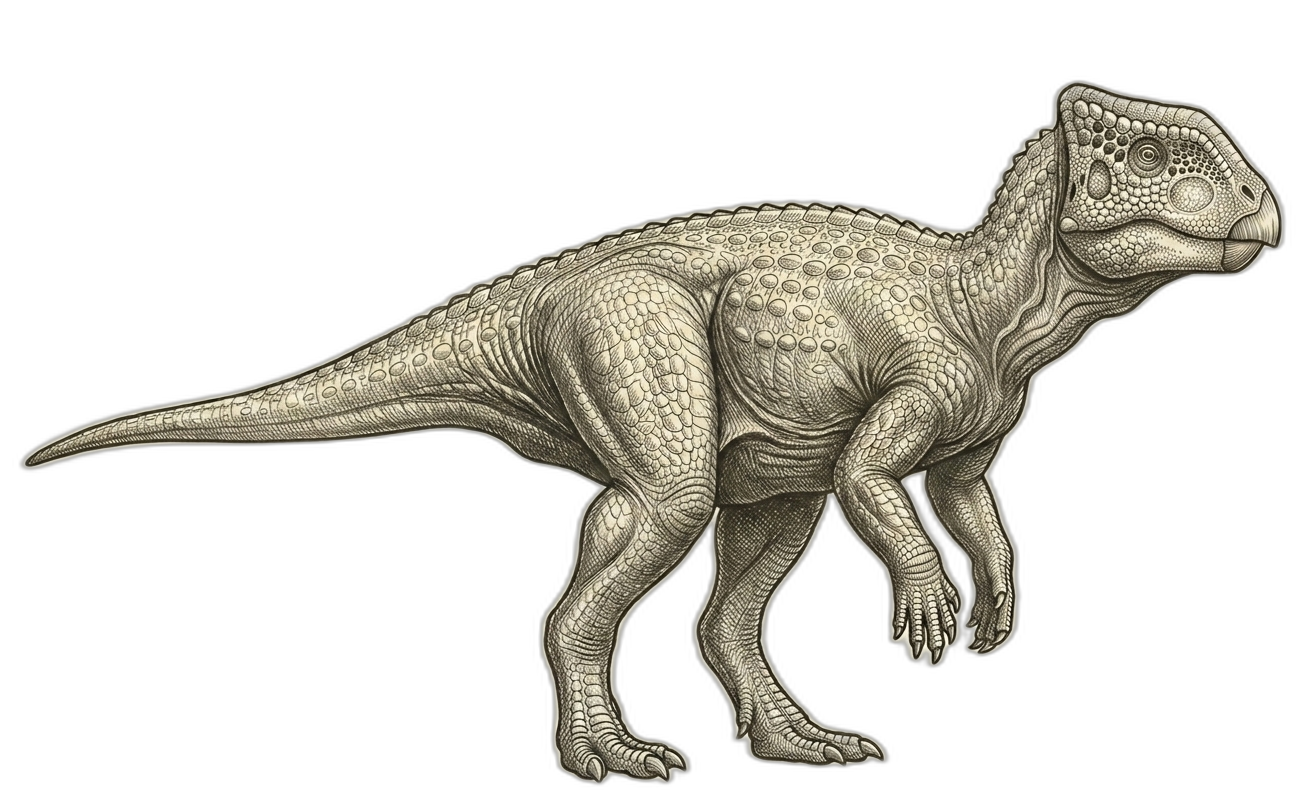
Yinlong downsi
1.2m long