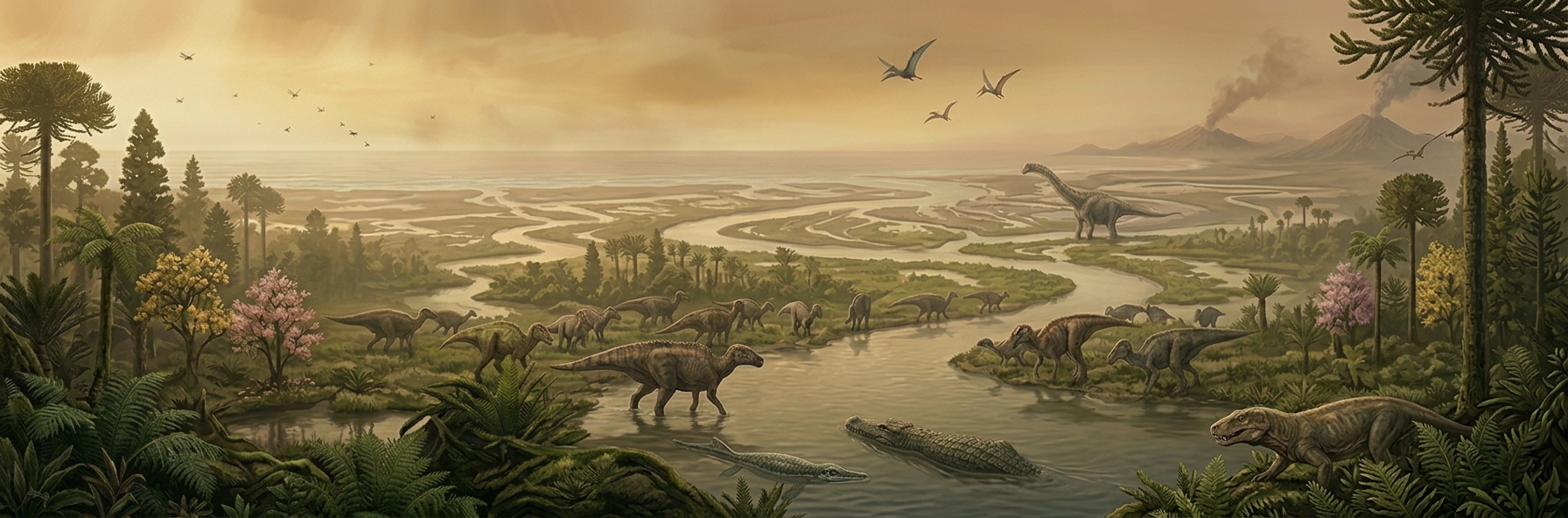
Dinosaurs rule over their empire ruthlessly, their dominion unchallenged by the upstart mammals. Enormous pterosaurs rule the skies, though birds are filling niches successfully. The Cretaceous doesn't open with a big dramatic event, but over the next 79 million years, the world will transform gradually and profoundly.
The continents are being ripped apart rapidly. The Atlantic widens; South America and Africa complete their separation; India races northward as an island continent. Sea levels rise 100–200 meters (330–660 feet) above today's, flooding continental interiors and splitting landmasses in two: North America is divided by the Western Interior Seaway, a warm shallow sea stretching from the Gulf of Mexico to the Arctic. Isolated by these new oceans, each continent becomes its own evolutionary laboratory.
And then something truly extraordinary happens. Flowering plants ("angiosperms") appear and begin to take over. They co-evolve with insects; bees, beetles, and butterflies spread their pollen. By the Late Cretaceous, flowers dominate landscapes that conifers held for 200 million years. Dinosaurs diversify in step: hadrosaurs evolve battery teeth for tough vegetation; ceratopsians radiate into dozens of species; Tyrannosaurus rex stalks the final 2 million years of the period as its most iconic predator.
Then, 66 million years ago, a 10-kilometer asteroid strikes the Yucatán Peninsula. Darkness, acid rain, and the collapse of food chains worldwide. Three-quarters of all species are gone. The non-avian dinosaurs, the pterosaurs, the mosasaurs… all gone. The mammals, the birds, and the crocodilians inherit an emptied world. The age we live in begins.
Key Events
145 Mya
Jurassic-Cretaceous Boundary Begins New Era
125 Mya
Flowering Plants Transform Terrestrial Ecosystems
110 Mya
Western Interior Seaway Splits North America
94 Mya
Cenomanian-Turonian Thermal Maximum Peaks
80 Mya
Tyrannosaurids Dominate Northern Continents
66 Mya
Chicxulub Impact Ends Mesozoic Era
Life in the Cretaceous
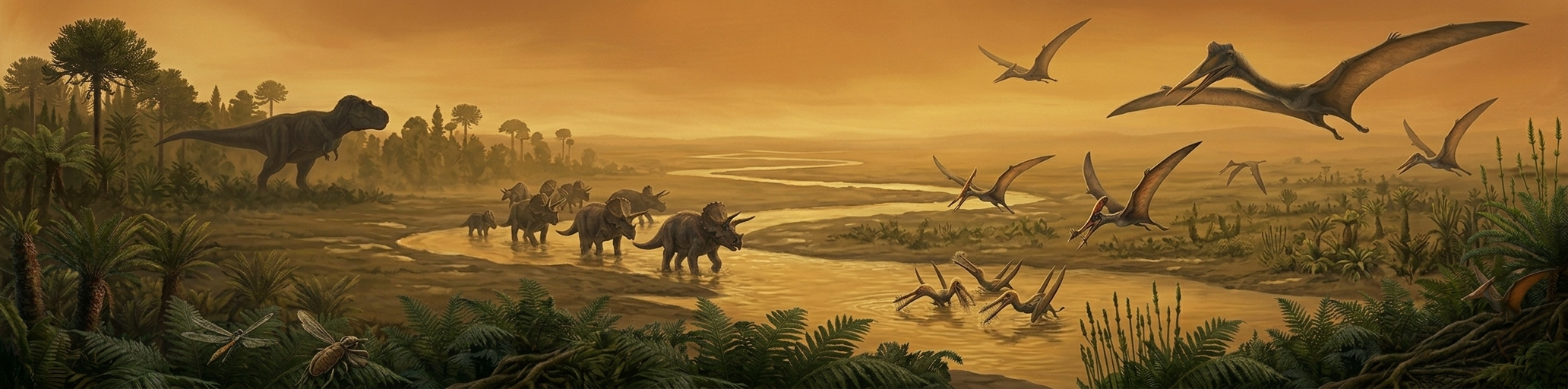
The Cretaceous fauna is the one we know. Tyrannosaurus rex stalks the final 2 million years of the period across western North America. Triceratops and its ceratopsian relatives graze in herds. Ankylosaurus swings a tail club capable of snapping bones. Hadrosaurs, the 'duckbilled dinosaurs', are among the most numerous large animals on the planet, hundreds of species browsing on flowering plants across every northern continent. On other landmasses, titanosaur sauropods still reach absurd sizes: Argentinosaurus becoming possibly the largest land animal ever. Above the treeline, Quetzalcoatlus, with a 10-meter (33-foot) wingspan, soars like a flying giraffe. The Cretaceous is the peak of the dinosaur experiment, 1,000+ species and counting, right up until the moment, the single day in earth's history, that ends it all.
The World of the Cretaceous
The Cretaceous opened with the supercontinent Pangaea already fractured, and over the next 79 million years, the Atlantic Ocean widened as South America and Africa separated, while India broke free from Madagascar and began its northward journey toward Asia. Sea levels rose dramatically—reaching 200-300 meters higher than today—flooding continental interiors and creating vast shallow seaways like the Western Interior Seaway that split North America in two from the Gulf of Mexico to the Arctic Ocean. This high-water world produced warm, equable climates from pole to pole, with no permanent ice caps and crocodilians living above the Arctic Circle. Unlike the earlier Jurassic, which featured more connected landmasses and cooler seaways, or the following Paleogene with its dropping seas and cooling climate, the Cretaceous represented a peak of continental fragmentation and marine transgression that isolated dinosaur populations on separate landm
Species of the Cretaceous
95 species in the DinoVault collection
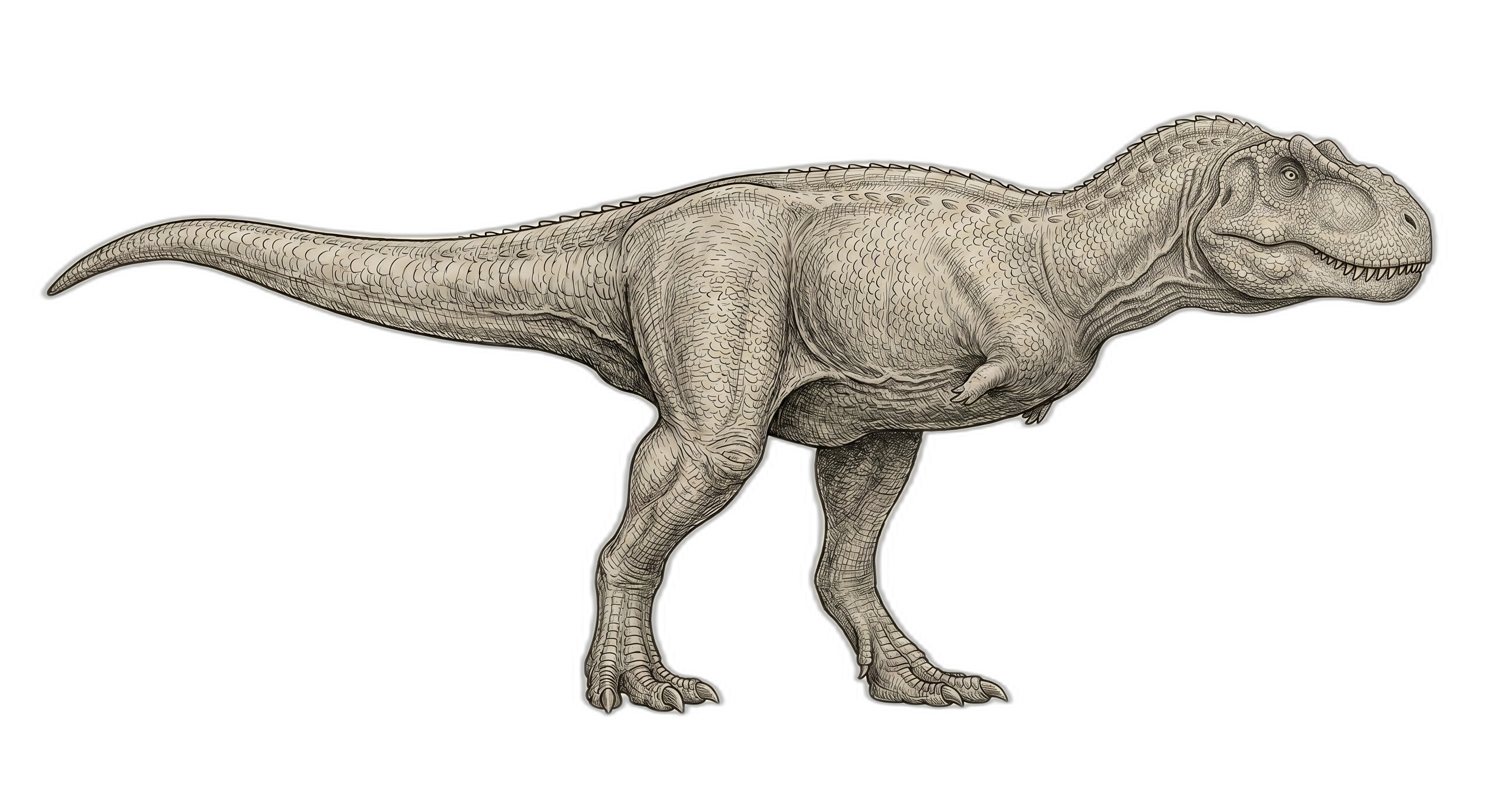
Abelisaurus comahuensis
7.4m long
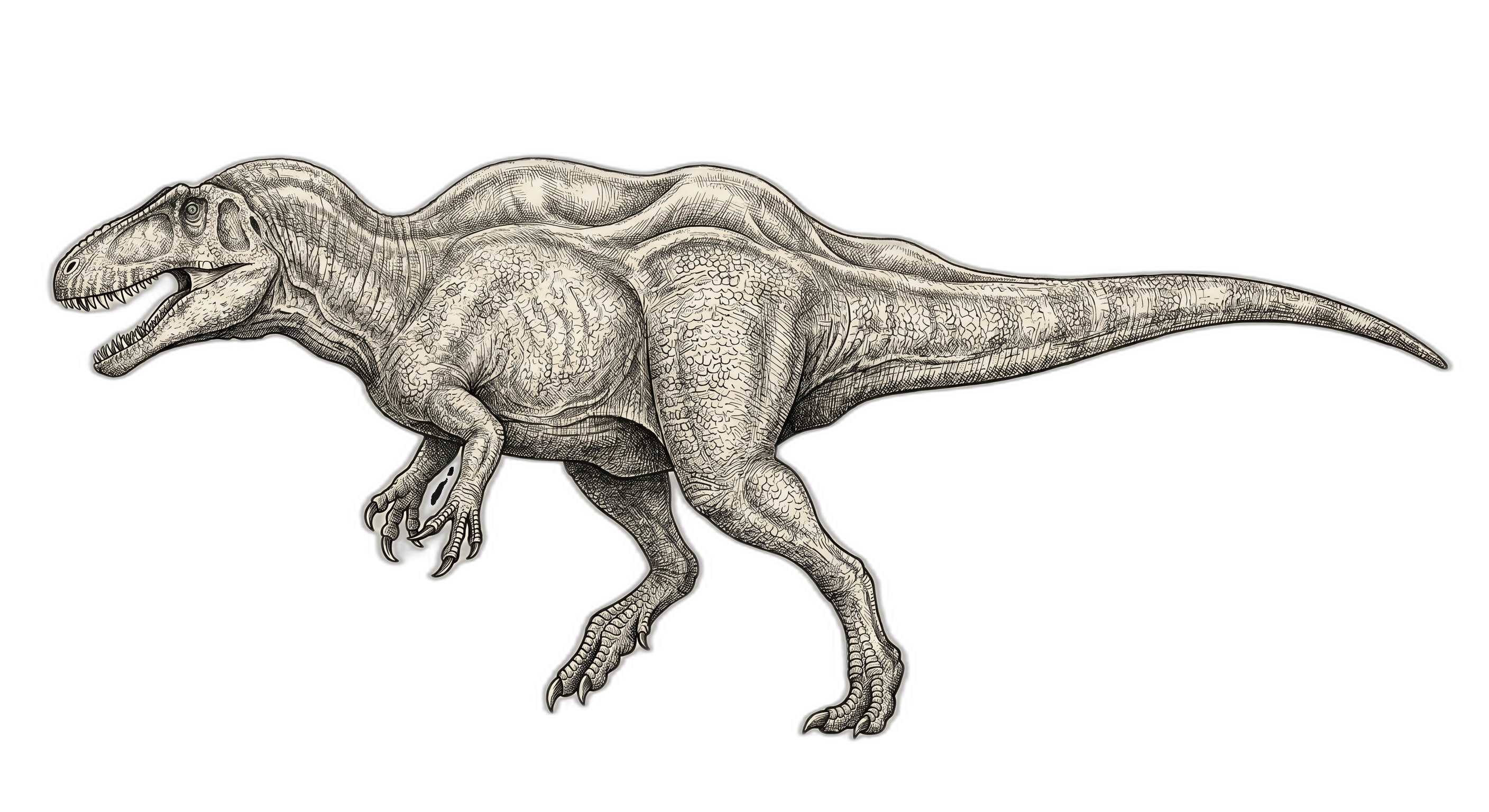
Acrocanthosaurus atokensis
11.5m long
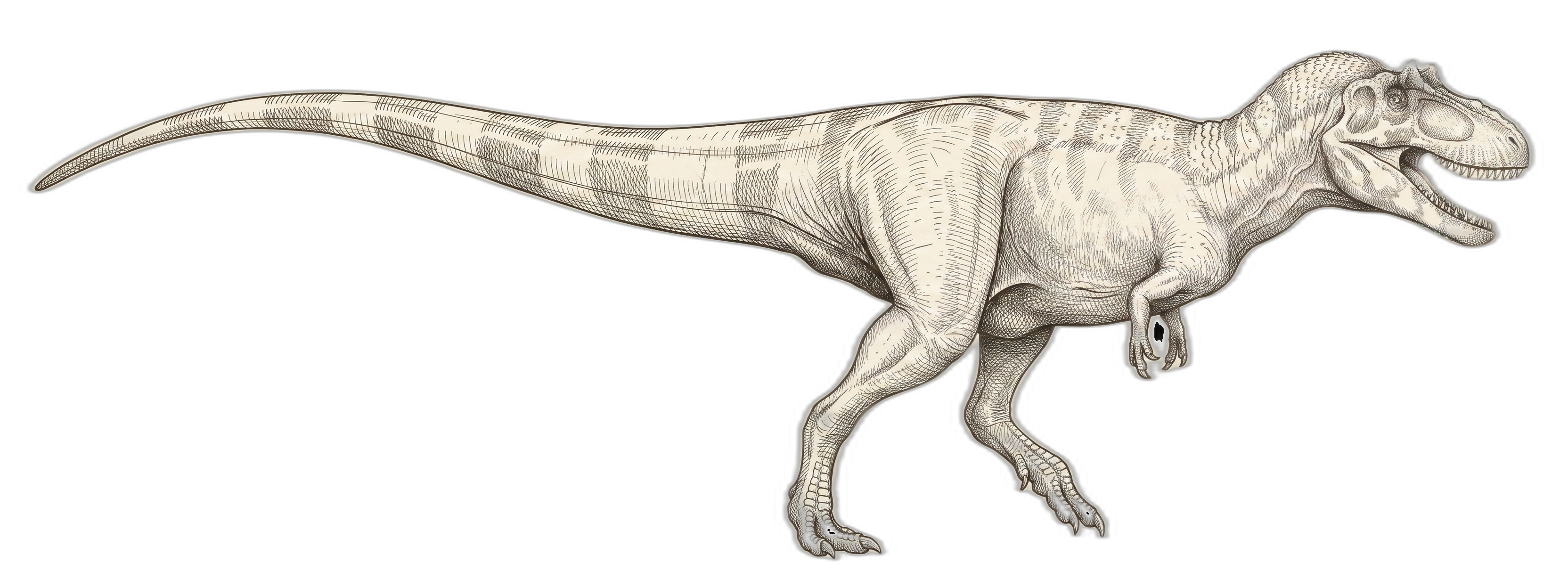
Albertosaurus sarcophagus
9m long
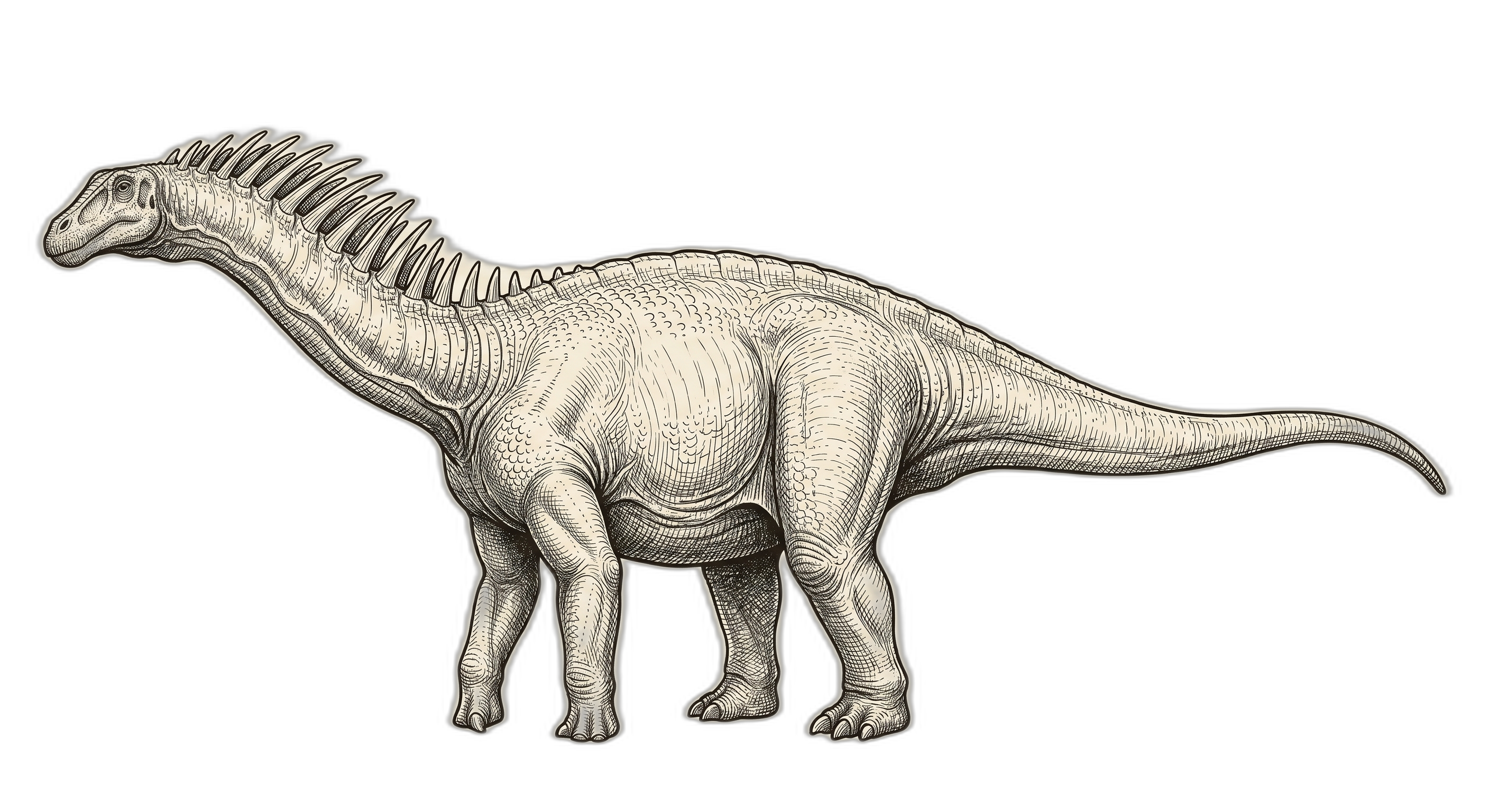
Amargasaurus cazaui
10m long
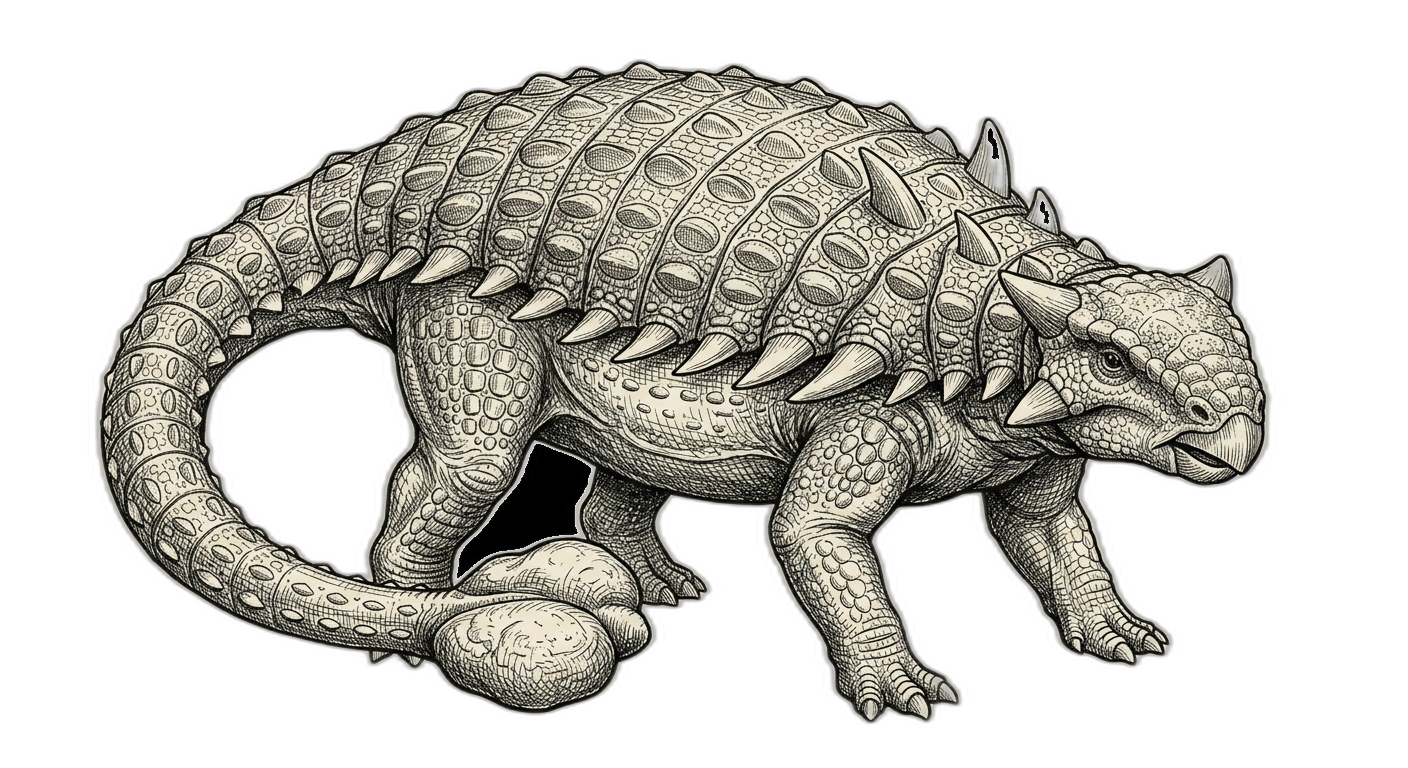
Ankylosaurus magniventris
7.5m long
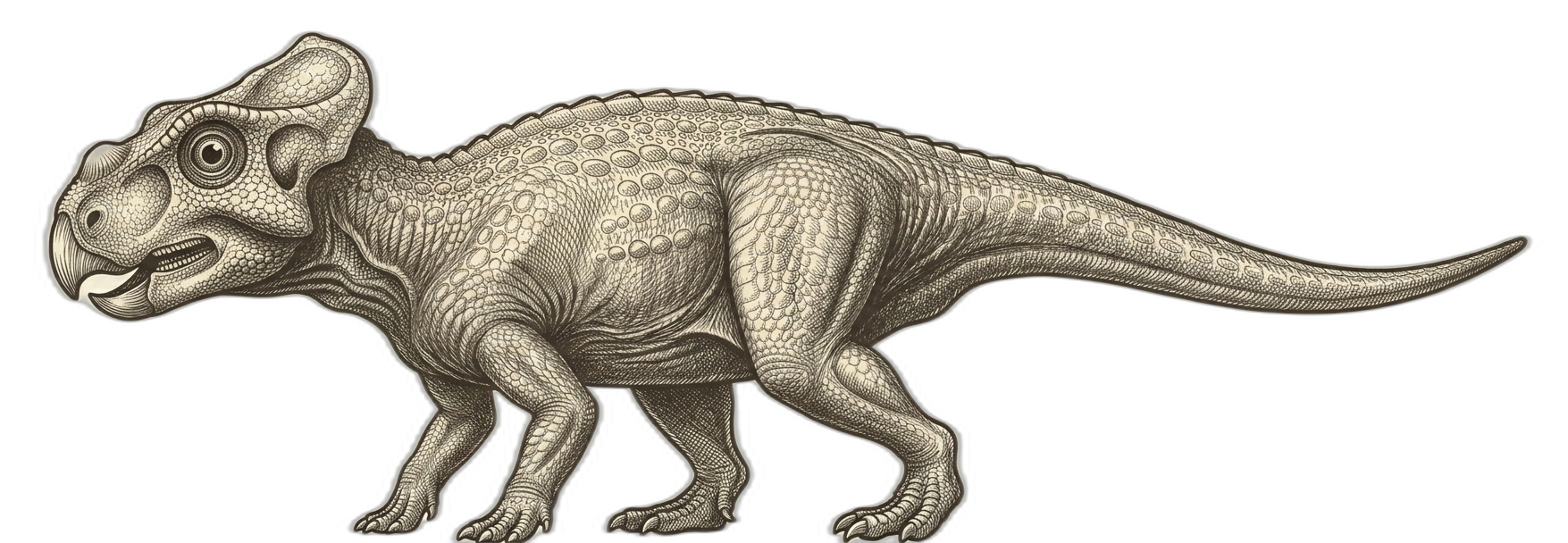
Aquilops americanus
0.6m long
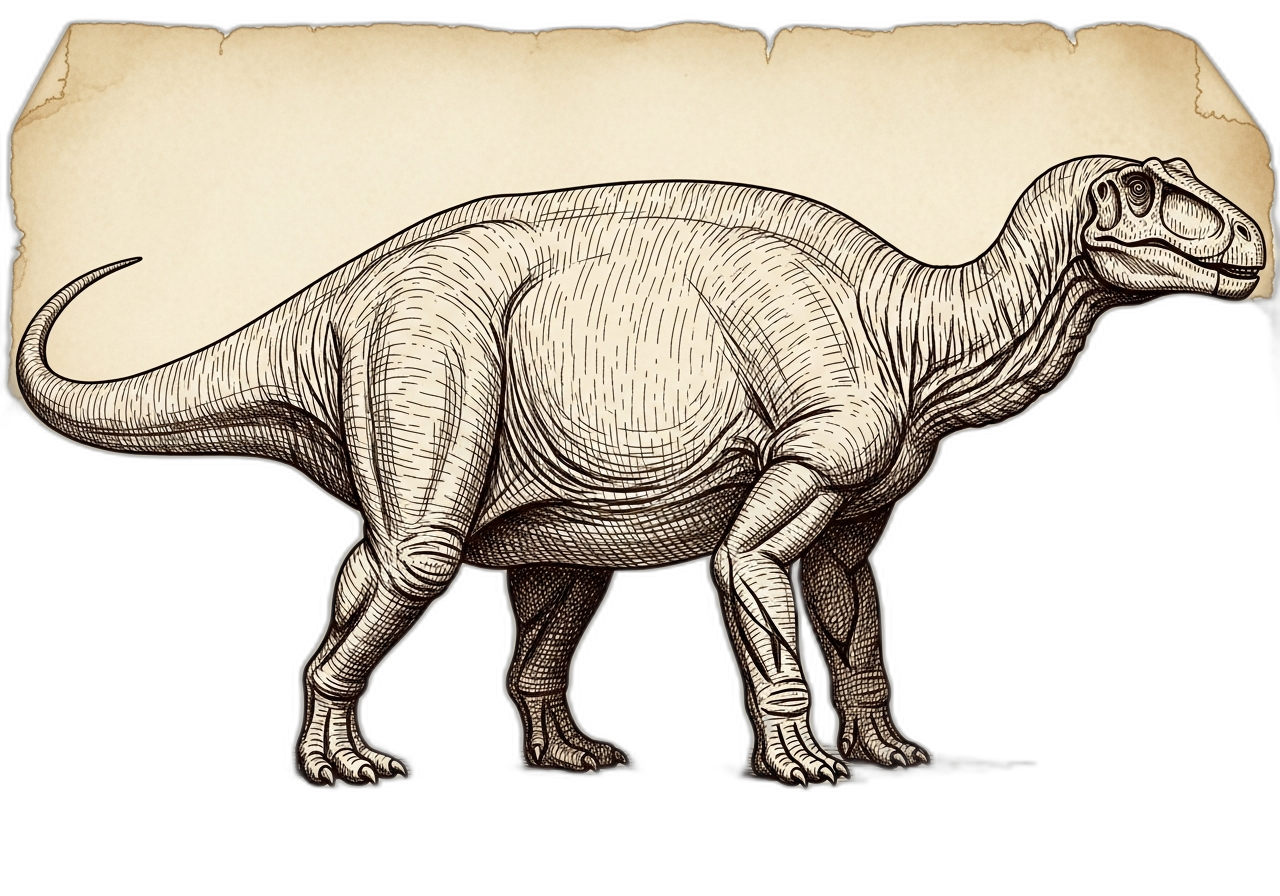
Argentinosaurus huinculensis
33m long
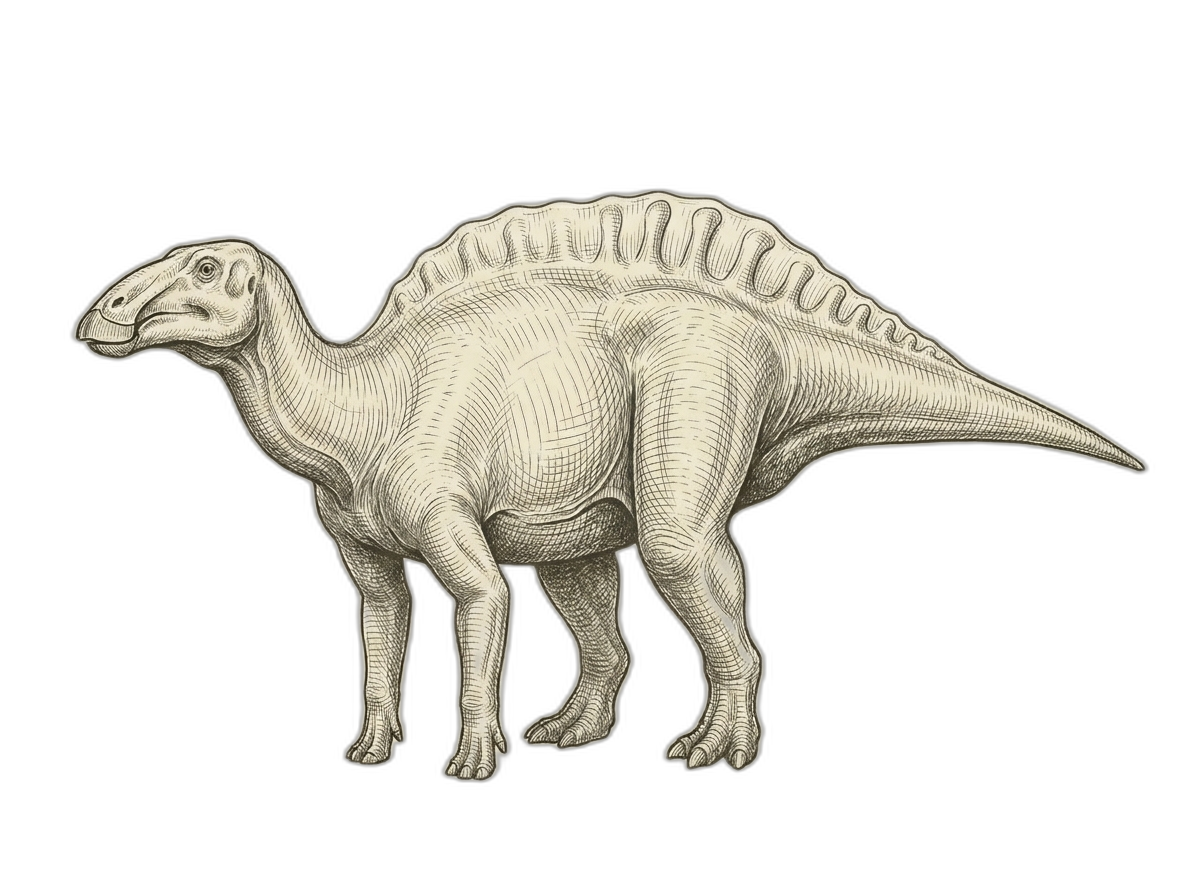
Bactrosaurus johnsoni
6m long
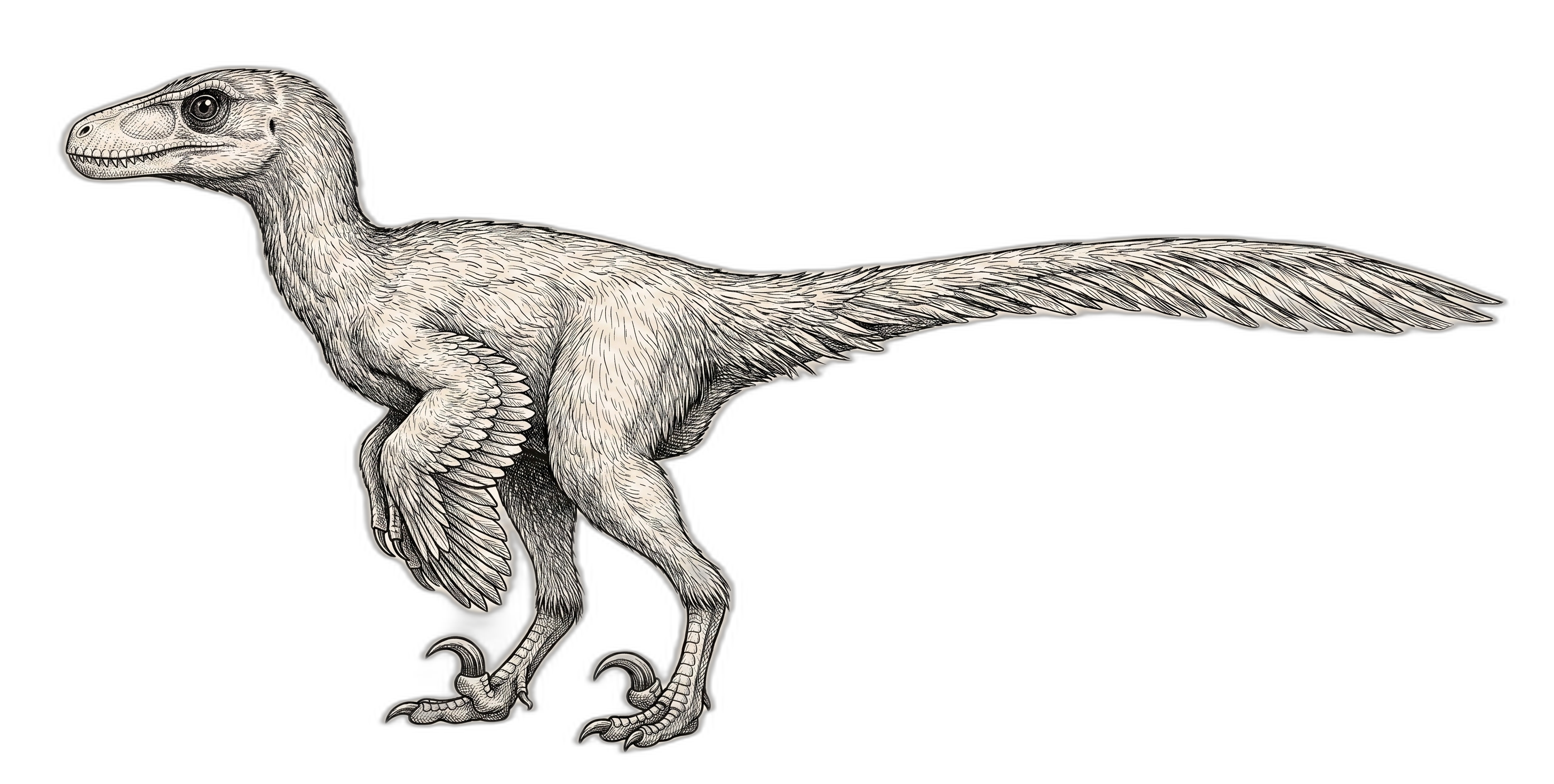
Bambiraptor feinbergorum
0.9m long
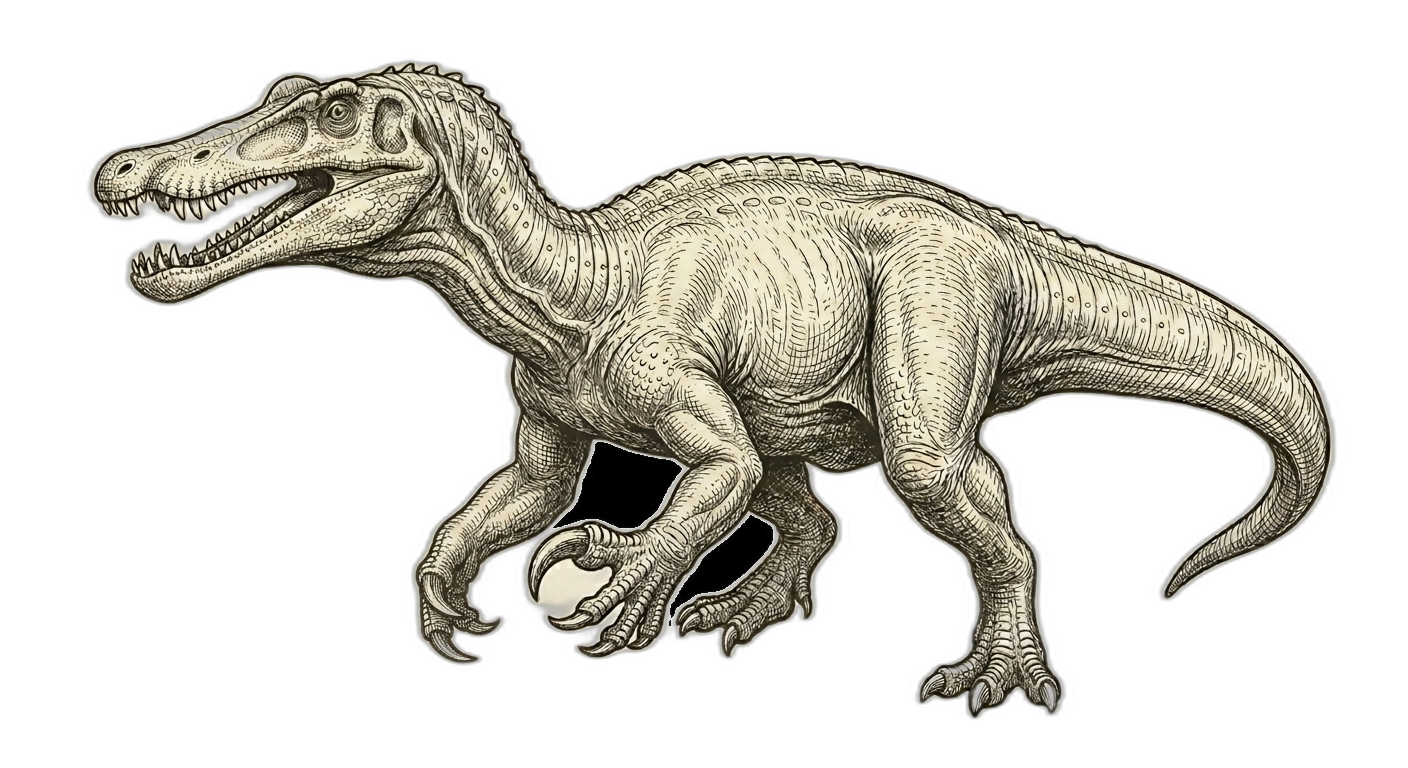
Baryonyx walkeri
8.5m long
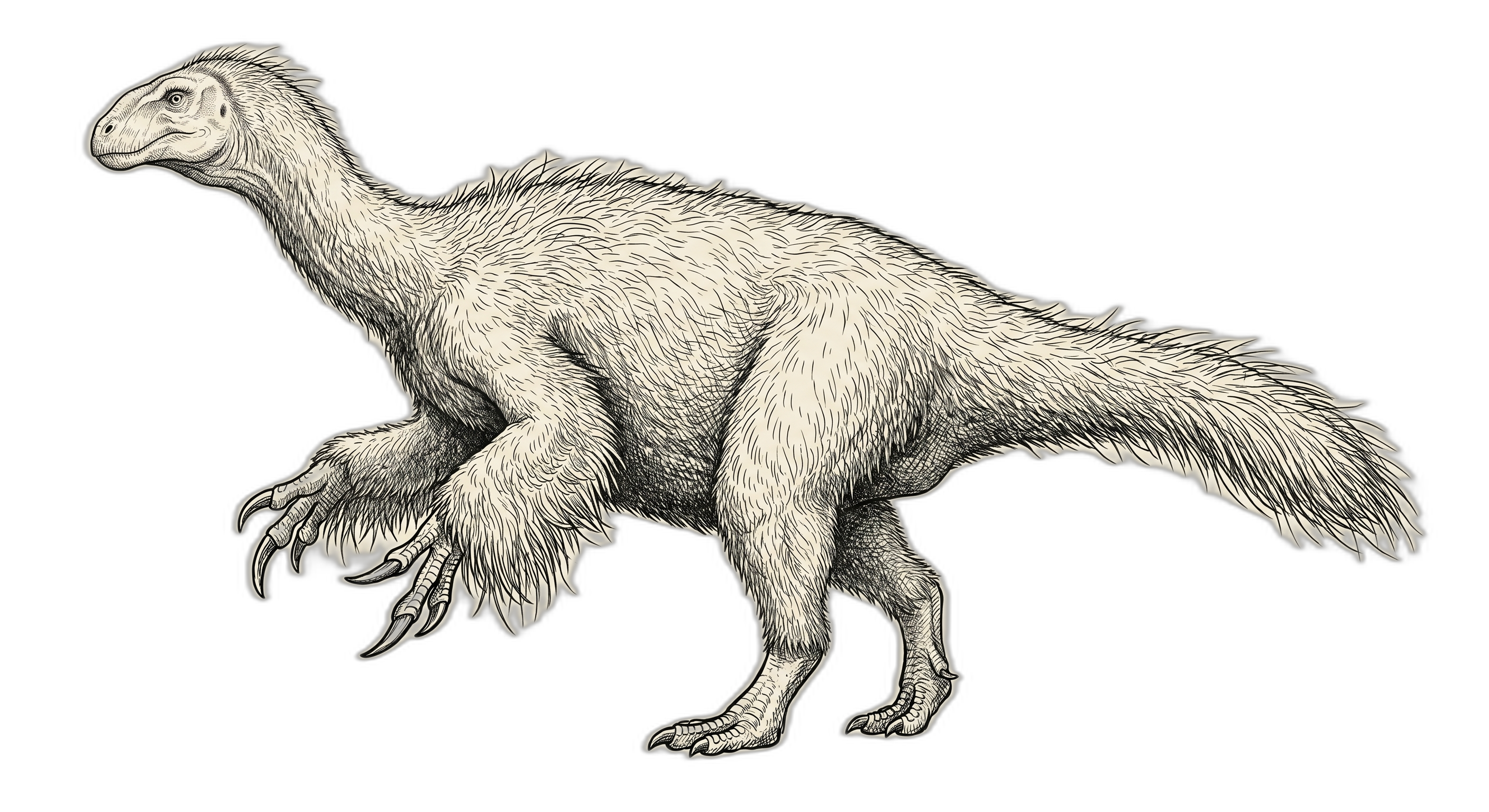
Beipiaosaurus inexpectus
2.2m long
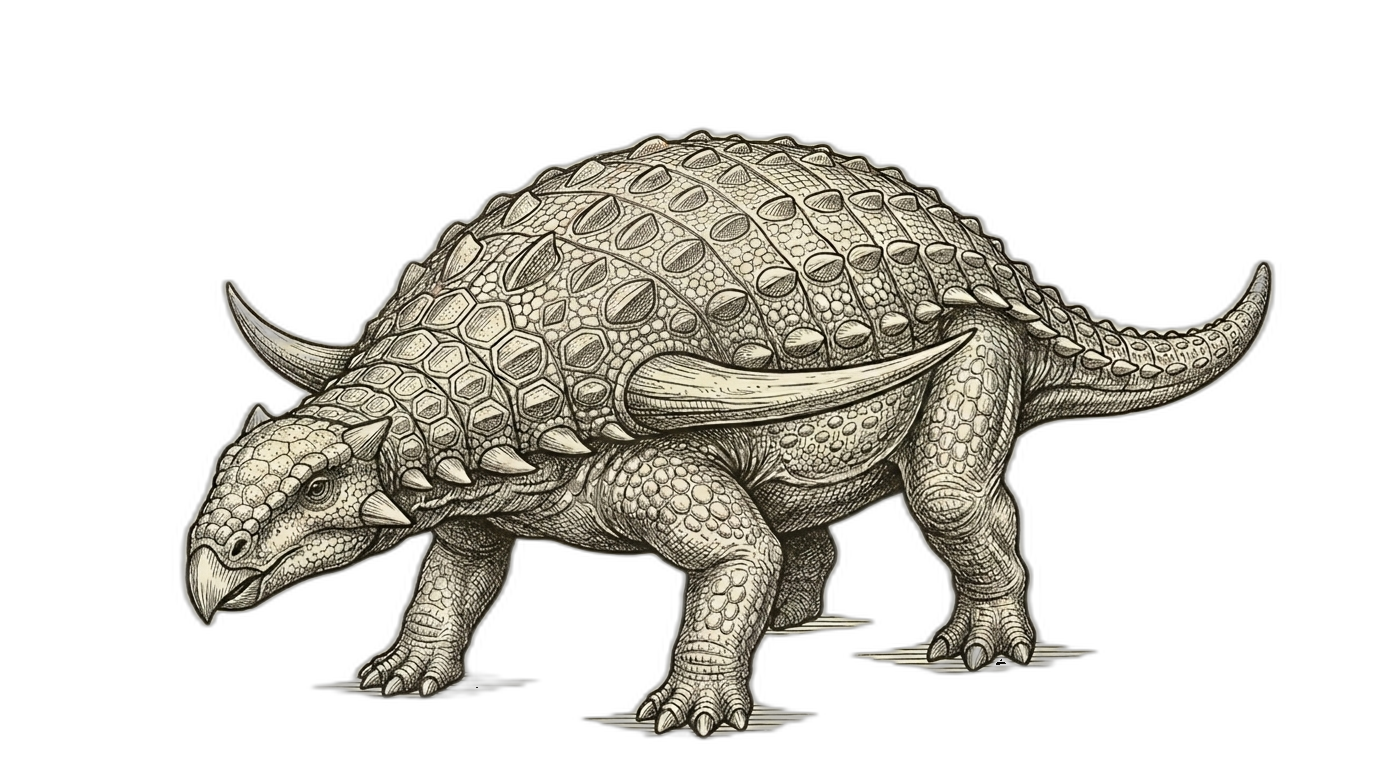
Borealopelta markmitchelli
5.5m long
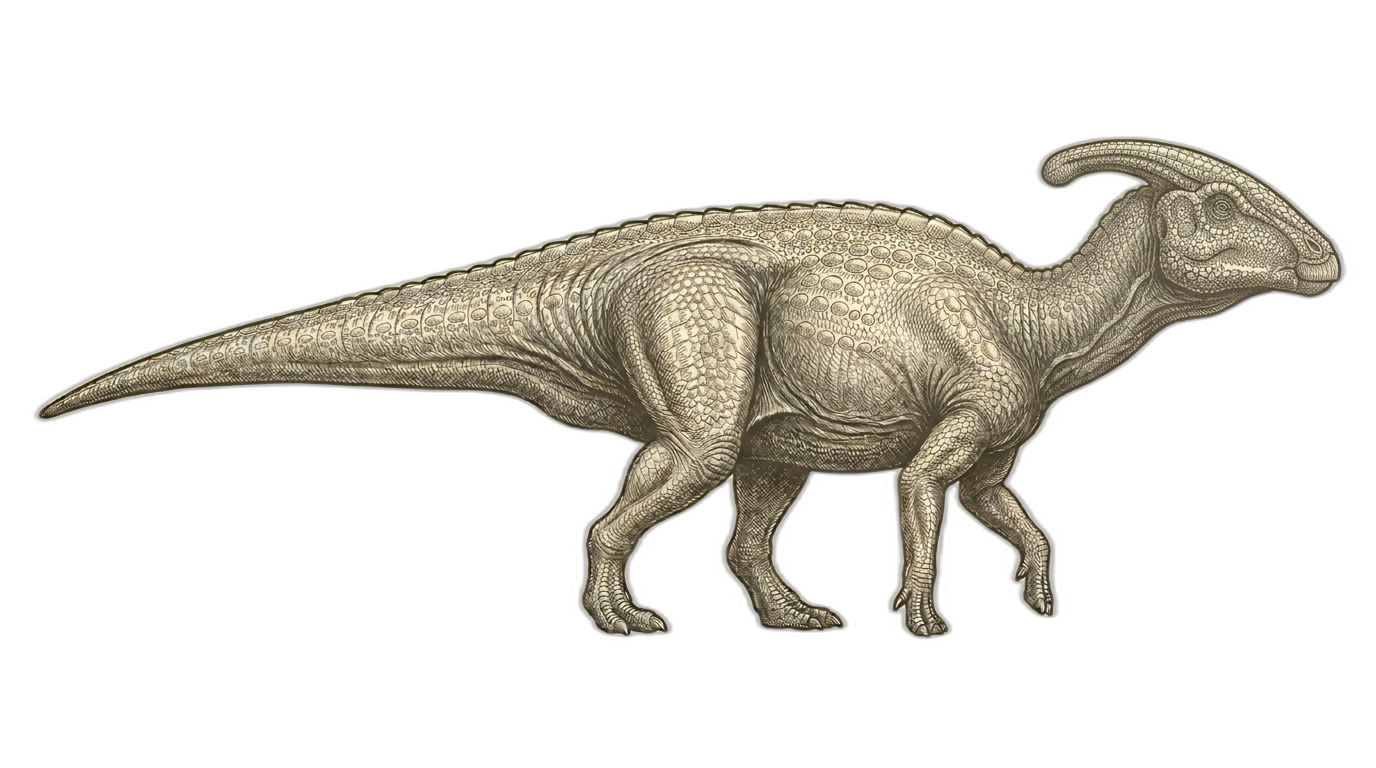
Brachylophosaurus canadensis
9m long
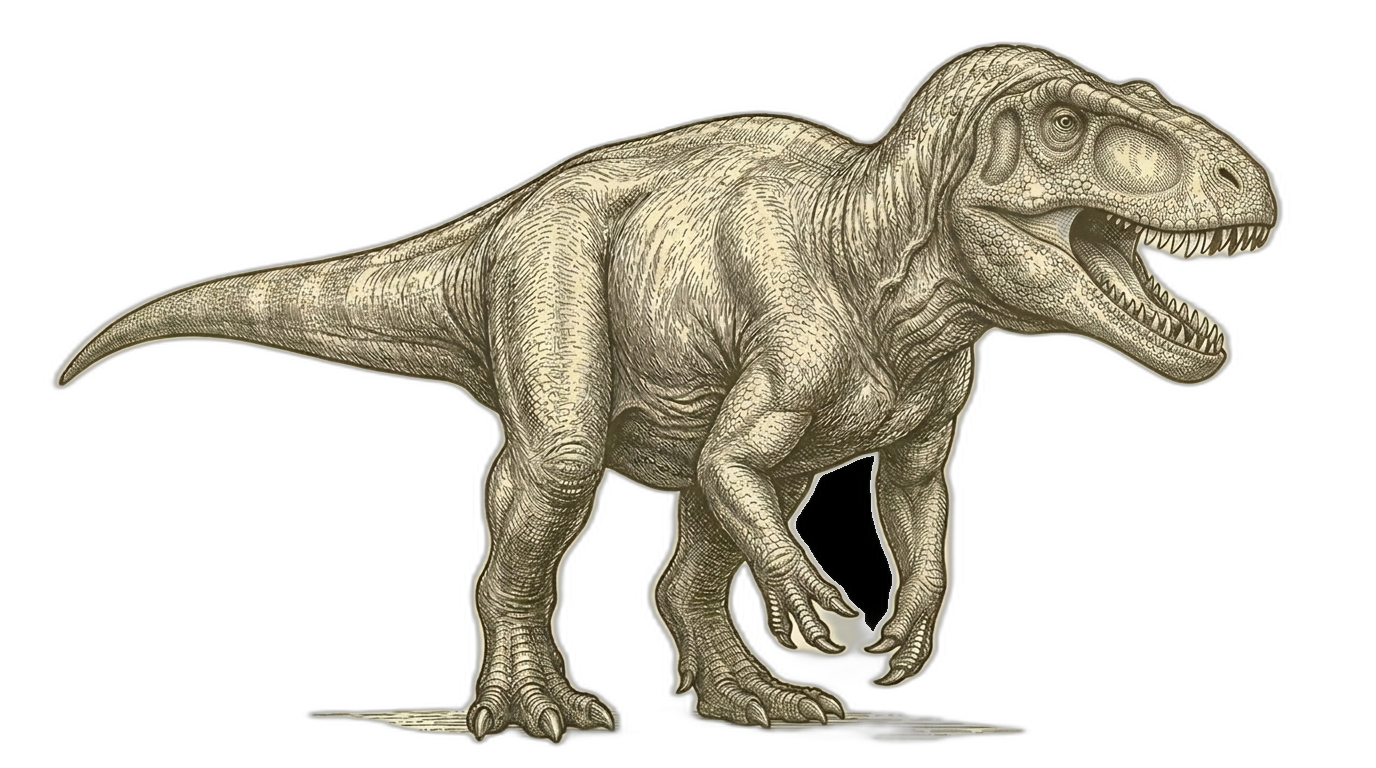
Carcharodontosaurus saharicus
12m long
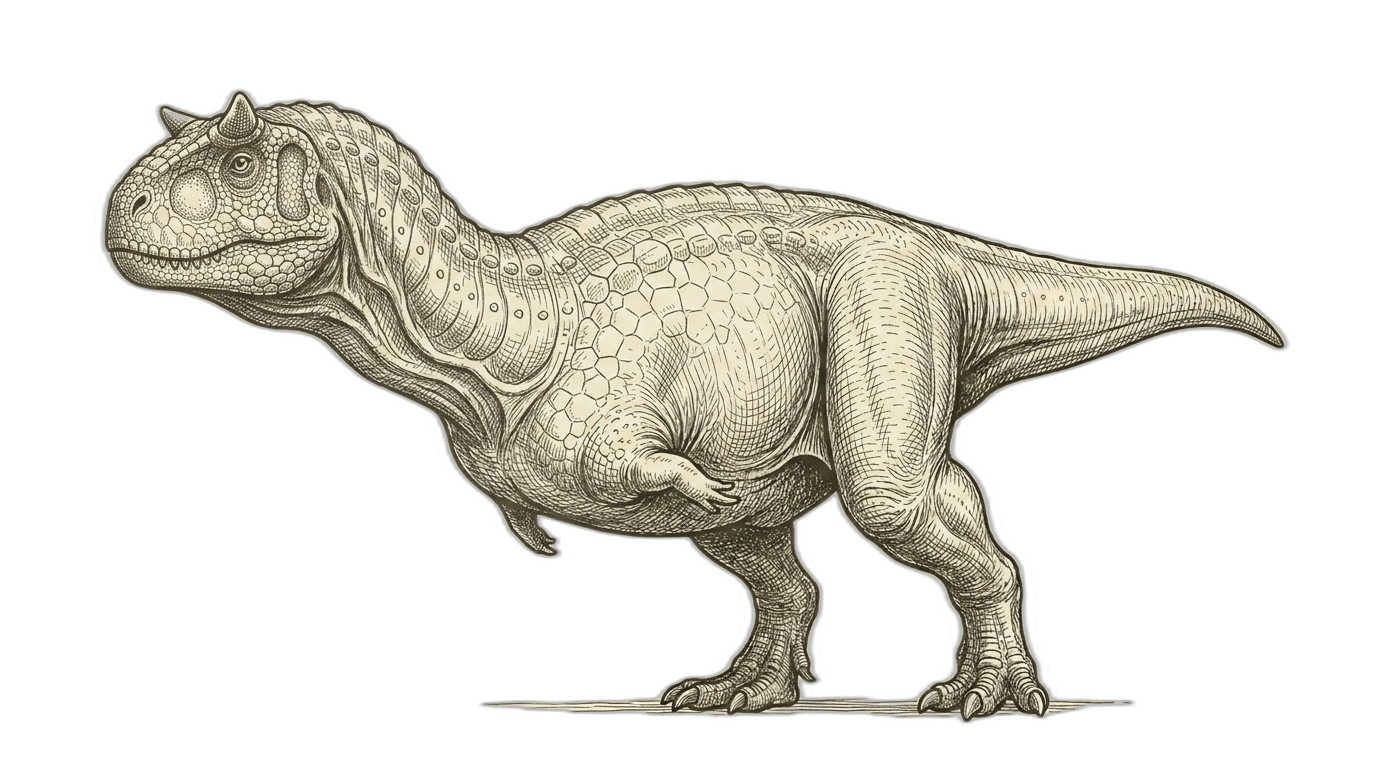
Carnotaurus sastrei
7.8m long
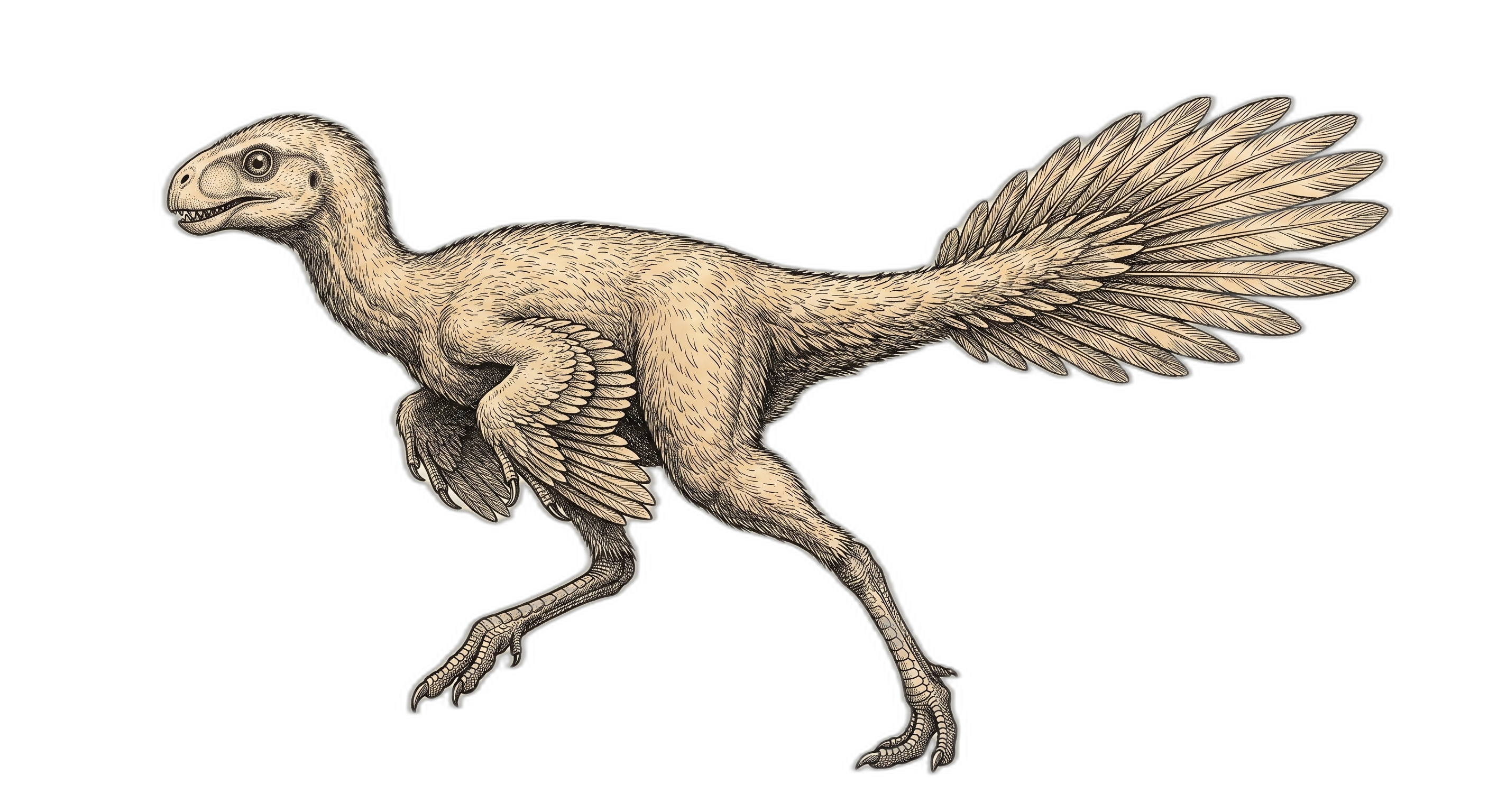
Caudipteryx zoui
0.9m long
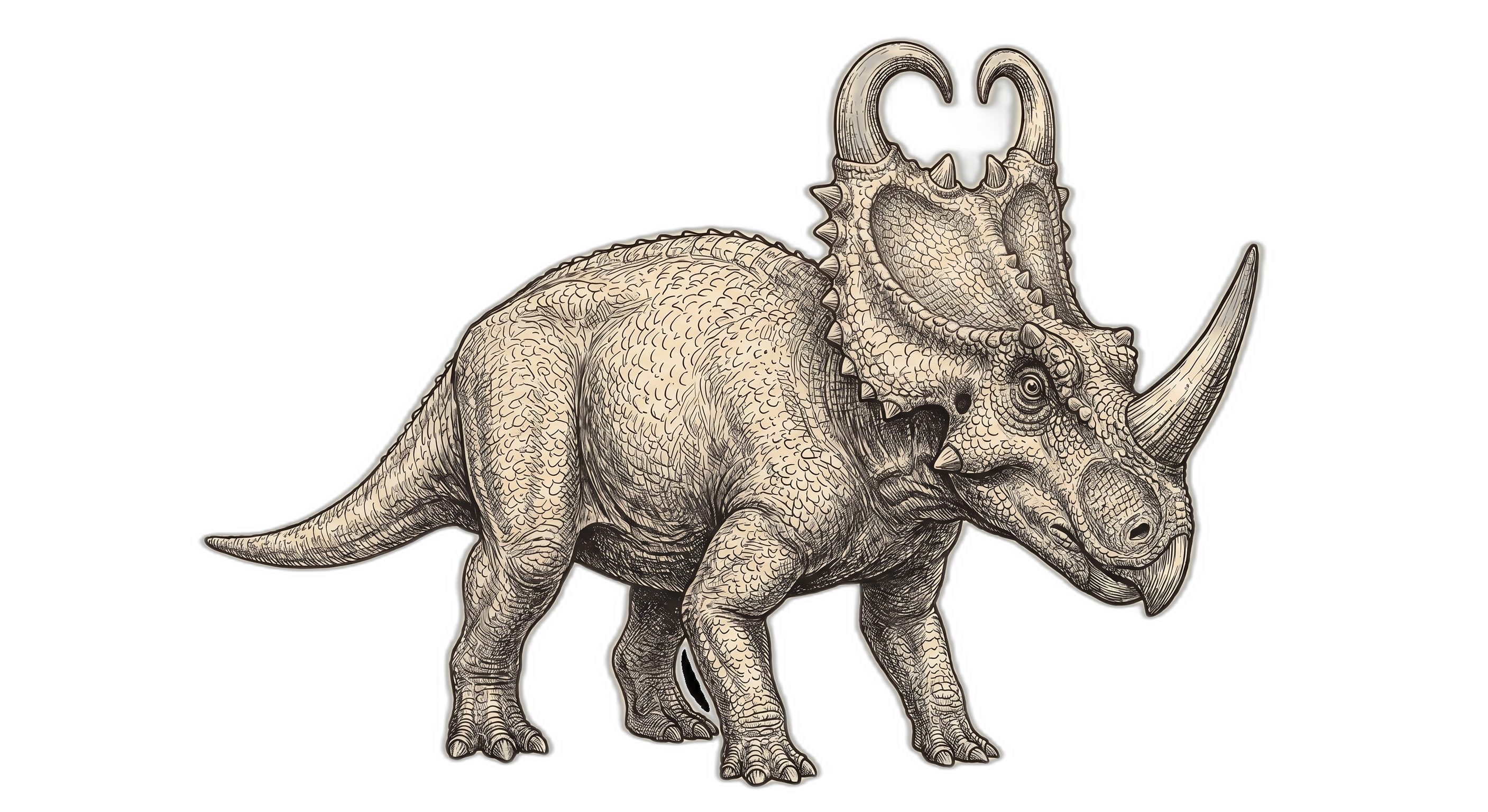
Centrosaurus apertus
5.5m long
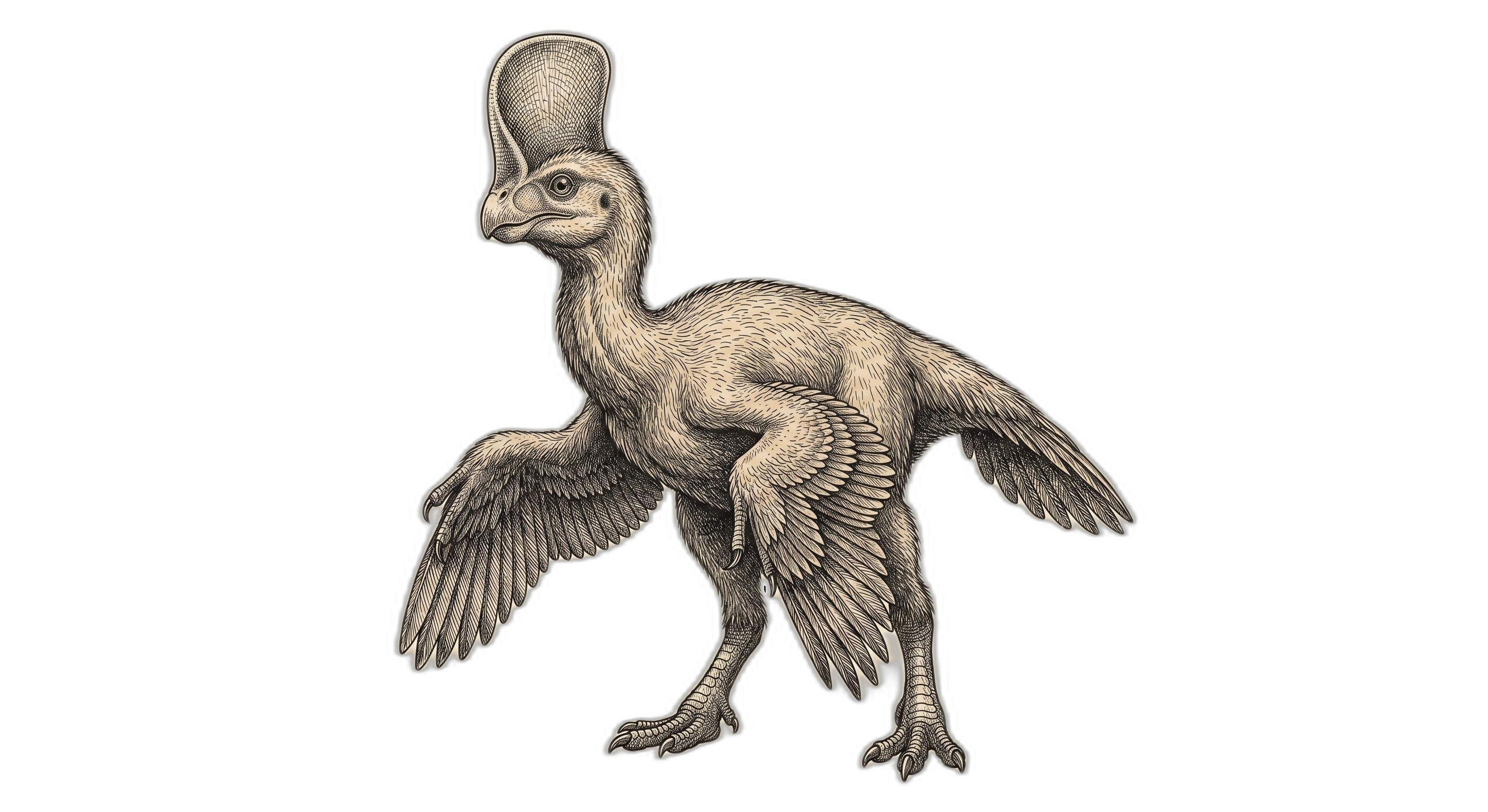
Citipati osmolskae
2.8m long
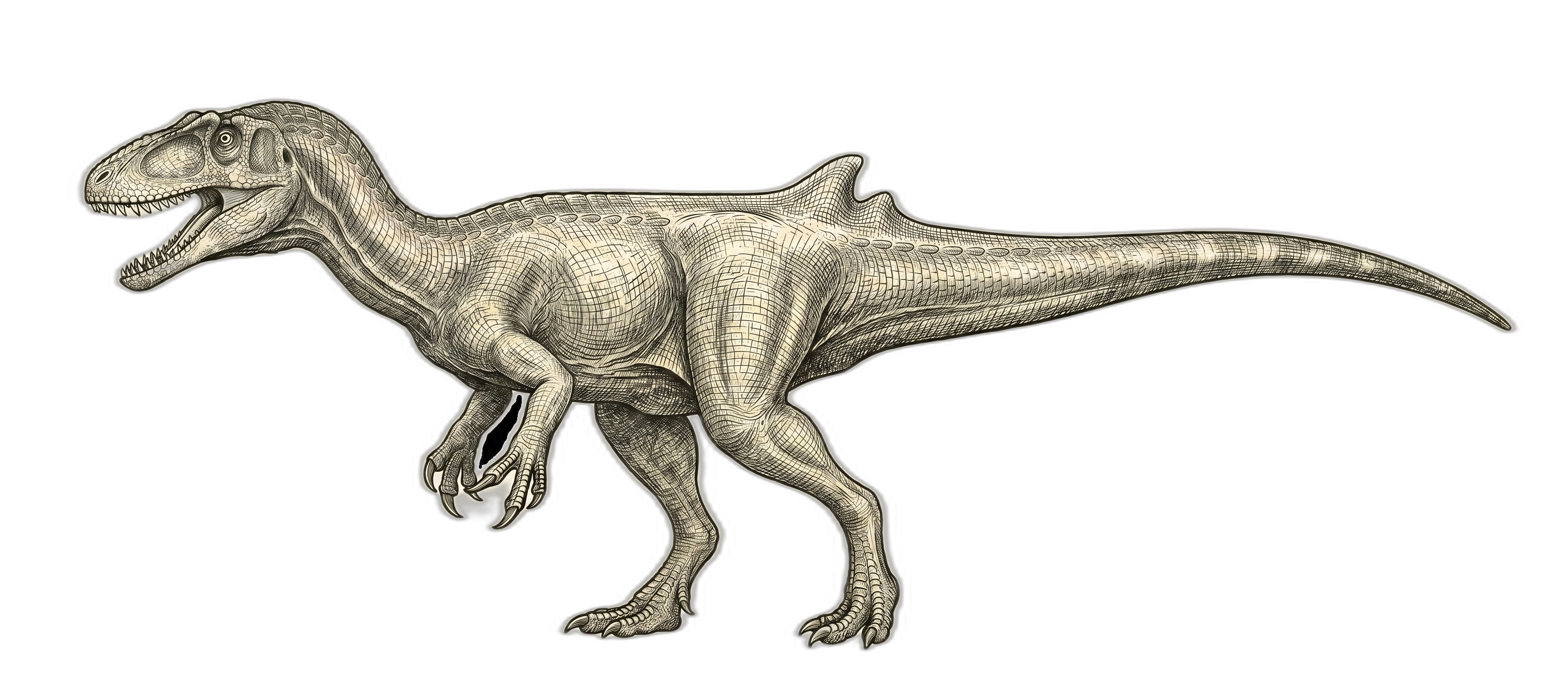
Concavenator corcovatus
6m long
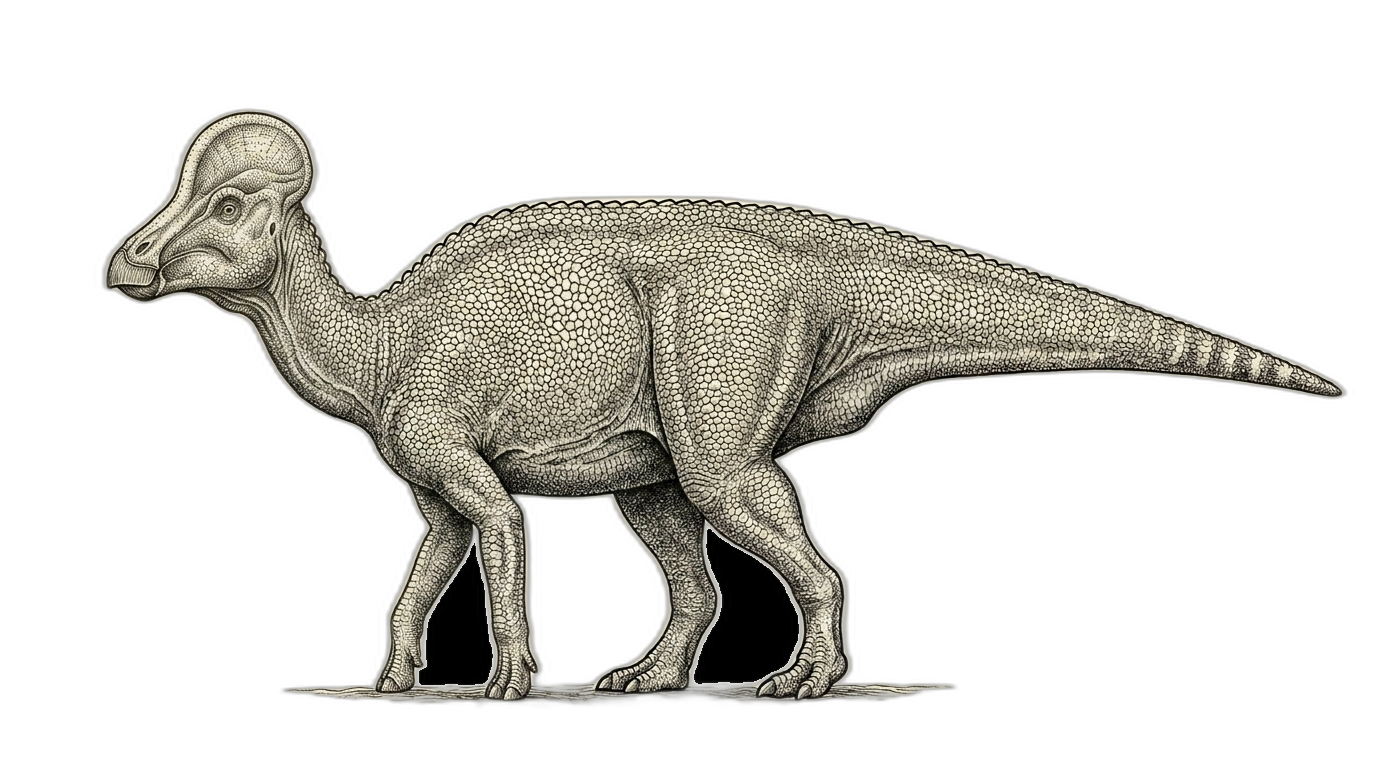
Corythosaurus casuarius
8.5m long
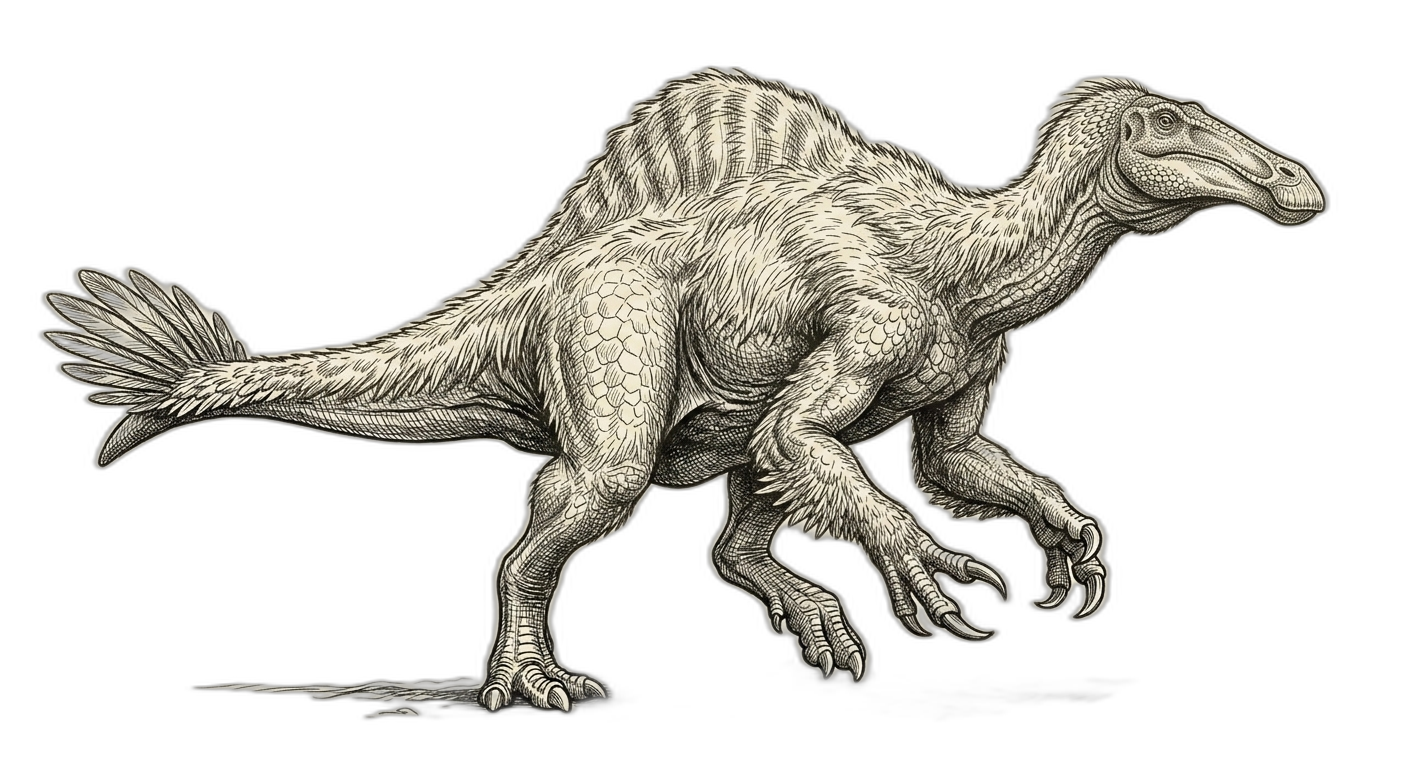
Deinocheirus mirificus
11m long
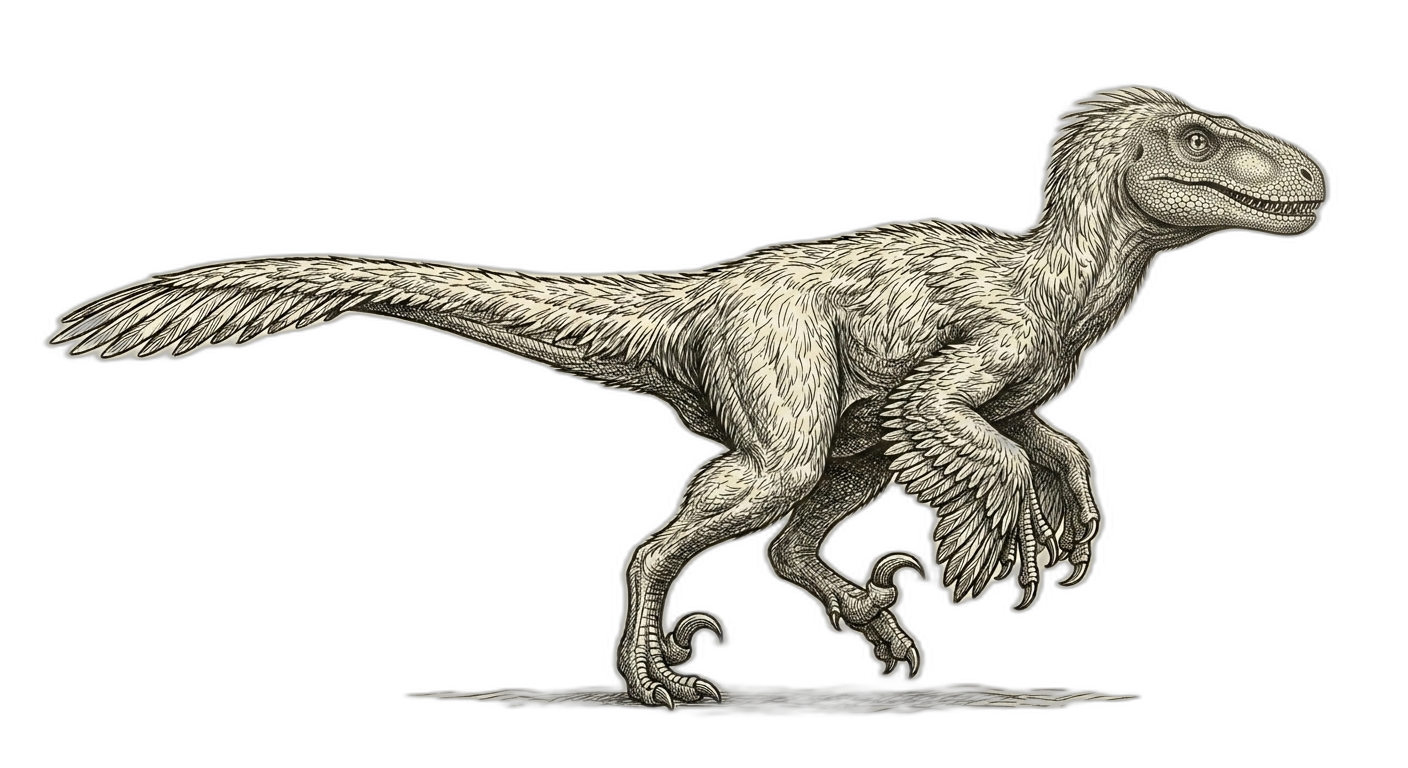
Deinonychus antirrhopus
3.4m long
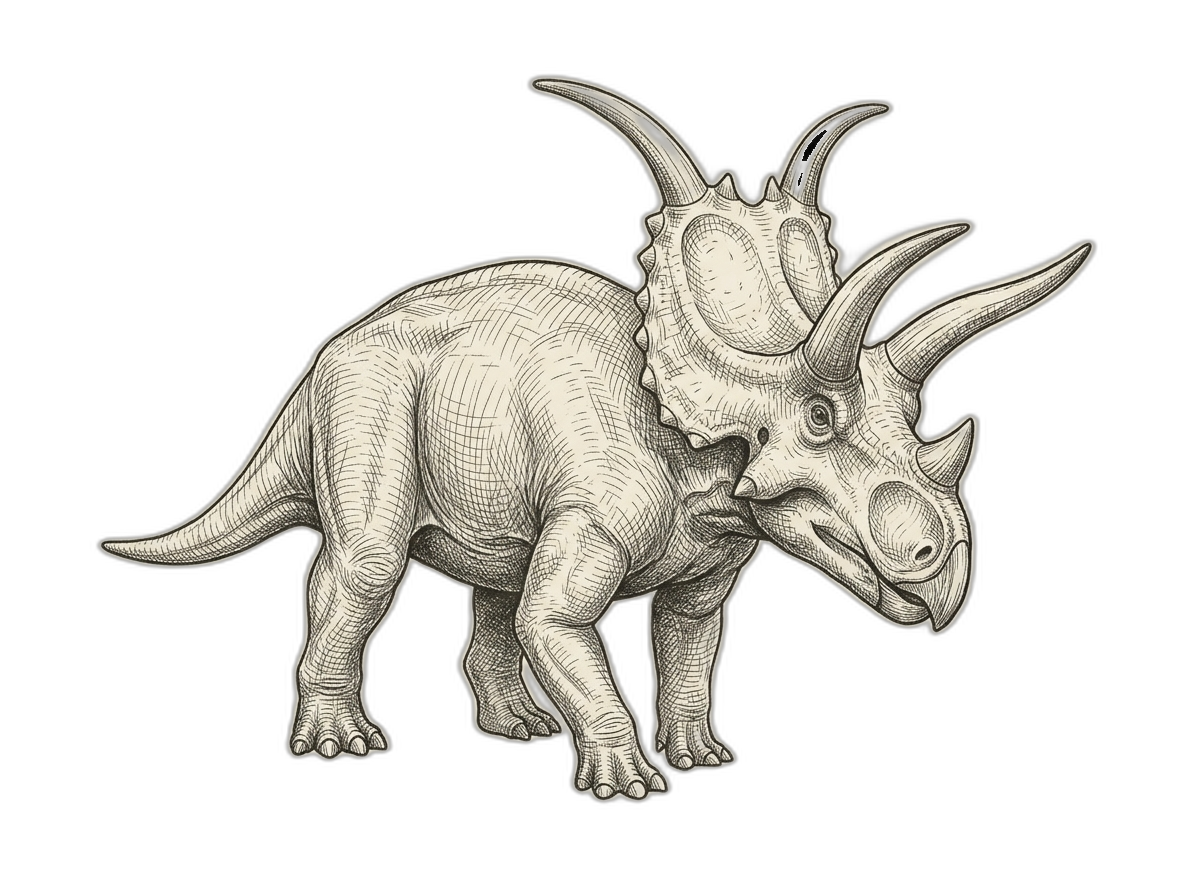
Diabloceratops eatoni
5.5m long
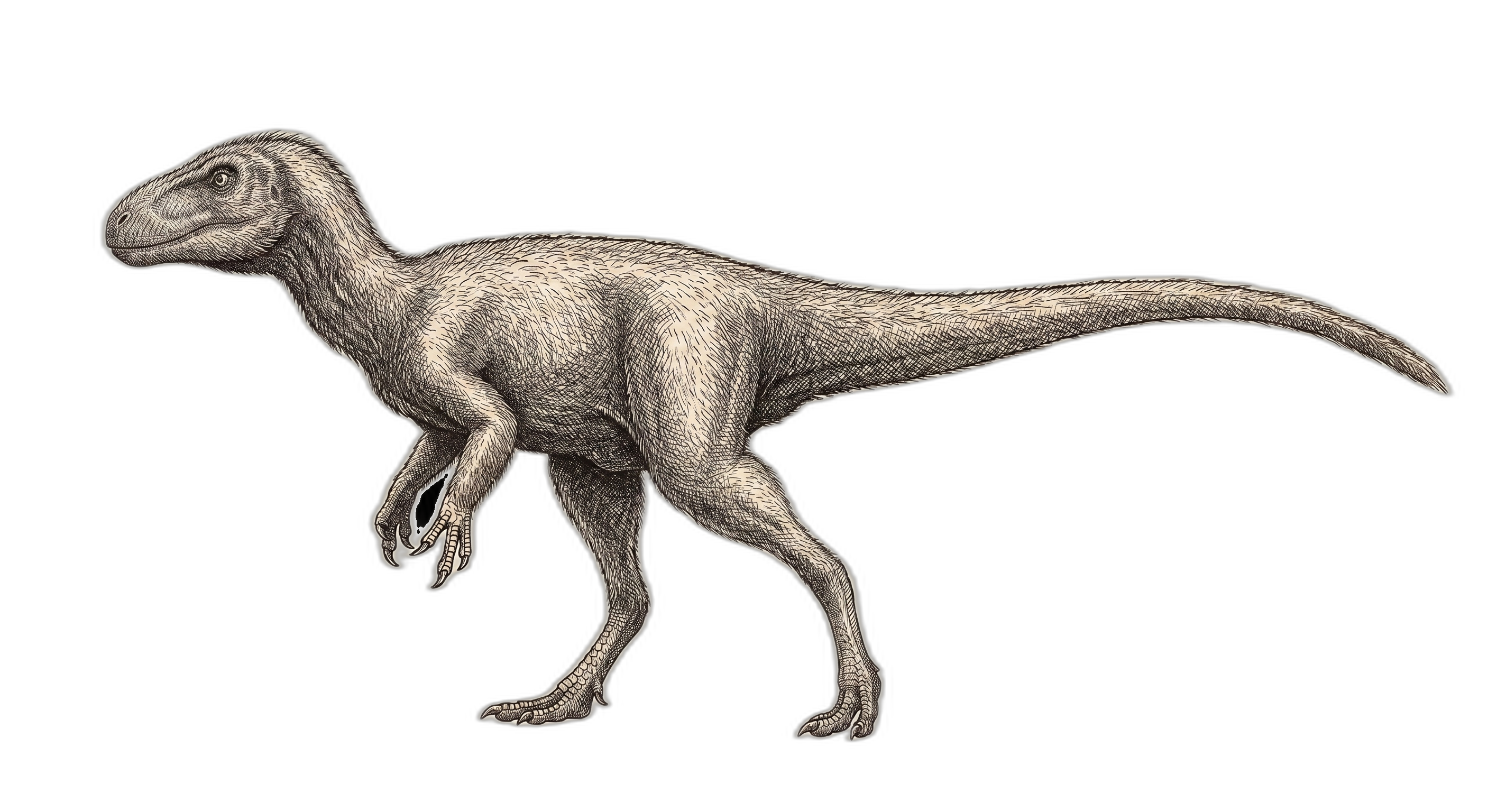
Dilong paradoxus
1.6m long
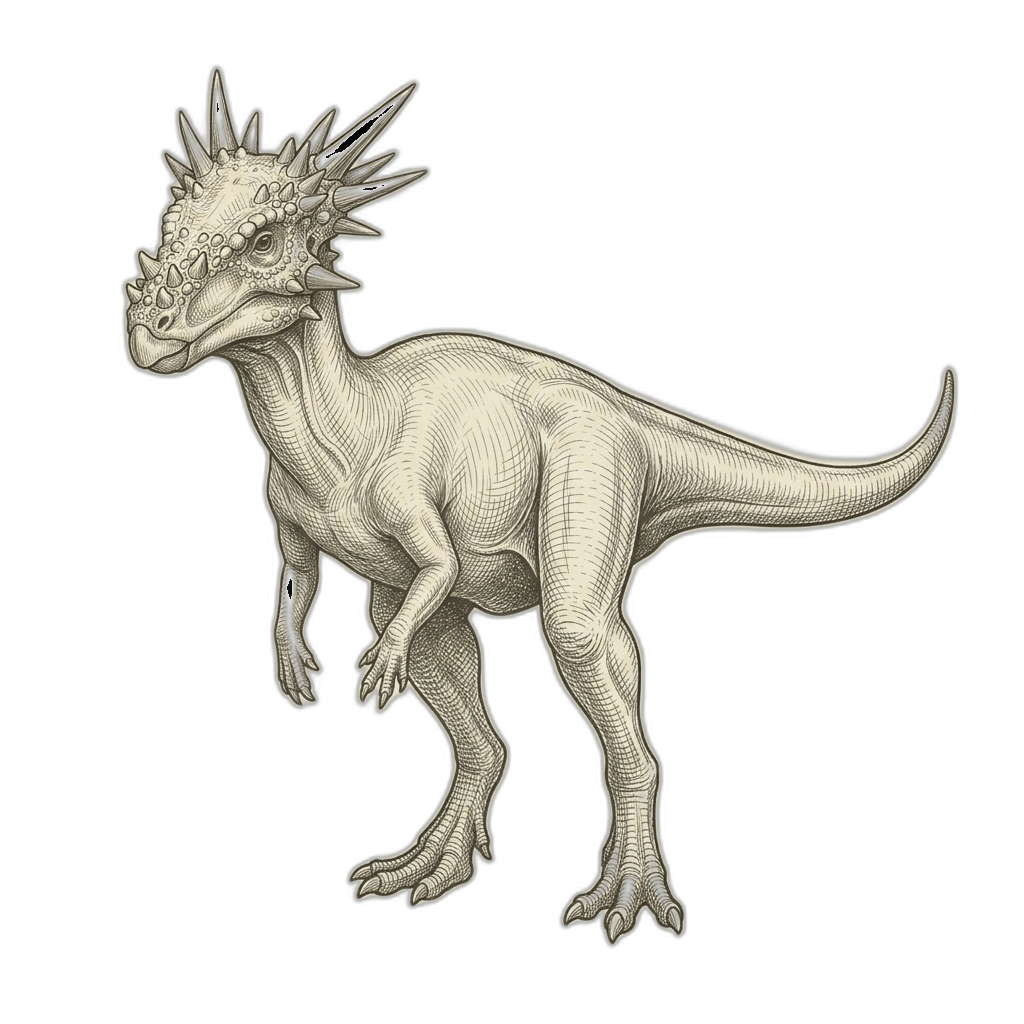
Dracorex hogwartsia
3m long
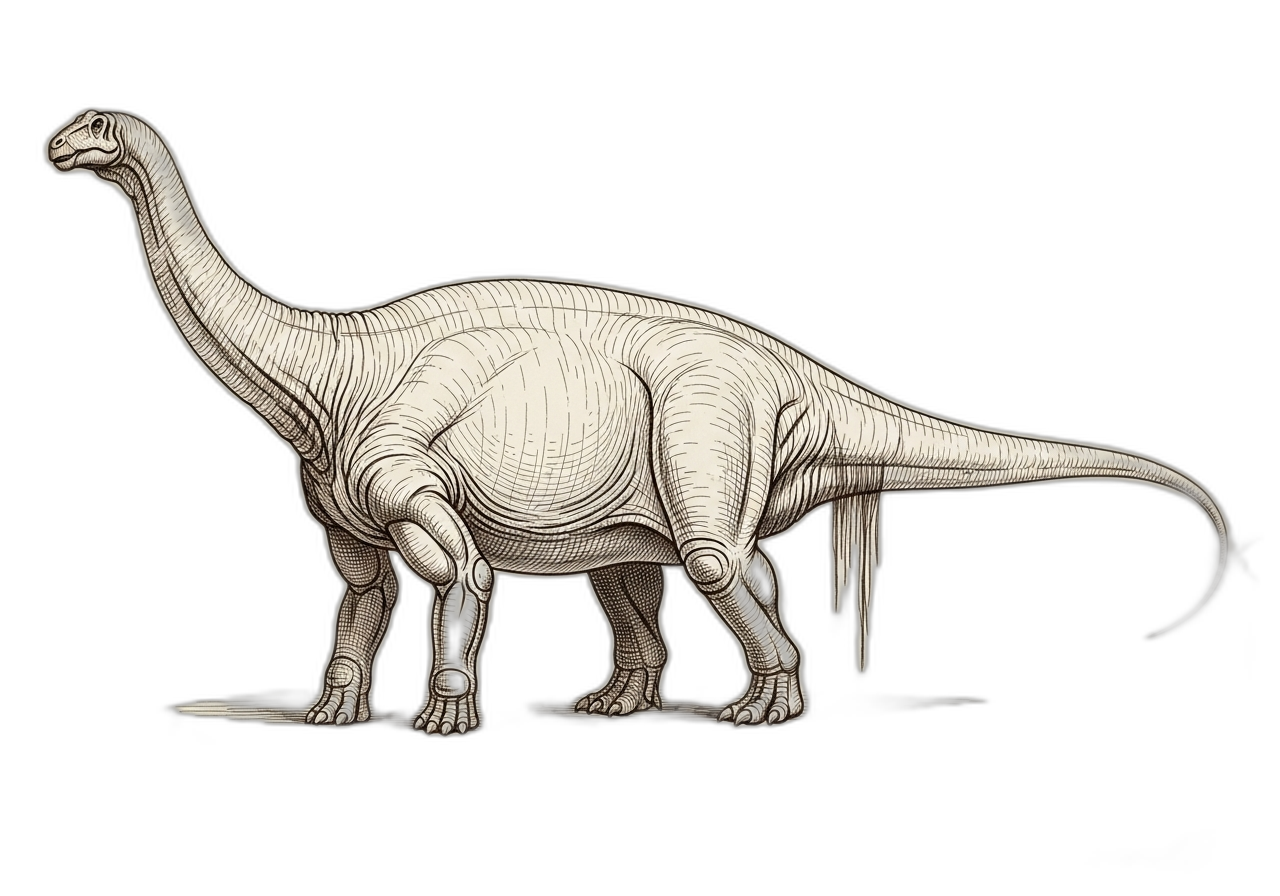
Dreadnoughtus schrani
26m long
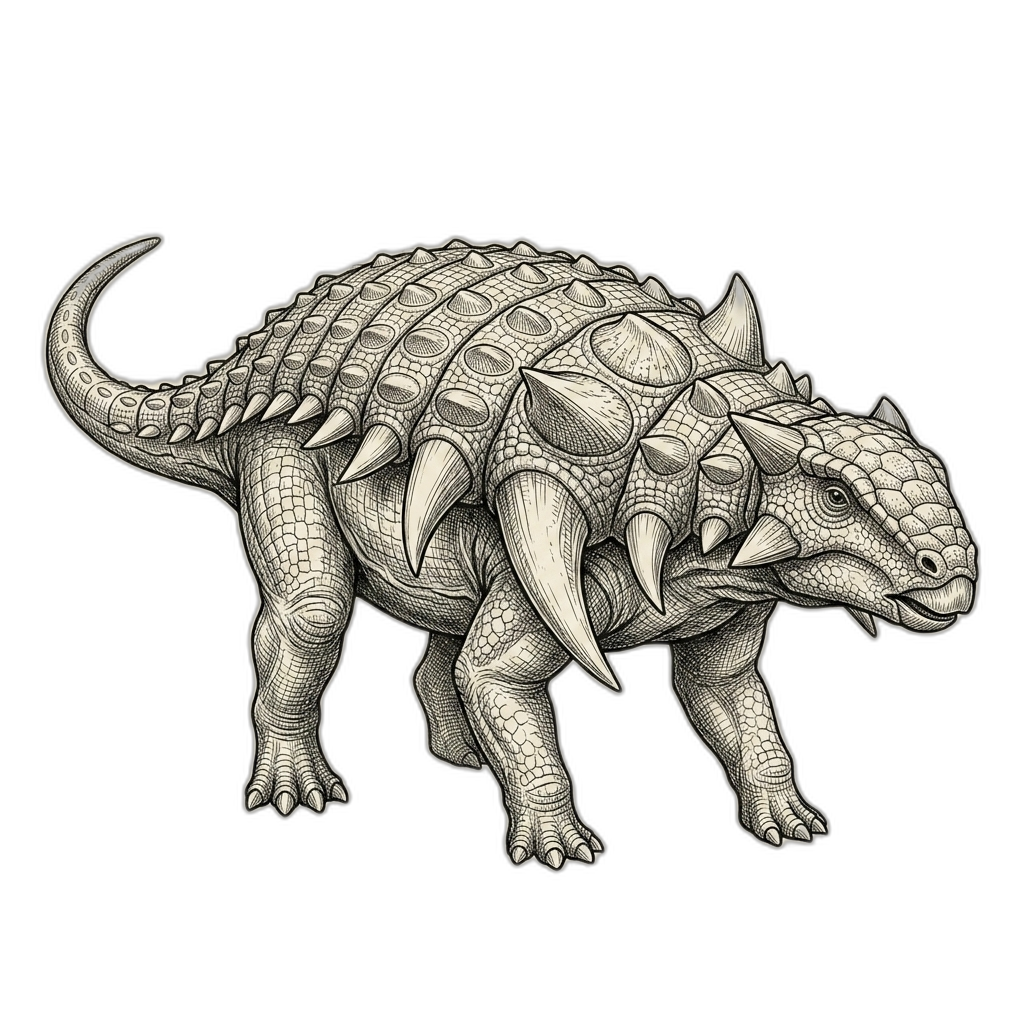
Edmontonia rugosidens
6.6m long
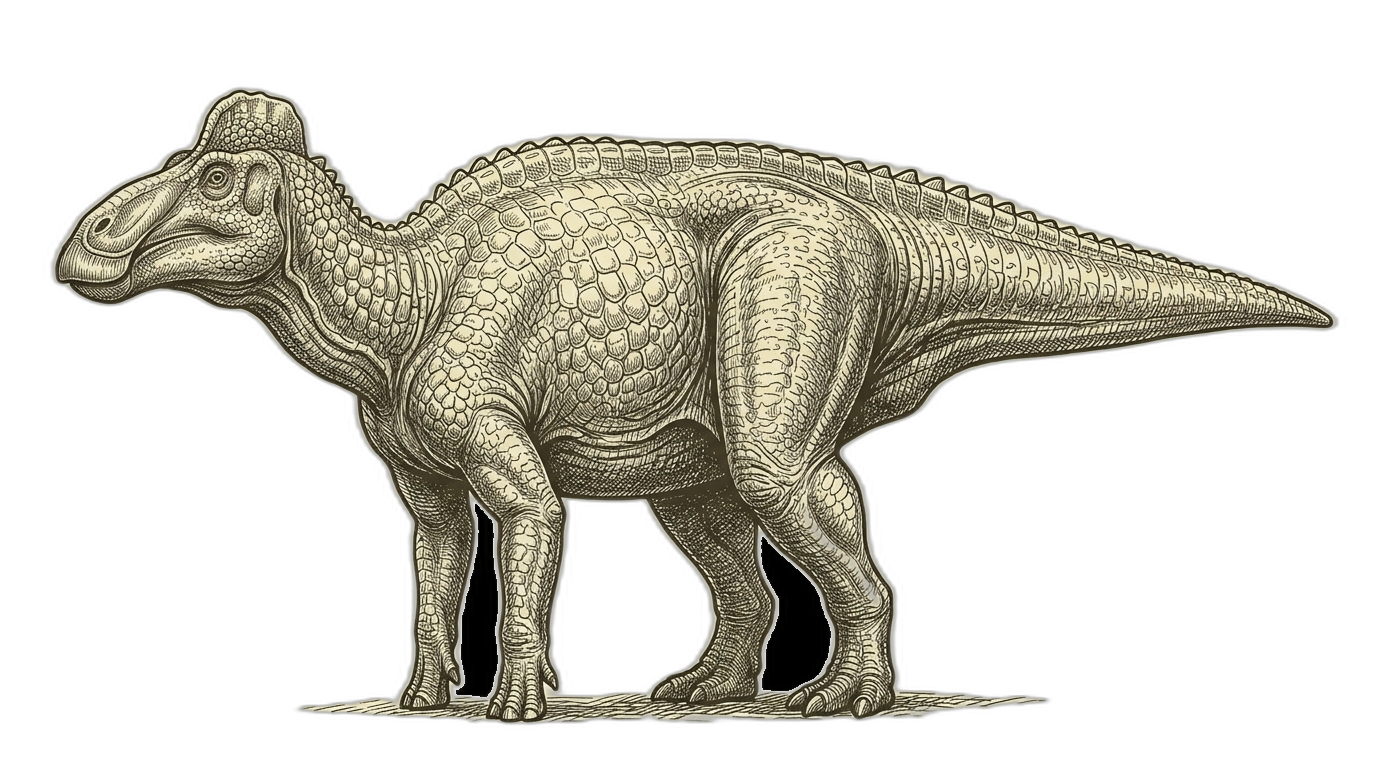
Edmontosaurus regalis
9m long
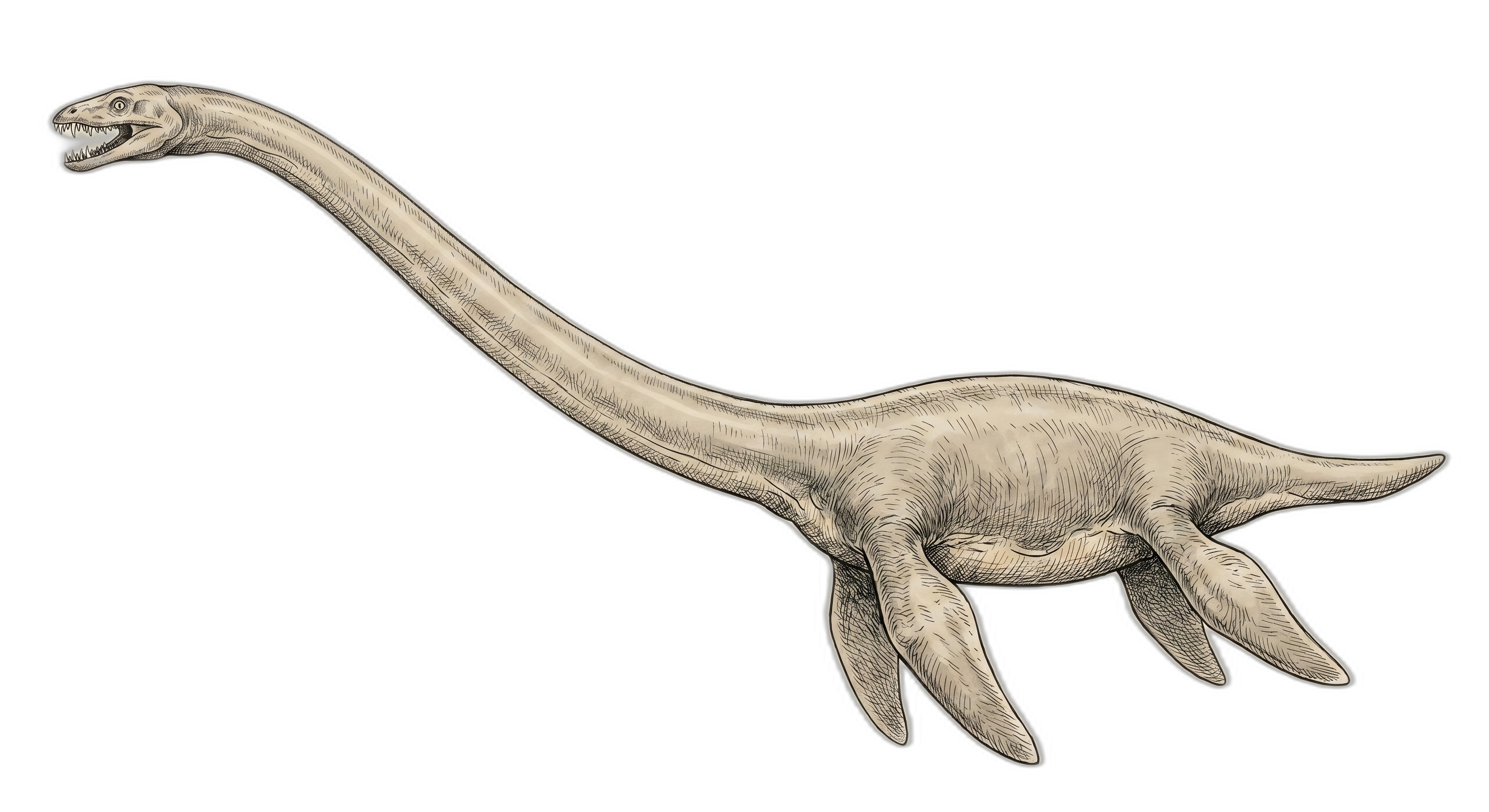
Elasmosaurus platyurus
10.3m long
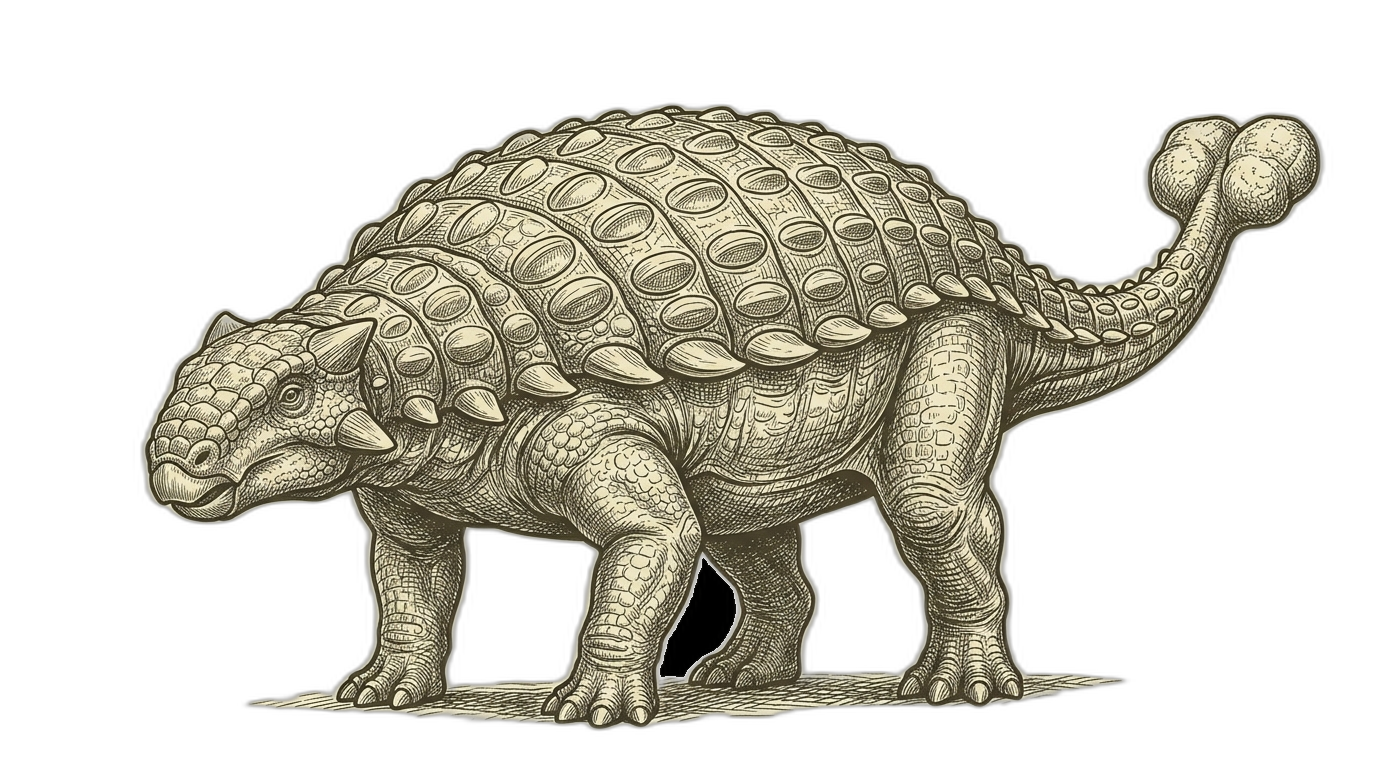
Euoplocephalus tutus
5.5m long
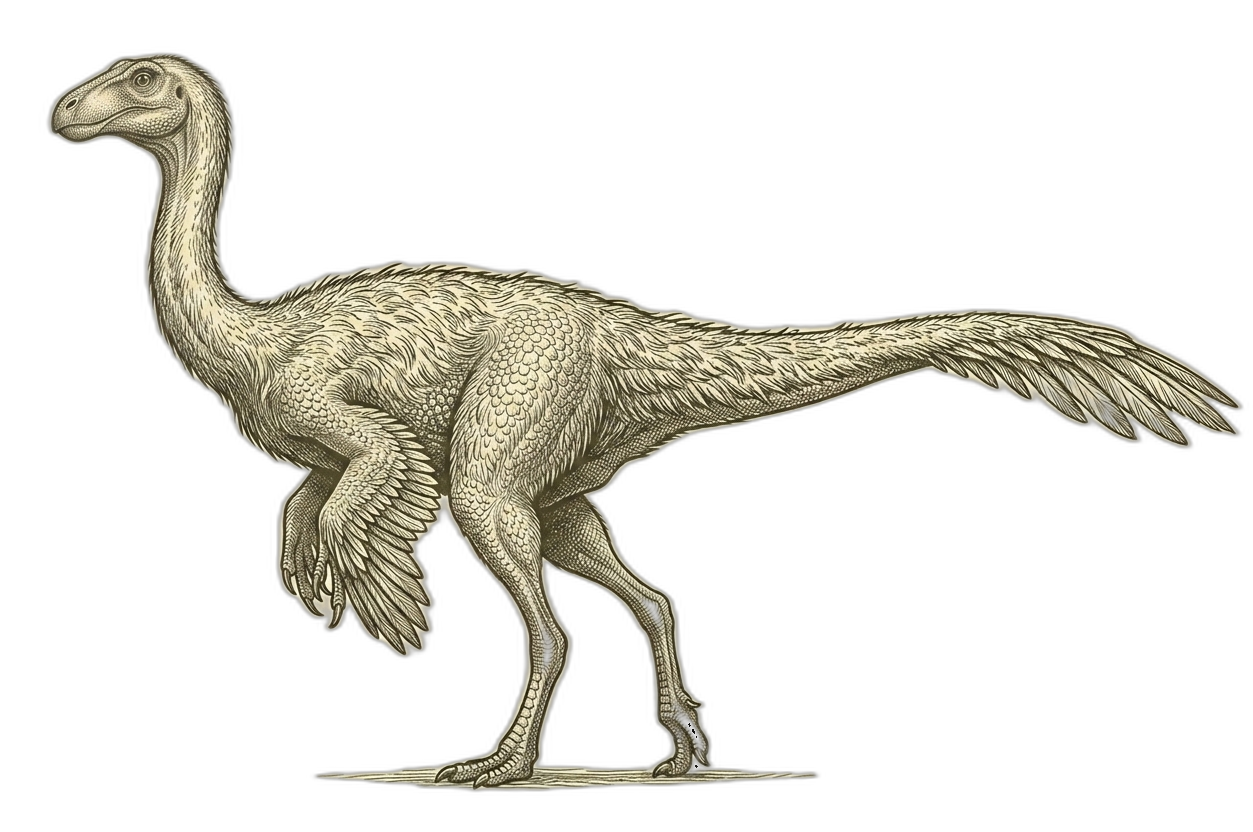
Gallimimus bullatus
6m long
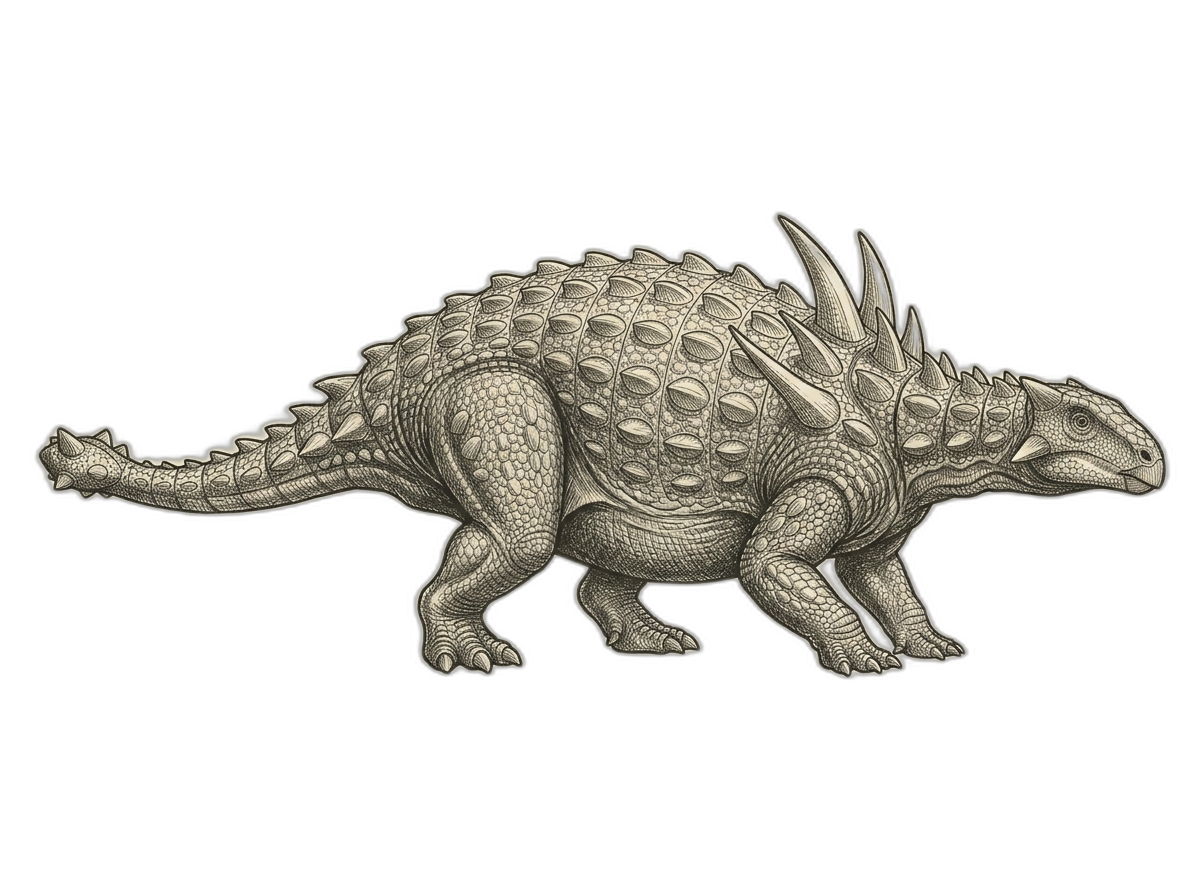
Gastonia burgei
5m long
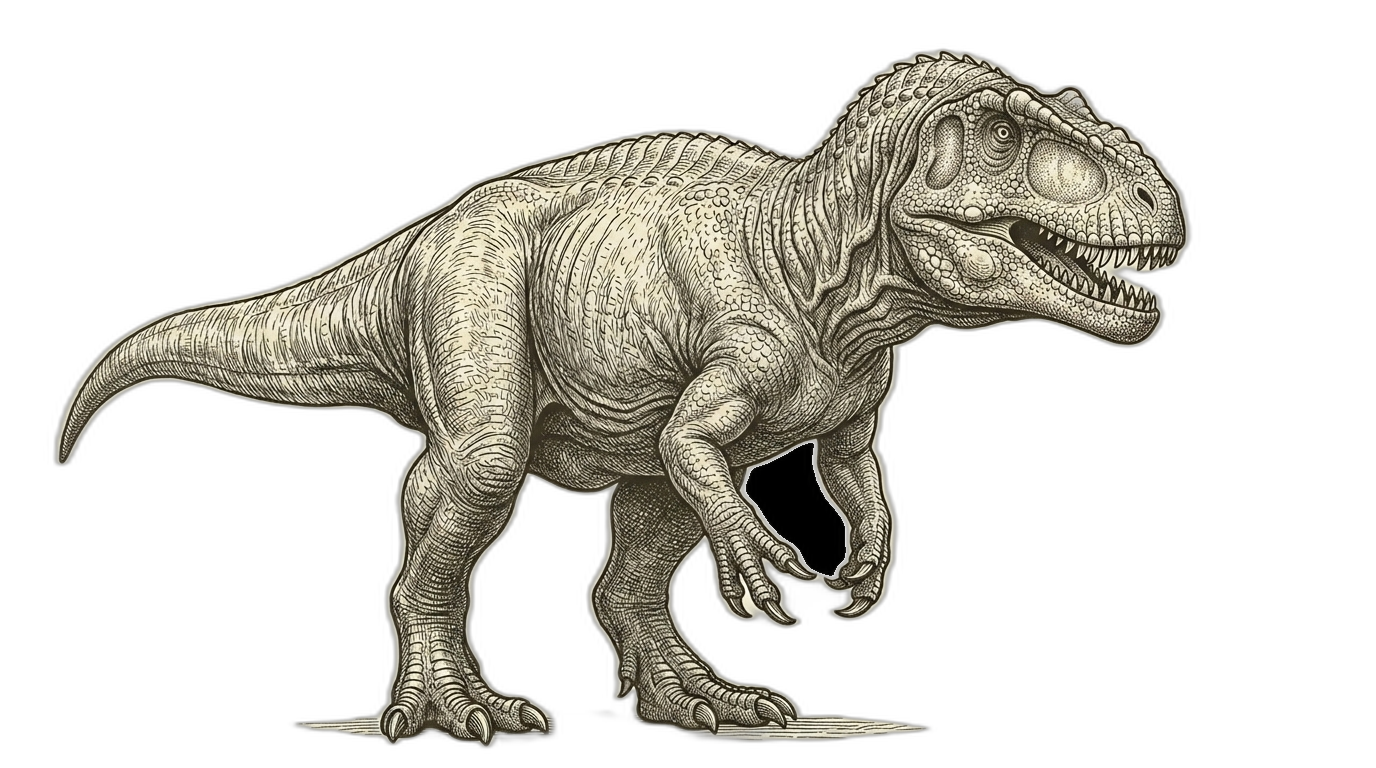
Giganotosaurus carolinii
12.5m long
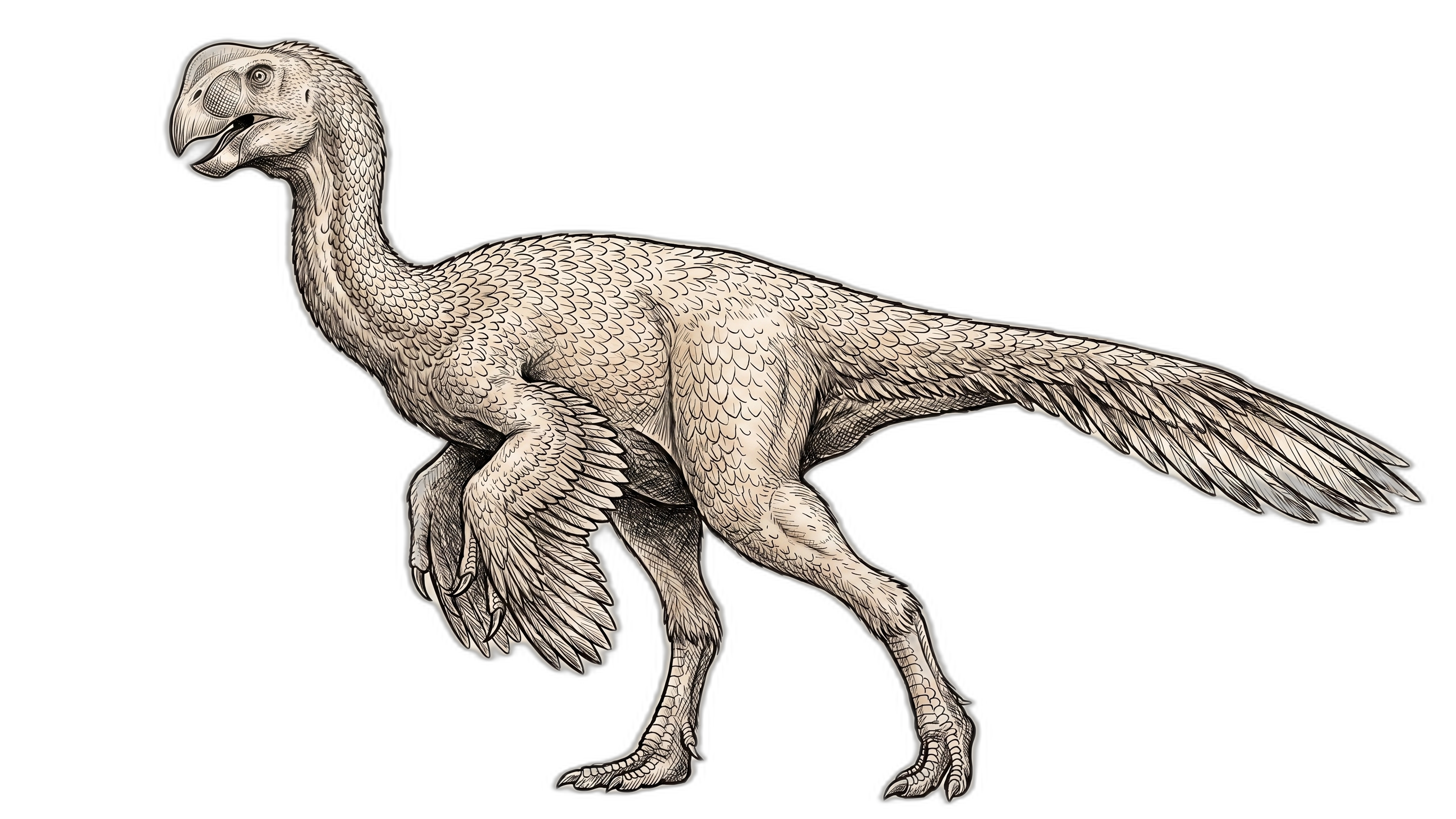
Gigantoraptor erlianensis
8m long
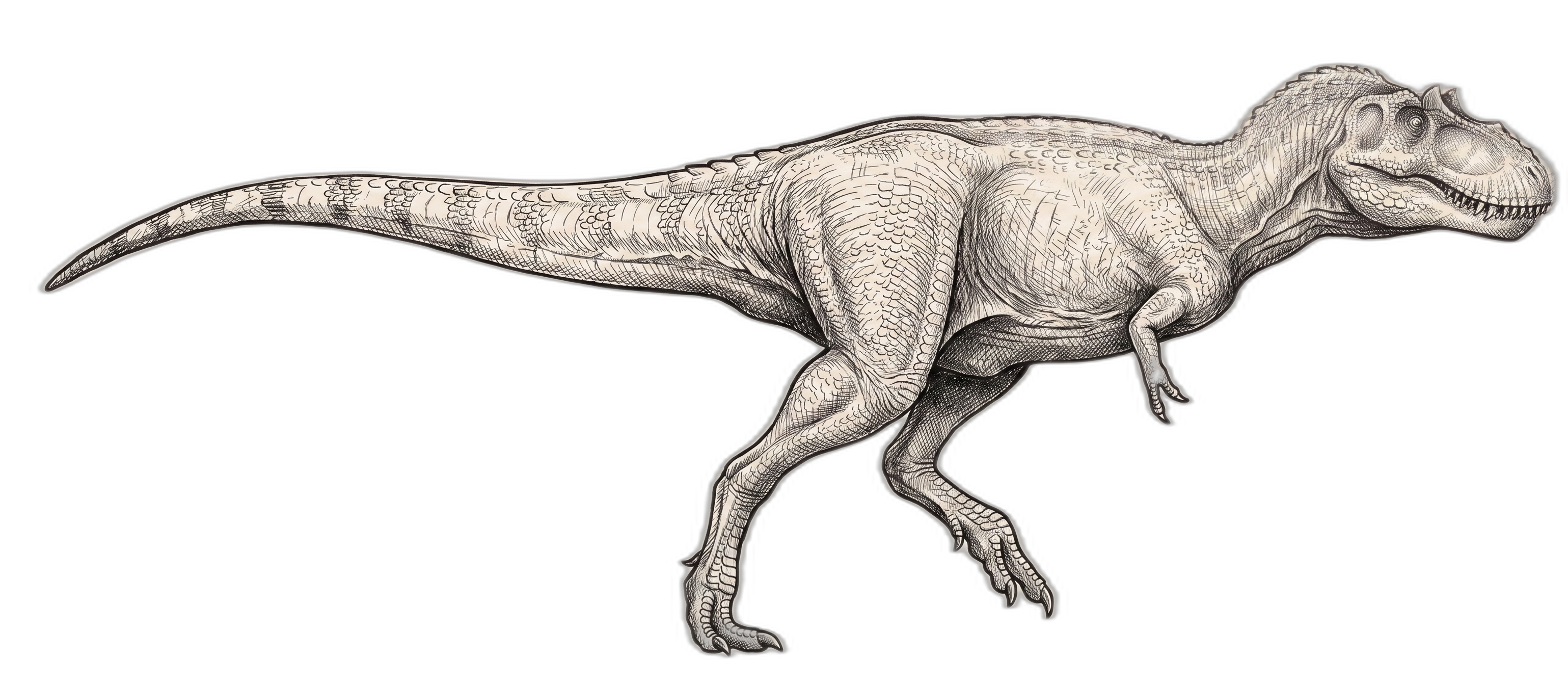
Gorgosaurus libratus
8.5m long
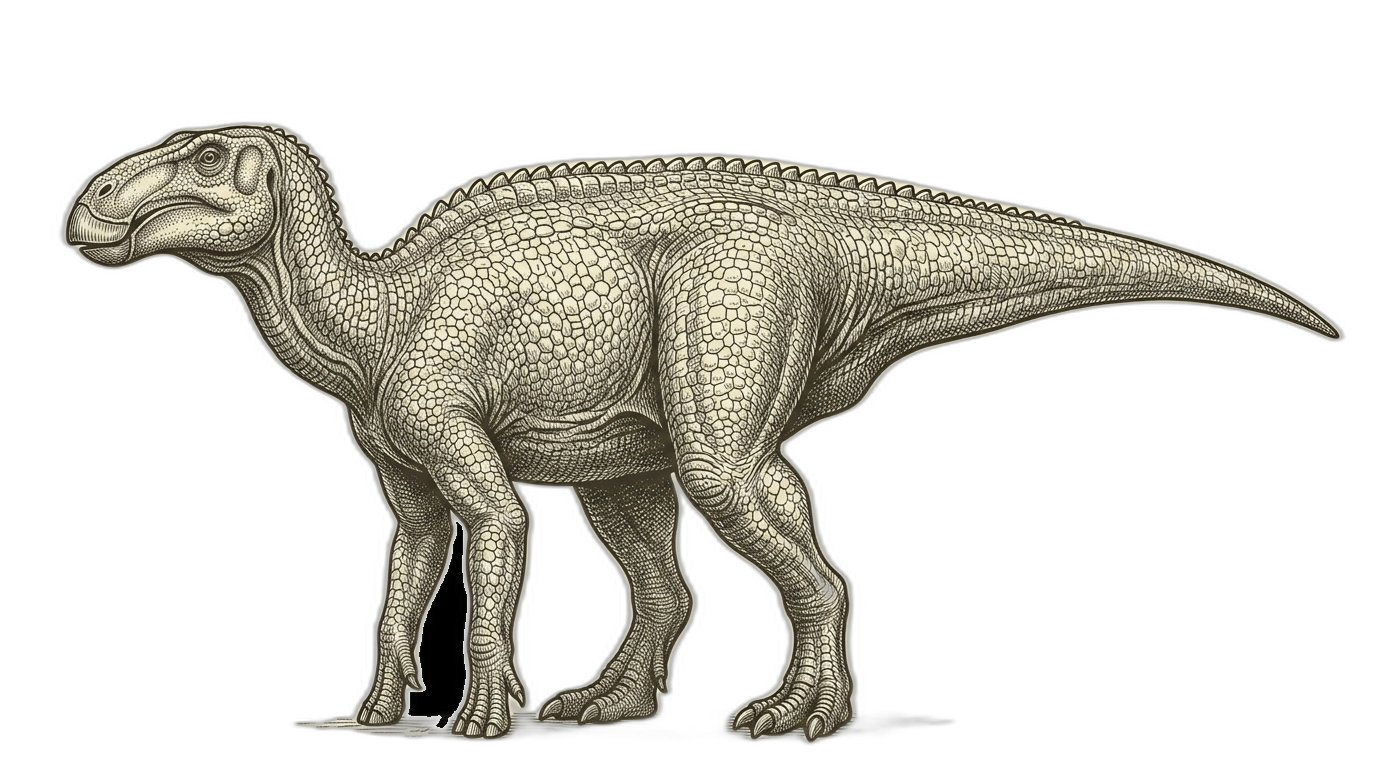
Hadrosaurus foulkii
7m long
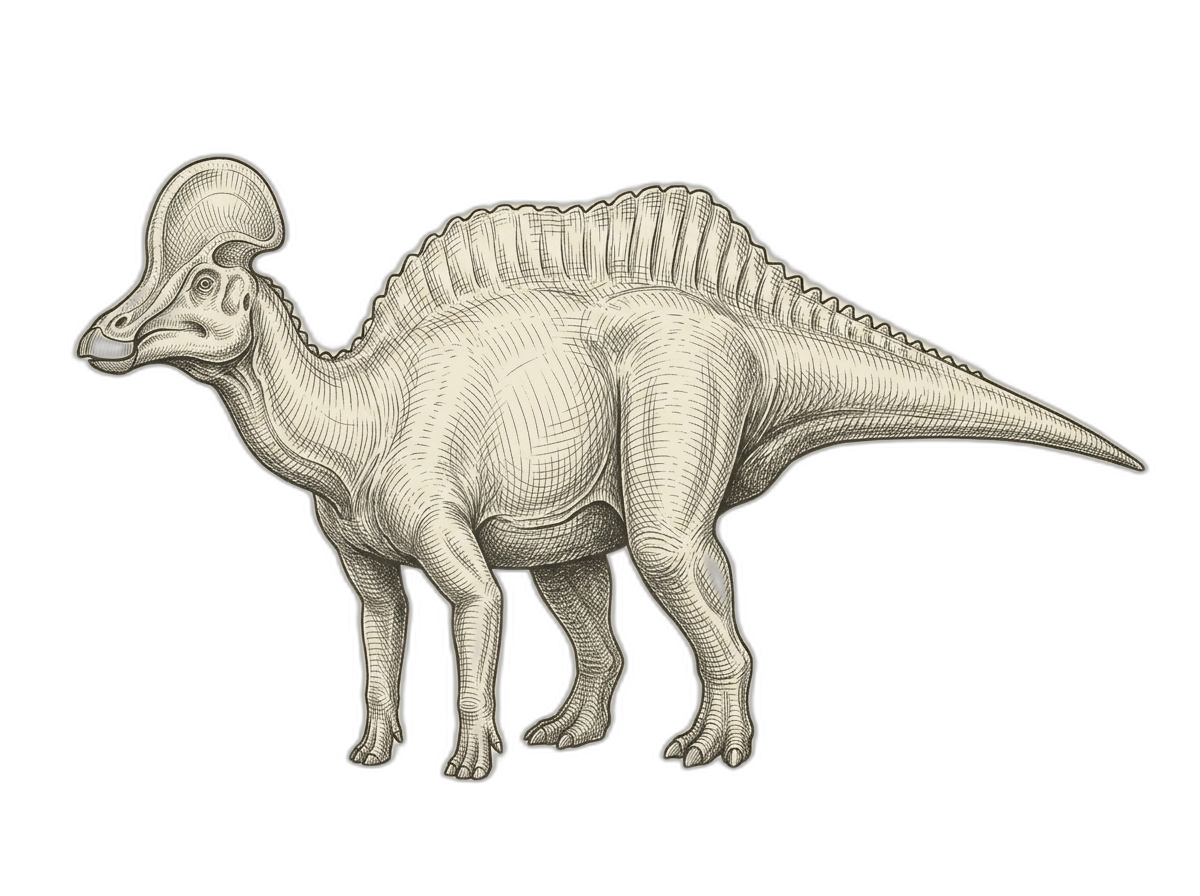
Hypacrosaurus altispinus
9m long
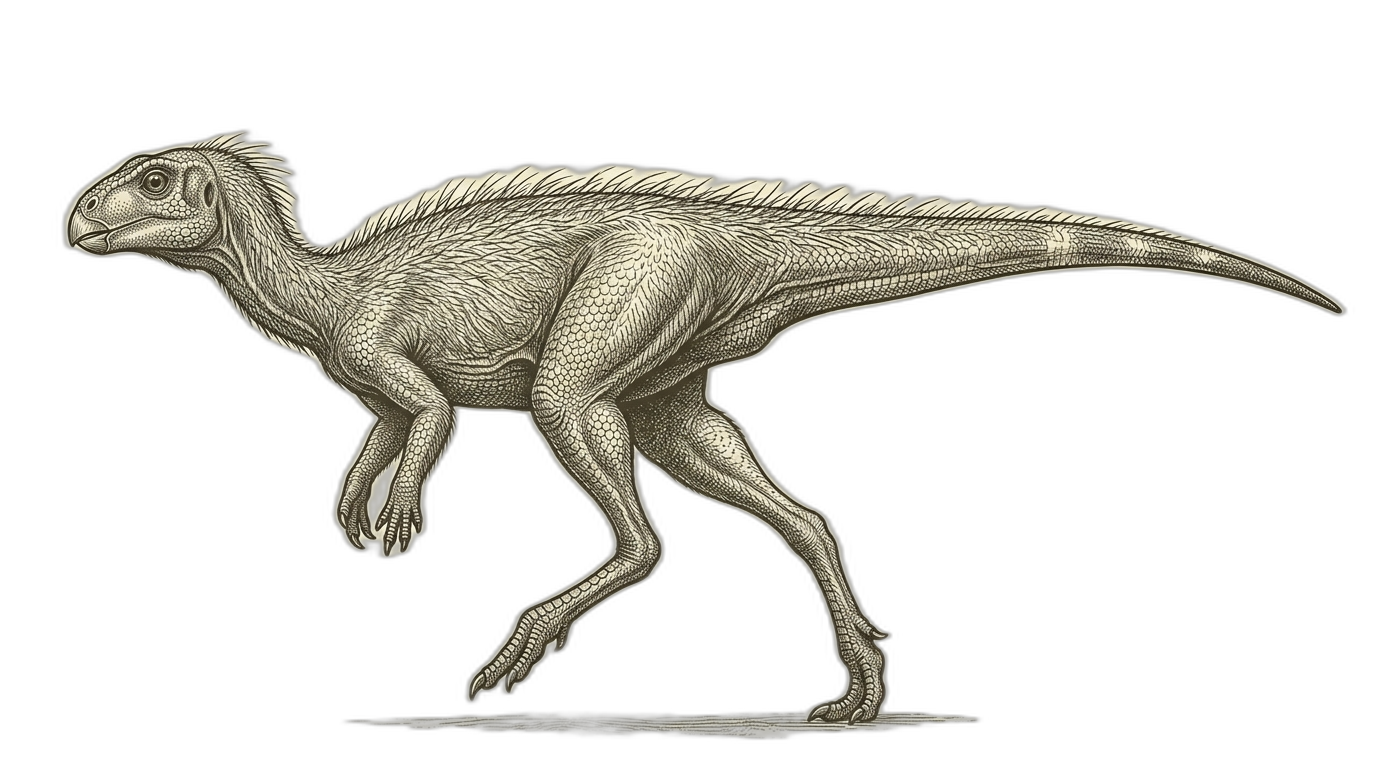
Hypsilophodon foxii
1.8m long
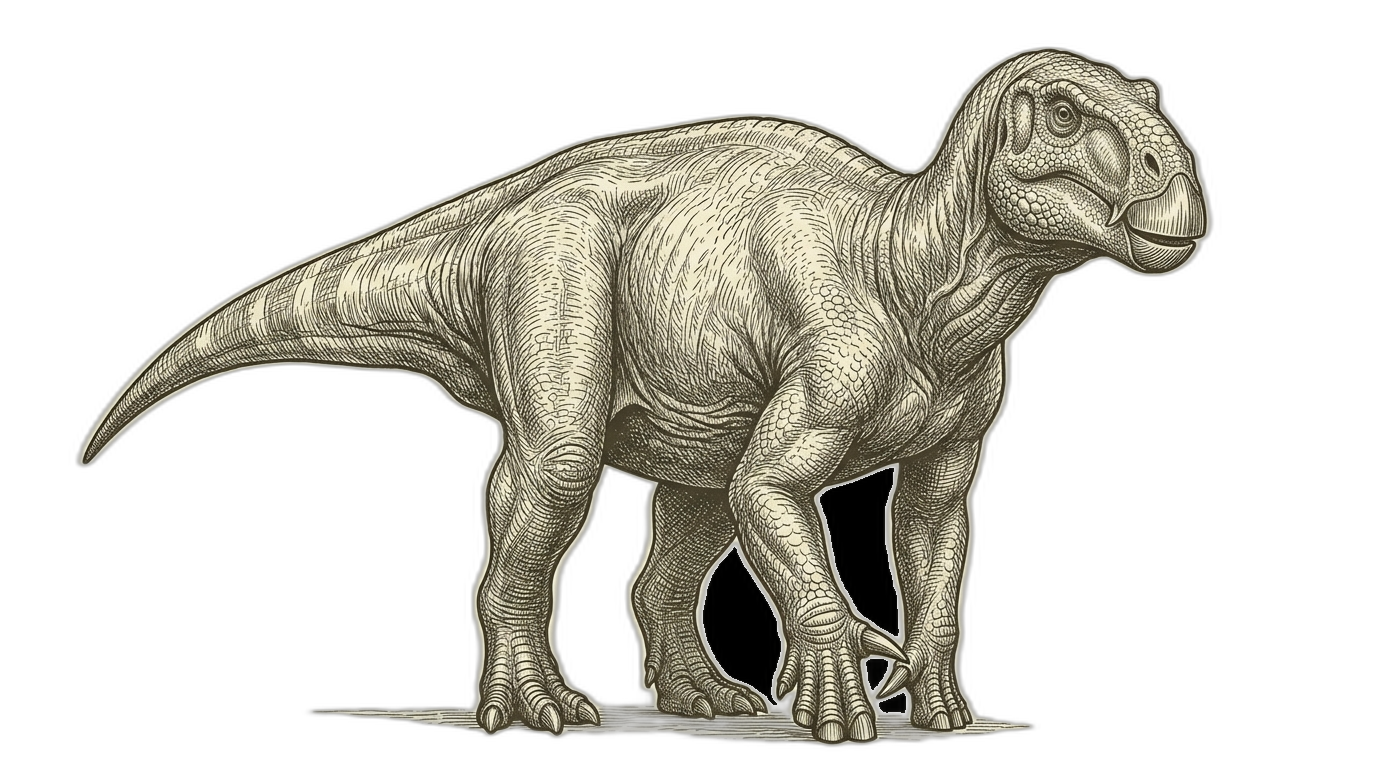
Iguanodon bernissartensis
10m long
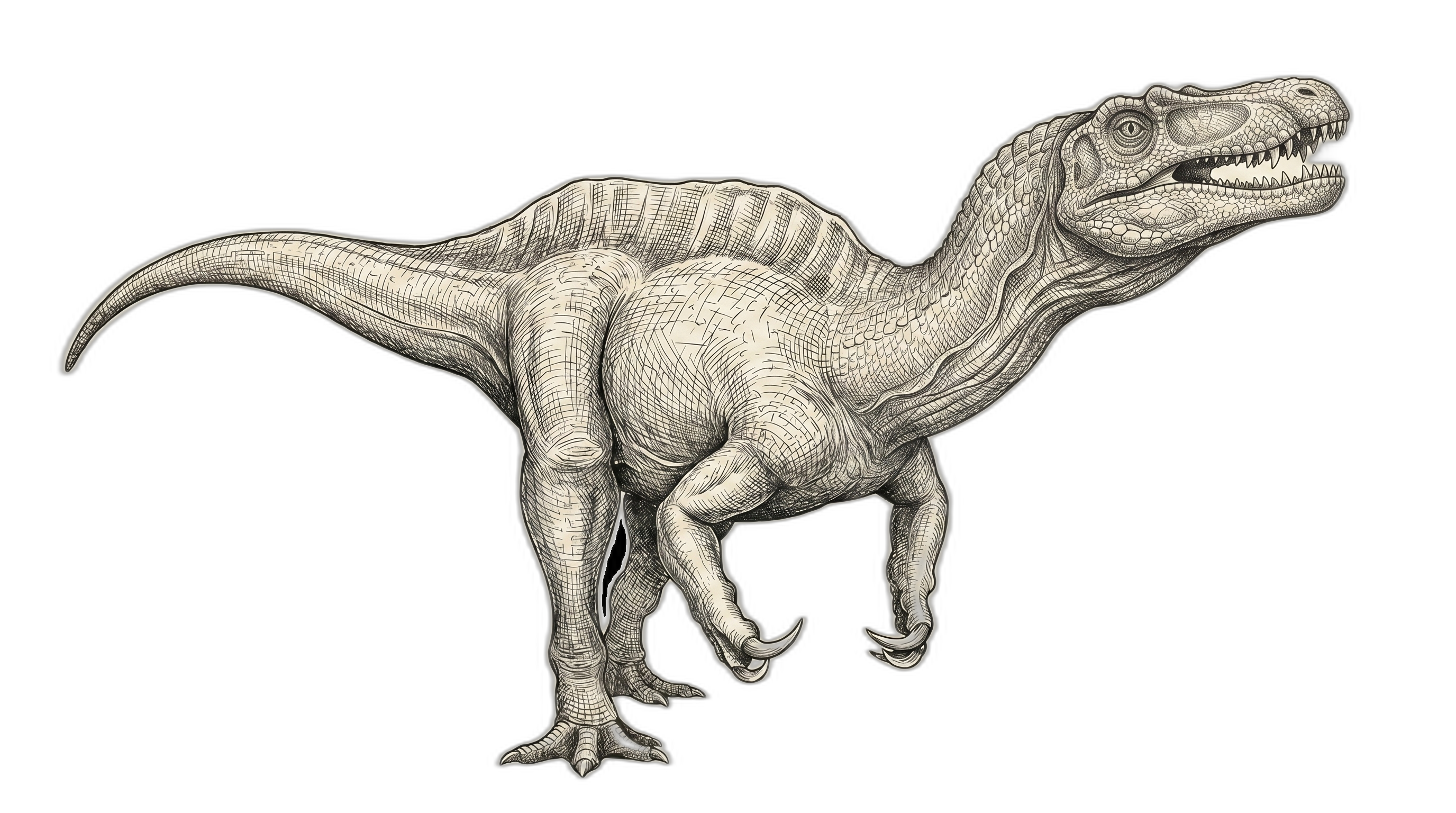
Irritator challengeri
6.5m long
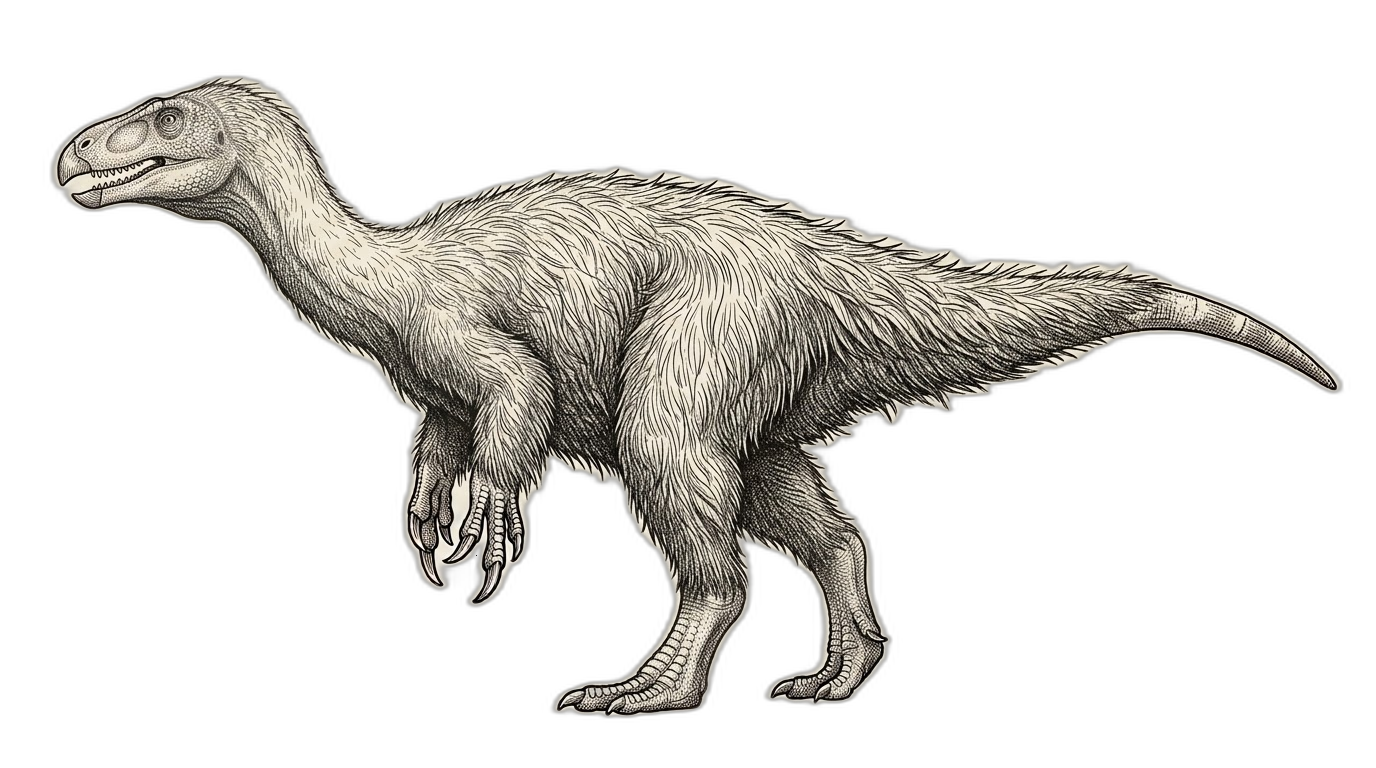
Kayrasaurus changliensis
3.6m long
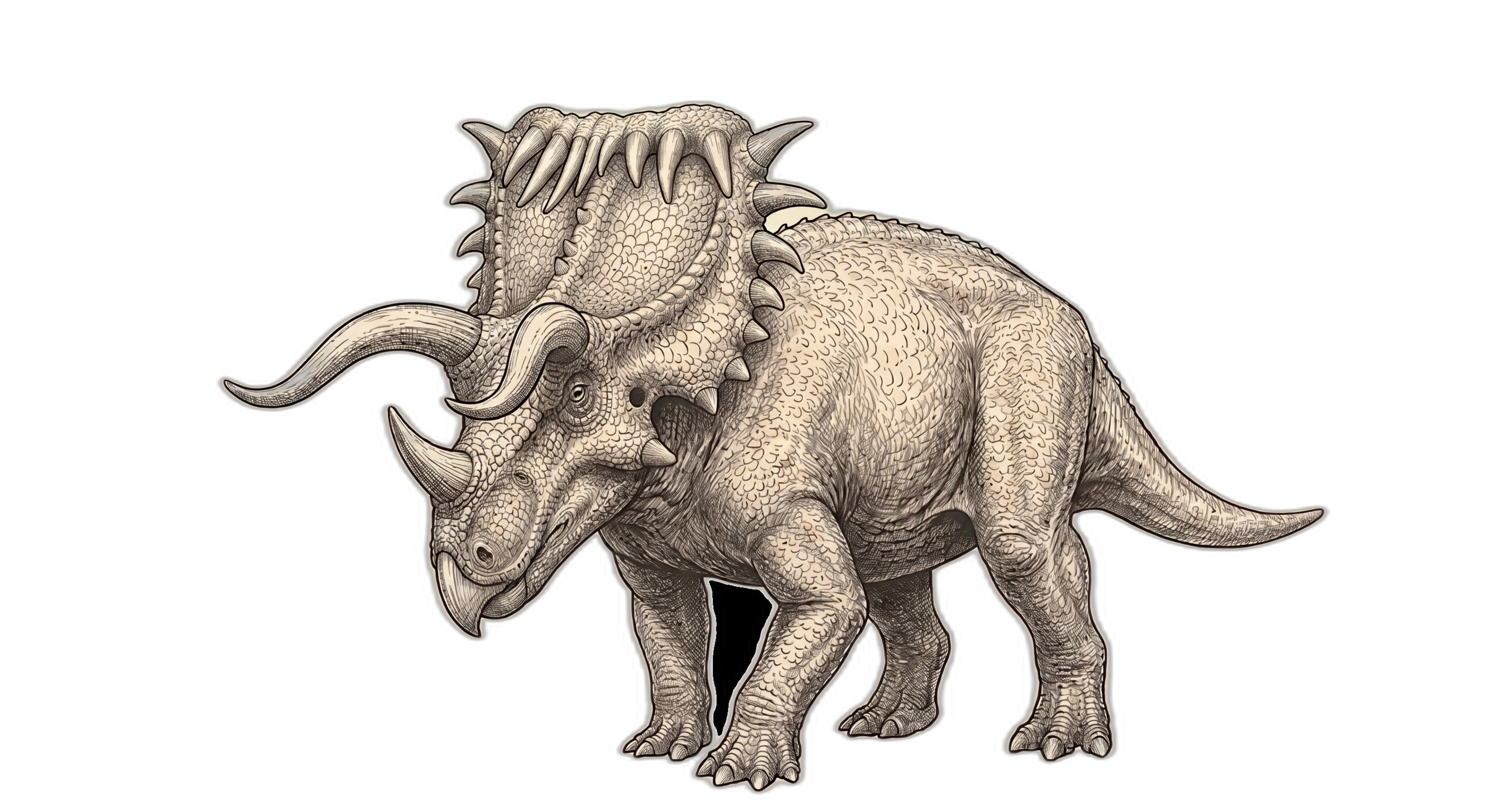
Kosmoceratops richardsoni
4.5m long
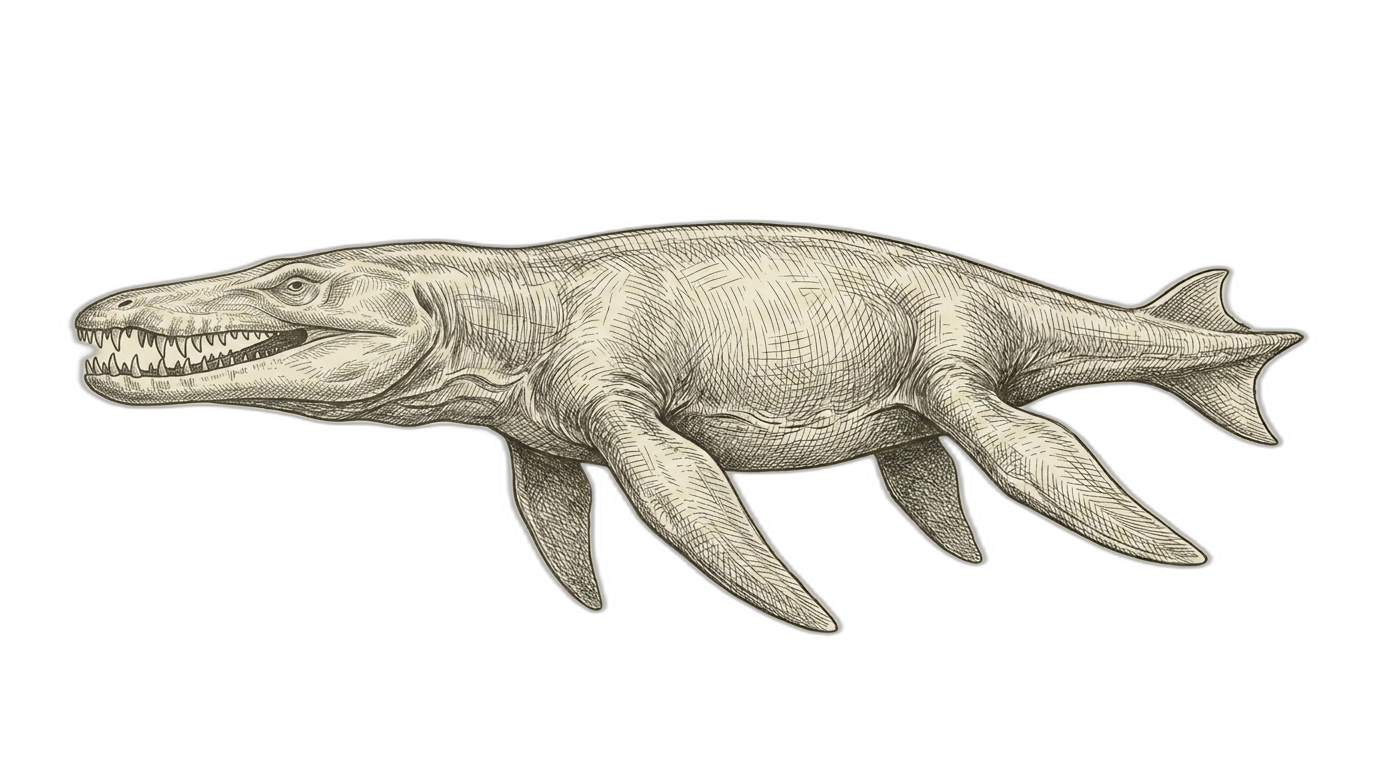
Kronosaurus queenslandicus
10m long
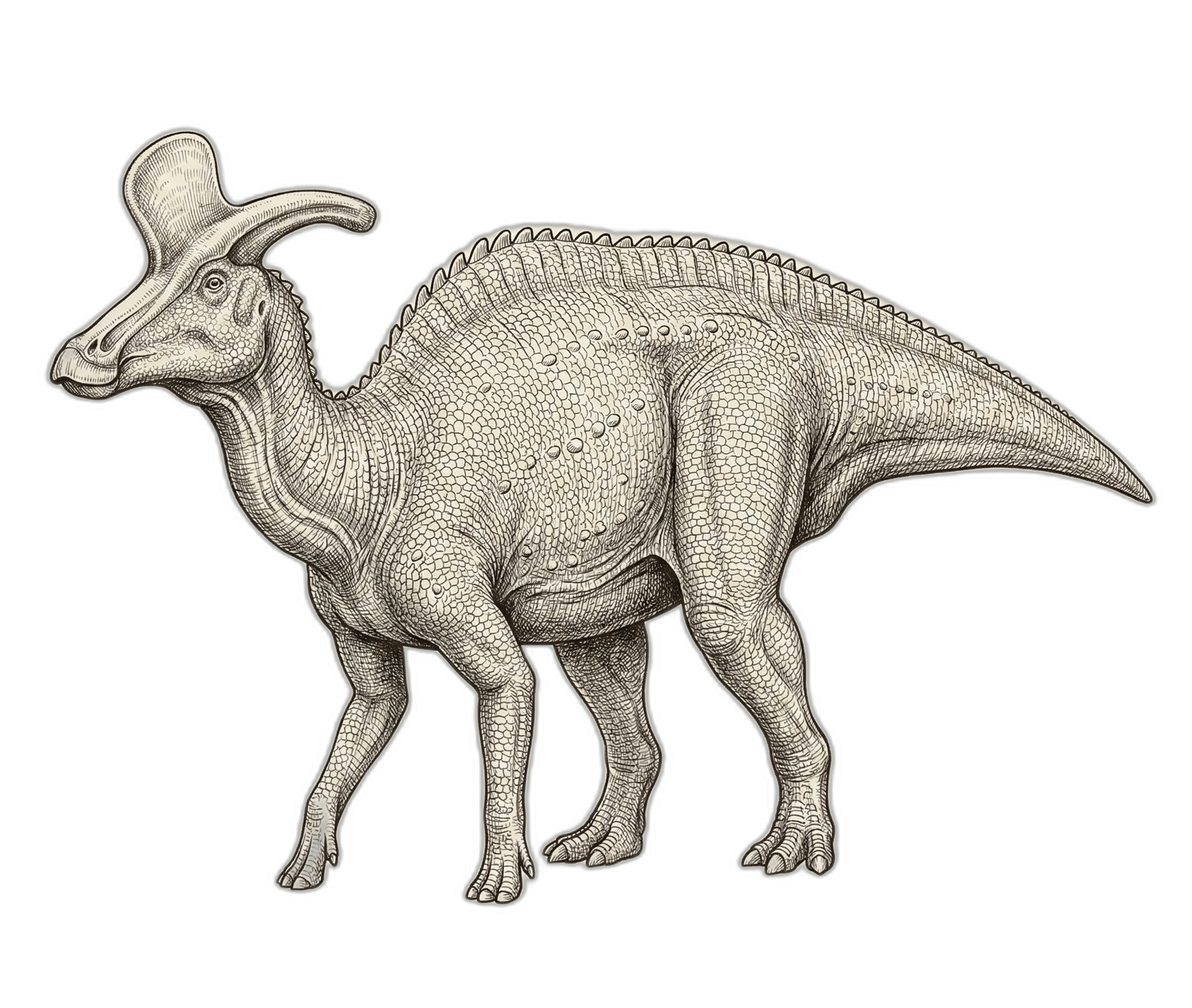
Lambeosaurus lambei
9m long
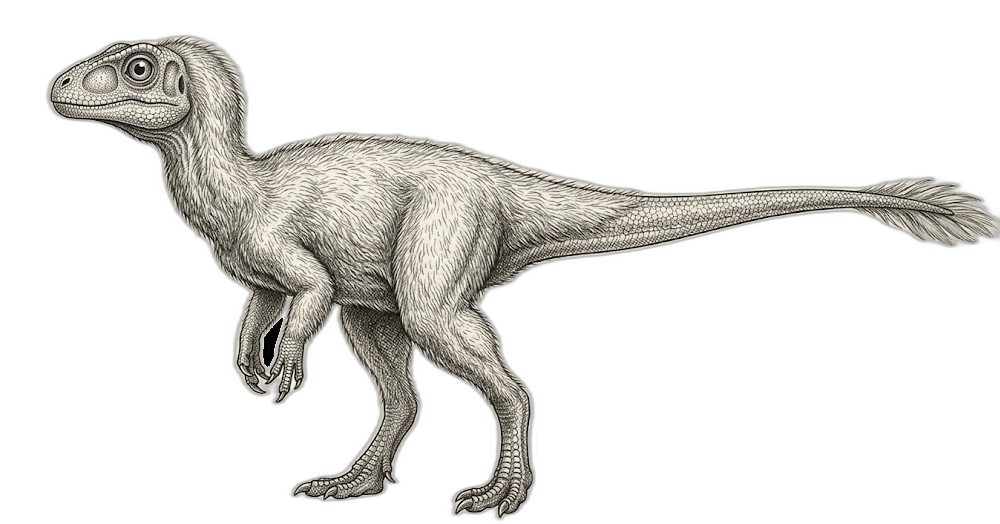
Leaellynasaura amicagraphica
0.9m long
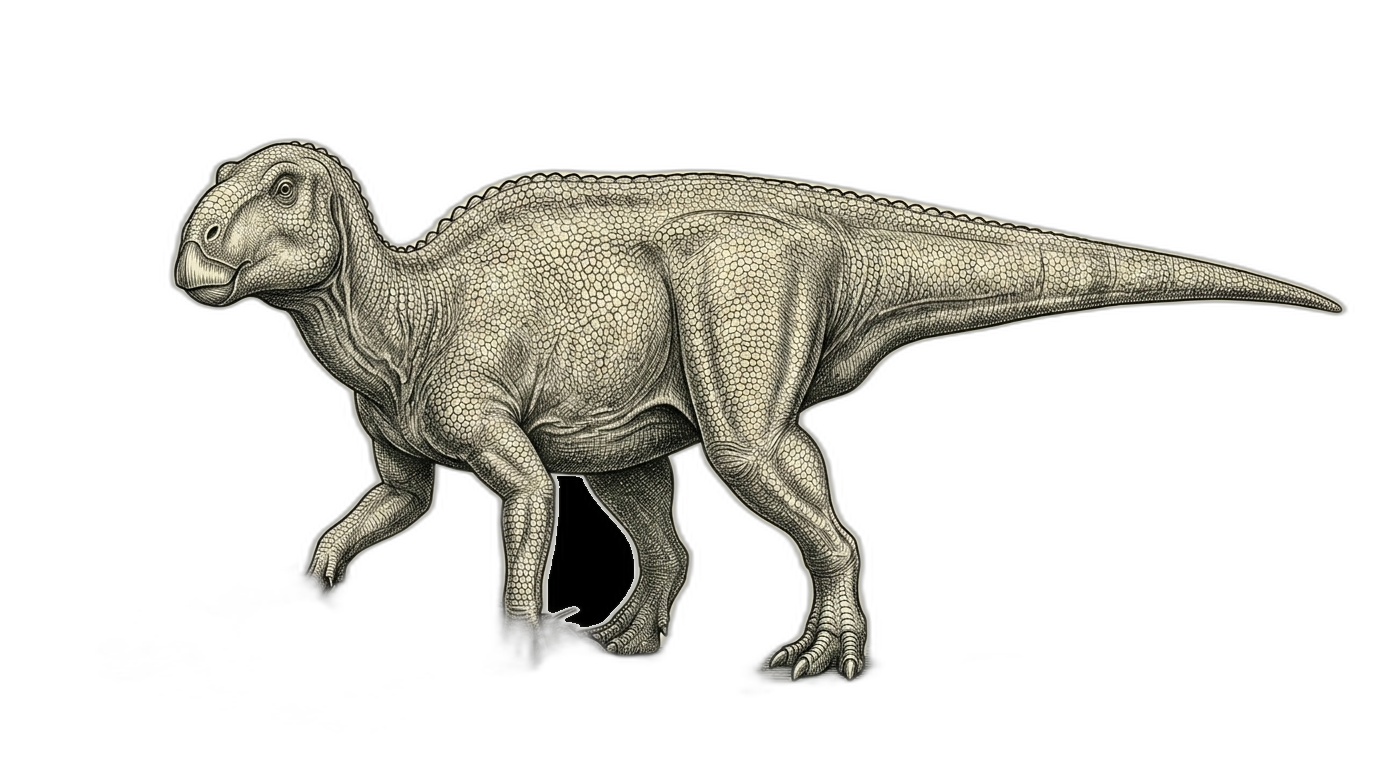
Maiasaura peeblesorum
9m long
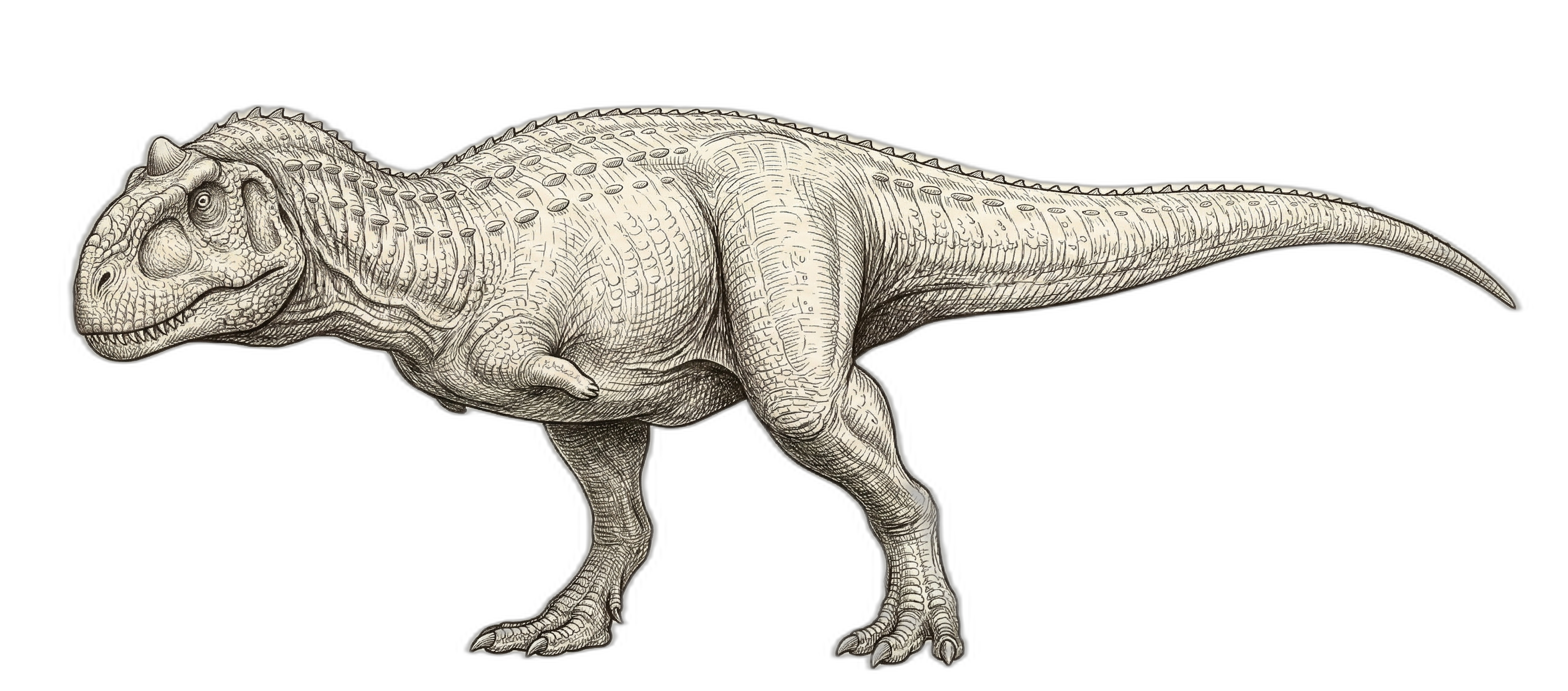
Majungasaurus crenatissimus
6.5m long
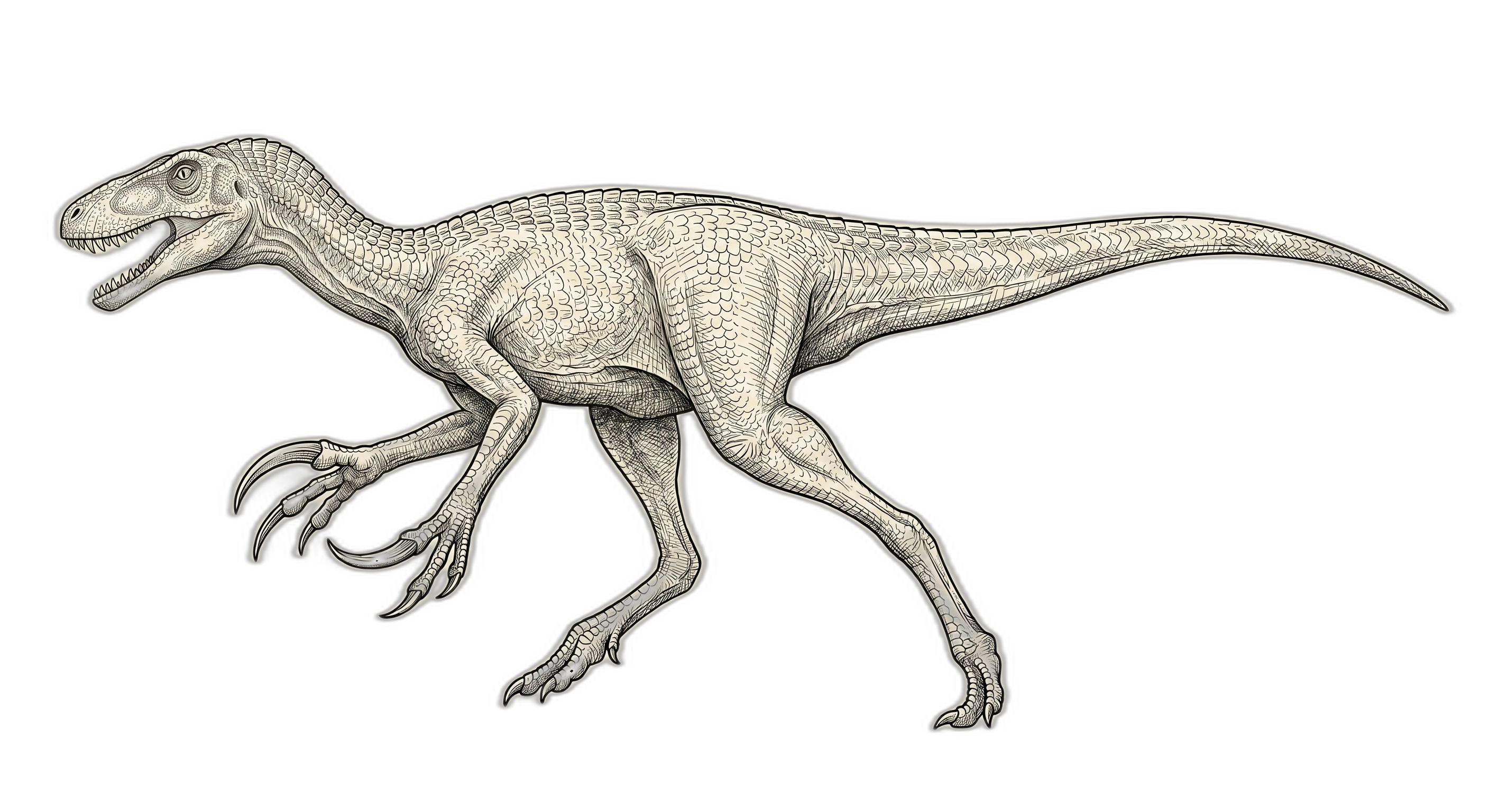
Megaraptor namunhuaiquii
8m long
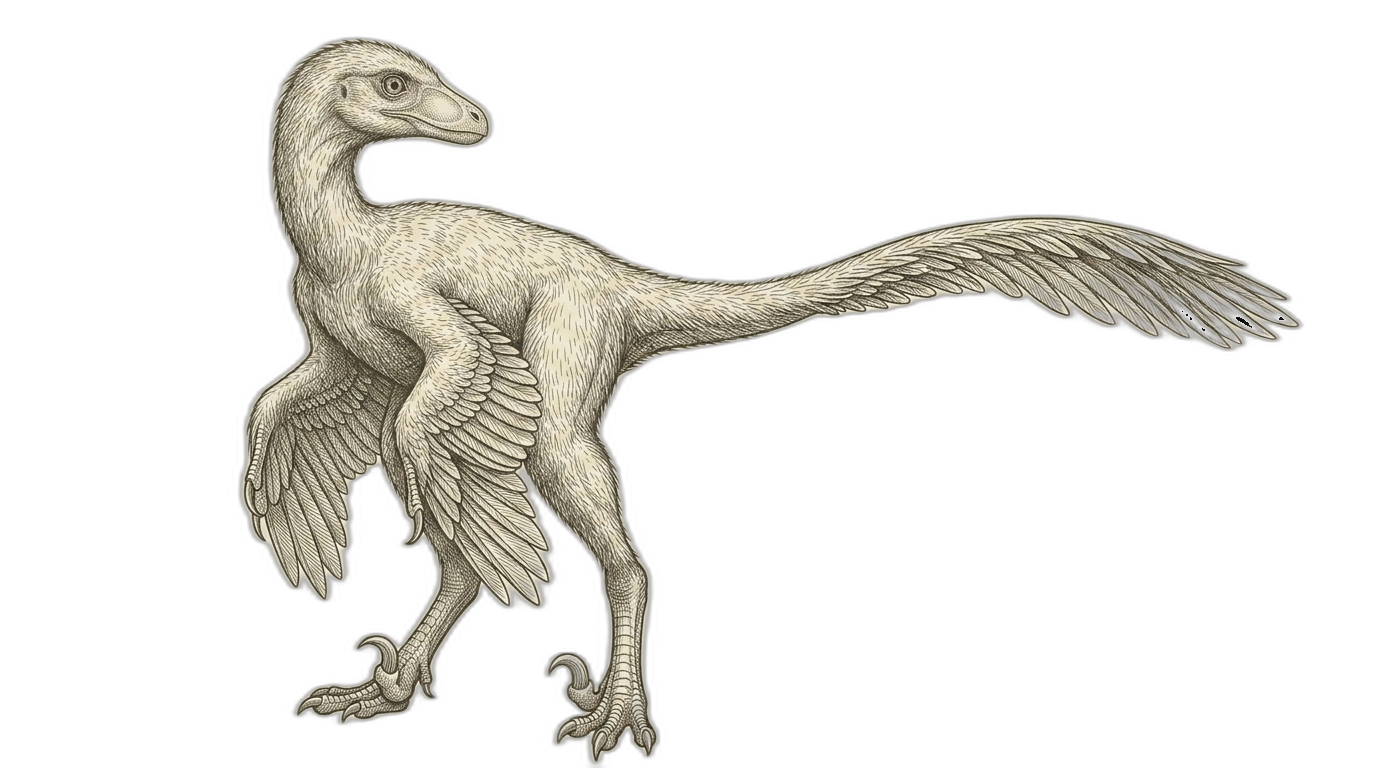
Mei long
0.53m long
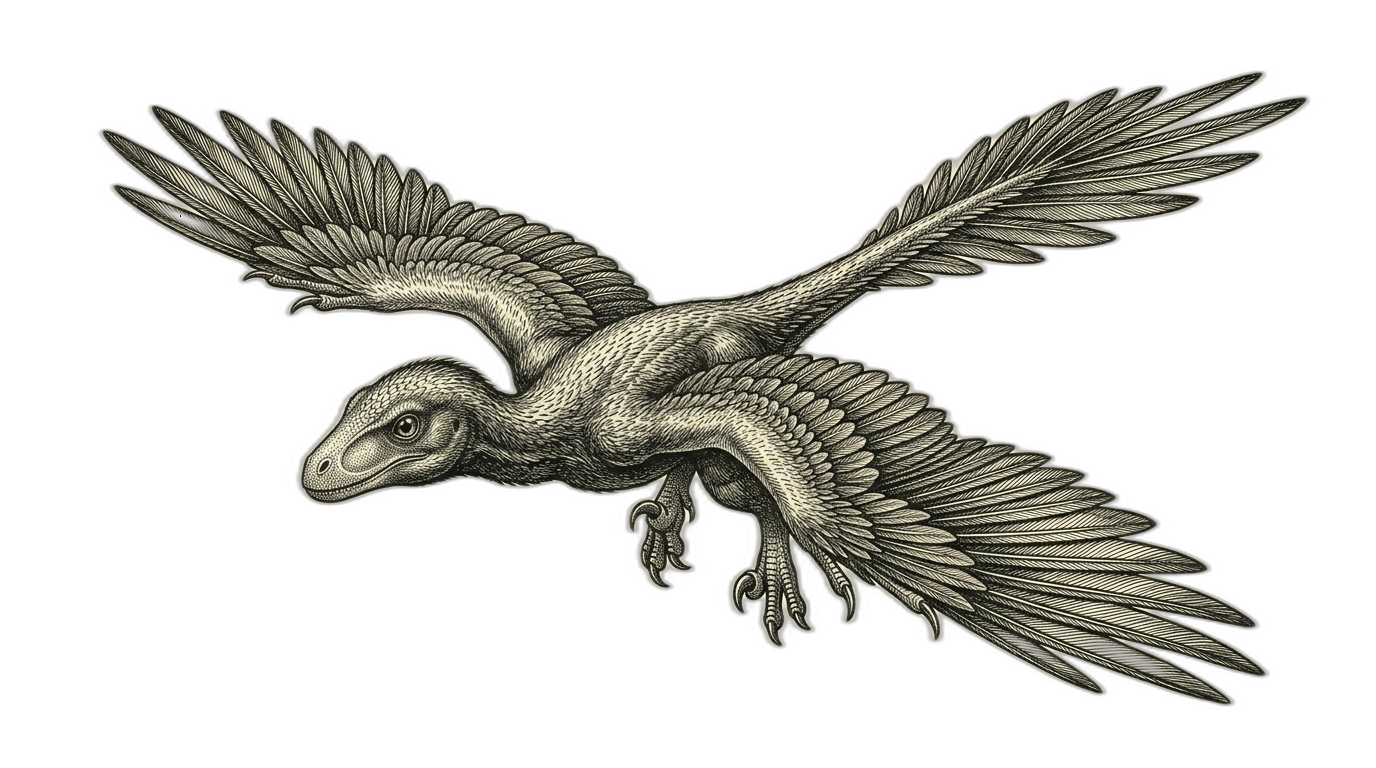
Microraptor gui
0.65m long
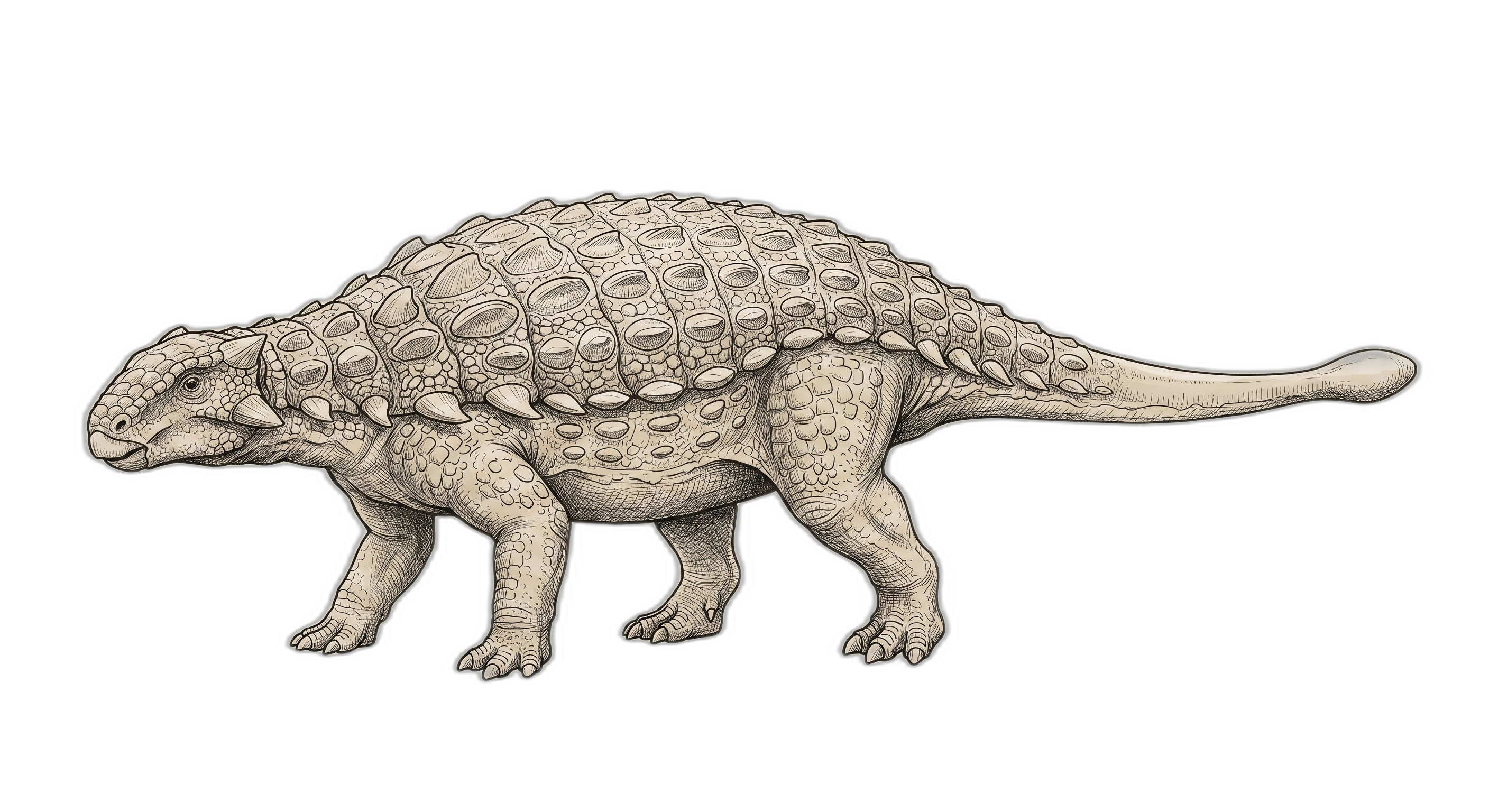
Minmi paravertebra
2.5m long
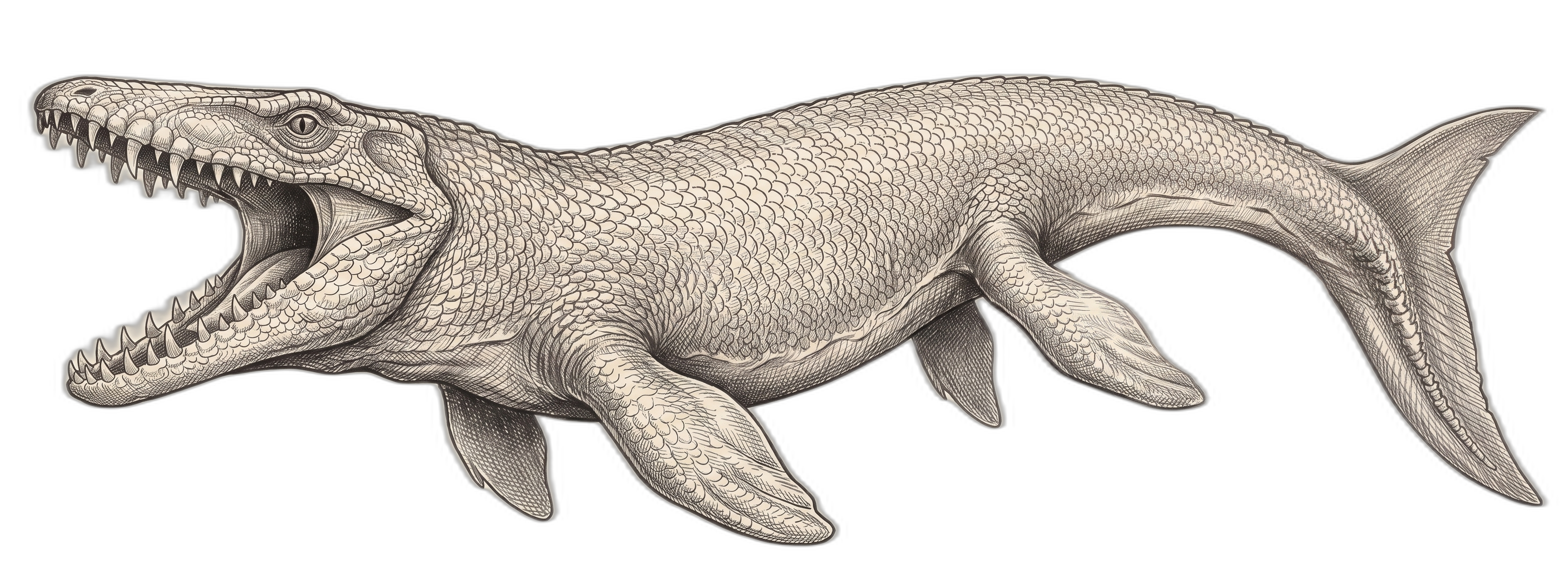
Mosasaurus hoffmannii
13m long
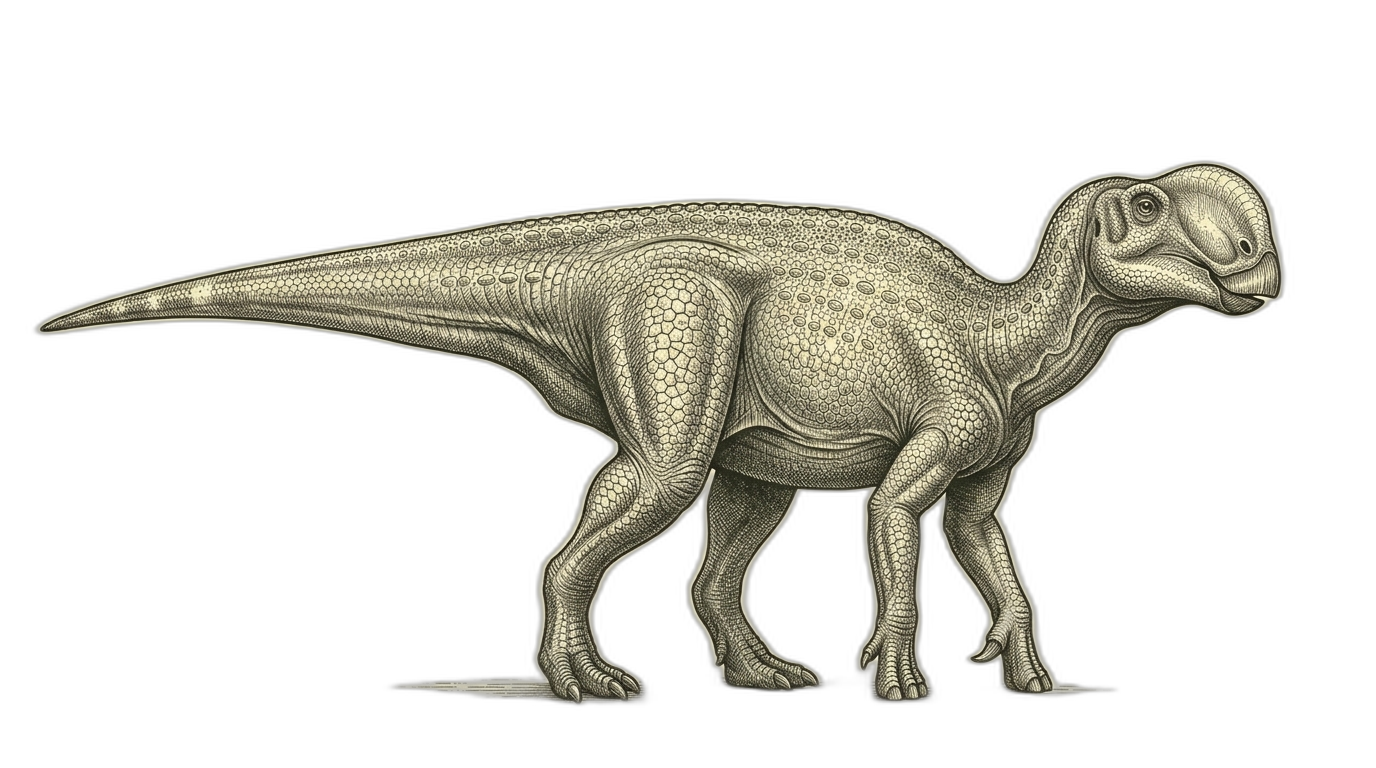
Muttaburrasaurus langdoni
7m long
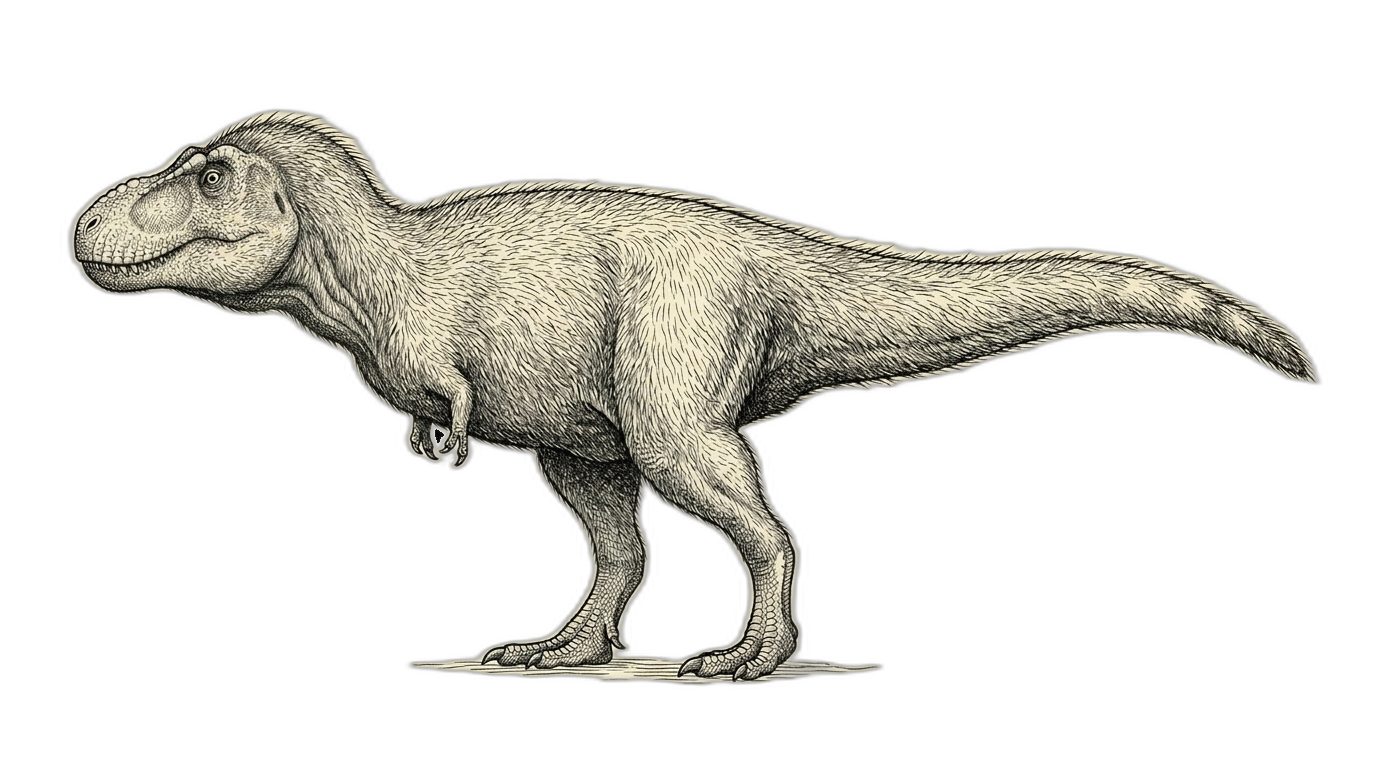
Nanuqsaurus hoglundi
6m long
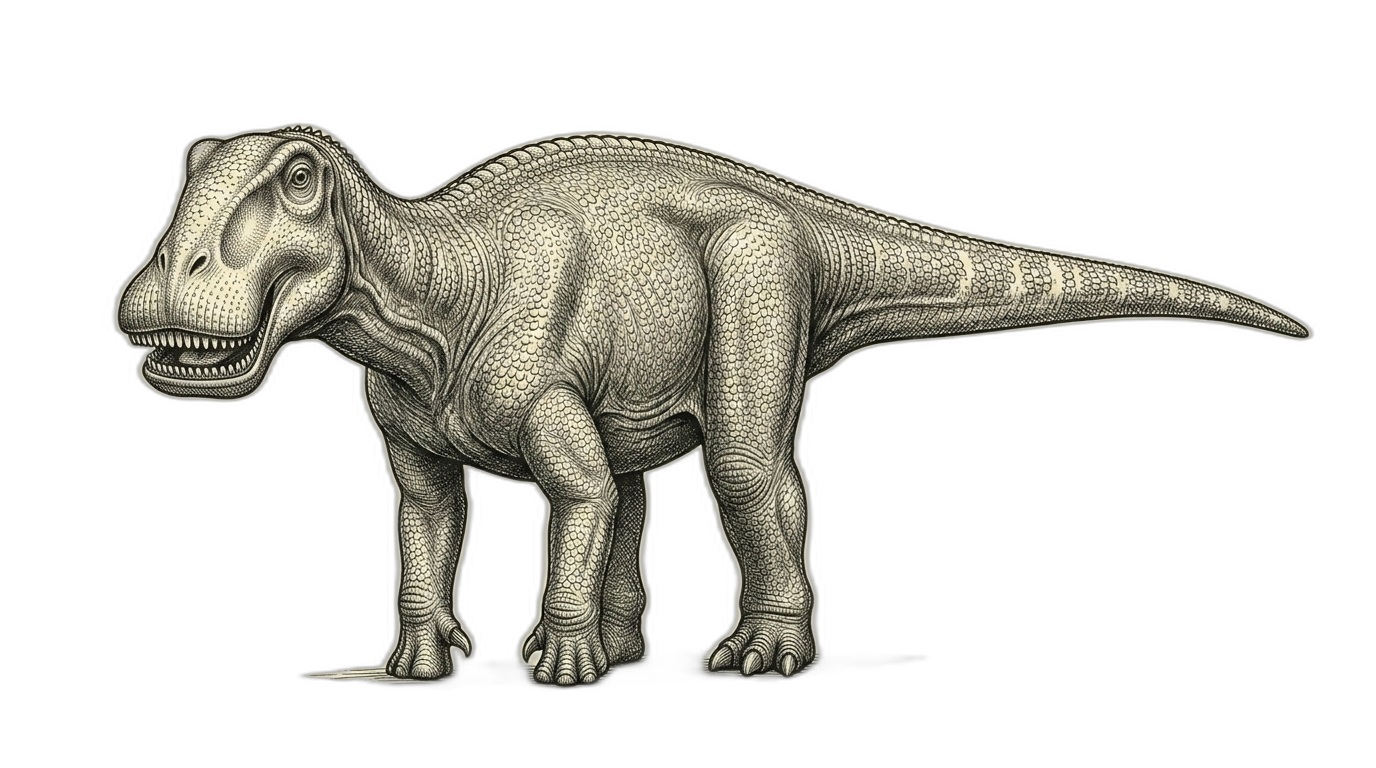
Nigersaurus taqueti
9m long
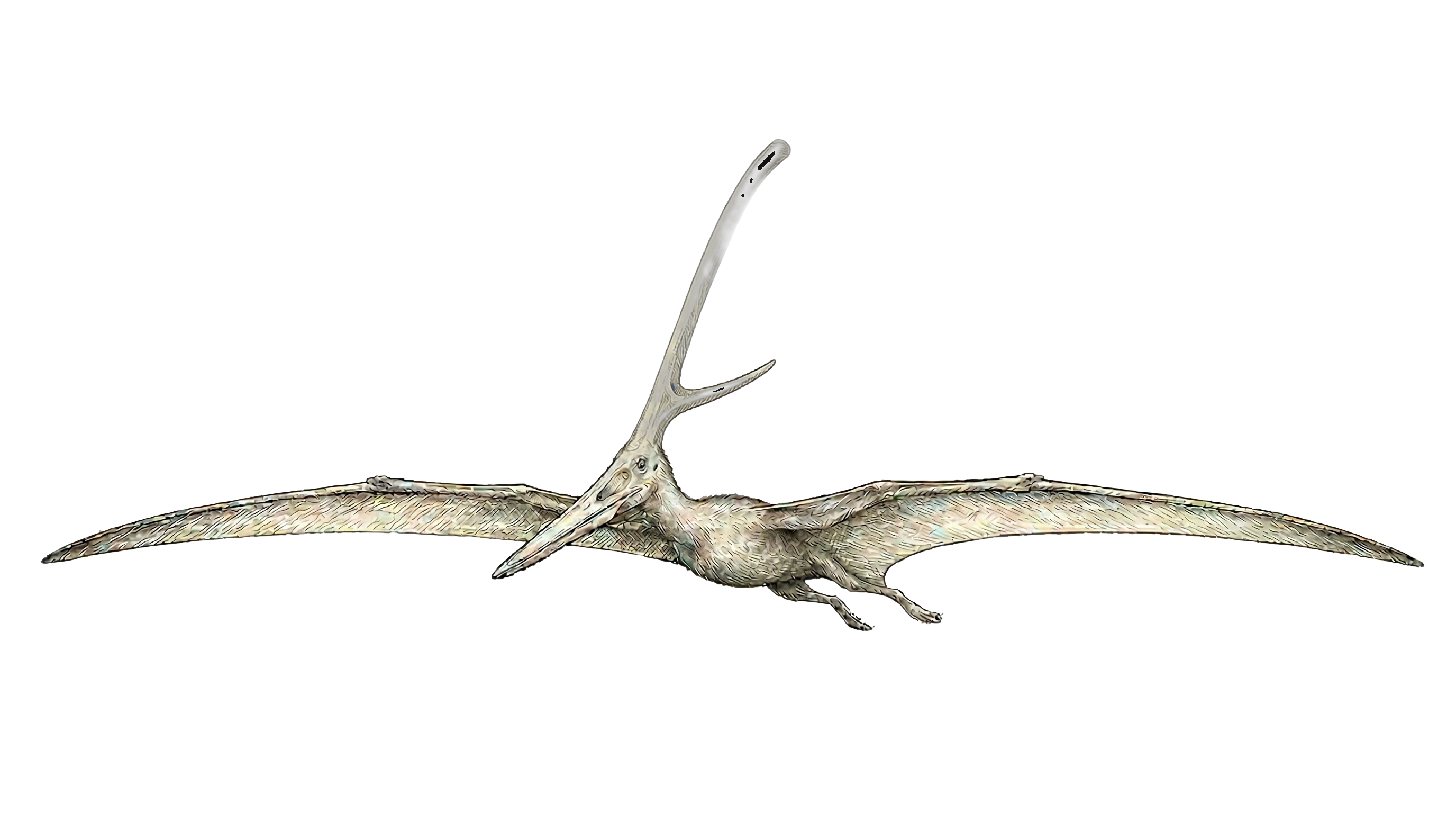
Nyctosaurus gracilis
2m long
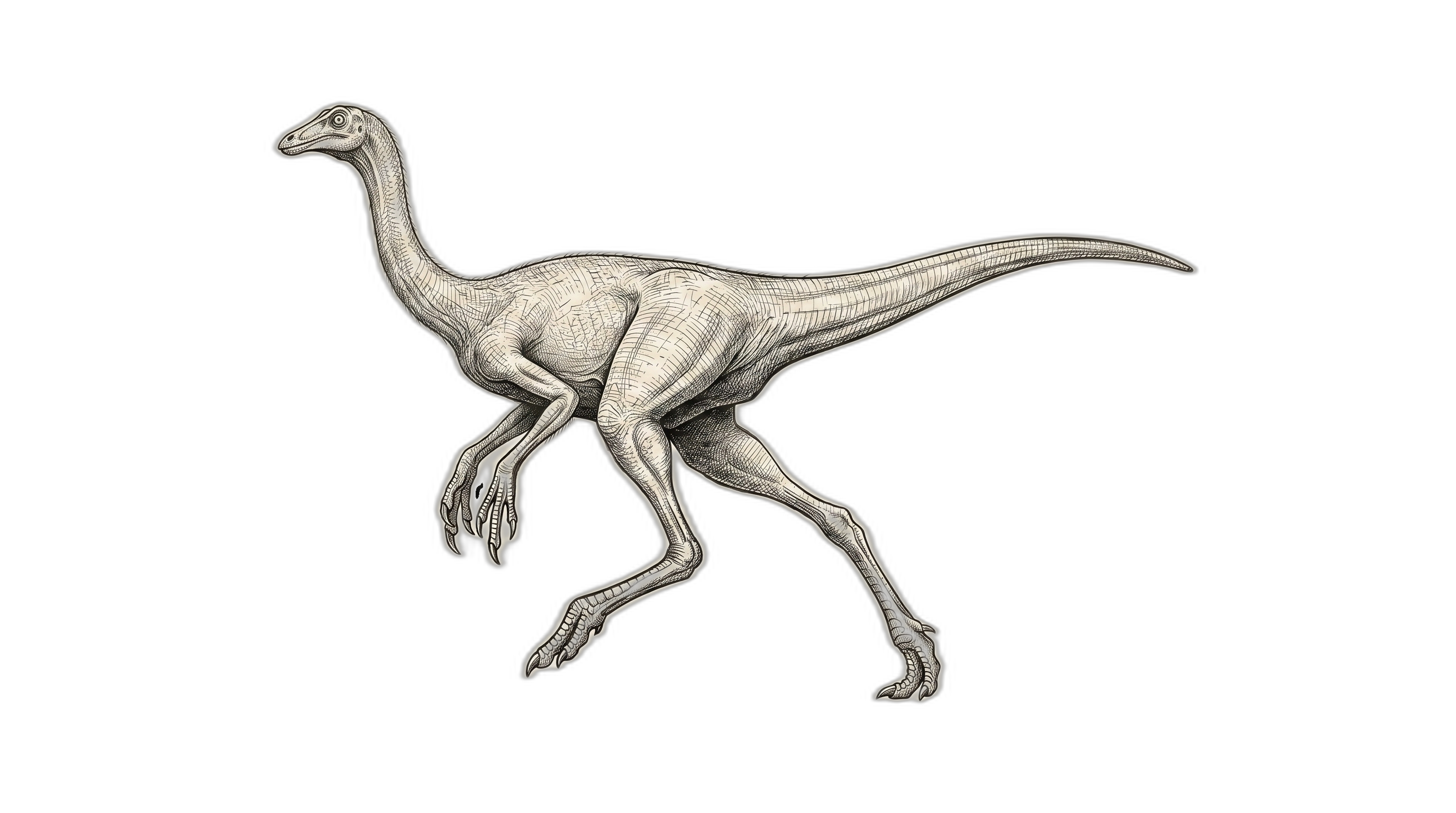
Ornithomimus edmontonicus
3.8m long
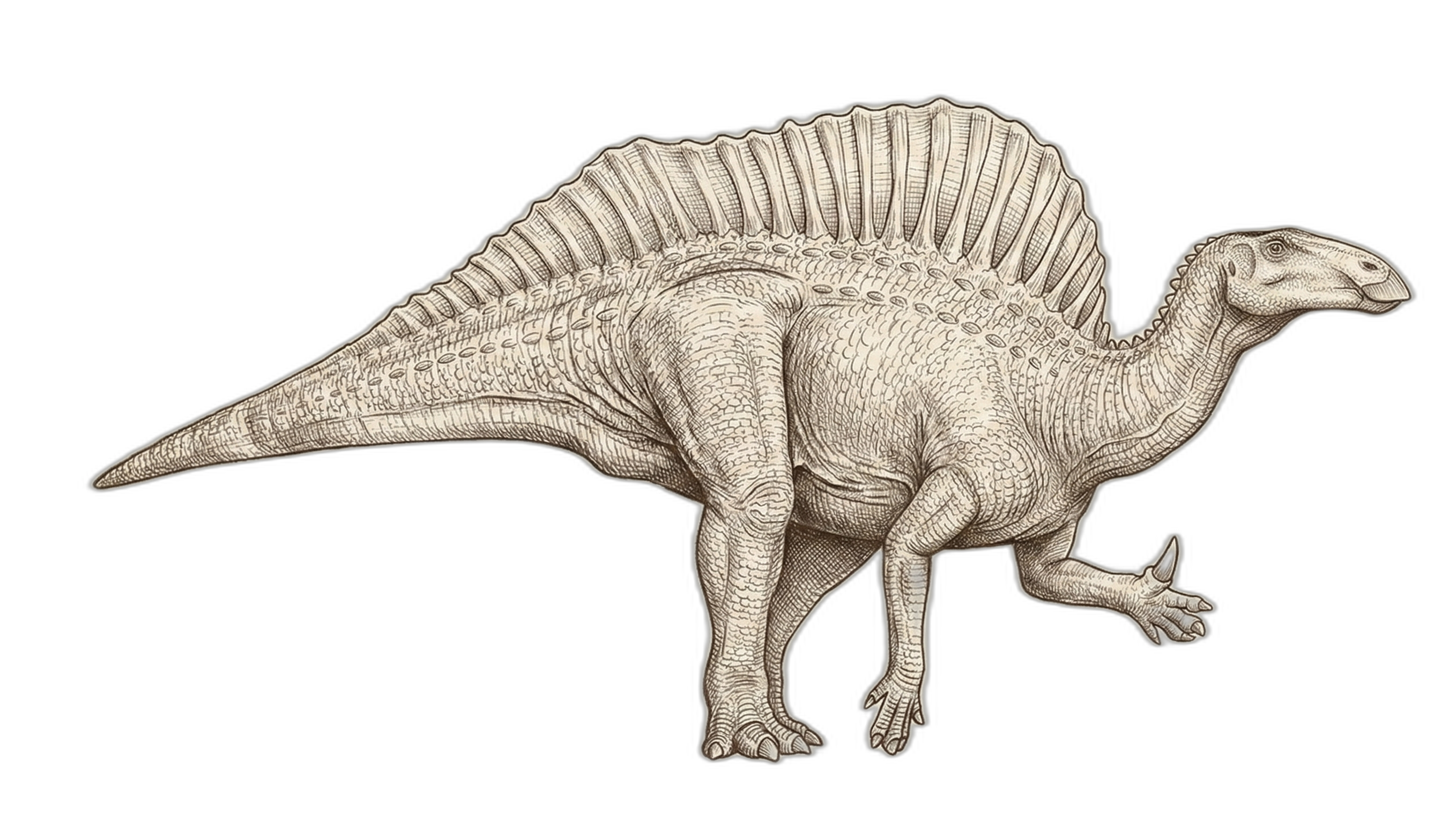
Ouranosaurus nigeriensis
7.5m long
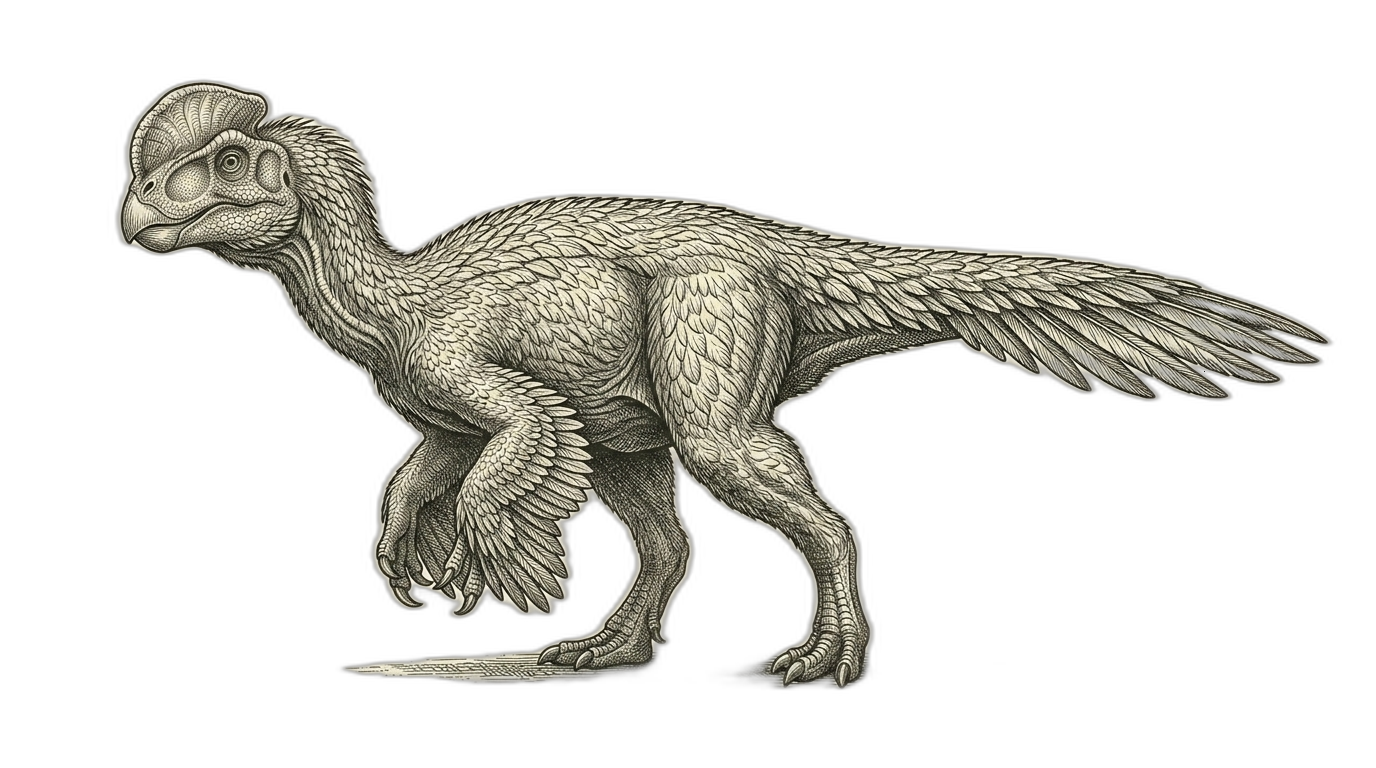
Oviraptor philoceratops
1.6m long
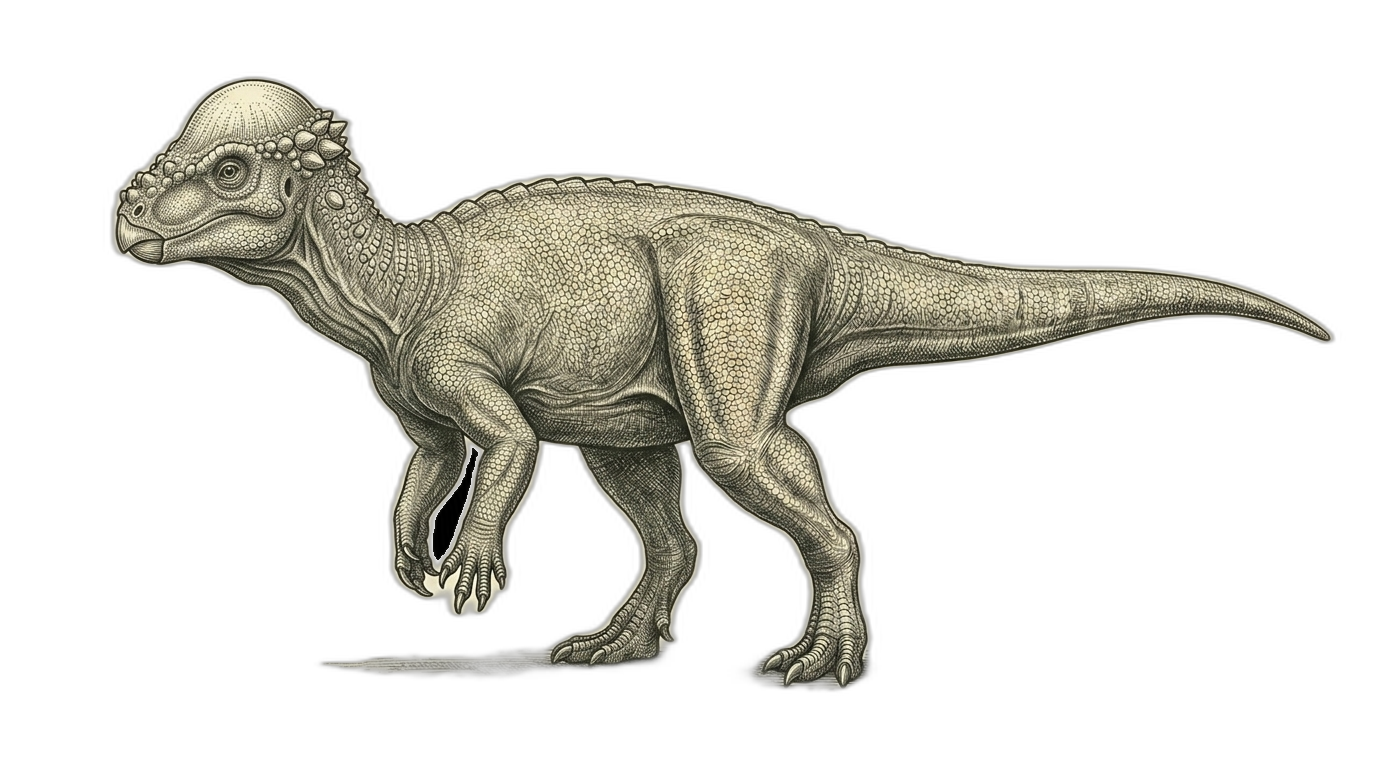
Pachycephalosaurus wyomingensis
4.5m long
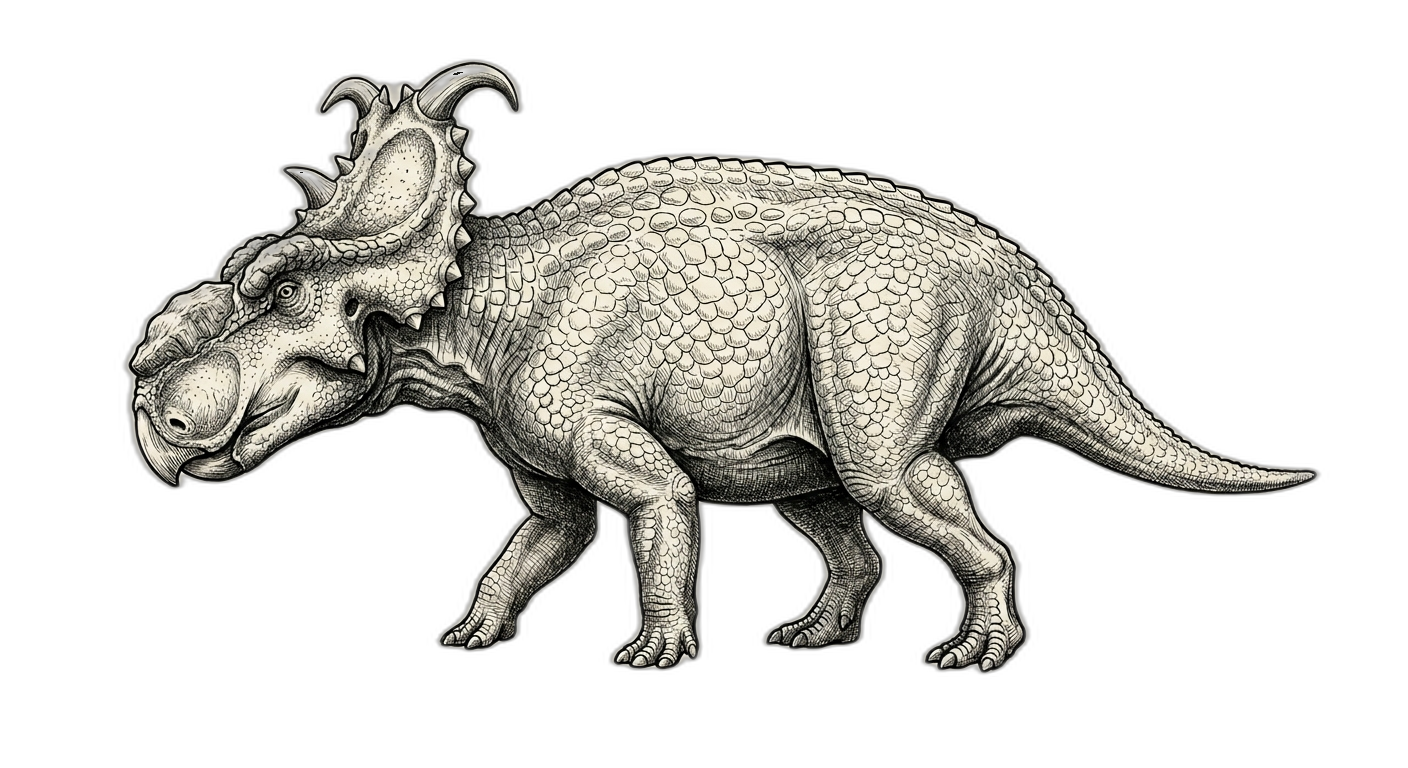
Pachyrhinosaurus canadensis
6m long
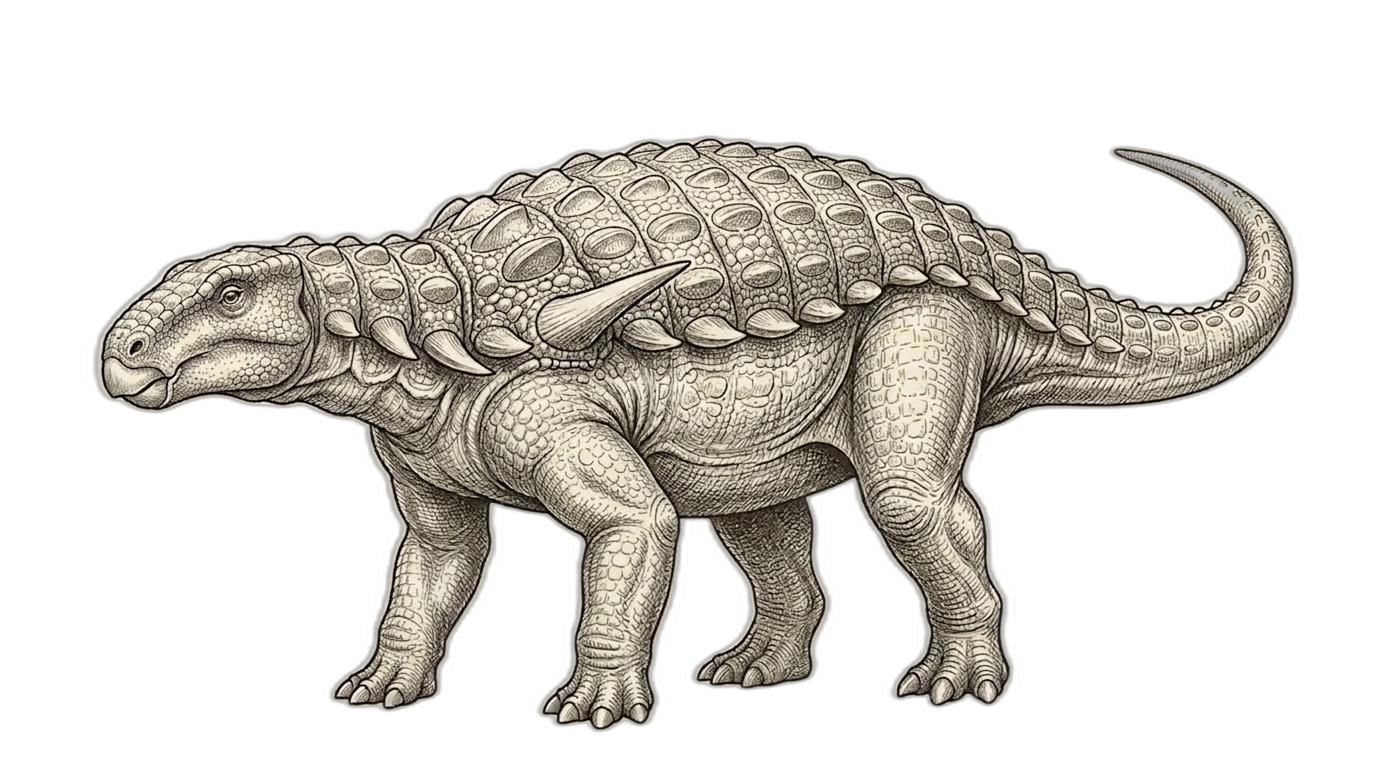
Panoplosaurus mirus
5.5m long
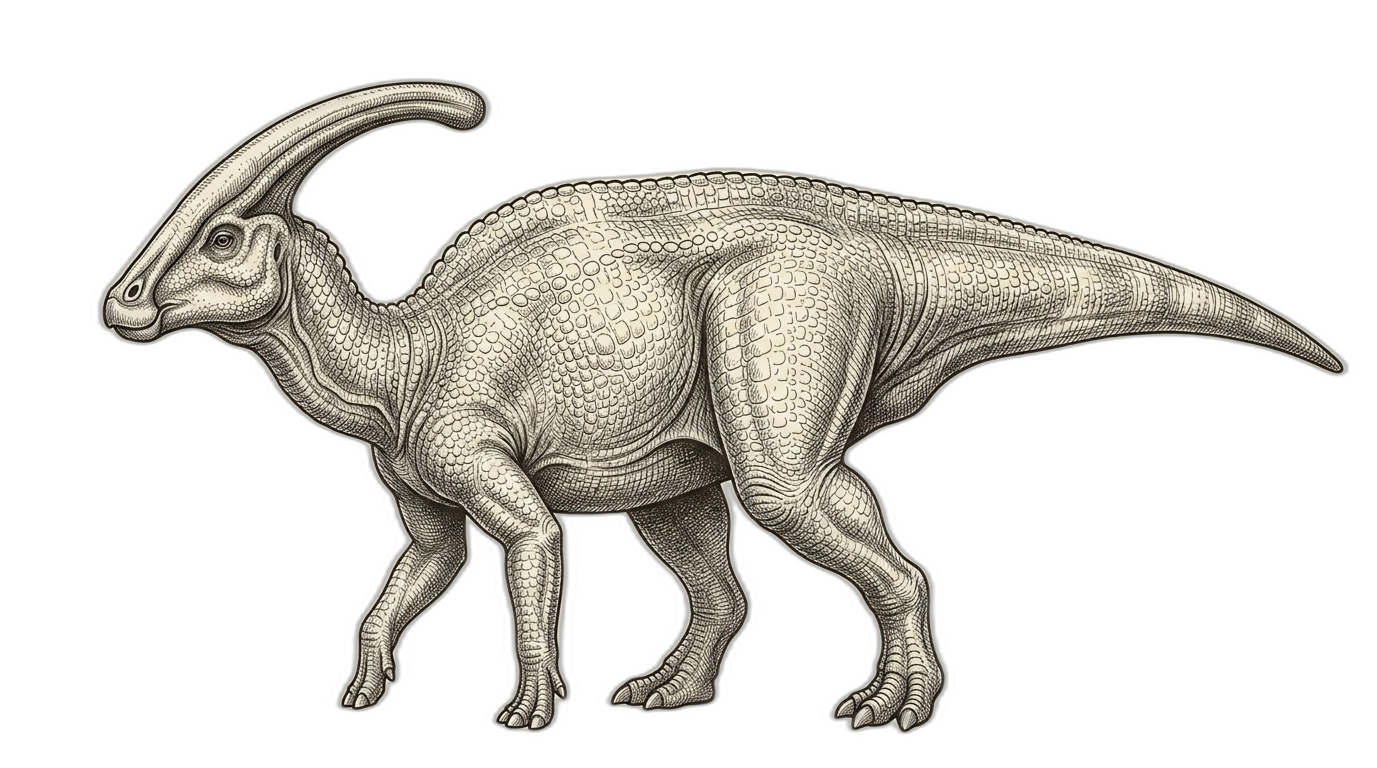
Parasaurolophus walkeri
9.5m long
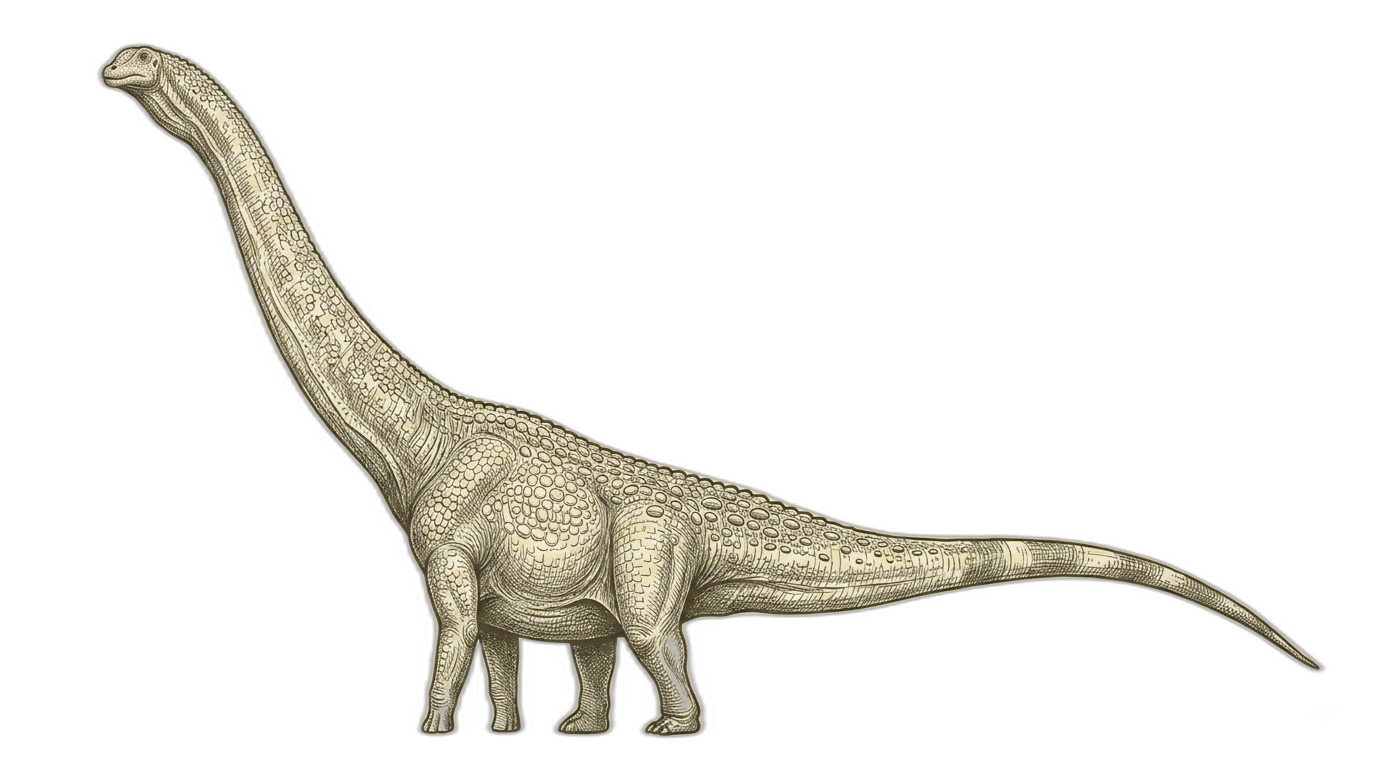
Patagotitan mayorum
37m long
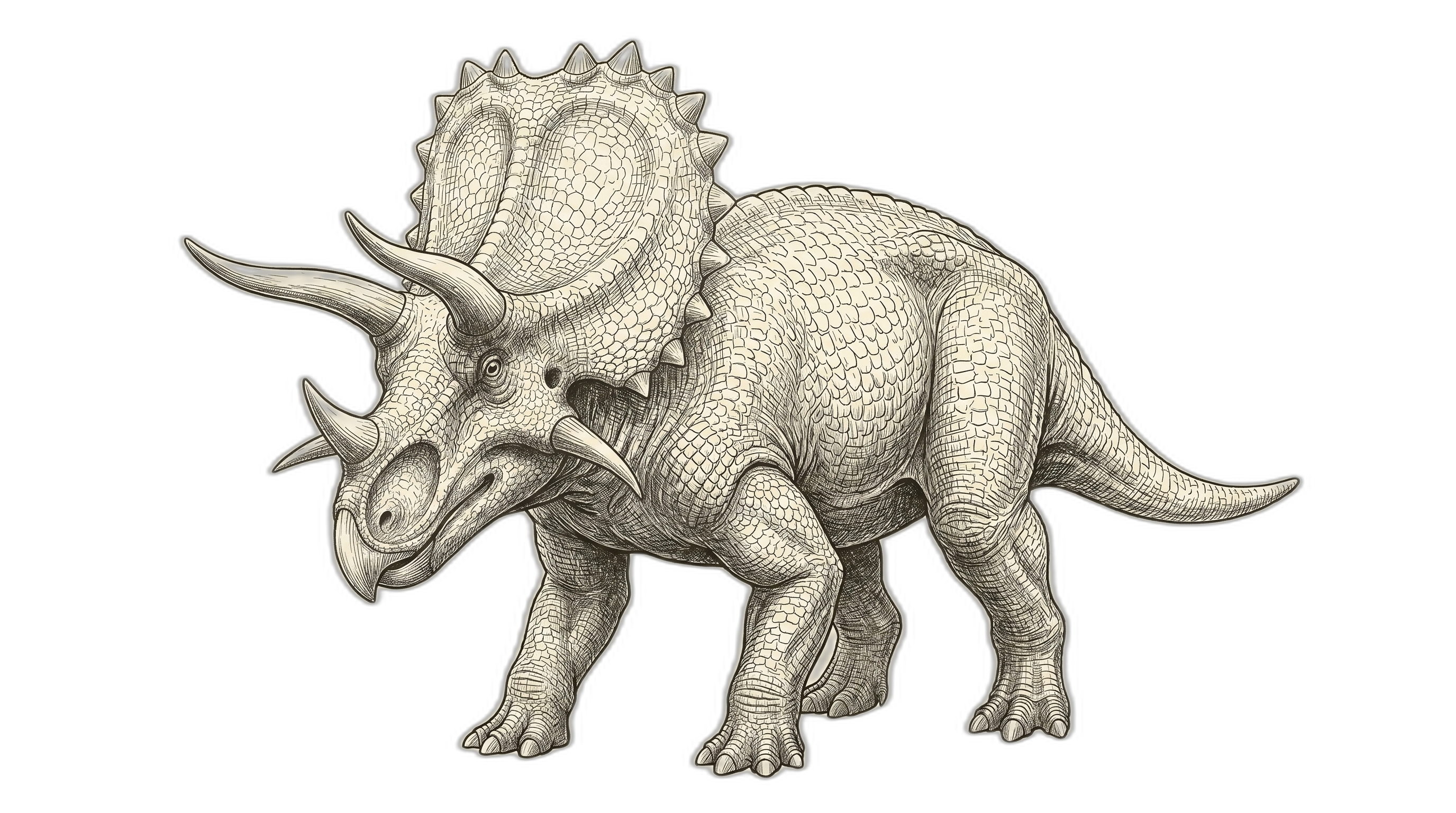
Pentaceratops sternbergii
6m long
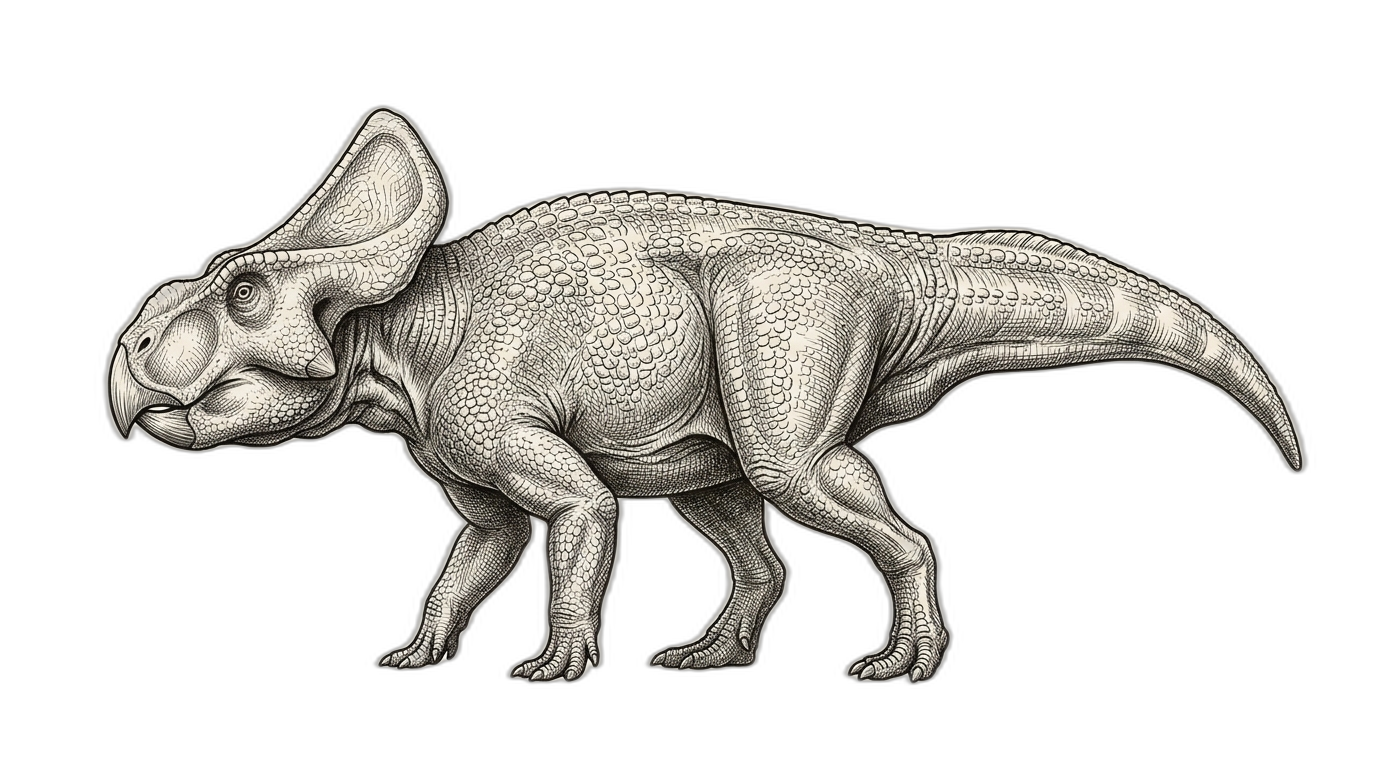
Protoceratops andrewsi
1.8m long
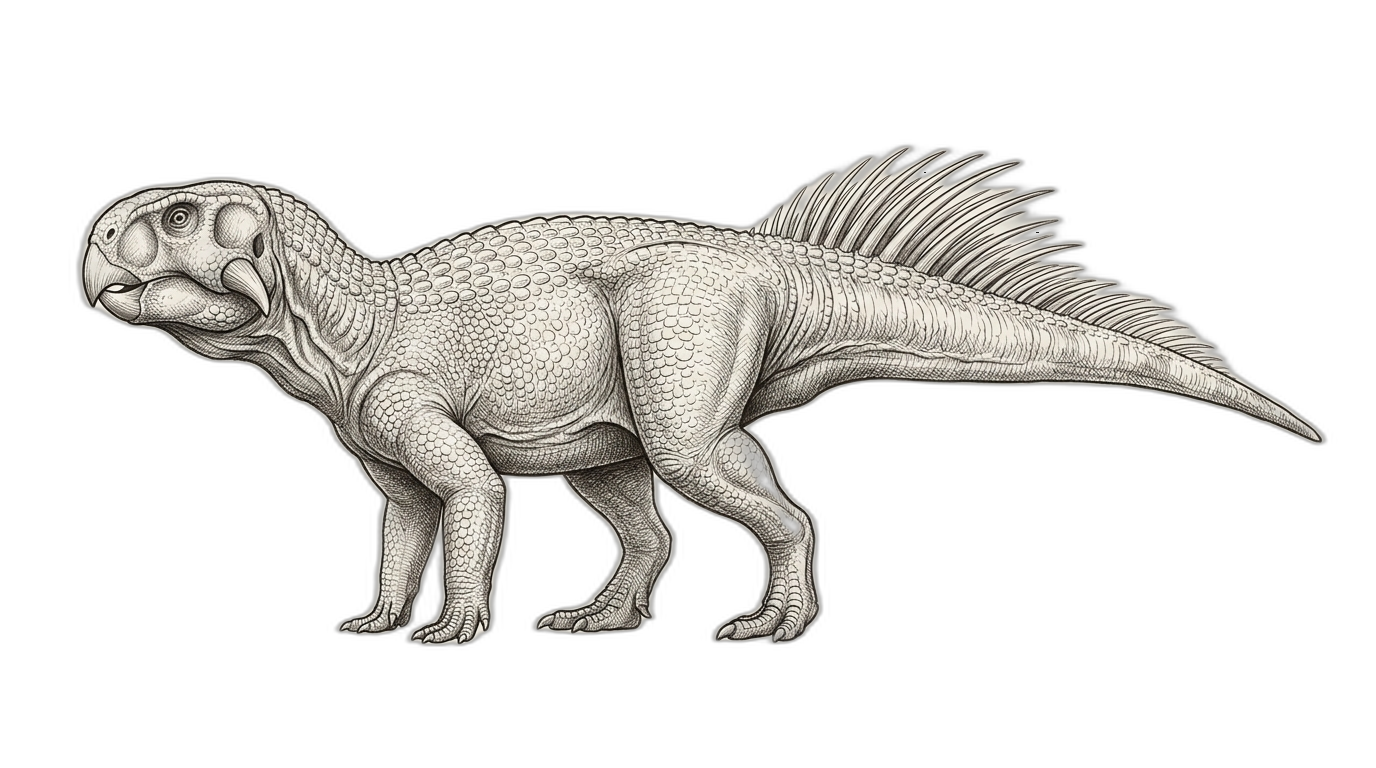
Psittacosaurus mongoliensis
2m long
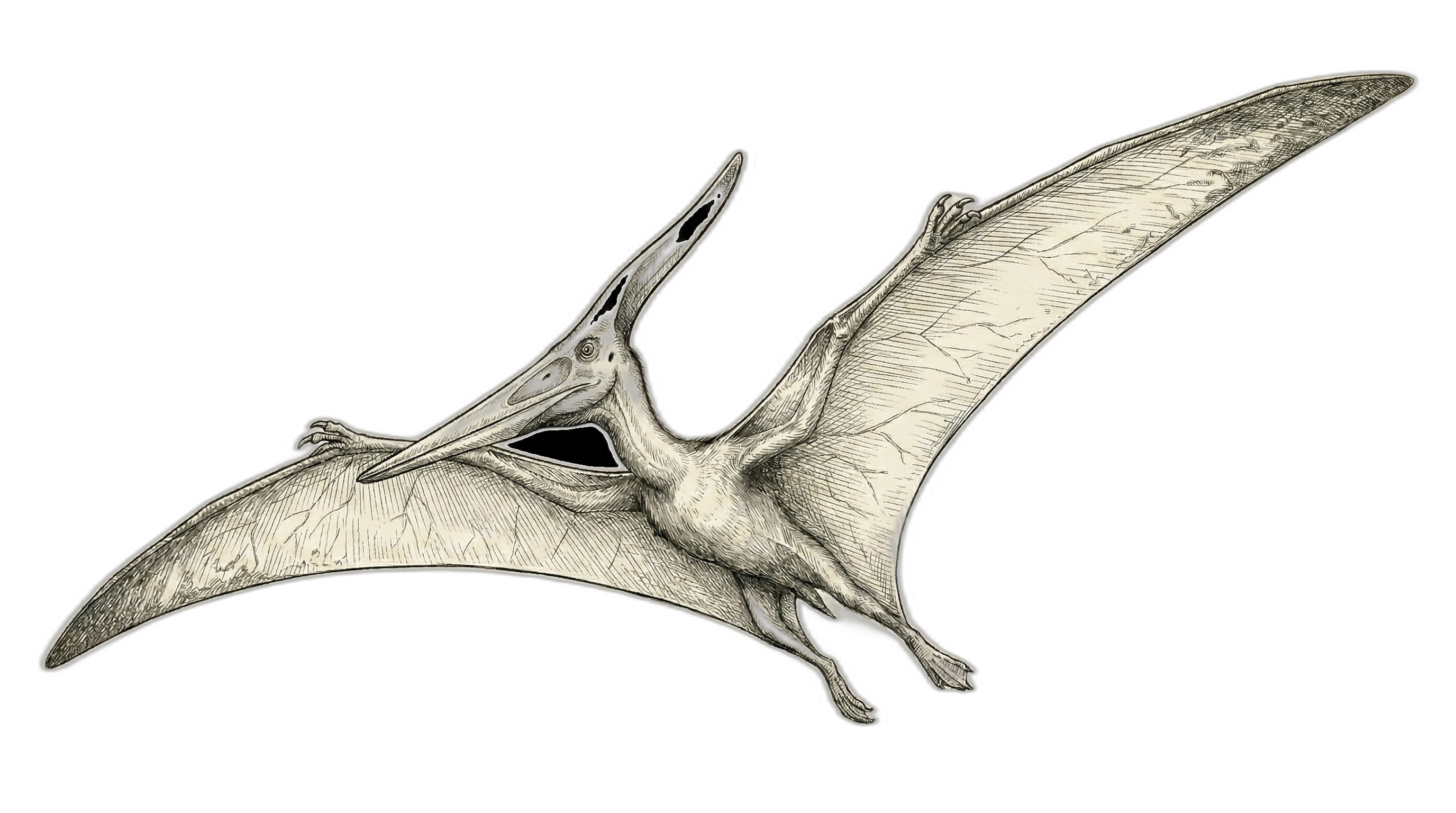
Pteranodon longiceps
1.8m long
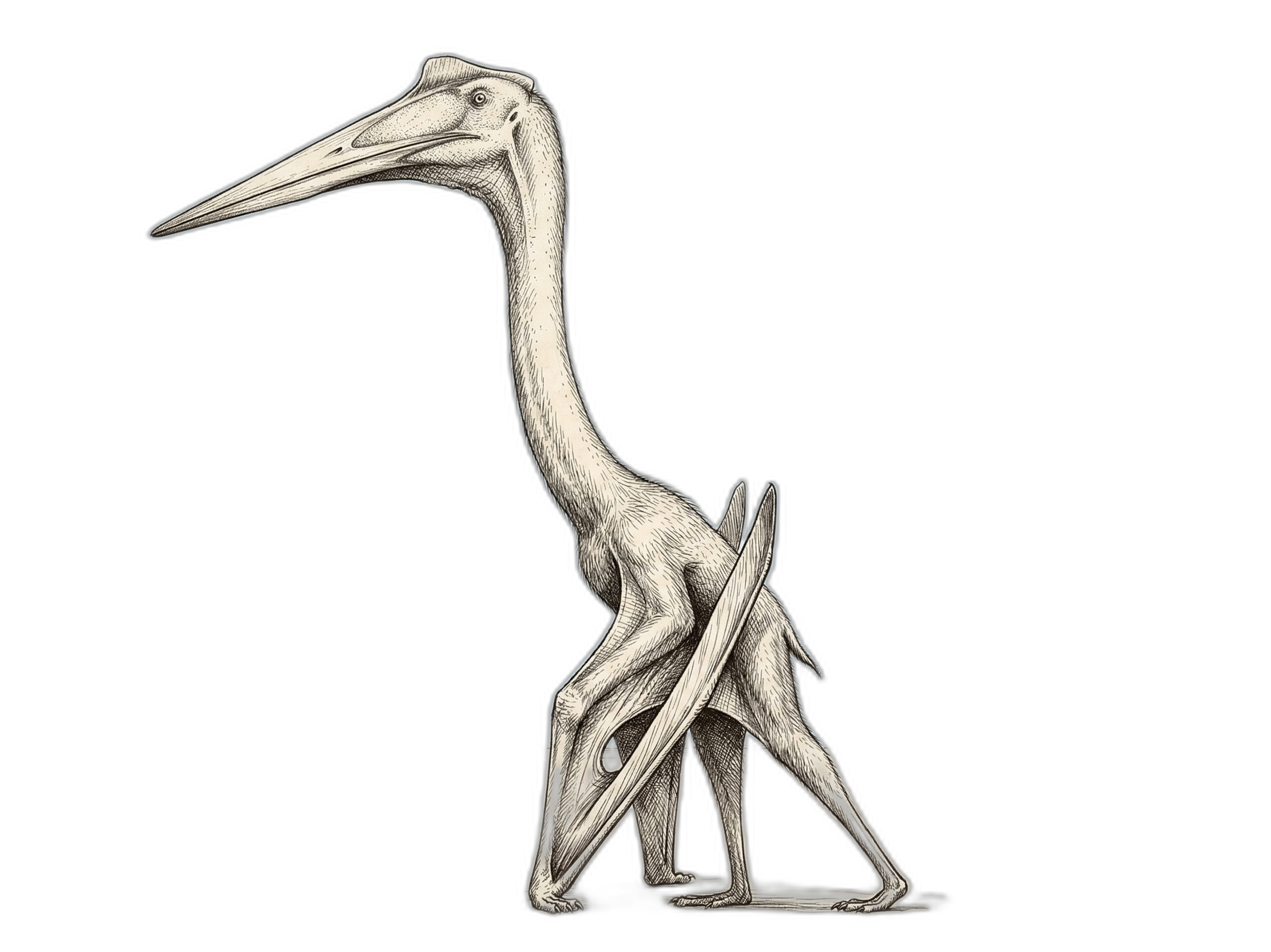
Quetzalcoatlus northropi
6m long
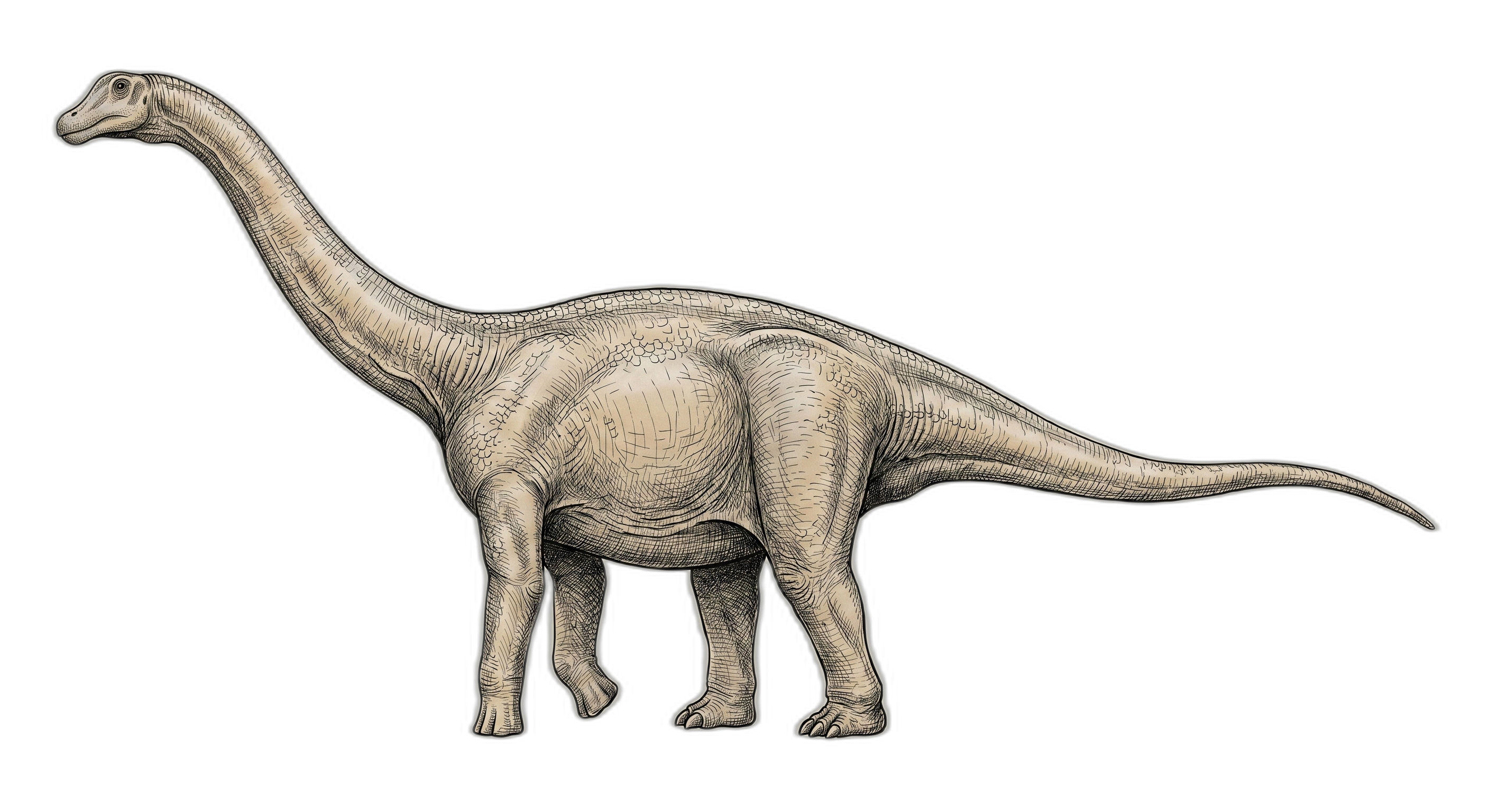
Rapetosaurus krausei
15m long
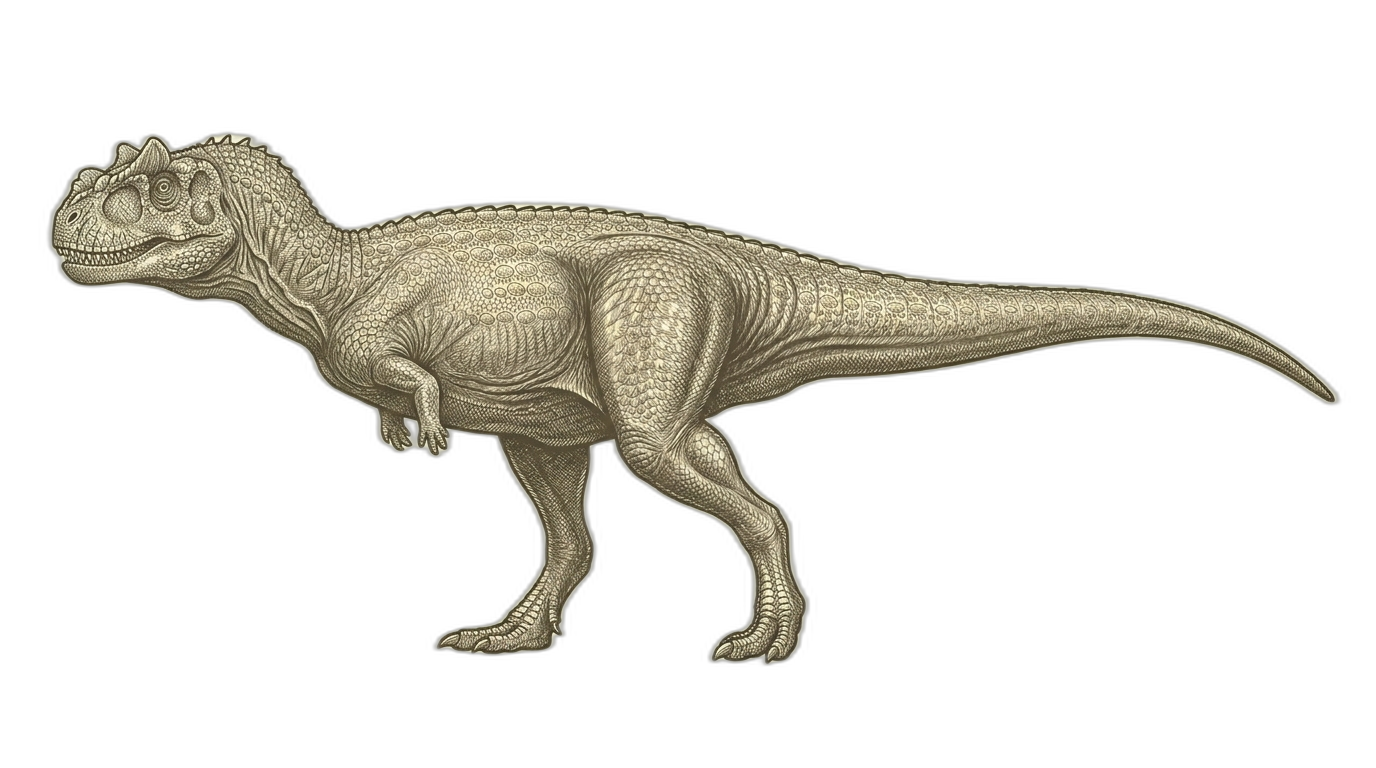
Rugops primus
6m long
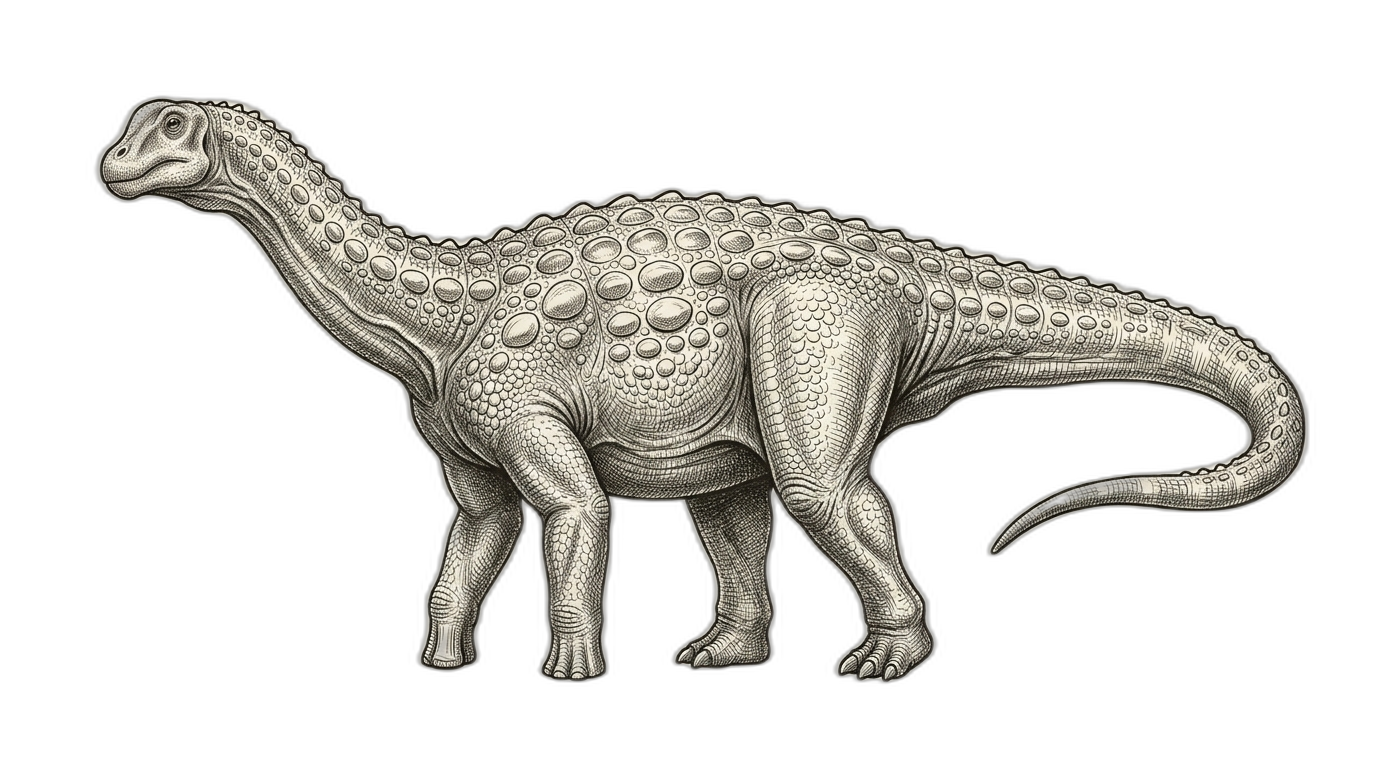
Saltasaurus loricatus
12m long
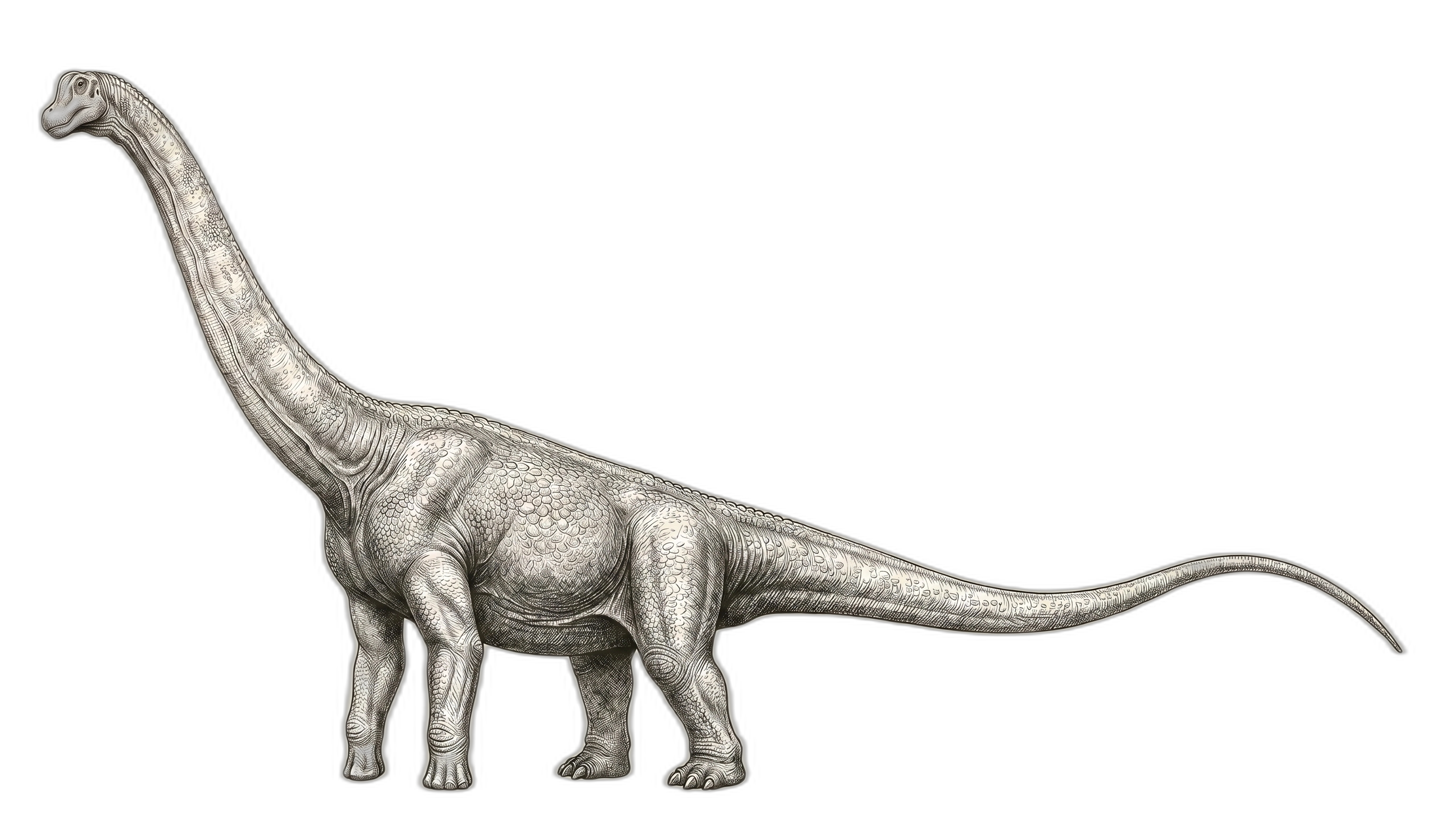
Sauroposeidon proteles
27m long
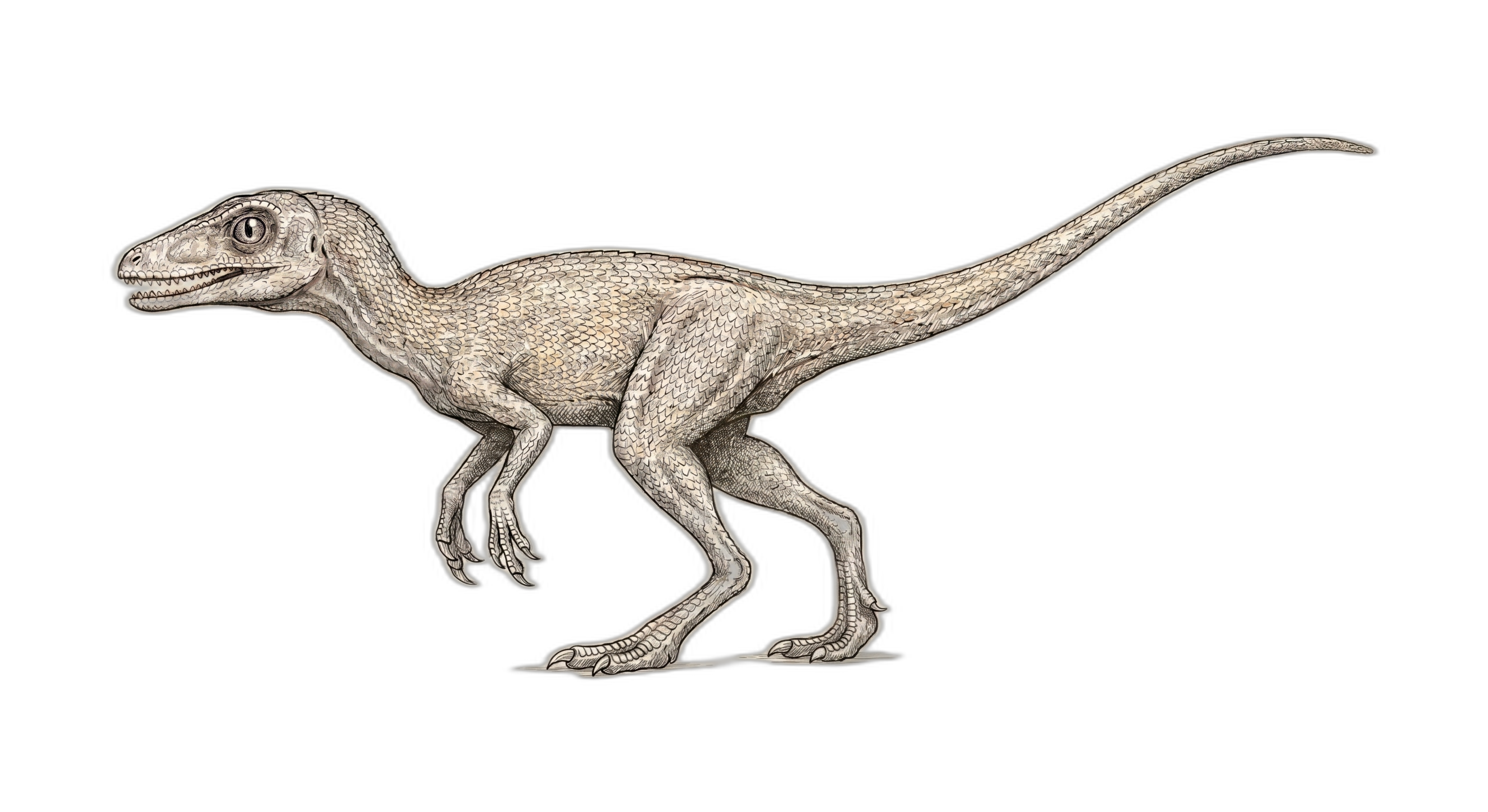
Scipionyx samniticus
0.24m long
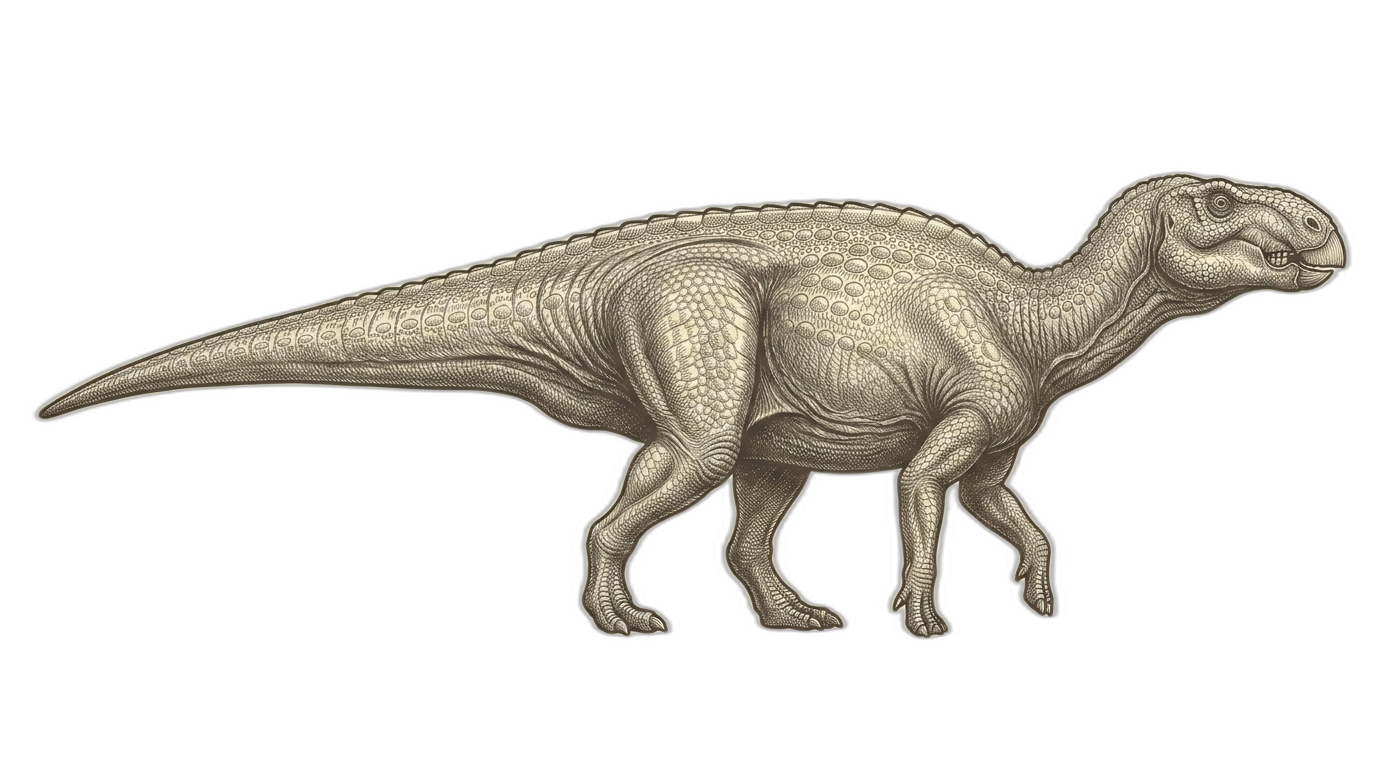
Shantungosaurus giganteus
15m long
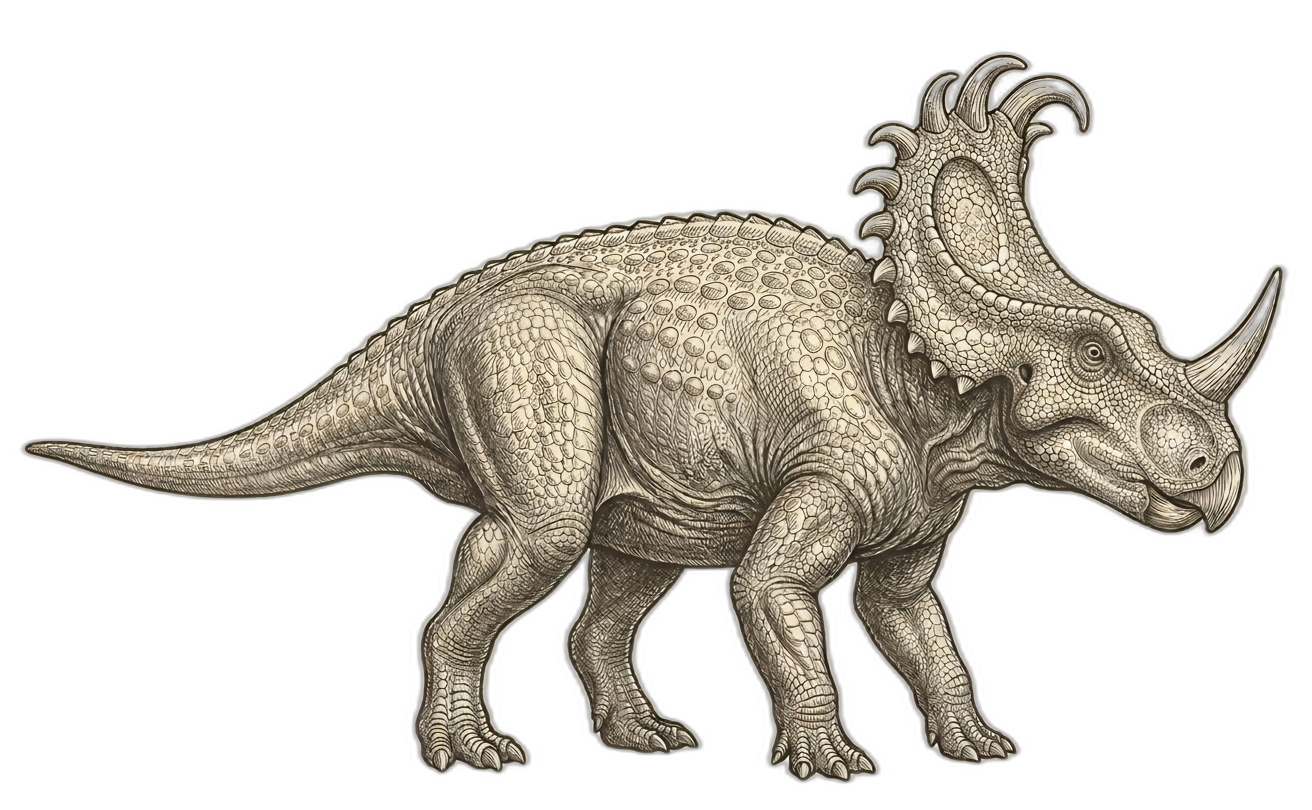
Sinoceratops zhuchengensis
6m long
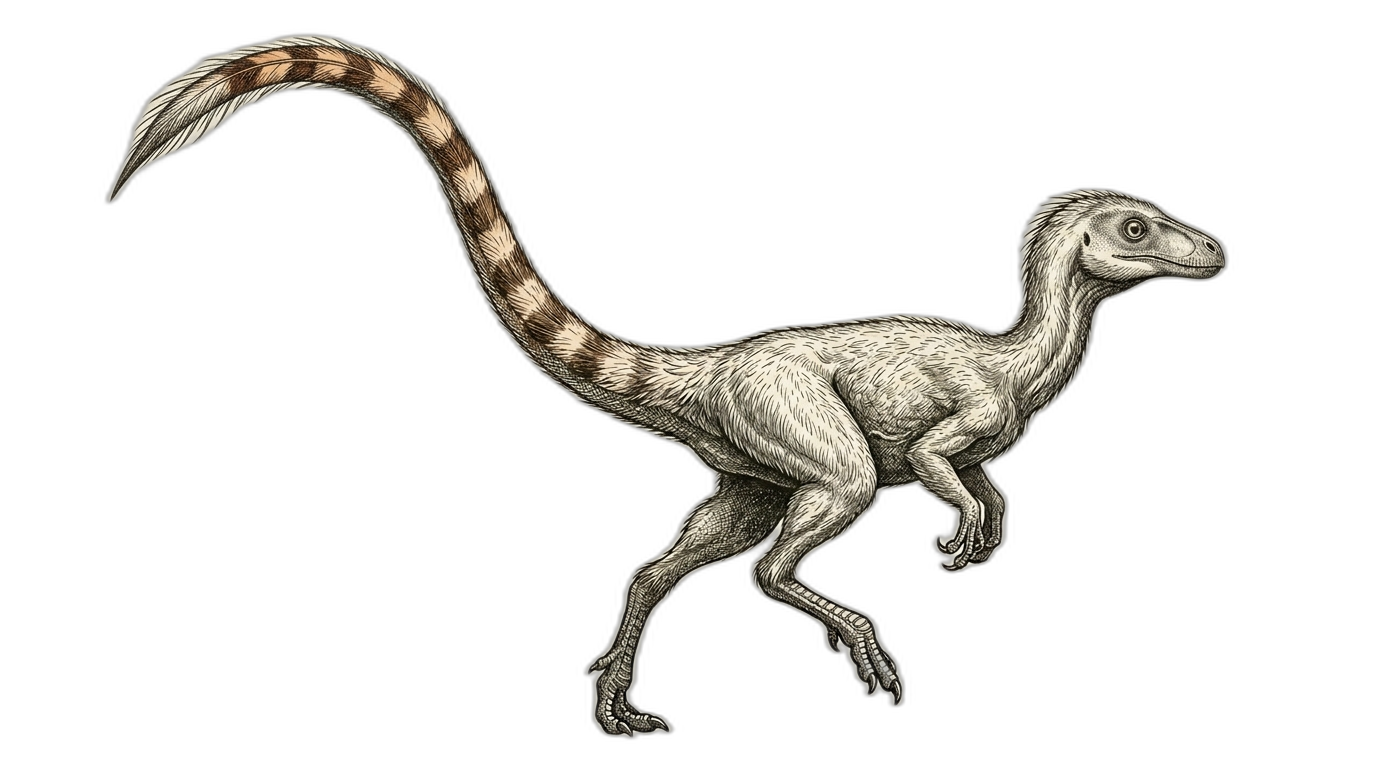
Sinosauropteryx prima
1m long
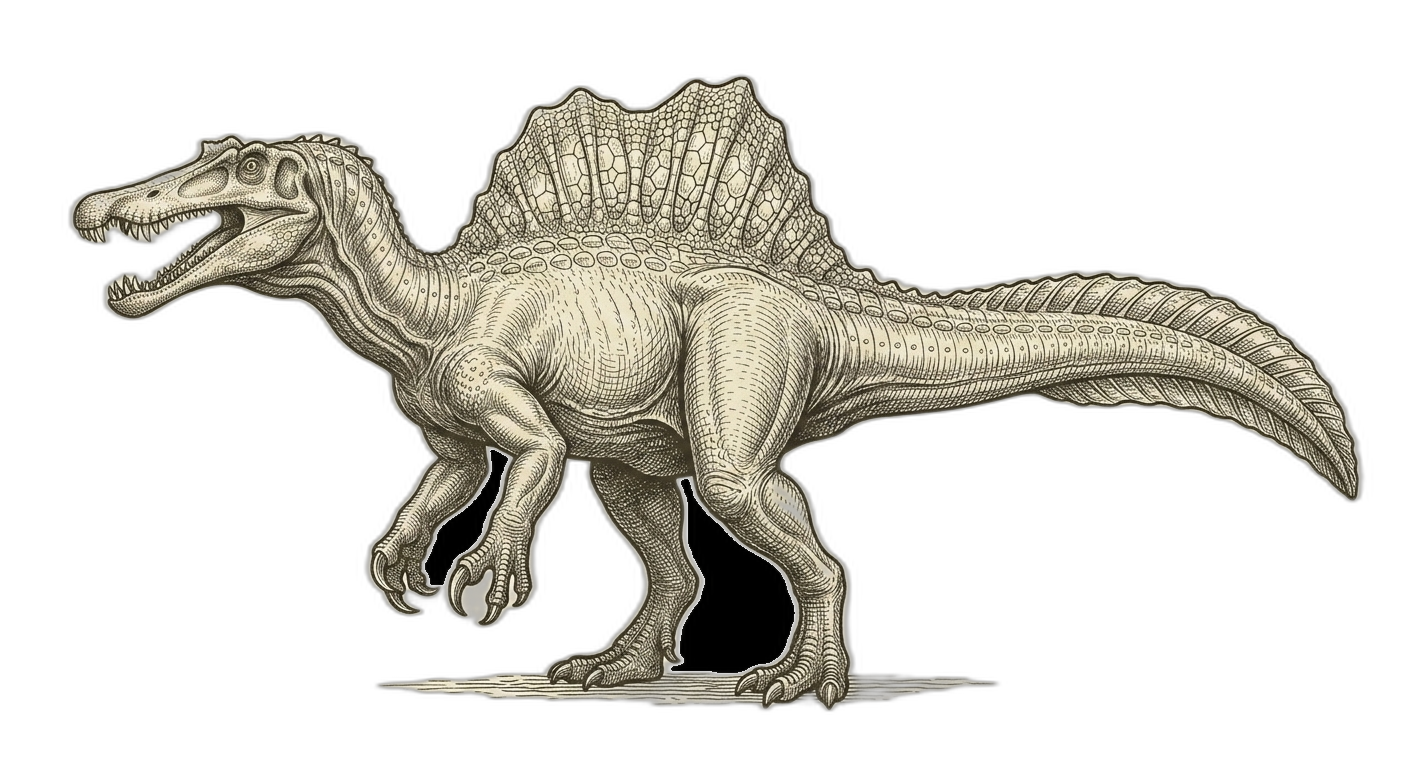
Spinosaurus aegyptiacus
14m long
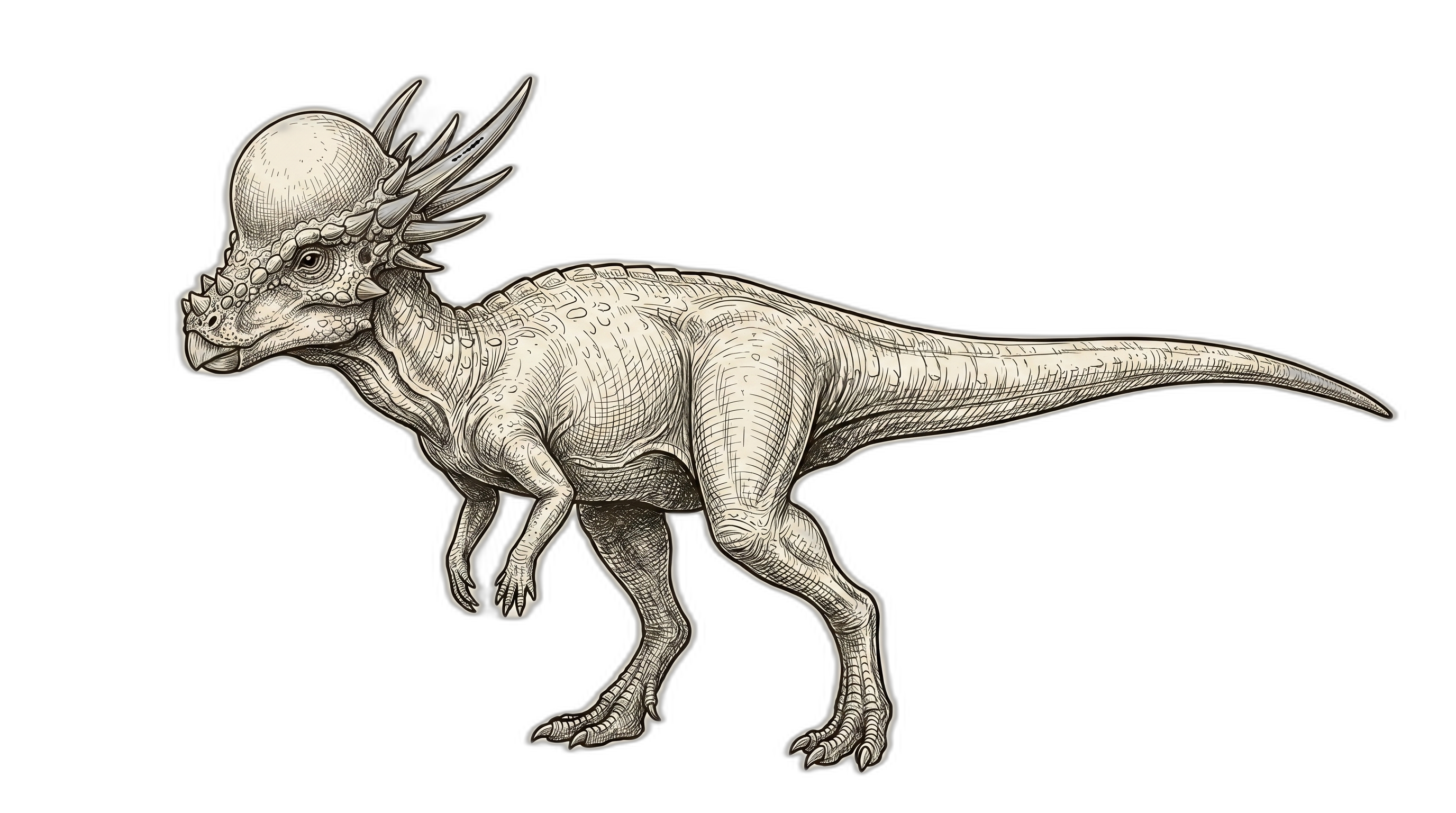
Stygimoloch spinifer
3m long
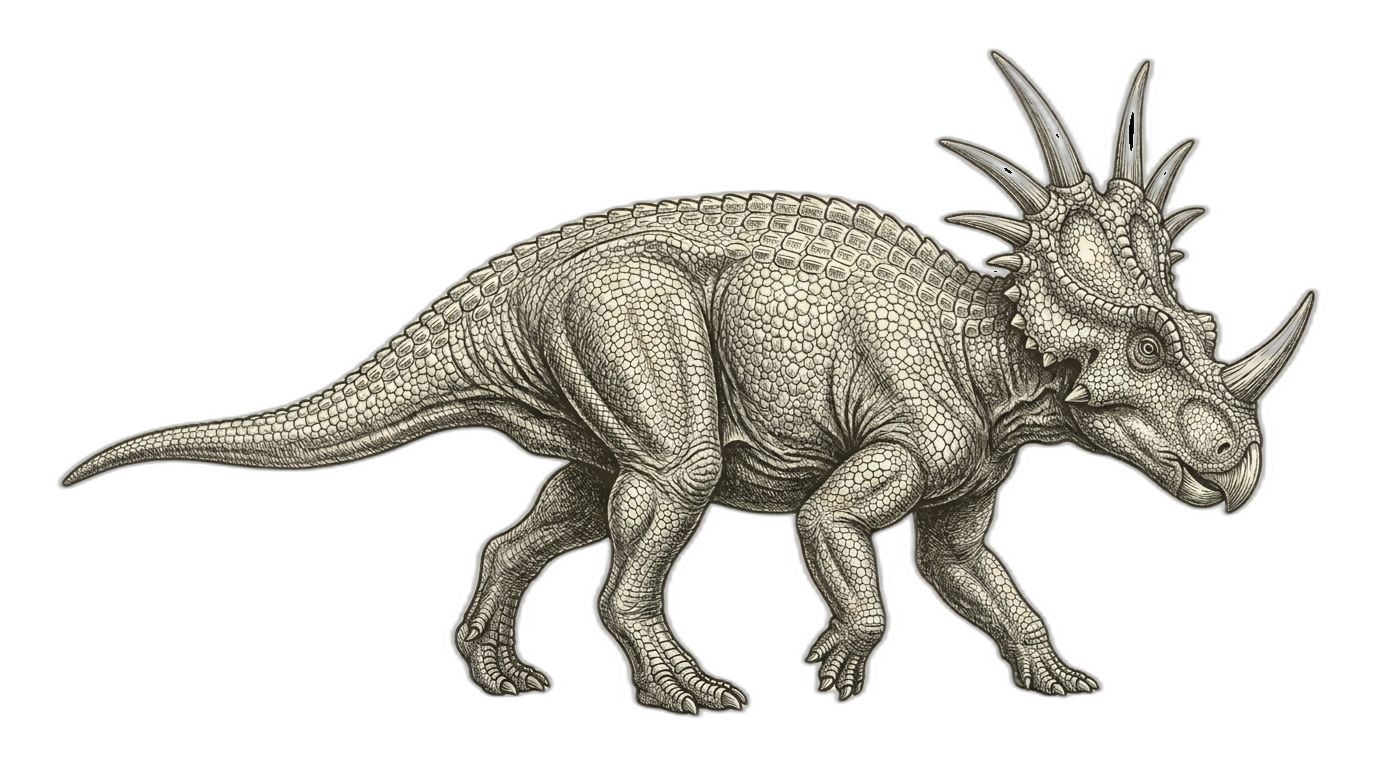
Styracosaurus albertensis
5.5m long
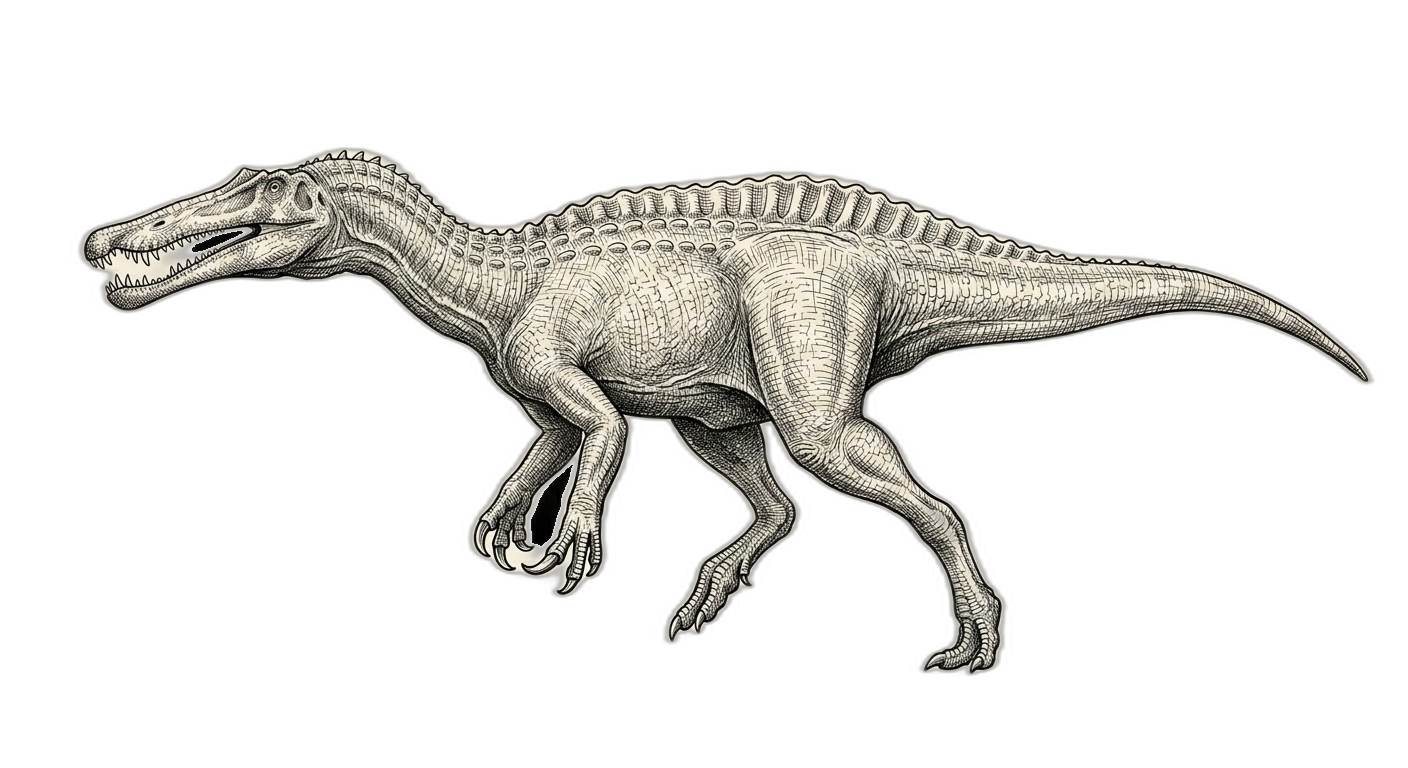
Suchomimus tenerensis
10.5m long
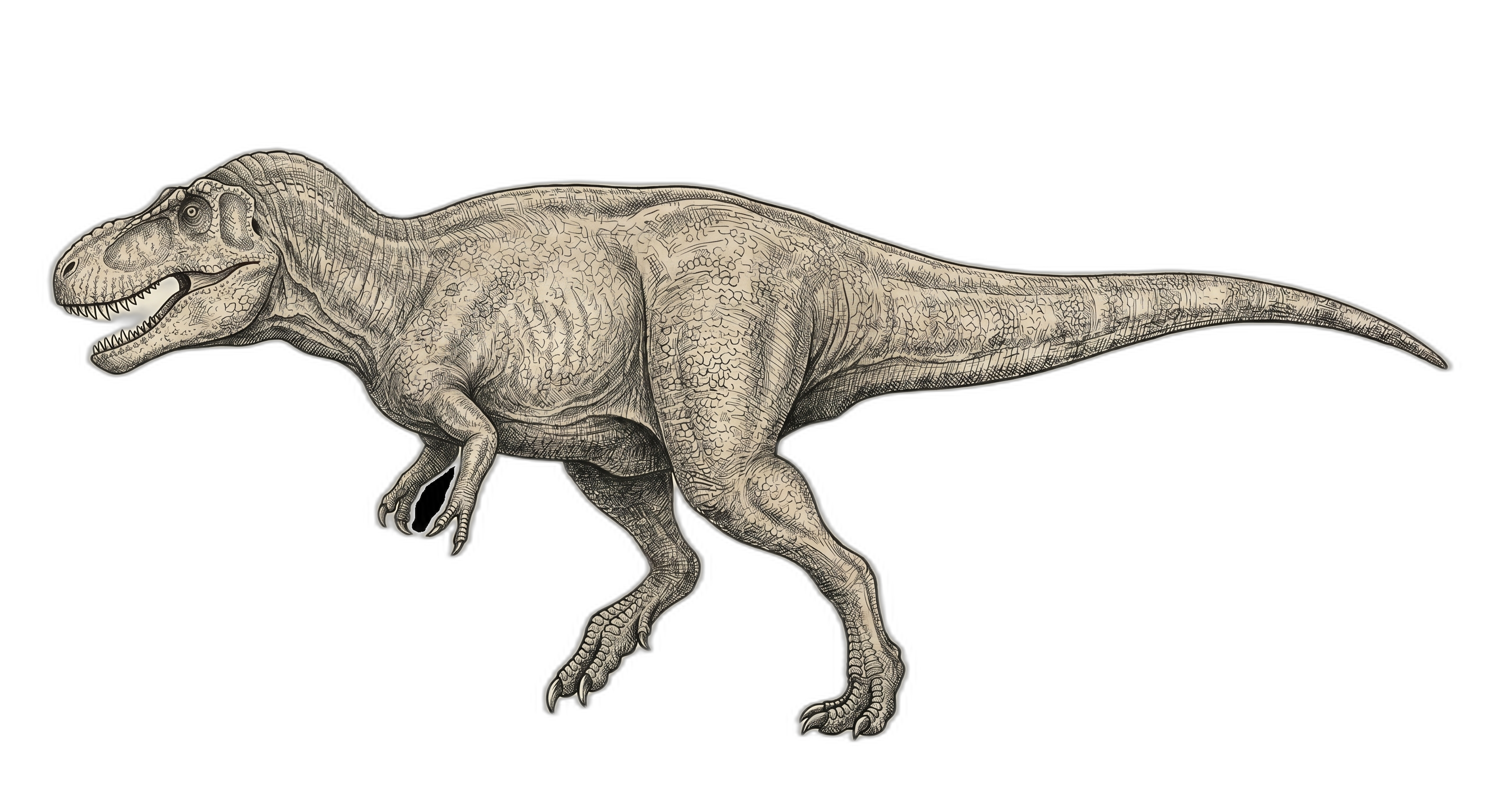
Tarbosaurus bataar
10m long
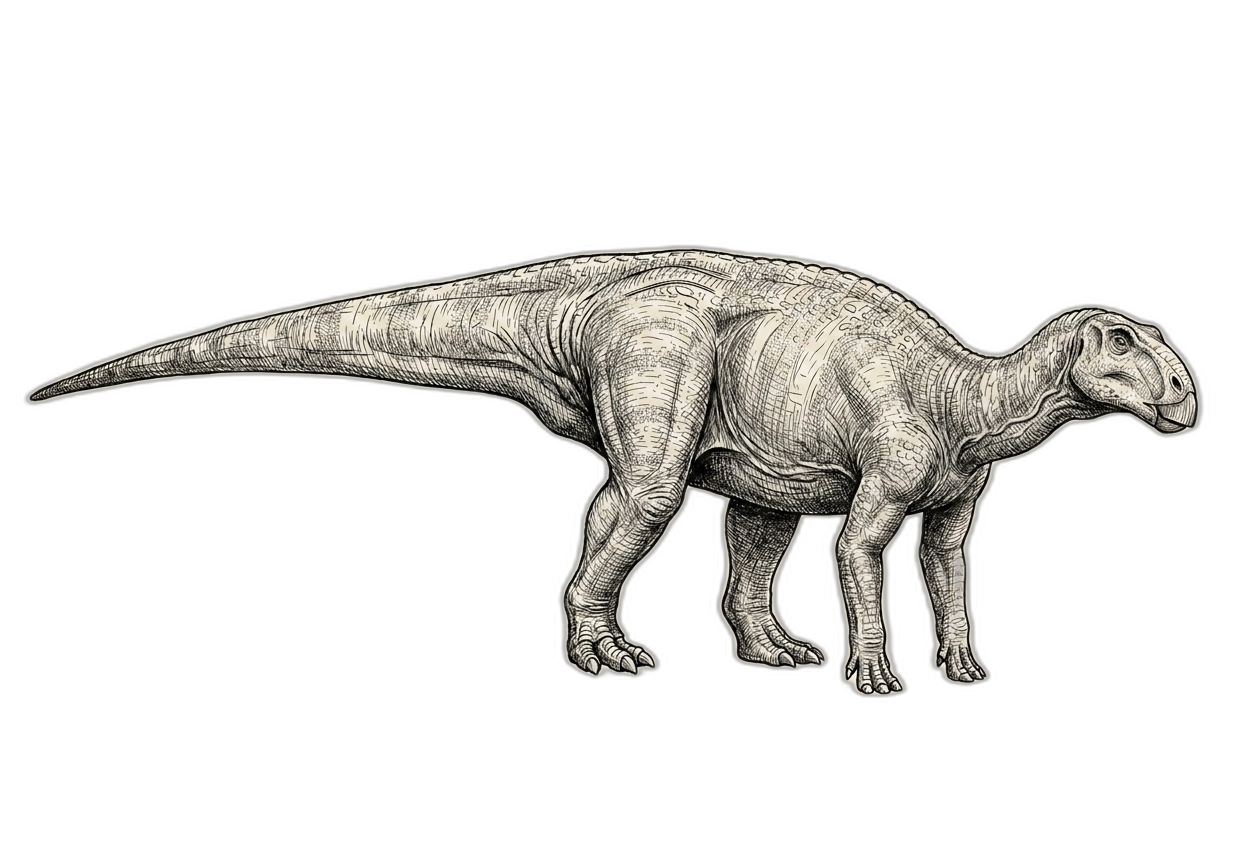
Tenontosaurus tilletti
6.5m long
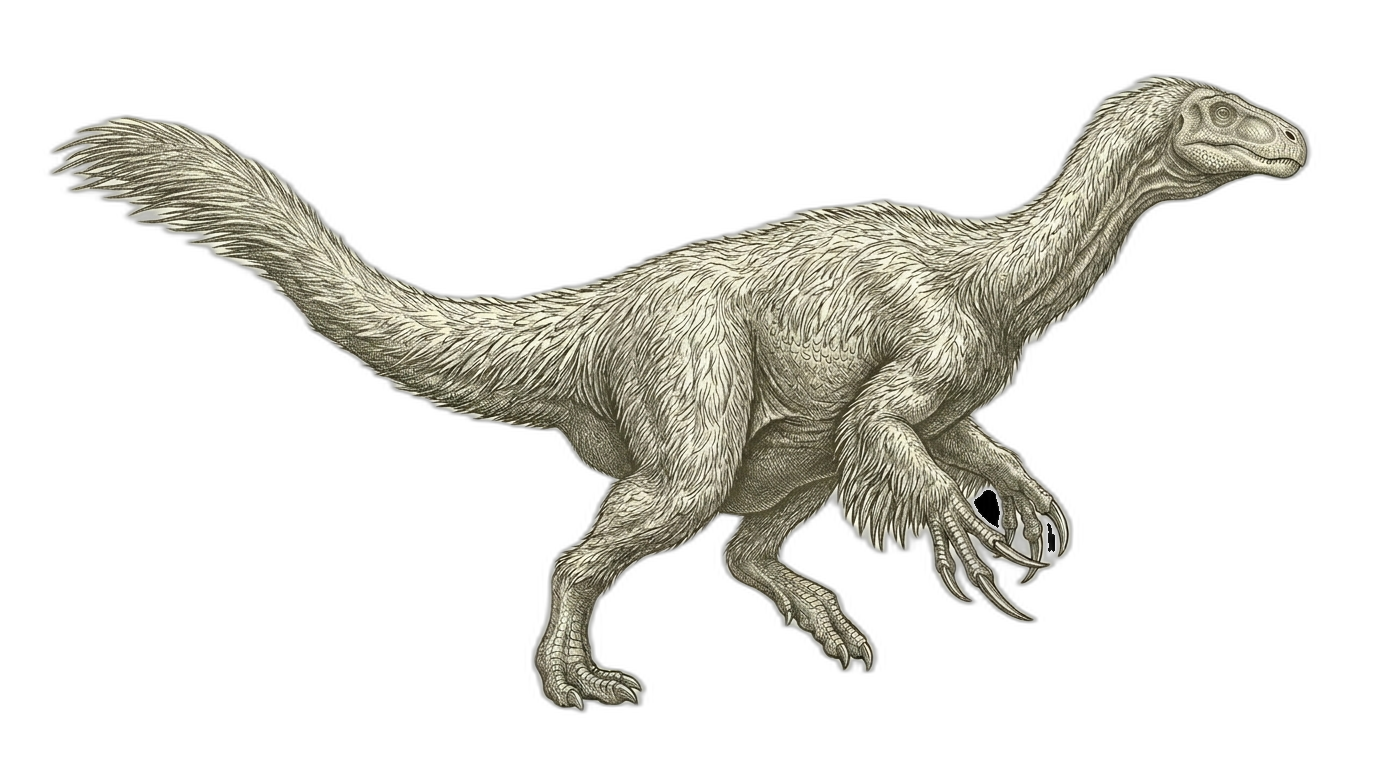
Therizinosaurus cheloniformis
9.5m long
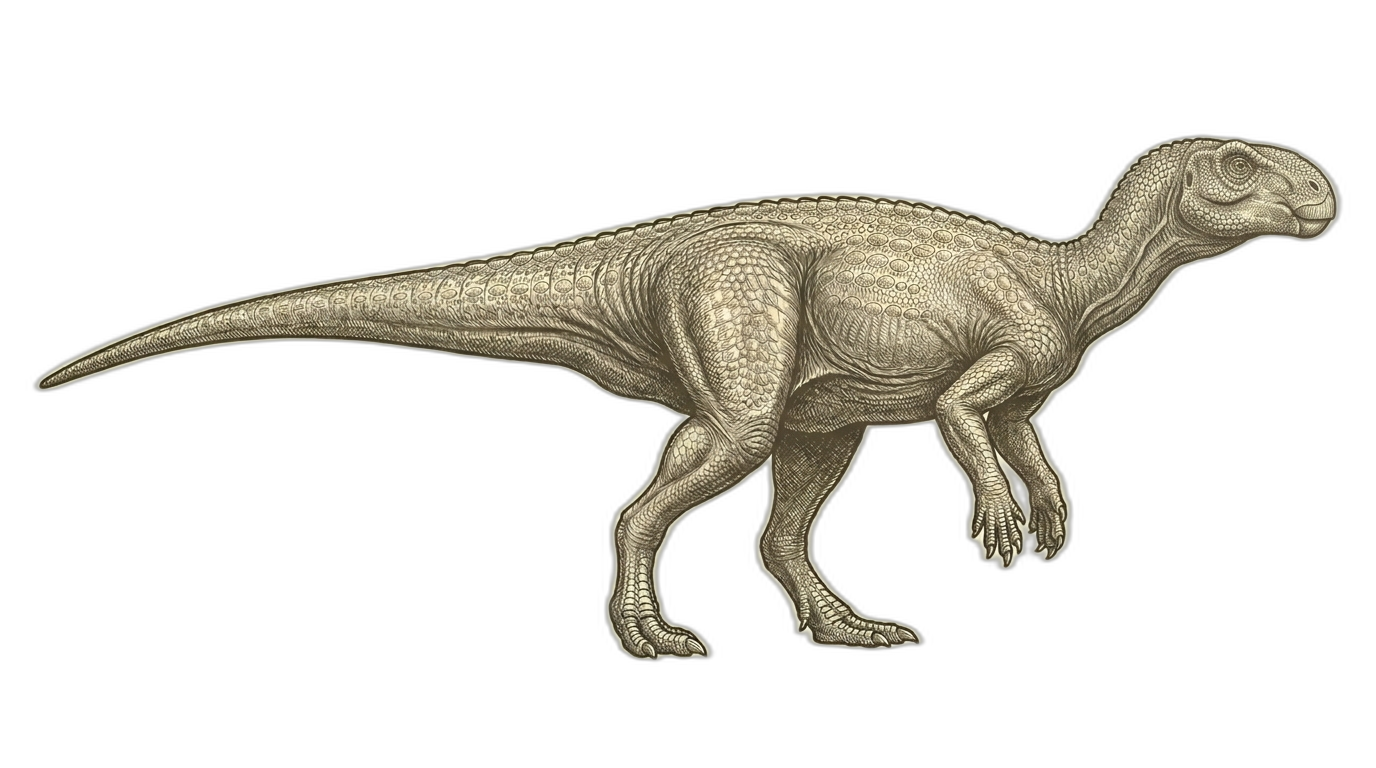
Thescelosaurus neglectus
3.5m long
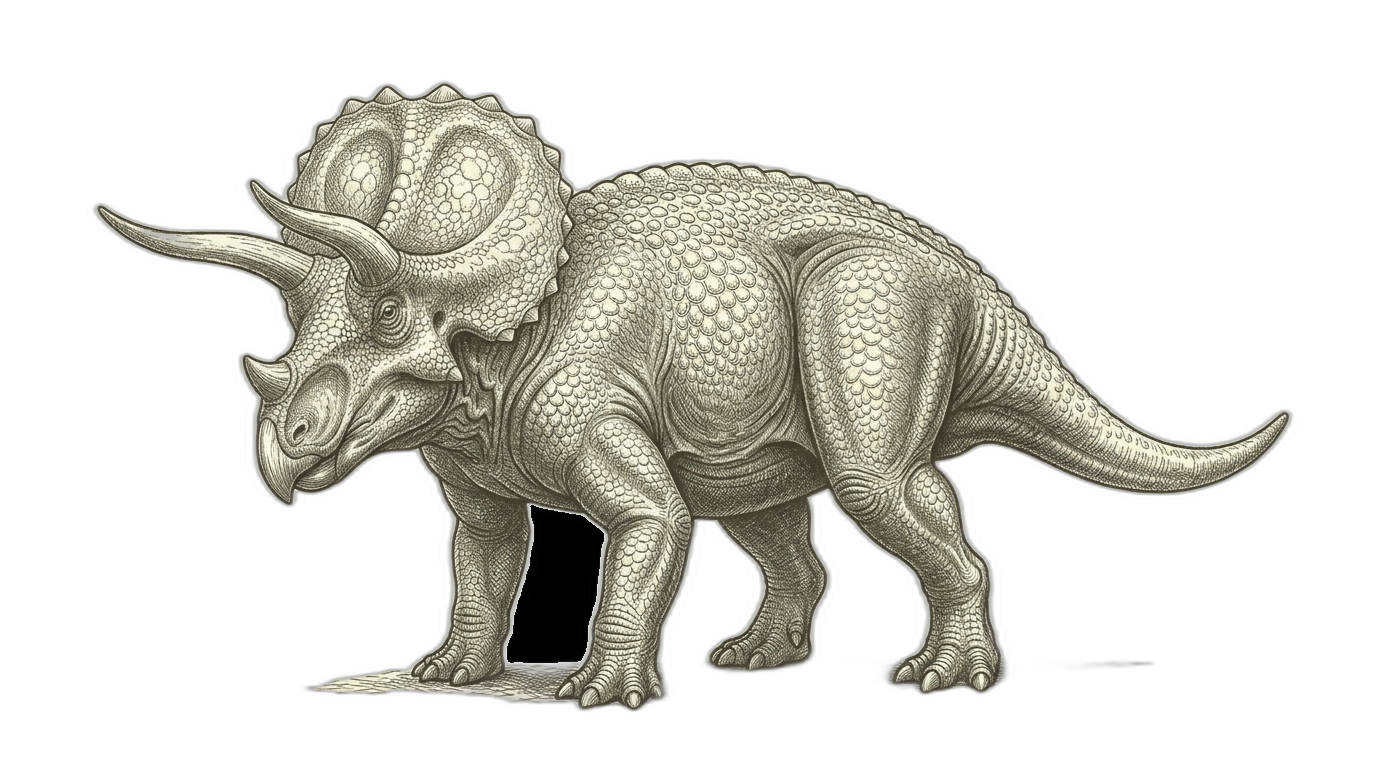
Triceratops horridus
8.5m long
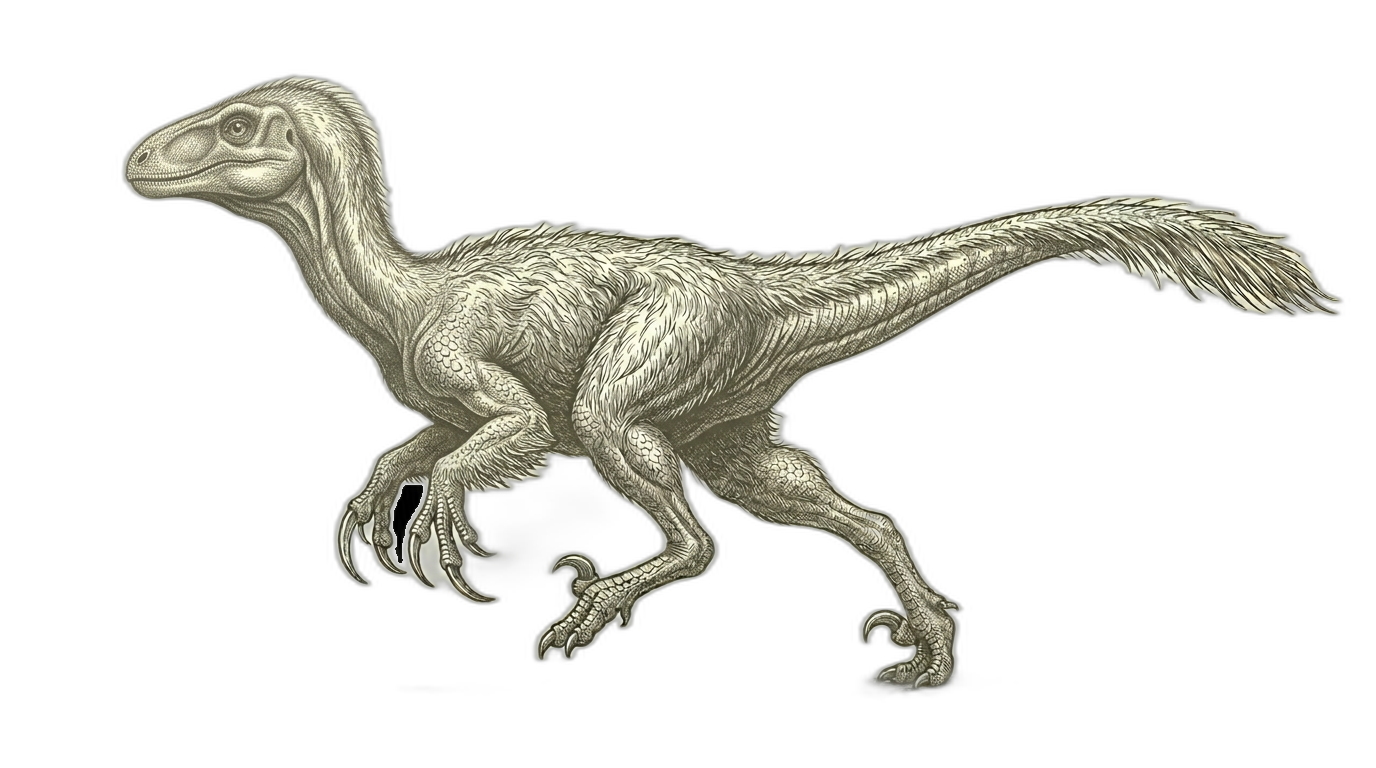
Troodon formosus
2.4m long
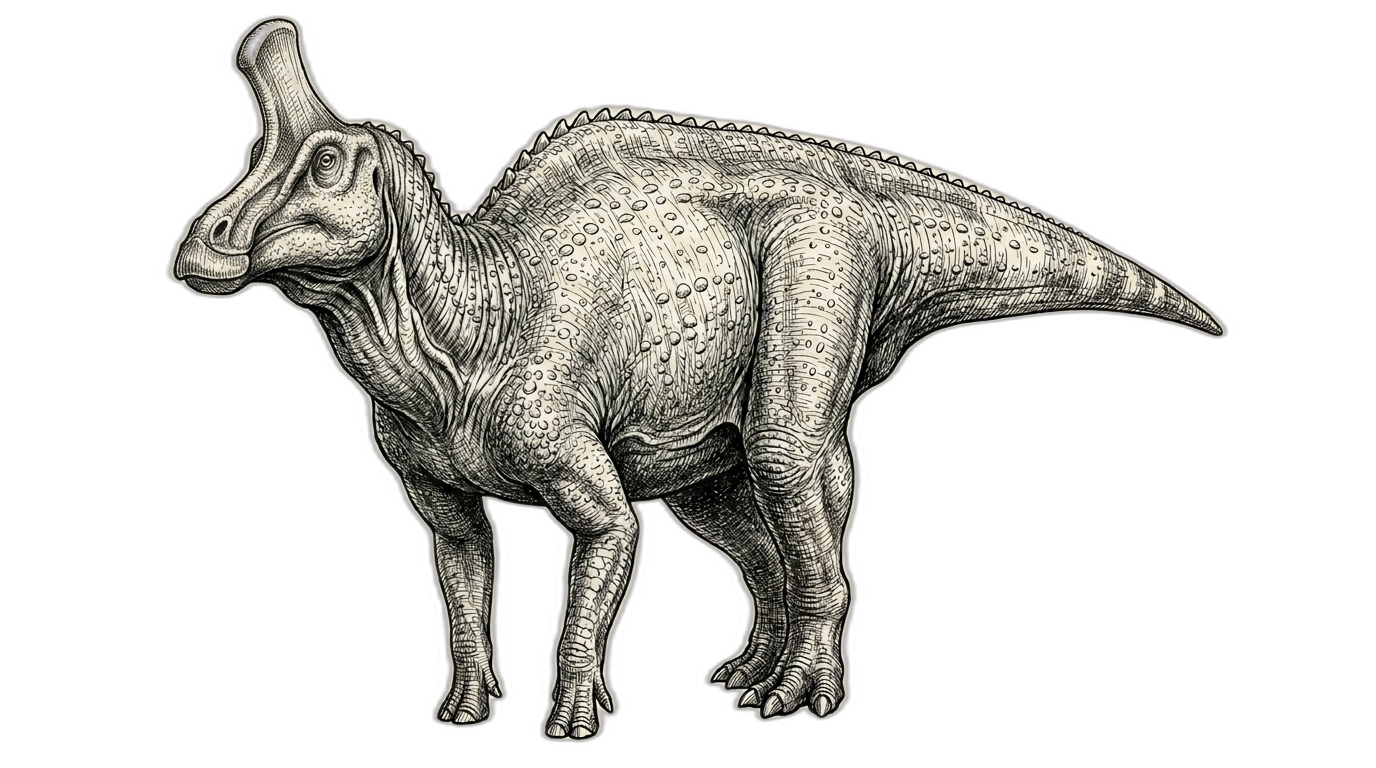
Tsintaosaurus spinorhinus
8.3m long

Tupandactylus imperator
2.5m long
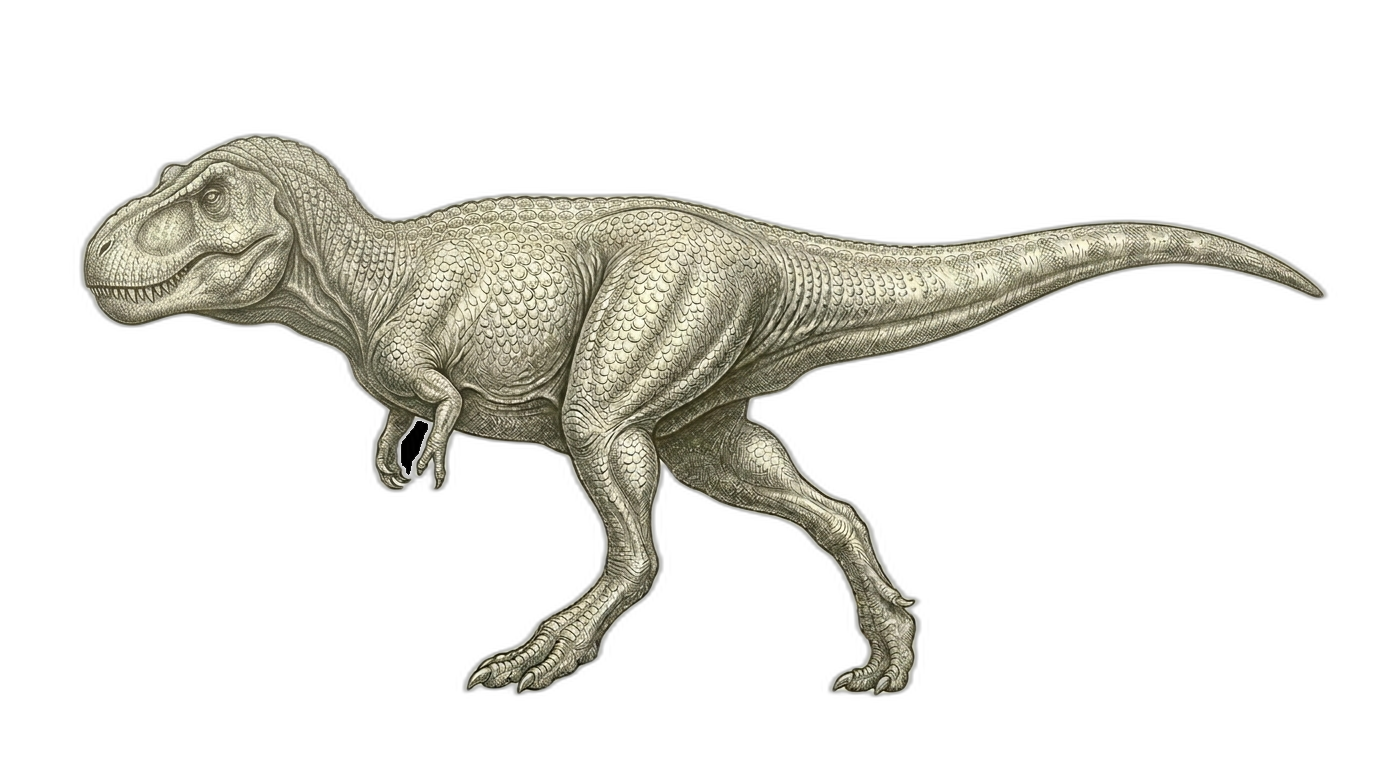
Tyrannosaurus rex
12.3m long
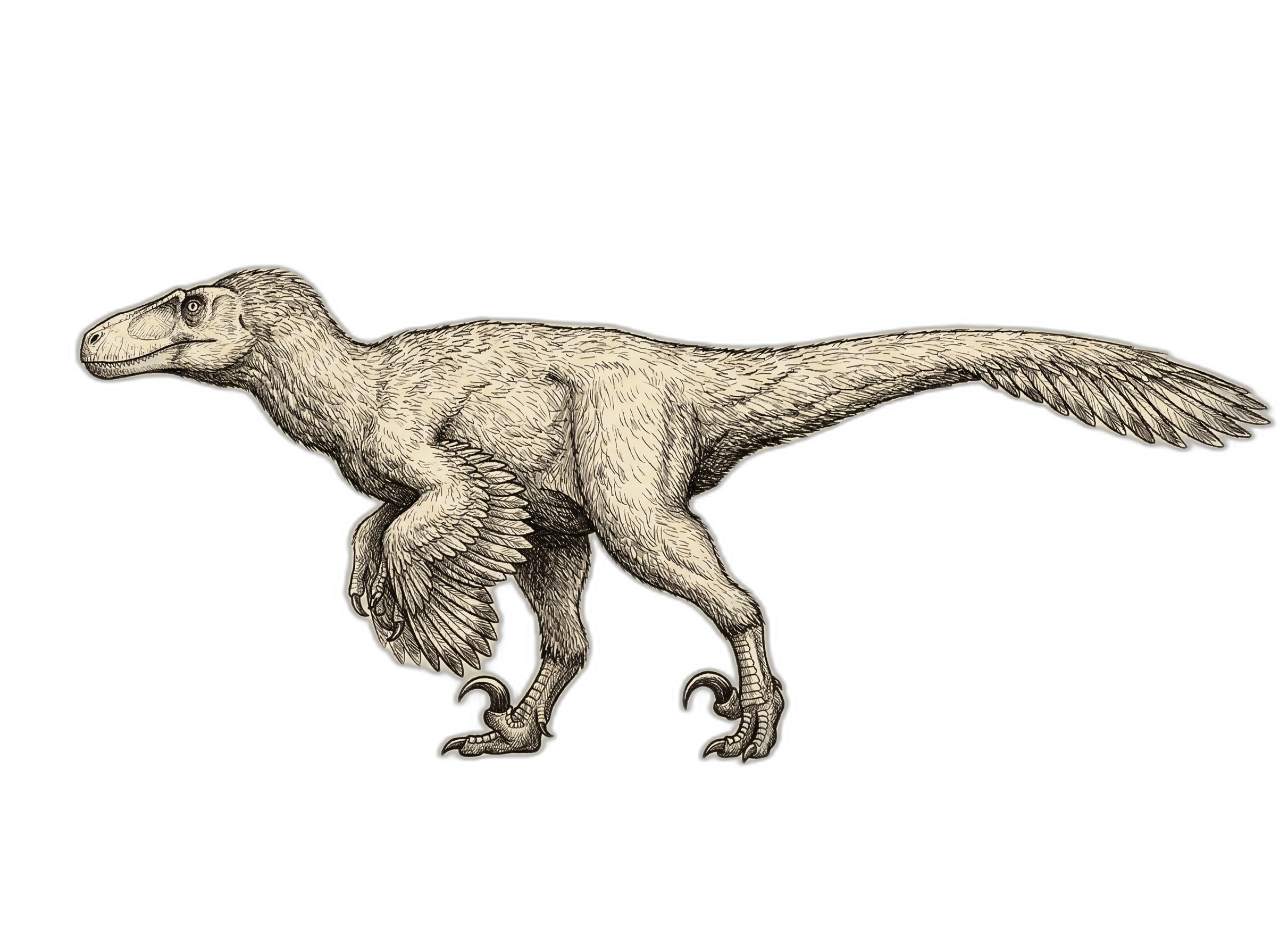
Utahraptor ostrommaysorum
5.5m long
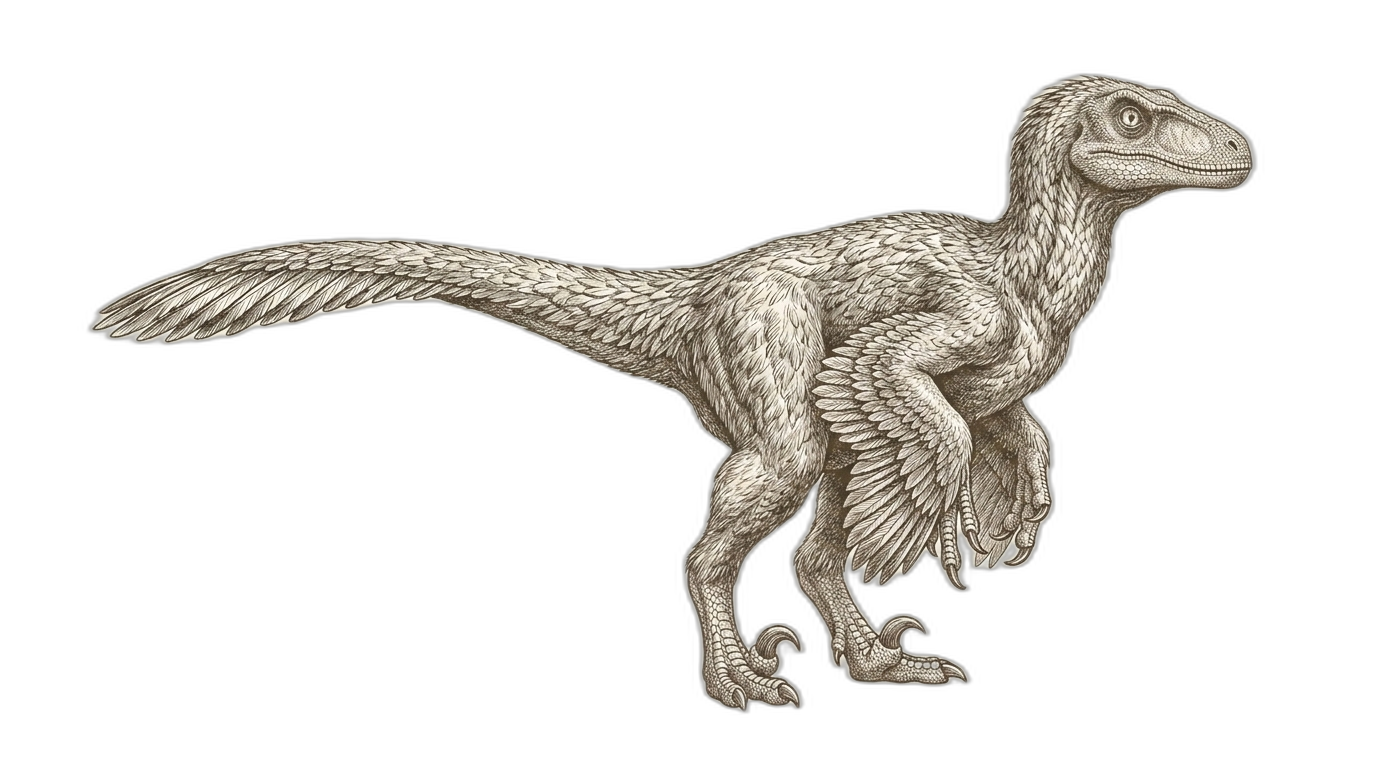
Velociraptor mongoliensis
2m long
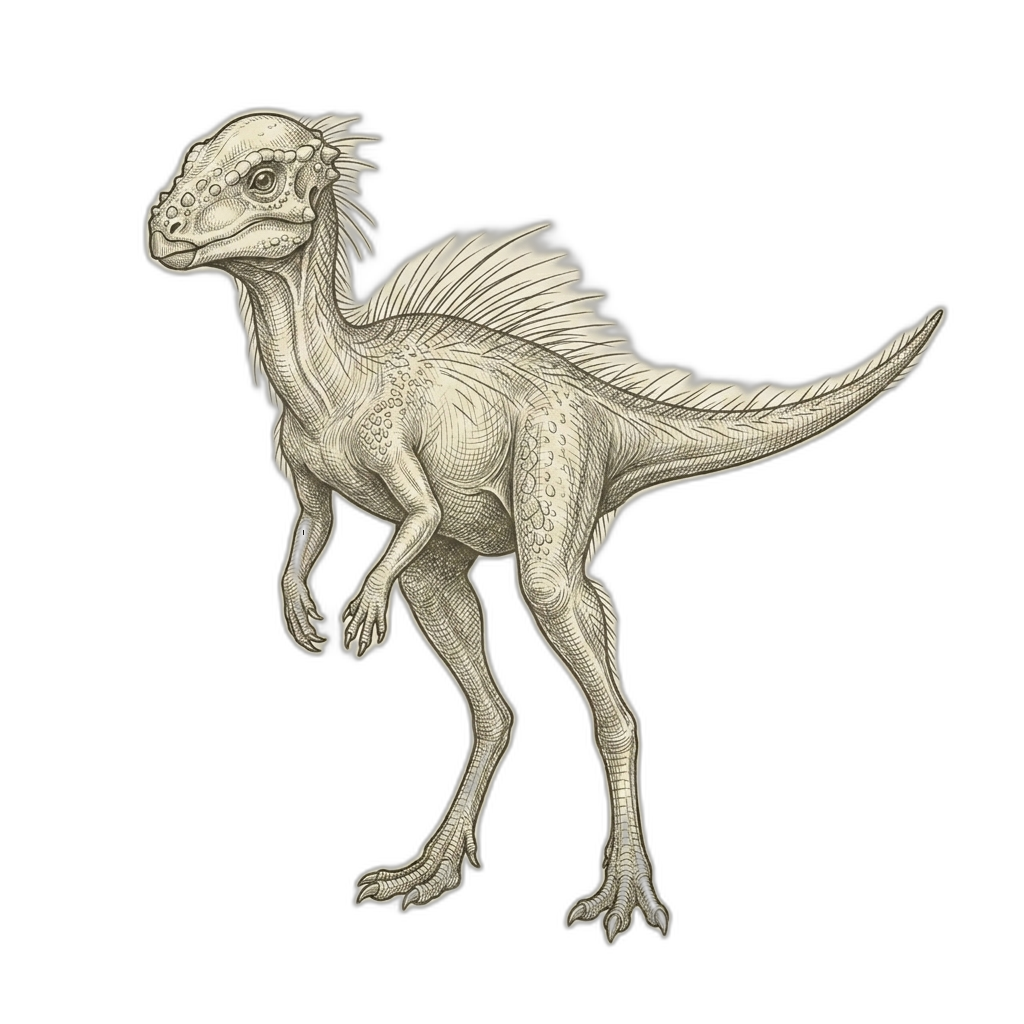
Wannanosaurus yansiensis
0.6m long
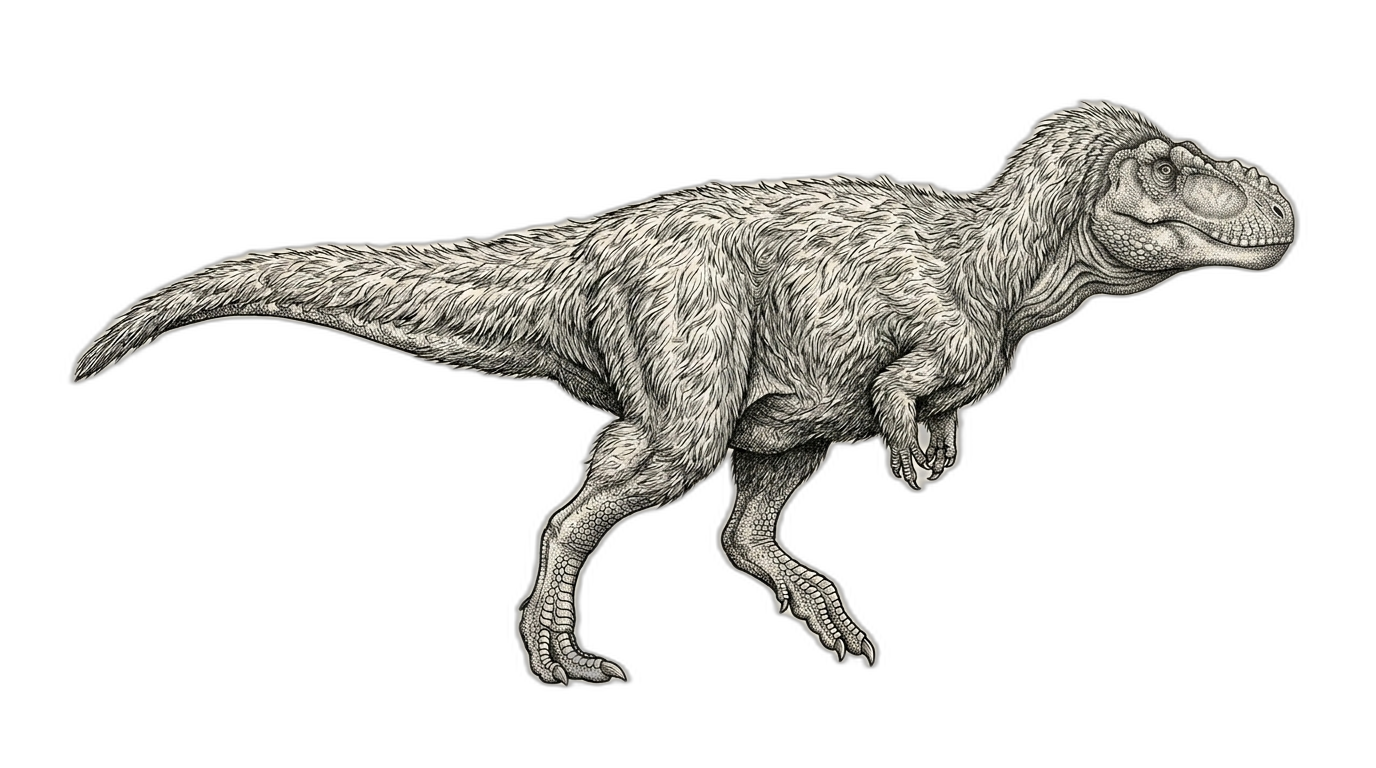
Yutyrannus huali
9m long
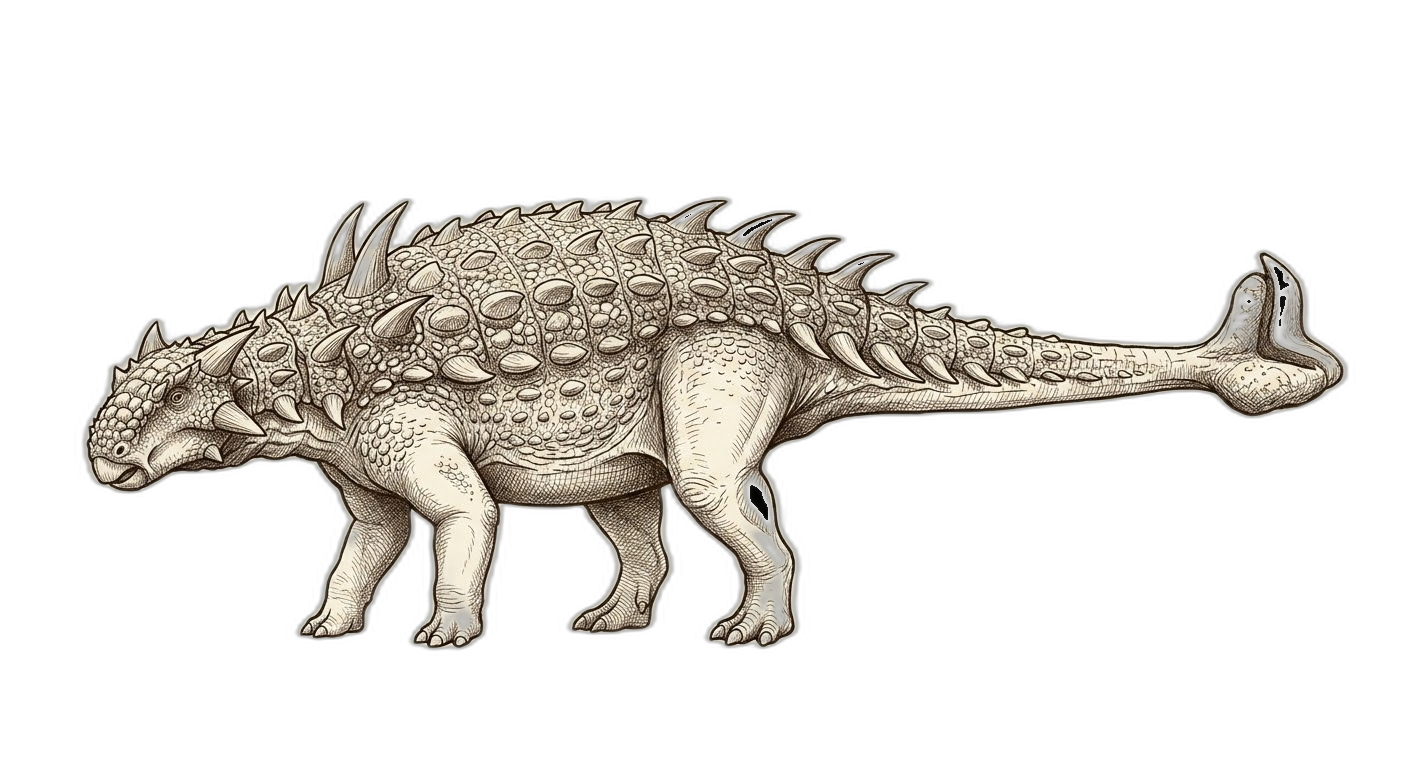
Zuul crurivastator
6m long